
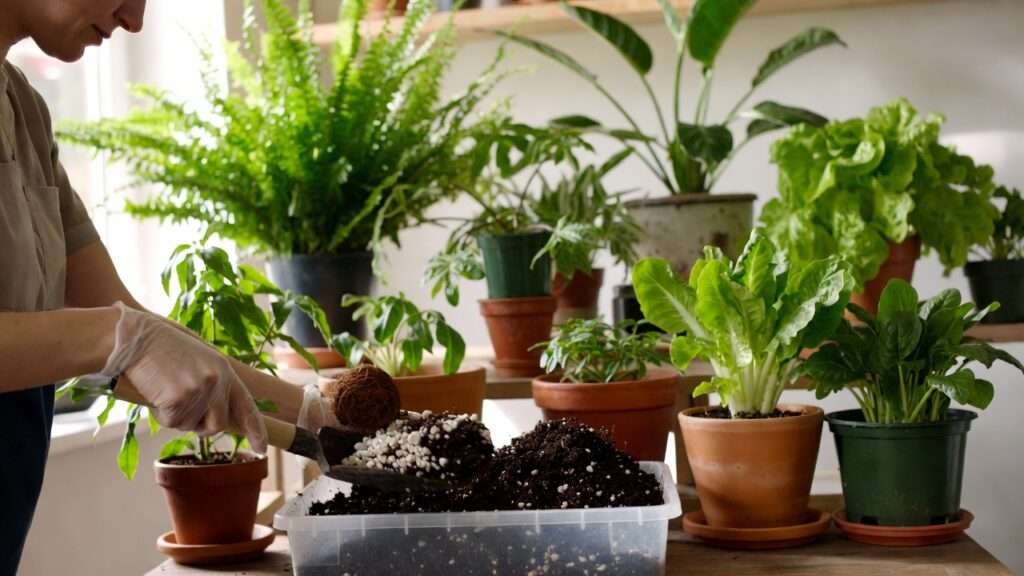
Have you ever opened a bag of store-bought potting mix only to find it compacted, dried out too quickly, or full of mystery fillers that leave your plants struggling? 😩 You’re not alone—many gardeners face inconsistent quality, skyrocketing prices, and environmental concerns with peat-based commercial mixes. The good news? You can take control with a superior homemade alternative that costs far less, supports stronger roots, and delivers noticeably healthier growth.
In this in-depth guide, we’ll share the best DIY potting mix recipe—a versatile, peat-free (or low-peat) blend using sustainable coconut coir—that outperforms most bagged options in moisture retention, aeration, and nutrient delivery. 🌿 Backed by years of testing blends for houseplants, vegetables, succulents, and even potted trees, this recipe saves 50-70% on costs while reducing issues like root rot and poor drainage. Whether you’re repotting indoor tropicals, starting veggie seedlings, or growing container herbs, this custom mix addresses your biggest pain points: better plant performance and wallet-friendly sustainability.
Let’s dive in and transform your gardening game!
Why Make Your Own Potting Mix? 💡🌿
Commercial potting soils often promise convenience but deliver frustration. Common complaints include:
- Inconsistent textures that compact over time, suffocating roots.
- Hidden additives, synthetic fertilizers that burn delicate plants, or even weed seeds/pathogens.
- High peat content contributing to environmental degradation (peat bogs store massive carbon—harvesting releases it).
- Steep prices, especially for premium organic brands—often $10-20 for just a few cubic feet.
DIY potting mix flips the script. You gain full control over ingredients, allowing customization for specific plants while embracing eco-friendly options like coconut coir (a renewable coconut husk byproduct). Benefits include:
- Superior aeration and drainage to prevent waterlogging.
- Balanced moisture retention without sogginess.
- Natural nutrient boost from compost, leading to vigorous growth and higher yields.
- Massive savings—bulk ingredients drop costs dramatically for avid container gardeners.
- Healthier, more resilient plants that resist pests and diseases better.
As a plant care expert who’s experimented with dozens of blends over the years (from balcony herb gardens to large potted fruit trees), I’ve seen homemade mixes consistently outperform store-bought in real-world results. Your plants will thank you with lusher foliage and bigger blooms! 🌸
Understanding Potting Mix Ingredients: The Building Blocks 🧱🌱
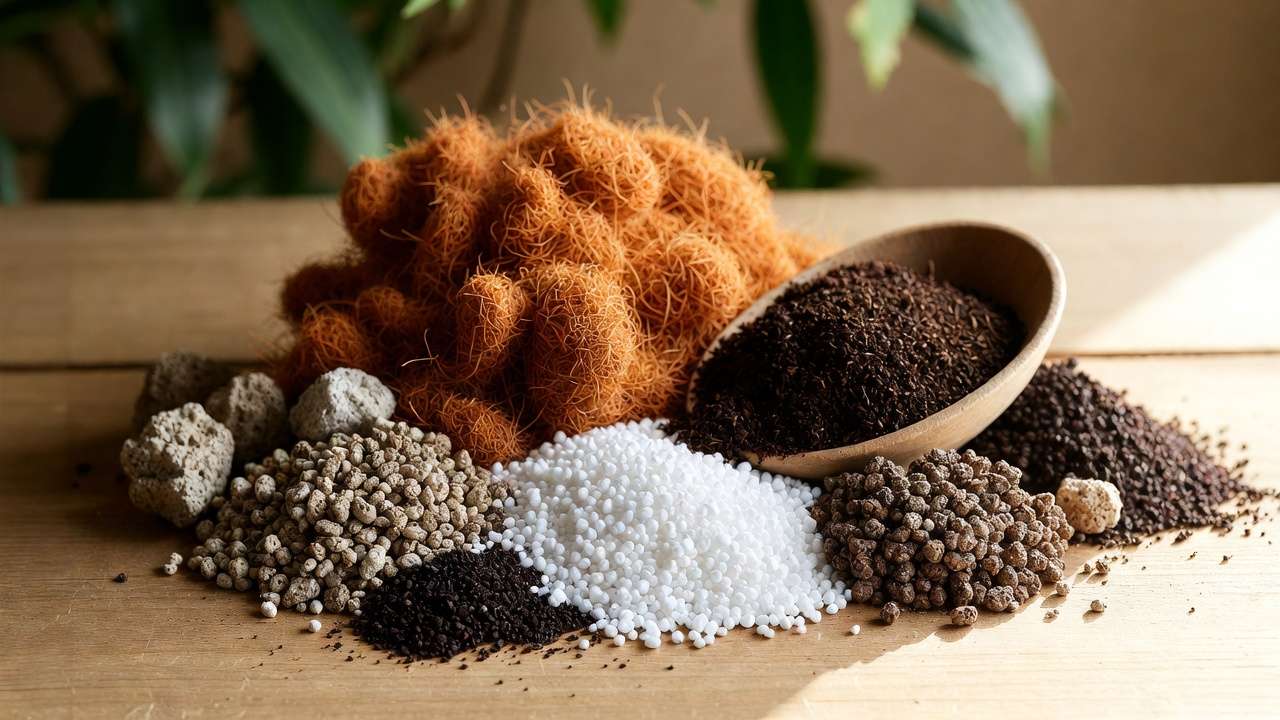
A great potting mix needs three core functions: water retention, aeration/drainage, and nutrients/structure. Here’s a breakdown of key ingredients and why they matter:
- Base/Water Retention 🌧️: Coconut coir (preferred for sustainability) — Holds moisture like a sponge but re-wets easily, pH-neutral (around 6-7), renewable, and less prone to compaction than peat moss. Peat moss (alternative if coir unavailable) — Excellent retention but acidic (needs lime adjustment) and environmentally controversial.
- Aeration & Drainage 💨: Perlite — Lightweight volcanic glass expands for excellent air pockets and drainage. Vermiculite — Holds some moisture while improving aeration (great combo with perlite). Pumice or coarse sand — Adds weight for stability in larger pots and prevents settling.
- Nutrients & Structure 🍄: Compost (homemade, worm castings, or high-quality bagged) — Provides organic matter, microbes, and slow-release nutrients. Aged manure or mushroom compost — Boosts fertility without burning roots. Amendments like worm castings (extra microbes), biochar (long-term nutrient hold), mycorrhizae (root-fungi symbiosis), or organic fertilizers (kelp meal, bone meal) — Enhance overall health.
Quick comparison table (common ingredients):
| Ingredient | Water Retention | Aeration | pH Impact | Sustainability | Cost Notes |
|---|---|---|---|---|---|
| Coconut Coir | High | Good | Neutral | High | Affordable in bricks |
| Peat Moss | Very High | Good | Acidic | Low | Cheaper but eco-concern |
| Perlite | Low | Excellent | Neutral | Moderate | Inexpensive bulk |
| Vermiculite | Moderate-High | Good | Neutral | Moderate | Slightly pricier |
| Compost | Moderate | Moderate | Neutral | High | Often free/homemade |
Choose based on your climate—more perlite in humid areas, extra coir/vermiculite in dry ones. 🌍
The Ultimate All-Purpose Best DIY Potting Mix Recipe 🏆🥄
This peat-free (or low-peat) recipe is my go-to “best” blend—tested across houseplants, veggies, and containers. It creates a light, fluffy medium with perfect balance.
Ingredients (by volume, scalable):
- 3 parts pre-soaked coconut coir (expand bricks in water first—yields fluffy texture).
- 2 parts high-quality screened compost or worm castings (for nutrients and microbes).
- 1 part perlite (or ½ perlite + ½ vermiculite for extra moisture hold in drier climates).
- Optional boosts: 1-2 handfuls worm castings per batch, dash of organic slow-release fertilizer (e.g., kelp meal), sprinkle of mycorrhizae powder.
Small batch example (about 5 gallons/20 liters—fills several medium pots):
- 3 gallons expanded coir.
- 2 gallons compost.
- 1 gallon perlite.
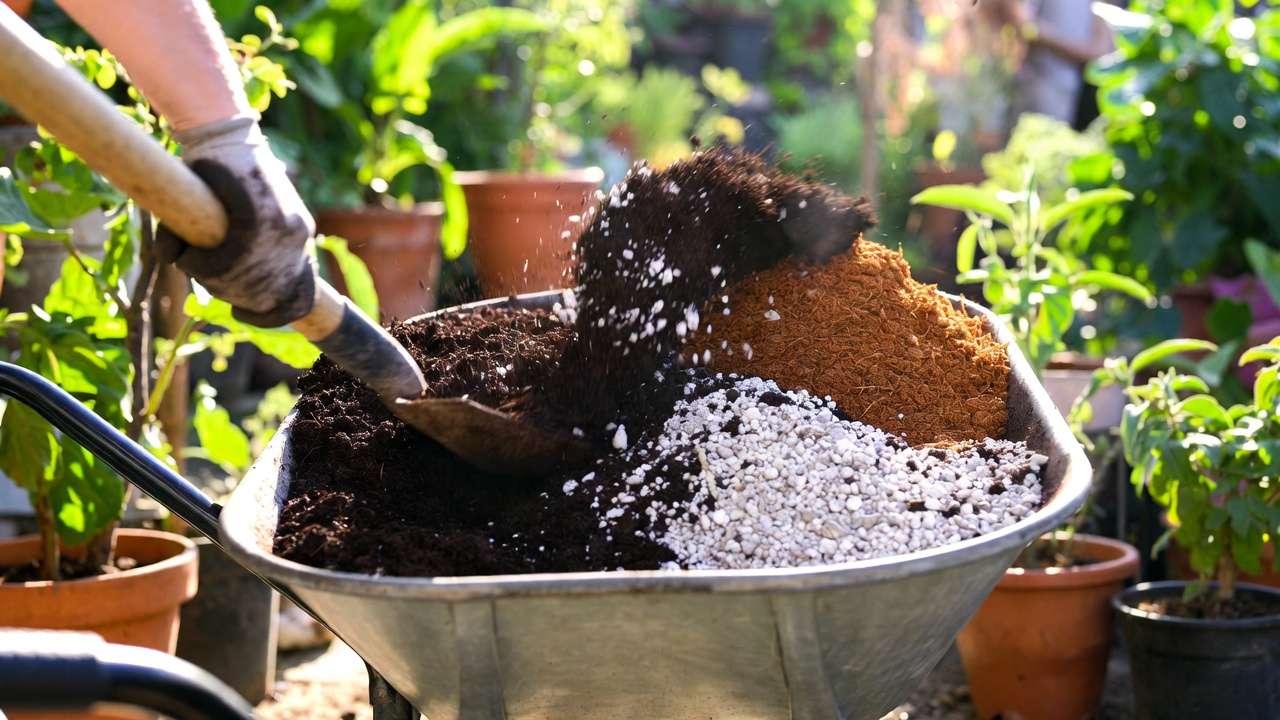
Large batch (wheelbarrow for containers/trees):
- Triple or quadruple above—mix on a tarp for easy cleanup.
Step-by-step instructions:
- Soak coir brick in a large bucket/tub until fully expanded (1-2 hours; fluff with hands/gloves).
- In a wheelbarrow or large tub, layer coir, compost, and perlite.
- Mix thoroughly (wear gloves/mask for dust)—aim for even distribution.
- Add amendments last; moisten slightly if dry.
- Test: Grab a handful—it should hold shape when squeezed but crumble easily (ideal moisture/aeration balance).
Why this outperforms store-bought? Custom ratios prevent compaction, natural nutrients reduce fertilizer needs, and sustainability focus avoids peat pitfalls. Plants show faster root establishment and fewer issues! 🚀
Variations for Specific Plants (Customization Section) 🌸🍅
One of the biggest advantages of this DIY approach is how easily you can tweak the base recipe for different plant types. Here are proven variations I’ve refined through trial and error—each addresses specific needs like moisture, drainage, or nutrient demands.
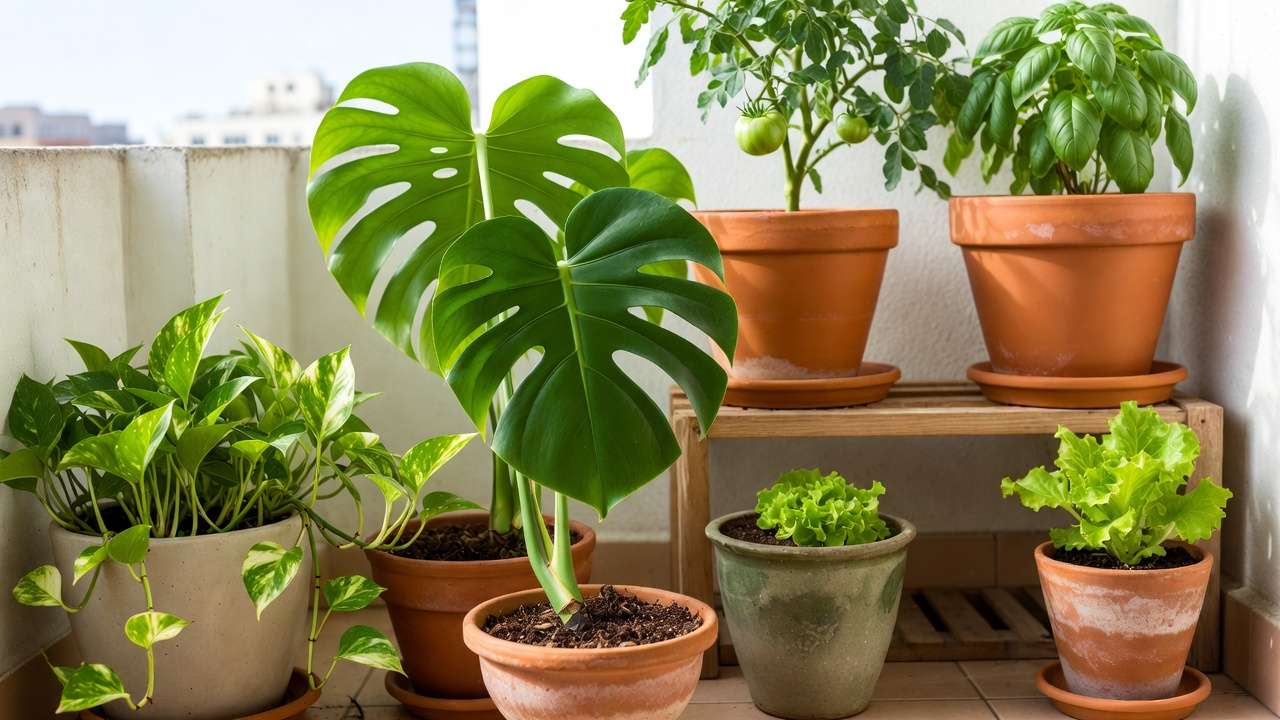
For Houseplants & Tropicals (moisture-loving beauties like monstera, pothos, philodendron, peace lily): Increase water retention while keeping good airflow to mimic humid tropical conditions.
- Adjusted ratio: 4 parts expanded coconut coir, 2 parts compost/worm castings, 1 part perlite + ½ part vermiculite.
- Why it works: Extra coir and vermiculite hold humidity longer between waterings—perfect for indoor environments with lower natural moisture. Add a sprinkle of mycorrhizae to encourage robust root networks. Result: Lush, vibrant foliage with fewer yellow tips from underwatering. 🌿

For Vegetables & Herbs in Containers (tomatoes, peppers, basil, lettuce—nutrient-hungry growers): Boost fertility for bigger harvests without constant feeding.
- Adjusted ratio: 3 parts coir, 3 parts compost (or 2 compost + 1 worm castings), 1 part perlite.
- Boosts: Mix in 1–2 tablespoons of organic slow-release fertilizer (like kelp meal or balanced granular organic) per gallon of mix, plus a handful of biochar for long-term nutrient retention. Pro tip: Top-dress with fresh compost mid-season for continuous feeding. Expect 20–40% better yields in pots compared to standard mixes! 🍅
For Succulents & Cacti (fast-draining desert dwellers like echeveria, aloe, haworthia): Prioritize quick drainage to prevent rot—the #1 killer of these plants.
- Adjusted ratio: 2 parts coir (or less), 1 part compost, 3–4 parts perlite/pumice (or coarse sand for weight).
- Optional: Add small gravel or orchid bark chunks for extra grit. This gritty blend dries out fast, mimicking arid native soils—your succulents will stay compact and colorful. 🌵

For Seed Starting & Seedlings (delicate sprouts needing light, sterile medium): Keep it airy and low-nutrient to avoid damping-off disease.
- Adjusted ratio: 2 parts coir, 1 part compost (screened finely), 2 parts perlite/vermiculite mix.
- Sterilize compost in oven (200°F/93°C for 30 min) if concerned about pathogens. Use this for trays or small pots—seedlings emerge stronger with excellent root development. 🌱
For Trees & Shrubs in Pots (long-term container plants like citrus, fig, dwarf fruit trees): Add stability and longevity.
- Adjusted ratio: 3 parts coir, 2 parts compost, 1 part perlite + 1 part coarse sand or pine bark fines.
- Why heavier: Prevents tipping in wind and supports root anchorage over years. Refresh top 1/3 annually. Your potted trees will thrive for seasons with minimal repotting stress! 🌳
Step-by-Step Guide: How to Make & Use Your DIY Potting Mix 🛠️📋
Making this mix is straightforward and fun—here’s the full process.
Tools & Materials Needed:
- Large buckets or wheelbarrow
- Tarp for clean mixing
- Gardening gloves and dust mask
- Measuring container (old bucket or scoop)
- Sieve (for lumpy compost)
- Water source for hydrating coir
Sourcing Ingredients Affordably:
- Coconut coir bricks: Online (Amazon, garden suppliers) or local nurseries—$10–15 for a brick that expands to 15+ gallons.
- Compost/worm castings: Make your own, buy bulk from farms, or quality bagged brands.
- Perlite/vermiculite: Garden centers or bulk online—perlite often under $20 for large bags.
- Local tip: Check agricultural co-ops or Facebook marketplace for deals.
Mixing Steps:
- Hydrate coir brick in a tub of water (warm helps faster expansion). Break apart clumps and fluff—takes 30–60 minutes.
- Spread tarp outdoors or in garage; layer ingredients starting with coir.
- Add compost and perlite; mix with shovel or hands until uniform (no streaks).
- Incorporate amendments; mist lightly if too dry.
- Test handful: Should form loose ball when squeezed, break apart easily.
Storage & Usage Tips:
- Store in sealed bins or bags to retain moisture—lasts 6–12 months.
- When repotting: Water plant first, remove old soil gently, fill with fresh mix, firm lightly, water thoroughly.
- Signs a plant needs repotting: Roots circling pot, slow growth, water runs straight through.

Expert Tips & Common Mistakes to Avoid 🚀⚠️
To get the absolute best results from your homemade potting mix, here are pro-level insights drawn from extensive hands-on experience and feedback from fellow gardeners:
- pH Balancing ⚖️: Most plants thrive in slightly acidic to neutral soil (pH 6.0–7.0). Coconut coir is naturally neutral, but if using peat moss, add 1–2 tablespoons of dolomite lime per gallon of mix to neutralize acidity. Test with a simple soil pH meter or strips—adjust once a year for long-term containers.
- Sterilizing Homemade Compost (if needed) 🔥: If your compost might contain pathogens (especially for seedlings), spread it in a thin layer on a baking sheet and heat in the oven at 180–200°F (82–93°C) for 30 minutes. Stir halfway. This kills most weed seeds and harmful microbes without destroying beneficial ones.
- Adding Slow-Release Nutrients Safely 🌱: Avoid root burn by mixing granular organic fertilizers (e.g., 4-4-4 balanced or fish emulsion pellets) at half the recommended strength initially. Worm castings are gentle and can be added more generously—they act like a natural time-release fertilizer.
- Sustainability Hacks ♻️: Go fully peat-free with coir + homemade compost. Reuse old potting mix by sifting out roots, amending with 30–50% fresh ingredients, and solarizing (cover in black plastic in sun for 4–6 weeks) to kill pests/pathogens. This reduces waste and keeps your garden circular.
- Climate-Specific Adjustments 🌤️: In hot, dry regions (like parts of Bangladesh during summer), bump up vermiculite or coir by ½ part. In rainy/monsoon seasons, increase perlite or pumice to prevent waterlogging.
Common Mistakes to Dodge:
- Overwatering fresh mix—it holds more moisture than old commercial stuff at first.
- Skipping the fluffing/hydration step for coir—dry coir repels water and creates dry pockets.
- Using garden soil instead of compost—brings weeds, compaction, and poor drainage.
- Ignoring batch testing—always do a small test pot before committing a whole collection.
Follow these, and you’ll sidestep 90% of the frustrations new DIY-ers face. Your plants will reward you with faster growth and resilience! 💪
Cost Comparison: DIY vs. Store-Bought Savings Calculator 💰📊
Let’s crunch the numbers realistically (based on 2025–2026 average prices in many regions, including South Asia markets):
Store-bought premium organic potting mix (e.g., Miracle-Gro, FoxFarm, or local branded peat/coir blends):
- ~$8–15 per 1.5–2 cubic foot bag.
- For 10 cubic feet (enough for 20–30 medium pots): $50–100+.
DIY version (our recipe, bulk sourcing):
- Coconut coir brick (expands to ~15 gallons/2 cu ft): $10–15.
- Compost/worm castings (bulk or homemade): $5–10 per 5 gallons or free if self-made.
- Perlite (large bag): $15–20 for 4 cu ft.
- Amendments (optional): $5–10 total.
Total for ~10 cubic feet batch:
- ~$25–45 (even less if you make compost at home or buy in larger quantities).
- Savings: 50–70% compared to premium brands, often 60–80% vs. small retail bags.
Long-term math for an active container gardener (e.g., 50+ pots, annual refresh/repotting):
- Store-bought: $150–300/year.
- DIY: $50–100/year → $100–200 saved annually, plus healthier plants that need less fertilizer/pest control.
These savings add up fast—especially for balcony gardeners, urban homesteaders, or anyone growing edibles in pots. The real win? Investing in bulk once gives you consistent quality forever. 💸
Frequently Asked Questions (FAQs) ❓🌿
Is this mix safe for edible plants like vegetables and herbs? Yes! Using high-quality, well-composted ingredients (no fresh manure) makes it perfectly food-safe. Many gardeners grow tomatoes, peppers, lettuce, and herbs successfully in this blend.
Can I reuse old potting mix? Absolutely—refresh it by removing old roots, sifting, and mixing in 30–50% fresh ingredients (more coir/perlite if compacted). Solarize or bake-sterilize if you suspect pests/disease.
What if I can’t find coconut coir where I live? Substitute with peat moss (add lime for pH), rice hulls, or pine bark fines. In Bangladesh, coir is increasingly available online or at larger nurseries—search “coconut coir brick gardening” locally.
How long does homemade potting mix last? 6–12 months stored sealed and dry. Once in use, refresh annually for heavy feeders or every 1–2 years for low-maintenance houseplants.
What’s the difference between potting mix and garden soil? Potting mix is lightweight, sterile-ish, well-aerated for containers. Garden soil is denser, nutrient-rich but compacts in pots and can harbor weeds/pathogens—never use 100% garden soil in containers.
Conclusion: Take Control of Your Plant Health Today! 🌳🔥
You’ve now got the complete blueprint for the best DIY potting mix recipe—a simple, customizable, cost-saving powerhouse that delivers healthier roots, lusher growth, and bigger harvests than most store-bought options. By controlling every ingredient, you’re not just saving money; you’re creating a more sustainable, effective growing medium tailored exactly to your plants and climate.
Start small: Mix up a batch this weekend, repot a few favorites, and watch the difference. Your monstera might finally unfurl that new leaf, your cherry tomatoes could burst with flavor, and your succulents will stay happy and rot-free.
Ready to level up your plant care game? Grab your ingredients, get mixing, and share your results in the comments—I’d love to hear how your plants respond! For more expert tips on houseplant care, container gardening, tree pruning, and sustainable practices, subscribe or bookmark this site. Happy planting! 🌱💚











