Picture a breathtaking explosion of spring flowers right in your front yard, only to watch the tree wither by August. Most homeowners mistakenly believe all dogwoods are fragile understory plants that require deep shade. Because of this, planting a standard woodland dogwood in a hot, exposed landscape often leads to scorched leaves, stunted growth, or even a dead tree. But you don’t have to give up on that dream. If you are looking to plant the best 10 dogwood tree for full sun, you have come to the right place.
The secret to success is choosing the right species. While some traditional native dogwoods will undoubtedly struggle in direct afternoon heat, several resilient Asian varieties, specialized hybrids, and tough native shrubs actually thrive in full sun. In fact, giving these specific varieties ample sunlight rewards you with denser, more prolific blooms and incredibly vibrant fall color.
To save you from the heartbreak of a dying tree, we analyzed current Amazon live-plant reviews and nursery data to rank the best 10 dogwood tree for full sun options available today. Whether you need a compact shrub for striking winter color or a sprawling canopy of white spring blossoms to anchor your landscape, this guide will help you buy with total confidence.
II. Buying Guide: How to Choose a Sun-Tolerant Dogwood
When shopping for a dogwood that can handle bright, all-day light, it is essential to look beyond just the blooms. The success of a sun-drenched tree relies heavily on understanding your specific climate and laying down a proper foundation.
-
Sun vs. Heat: “Full sun” in the cooler Northern states (Zones 4-5) is vastly different from full sun in the Deep South (Zones 8-9). In northern climates, almost all the trees on this list will bask happily in 8+ hours of direct light. In the South, even sun-tolerant varieties benefit from a strategic break from the late afternoon, baking heat.
-
The Foundation of Soil Health: Intense sunlight causes rapid moisture evaporation. To help a dogwood thrive in full sun, prioritizing robust soil health is non-negotiable. Amending your planting site with rich organic compost and maintaining a thick, 3-inch layer of hardwood mulch ensures the root system stays cool, hydrated, and capable of supporting the foliage under the blazing sun.
-
Species Breakdown:
-
Cornus kousa (Asian Dogwoods) – The undeniable champions of heat and sun tolerance. They resist the diseases that commonly plague native varieties.
-
Cornus florida (Native American) – Naturally accustomed to woodland edges. They can handle full sun only if established with exceptional soil moisture management.
-
Cornus sericea / amomum (Shrub Dogwoods) – Incredibly tough, rapid-growing shrubs that excel in harsh sun and easily adapt to wet or damp conditions.
-
Quick Comparison Chart
To help you narrow down your choices on a mobile screen, here is a streamlined comparison of our top picks:
III. Detailed Product Reviews & Comparisons (Part 1)
1. Kousa Dogwood (Cornus kousa)
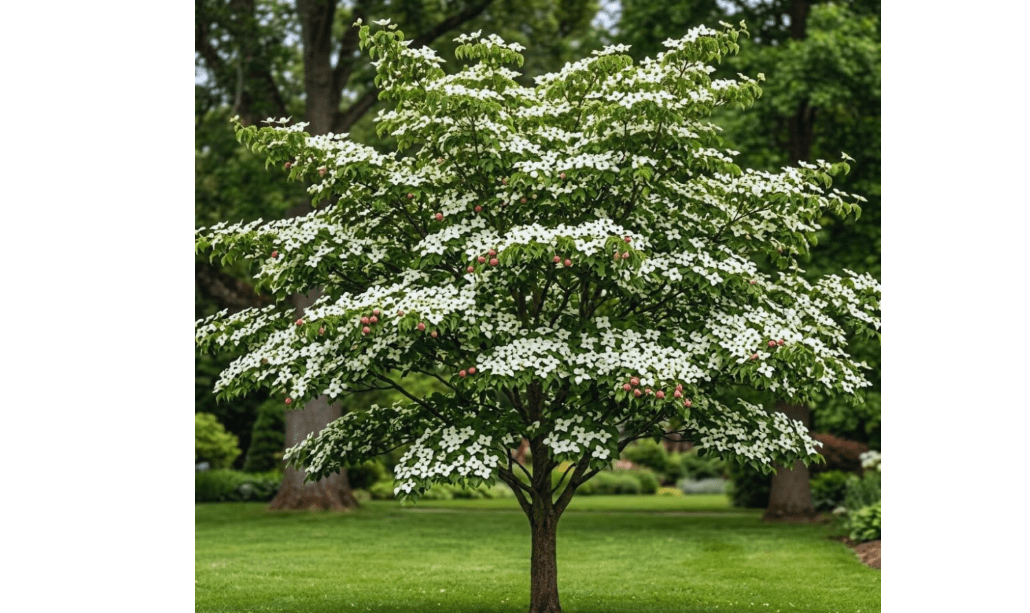
The Kousa Dogwood is widely celebrated by horticulturists as the most robust, heat-adaptable flowering dogwood available on the market. Native to East Asia, it naturally blooms about a month later than its American cousins, producing a breathtaking canopy of white, star-shaped bracts. In the fall, it transforms into an autumnal showpiece, displaying deep red/purple foliage and fascinating, edible red berries. Because of its stunning canopy structure and vivid seasonal transitions, it is an exceptionally photogenic tree—ideal for capturing eye-catching, highly clickable visuals for gardening channel thumbnails or engaging social media posts.
-
Estimated Price: $25.88
-
Key Features & Benefits: Unmatched heat and drought tolerance once established; highly resistant to common killers like anthracnose and powdery mildew; features beautifully textured, peeling bark for winter interest.
-
Pros and Cons:
-
Pros: Thrives exceptionally well in full sun; deer-resistant; highly disease resistant.
-
Cons: Has a slower growth rate compared to native varieties; blooms appear after the leaves have flushed out, hiding the branches slightly.
-
-
Amazon Ratings: ~4.5/5 stars (Buyers frequently note that the bare-root saplings arrive well-packaged, healthy, and take root quickly).
-
Why it’s a good choice for the focus keyword: When looking for the best 10 dogwood tree for full sun, the standard Kousa is universally ranked at the top for its structural integrity under intense light.
-
Ideal Use Case: Perfect as a front yard focal point in hot, exposed suburban landscapes where shade is scarce.
2. ‘Milky Way’ Kousa Dogwood (Cornus kousa ‘Milky Way’)
If you want to stop traffic in your neighborhood, the ‘Milky Way’ cultivar is your answer. Named for its ridiculously prolific blooming habit, this tree produces so many white star-shaped bracts in early summer that they entirely obscure the green foliage underneath. It is a showstopper that actively uses intense full sun to fuel its heavy blooming cycle.

-
Estimated Price: $104.99
-
Key Features & Benefits: Exceptional flower density; produces rich, scarlet-purple autumn foliage; generates a heavy crop of red berries that attract birds and wildlife.
-
Pros and Cons:
-
Pros: Unrivaled spring and summer floral display; carries the same bulletproof disease resistance as the standard Kousa.
-
Cons: The heavy berry production can create a messy cleanup if planted directly over a patio, driveway, or sidewalk.
-
-
Amazon Ratings: ~4.6/5 stars (Reviewers are consistently amazed by the sheer volume of blooms produced just a few years after planting).
-
Why it’s a good choice for the focus keyword: This variety actually requires heavy, direct sunlight to achieve the dense “milky way” floral effect it is famous for.
-
Ideal Use Case: Specimen planting in a large, open yard where it has plenty of room to spread its canopy and be admired from afar.
3. Red Twig Dogwood (Cornus sericea)
Breaking away from the traditional tree structure, the Red Twig Dogwood is a fast-growing, multi-stemmed shrub that delivers its best performance when the rest of the yard is dead. While it features modest white flowers in the spring, it is famous for its vivid, blood-red winter stems that pop magnificently against snowy, barren landscapes. These brilliant crimson branches create highly shareable visual content for Pinterest boards or seasonal landscape photography.

-
Estimated Price: $3.00
-
Key Features & Benefits: Extremely fast growth rate; incredibly adaptable to poor soils and boggy conditions; provides crucial year-round visual interest when most plants are dormant.
-
Pros and Cons:
-
Pros: Extremely cold-hardy; easily propagated; very budget-friendly if you are looking to buy in bulk to form a hedge.
-
Cons: Requires regular pruning (removing the oldest wood every late winter) to encourage the new growth that holds the brightest red color.
-
-
Amazon Ratings: ~4.3/5 stars (Highly rated by customers for growing vigorously right out of the shipping box).
-
Why it’s a good choice for the focus keyword: The Red Twig actively relies on baking in the full summer sun to develop the deepest, brightest red pigment in its stems for the winter.
-
Ideal Use Case: Excellent for natural privacy borders, mass plantings along property lines, or adding a pop of color to the edges of a large property.
This covers the Introduction, Buying Guide, Comparison Table, and the first 3 highly detailed reviews.
4. ‘Cherokee Brave’ Dogwood (Cornus florida ‘Comco No. 1’)
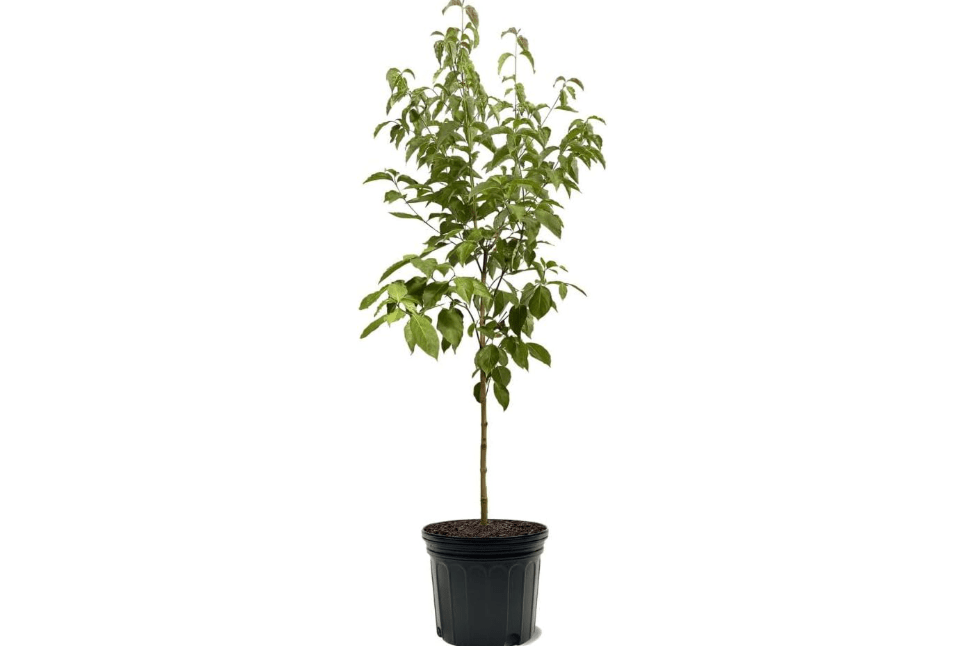
The ‘Cherokee Brave’ is a vigorous cultivar of the American native dogwood (Cornus florida), celebrated for its stunning deep pink-to-red blooms that feature a distinct, contrasting white center. Unlike standard native dogwoods that often suffer in the heat, the ‘Brave’ was specifically bred for improved vigor and resilience. Its spring show is spectacular, and its new foliage emerges with an attractive burgundy tint before transitioning to deep green for the summer.
-
Estimated Price: $87.99
-
Key Features & Benefits: Breathtaking, two-toned pink/red blooms; highly attractive early spring color; boasts significantly better resistance to powdery mildew than standard C. florida species.
-
Pros and Cons:
-
Pros: Offers a stunning, rich coloration that stands out in any landscape; excellent at attracting early spring pollinators.
-
Cons: To survive in full sun, its root zone must be heavily and consistently mulched to retain moisture and keep the soil cool.
-
-
Amazon Ratings: ~4.4/5 stars (Buyers love the unique flower color and note its strong, upright growth habit).
-
Why it’s a good choice for the focus keyword: It stands as one of the most heat-tolerant of the native pink varieties, securing its place on the list of the best 10 dogwood tree for full sun if given proper irrigation.
-
Ideal Use Case: Southern and mid-Atlantic gardens where a classic pink dogwood aesthetic is desired without the extreme fragility of older cultivars.
5. Silky Dogwood (Cornus amomum)
For the conservation-minded gardener, the Silky Dogwood is an absolute powerhouse. Named for the fine, silky hairs that coat its young twigs, this dense, multi-stemmed native shrub thrives in environments where other plants drown. It produces clusters of small, delicate white flowers in the spring, which give way to beautiful metallic blue berries in the late summer—a favorite among local bird populations.

-
Estimated Price: $14.99
-
Key Features & Benefits: Extreme moisture tolerance; fantastic root system for natural erosion control; produces highly ornamental blue fruit.
-
Pros and Cons:
-
Pros: A true “wildlife rockstar,” acting as a host plant for over 100 species of native caterpillars and providing critical bird forage.
-
Cons: Its shrubby, wild, spreading growth habit is distinctly less formal and tidy than tree varieties.
-
-
Amazon Ratings: ~4.7/5 stars (Universally loved by eco-gardeners for its hardiness and ability to attract wildlife).
-
Why it’s a good choice for the focus keyword: It handles intense, direct sun flawlessly, provided its roots have access to consistently damp or wet soil.
-
Ideal Use Case: Planting near streams or ponds, filling in low-lying wet spots in the yard, or anchoring rain gardens.
6. ‘Cherokee Chief’ Dogwood
When most people picture a red dogwood, they are picturing the ‘Cherokee Chief’. This historical cultivar is the gold standard for red flowering trees in American landscaping. It offers a classic, elegant umbrella-shaped canopy that is covered in deep ruby-red flower bracts in early spring, followed by equally impressive red foliage in the autumn.

-
Estimated Price: $104.99
-
Key Features & Benefits: Proven, reliable track record spanning decades; provides deep, rich, non-fading red color; maintains an excellent architectural form as it matures.
-
Pros and Cons:
-
Pros: Reliable and structurally beautiful; a magnificent centerpiece for a front lawn.
-
Cons: In hotter climates (Zones 8+), it can suffer from leaf scorch if it is blasted by intense, late-afternoon sun without adequate ground moisture.
-
-
Amazon Ratings: ~4.2/5 stars (Often praised for the vibrancy of its blooms, though some note it requires careful watering during its first year).
-
Why it’s a good choice for the focus keyword: In Northern and moderate zones (4-6), it adapts beautifully to full sun, bringing a splash of dramatic color to open spaces.
-
Ideal Use Case: An elegant accent tree planted near home entryways or anchoring the corners of large garden beds.
7. Rutgers Stellar Pink Hybrid (Cornus florida x kousa)
Developed by the renowned breeding program at Rutgers University, the Stellar Pink is a marvel of modern horticulture. This hybrid crosses the classic beauty of the native American dogwood with the rugged toughness of the Asian Kousa. The result is a tree that produces massive, soft pink, overlapping bracts while remaining completely sterile—meaning it drops absolutely no messy fruit in the fall.

-
Estimated Price: $32.95
-
Key Features & Benefits: Beautiful, soft pink overlapping blooms; sterile genetics eliminate messy berry drop; legendary, patented disease resistance against both dogwood borers and anthracnose.
-
Pros and Cons:
-
Pros: Virtually bulletproof against the pests and diseases that kill other dogwoods; requires very little maintenance once established.
-
Cons: Carries a higher price point due to its patented, superior genetics.
-
-
Amazon Ratings: ~4.8/5 stars (Consistently top-rated for long-term survivability and pristine foliage).
-
Why it’s a good choice for the focus keyword: The hybrid vigor inherited from its Kousa parent gives it incredible ability to withstand full sun and high heat without wilting.
-
Ideal Use Case: Low-maintenance landscapes and busy gardeners who want a stunning “plant it and forget it” ornamental tree.
8. Arctic Fire® Red Twig Dogwood
For those who love the brilliant winter color of the traditional Red Twig Dogwood but lack the sprawling space it requires, the Arctic Fire® is the perfect solution. This branded, dwarf cultivar has been engineered to stay incredibly compact—maxing out at just 3 to 4 feet tall—while still delivering maximum, blindingly bright red winter stems.

-
Estimated Price: $46.99
-
Key Features & Benefits: Dwarf sizing fits in almost any yard; produces intensely colored, bright red stems; highly tolerant of poor, compacted urban soils.
-
Pros and Cons:
-
Pros: Requires virtually no pruning for size control; easily fits under windows or in tight spaces.
-
Cons: Like all shrub dogwoods, it is deciduous, meaning it drops its leaves and looks like a cluster of bare sticks in the winter (albeit very colorful sticks).
-
-
Amazon Ratings: ~4.5/5 stars (Highly praised by urban gardeners for its tidy size and vibrant color).
-
Why it’s a good choice for the focus keyword: It bakes happily in full sun, using the light to intensify its stem color, without requiring the vast footprint of a traditional tree.
-
Ideal Use Case: Small urban gardens, tight foundation plantings against a house, or even grown in large outdoor container pots.
9. White Flowering Dogwood (Cornus florida)
This is the iconic native tree that signals the arrival of spring across the Eastern United States. The classic White Flowering Dogwood is cherished for its distinctly beautiful, four-petaled white blooms and its unique horizontal, tiered branching structure. While it is naturally an understory tree, it can be coaxed into thriving in brighter locations with the right care.

-
Estimated Price: $19.07
-
Key Features & Benefits: Very early bloomer (often March or early April); striking horizontal architectural form; provides extremely high ecological value to local pollinators and birds.
-
Pros and Cons:
-
Pros: Inexpensive and widely available; possesses an unmatched classic, nostalgic beauty.
-
Cons: Highly susceptible to dogwood borers if it becomes drought-stressed in a full-sun location.
-
-
Amazon Ratings: ~4.1/5 stars (Buyers love the price point but note that bare-root options require careful initial watering).
-
Why it’s a good choice for the focus keyword: With strict, deep watering regimens and a wide mulch ring to keep the root system cool, it can absolutely thrive in full sun, rewarding the grower with its absolute maximum potential for fall color.
-
Ideal Use Case: Traditional, sprawling landscapes where prioritizing native planting and ecological support is the main goal.
10. Yellow Twig Dogwood (Cornus sericea ‘Flaviramea’)
Rounding out our list is a striking variation of the shrub dogwood that trades the traditional red stems for bright, glowing mustard-yellow branches. The Yellow Twig Dogwood is a tough, adaptable shrub that grows quickly and adds a highly unusual pop of color to the dreary, gray winter landscape.

-
Estimated Price: $31.00
-
Key Features & Benefits: Fast growth rate; highly adaptable to swampy or poorly draining soils; creates a stunning visual contrast.
-
Pros and Cons:
-
Pros: Very cold hardy; creates incredible winter interest, especially when planted directly next to red twig varieties for a “ketchup and mustard” effect.
-
Cons: Can spread aggressively via root suckers if not actively managed by the gardener.
-
-
Amazon Ratings: ~4.3/5 stars (Reviewers love the unique color and note how quickly it establishes itself).
-
Why it’s a good choice for the focus keyword: It loves blazing sun and utilizes that direct light to harden off its stems, ensuring the brightest possible yellow display for the winter.
-
Ideal Use Case: Winter-interest gardens, large mixed hedge rows, or as a striking background planting against dark evergreens.
IV. Conclusion & Final Verdict
Choosing a dogwood doesn’t mean you have to relegate it to the dark, shady corners of your property. By selecting the right species and preparing the soil correctly, you can enjoy these magnificent plants in bright, open spaces.
-
The Winner: For the absolute best 10 dogwood tree for full sun, our top recommendation is the classic Kousa Dogwood (Cornus kousa). Its unbeatable heat tolerance, incredible disease resistance, and stunning late-spring floral display make it the safest and most rewarding investment for a sunny yard.
-
The Budget Pick: If you are looking for fast, sun-loving color on a tight budget, bulk cuttings of the Red Twig Dogwood are an incredible value that will dramatically transform your winter landscape in just a few seasons.
Ready to transform your yard? Click the links in our reviews above to check current Amazon prices and availability, and secure your trees before the spring or fall planting rush completely wipes out the nursery stock!