If you live in the Badger State, you already know that cultivating a vibrant, green lawn is a constant battle against the elements. Between sub-zero, snow-heavy winters and surprisingly hot, humid summers, extreme weather swings will quickly destroy a weak yard. To save you time, money, and frustration, we have meticulously researched the best 10 grass seed for wisconsin.
The biggest mistake local homeowners make is throwing down a generic, warm-season seed mix from a big-box store. These cheap blends inevitably lead to patchy, yellowing grass that gives up and dies at the very first hard freeze.
To build a resilient yard that bounces back beautifully every spring, you need cool-season varieties—specifically Kentucky Bluegrass, Fescues, and Perennial Ryegrass—that are genetically suited for northern climates. This guide breaks down exactly which proven blends will thrive in your specific yard, whether you are dealing with deep pine shade, baking full sun, or heavy foot traffic from the family dog.
Quick Decision Guide: Our Top Picks
Short on time? Here is a quick breakdown of our top-rated seeds based on yard conditions and use cases.
Detailed Product Comparisons & Reviews
1. Jonathan Green Black Beauty Ultra
Product Description: The crown jewel of cool-season seeds. This premium, genetically superior blend contains elite Tall Fescues, Kentucky Bluegrass, and Perennial Ryegrass. It is specifically engineered to grow deep roots (up to 4 feet) that pull subterranean moisture during dry spells.

Price: $105.95
Key Features & Benefits: The grass blades possess a naturally invisible waxy coating that preserves plant moisture. It provides a naturally dark green, sod-like color and boasts exceptionally high disease and heat resistance. Pros and Cons:
-
Pros: Rapid germination time; crowds out crabgrass early; highly resilient against drought and deep freezes.
-
Cons: Premium price point; requires slightly warmer soil temperatures to initially germinate than pure ryegrass blends. Amazon Customer Ratings: 4.4 out of 5 stars. Users consistently praise its ability to turn bare dirt into a golf-course-quality lawn within weeks. Why It’s a Good Choice for Wisconsin: Its deep root system easily survives extreme freeze-thaw cycles and the unpredictable, dry summer spells common in the Midwest. Ideal Use Case: Homeowners looking for a pristine, dark green lawn in full sun to partial shade, who don’t mind spending a little extra for top-tier genetics.
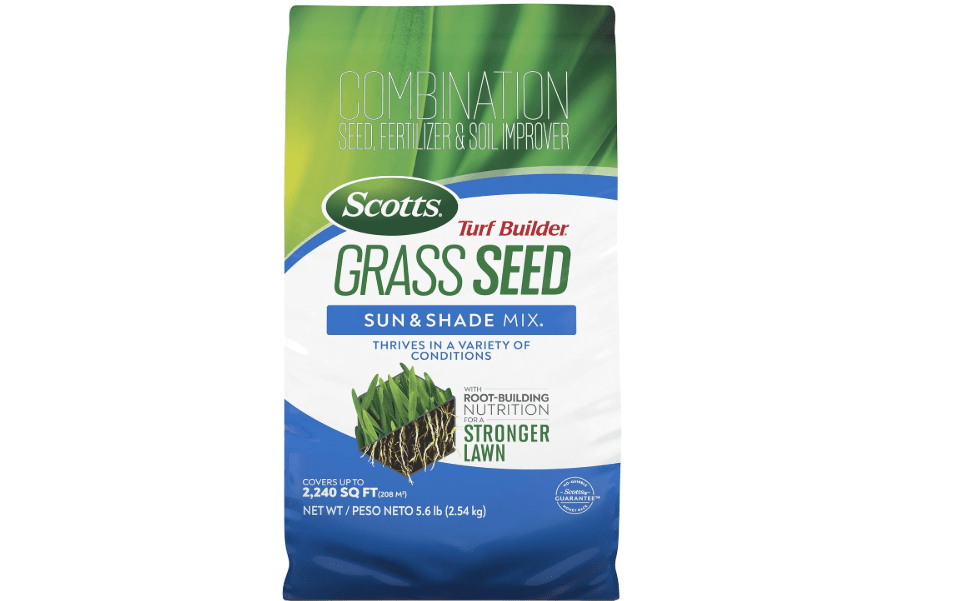
2. Scotts Turf Builder Grass Seed Sun & Shade Mix
Product Description: An incredibly versatile, all-in-one seed mix tailored for yards that experience shifting light patterns throughout the day. It combines Kentucky bluegrass, perennial ryegrass, and fine fescues with a proprietary coating.
Price: $33.99
Key Features & Benefits: Features Scotts’ exclusive Root-Building Nutrition, which encapsulates the seed in fertilizer and a soil improver. It is designed to establish deep roots and withstand foot traffic. Pros and Cons:
-
Pros: Very forgiving for beginners; handles both baking sun and dense shade well; built-in fertilizer jumpstarts growth.
-
Cons: The coating means you get fewer actual seeds by weight per bag compared to uncoated raw seed. Amazon Customer Ratings: 4.1 to 4.5 out of 5 stars. Praised for convenience and reliable germination. Why It’s a Good Choice for Wisconsin: The built-in moisture retention coating helps seedlings survive drying Midwest winds, and the diverse grass mix ensures that at least one species will thrive regardless of your specific microclimate. Ideal Use Case: The everyday homeowner with a typical suburban lot (trees, house shadows, and open sunny patches) wanting a reliable, widely available solution.
3. Barenbrug Turf Blue Pro Kentucky Bluegrass
Product Description: A professional-grade, 100% Kentucky Bluegrass blend utilized by golf courses and athletic fields across the northern United States. Coated with Barenbrug’s “Yellow Jacket” technology to hold moisture.

Price: $159.20
Key Features & Benefits: Creates a uniform, medium-fine textured turf. Because it is pure Kentucky Bluegrass, it spreads via underground rhizomes, meaning it will actively self-repair bare spots caused by dog urine or foot traffic. Pros and Cons:
-
Pros: Incredible self-healing properties; unmatched deep blue-green color; supreme winter hardiness.
-
Cons: Slower germination time (can take up to 21-28 days); requires full sun to truly thrive. Amazon Customer Ratings: 4.6 out of 5 stars. Lawn enthusiasts love the purity and lack of weed seeds. Why It’s a Good Choice for Wisconsin: Kentucky Bluegrass is the native king of the northern states. It actually prefers the cold winters and will go dormant (rather than die) during a severe summer drought. Ideal Use Case: Lawn care purists wanting a 100% Kentucky Bluegrass yard that spreads, heals itself, and looks like a manicured fairway.
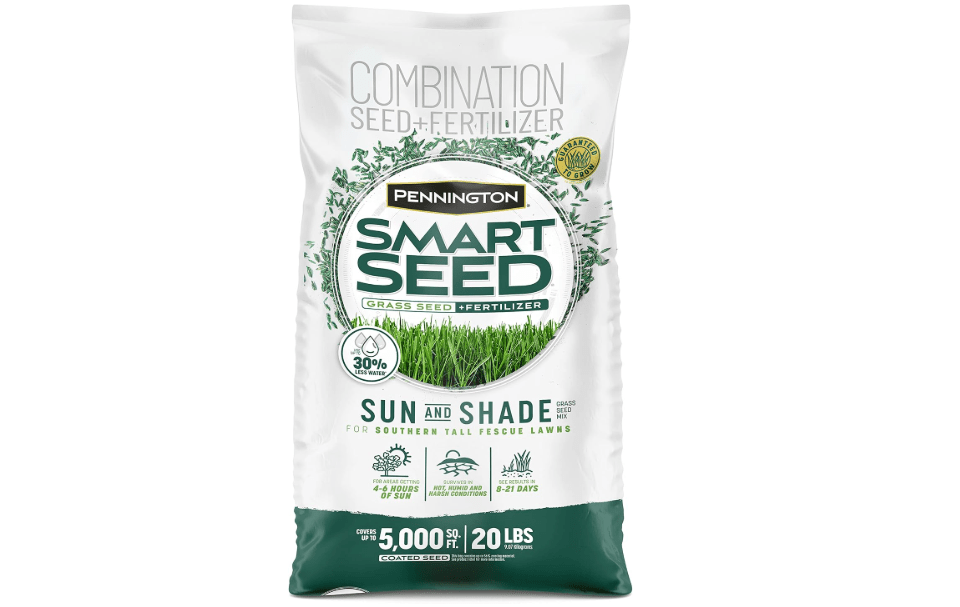
4. Pennington Smart Seed Cool Season Blend
Product Description: An environmentally focused blend of tall fescues and bluegrass that is bred specifically for water conservation and sustainability without sacrificing aesthetics.
Price: $60.73
Key Features & Benefits: Requires up to 30% less water year-over-year once fully established. The seed is treated with Pennington’s Penkoted technology to protect against fatal fungus and rot during the wet spring planting season. Pros and Cons:
-
Pros: Highly drought tolerant; excellent disease resistance; saves money on water bills.
-
Cons: The texture is slightly coarser than fine fescues or pure bluegrass. Amazon Customer Ratings: 4.3 out of 5 stars. Highly rated for its survivability in neglected yards. Why It’s a Good Choice for Wisconsin: Perfect for areas of the state facing watering restrictions during July and August, yet robust enough to handle severe winter snowpack. Ideal Use Case: Eco-conscious buyers, or homeowners with large lots without an automated sprinkler system who need a resilient, low-maintenance turf.
5. Outsidepride Legacy Fine Fescue
Product Description: A highly specialized blend of Hard, Chewings, and Creeping Red fescues designed explicitly to conquer the most challenging, sun-starved areas of a property.

Price: $69.99
Key Features & Benefits: Features an OptiGrowth coating for better establishment in poor soil. Fine fescues require significantly less fertilizer and mowing than other grass types. Pros and Cons:
-
Pros: Exceptional shade tolerance; very low maintenance requirements; fine, soft texture.
-
Cons: Low traffic tolerance—does not handle heavy dog or kid activity well. Amazon Customer Ratings: 4.2 out of 5 stars. Consistently rescues yards shaded by giant oak and pine trees. Why It’s a Good Choice for Wisconsin: Many older Wisconsin properties feature dense canopies of mature trees where standard sun-loving grasses quickly die off. This seed thrives in those exact cool, dark conditions. Ideal Use Case: Heavily wooded lots, the shaded north side of homes, or deep, persistent shade where every other grass has failed.
6. GreenView Fairway Formula Sun & Shade
Product Description: A premium, uncoated seed blend offering top-tier purity. It guarantees zero fillers and provides a mix of cool-season grasses tailored for transition light zones.

Price: $15.97
Key Features & Benefits: Because it is entirely uncoated, you get 100% seed by weight. It is strictly tested to be weed-free and guarantees rapid establishment with minimal fertilization. Pros and Cons:
-
Pros: Excellent value by weight; zero filler or coatings; professional-grade purity.
-
Cons: Uncoated seed dries out faster, requiring strict and frequent watering during the first 14 days. Amazon Customer Ratings: 4.5 out of 5 stars. Why It’s a Good Choice for Wisconsin: The robust mix of northern grasses guarantees quick coverage before the first frost hits if planted in early fall. Ideal Use Case: Buyers wanting professional-grade, uncoated seed and who have the time to water meticulously during germination.
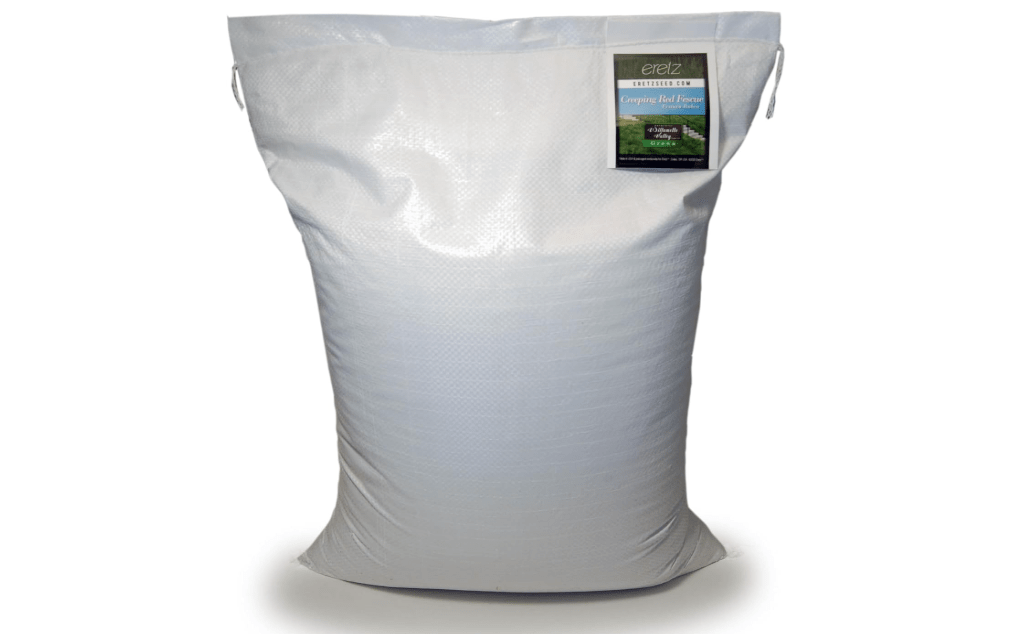
7. Eretz Creeping Red Fine Fescue
Product Description: A beautiful, shade-tolerant grass known for its distinct needle-like leaves and sweeping, natural look if left unmowed.
-
Pros: Can be used as a “no-mow” ornamental grass; excellent shade tolerance; low fertilizer needs.
-
Cons: Not suitable for full, baking sun or high-traffic sports areas. Amazon Customer Ratings: 4.4 out of 5 stars. Why It’s a Good Choice for Wisconsin: Ideal for the sandy soils found near the Great Lakes or the rocky terrain in parts of the Driftless Area. Ideal Use Case: Low-maintenance yards, steep erosion-prone slopes, or “no-mow” natural landscapes in cities like Milwaukee or Madison.
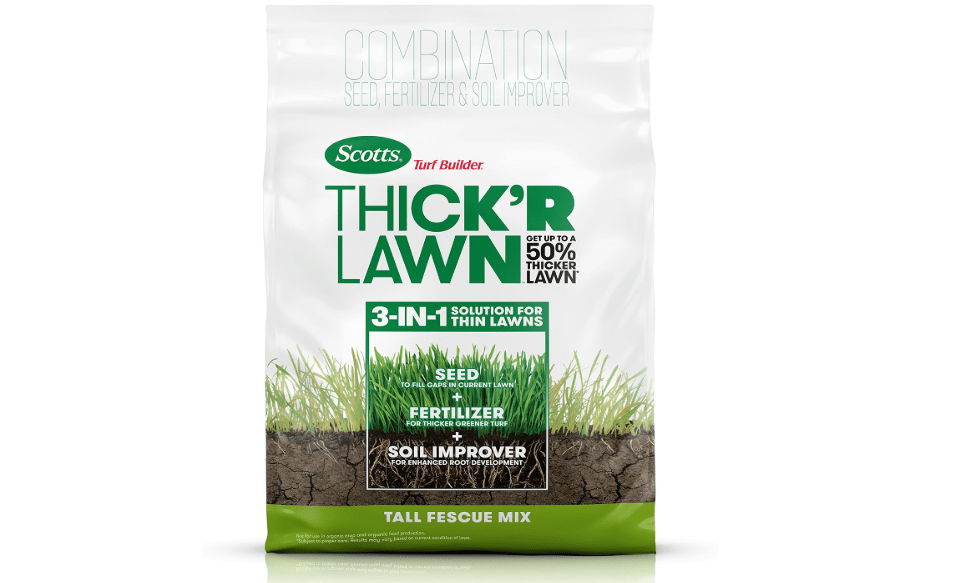
8. Scotts Turf Builder Thick’R Lawn Tall Fescue Mix
Product Description: A 3-in-1 solution designed specifically to rescue thin, weak lawns. It contains grass seed, fertilizer, and a soil improver all mixed into one bag.
Price: $60.00
Key Features & Benefits: Meant specifically for overseeding (not starting a lawn from scratch). It promises to thicken existing lawns by up to 50% with a single application. Pros and Cons:
-
Pros: Incredibly easy to apply with a broadcast spreader; fixes patchy lawns fast; great value.
-
Cons: Not intended for bare dirt or brand new lawns. Amazon Customer Ratings: 4.3 out of 5 stars. Why It’s a Good Choice for Wisconsin: The heavy freeze-thaw cycles of Wisconsin winters often leave lawns looking thin by spring. This is the perfect, easy remedy to bounce back in May. Ideal Use Case: Homeowners looking to strictly overseed and thicken an existing, patchy lawn in late summer or early spring.
9. Hancock’s Kentucky Bluegrass
Product Description: A bulk-value, high-quality pure Kentucky Bluegrass seed favored by contractors, landscapers, and farmers.

Price: $70.00
Key Features & Benefits: Uncoated and highly pure. Once established, the rhizomes interlock to create a dense, impenetrable sod that naturally chokes out broadleaf weeds. Pros and Cons:
-
Pros: Incredible durability; dark color; great bulk pricing.
-
Cons: Slower to establish; requires a high-nitrogen feeding schedule to maintain peak color. Amazon Customer Ratings: 4.5 out of 5 stars. Why It’s a Good Choice for Wisconsin: Perfect for the expansive, open yards of rural Wisconsin where full sun exposure is constant. Ideal Use Case: High-traffic yards, athletic fields, and large open properties with maximum sun exposure.
10. Twin City Seed Co. Tuff Turf Mix
Product Description: An ultra-durable blend heavily weighted with Turf Type Tall Fescue (TTTF) and Perennial Ryegrass, designed to withstand intense physical abuse.

Price: $35.00
Key Features & Benefits: Germinates incredibly fast (often within 5-7 days) to provide quick ground cover. The wide blades of the TTTF resist tearing from cleats or dog claws. Pros and Cons:
-
Pros: Unmatched wear tolerance; rapid germination; handles pet urine better than bluegrass.
-
Cons: Thicker grass blade texture may not appeal to those wanting a very fine, carpet-like lawn. Amazon Customer Ratings: 4.7 out of 5 stars. Why It’s a Good Choice for Wisconsin: Gives active families a lawn that won’t turn into a mud pit during wet Wisconsin springs and falls. Ideal Use Case: Active families with large dogs who need a lawn with exceptional wear tolerance and rapid recovery.
The Wisconsin Buyer’s Guide: How to Choose
Understanding the Climate
Wisconsin falls squarely in the cool-season grass zone. Planting Bermudagrass, Zoysia, or Centipede grass here is a guaranteed failure. You need seeds that enter a protective dormancy during freezing winters and push aggressive growth during the moderate temperatures of spring and fall.
Grass Types Decoded
-
Kentucky Bluegrass (KBG): The most common and sought-after grass. It is self-healing, incredibly dense, and beautiful, but it demands full sun and regular fertilizing.
-
Fine Fescue: The ultimate shade-survivor. It has a needle-like texture, requires very little fertilizer, but cannot handle heavy foot traffic.
-
Perennial Ryegrass: The sprinter of the grass world. It germinates in just days, making it perfect for quick patching, though it isn’t quite as cold-hardy as KBG.
-
Turf Type Tall Fescue (TTTF): The tough guy. Its massive, deep root systems make it a fantastic drought survivor and highly resistant to dog traffic.
Assessing Your Yard
Before buying, evaluate your yard’s light. If the area gets 6+ hours of direct sunlight, choose Bluegrass or Tall Fescue. If it gets 4-6 hours of dappled light, choose a Sun & Shade mix. If it gets less than 4 hours under heavy trees, you must buy a Fine Fescue blend.
Planting & Maintenance Tips for Success
-
The Golden Window: The absolute best time to plant grass seed in Wisconsin is late summer to early fall (mid-August to mid-September). The soil is warm for fast germination, but the air is cool, and weed competition is dead. Early spring is your backup window.
-
Soil Prep: Never throw seed on hard, compacted clay. Core aerate the lawn first, lightly rake the topsoil, and always apply a high-phosphorus starter fertilizer to encourage root growth.
-
Watering Protocol: Grass seed does not need to be flooded, but it must stay damp. Water the seeded areas lightly 2 to 3 times per day for the first 14-21 days. If the seed dries out for even an afternoon during germination, it will die.
Conclusion & Final Call to Action
Growing a lush, barefoot-worthy lawn in the Upper Midwest doesn’t require a professional landscaping crew—it just requires planting the right genetics.
If you want a flawless, golf-course look that withstands the elements, Jonathan Green Black Beauty Ultra is the undisputed champion for Wisconsin. If your yard is a battleground of trees and shadows, rely on Outsidepride Legacy Fine Fescue, and for the average busy homeowner dealing with a mix of sun and shade, you cannot go wrong with the Scotts Turf Builder Sun & Shade Mix.
Because the optimal planting window in Wisconsin is incredibly short, don’t wait until the first frost is looming. Check the current Amazon prices above, secure your seed, and start prepping your soil this weekend!