
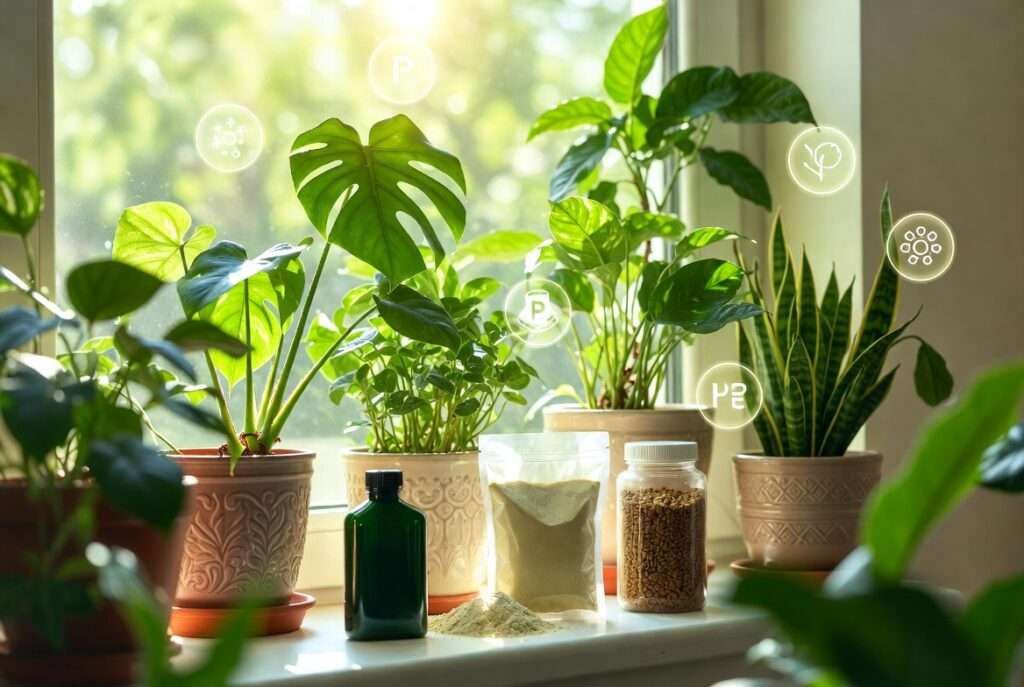
Struggling with yellowing leaves, leggy stems, or indoor plants that seem stuck in neutral despite your best care? 🌿 The secret to lush, vibrant houseplants often comes down to one key factor: best fertilizers for balanced indoor plant nutrition. Unlike outdoor gardens with natural soil renewal, potted plants quickly deplete essential nutrients in their limited root zone, leading to stunted growth, weak roots, and disappointing results.
As a plant care specialist with years of hands-on experience helping thousands of indoor gardeners transform struggling collections into thriving jungles, I’ve tested dozens of formulas and seen firsthand what works. Balanced nutrition—providing the right mix of macronutrients without excess—solves the most common problems: nutrient deficiencies, fertilizer burn, and uneven growth. In this comprehensive guide, you’ll discover exactly which fertilizers deliver steady, healthy development for your Monstera, pothos, snake plant, or flowering beauties. We’ll cover NPK ratios, organic vs. synthetic options, application techniques, common mistakes to avoid, and expert tips to keep your plants happy year-round. 🌿
By the end, you’ll have the confidence to choose and use the right fertilizer, turning your indoor oasis into a picture-perfect green space. Let’s dig in! 🪴
Why Indoor Plants Need Balanced Nutrition 🌿
Indoor plants live in an artificial environment. Their potting mix starts with some nutrients, but repeated watering leaches them out, and there’s no natural replenishment from falling leaves or microbial activity like in garden soil. Without supplemental feeding, plants show clear signs of stress: pale or yellow leaves (chlorosis), slow or no new growth, weak stems, and fewer blooms.
The Role of Macronutrients in Indoor Plant Health
The three primary macronutrients are listed on every fertilizer label as NPK:
- Nitrogen (N): Fuels lush foliage and vibrant green color through chlorophyll production. It’s essential for photosynthesis and overall vegetative growth. Too little, and leaves turn yellow; too much, and you get soft, leggy plants prone to pests. 🟢
- Phosphorus (P): Supports strong root development, energy transfer (ATP), and flowering/fruiting. It’s crucial during blooming stages or when repotting to establish new roots.
- Potassium (K): Regulates water uptake, strengthens cell walls, improves disease resistance, and enhances overall plant vigor. It helps plants tolerate low light or dry indoor air better.
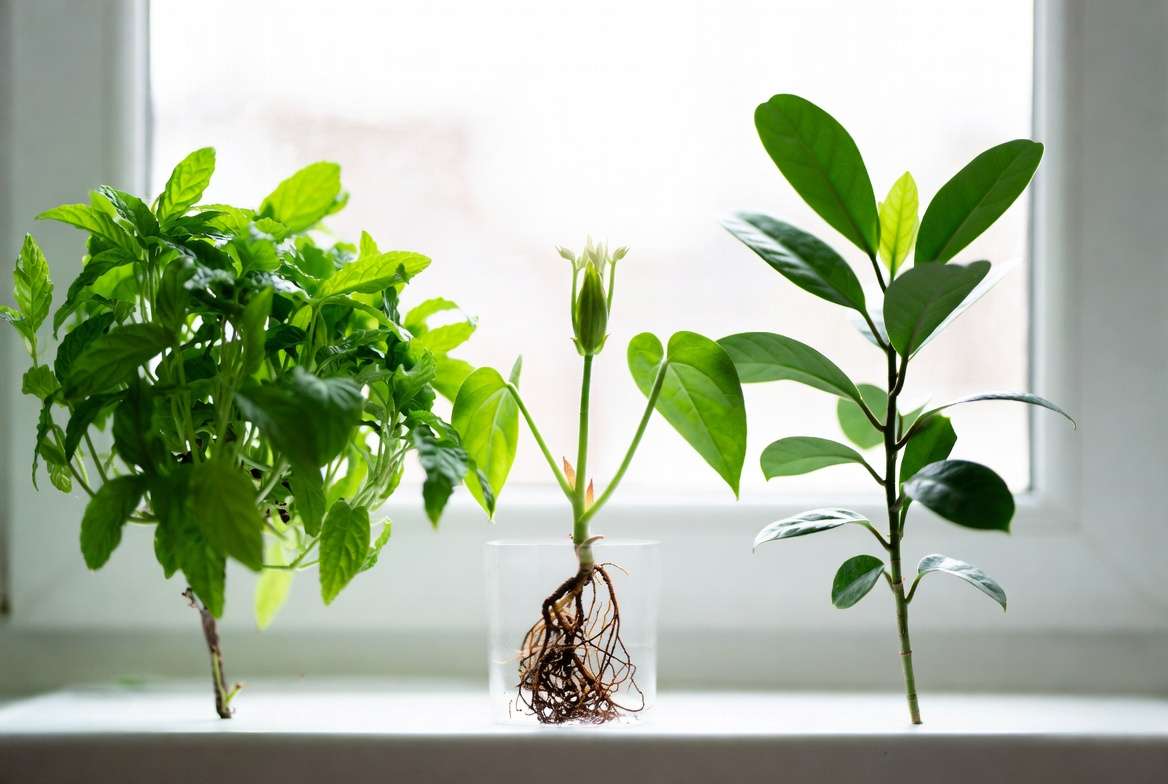
Secondary nutrients like calcium, magnesium, and sulfur, plus trace micronutrients (iron, manganese, zinc, etc.), play supporting roles. A truly balanced fertilizer delivers these in proportions that match most houseplants’ needs, preventing imbalances that cause issues like blossom end rot (calcium deficiency) or interveinal chlorosis (magnesium/iron shortage).
How Potting Soil Loses Nutrients Over Time
Potting mixes are lightweight and well-draining by design, which is great for preventing root rot but terrible for holding nutrients long-term. Every time you water, soluble nutrients wash out the drainage holes. Indoor conditions—consistent temperatures, lower light, and no seasonal rain—mean plants grow slower but still consume what little is available.
Common warning signs your plants crave better nutrition:
- Older leaves yellowing and dropping
- New leaves smaller than normal
- No new growth for weeks
- Pale veins or reddish-purple stems
- Reduced flowering in blooming varieties
Balanced vs. Specialized Fertilizers – When to Choose What
A balanced formula (equal or near-equal NPK, or the ideal 3-1-2 ratio many experts recommend) works wonderfully for mixed collections of foliage plants. Specialized options shine for specific needs: higher phosphorus for African violets or orchids, or low-nitrogen for succulents. For most indoor gardeners, starting with a balanced product simplifies care and delivers reliable results.
Understanding NPK Ratios for Indoor Plants 📊
Decoding Fertilizer Labels – What Do the Numbers Mean?
Those three numbers on the package (e.g., 10-10-10 or 20-20-20) represent the percentage by weight of nitrogen, available phosphate (P₂O₅), and soluble potash (K₂O). A balanced fertilizer has roughly equal numbers or follows the widely recommended 3-1-2 ratio (three parts nitrogen to one part phosphorus to two parts potassium). This ratio, backed by research from institutions like the University of Florida’s Apopka Research Center, optimizes foliage plants in low-to-medium light conditions common indoors.
Examples:
- 20-20-20: Truly equal balanced formula—great all-purpose option.
- 9-3-6 or 24-8-16: Multiples of the 3-1-2 ratio, ideal for most houseplants.
- 2-2-2: Gentle organic balanced choice for sensitive plants.
Higher first number (nitrogen) favors leafy growth; higher middle number (phosphorus) boosts blooms. For general indoor use, avoid extremes unless your plant collection has a specific focus.
Organic vs Synthetic Fertilizers – Pros, Cons & Best Uses
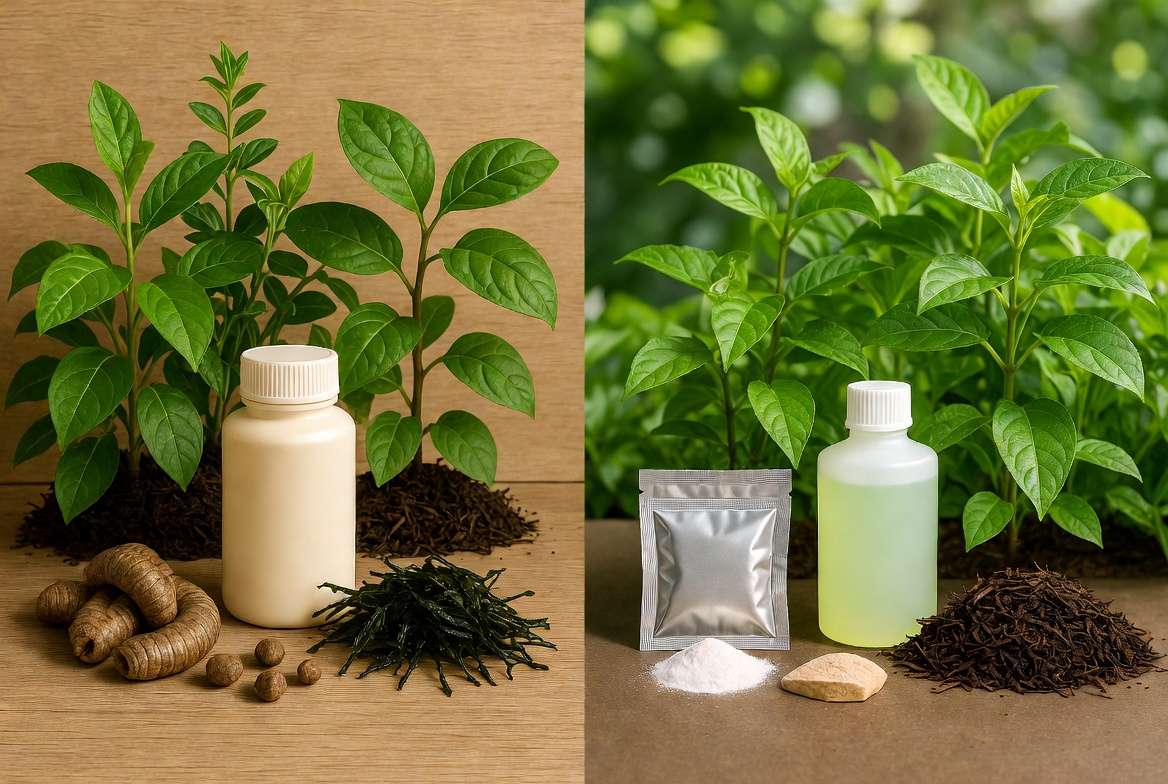
Organic Fertilizers 🌱: Derived from natural sources like fish emulsion, seaweed, worm castings, or compost. They release nutrients slowly as microbes break them down, improving soil structure and fostering beneficial bacteria/fungi. Pros: Pet- and kid-safe, eco-friendly, lower burn risk, long-term soil health. Cons: Slower results, possible mild odor, less precise control.
Synthetic Fertilizers: Chemically formulated for immediate availability. Pros: Fast greening, exact dosing, consistent performance. Cons: Risk of salt buildup (which can burn roots), potential harm to soil microbes over time, and less environmental benefit.
Many experts recommend a hybrid approach: Use organic for baseline health and synthetic (heavily diluted) for quick corrections during peak growing season. Both can provide balanced indoor plant nutrition when chosen wisely.
Pro Insight: In my experience, organic options build resilience against pests and stress better over months, while synthetics deliver that instant “wow” factor for show plants.
Top Best Fertilizers for Balanced Indoor Plant Nutrition (2026 Recommendations) 🌟
After extensive testing and reviewing current options, here are standout choices that deliver reliable balanced nutrition. These selections prioritize effectiveness, safety, and value for typical indoor conditions.
Best Overall Balanced Fertilizers
- Espoma Organic Indoor Plant Food (2-2-2) This liquid concentrate tops many 2026 reviews for good reason. It’s organic, includes humic acids and beneficial microbes, and provides gentle balanced feeding. Dilute per instructions (typically 1 tsp per gallon) and apply monthly. Perfect for sensitive plants like ferns or calatheas—promotes steady growth without burn. Pet-safe and odor is minimal once diluted. Highly recommended for beginners and long-term plant health.
- Miracle-Gro Water Soluble All-Purpose Plant Food (24-8-16 or similar) A classic synthetic option. For indoor plants, use the reduced rate: ½ teaspoon per gallon of water every 1–2 weeks. It delivers quick results and lush foliage. Always dilute carefully to avoid salt buildup, and flush soil monthly with plain water. Great budget-friendly choice for fast-growing tropicals like pothos or philodendrons.
- Neptune’s Harvest Fish & Seaweed Fertilizer (2-3-1) Organic liquid blend of hydrolyzed fish and seaweed. The near-balanced ratio supports roots, foliage, and blooms while adding trace minerals and growth hormones. Use 1 tablespoon per gallon every 2–3 weeks for houseplants. It has a fishy smell when mixing but fades quickly. Excellent for eco-conscious gardeners seeking vibrant, resilient plants.
Best Organic Choices for Gentle, Long-Term Nutrition
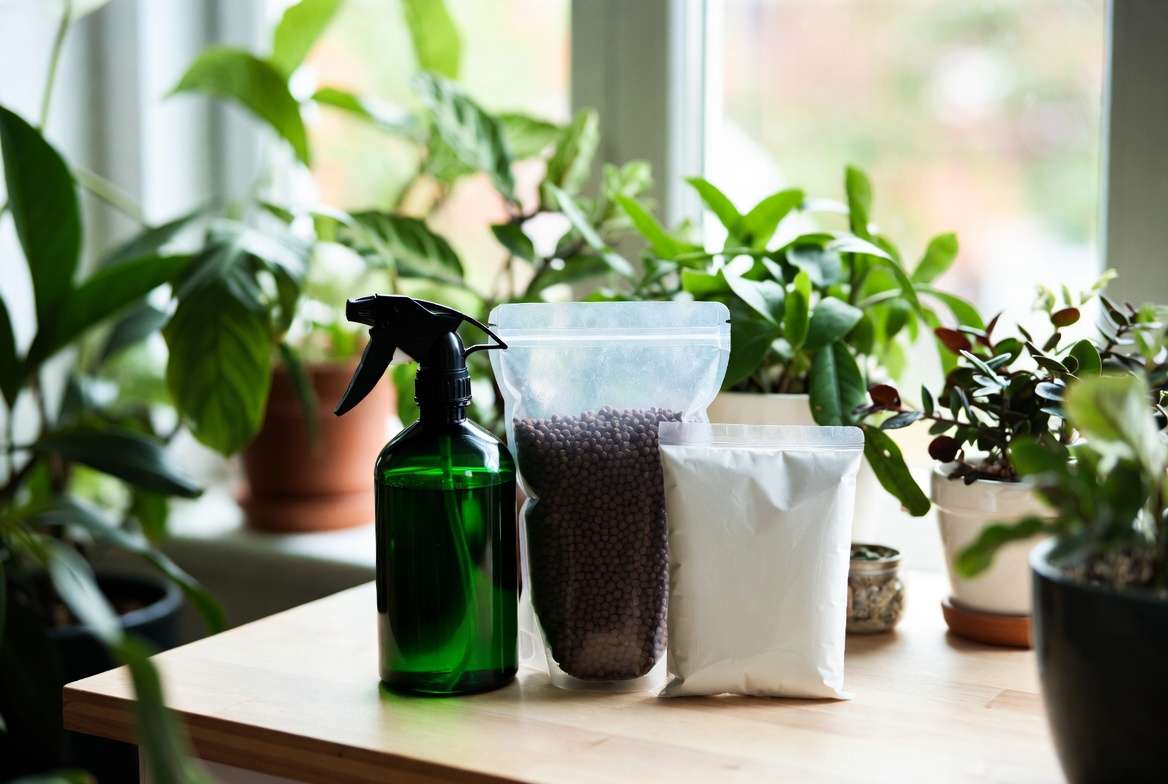
- Worm castings or worm-powered formulas (2-1-1 or similar): Ultra-gentle, odor-free, improves soil microbiology.
- Compost tea or Espoma Plant-tone (5-3-3) for slow-release top-dressing.
Best Liquid Fertilizers for Easy Weekly Feeding 💧
Liquid options absorb quickly through roots. Espoma and Neptune’s Harvest excel here for their balanced profiles and ease.
Best Slow-Release & Granular Options for Low-Maintenance
Osmocote or similar coated pellets release over 3–6 months. Ideal if you travel or prefer set-it-and-forget-it care. Combine with occasional liquid boosts for perfect balance.
Budget-Friendly vs Premium Picks
| Fertilizer | NPK | Type | Best For | Approx. Price | Key Advantage |
|---|---|---|---|---|---|
| Espoma Organic Indoor | 2-2-2 | Liquid Organic | All houseplants | $8–12 | Microbes + humic acid |
| Miracle-Gro All-Purpose | 24-8-16 | Water-Soluble Synthetic | Fast growth | $5–10 | Quick results, affordable |
| Neptune’s Harvest Fish/Seaweed | 2-3-1 | Liquid Organic | Roots & resilience | $10–15 | Trace minerals + hormones |
| Dyna-Gro Foliage Pro | 9-3-6 | Liquid | Foliage-focused | $15–25 | 3-1-2 ratio, pH stable |
Dyna-Gro Foliage Pro deserves special mention for its precise 3-1-2 ratio, making it a favorite among serious collectors for controlled, lush growth without excess phosphorus.
(Visual suggestion: Insert product comparison images or before/after plant photos here for engagement.)
How to Choose the Right Fertilizer for Your Indoor Plants 🛒
Matching Fertilizer to Plant Type
- Foliage plants (Monstera, snake plant, ZZ plant): Balanced or slightly higher nitrogen (3-1-2 or 20-20-20).
- Flowering plants (peace lily, African violet, anthurium): Slightly higher phosphorus during bloom season.
- Succulents & cacti: Low-strength or infrequent balanced feeding—over-fertilizing causes stretching or rot.
- Fast-growing tropicals (pothos, philodendron): More frequent applications of balanced formula.
Key Factors to Consider
Light levels (brighter light = more feeding), growth stage (more during active spring/summer), pot size (smaller pots deplete faster), water quality (hard water may lock nutrients), and household safety (choose organic if pets or kids are around).
When and How to Fertilize Indoor Plants for Best Results ⏰
Best Season & Frequency for Balanced Nutrition
Feed actively during the growing season (March–September in most climates): Every 2–4 weeks for liquids, or as directed for slow-release. Reduce or stop in winter when growth slows and light is lower—plants enter a semi-dormant phase.
The popular “weakly weekly” method—using fertilizer at ¼ to ½ strength every watering—works well for consistent feeders like calatheas, but always observe your plants.
Step-by-Step Application Guide
- Water first: Always moisten soil with plain water before fertilizing to protect roots.
- Mix correctly: Follow label rates precisely. For indoor use, err on the dilute side.
- Apply evenly: Pour solution until it drains out the bottom (leaching helps prevent buildup).
- Foliar feeding (optional): Mist diluted solution on leaves for quick uptake, but avoid in direct sun or on fuzzy-leaved plants.
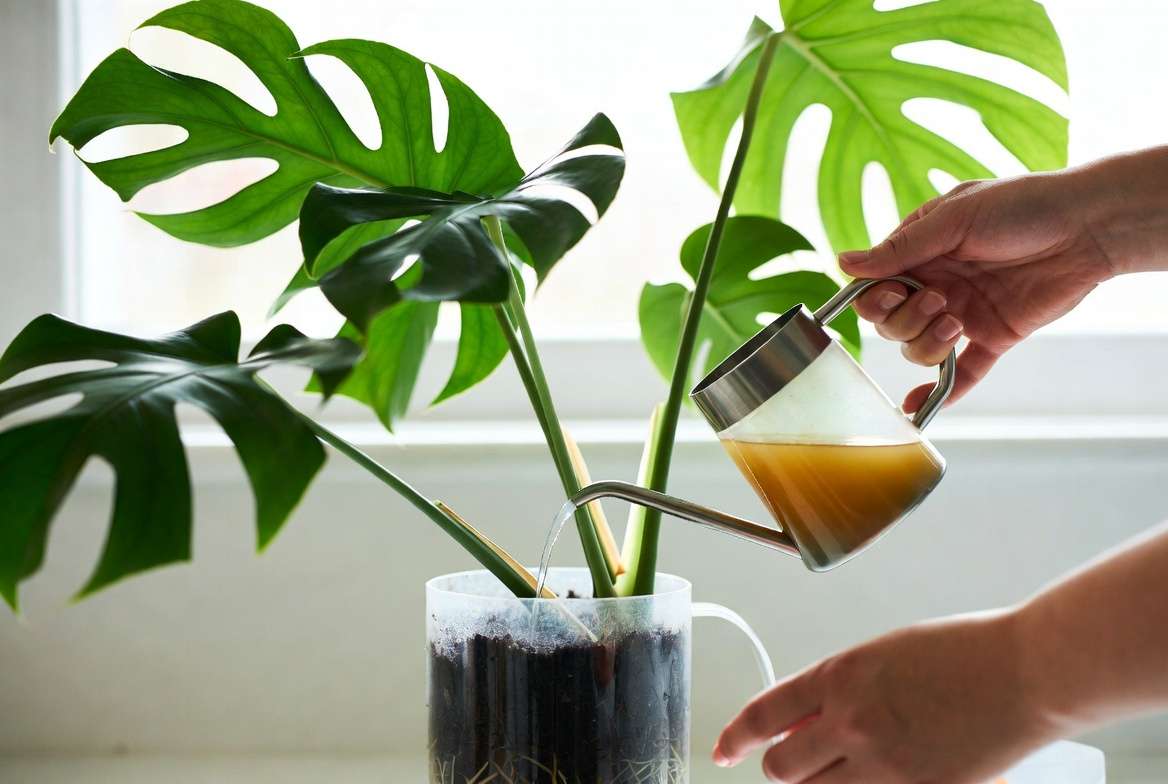
Tools & Techniques: Use a dedicated watering can, measuring spoons, and a soil moisture meter for precision. Flush pots with plain water every 1–2 months to remove salt residues.
Pro tip: 💦 Never fertilize dry soil—it can cause root burn!
Common Fertilizing Mistakes (and How to Avoid Them) ⚠️
Even experienced plant parents slip up. Here are the top pitfalls:
- Over-fertilizing: Leads to salt buildup, crispy leaf tips, and root damage. Solution: Stick to recommended dilutions and flush soil regularly.
- Fertilizing in winter or on stressed plants: Weak plants can’t process nutrients well. Wait until they show active growth.
- Wrong NPK ratio: High-phosphorus on foliage plants wastes money and imbalances soil.
- Applying to dry soil: Nutrients concentrate and burn roots.
- Ignoring water quality: Tap water with high salts or chlorine can compound issues—let water sit 24 hours or use filtered.
- Not leaching pots: Accumulated salts eventually lock out nutrients.
- Cheap unbalanced products: They often lack micronutrients or have poor ratios.
Recognizing symptoms early (yellowing, browning tips, wilting despite moist soil) and correcting with proper flushing + balanced feeding usually saves the plant.
Expert Tips & Advanced Techniques for Thriving Plants ✨
- DIY balanced options: Steep banana peels for potassium-rich tea, or use diluted compost tea. Eggshells provide calcium when crushed and soaked.
- Combine with optimal conditions: Good light, proper humidity (50–60% for most tropicals), and quality well-draining soil amplify fertilizer benefits.
- Monitor & adjust: Take weekly photos and note growth. Adjust based on response—more nitrogen if leaves pale, less overall if tips burn.
- Sustainable practices: Choose organic where possible, recycle packaging, and repot annually with fresh mix to refresh baseline nutrition.
- Troubleshooting deficiencies: Yellow between veins? Try magnesium (Epsom salts diluted). Purple stems? Boost phosphorus carefully.
Integrating balanced feeding with these practices creates resilient, pest-resistant plants that bring joy for years.
Frequently Asked Questions (FAQs) ❓
What is the best NPK for indoor plants? A 3-1-2 ratio or balanced 10-10-10/20-20-20 works for most. Adjust slightly for flowering vs. foliage types.
Can I use outdoor fertilizer indoors? Yes, if diluted properly, but indoor-specific formulas are gentler and account for lower light.
How do I know if I’m over-fertilizing? Look for brown leaf tips, white crust on soil, or sudden wilting. Flush with plenty of water to remedy.
Are organic fertilizers better for houseplants? They excel for long-term soil health and safety, but synthetics provide faster results when used correctly. Many gardeners combine both.
When should I stop fertilizing in fall? Usually by late September/early October when days shorten and growth slows. Resume in early spring.
How often should I fertilize succulents? Lightly every 4–8 weeks during growing season with a very dilute balanced formula—less is more!
Conclusion: Grow Lush, Happy Indoor Plants with Balanced Nutrition 🌿
Providing best fertilizers for balanced indoor plant nutrition transforms average houseplants into show-stoppers. By understanding NPK, choosing quality products like Espoma or Neptune’s Harvest, applying them correctly, and avoiding common mistakes, you’ll enjoy greener leaves, stronger roots, and more blooms with less guesswork.
Start small—assess one or two struggling plants, pick a balanced option that matches your style (organic for gentleness or liquid for speed), and watch the magic happen. Your indoor garden will thank you with vibrant growth and cleaner air.
Have a favorite fertilizer or success story? Share in the comments below! For more plant care wisdom, check our guides on repotting houseplants, best potting mixes, and troubleshooting yellow leaves.
Happy growing! 🪴✨











