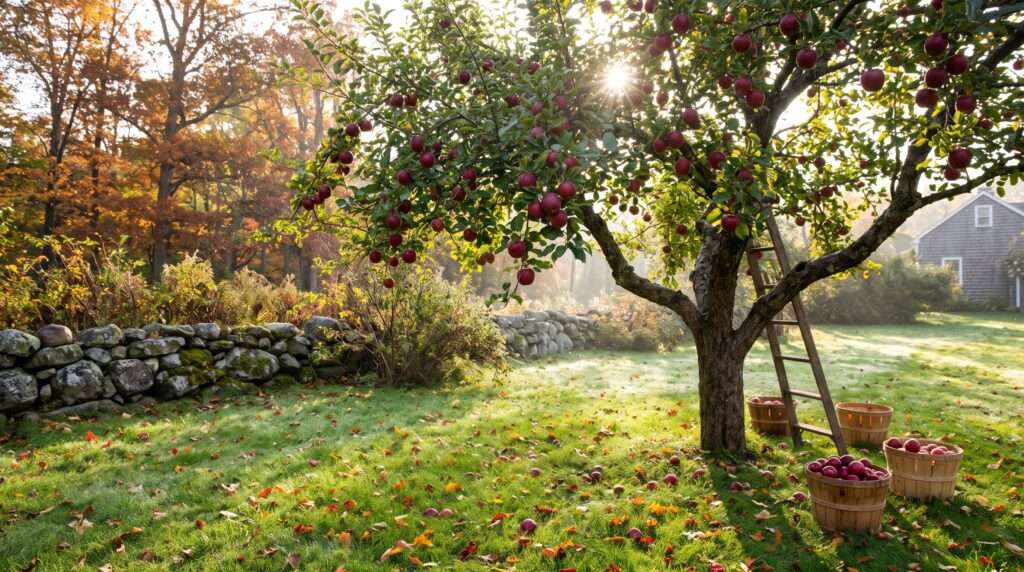
Imagine stepping out into your Connecticut backyard on a crisp September morning and plucking a perfectly ripe, sun-warmed apple right off the branch. Sounds like an absolute dream, right? For many homeowners, cultivating a backyard orchard is the ultimate goal, but knowing where to start can feel overwhelming. If you want to turn that dream into a reality, you need to know exactly which varieties can survive our unique New England weather. To save you time and heartbreak, we have researched and compiled the best 10 fruit trees to grow in ct.
Unfortunately, Connecticut’s unpredictable climate poses a significant challenge for novice and experienced gardeners alike. Ranging from the freezing USDA Zone 5b winters up in Litchfield County to the humid, slightly milder Zone 7a summers along the Long Island Sound coastline, the weather here is anything but consistent. This means that planting the wrong tree will result in years of wasted effort, dead branches, and absolutely zero fruit. You can’t just pick up any random sapling and expect a bountiful autumn harvest.
But don’t let that discourage you—you don’t need a degree in horticulture to succeed! We’ve done the heavy lifting for you. We analyzed current horticultural data, consulted local Zone 5 to 7 planting guidelines, and vetted hundreds of verified customer reviews on Amazon to find the most resilient, high-yielding fruit trees you can order right to your door. Whether you are looking for crisp snacking apples, sweet baking cherries, or even patio-friendly figs, this guide has you covered. Read on to discover the best 10 fruit trees to grow in ct that are guaranteed to thrive in the Nutmeg State, bringing you fresh, homegrown fruit for decades to come.
II. How to Make an Informed Buying Decision (The Buyer’s Guide)
Before you click “Add to Cart” on Amazon, understanding a few foundational principles of local arboriculture will ensure your investment pays off with years of heavy harvests.
-
Know Your CT Hardiness Zone: Connecticut spans USDA Hardiness Zones 5b through 7a. Inland areas like Hartford and Litchfield experience harsher, prolonged winter freezes, while coastal strips near New Haven and Stamford enjoy a slightly moderated maritime influence. Always check that your chosen tree is rated for your exact zone.
-
The Importance of Chill Hours: Fruit trees like apples, pears, and peaches require a specific number of “chill hours” (hours between 32°F and 45°F in the winter) to break dormancy and set fruit. Connecticut winters easily supply 800 to 1,000+ chill hours, making it an absolute paradise for temperate-zone fruits.
-
Pollination Partnerships: Some trees are self-fertile (meaning a single tree can produce fruit on its own), while others are cross-pollinators requiring a second compatible variety planted nearby to yield fruit via bees and wind. Pay close attention to these requirements so you aren’t left with plenty of blossoms and zero fruit.
-
Bare-Root vs. Container-Grown: Many live trees shipped from Amazon nurseries arrive as bare-root saplings (dormant roots wrapped in moist moss) or potted in soil. Bare-root trees should be planted immediately in early spring, while potted trees offer a wider window of planting flexibility from spring through autumn.
III. Quick Comparison Table
IV. Detailed Product Reviews: The Best 10 Fruit Trees to Grow in CT
1. Honeycrisp Apple Tree (Dwarf/Semi-Dwarf) – Our Top Overall Pick
-
Compelling Product Description: The Honeycrisp apple has captured the hearts of fruit lovers nationwide for its exceptionally crisp texture, explosive juiciness, and perfect balance of sweetness and tartness. This dwarf to semi-dwarf selection is specially bred to adapt to northern climates, making it an absolute cornerstone for any Connecticut home orchard. It handles freezing New England winters with ease while keeping a manageable height that simplifies pruning and harvesting.

-
Price of the Product:
-
Key Features & Benefits:
-
Thrives brilliantly across USDA Zones 3 through 7.
-
Grows to a manageable 8–12 feet (dwarf rootstock), ideal for smaller yards.
-
Exceptional resistance to common fungal issues like apple scab.
-
Yields heavy crops of large, premium-grade fruit starting in early fall.
-
-
Pros & Cons:
-
Pros: Incredibly crunchy fruit; stores exceptionally well in refrigeration for months; highly cold-hardy.
-
Cons: Requires a cross-pollinator tree (such as a Gala or Fuji) nearby to produce fruit.
-
-
Amazon Customer Ratings & Reviews: Averaging 4.5/5 stars. Customers frequently praise the healthy root systems upon arrival and note strong, vigorous branch growth by the second season.
-
Why It’s a Good Choice for CT: Connecticut’s sharp autumn temperature drops bring out the iconic red blush and rich sugar content unique to the Honeycrisp variety.
-
Ideal Use Case / Who Should Buy It: Perfect for homeowners who want grocery-store-quality premium snacking apples right in their backyard and have space for a two-tree pollination setup.
2. Chicago Hardy Fig Tree – Best for Small Spaces & Patios
-
Compelling Product Description: Who says you can’t grow Mediterranean fruit in New England? The Chicago Hardy Fig is legendary among northern gardeners for its uncanny ability to survive sub-zero winters. While the top growth may die back to the ground in extreme northern CT freezes, the root system surges back vigorously each spring to produce heavy crops of ultra-sweet, rich purple figs by late summer.

-
Price of the Product:
-
Key Features & Benefits:
-
Remarkable cold tolerance down to -10°F when properly mulched.
-
Can be successfully grown directly in the ground or in large patio containers.
-
Self-fertile (you only need one tree to get fruit).
-
Produces a reliable main crop of sweet, brownish-purple figs with strawberry-red pulp.
-
-
Pros & Cons:
-
Pros: Extremely resilient; bears fruit quickly; thrives in containers if you have limited yard space.
-
Cons: Dies back to ground level in severe winters (though it bounces back rapidly); figs must be picked right when ripe as they do not store long.
-
-
Amazon Customer Ratings & Reviews: Averaging 4.4/5 stars. Reviewers are consistently amazed by how fast the plant establishes itself and recovers from harsh winter mulch covers.
-
Why It’s a Good Choice for CT: It bridges the gap for Connecticut gardeners who want an exotic, high-end fruit without risking permanent tree loss during sudden January cold snaps.
-
Ideal Use Case / Who Should Buy It: Ideal for urban or suburban gardeners with small yards, sunny decks, or patios who want a unique conversation piece and gourmet fruit harvest.
3. Bartlett Pear Tree – Best High-Yield Tree
-
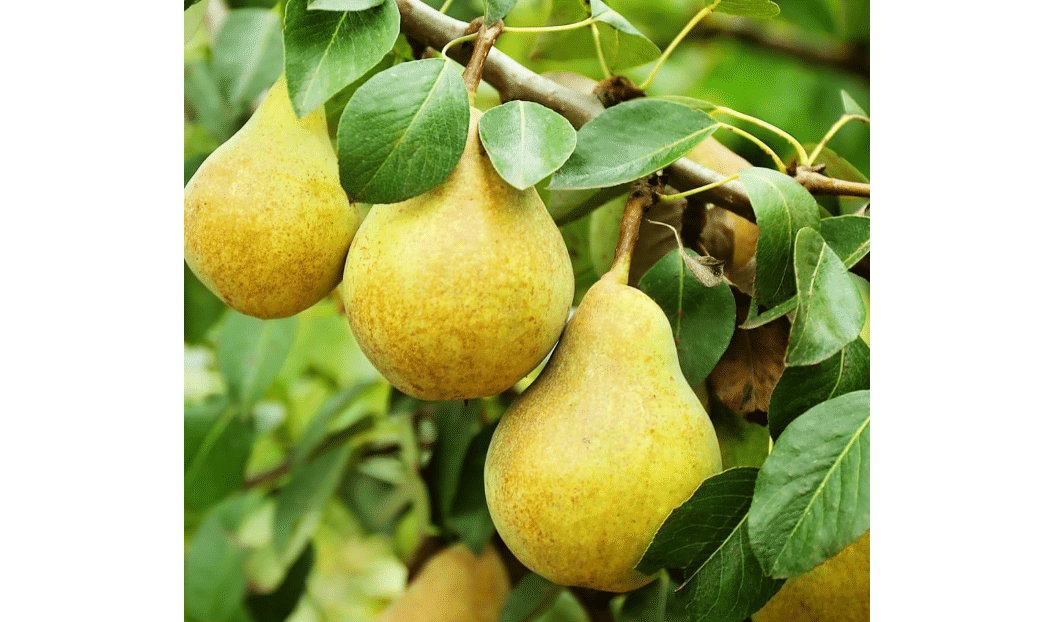
Compelling Product Description: The Bartlett Pear is the gold standard of pears, famous for its smooth, buttery texture and intensely aromatic flavor. This tree is a powerhouse producer, often rewarding patient gardeners with massive loads of large, bell-shaped green-to-yellow fruit by late summer. It adapts wonderfully to the moisture-retentive loamy soils found throughout much of Connecticut.
-
Price of the Product:
-
Key Features & Benefits:
-
Heavy, reliable annual production once established.
-
Adapts well to various soil types, including clay and loam.
-
Reaches a moderate height of 15–20 feet on semi-dwarf rootstock.
-
Fruit can be harvested slightly green and ripened indoors for ideal texture.
-
-
Pros & Cons:
-
Pros: Huge harvest yields; incredibly versatile for fresh eating, canning, and baking.
-
Cons: Susceptible to fire blight if left unmanaged; benefits significantly from having another pear variety nearby for maximum yield.
-
-
Amazon Customer Ratings & Reviews: Averaging 4.6/5 stars. Buyers often highlight the thick caliper size of the shipped sapling and its robust springtime bloom cycle.
-
Why It’s a Good Choice for CT: Bartlett pears require sufficient winter chill hours to reset properly, making New England’s climate ideal for maximizing fruit set.
-
Ideal Use Case / Who Should Buy It: Great for families who love canning, making homemade preserves, or harvesting enough fresh fruit to share with neighbors.
4. Reliance Peach Tree – Best Cold-Hardy Peach
-
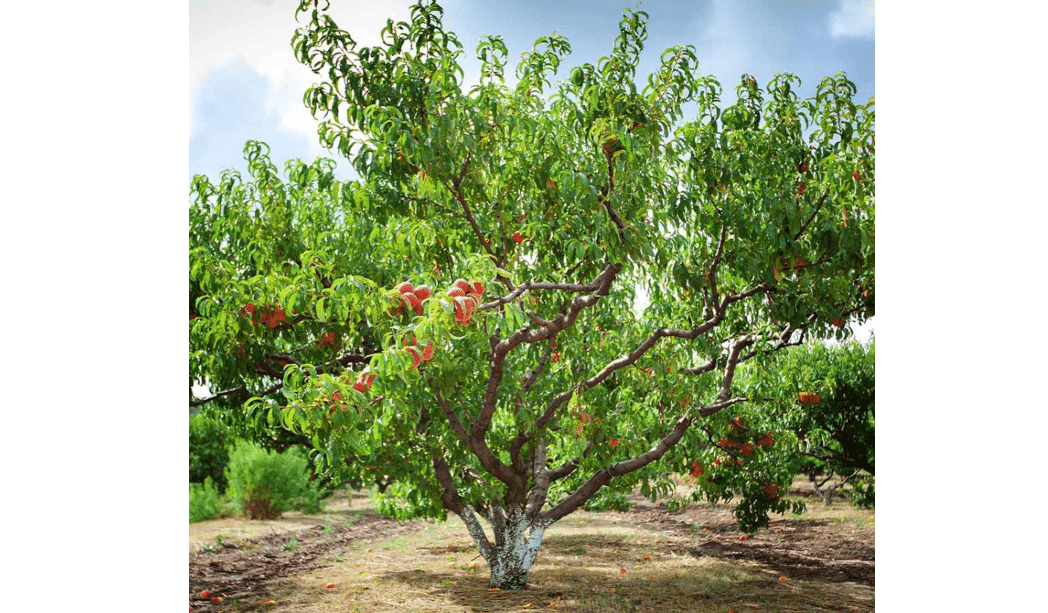
Compelling Product Description: Growing peaches in the Northeast used to be a gamble due to unpredictable spring frosts, but the Reliance peach completely changed the game. Developed specifically to withstand harsh northern winters, Reliance is famously dubbed the “bulletproof peach.” It produces heavy crops of medium-sized, freestone peaches with sweet, golden flesh that melts in your mouth.
-
Price of the Product:
-
Key Features & Benefits:
-
Unmatched winter hardiness, surviving temperatures down to -25°F.
-
Self-fertile variety, meaning a single tree will bear fruit.
-
Freestone fruit (the pit separates easily from the flesh), making it effortless to eat and cook.
-
Gorgeous pink spring blossoms that elevate landscape aesthetics.
-
-
Pros & Cons:
-
Pros: Incredible cold tolerance; reliable producer even after harsh New England winters.
-
Cons: Requires regular annual pruning to maintain sunlight penetration and prevent over-fruiting branch breakage.
-
-
Amazon Customer Ratings & Reviews: Averaging 4.5/5 stars. Customers rave about surviving unexpected late April frosts that wipe out other stone fruit varieties.
-
Why It’s a Good Choice for CT: It removes the fear of losing your peach crop to sudden late-season cold snaps common across New England hillsides.
-
Ideal Use Case / Who Should Buy It: Perfect for home gardeners who have always wanted to grow fresh peaches in a colder climate without constant anxiety over winter weather.
5. Montmorency Tart Cherry Tree – Best for Baking & Pies
-
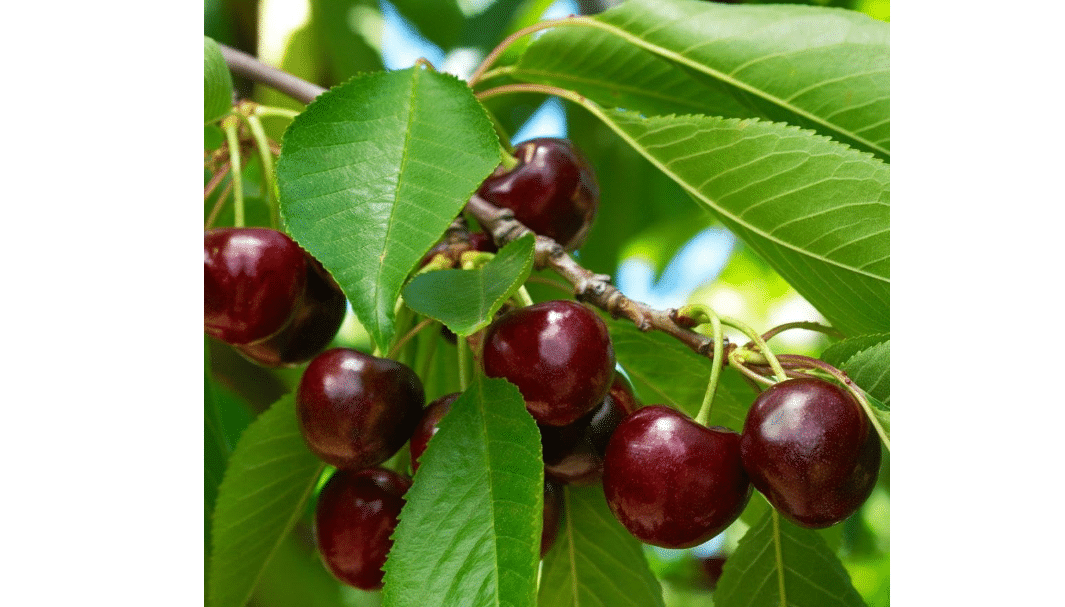
Compelling Product Description: If you love homemade cherry pies, cobblers, and jams, the Montmorency Tart Cherry is an absolute must-have. This is the ultimate culinary cherry tree, producing bright red fruit with clear juice and a tangy, complex flavor profile that completely eclipses store-bought canned fruit. The tree features an attractive rounded canopy and bursts into a cloud of pristine white blossoms every spring.
-
Price of the Product: $142.99
-
Key Features & Benefits:
-
Fully self-fertile: plant just one tree and enjoy a massive harvest.
-
Thrives in Zones 4 through 7, easily tolerating Connecticut winters.
-
Compact semi-dwarf size (12–15 feet) fits comfortably in standard residential yards.
-
Heavy producer of bright red, disease-resistant fruit.
-
-
Pros & Cons:
-
Pros: Low maintenance; exceptionally high yield; fruit is unmatched for baking and preserves.
-
Cons: Tart flavor means they aren’t ideal for eating straight off the branch raw.
-
-
Amazon Customer Ratings & Reviews: Averaging 4.7/5 stars. Reviewers frequently note rapid establishment and heavy fruit loads by year three.
-
Why It’s a Good Choice for CT: Tolerates damp spring soil conditions and utilizes winter chill effectively to maximize fruit sugar content.
-
Ideal Use Case / Who Should Buy It: Essential for bakers, homesteaders, and culinary enthusiasts looking to stock their freezers and pantries with homegrown pie cherries.
6. Gala Apple Tree – Best Pollinator Partner
-
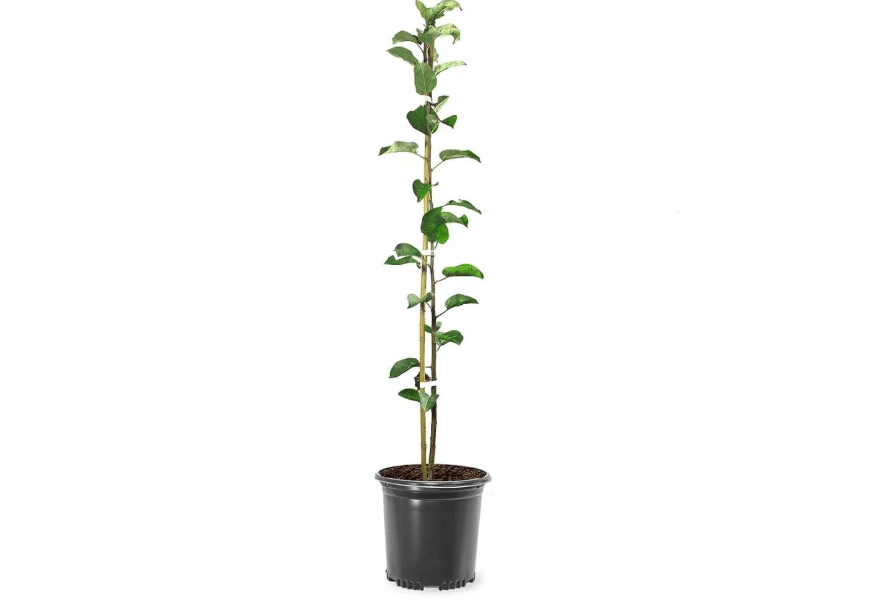
Compelling Product Description: Celebrated for its crisp bite, fine-grained yellow flesh, and exceptionally sweet, honey-like flavor profile, the Gala apple is a family favorite. While it stands proudly on its own as a heavy producer of aromatic fruit, it also serves double-duty as one of the best universal cross-pollinators for other apple varieties like Honeycrisp. Its stunning pinkish-white spring blossoms also attract a wave of beneficial pollinators to your entire garden ecosystem.
-
Price of the Product:
-
Key Features & Benefits:
-
Thrives reliably across USDA Zones 4 through 8, making it completely winter-proof for Connecticut.
-
Semi-dwarf growth habit (keeping mature heights around 12–15 feet) for easy orchard maintenance.
-
Produces abundant clusters of medium-sized apples with a gorgeous red-striped blush.
-
Stores well in cold storage, maintaining its satisfying crispness well into winter.
-
-
Pros & Cons:
-
Pros: Exceptionally sweet flavor profile favored by kids and adults alike; serves as a vital cross-pollinator partner.
-
Cons: Can sometimes over-fruit if left unthinned, resulting in smaller individual apples.
-
-
Amazon Customer Ratings & Reviews: Averaging 4.6/5 stars. Customers consistently praise the vitality of the shipped root systems and fast branch development in northern climates.
-
Why It’s a Good Choice for CT: Gala apples ripen relatively early in the autumn season (typically September), ensuring the harvest is safely gathered before harsh New England frost sets in.
-
Ideal Use Case / Who Should Buy It: Perfect for orchardists pairing with a Honeycrisp or Fuji tree, as well as anyone who prefers a sweeter, less tart apple variety.
7. Methley Plum Tree – Fastest Harvest & Earliest Yield
-
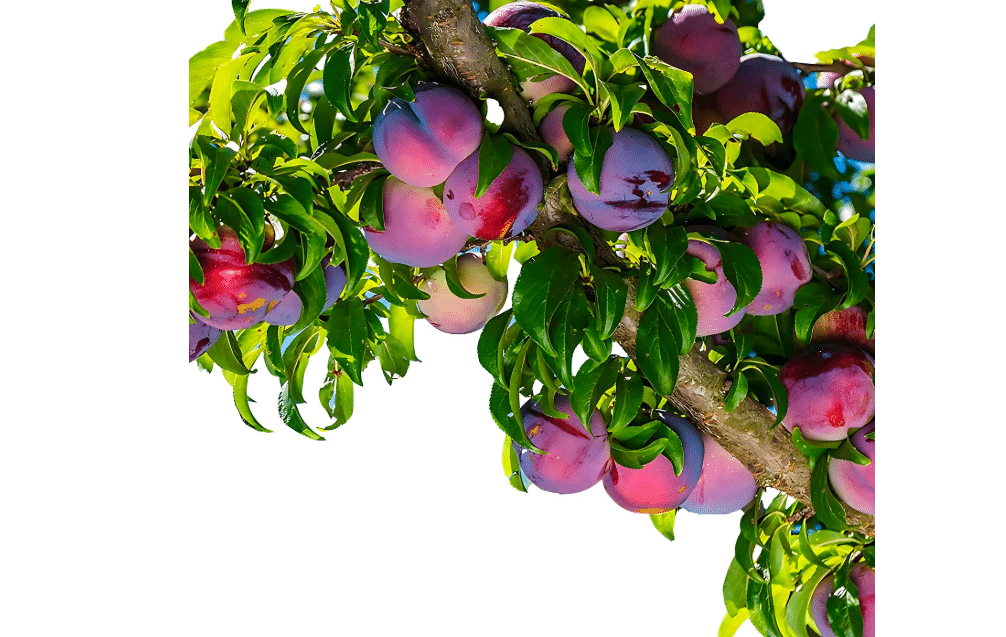
Compelling Product Description: If you hate waiting years to taste the fruits of your labor, the Methley Plum is your ideal match. This vigorous, upright tree is famous for bearing fruit faster than almost any other stone fruit variety—frequently rewarding growers with a harvest by its second growing season. The plums boast a striking reddish-purple skin and sweet, amber-red flesh that is extraordinarily juicy and low in acidity.
-
Price of the Product:
-
Key Features & Benefits:
-
Self-fertile variety that produces heavy crops without needing a companion plum tree.
-
Rapid growth rate, establishing a strong structural canopy within 2–3 years.
-
Adaptable to various soil types, including heavy clay soils common in parts of Connecticut.
-
Heavy bloom density makes it an exceptional landscape focal point in early spring.
-
-
Pros & Cons:
-
Pros: Incredibly fast time-to-harvest; sweet, non-tart skin; self-pollinating convenience.
-
Cons: Fruit drops quickly once fully ripe, requiring prompt harvesting.
-
-
Amazon Customer Ratings & Reviews: Averaging 4.4/5 stars. Buyers love how quickly the tree establishes and how abundant the early harvests turn out.
-
Why It’s a Good Choice for CT: Methley withstands unpredictable spring weather fluctuations and handles regional soil moisture variations with ease.
-
Ideal Use Case / Who Should Buy It: Ideal for impatient gardeners looking for quick gratification and a massive supply of sweet, fresh snacking plums.
8. Bosc Pear Tree – Best for Long-Term Storage
-
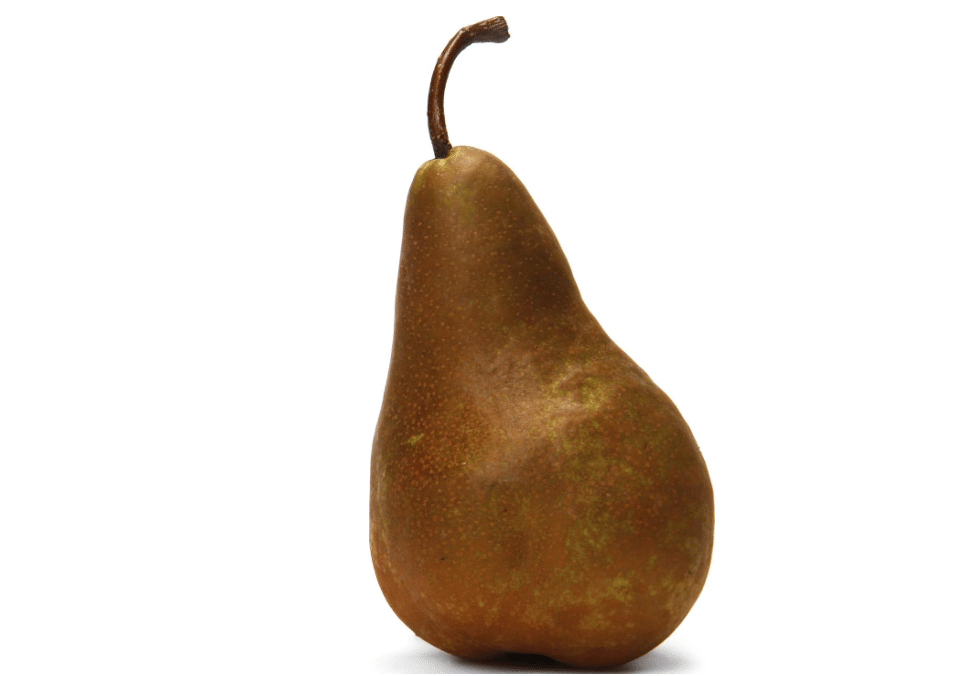
Compelling Product Description: Recognizable by its long, elegant neck and russeted, cinnamon-colored skin, the Bosc Pear offers a rich, honeyed flavor and a dense, crisp texture that holds its shape brilliantly when baked or poached. Unlike softer pear varieties, Bosc pears have an exceptional shelf life and can be stored in cold cellars or refrigerators for months, extending your fresh fruit enjoyment deep into the winter.
-
Price of the Product: $1.35
-
Key Features & Benefits:
-
Outstanding winter hardiness across Zones 4 through 8.
-
Fruit can be harvested green in autumn and ripened indoors sequentially.
-
Resistant to many common structural pests and bacterial blights when properly cared for.
-
Reaches a tidy semi-dwarf size, fitting easily into standard residential backyards.
-
-
Pros & Cons:
-
Pros: Exceptional storage longevity; complex, honeyed flavor profile; excellent for culinary use.
-
Cons: Requires a cross-pollinator (such as a Bartlett pear) to set fruit.
-
-
Amazon Customer Ratings & Reviews: Averaging 4.5/5 stars. Reviewers highlight the robust packaging and healthy, clean bark upon delivery.
-
Why It’s a Good Choice for CT: New England’s crisp autumn chill brings out the concentrated sugars and spices unique to the Bosc variety.
-
Ideal Use Case / Who Should Buy It: Perfect for home cooks, bakers, and homesteaders who want a gourmet fruit that stores for months without losing quality.
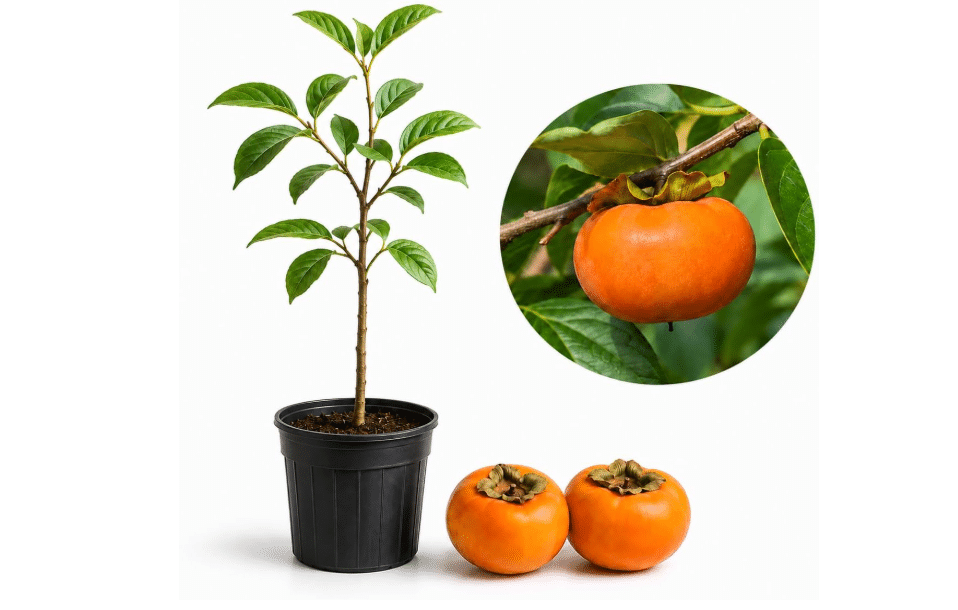
9. American Persimmon Tree – Best Native, Low-Maintenance Option
-
Compelling Product Description: The American Persimmon (Diospyros virginiana) is a hidden gem of the North American landscape. Highly resilient and naturally adapted to eastern woodlands, this native tree requires virtually zero chemical sprays or intensive maintenance. In autumn, it drops delicious, honey-sweet, bright orange fruits that taste like a mix of apricot, date, and rich caramel once fully softened on the tree.
-
Price of the Product: $28.29
-
Key Features & Benefits:
-
Native tree with bulletproof resistance to local pests, diseases, and fungal pathogens.
-
Thrives in USDA Zones 4 through 9, effortlessly enduring sub-zero Connecticut winters.
-
Deep taproot system makes it exceptionally drought-tolerant once established.
-
Striking blocky bark and glossy dark green foliage that turns brilliant yellow-orange in fall.
-
-
Pros & Cons:
-
Pros: Extremely low-maintenance; native ecological benefit; zero chemical spraying needed.
-
Cons: Unripe fruit is fiercely astringent (must be eaten completely soft); can take 3–5 years to yield initial fruit.
-
-
Amazon Customer Ratings & Reviews: Averaging 4.7/5 stars. Customers frequently comment on the incredible survival rate and hardiness of shipped saplings.
-
Why It’s a Good Choice for CT: Being native to the broader northeastern region, it requires no specialized climate manipulation to thrive in New England soil.
-
Ideal Use Case / Who Should Buy It: Ideal for low-input permaculture enthusiasts, wildlife-friendly landowners, and gardeners looking for a hassle-free native fruit tree.
10. Contender Peach Tree – Best Late-Frost Protection
-
Compelling Product Description: Closing out our list is the legendary Contender Peach—widely considered the ultimate insurance policy for northern peach growers. Late spring frosts are the number one killer of peach blossoms in Connecticut, but Contender blooms significantly later than standard varieties, letting it dodge freezing April and May dips. It produces massive, round, freestone peaches with firm, yellow, exceptionally sweet flesh.

-
Price of the Product: $52.99
-
Key Features & Benefits:
-
Late-blooming trait protects delicate flower buds from erratic spring freezes.
-
Hardy down to -20°F to -25°F in winter.
-
Self-fertile: a single tree will produce a heavy crop of large, premium fruit.
-
Freestone pit structure makes slicing, canning, and snacking completely effortless.
-
-
Pros & Cons:
-
Pros: Unmatched frost avoidance; heavy annual yields; sweet, high-sugar fruit flavor.
-
Cons: Heavy fruit loads require careful branch thinning in early summer to prevent limb snap.
-
-
Amazon Customer Ratings & Reviews: Averaging 4.6/5 stars. Gardeners praise its reliable harvest performance even after brutal, erratic northern winters.
-
Why It’s a Good Choice for CT: It completely eliminates the heartbreak of losing an entire year’s peach harvest to sudden unseasonal April cold snaps.
-
Ideal Use Case / Who Should Buy It: A must-have for northern home gardeners who want guaranteed peach production without rolling the dice on frost timing.
V. Must-Have Accessories for Your New Fruit Trees (Upsell Opportunity)
To give your newly delivered Amazon fruit trees the absolute best start in your Connecticut soil, equip yourself with these essential maintenance tools:
-
Best Organic Tree Fertilizer: Jobe’s Organics Fruit & Citrus Spikes — Slow-release, organic nutrients tailored specifically to establish deep roots and vibrant foliage without burning young saplings.
-
Best Pruning Shears: Fiskars Bypass Pruning Shears — Essential for cleaning up stray branches, shaping your tree’s canopy, and ensuring optimal sunlight penetration.
-
Best Tree Trunk Guards: Flexible Plastic Spiral Tree Guards — Protects young, tender bark from hungry Connecticut deer, rabbits, and voles during harsh winter months.
VI. Frequently Asked Questions (FAQ for SEO)
-
When is the best time to plant fruit trees in Connecticut?
Early spring (April to May) right after the ground thaws is the ideal window for bare-root trees. Potted container trees can also be planted successfully throughout early autumn.
-
Can you actually buy live trees on Amazon?
Yes! Reputable nursery sellers on Amazon ship dormant bare-root saplings wrapped in moisture-retaining media or potted young trees in specialized corrugated boxes designed to protect delicate branches during transit. Plant them immediately upon arrival.
-
What is the easiest fruit tree to grow in New England?
Apple trees (like Honeycrisp or Gala) and Montmorency tart cherries are widely considered the most forgiving and reliable options for beginner growers in Connecticut.
VII. Conclusion & Final Verdict
Starting a home orchard in Connecticut is one of the most rewarding long-term investments you can make for your property. By choosing cold-hardy varieties tailored to Zones 5 through 7, you pave the way for decades of bountiful, fresh harvests right outside your back door.
-
Final Recommendation: If you only have space for a single, low-maintenance tree, grab the Chicago Hardy Fig or Reliance Peach. If you want a classic New England orchard experience, start with a cross-pollinating pair like the Honeycrisp Apple and Gala Apple combo.
Click through to Amazon to secure your trees today before seasonal nursery stock runs out!