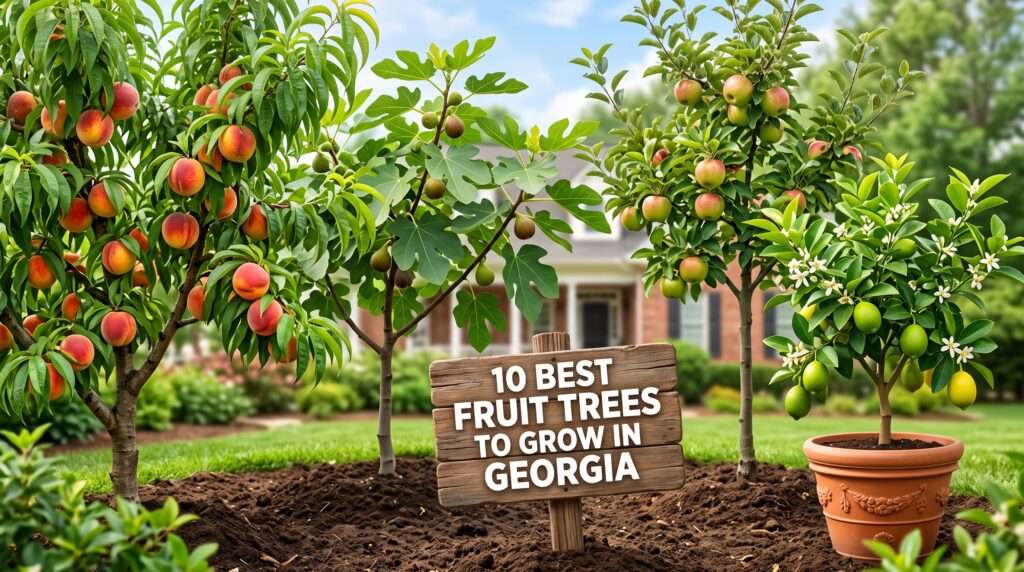
Imagine stepping into your own backyard on a warm summer morning and plucking a perfectly sweet, sun-ripened fruit straight from the branch. It is a gardener’s ultimate dream, and here in the “Peach State,” it feels almost like a rite of passage. But to turn that dream into a reality without wasting time or money, you need to start by planting the best 10 fruit trees to grow in Georgia.
Cultivating a thriving home orchard here isn’t quite as simple as putting a generic tree in the ground and walking away. Georgia’s diverse climate—spanning USDA Hardiness Zones 6b in the northern mountains down to 9a in the southern coastal plains—presents a unique set of challenges. Many standard fruit trees simply cannot survive our blazing, highly humid summers, unforgiving dense red clay soil, unpredictable late spring frosts, and highly specific winter chill hour requirements.
You need resilient, proven varieties tailored specifically to this Southern environment. To help you make an informed buying decision and build a thriving landscape, we’ve put together a data-backed, expert-curated guide. Whether you are a beginner looking for low-maintenance harvests or an experienced homesteader wanting to expand your yields, these robust selections are guaranteed to conquer the local climate and reward you with abundant, delicious harvests year after year.
II. Buying Guide: How to Choose the Right Fruit Tree for Your Georgia Yard
Before you add a tree to your cart, it’s crucial to understand the unique environmental factors that dictate fruit production in the Southeast. Here is what you need to evaluate:
-
Understanding Chill Hours: Fruit trees require a specific number of cold winter hours (temperatures between 32°F and 45°F) to break dormancy and bloom in the spring. North Georgia receives significantly more chill hours than the coastal south. Always verify a tree’s chill hour requirement to ensure it aligns with your specific zip code; otherwise, your tree may grow leaves but never produce fruit.
-
Soil & Drainage: Georgia is famous for its dense red clay, which retains water and can suffocate tree roots. Most fruit trees prefer well-draining, slightly acidic soil. You will likely need to amend your planting hole with organic compost, peat moss, or sand to ensure proper drainage and root health.
-
Pollination Needs: Some trees are “self-fertile,” meaning a single tree can produce fruit on its own. Others require a cross-pollinator—a second tree of a different variety planted nearby—to yield a harvest. If you have limited yard space, prioritizing self-fertile varieties is essential.
-
Why Buy on Amazon: Purchasing live trees online has never been easier or safer. Sourcing trees from reputable nurseries on Amazon ensures you receive nursery-grade, healthy bare-root or potted trees shipped securely to your door. You benefit from a massive selection of climate-specific varieties, fast shipping, and reliable buyer protection policies if a tree is damaged in transit.
III. The Top 10 Fruit Trees to Grow in Georgia
Quick Comparison
1. The Classic Staple: Elberta Peach Tree
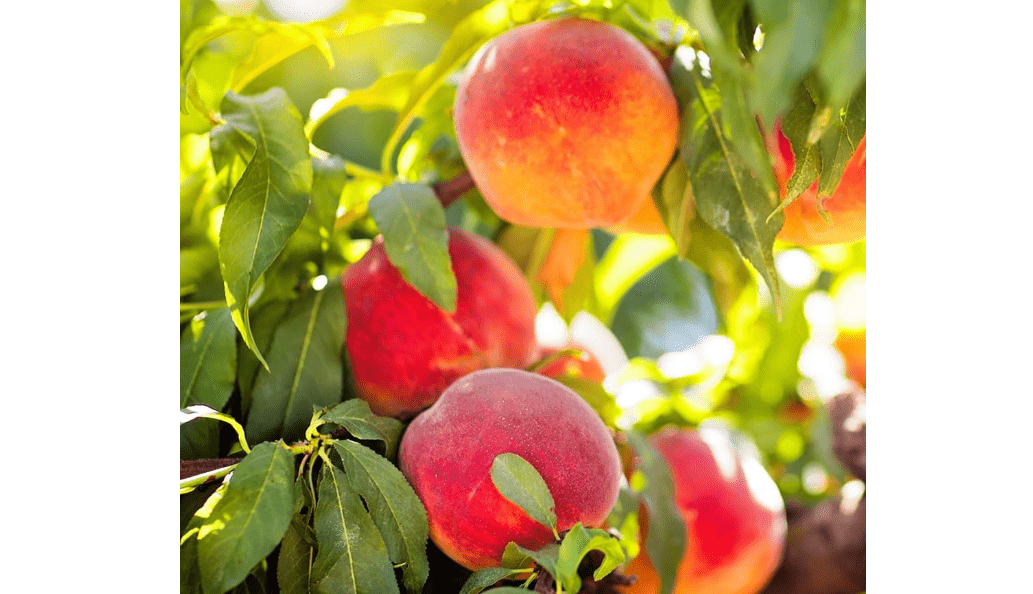
If you are gardening in the Peach State, it is almost mandatory to consider planting an Elberta. The Elberta Peach is the gold standard by which all other peaches are measured. Known for producing massive, exceptionally sweet, yellow-fleshed freestone fruits, this tree delivers the iconic Southern orchard experience. The fruit is incredibly juicy, making it perfect for eating fresh off the branch, canning, or baking into a warm summer cobbler.
-
Estimated Price: $104.99
-
Key Features & Benefits: The Elberta is self-fertile, meaning you only need one tree to get a harvest. It requires approximately 850 chill hours, making it highly reliable for Central and North Georgia. It is a heavy producer that typically ripens in late July to August.
-
Pros & Cons:
-
Pros: Incomparable sweet flavor, fast grower, self-pollinating, freestone (pit separates easily).
-
Cons: Susceptible to peach leaf curl and brown rot if not maintained with a seasonal organic spray routine.
-
-
Amazon Ratings & Reviews: Generally hovering around 4.5/5 stars. Customers consistently praise the careful packaging and note that the root systems arrive moist, healthy, and ready for planting.
-
Why It’s a Good Choice for Georgia: The Elberta was essentially made for Georgia. It thrives in the state’s humidity and its chill hour requirements perfectly match the historical winter averages of the region’s upper two-thirds.
-
Ideal Use Case: Home bakers, canning enthusiasts, and first-time growers wanting to cultivate a traditional, reliable staple.
2. The Hardy Survivor: Brown Turkey Fig Tree
The Brown Turkey Fig is a powerhouse of resilience and an unsung hero of Southern gardens. This highly adaptable, pest-resistant tree yields two distinct harvests of sweet, mahogany-colored figs per year—an early summer “breba” crop and a heavy main crop in late summer. The figs are rich, jammy, and perfect for fresh eating or preserving.

-
Estimated Price:
-
Key Features & Benefits: It boasts an exceptionally low chill hour requirement (around 100 hours), is self-fertile, and is widely renowned for its extreme heat and drought tolerance once established.
-
Pros & Cons:
-
Pros: Extremely low maintenance, incredibly fast fruiting (often producing in its first or second year), almost zero pest issues.
-
Cons: It can grow quite large and unwieldy, resembling a massive bush rather than a tree, if not subjected to annual winter pruning.
-
-
Amazon Ratings & Reviews: Typically highly rated (4.6/5 stars) with buyers frequently expressing shock at how quickly the plant bounces back from shipping shock and begins pushing new leafy growth.
-
Why It’s a Good Choice for Georgia: It absolutely thrives in hot, humid Southern summers. Even if a rare, extreme hard freeze causes die-back in North Georgia, the Brown Turkey Fig aggressively regenerates from the roots the following spring.
-
Ideal Use Case: Busy homeowners looking for a “plant it and forget it” option that yields high-value fruit with minimal effort.
3. The Reliable Pome: Gala Apple Tree
Nothing quite compares to the crisp snap of a homegrown apple. The Gala Apple tree is a beautiful, early-harvest variety that bursts with fragrant pinkish-white blossoms in the spring. It produces stunning, red-and-yellow striped apples that have a mild, sweet flavor and an incredibly crisp texture, making them a favorite for fresh snacking.

-
Estimated Price: $45.00.
-
Key Features & Benefits: It requires only about 500 chill hours, is highly heat-tolerant compared to Northern apple varieties, and typically begins producing fruit in just 3 to 4 years.
-
Pros & Cons:
-
Pros: Fantastic, universally loved flavor; reliable producer; great for eating fresh or juicing.
-
Cons: While partially self-fertile, it absolutely needs a cross-pollinator partner (like a Fuji or Granny Smith) planted nearby to achieve a substantial, heavy yield.
-
-
Amazon Ratings & Reviews: Averages 4.4/5 stars. Reviewers often highlight the secure, clever packaging used by Amazon nurseries to keep the delicate central leader branch intact during transit.
-
Why It’s a Good Choice for Georgia: Apples can be tricky in the South, but the Gala’s lower chill hour requirement makes it perfectly suited for the microclimates of Central and North Georgia.
-
Ideal Use Case: Families with children wanting fresh, kid-friendly snacking apples straight from the yard, and gardeners willing to plant two trees for cross-pollination.
4. The Southern Native: Pink Lemonade Blueberry Bush
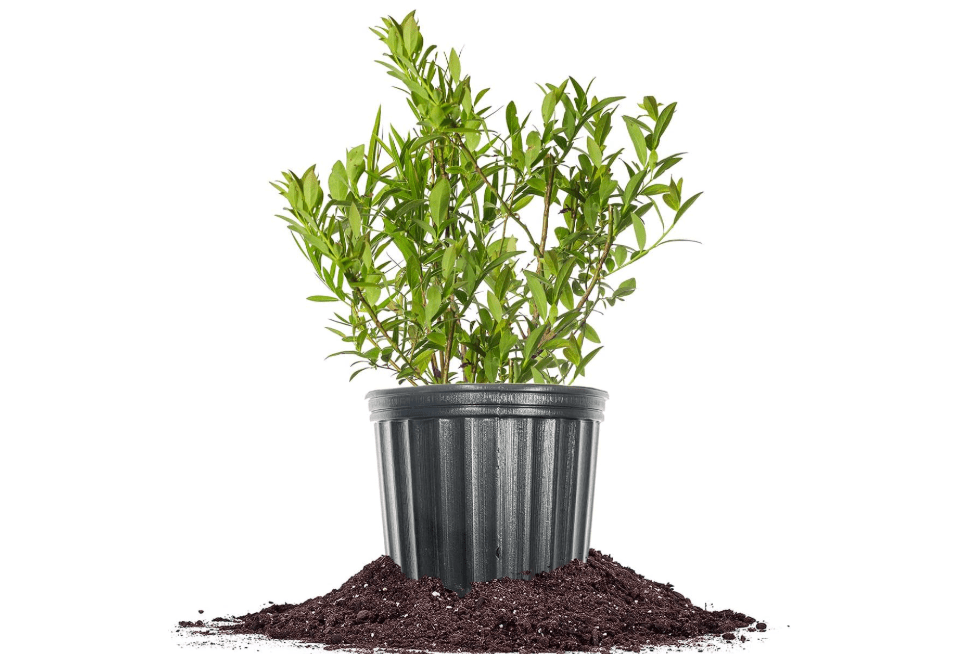
Note: While technically a bush and not a tree, blueberries are an absolutely essential cornerstone of any Georgia fruit garden. The Pink Lemonade Blueberry is a visually stunning, edible landscape plant. Instead of standard blue fruits, this unique variety produces bright pink, ultra-sweet berries that look like colorful candy against the plant’s bright green foliage. It is a show-stopper that provides year-round visual interest, culminating in fiery orange and red leaves in the fall.
-
Estimated Price: $34.99
-
Key Features & Benefits: Requires highly acidic soil (a pH between 4.5 and 5.5), is self-pollinating (though yields increase with a partner), and is packed with antioxidants.
-
Pros & Cons:
-
Pros: Unique, beautiful fruit color; exceptionally sweet flavor; high ornamental value; native resistance to local pests.
-
Cons: Requires strict soil pH management; if planted directly in Georgia clay without heavy amendment (like pine bark and peat), it will struggle to survive.
-
-
Amazon Ratings & Reviews: Strongly reviewed (4.5/5 stars), with many customers praising the intense sweetness of the pink fruit and the bush’s ornamental beauty in front yard landscaping.
-
Why It’s a Good Choice for Georgia: Blueberries are native to the Southeast. They are naturally adapted to the heat and possess a rugged resistance to the bugs and blights that often target non-native fruits.
-
Ideal Use Case: Container gardeners, patio growers, and homeowners wanting to seamlessly blend edible agriculture into their decorative landscaping.
5. The Disease-Resistant Choice: Kieffer Pear Tree
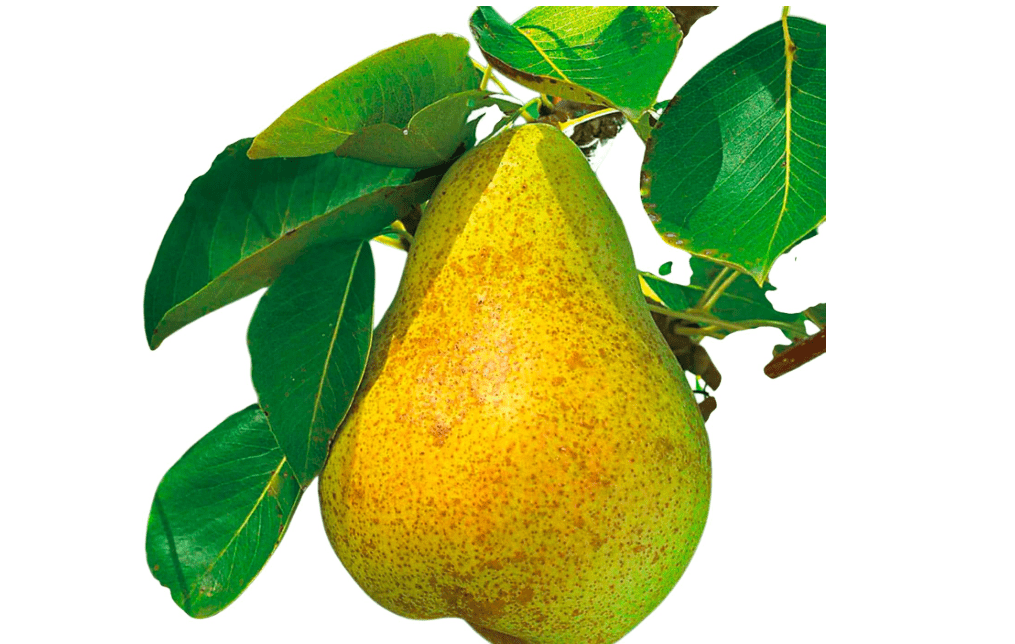
Pear trees often struggle in the American South due to a devastating bacterial infection known as fire blight, which thrives in warm, humid conditions. The Kieffer Pear is the legendary antidote to this problem. An exceptionally hardy hybrid, the Kieffer produces heavy crops of large, crisp, golden-yellow pears in mid-to-late autumn. While slightly firmer and grittier than European dessert pears, Kieffers are the premier choice for Southern homesteaders who prize durability and high yields.
-
Estimated Price: $298.99
-
Key Features & Benefits: Exceptional resistance to fire blight; self-fertile (though cross-pollination with a Bartlett or Moonglow increases yields); requires roughly 350 to 400 chill hours; tolerates poor, heavy clay soils better than almost any other fruit tree.
-
Pros & Cons:
-
Pros: Virtually immune to common Southern pear diseases, extremely reliable annual producer, long storage life.
-
Cons: Fruit is firm and coarse when eaten raw; it is primarily cultivated for canning, preserves, pies, and baking rather than soft table eating.
-
-
Amazon Ratings & Reviews: Averages 4.5/5 stars. Gardeners frequently highlight its rapid establishment rate and its ability to withstand neglect and adverse weather conditions during its first growing season.
-
Why It’s a Good Choice for Georgia: The humid summers across Georgia make fire blight a major risk for traditional pears. Kieffer shrugs off bacterial blight and thrives even in unamended red clay soils.
-
Ideal Use Case: Homesteaders, canners, and bakers who want large, dependable autumn harvests with virtually zero spray requirements.
6. The Patio Producer: Improved Meyer Lemon Tree
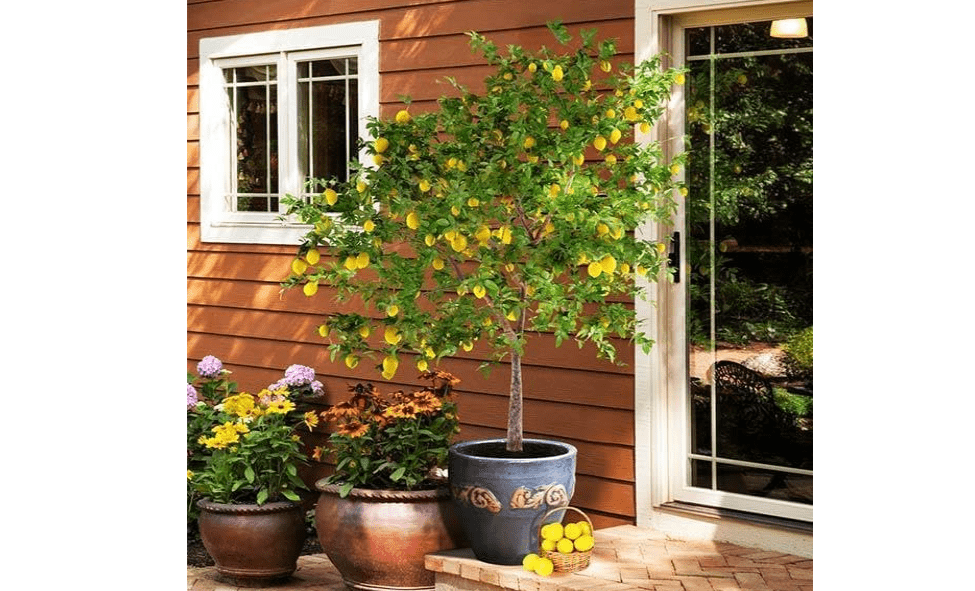
While Georgia winters are too cold for most standard citrus trees in the ground (outside the extreme coastal south), the Improved Meyer Lemon makes homegrown citrus fully accessible to every Georgia resident. A hybrid between a traditional lemon and a mandarin orange, this naturally dwarfed tree produces sweet-tart, thin-skinned, fragrant yellow-orange lemons. Grown in a decorative rolling container, it spends spring through autumn soaking up the Georgia sunshine outdoors, and moves inside during winter cold snaps.
-
Estimated Price:
-
Key Features & Benefits: Self-fertile; naturally compact size (reaches 4 to 6 feet in containers); intoxicatingly fragrant white blossoms that bloom throughout the year; rapid fruiting within its first 1 to 2 years.
-
Pros & Cons:
-
Pros: Gorgeous indoor/outdoor aesthetic, highly aromatic blooms, gourmet-quality fruit, fits small spaces and apartment balconies.
-
Cons: Cold sensitive; must be brought indoors once nighttime temperatures drop below 40°F in late autumn.
-
-
Amazon Ratings & Reviews: Strongly rated at 4.6/5 stars with thousands of reviews. Customers frequently mention receiving vigorous, well-rooted plants with healthy green foliage and occasional budding fruit already formed.
-
Why It’s a Good Choice for Georgia: Southern summer heat provides the exact high-humidity, intense sunlight environment Meyer lemons need to produce sweet, juicy fruit.
-
Ideal Use Case: Urban gardeners, patio growers, apartment renters, and home chefs looking for continuous access to fresh gourmet citrus.
7. The Sweet Stone Fruit: Methley Plum Tree
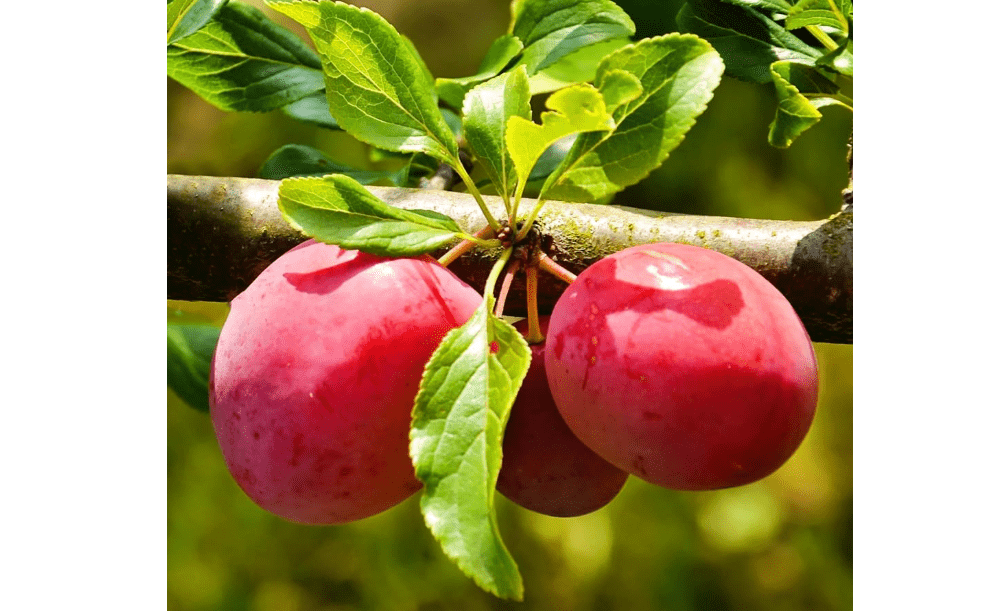
For growers seeking early-summer fruit production, the Methley Plum is unmatched. Bursting into a cloud of fragrant white flowers in early spring, this vigorous Japanese plum produces abundant clusters of medium-sized, reddish-purple fruit with sweet, juicy crimson flesh. It is widely considered one of the easiest, most rewarding stone fruits to grow in Southern climates.
-
Estimated Price:
-
Key Features & Benefits: Low chill requirement (only 150 to 250 chill hours); fully self-fertile; ripens early (often by late May or early June); adapts easily to various soil types.
-
Pros & Cons:
-
Pros: Very low chill requirement makes it viable across all of Georgia (North to South), self-pollinating, melts-in-your-mouth sweetness.
-
Cons: Tends to overbear fruit, which requires early thinning of the branches to prevent them from snapping under the heavy crop weight.
-
-
Amazon Ratings & Reviews: Averages 4.4/5 stars. Reviewers regularly praise how fast the root system takes hold in garden soil and the explosive growth during the first summer.
-
Why It’s a Good Choice for Georgia: Its ultra-low chill requirement allows it to succeed in Central and South Georgia where traditional stone fruits fail, yet it possesses plenty of cold hardiness to withstand North Georgia winters.
-
Ideal Use Case: Anyone who wants a heavy harvest of sweet, fresh stone fruit before summer heat peaks, without needing a second pollinator tree.
8. The Unique Delicacy: Fuyu Persimmon Tree
The Fuyu Persimmon is a non-astringent Asian persimmon that serves as both a high-value fruit producer and a centerpiece ornamental tree. In autumn, the foliage turns brilliant shades of gold, orange, and bronze. After the leaves drop in November, large, tomato-shaped, bright orange fruits remain hanging like vibrant ornaments on bare branches. Unlike astringent wild persimmons, Fuyu persimmons are sweet, crisp, and can be sliced and eaten raw like an apple straight off the tree.

-
Estimated Price:
-
Key Features & Benefits: Non-astringent (sweet even while firm); self-fertile; virtually insect- and disease-free; requires roughly 200 to 400 chill hours.
-
Pros & Cons:
-
Pros: Zero routine chemical spraying required, breathtaking autumn landscape appeal, high-value gourmet fruit, extends the harvest season into late fall.
-
Cons: Grows more slowly compared to rapid stone fruits like peaches or plums, taking 3 to 4 years to reach peak production.
-
-
Amazon Ratings & Reviews: Averages 4.5/5 stars. Customers frequently commend the quality of grafted rootstocks and the safe transit of the delicate taproot systems.
-
Why It’s a Good Choice for Georgia: Persimmons are naturally suited to the Southeast’s climate. They are immune to the humidity-related fungal issues that plague other fruits and produce fresh food when the rest of the orchard is dormant.
-
Ideal Use Case: Gourmet food enthusiasts, landscape designers, and low-maintenance gardeners looking for late-season variety.
9. The Fast Grower: Everbearing Mulberry Tree
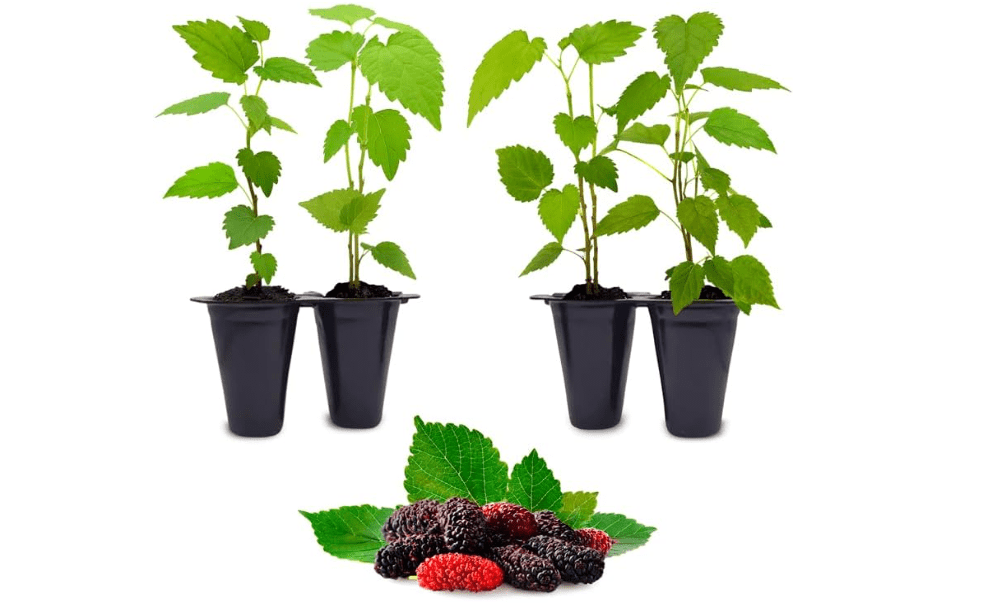
If you want immediate gratification in your garden, the Everbearing Mulberry (Morus nigra/rubra) is an outstanding candidate. Mulberries are exceptionally hardy, vigorous shade trees that begin producing sweet, blackberry-like fruits in their very first or second year. Unlike traditional trees with a narrow two-week harvest window, everbearing varieties continuously drop fresh, sweet berries from late spring straight through mid-summer.
-
Estimated Price: $32.99.
-
Key Features & Benefits: Self-fertile; continuous production for months; incredibly fast growth rate (up to 3 to 5 feet per year); highly drought- and pest-tolerant.
-
Pros & Cons:
-
Pros: Extremely fast grower, high yields in year one, delicious berries that do not require thorny picking, handles heavy clay effortlessly.
-
Cons: The dark berries can stain concrete, cars, and decks, so it must be planted away from high-traffic paved areas.
-
-
Amazon Ratings & Reviews: Averages 4.7/5 stars. Buyers routinely express amazement at receiving live cuttings or saplings that leaf out within days of arrival.
-
Why It’s a Good Choice for Georgia: Mulberries are practically indestructible in Georgia soil. They handle blazing 95°F heat, drought, and torrential summer thunderstorms without breaking a sweat.
-
Ideal Use Case: Permaculture setups, large backyards, homesteaders with livestock/poultry (chickens love mulberries), and impatient gardeners who want fruit fast.
10. The Heat-Tolerant Heirloom: Arkansas Black Apple Tree
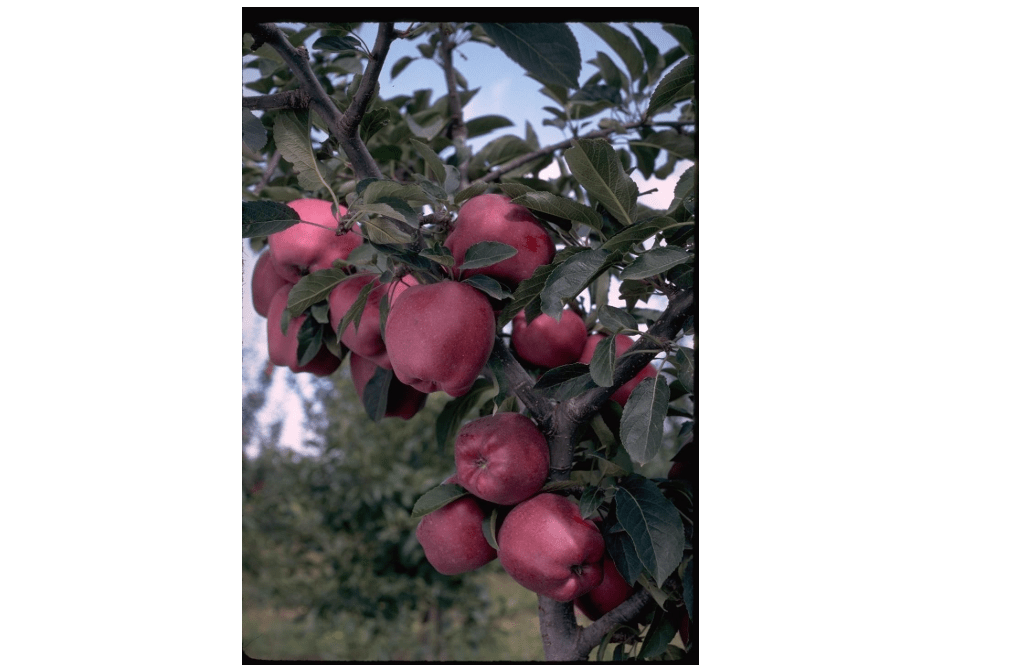
Originating in the South during the late 19th century, the Arkansas Black Apple tree is an heirloom specifically bred to conquer Southern heat and humidity. The fruit is striking—deep, dark burgundy turning nearly pitch black when ripe. When harvested in late autumn, these apples are hard and tart, but after a few weeks in storage, they mellow into an aromatic, sweet, complex dessert apple that keeps for months.
-
Estimated Price:
-
Key Features & Benefits: Highly resistant to cedar apple rust, apple scab, and fire blight; produces fruit with an unmatched storage life (keeps 4 to 6 months in cool conditions); requires 700 to 800 chill hours.
-
Pros & Cons:
-
Pros: Immune to common Southern apple fungal diseases, outstanding storage lifespan, beautiful deep-colored fruit, great for cider and baking.
-
Cons: Requires a cross-pollinator (such as a Gala, Honeycrisp, or Crabapple) to set fruit; not meant to be eaten soft off the branch immediately after picking.
-
-
Amazon Ratings & Reviews: Averages 4.4/5 stars. Reviewers appreciate the sturdy trunk diameter and well-developed root balls delivered by Amazon nursery partners.
-
Why It’s a Good Choice for Georgia: Northern apple varieties often rot on the branch in Georgia’s late-summer mugginess. The thick skin and dense flesh of the Arkansas Black resist rot and insect pressure throughout the humid growing season.
-
Ideal Use Case: Traditional homesteaders, winter food storers, and home cidermakers looking for a resilient, heritage Southern apple.
IV. Conclusion & Final Recommendations
Cultivating a productive, fruitful backyard in the Southeast doesn’t require a commercial agricultural degree—it simply comes down to choosing the right genetics for the climate. Investing in the best 10 fruit trees to grow in Georgia ensures your time and money are spent on resilient, proven varieties engineered to thrive in our specific heat, humidity, and winter chill profiles.
Quick Buying Recommendations:
-
Best Overall for Beginners: The Brown Turkey Fig is the ultimate fail-proof plant, requiring almost zero maintenance while producing two generous harvests every single year.
-
Best for Small Spaces & Patios: The Improved Meyer Lemon offers intoxicating floral fragrance, gorgeous citrus fruit, and container mobility for small porches and patios.
-
Best Classic Southern Flavor: The Elberta Peach remains the gold standard for anyone who wants authentic, sweet Georgia peaches straight from their own backyard.
Ready to start your home orchard? Fruit trees establish their root systems best when planted during dormant and early growing seasons. Check out the current availability and pricing on Amazon to secure healthy, nursery-grade trees delivered straight to your door before seasonal stock runs out!