There is nothing quite as frustrating as staring across the property line at your neighbor’s pristine, golf-course-quality yard while your own St. Augustine grass battles yellowing blades, relentless heat stress, and chinch bugs. You water it, you mow it, but getting that thick, photogenic, barefoot-worthy carpet often feels like a constant struggle. The secret isn’t more water—it is the right nutrition. To help you transform your yard, we have researched and ranked the best 10 feed for st augustine grass available on the market today.
St. Augustine is an incredibly vigorous and “hungry” turfgrass, but it requires a highly specific diet to thrive. Grabbing a generic bag of fertilizer off the hardware store shelf is a massive gamble. Applying the wrong nutrient blend can instantly cause severe nitrogen burn, promote shallow root systems, and leave your lawn highly vulnerable to devastating fungal diseases. True lawn vitality starts from the ground up, requiring a precise nutritional balance that supports robust top growth while simultaneously cultivating deep, resilient soil health.
Fortunately, achieving a lush, dense, vibrant green lawn doesn’t require a degree in agronomy—it simply comes down to choosing the correct macronutrients for your specific yard conditions. We have done the heavy lifting for you. By rigorously analyzing current Amazon customer reviews, consulting agronomic crop data, and evaluating precise NPK ratios, we have compiled the ultimate guide to the best 10 feed for st augustine grass. Whether you are looking to rescue a struggling lawn or maintain a picture-perfect landscape, this comprehensive guide will help you confidently choose the right product, saving you both time and money.
2. Quick Comparison Guide (At a Glance)
To help you make a fast, informed decision, we’ve summarized our top picks. We kept this table clean and limited to three essential columns so it is easy to read on any device.
3. Detailed Product Reviews: The Best 10 Feed for St. Augustine Grass
1. The Andersons PGF Complete 16-4-8 Fertilizer
A professional-grade powerhouse that delivers golf-course results to residential lawns.
Product Description: When it comes to top-tier lawn care, The Andersons PGF Complete is arguably the gold standard. Formulated with super-fine DG (Dispersible Granule) technology, these tiny particles deliver twice the coverage of standard cheap fertilizers. The moment they get wet, they dissolve directly into the soil rather than sitting on top of the turf. This prevents your lawnmower from vacuuming up your expensive investment. It also includes Humic DG (humic acid) to enrich the soil biology, allowing your St. Augustine roots to process nutrients more efficiently.
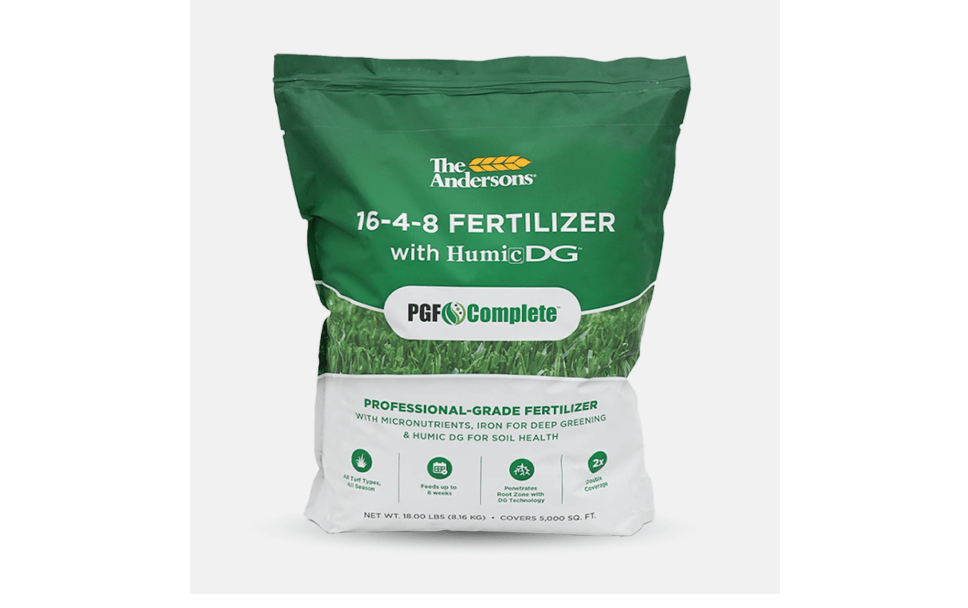
Price: $59.88
Key Features & Benefits:
-
Features the golden 16-4-8 NPK ratio—the exact macronutrient balance heavily researched and recommended for Southern turf.
-
Contains humic acid to condition the soil and improve nutrient uptake.
-
Slow-release nitrogen provides a steady, even feeding for up to 8 weeks.
Pros & Cons:
-
Pros: True professional-grade formula; ultra-fine granules mean no mower pickup; delivers an incredibly deep, rich green without massive growth spikes.
-
Cons: Premium price point compared to big-box store brands.
Amazon Ratings: 4.7 out of 5 stars. Buyers continuously praise it for providing a rapid, deeply saturated green-up without burning the lawn, even in warmer weather.
Why it’s a good choice for St. Augustine: St. Augustine thrives on a 4-1-2 ratio of nutrients (which 16-4-8 represents perfectly). This feeds the aggressive stolons (runners) of the grass just enough phosphorus to root deeply without throwing the soil out of balance.
Ideal Use Case: Homeowners who are serious about their yard aesthetics and want a professional, thick, dark-green St. Augustine lawn throughout the spring and early summer.
2. Milorganite 6-4-0 Slow-Release Nitrogen Fertilizer
The cult-classic organic fertilizer that is virtually impossible to mess up.
Product Description: Milorganite is legendary in the lawn care community. This eco-friendly, organic nitrogen fertilizer is composed of heat-dried microbes. Because it relies on soil activity to break down and release its nutrients, it provides a slow, gentle drip of food to your grass. It also features a hefty 2.5% dose of non-staining iron, which forces the grass to turn a rich, dark green without stimulating excessive top-growth—saving you from having to mow twice a week.

Price: $35.01
Key Features & Benefits:
-
6-4-0 NPK ratio with 2.5% added iron for immediate color enhancement.
-
100% slow-release nitrogen lasts up to 10 weeks in the soil.
-
Organic matter physically improves the composition of sandy Southern soils.
Pros & Cons:
-
Pros: Foolproof and guaranteed not to burn your lawn, even if you over-apply; highly affordable; safe for pets and kids once watered in.
-
Cons: Has a distinct, earthy “brewery” odor that lingers for a few days; zero potassium for drought defense.
Amazon Ratings: 4.8 out of 5 stars. It remains one of the highest-rated fertilizers, with reviewers loving how incredibly safe and easy it is to use.
Why it’s a good choice for St. Augustine: Because St. Augustine is prone to thatch buildup and fungal diseases when hit with too much fast-release synthetic nitrogen, Milorganite’s slow, microbial breakdown prevents “feast or famine” growth cycles.
Ideal Use Case: Beginners who are terrified of chemically burning their lawn, or anyone looking for an environmentally friendly, reliable, slow-and-steady green-up.
3. Scotts Turf Builder Southern Lawn Food
A heavy-hitting synthetic blend explicitly designed to shield grass from brutal Southern summers.
Product Description: Scotts Turf Builder Southern Lawn Food is engineered to combat the specific stressors that St. Augustine faces: blistering heat, severe droughts, and heavy foot traffic. It features Scotts’ exclusive All-In-One Particle technology, ensuring an even distribution of nutrients. Unlike standard fertilizers, this formula completely omits phosphorus (ideal for areas with watershed restrictions) and packs a massive amount of potassium to fortify the grass’s cellular structure.
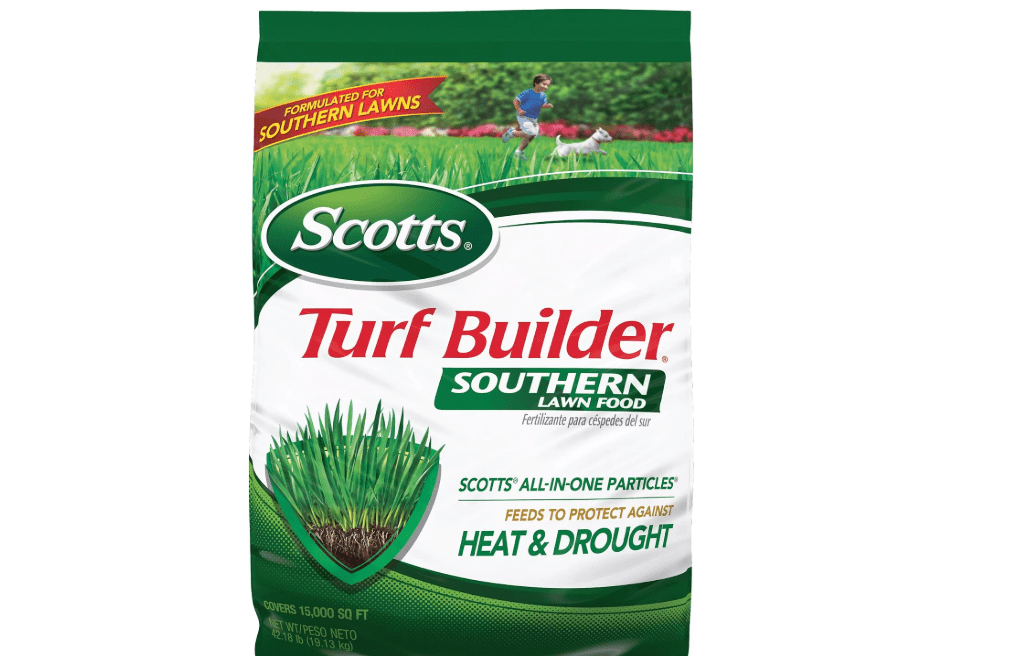
Price: Approx. $83.28
Key Features & Benefits:
-
High-power 32-0-10 NPK ratio.
-
Zero phosphorus to comply with local environmental laws.
-
High potassium content dramatically improves water absorption and heat resistance.
Pros & Cons:
-
Pros: Readily available everywhere; provides an incredibly fast, aggressive burst of growth; drastically improves drought resilience.
-
Cons: The high 32% nitrogen content can easily burn St. Augustine if you accidentally overlap passes with your spreader or fail to water it in properly.
Amazon Ratings: 4.6 out of 5 stars. Users living in Florida and Texas highly rate its ability to keep grass thick and green even when temperatures exceed 95°F.
Why it’s a good choice for St. Augustine: St. Augustine grass blades contain a lot of water and are highly susceptible to heat stress. The high potassium acts like armor, thickening the cell walls to reduce water loss during the peak of summer.
Ideal Use Case: Southern homeowners preparing their established lawns for the punishing mid-summer heat and drought periods.
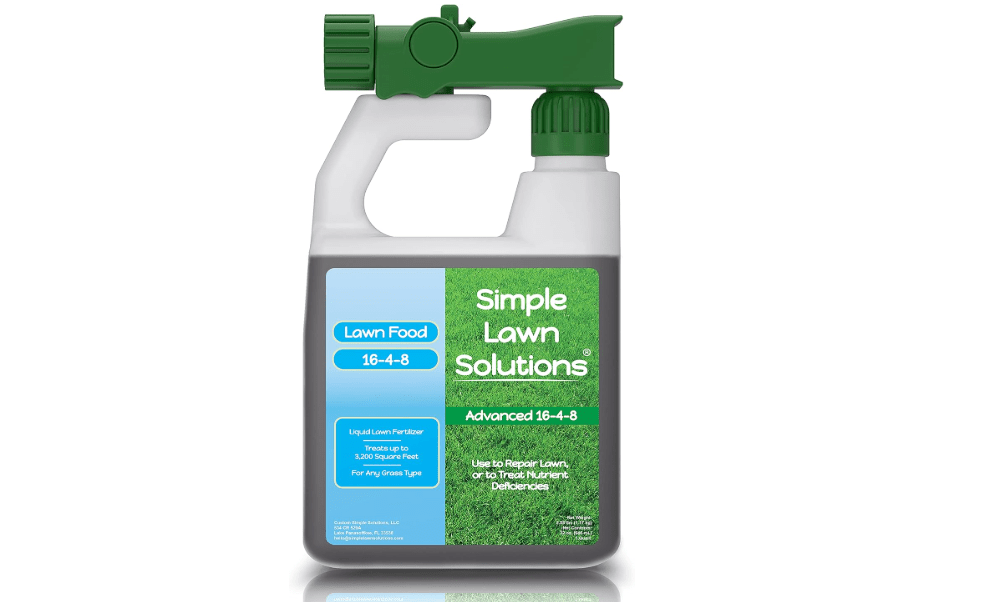
4. Simple Lawn Solutions Advanced 16-4-8 Liquid Fertilizer
The ultimate fast-acting rescue treatment in an incredibly convenient hose-end spray.
Product Description: If your St. Augustine lawn is looking yellow, tired, or malnourished, granular fertilizer might take too long to break down. Enter Simple Lawn Solutions. This highly concentrated liquid formula bypasses the soil breakdown phase completely. It is absorbed directly through the grass blades (foliar feeding) for near-instant results. Enhanced with premium feed-grade ingredients, seaweed, and fish emulsion, it’s a complete nutritional shake for your turf.
Price: $23.77
Key Features & Benefits:
-
16-4-8 balanced NPK ratio in a fast-absorbing liquid state.
-
Infused with organic seaweed and fish extract for micronutrients.
-
Attaches directly to any standard garden hose for effortless application.
Pros & Cons:
-
Pros: Immediate absorption yields visible greening in days; incredibly simple to apply with zero heavy bags or spreaders required.
-
Cons: Liquid nutrients don’t stay in the soil as long as granular forms, requiring reapplication every 3 to 4 weeks.
Amazon Ratings: 4.4 out of 5 stars. Customers frequently post “before and after” photos showing dramatic color recovery in less than a week.
Why it’s a good choice for St. Augustine: Liquid application ensures uniform coverage over St. Augustine’s broad blades, allowing for maximum foliar nutrient absorption to correct mid-season nutrient deficiencies fast.
Ideal Use Case: Homeowners facing a sudden lawn emergency (like yellowing) who need a rapid nutritional injection, or those who simply do not want to deal with push spreaders and heavy bags.
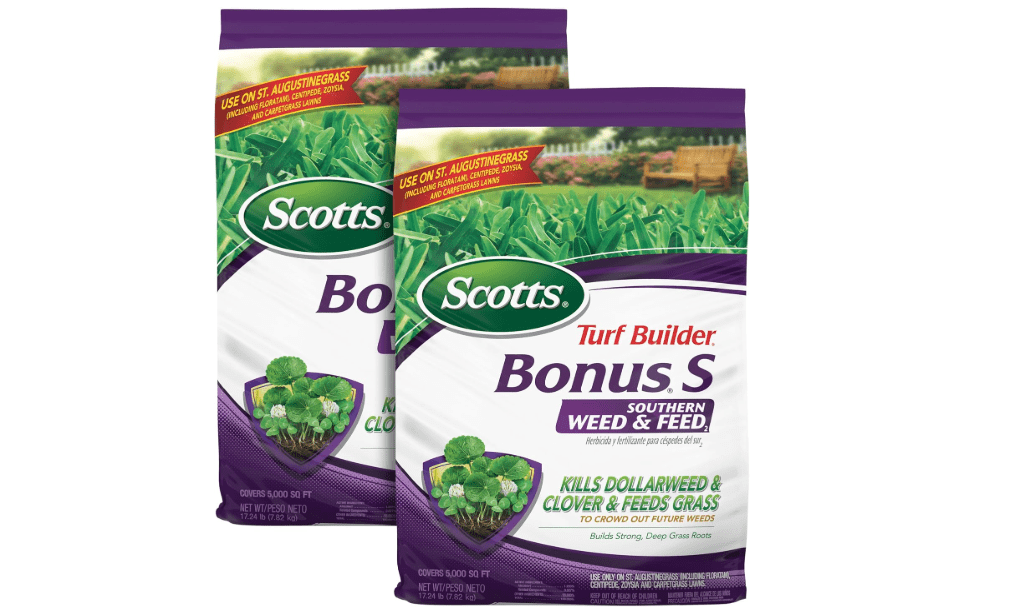
5. Scotts Turf Builder Bonus S Southern Weed & Feed
The ultimate dual-action formula to feed your turf while annihilating aggressive Southern weeds.
Product Description: St. Augustine grass is incredibly dense, which naturally chokes out many weeds, but aggressive invaders like dollarweed and clover can still breach your lawn’s defenses. Scotts Turf Builder Bonus S is a powerful “weed and feed” specifically formulated for Southern turfgrasses. It utilizes Atrazine, a highly effective herbicide that targets and destroys broadleaf weeds down to the root without harming the sensitive, thick blades of St. Augustine.
Price: $109.72
Key Features & Benefits:
-
29-0-10 NPK ratio provides a high-nitrogen punch for rapid growth.
-
Contains Atrazine to kill existing weeds and prevent new seeds from germinating.
-
Feeds your lawn continuously for up to 6 weeks.
Pros & Cons:
-
Pros: Saves immense time by fertilizing and weeding in one application; highly effective against notoriously stubborn dollarweed; provides a robust green-up.
-
Cons: Cannot be applied when temperatures exceed 85°F, or it will severely stress and potentially burn the St. Augustine grass.
Amazon Ratings: 4.5 out of 5 stars. Users widely regard it as the gold standard for taking back control of a weed-infested Southern lawn.
Why it’s a good choice for St. Augustine: Many common weed killers contain 2,4-D, an active ingredient that is highly toxic to St. Augustine. Bonus S uses Atrazine, which is perfectly safe for St. Augustine while remaining lethal to the weeds competing for soil nutrients.
Ideal Use Case: Lawns plagued by dollarweed, clover, and dandelions in the early spring, before the brutal summer heat sets in.
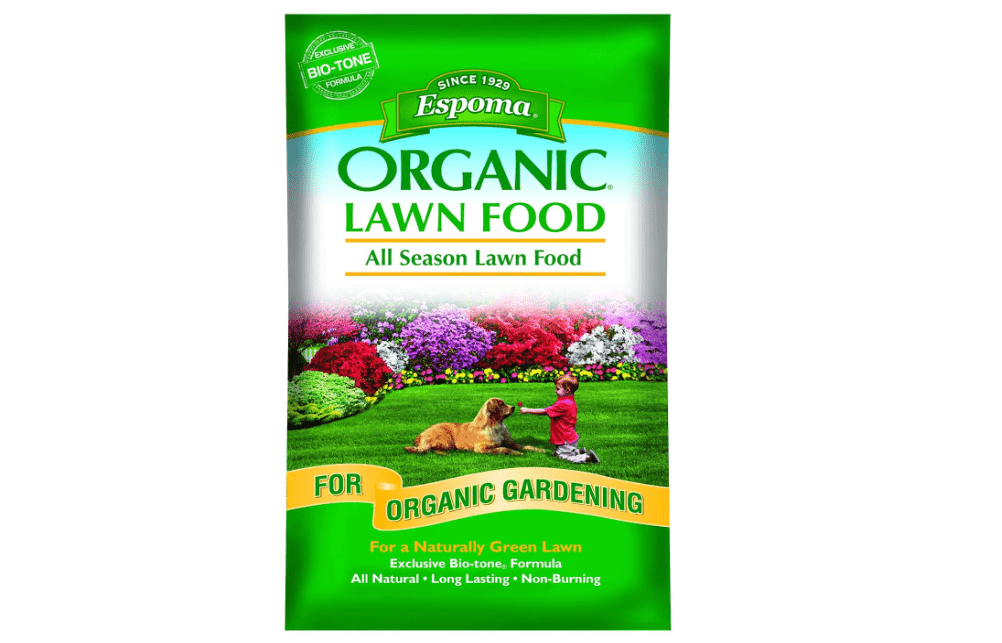
6. Espoma Organic All-Season Lawn Food
A completely natural, microbe-enhanced fertilizer that heals your soil from the inside out.
Product Description: Espoma Organic All-Season Lawn Food takes a holistic approach to lawn care. Instead of just dumping synthetic chemicals onto the grass, this 100% certified organic fertilizer is packed with Espoma’s proprietary Bio-tone microbes. These beneficial bacteria actively break down thatch, aerate the soil, and create a healthy underground ecosystem. It contains no sludges or synthetic chemicals, making it incredibly safe for your property.
Price:
Key Features & Benefits:
-
9-0-0 NPK ratio focused on steady, safe nitrogen delivery.
-
Enhanced with Bio-tone microbes to improve soil biology and nutrient uptake.
-
100% organic, non-burning formula.
Pros & Cons:
-
Pros: Completely safe for children and pets immediately after application; deeply conditions poor soil; environmentally friendly.
-
Cons: Results are significantly slower than synthetic options; lacks potassium for drought defense.
Amazon Ratings: 4.6 out of 5 stars. Pet owners and eco-conscious consumers praise it for delivering long-term lawn health without toxic runoff.
Why it’s a good choice for St. Augustine: St. Augustine relies on a massive, sprawling root system. By fixing the soil underneath and breaking down the dense thatch layer that St. Augustine naturally produces, Espoma allows those roots to spread efficiently.
Ideal Use Case: Eco-conscious households with children or pets who frequently play on the grass, or those looking to transition an chemically dependent lawn back to natural soil health.
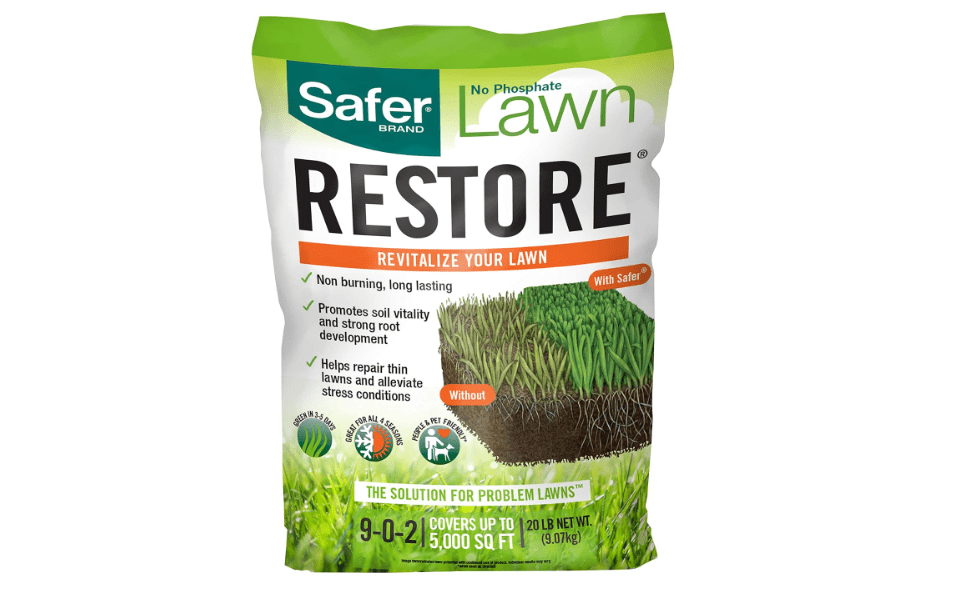
7. Safer Brand Lawn Restore Natural Fertilizer
A plant-based, synthetic-free rehabilitation plan for thinning, distressed turf.
Product Description: When your lawn looks like it is on its last legs, Safer Brand Lawn Restore acts as a natural revitalizer. This plant-based fertilizer avoids the heavy metals and biosolids found in some lower-tier organics. Instead, it uses purely natural ingredients to feed the soil microbes, which in turn feed the grass. It is specifically formulated to withstand the stress of heat and cold, strengthening the lawn naturally.
Price:
Key Features & Benefits:
-
9-0-2 NPK ratio provides balanced nitrogen and a touch of potassium.
-
Plant-based formula containing no poultry litter or bio-solids.
-
Noticeable greening effect in just 3 to 5 days.
Pros & Cons:
-
Pros: Almost entirely odorless compared to manure-based organics; acts unusually fast for a natural product; builds long-term drought resistance.
-
Cons: Can be slightly more expensive per square foot than synthetics.
Amazon Ratings: 4.4 out of 5 stars. Reviewers highly value its ability to revive sick, damaged, or severely thinning turf over a single season.
Why it’s a good choice for St. Augustine: The inclusion of potassium helps strengthen St. Augustine against its two biggest enemies: chinch bugs and lawn diseases like Large Patch, by fortifying the grass’s immune system.
Ideal Use Case: Rehabilitating an old, neglected St. Augustine lawn naturally, or bringing a thinning yard back from the brink of death.
8. Pennington UltraGreen Lawn Fertilizer
A budget-friendly synthetic blend packed with iron for an aggressively dark green aesthetic.
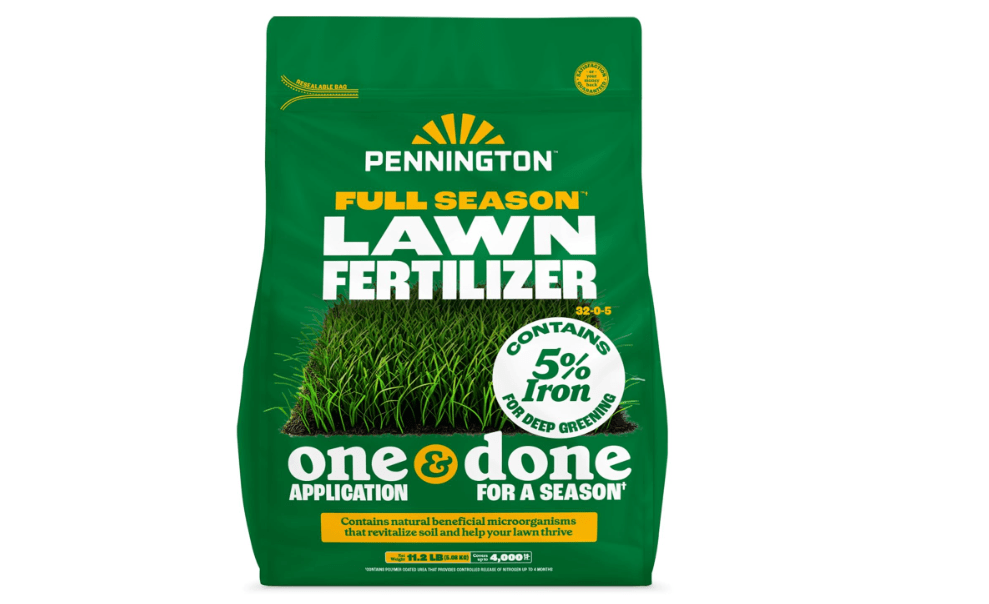
Product Description: Pennington UltraGreen is designed for homeowners who want their lawn to be the darkest green on the block. This formula utilizes a dual-nitrogen approach: half is fast-release for immediate visual impact, and half is slow-release to keep the grass fed for up to three months. The real secret weapon, however, is the massive 5.1% iron boost, which transforms pale, yellowing blades into a rich, emerald green.
Price:
Key Features & Benefits:
-
30-0-4 NPK ratio.
-
Contains an industry-leading 5.1% iron content for maximum color.
-
Feeds continuously for up to 3 months.
Pros & Cons:
-
Pros: Incredible immediate color pop; excellent value for the coverage area; very long feeding window.
-
Cons: The high iron content can permanently stain concrete sidewalks and driveways if you don’t sweep the granules off before watering.
Amazon Ratings: 4.6 out of 5 stars. Buyers consistently highlight the incredibly fast “greening” effect, noting it works faster than almost any other granular option.
Why it’s a good choice for St. Augustine: St. Augustine grass frequently suffers from iron chlorosis in alkaline soils, causing it to look pale or yellow despite adequate watering. Pennington UltraGreen immediately corrects this specific nutritional deficiency.
Ideal Use Case: Homeowners wanting a perfectly manicured, deeply saturated dark-green aesthetic right before summer barbecues and outdoor entertaining.
9. Down to Earth Organic Bio-Turf 8-3-5
An OMRI-listed, premium all-natural blend for organic gardening purists.
Product Description: Down to Earth Organic Bio-Turf is exactly what it sounds like: a return to nature. This OMRI-listed fertilizer is blended from feather meal, meat meal, and bone meal. It provides a highly balanced, steady diet for turfgrass, completely eliminating the feast-or-famine growth cycle that causes lawn stress. It slowly releases nutrients as the soil warms up, ensuring the grass only takes what it needs.

Price: $22.49
Key Features & Benefits:
-
8-3-5 NPK ratio—an exceptionally balanced blend for organic turf.
-
OMRI-listed for certified organic use.
-
Packed with highly bio-available natural ingredients (bone, feather, and meat meal).
Pros & Cons:
-
Pros: Outstanding nutrient ratio for promoting early spring root establishment; highly sustainable and eco-friendly.
-
Cons: The meat and bone meal can temporarily attract local wildlife (like dogs or raccoons) to dig in the yard for a few days after application.
Amazon Ratings: 4.7 out of 5 stars. It holds a near-perfect rating among organic gardening purists who refuse to use synthetic chemicals.
Why it’s a good choice for St. Augustine: The perfectly balanced 8-3-5 ratio supports early spring wake-up brilliantly. It provides a gentle nitrogen push while supplying just enough phosphorus to encourage new stolon (runner) root establishment across bare patches.
Ideal Use Case: The very first feed of the spring season for a strictly organically maintained property.
10. Jonathan Green Winter Survival Fall Fertilizer
The ultimate winterizer to protect warm-season grass during dormancy and prevent spring death.
Product Description: As the temperatures drop, your St. Augustine grass will stop growing and go dormant. However, what you do right before dormancy dictates how well it will survive the winter. Jonathan Green Winter Survival is a specialized late-season fertilizer explicitly designed to prepare turf for freezing temperatures. By minimizing nitrogen and overloading the soil with potassium, it hardens the grass cells against frost and winter diseases.

Price: $56.62
Key Features & Benefits:
-
10-0-20 NPK ratio featuring a massive potassium boost.
-
Gentle slow-release nitrogen feeds the root system through the fall.
-
Formulated specifically to prevent winterkill and snow mold.
Pros & Cons:
-
Pros: Prepares sensitive grass for freezing temperatures; prevents devastating early-spring diseases; builds incredibly deep root systems.
-
Cons: Strictly for fall use; absolutely not suitable for spring or summer growth.
Amazon Ratings: 4.7 out of 5 stars. Users widely credit this product for yielding flawless, vigorous spring wake-ups while neighbors’ lawns are still brown and dead.
Why it’s a good choice for St. Augustine: Because St. Augustine is a warm-season grass, it is highly susceptible to cold damage and frost. The massive 20% potassium dose acts effectively as “antifreeze” for the cellular walls, ensuring the grass survives winter safely.
Ideal Use Case: Application in late fall (typically October or November) to fortify and protect the lawn immediately before it enters winter dormancy.
4. The Ultimate Buying Guide: How to Choose the Right Feed
Selecting the right fertilizer is the difference between a thriving oasis and a burned-out weed patch. Here is exactly what you need to consider before adding a bag to your cart.
Decoding the NPK Ratio
Every bag of fertilizer has three numbers on the front (e.g., 16-4-8). This stands for Nitrogen (N), Phosphorus (P), and Potassium (K).
-
Nitrogen (N): Drives top growth and gives the grass its rich, green color.
-
Phosphorus (P): Stimulates root development. (Note: Many modern fertilizers omit this to protect local waterways, as mature St. Augustine rarely needs extra phosphorus).
-
Potassium (K): Improves overall cellular health, acting as an immune system booster against drought, heat, and disease.
-
The St. Augustine Rule: St. Augustine generally thrives on a 3-1-2 or 4-1-2 ratio during the growing season, and a high-potassium blend in the late fall.
Organic vs. Synthetic
-
Synthetic Fertilizers: Provide ultra-fast results, brilliant color, and are generally cheaper per square foot. However, they carry a high risk of burning the grass if applied incorrectly.
-
Organic Fertilizers: Improve soil health over years, carry zero burn risk, and are safe for families. However, they take weeks to break down and show visual results.
Liquid vs. Granular
-
Granular: The backbone of your lawn care program. It breaks down slowly in the soil to feed the grass for 6 to 10 weeks.
-
Liquid: The emergency room treatment. It is absorbed instantly through the grass blades for rapid color correction, but the effects fade in just a few weeks.
Weed & Feed Warnings
Never blindly apply a weed and feed to St. Augustine. Ensure the product uses Atrazine (safe for St. Augustine) rather than 2,4-D (which will kill St. Augustine). Most importantly, never apply weed and feed when temperatures exceed 85°F, as the heat combined with the herbicide will severely scorch the turf.
5. St. Augustine Feeding Schedule & Pro Tips
Timing is everything. Follow this general schedule for optimal results:
-
Spring Wake-Up (March/April): As the soil warms up and the grass begins to green, apply a balanced NPK fertilizer (like The Andersons PGF Complete 16-4-8) to kickstart growth and root establishment.
-
Summer Heat (June/July): Growth slows down in extreme heat. Switch to a slow-release organic (like Milorganite) or a high-potassium synthetic (like Scotts Southern) to provide color without stressing the grass with massive nitrogen spikes.
-
Fall Winterizer (September/October): As temperatures drop, apply a high-potassium winterizer (like Jonathan Green Winter Survival) to harden the cell walls and protect the roots from frost.
Pro Tip: Always water your lawn immediately after applying a granular fertilizer. This washes the salts off the sensitive grass blades to prevent chemical burns and activates the nutrients in the soil.
6. Frequently Asked Questions (FAQ)
What happens if I over-fertilize St. Augustine grass? Over-fertilizing—especially with heavy synthetic nitrogen—forces the grass to grow faster than the root system can support. This leads to a thick layer of dead organic matter (thatch) at the soil line, which suffocates the roots and creates the perfect breeding ground for destructive chinch bugs and fungal diseases like Brown Patch.
Can I use regular lawn fertilizer on St. Augustine? It is highly discouraged. Generic fertilizers often contain the wrong nutrient ratios for warm-season grasses and may contain weed-killing chemicals that are fatal to St. Augustine. Always look for Southern-specific blends.
How often should I feed my lawn? During the active growing season (Spring through early Fall), a standard granular fertilizer should be applied every 6 to 8 weeks.
7. Final Verdict & Top Recommendations
Achieving a dense, barefoot-worthy lawn doesn’t have to be a guessing game. By selecting a fertilizer tailored to the unique physiological needs of Southern turfgrass, you can effectively choke out weeds, resist brutal summer droughts, and enjoy a vibrant green yard.
-
Top Overall Pick: For those who want true, golf-course-level results, The Andersons PGF Complete 16-4-8 is the undisputed champion. Its perfectly balanced ratio and superfine particles make it the best investment for your turf.
-
Best Safe/Budget Pick: If you are a beginner terrified of burning your lawn, grab a bag of Milorganite. It is completely foolproof, environmentally friendly, and will give your yard a deep, iron-rich green hue safely.
Check out the links above to view current Amazon prices, read through more real-world customer reviews, and take the first step toward the thickest, healthiest St. Augustine lawn on your block.