Growing your own fresh produce in the Magnolia State is incredibly rewarding, but let’s be honest: the extreme summer heat, thick humidity, and unpredictable spring frosts can quickly turn a beginner’s backyard orchard into a frustrating challenge. To guarantee a successful harvest, you need to plant varieties proven to handle the environment, which is exactly why we have tracked down the best 10 fruit trees to grow in mississippi.
The biggest mistake Southern gardeners make is buying generic fruit trees from local big-box stores. Most of these mass-produced trees simply won’t survive here. They often fail to align with the specific chill-hour requirements of Mississippi’s USDA Zones 7b through 9a, nor are they equipped to fight off prevalent Deep South plant diseases like fire blight, root rot, and humidity-induced fungal issues. There is nothing worse than investing years of watering, pruning, and fertilizing into a tree only to watch it fail to fruit or succumb to the local climate.
Fortunately, there is a foolproof way to build your home orchard. We’ve cross-referenced state agricultural extension data with current Amazon availability and buyer reviews to find the top-rated, climate-appropriate live fruit trees you can order directly to your door. From self-pollinating patio citrus to rugged heritage pears, this guide reveals exactly what thrives in Mississippi dirt so you can bypass the costly trial-and-error phase and start harvesting with confidence.
2. Buying Guide: How to Choose the Right Tree for Mississippi
Before you click “Add to Cart,” you need to understand the unique horticultural challenges of planting in the Deep South. Selecting from the best 10 fruit trees to grow in mississippi requires knowing your local microclimate. Here is what you need to evaluate:
-
Understanding Chill Hours: Fruit trees require a certain number of winter hours between 32°F and 45°F to break dormancy and bloom. Northern Mississippi (Zone 7b) experiences colder winters, making it suitable for trees requiring 400–800 chill hours (like classic peaches). Conversely, the Gulf Coast (Zone 9a) barely freezes, meaning you must select “low-chill” varieties requiring 300 hours or fewer.
-
Disease Resistance: Mississippi’s high humidity is a breeding ground for fungal and bacterial diseases. Prioritizing cultivars bred to resist fire blight, cedar apple rust, and brown rot is non-negotiable if you want a low-maintenance orchard.
-
Pollination Requirements: Do you have space for one tree or three? “Self-pollinating” (or self-fruitful) trees produce fruit all by themselves, making them ideal for small residential yards. Others require a different tree of the same species nearby to cross-pollinate and produce a harvest.
-
Rootstock & Soil Compatibility: Mississippi’s soil ranges from heavy, slow-draining red clay in the north to sandy, fast-draining loams near the coast. Ensure you amend your soil accordingly and look for dwarfing or semi-dwarfing rootstocks, which tend to establish faster and yield fruit sooner than standard-sized trees.
3. Quick Comparison Table
To keep things mobile-friendly and easy to read, we’ve condensed our top picks into a clean, three-column overview.
4. Detailed Product Reviews
1. Celeste Fig Tree (The “Sugar Fig”)
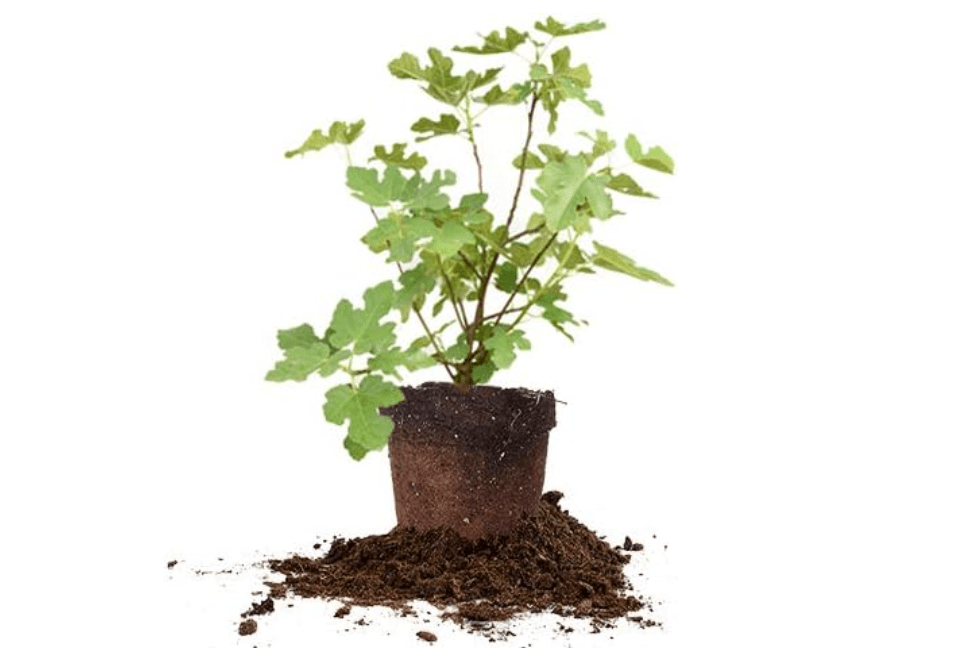
Product Description: The Celeste Fig is a Deep South staple for good reason. Known as the “Sugar Fig” for its incredibly sweet, purplish-brown fruit, this tree is a vigorous grower that forms a beautiful, wide-canopied shade tree over time. It typically ships from Amazon as a well-rooted 1-to-2-gallon potted plant, ready to be dropped straight into your soil.
Price: $34.99
Key Features and Benefits:
-
Self-pollinating: You only need one tree to get a massive harvest.
-
“Closed Eye” Fruit: The bottom of the fig remains tightly closed as it ripens, which prevents ants, beetles, and souring moisture from ruining the crop.
-
Heat Champion: Thrives in full, blazing Mississippi sun.
Pros and Cons:
-
Pros: Highly pest-resistant; requires virtually no chemical spraying; very low maintenance.
-
Cons: Young trees are susceptible to die-back during unexpected late spring freezes (though they usually sprout back from the roots).
Amazon Ratings and Reviews: ~4.5/5 Stars. Buyers consistently praise the secure, soil-retaining shipping packaging and note the rapid first-year foliage growth.
Why It’s a Good Choice for MS: It is perfectly adapted to the Deep South environment. The closed-eye feature is critical here; it prevents the fruit from souring and rotting on the branch during heavy Mississippi summer thunderstorms.
Ideal Use Case: Beginner gardeners looking for a nearly foolproof, high-yield tree that asks for very little in return.
2. Improved Meyer Lemon Tree
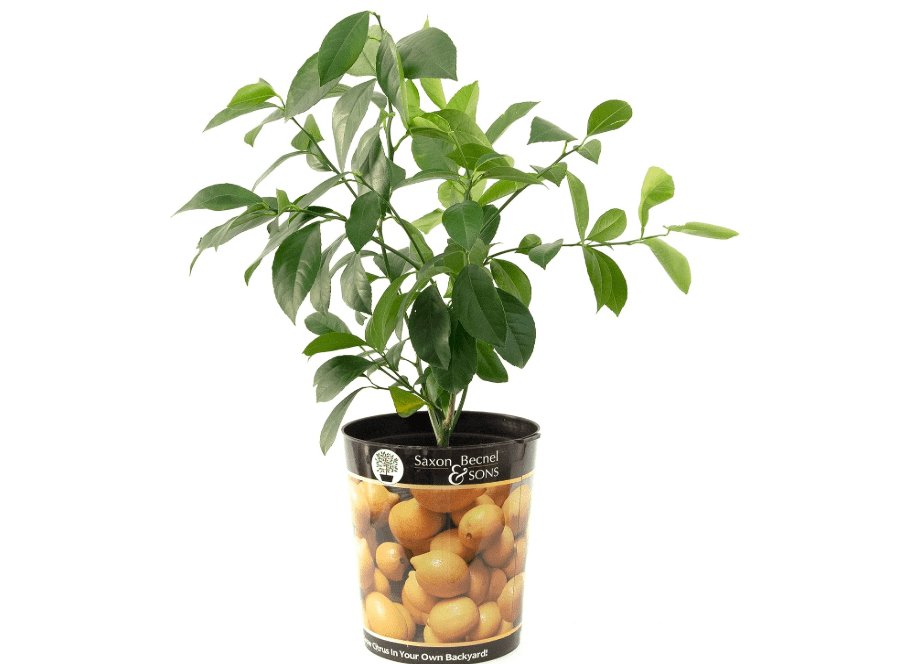
Product Description: The Improved Meyer Lemon is a naturally dwarfing, evergreen citrus tree that produces sweet, thin-skinned lemons (a cross between a traditional lemon and a mandarin). It ships live and is usually grafted to guarantee it will produce fruit much faster than a tree grown from seed.
Price:
Key Features and Benefits:
-
Self-pollinating: Excellent solitary producer.
-
Ever-bearing: Blooms multiple times a year, filling your patio with intensely fragrant, jasmine-like white flowers.
-
Size Control: Rarely exceeds 6–8 feet when kept in a container.
Pros and Cons:
-
Pros: Can be grown easily in a pot; highly productive; sweeter than grocery store lemons.
-
Cons: Not freeze-tolerant. If you live north of Hattiesburg, you must move it indoors or heavily protect it during winter freezes.
Amazon Ratings and Reviews: ~4.3/5 Stars. Reviewers highlight the beautiful, glossy foliage. Many customers report that their trees arrive already bearing small blossoms or tiny fruit.
Why It’s a Good Choice for MS: It is perfect for the Gulf Coast’s mild winters, and serves as an excellent, manageable patio plant for Central and Northern Mississippi where it can be brought into a garage or sunroom during cold snaps.
Ideal Use Case: Patio gardeners, indoor/outdoor container growers, and culinary enthusiasts who want fresh citrus on demand.
3. Anna Apple Tree
Product Description: Most people think you can’t grow apples in the Deep South. The Anna Apple proves them wrong. This remarkable low-chill apple variety produces crisp, sweet-tart apples that closely resemble a Gala or Fuji in both flavor and texture.

Price:
Key Features and Benefits:
-
Low Chill Requirement: Requires only 200-300 chill hours to set fruit.
-
Early Ripening: Apples are usually ready to harvest by late June or early July.
-
Fast Fruiting: Often begins bearing fruit in just its second or third year in the ground.
Pros and Cons:
-
Pros: Highly productive in warm, humid climates where traditional apples fail completely.
-
Cons: While technically self-fruitful, it requires a cross-pollinator (like the Dorsett Golden) to produce a genuinely heavy, reliable crop.
Amazon Ratings and Reviews: ~4.2/5 Stars. Customers frequently note the strong, healthy root system upon arrival. Some mention it takes a couple of seasons to establish heavy yields, but the growth rate is impressive.
Why It’s a Good Choice for MS: Traditional apples fail to fruit in Mississippi because our winters aren’t long or cold enough. The Anna apple defies this rule. Plus, its early harvest means you get to pick your apples before the peak sweltering heat and late-summer pests arrive.
Ideal Use Case: Southern gardeners who want a traditional orchard experience and a crisp eating apple without moving to the Midwest.
4. Kieffer Pear Tree
Product Description: If you want a tree that will outlive you with minimal effort, this is it. The Kieffer Pear is a rugged, heritage variety that produces large, firm, golden-yellow fruits. It is an absolute workhorse in the Southern landscape.

Price: $35.99
Key Features and Benefits:
-
Blight Resistance: Practically immune to fire blight, the disease that kills 90% of other pear varieties in the South.
-
Adaptability: Requires around 350-400 chill hours, fitting perfectly into most of Mississippi.
-
Self-Fruitful: Produces on its own, but yields more with a partner like the Orient pear.
Pros and Cons:
-
Pros: Extremely disease-resistant, long-lived, and tolerates poor, heavy clay soil.
-
Cons: The fruit has a crisp, slightly gritty texture. It is hard if eaten raw right off the branch (it needs to ripen off the tree or be used for baking).
Amazon Ratings and Reviews: ~4.4/5 Stars. Reviewers love the sheer hardiness and survivability of the tree, even in neglectful conditions. Many describe it as the “toughest tree in the yard.”
Why It’s a Good Choice for MS: Fire blight destroys most pear trees in Mississippi’s humid climate. The Kieffer is the legendary exception. It stands up to the humidity, the clay, and the heat without flinching.
Ideal Use Case: Homesteaders, home canners, and hands-off gardeners looking for maximum resilience and massive yields for preserves.
5. Elberta Peach Tree
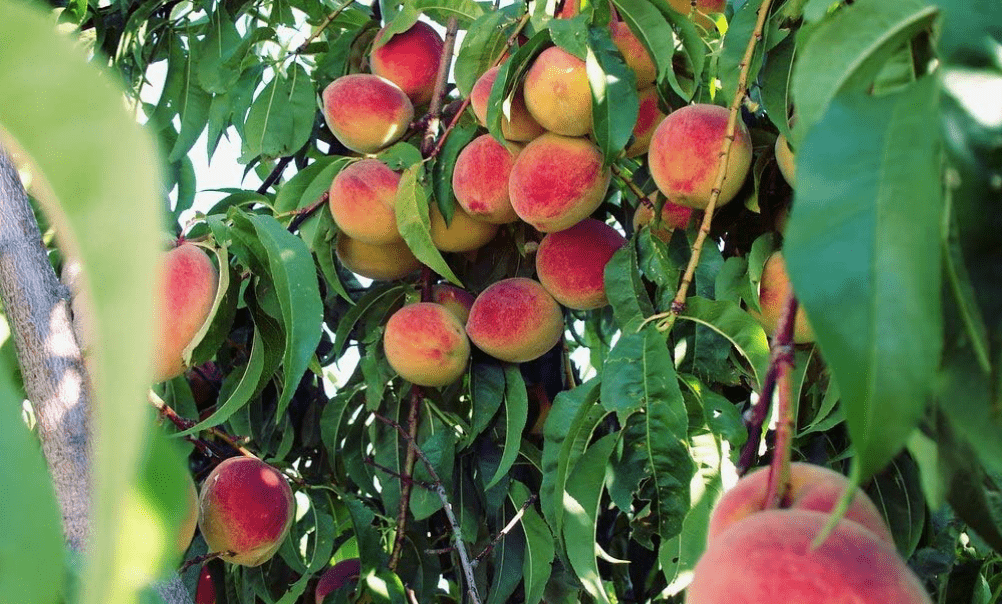
Product Description: The Elberta is the classic American peach tree, famous for producing massive, incredibly juicy, freestone peaches with a beautiful red blush over yellow skin. When you imagine the perfect, chin-dripping summer peach, you are thinking of an Elberta.
Price: $45.00
Key Features and Benefits:
-
Self-pollinating: Capable of producing a large crop without a companion tree.
-
Fast-Growing: Establishes quickly and can begin producing fruit in 3 to 4 years.
-
Chill Requirement: Requires roughly 850 chill hours to set fruit.
Pros and Cons:
-
Pros: Offers an unbeatable classic peach flavor; known for being a heavy and reliable producer.
-
Cons: Requires proactive, seasonal spraying to prevent peach tree borer and brown rot; the high chill requirement makes it completely unsuitable for the immediate Gulf Coast.
Amazon Ratings and Reviews: ~4.1/5 Stars. Buyers are enthusiastic about the incredible fruit quality and size, though many reviews note the necessity of an active pruning and pest management schedule to keep the tree healthy.
Why It’s a Good Choice for MS: It is the ideal fruit tree for Central and Northern Mississippi where chill hours are consistently met. It provides authentic, farmers-market-quality fruit right in your backyard, provided you are willing to maintain it.
Ideal Use Case: Dedicated gardeners willing to follow a seasonal pruning and spraying regimen in exchange for premium, dessert-quality fruit.
6. Owari Satsuma Mandarin Tree
Product Description: The Owari Satsuma is a graceful, somewhat weeping evergreen citrus tree that produces incredibly sweet, seedless, and easy-to-peel mandarins. It is a highly ornamental tree that looks just as good in a landscape as it does in an orchard.

Price:
Key Features and Benefits:
-
Cold-Hardy Citrus: The most cold-hardy of all commercially available sweet citrus.
-
Self-pollinating: Does not require a second tree.
-
Seedless: Produces zipper-skin fruit that requires no effort to eat.
Pros and Cons:
-
Pros: Can survive temperatures down to 15°F when fully established; highly productive.
-
Cons: Relatively slow growing compared to other citrus; branches can become so heavy with fruit that they require propping up to prevent breaking.
Amazon Ratings and Reviews: ~4.6/5 Stars. Highly praised by Amazon buyers for arriving in excellent condition with vibrant green foliage and a healthy, intact root ball.
Why It’s a Good Choice for MS: This tree allows gardeners in the lower half of Mississippi (Zone 8a and south) to grow real, sweet citrus outdoors year-round without the constant freeze anxiety associated with lemons or limes.
Ideal Use Case: Families with children (due to the seedless, easy-peel fruit) and Gulf Coast residents looking for an edible landscape centerpiece.
7. Methley Plum Tree
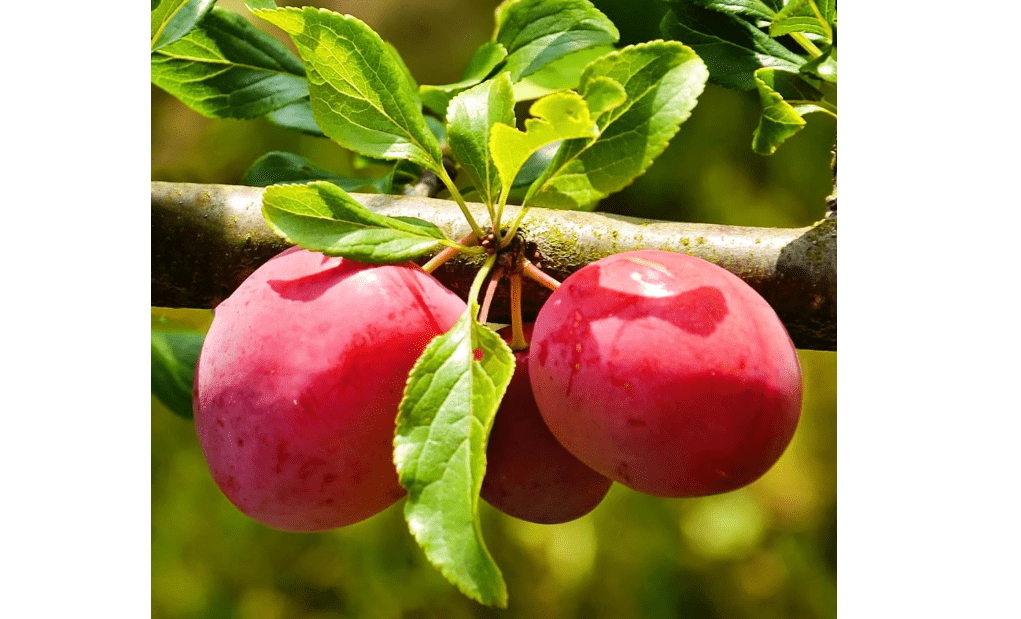
Product Description: Plums can be notoriously tricky in the South, but the Methley is a proven Japanese plum variety that handles the environment beautifully. It is an upright, vigorous tree that yields heavy crops of sweet, juicy, reddish-purple fruit with crimson flesh.
Price:
Key Features and Benefits:
-
Low Chill: Requires only 250 chill hours, making it viable nearly statewide.
-
Self-pollinating: A great solitary tree.
-
Ornamental Value: Produces stunning, fragrant white blossoms in the early spring.
Pros and Cons:
-
Pros: Highly heat tolerant; the early summer harvest helps you pick the fruit before late-summer insect pressure peaks.
-
Cons: Can be susceptible to black knot fungus if the canopy is not properly pruned to allow for adequate airflow.
Amazon Ratings and Reviews: ~4.3/5 Stars. Customers love the sheer volume of fruit it produces and frequently highlight the ornamental value of the spring blooms.
Why It’s a Good Choice for MS: While European plums struggle with Mississippi’s heat and humidity, this Japanese variety thrives. Its low chill requirement and heat tolerance make it a highly dependable producer.
Ideal Use Case: Edible landscaping. It is perfect for front yards where you want aesthetic spring blooms followed by delicious summer fruit.
8. Wonderful Pomegranate Bush/Tree
Product Description: The Wonderful Pomegranate can be grown as a multi-trunked shrub or pruned into a small tree. It produces large, leathery red fruit packed with tart, juicy, antioxidant-rich arils. It is one of the toughest fruiting plants you can put in the ground.

Price:
Key Features and Benefits:
-
Self-pollinating: Reliable solitary producer.
-
Ornamental Flowers: Features striking, trumpet-shaped orange-red flowers that attract hummingbirds.
-
Extreme Heat Tolerance: Thrives in the hottest, driest parts of the yard.
Pros and Cons:
-
Pros: Exceptionally drought-tolerant once established; suffers from almost zero pest or disease problems.
-
Cons: Can take 3 to 5 years to mature enough to produce a significant harvest; branches have small thorns.
Amazon Ratings and Reviews: ~4.5/5 Stars. Reviewers consistently note the plant’s incredible toughness and its ability to bounce back quickly from shipping stress.
Why It’s a Good Choice for MS: Pomegranates absolutely love long, hot, baking summers to ripen their fruit properly. This makes Mississippi’s intense July and August climate a distinct advantage rather than a hurdle.
Ideal Use Case: Water-conscious gardeners, organic growers who want to avoid spraying, and those looking to harvest high-antioxidant superfoods.
9. Fuyu Persimmon Tree
Product Description: The Fuyu Persimmon is a stunning, low-maintenance tree that produces firm, bright orange fruit. Unlike traditional wild persimmons, the Fuyu is non-astringent, meaning you can slice and eat it while it is still crisp like an apple, without waiting for it to become completely soft.

Price:
Key Features and Benefits:
-
Self-pollinating: Yields heavily on its own.
-
Low Chill: Requires only 200 chill hours.
-
Aesthetic Appeal: Features large, tropical-looking leaves that turn spectacular shades of fiery red and orange in the fall.
Pros and Cons:
-
Pros: Extremely pest and disease resistant; the fruit holds well on the tree late into the season.
-
Cons: They have a deep taproot system, making them highly sensitive to being transplanted roughly; they carry a higher price point on Amazon than standard fruit trees.
Amazon Ratings and Reviews: ~4.4/5 Stars. Buyers praise the unique, sweet flavor of the fruit and the incredible aesthetic value of the tree’s autumn foliage.
Why It’s a Good Choice for MS: It is practically a “plant it and forget it” tree for the South. It naturally resists the fungal issues and insects that plague more delicate trees like peaches and apples, making it perfect for Mississippi’s humid environment.
Ideal Use Case: Busy homeowners looking for a high-yield, exotic fruit tree that requires almost zero chemical spraying.
10. Dorsett Golden Apple Tree
Product Description: The Dorsett Golden is a warm-climate apple tree producing sweet, crisp, yellow fruit with a beautiful, slight pink blush. Discovered in the Bahamas, it is one of the few yellow apples that thrives in true Southern heat.
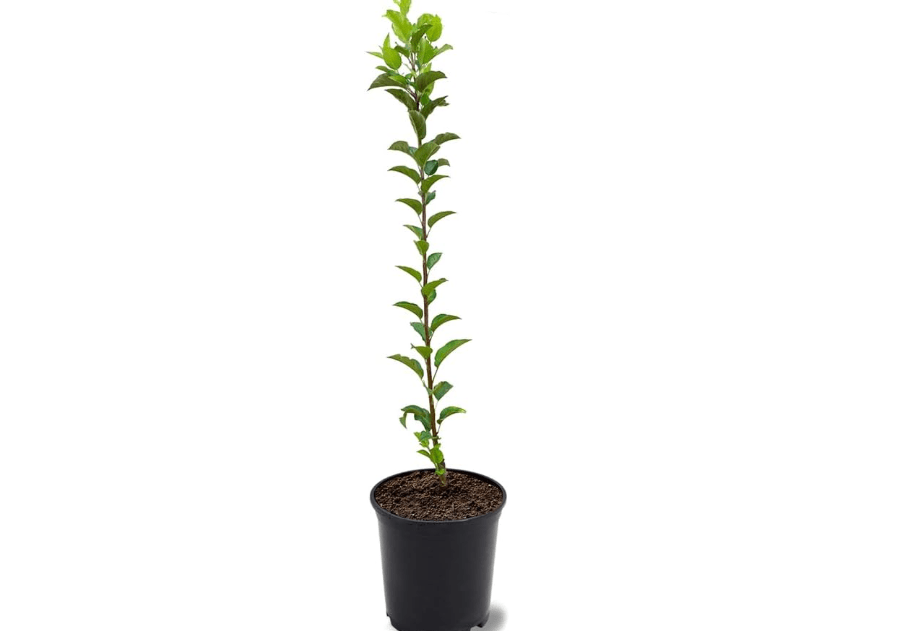
Price:
Key Features and Benefits:
-
Ultra-Low Chill: Requires only 100-300 chill hours.
-
The Perfect Partner: It is the ultimate companion pollinator for the Anna apple.
-
Early Bloomer: Pushes out blossoms very early in the spring.
Pros and Cons:
-
Pros: Exceptionally fast growth rate; offers a very sweet flavor profile similar to a Golden Delicious.
-
Cons: Its early blooming nature makes its blossoms vulnerable to late spring frosts in Northern Mississippi.
Amazon Ratings and Reviews: ~4.2/5 Stars. Reviewers highly recommend pairing it with the Anna variety, noting that the tree often begins producing fruit in just its second year in the ground.
Why It’s a Good Choice for MS: It is one of the only yellow apples that will reliably fruit in a Southern climate. Furthermore, if you are planting the highly recommended Anna apple, planting a Dorsett Golden nearby ensures both trees will produce absolute maximum yields.
Ideal Use Case: Anyone planting the Anna apple, or those living on the Gulf Coast who want a dependable, sweet eating apple that won’t fail in the heat.
Conclusion: Start Your Mississippi Orchard Today
Growing fruit in the South doesn’t have to be a battle against the elements. By choosing cultivars bred specifically for heat tolerance, low chill hours, and disease resistance, you set yourself up for years of abundant harvests. Whether you want to grow a potted Meyer Lemon on a Biloxi patio or plant a rugged Kieffer Pear on a Tupelo homestead, choosing from the best 10 fruit trees to grow in mississippi is the first step toward backyard success. Check the Amazon links above to find healthy, live trees ready to ship, get them in the dirt, and get ready to enjoy the literal fruits of your labor!