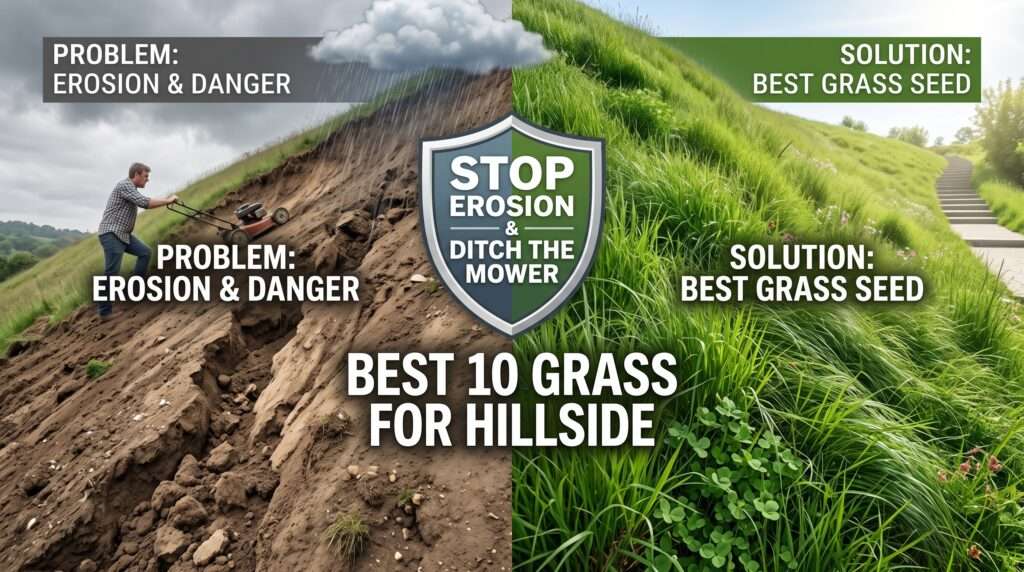
Let’s face it: mowing a steep incline is genuinely dangerous. A bald hill is an eyesore and a major landscaping hazard waiting to wash away. If you want a camera-ready landscape that stops the washout, you need the best 10 grass for hillside planting. Gravity forces water down sloped yards, causing severe soil erosion and stripping vital nutrients, which heavily undermines long-term soil health. Standard turf seed usually washes away before sprouting. To rebuild the soil matrix, you need vegetation equipped with massive root systems, rapid germination, and zero-mowing requirements.
Buying Guide: Stabilizing Your Slope
Choosing grass for a steep bank comes down to three crucial factors. First, root depth is your natural rebar; deep-rooted or rhizomatous grasses physically lock the earth in place. Second, match the grass to your climate and sun exposure to ensure it thrives. Finally, prioritize low-maintenance or no-mow varieties to keep you safely off the incline.
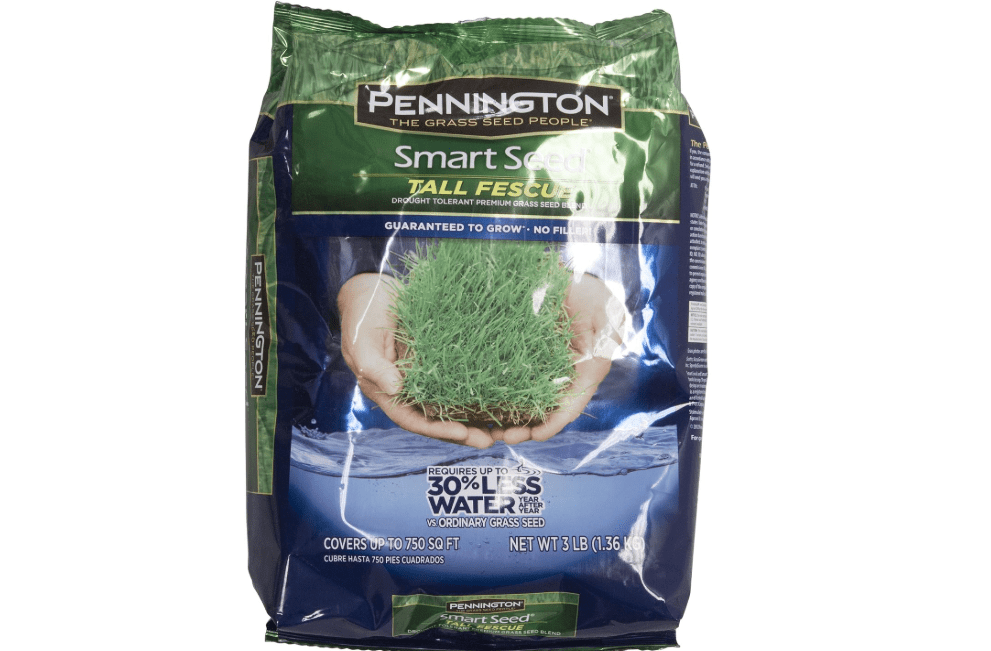
1. Pennington Smart Seed Tall Fescue
This premium turf-type tall fescue is enhanced with Penkote technology for healthier early growth. Priced around $35 for 7 lbs, it builds roots up to 3 feet deep, acting as an unbeatable anchor for soil health. It boasts 4.4/5 stars on Amazon from buyers who praise its ability to survive heavy rainstorms without washing out.
Price:
-
Pros: Incredible root depth; highly drought-resistant year after year.
-
Cons: Can bunch up if seeded too thinly across the slope.
-
Ideal for: Sunny slopes in transition zones needing maximum stabilization.
2. Outsidepride Creeping Red Fescue
A fine-bladed, shade-tolerant grass seed (around $25 for 5 lbs) that naturally forms a dense, creeping mat over challenging terrains. It scores 4.2/5 stars from users who love planting it under heavy canopies to achieve a gorgeous, wavy aesthetic that looks incredible in landscape photography.

Price: $34.99
-
Pros: Spreads quickly to heal bare spots; requires almost zero mowing.
-
Cons: Poor tolerance for heavy, consistent foot traffic.
-
Ideal for: Wooded or northern-facing hillsides with deep shade.
3. Scotts Turf Builder Perennial Ryegrass Mix
When a hillside is completely bare and a storm is on the forecast, you need roots in the ground yesterday. This fast-acting seed mix is designed to sprout quickly and provide rapid ground cover before the next rainstorm. Priced around $22 for 3 lbs, it features Scotts’ exclusive WaterSmart PLUS coating, which helps the seed absorb twice as much water as uncoated varieties. It boasts an impressive 4.5/5 stars on Amazon, consistently highly rated for quick patching and fast hillside green-up.

Price:
-
Pros: Lightning-fast germination (3 to 5 days); provides an immediate erosion shield.
-
Cons: Shallower roots than Fescue; generally less drought-tolerant during peak summer.
-
Ideal for: Emergency erosion control on freshly graded slopes or construction sites where immediate stabilization is critical.
4. Sharp’s Improved II Buffalograss Seed
For those dealing with dry, sandy soils often found on steep banks, Buffalograss is a game-changer. This native North American warm-season grass thrives in the harshest, driest conditions with poor soil. It’s a premium option at roughly $45 for 1 lb, but it maxes out at just 4 to 6 inches tall, meaning it literally never needs to be mowed. It holds a 4.1/5 star rating from reviewers in the West and Midwest who rave about the massive savings on their water bills.

Price: $89.99
-
Pros: The ultimate low-maintenance grass; survives extreme droughts; requires zero supplemental watering once established.
-
Cons: Expensive upfront seed cost; goes completely dormant (brown) in winter.
-
Ideal for: Homeowners in the Great Plains, Midwest, or arid climates looking for an eco-friendly, zero-mow slope solution.
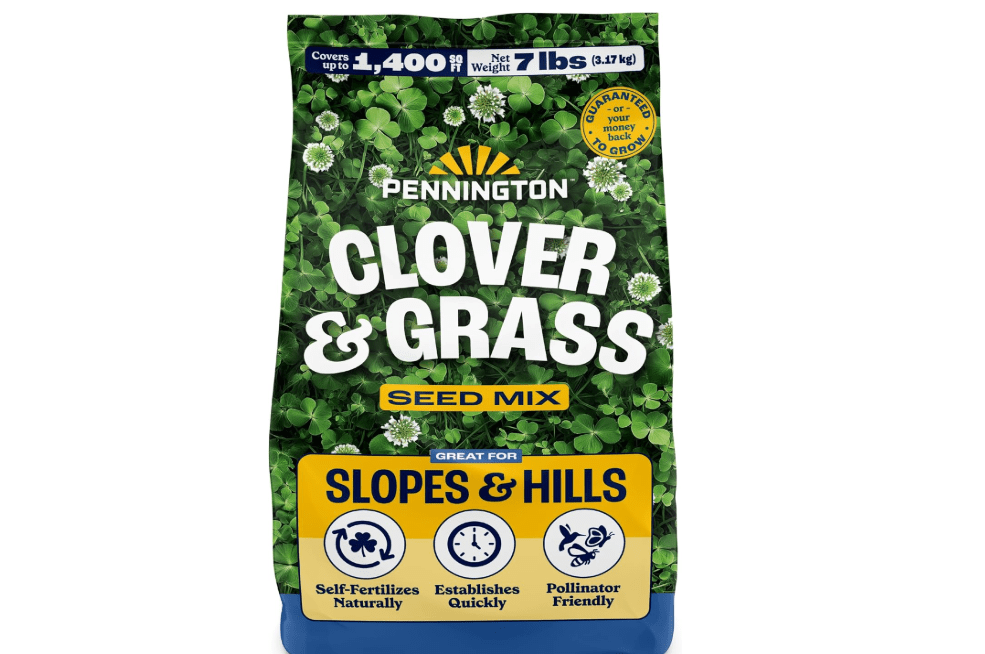
5. Pennington Clover & Grass Seed Mix
Slopes naturally lose nutrients due to runoff, making it hard to sustain healthy turf. This specialized blend of durable turf-type tall fescue and aggressive white clover solves that problem. The clover acts as a natural fertilizer by fixing nitrogen from the air into the soil, feeding the surrounding fescue. At about $30 for 7 lbs, it holds a 4.3/5 star rating. Customers highlight how its aggressive spreading habit easily chokes out weeds on hard-to-reach hillsides.
Price: $24.99
-
Pros: Self-fertilizing ecosystem; exceptionally fast and dense coverage; great for local pollinators.
-
Cons: Clover attracts bees (a consideration if allergic); it does not provide a traditional, manicured lawn look.
-
Ideal for: Steep, hard-to-reach banks where applying fertilizer manually is difficult or dangerous.
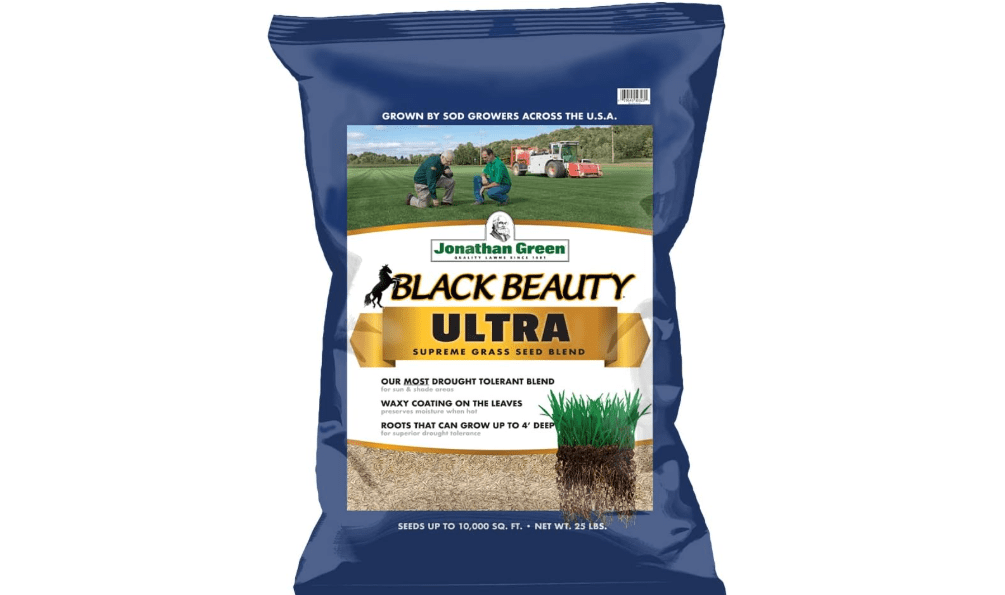
6. Jonathan Green Black Beauty Ultra
If your sloped yard is right in the front of your house, curb appeal is just as important as erosion control. This elite mix of Tall Fescue, Kentucky Bluegrass, and Perennial Ryegrass (approx. $45 for 7 lbs) grows a stunningly dark green, naturally water-resistant lawn. The waxy leaf coating preserves moisture, while roots can plunge up to 4 feet deep. With a massive 4.7/5 stars on Amazon, buyers frequently call it the highest-quality grass seed they’ve ever used.
Price: $105.95
-
Pros: Incredibly beautiful, dark green color; Bluegrass fills in bare spots automatically; excellent disease resistance.
-
Cons: Premium price point compared to standard big-box store seeds.
-
Ideal for: High-visibility sloped front yards that handle foot traffic and demand a premium aesthetic.
7. Scotts Turf Builder Bermuda Grass
Built to withstand scorching southern heat and blistering sun, Bermuda is a rugged, aggressive warm-season grass. Its aggressive creeping nature via stolons and rhizomes rapidly binds the surface of the hillside, preventing topsoil from washing away in sudden summer downpours. Priced around $35 for 5 lbs, it has a 4.4/5 star rating from Southern buyers who praise its ability to turn red dirt and clay slopes into green carpets.

Price: $65.27
-
Pros: Unstoppable spreading capability; heals itself quickly if damaged by heavy runoff.
-
Cons: Highly invasive (can easily creep into adjacent flower beds); requires full sun to thrive.
-
Ideal for: Full-sun slopes in the Southern United States or transition zones.
8. Outsidepride Crown Vetch Seed
While technically a legume and not a turfgrass, Crown Vetch is the industry standard for extreme slope stabilization. Highway departments use it for exactly this reason: it permanently locks down extreme angles where human maintenance is impossible. For about $40 for 1 lb, it produces a deep-rooting ground cover with beautiful pink and white flowers. It holds a 4.0/5 star rating, often cited as the only vegetation that works on 45-degree plus inclines.

Price: $64.99
-
Pros: Completely eliminates the need to mow; visually striking floral display; provides the ultimate heavy-duty erosion control.
-
Cons: Can be highly invasive to native plants; toxic to some livestock if ingested.
-
Ideal for: Extremely steep, dangerous inclines (like ditch banks or highway-facing slopes) where you never want to step foot with a mower.
9. Scotts Turf Builder Sun & Shade Mix
Hillsides often feature complex microclimates—the top might bake in the afternoon while the bottom sits in tree shade. This versatile blend takes the guesswork out of varying light conditions. Priced at $32 for 7 lbs, it utilizes a 4-in-1 WaterSmart PLUS coating and a versatile blend of Fescue, Bluegrass, and Ryegrass. A massive bestseller with 4.5/5 stars, its reliability in unpredictable yard conditions is unmatched.

Price:
-
Pros: Adapts seamlessly to the whole hill regardless of shifting shadows; highly reliable establishment.
-
Cons: A “jack of all trades” rather than a specialist seed for extreme shade or extreme heat.
-
Ideal for: Large, sweeping slopes with trees, houses, or fences that cast moving shadows throughout the day.
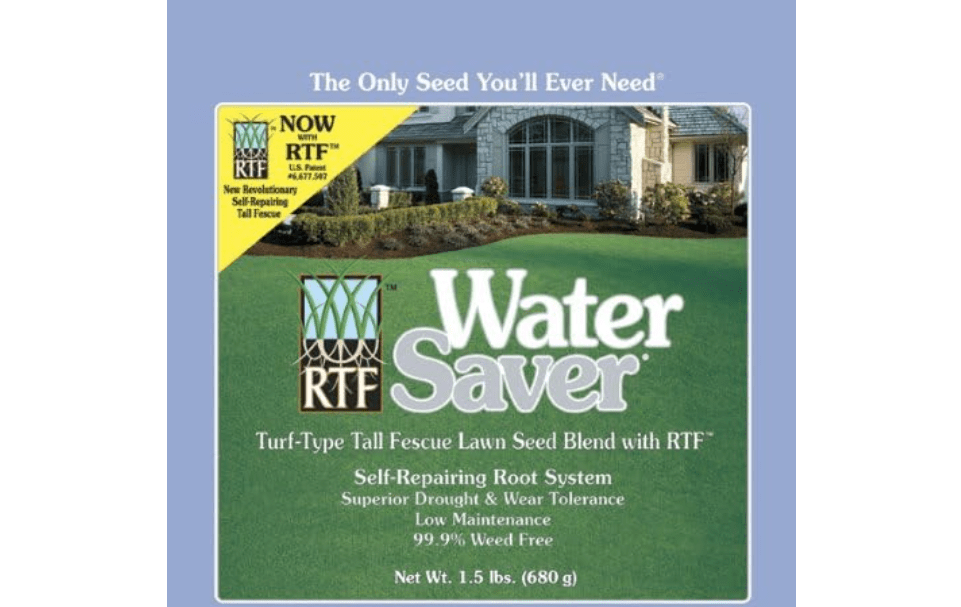
10. Barenbrug Water Saver Grass Seed
Hillsides are notorious for poor, hard-packed subsoil because the topsoil has usually already washed away. This specialized Turf-Type Tall Fescue features RTF (Rhizomatous Tall Fescue) technology, allowing it to send out lateral shoots to repair itself—a rare trait for fescue. It’s tough enough to break through compacted dirt. At roughly $50 for 10 lbs, it has earned a 4.6/5 star rating, with users heavily praising its ability to survive severe drought in terrible clay soils.
Price: $15.06
-
Pros: Self-repairing via rhizomes; incredible drought and heat survival; establishes deep roots in hard soils.
-
Cons: Slower to establish initially than a fast-sprouting Ryegrass.
-
Ideal for: Slopes that have already suffered from severe erosion, leaving behind poor, compacted clay dirt.
4. How to Keep Your Seed from Washing Away
Even the best 10 grass for hillside planting won’t survive if it washes down the street during the first rainstorm. To ensure your investment takes root, follow these mandatory slope-planting steps:
-
Prep the Soil Horizontally: Never rake down the slope. Scuff the surface horizontally across the incline. This creates tiny, horizontal ridges that catch water and seed rather than creating vertical channels for them to slide down.
-
Use Erosion Control Blankets: On steep inclines, biodegradable seed mats or jute netting are non-negotiable. Pin them tightly over your freshly seeded soil. They hold the seed against the dirt and trap moisture while the roots establish, safely degrading into compost later.
-
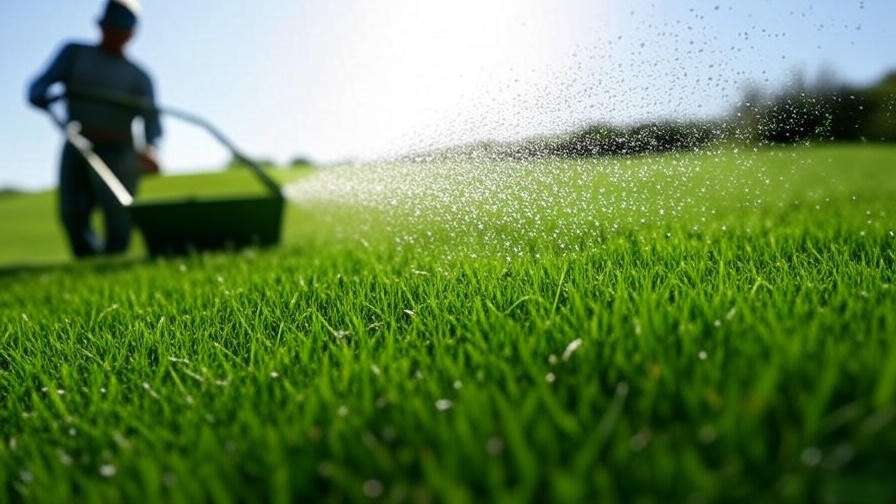
Consider Hydroseeding: For massive slopes, hydroseeding—spraying a slurry of seed, mulch, and fertilizer—might be more cost-effective and successful than dry-seeding by hand.
-
Master the Watering Technique: The goal is to keep the seed moist without causing the very runoff you are trying to prevent. Opt for short, frequent watering sessions (e.g., 5 minutes, 3 times a day) rather than one long, heavy soaking.
5. Conclusion: Stabilize Your Slope Today
Tackling a steep incline doesn’t have to be a permanent, exhausting battle against gravity. The best 10 grass for hillside solutions rely on deep roots to anchor the soil and low-maintenance growth habits to keep you safely off the slope.
-
Choose Pennington Tall Fescue for unmatched overall root strength and erosion control.
-
Opt for Creeping Red Fescue if you want a beautiful, shady, no-mow aesthetic.
-
Lean into Crown Vetch or the Clover Mix if you want to abandon the lawnmower entirely and let nature do the heavy lifting.
Check your local climate to confirm the optimal planting window, order your seed and erosion mats, and take the first step toward transforming your dangerous hillside into a stable, self-sustaining landscape today.