There is nothing quite like the sensory reward of growing your own fruit. Imagine stepping into your backyard and biting into a warm, sun-ripened, intensely juicy plum plucked right off the branch. But getting to that first harvest can feel incredibly overwhelming for beginners, which is why we have tracked down the best 10 plum tree options to set you up for success.
Buying a live fruit tree online often feels like a gamble. If you are new to home orcharding, you might find yourself asking: Will it survive my local climate? Does it need a companion tree to pollinate? Will it completely outgrow my small yard?
To take the guesswork out of planting, we have created the ultimate buyer’s guide. We scoured Amazon customer reviews, expert nursery data, and USDA hardiness zones to curate a definitive list of top-rated, high-yielding trees that arrive at your door healthy and are proven to thrive. Whether you are looking for a compact dwarf tree for your patio or a heavy producer for homemade jams, this guide will help you confidently choose the perfect addition to your home orchard.
II. How to Make an Informed Buying Decision (The Buyer’s Guide)
Before adding a tree to your cart, it’s crucial to understand a few basic principles of fruit tree care. A tree that thrives in Florida might struggle in Michigan. Here is exactly what you need to look for to ensure your tree survives and bears fruit:
-
Hardiness Zones: The USDA assigns “Hardiness Zones” based on minimum winter temperatures. You must choose a tree rated for your specific zone. Planting a warm-weather tree in a cold zone will result in frost damage, while planting a cold-weather tree in the deep South means it won’t get enough winter chill.
-
Chill Hours: Fruit trees have an internal clock. “Chill hours” refer to the number of winter hours between 32°F and 45°F a tree needs to break dormancy and bloom. If a tree requires 800 chill hours but you live in a mild climate that only gets 300, the tree will not produce fruit.
-
Pollination Needs: Some plums are self-fruitful (or self-pollinating), meaning you only need one tree to get fruit. Others require a cross-pollinator (a different plum tree variety planted nearby) to produce a harvest. Even self-fruitful trees usually yield larger crops if a companion tree is nearby.
-
Tree Size and Spacing: Pay attention to the rootstock. Standard trees grow up to 20 feet tall and wide. Semi-dwarf trees stay around 12–15 feet, and Dwarf trees remain a highly manageable 8–10 feet. If you are short on space, dwarf varieties or container planting is the way to go.
-
Japanese vs. European Plums:
-
Japanese Plums (Prunus salicina) are typically larger, juicier, and best eaten fresh. They bloom earlier, making them vulnerable to late spring frosts in cold regions.
-
European Plums (Prunus domestica) are denser, sweeter, and have a lower water content, making them the absolute best choice for drying (prunes), baking, and making jams. They bloom later, making them better suited for colder climates.
-
III. At-a-Glance Comparison Table
For optimal readability on mobile devices, this quick-reference table is limited to three key decision-making metrics. Use this to quickly narrow down your choices before reading the deep-dive reviews below.
IV. Detailed Product Comparison and Reviews
1. Santa Rosa Plum Tree (Best Overall for Flavor and Climate Adaptability)
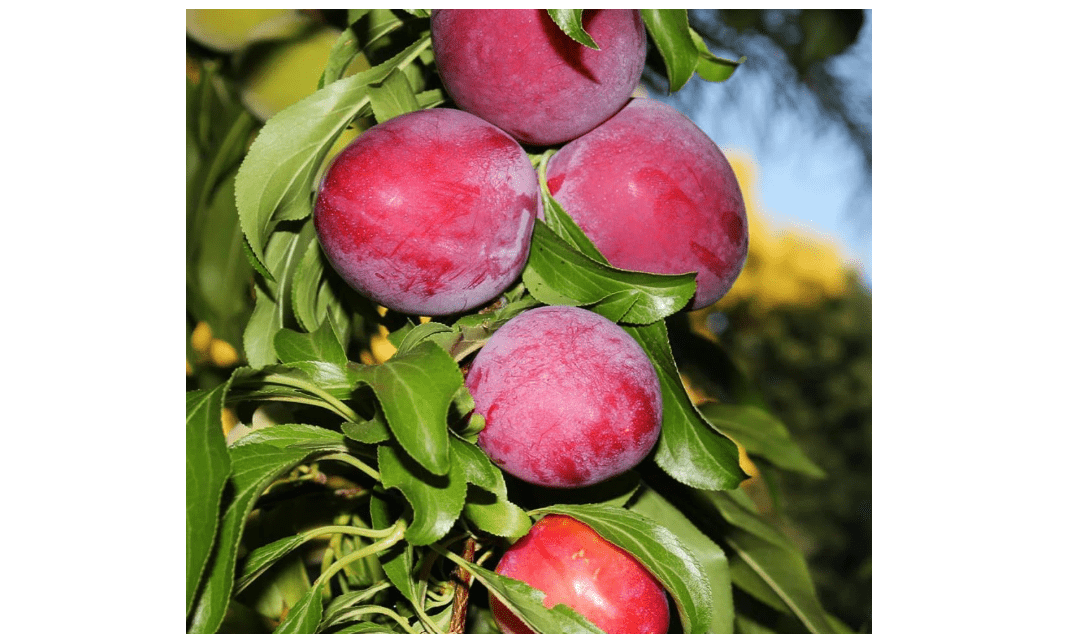
1. Compelling Product Description: The Santa Rosa plum is arguably the most famous and highly sought-after Japanese plum variety for home gardeners, and for good reason. Originally bred by the legendary horticulturist Luther Burbank, this tree produces large, beautiful, purplish-red fruits with a slight frosty bloom. Inside, the flesh is amber streaked with crimson. The flavor is a masterclass in balance: rich, deeply sweet, and perfectly complemented by a slightly tart skin. It also boasts stunning white spring blossoms, making it a gorgeous ornamental addition to any landscape.
2. Price of the Product: $189.99
3. Key Features and Benefits:
-
Zone Compatibility: USDA Zones 5-9.
-
Chill Hours: Low requirement of just 300-400 hours.
-
Harvest Time: Mid-summer (July).
-
Growth: Vigorous, heat-tolerant, and adaptable to various soil types.
4. Pros and Cons:
-
Pros: Exceptional dual-purpose fruit (great fresh or canned), highly resilient, beautiful spring canopy.
-
Cons: Because it blooms early, the blossoms can be susceptible to damage from unexpected late spring frosts in cooler regions (Zones 5/6).
5. Amazon Customer Ratings and Reviews:
-
Average Rating: 4.5 out of 5 stars.
-
Review Highlight: “The tree arrived incredibly well-packaged and healthy with damp roots. It leafed out within two weeks of planting. We are in Zone 8 and it has been growing vigorously despite the summer heat!”
6. Why It’s a Good Choice: It is the gold standard of plums. The Santa Rosa is self-fruitful, meaning you don’t need a second tree (though a partner will increase yield). It serves as an excellent pollinator for almost every other Japanese plum variety, making it the perfect “foundation” tree if you plan to expand your orchard later.
7. Ideal Use Case / Who Should Buy It: Homeowners in Zones 5-9 who want a reliable, easy-to-grow, all-around superstar tree that provides both ornamental beauty and delicious, fresh-eating fruit.
2. Methley Plum Tree (Best Early-Ripening, Heat-Tolerant Variety)
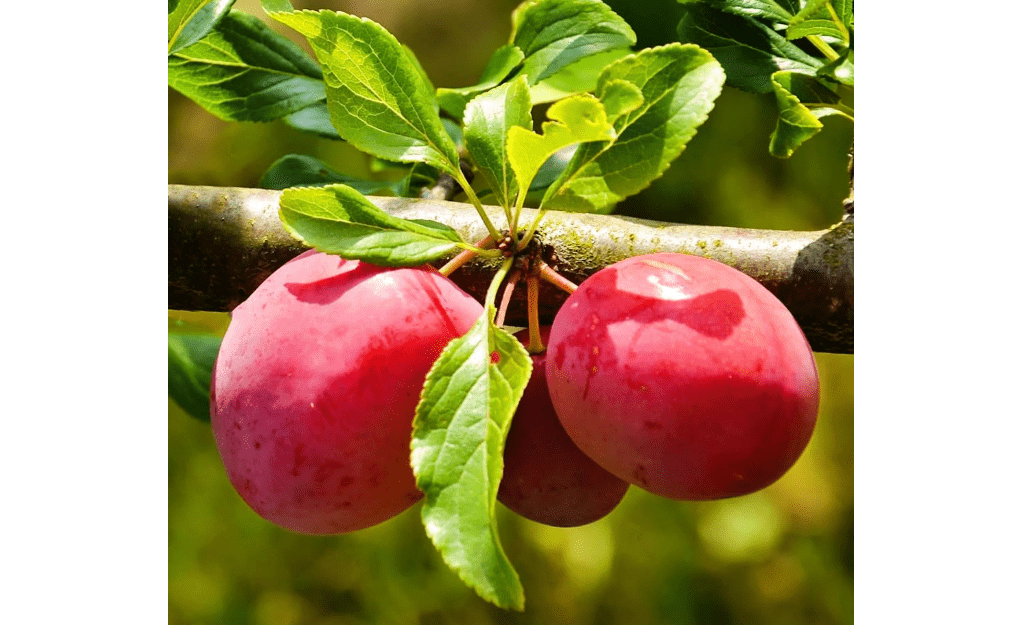
1. Compelling Product Description: If you live in the South and struggle with fruit trees wilting in the summer heat, the Methley Plum is your saving grace. This Japanese variety is incredibly heat-tolerant and disease-resistant. It produces heavy crops of medium-sized, reddish-purple fruit with distinctively sweet, juicy, blood-red flesh. Because it ripens incredibly early in the season, it satisfies your craving for fresh summer fruit before most other trees have even begun to set their crop.
2. Price of the Product: $89.99
3. Key Features and Benefits:
-
Zone Compatibility: USDA Zones 5-9 (thrives exceptionally well in 7-9).
-
Chill Hours: Very low requirement of 150-250 hours.
-
Harvest Time: Early summer (late May to June).
-
Yield: Known for heavy, clustered fruiting along the branches.
4. Pros and Cons:
-
Pros: Extremely heat tolerant, self-pollinating, produces fruit early in the season, highly resistant to common rusts and diseases.
-
Cons: The fruit is slightly smaller than the Santa Rosa and has a shorter shelf life once picked.
5. Amazon Customer Ratings and Reviews:
-
Average Rating: 4.4 out of 5 stars.
-
Review Highlight: “Living in Texas, I was worried about the summer sun frying a young tree. My Methley arrived bare-root but woke up fast. It handles the humidity and heat like a champ. Can’t wait for the first harvest!”
6. Why It’s a Good Choice: It is practically foolproof for Southern gardeners. Its ultra-low chill hour requirement means you will get fruit even in areas with mild, warm winters where other fruit trees fail to break dormancy.
7. Ideal Use Case / Who Should Buy It: Southern gardeners (Zones 6-9) who battle high heat and humidity but still want a sweet, heavy-producing harvest early in the summer.
3. Blue Damson Plum Tree (Best for Jams, Jellies, and Preserves)
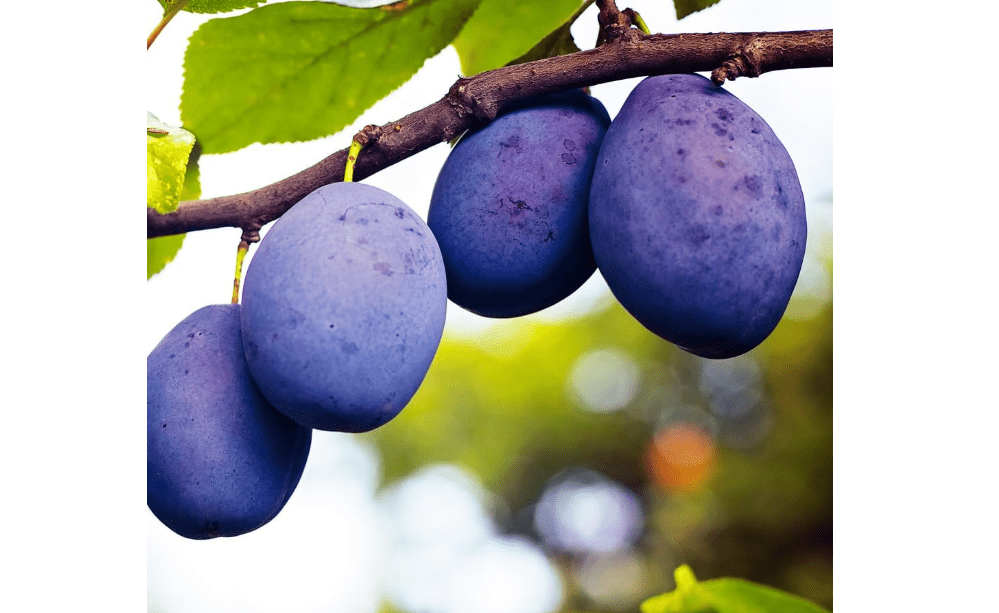
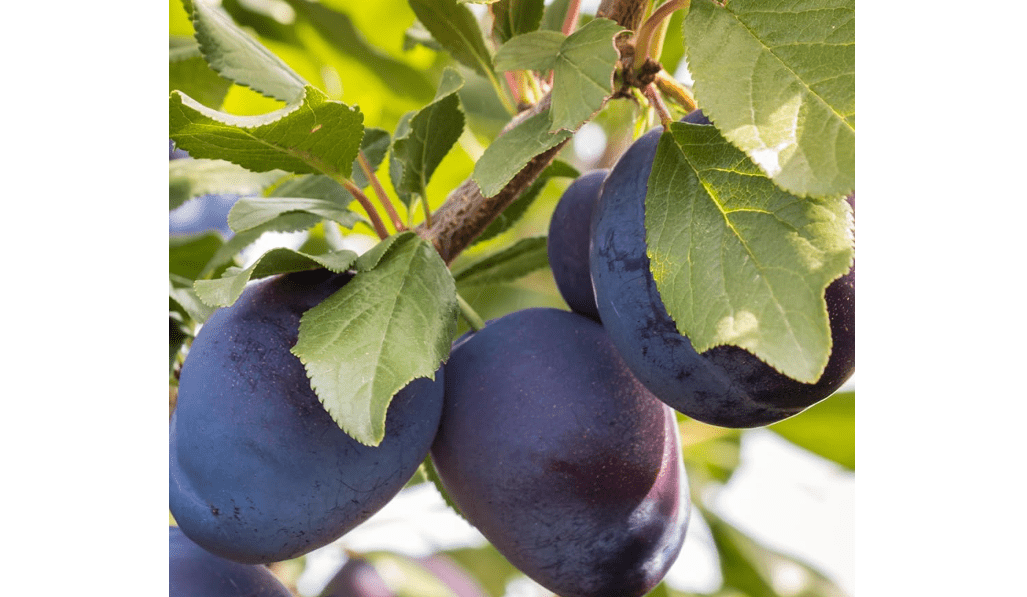
1. Compelling Product Description: The Blue Damson is a classic European plum steeped in history. It produces small, oval-shaped, dark blue fruits with dense, yellow-green flesh. While it isn’t the best plum for eating fresh off the tree due to its sharp, tart flavor profile, it transforms completely when cooked. The Blue Damson is widely considered the absolute best plum in the world for making jams, jellies, preserves, and traditional plum puddings. The high pectin content ensures perfect jams every time, and cooking releases a deep, spiced sweetness.
2. Price of the Product:
3. Key Features and Benefits:
-
Zone Compatibility: USDA Zones 5-7.
-
Chill Hours: Requires about 800 hours.
-
Harvest Time: Late summer to early fall (August to September).
-
Characteristics: Late bloomer, making it highly frost-resistant.
4. Pros and Cons:
-
Pros: Unrivaled flavor for culinary uses, cold-hardy, late-blooming avoids spring frost damage, self-fruitful.
-
Cons: Not ideal for fresh eating; requires a true, cold winter to produce fruit.
5. Amazon Customer Ratings and Reviews:
-
Average Rating: 4.6 out of 5 stars.
-
Review Highlight: “I bought this to recreate my grandmother’s plum jam. The tree arrived perfectly pruned and potted securely in soil. Two years in, and the yield is incredible. The tartness cooks down into the most amazing rich preserve.”
6. Why It’s a Good Choice: It is incredibly low-maintenance. The Blue Damson requires very little pruning and naturally grows into a neat, manageable shape. Its cold hardiness makes it a reliable producer for Northern growers.
7. Ideal Use Case / Who Should Buy It: Homesteaders, bakers, preservers, and Northern gardeners (Zones 5-7) looking for a sturdy, traditional European plum tree dedicated to culinary uses.
4. Dwarf Italian Plum Tree (Best for Small Spaces and Containers)
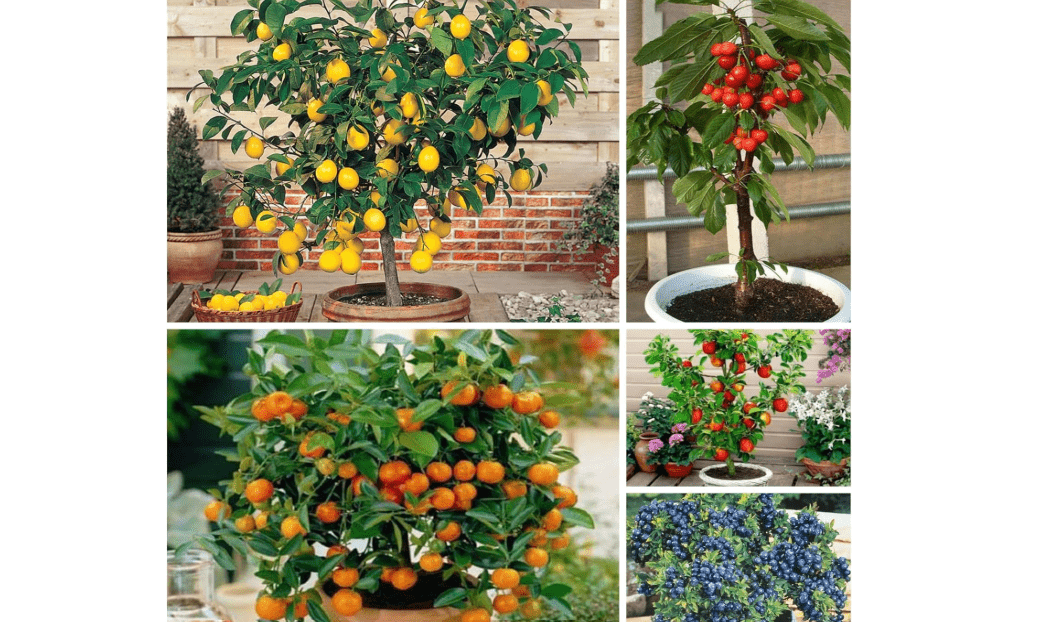
1. Compelling Product Description: You do not need an acreage to grow your own fruit. The Dwarf Italian Plum tree is a compact powerhouse that yields dark purple, freestone fruits with rich, amber-colored flesh. These European plums are exceptionally sweet and firm, making them the premier choice for drying into prunes or eating straight off the branch. Because the tree is grafted onto dwarf rootstock, it remains small and manageable, fitting perfectly into urban gardens or large patio containers.
2. Price of the Product:
3. Key Features and Benefits:
-
Zone Compatibility: USDA Zones 5-9.
-
Chill Hours: Requires about 600-800 hours.
-
Harvest Time: Late summer (August to September).
-
Size: Peaks at around 8-10 feet tall if planted in the ground, and stays smaller in a pot.
4. Pros and Cons:
-
Pros: Perfect for small spaces, self-pollinating, easy to prune and net against birds, produces sweet freestone fruit.
-
Cons: Container-grown trees require more frequent watering and diligent winter root protection in colder zones.
5. Amazon Customer Ratings and Reviews:
-
Average Rating: 4.3 out of 5 stars.
-
Review Highlight: “I have a tiny townhouse backyard and planted this in a half-barrel planter. It flowered in its first year! The seller shipped it securely, and the soil was still moist upon arrival.”
6. Why It’s a Good Choice: It democratizes fruit growing. It allows apartment dwellers or those with zero yard space to experience the joy of an orchard. Plus, being self-fruitful, it operates perfectly as a solo tree.
7. Ideal Use Case / Who Should Buy It: Urban gardeners, patio growers, or anyone with limited space who wants a manageable, self-pollinating sweet plum that is perfect for fresh eating and drying.
5. Green Gage Plum Tree (Sweetest European Plum Variety)
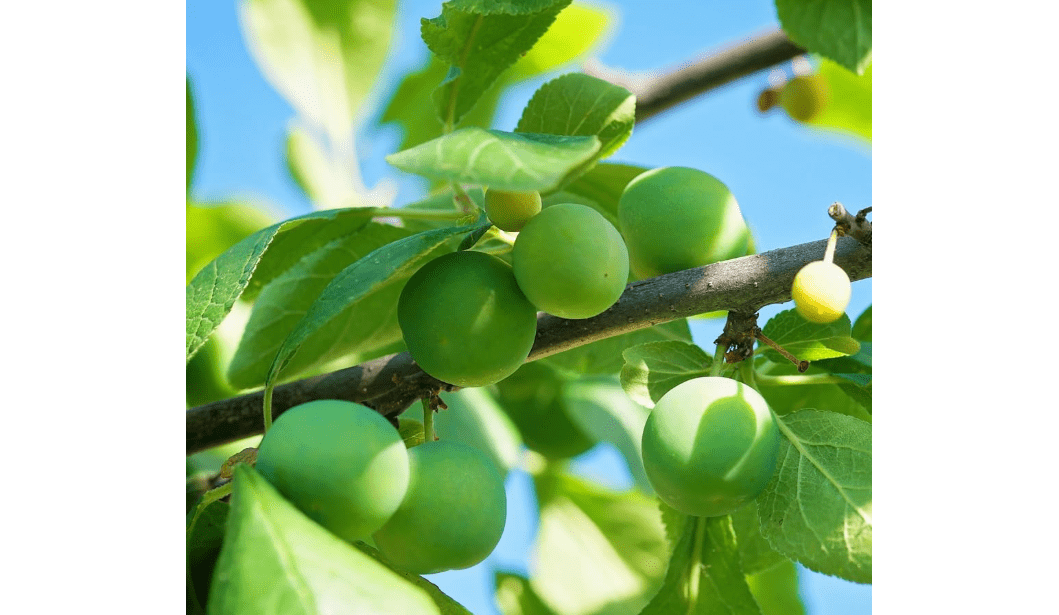
1. Compelling Product Description: Do not let the greenish-yellow skin fool you; the Green Gage is widely regarded by fruit connoisseurs as the sweetest, richest plum in existence. Originating in France, this European variety produces fruit with a dense, syrupy, honey-like flavor that is simply unmatched by modern grocery store varieties. The tree itself is highly productive and has a lovely, rounded canopy.
2. Price of the Product:
3. Key Features and Benefits:
-
Zone Compatibility: USDA Zones 5-9.
-
Chill Hours: Requires 500-600 hours.
-
Harvest Time: Mid-to-late summer (August).
-
Flavor Profile: Candy-sweet, often reaching the highest Brix (sugar content) levels of any plum.
4. Pros and Cons:
-
Pros: World-class flavor, self-fruitful, excellent for fresh eating or making high-end desserts.
-
Cons: The fruit visually blends in with the leaves, making it tricky to spot when ripe; prone to cracking if overwatered just before harvest.
5. Amazon Customer Ratings and Reviews:
-
Average Rating: 4.5 out of 5 stars.
-
Review Highlight: “The tree was dormant when it arrived, but woke up fast. Green Gages are impossible to find in stores, so growing my own was the only option. It’s thriving in my Zone 6 garden.”
6. Why It’s a Good Choice: If flavor is your singular priority, this is the tree to buy. It offers a gourmet eating experience that you simply cannot buy in a commercial supermarket.
7. Ideal Use Case / Who Should Buy It: Dessert lovers, culinary enthusiasts, and gardeners in Zones 5-9 looking for a famously sweet, honey-flavored heritage fruit.
6. Elephant Heart Plum Tree (Best Freestone Japanese Plum)
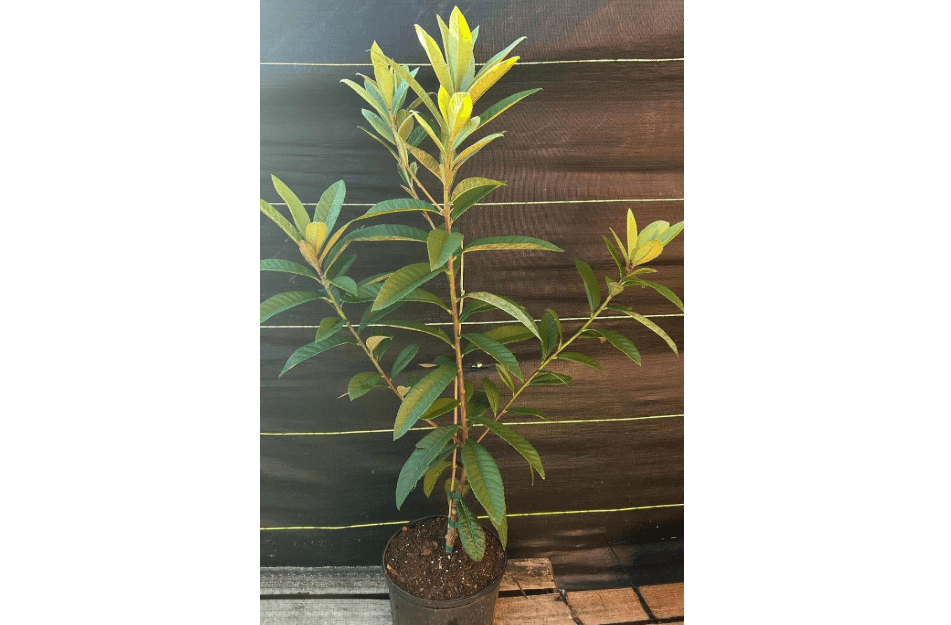
1. Compelling Product Description: The Elephant Heart is a visually striking Japanese plum. It produces large, heart-shaped fruits with a mottled, dark-purple skin. The real magic, however, is inside: the flesh is a vibrant, ruby red. It balances a tart skin with an intensely floral, sweet interior. Best of all, it is a “freestone” variety, meaning the juicy flesh pulls cleanly away from the pit, making it neat and easy to eat or slice.
2. Price of the Product:
3. Key Features and Benefits:
-
Zone Compatibility: USDA Zones 5-9.
-
Chill Hours: Requires about 500 hours.
-
Harvest Time: Late summer (August to September).
-
Pit Type: Freestone (rare for Japanese plums).
4. Pros and Cons:
-
Pros: Stunning red flesh, easy to pit, highly vigorous growth.
-
Cons: Requires a pollinator. It is not self-fruitful and needs a companion like Santa Rosa or Burbank to produce fruit.
5. Amazon Customer Ratings and Reviews:
-
Average Rating: 4.4 out of 5 stars.
-
Review Highlight: “Planted this alongside a Santa Rosa. The shipping box protected the branches perfectly. It’s growing fast and the leaves look incredibly healthy.”
6. Why It’s a Good Choice: It offers the best of both worlds: the large, juicy size of a Japanese plum with the freestone convenience typically reserved for European varieties.
7. Ideal Use Case / Who Should Buy It: Gardeners looking for a striking, dark red-fleshed fruit that is mess-free for fresh eating and slicing into summer salads.
7. American Wild Plum Tree (Best Native, Cold-Hardy Option)
1. Compelling Product Description: The American Wild Plum (Prunus americana) is a rugged, native powerhouse. Unlike heavily bred cultivars, this tree thrives on neglect and can survive brutal winters. In early spring, it erupts in a cloud of stunning, highly fragrant white flowers. The fruits are small, yellow-to-red, and quite tart, making them exceptional for traditional jellies and preserves. It naturally tends to form a thicket, making it a brilliant windbreak or privacy screen.
2. Price of the Product:
3. Key Features and Benefits:
-
Zone Compatibility: USDA Zones 3-8.
-
Chill Hours: Highly cold-adapted.
-
Harvest Time: Late summer.
-
Growth Habit: Shrub-like, thicket-forming native species.
4. Pros and Cons:
-
Pros: Virtually indestructible, survives Zone 3 winters, supports native pollinators, great for erosion control.
-
Cons: Very tart (not for fresh eating); forms thickets and requires aggressive pruning if you want a single-trunk tree. Needs a pollinator of the same species.
5. Amazon Customer Ratings and Reviews:
-
Average Rating: 4.6 out of 5 stars.
-
Review Highlight: “I live in Zone 3b where fruit trees usually die. These native plums survived the winter and the spring blossoms smell amazing. A must-have for permaculture.”
6. Why It’s a Good Choice: It is the ultimate low-maintenance option for harsh climates and eco-conscious landscaping, offering food for both you and local wildlife.
7. Ideal Use Case / Who Should Buy It: Growers in harsh northern climates (Zones 3-8) or permaculture enthusiasts looking to support native wildlife while harvesting tart fruit for jellies.
8. Burbank Plum Tree (Best Heavy Yielder for Home Orchards)
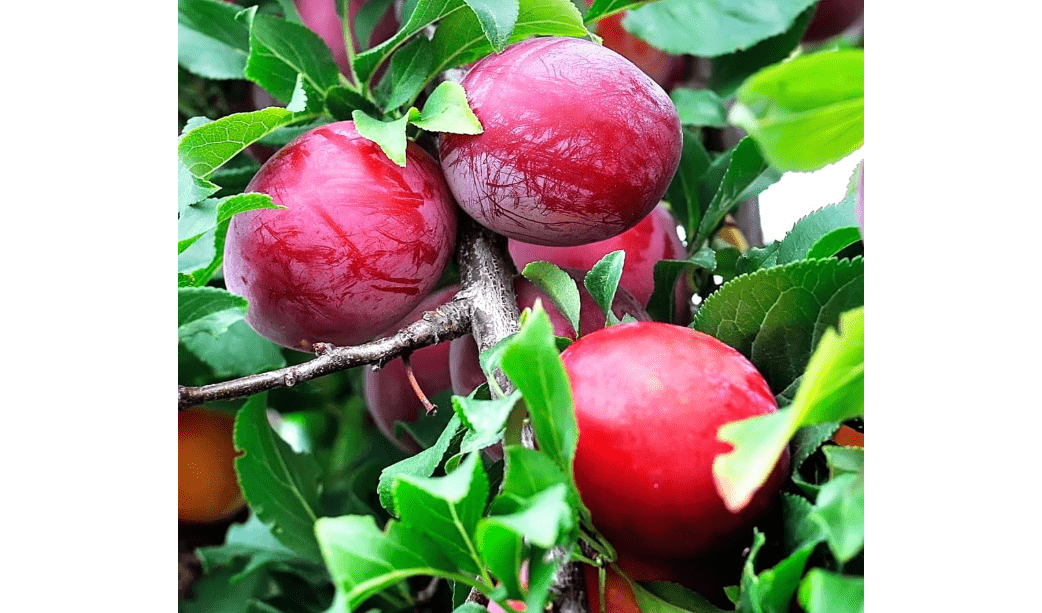
1. Compelling Product Description: Another masterpiece from Luther Burbank, this Japanese plum is famous for its astonishingly high yields. The tree produces massive clusters of medium-to-large, red-and-amber plums with incredibly juicy, sweet flesh. The Burbank tree grows lower and wider than other varieties, making it easier to net against birds and easier to harvest without a massive ladder.
2. Price of the Product:
3. Key Features and Benefits:
-
Zone Compatibility: USDA Zones 5-9.
-
Chill Hours: Requires about 400 hours.
-
Harvest Time: Mid-summer.
-
Growth Habit: Low, spreading canopy.
4. Pros and Cons:
-
Pros: Enormous fruit yields, easy-to-reach harvest height, excellent sweet flavor.
-
Cons: Needs a pollinator. Must be planted with another Japanese plum (like Santa Rosa); often sets so much fruit that you must manually thin the branches to prevent them from snapping.
5. Amazon Customer Ratings and Reviews:
-
Average Rating: 4.3 out of 5 stars.
-
Review Highlight: “Bought this with a Santa Rosa. Arrived in great shape. By year three, the branches were absolutely loaded with plums. We had enough to give to all our neighbors.”
6. Why It’s a Good Choice: If your goal is to maximize your harvest volume in a limited footprint, the Burbank outperforms almost everything else on the market.
7. Ideal Use Case / Who Should Buy It: Those looking to maximize their harvest and who are willing to purchase two trees (pairing this with a Santa Rosa).
9. Satsuma Plum Tree (Best Red-Fleshed Japanese Plum)
1. Compelling Product Description: The Satsuma is a distinctive, dark-red Japanese plum, both inside and out. Unlike many other Japanese varieties that turn entirely to mush when cooked, the Satsuma has firm, meaty flesh that holds its shape beautifully. The flavor is a complex mix of sweetness and a rich, almond-like depth. It is a prized variety for both eating fresh and creating high-quality, visually stunning preserves.
2. Price of the Product:
3. Key Features and Benefits:
-
Zone Compatibility: USDA Zones 6-9.
-
Chill Hours: Requires 300-400 hours.
-
Harvest Time: Mid-to-late summer.
-
Pit Type: Semi-freestone.
4. Pros and Cons:
-
Pros: Firm texture holds up to cooking, gorgeous dark red flesh, very sweet.
-
Cons: Needs a pollinator (Santa Rosa or Burbank recommended).
5. Amazon Customer Ratings and Reviews:
-
Average Rating: 4.5 out of 5 stars.
-
Review Highlight: “The root system on the tree I received was massive and healthy. It established very quickly. Satsumas make the absolute best plum jam because of that deep red color.”
6. Why It’s a Good Choice: It provides the size and sweetness of a Japanese plum with the firm, cooking-friendly texture usually found in European plums.
7. Ideal Use Case / Who Should Buy It: Fans of firm, deeply colored, sweet plums that hold up beautifully for both canning and fresh eating.
10. Bruce Plum Tree (Best Fast-Growing Variety for Southern States)
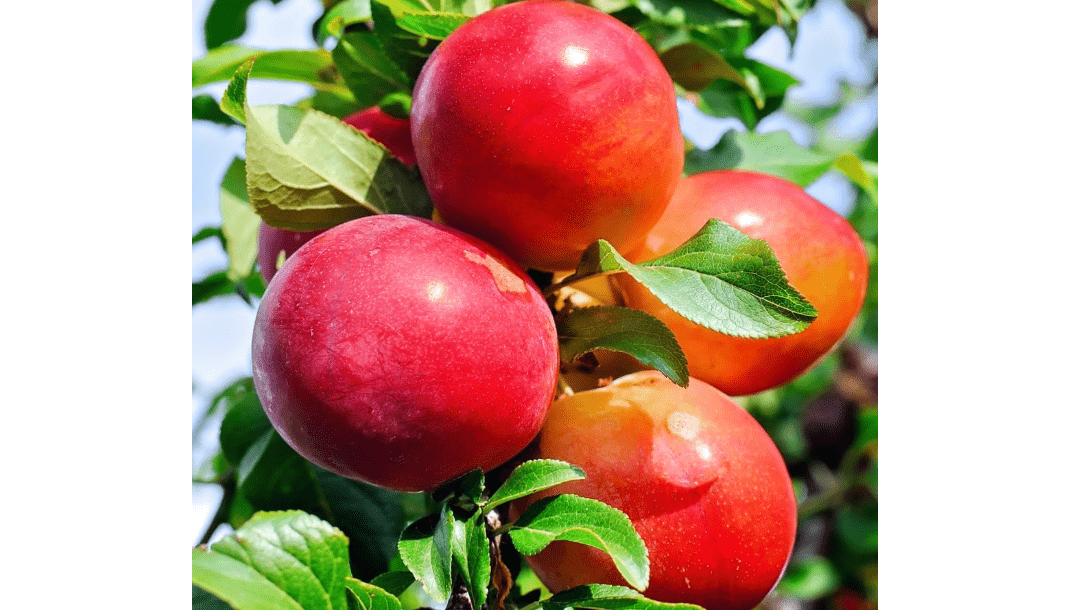
1. Compelling Product Description: The Bruce Plum is a hybrid (a cross between a Japanese and native plum) designed specifically for speed and heat tolerance. It is known to grow rapidly, establish quickly, and begin bearing fruit much earlier in its lifespan than other varieties. The fruit is large, wine-red, and ripens incredibly early in the season.
2. Price of the Product:
3. Key Features and Benefits:
-
Zone Compatibility: USDA Zones 8-9.
-
Chill Hours: Extremely low (often under 250 hours).
-
Harvest Time: Very early summer (late May/early June).
-
Growth Rate: Fast.
4. Pros and Cons:
-
Pros: Rapid growth, very low chill requirement, early harvest.
-
Cons: Needs a pollinator (Methley is highly recommended). Blooms very early, making it a poor choice for anywhere north of Zone 8.
5. Amazon Customer Ratings and Reviews:
-
Average Rating: 4.4 out of 5 stars.
-
Review Highlight: “Needed a tree that could handle the Deep South winters where we hardly get freezes. Shipped perfectly, grew three feet in its first year!”
6. Why It’s a Good Choice: For gardeners in the deep South who are impatient to see a harvest, the Bruce plum’s rapid growth rate and low-chill adaptability make it a top-tier choice.
7. Ideal Use Case / Who Should Buy It: Eager beginners in warmer climates (Zones 8-9) who want a fast-growing, early-yielding tree.
V. Planting & Care Tips for Maximum Yield
Getting your tree out of the Amazon shipping box and into the ground properly is the most important step in your orcharding journey.
-
Unboxing from Amazon: The moment your tree arrives, open the box. If it is a bare-root tree, soak the roots in a bucket of water for 2-4 hours before planting to rehydrate them. If it is potted, check the soil moisture and water if dry. Inspect the branches and prune away any twigs that snapped during transit.
-
Soil Health & Sun Requirements: Plums demand 6 to 8 hours of full sun daily. More importantly, focus on the soil. Plums hate “wet feet,” so well-draining soil is non-negotiable. Before planting, consider amending your native dirt with high-quality compost to boost soil microbiology and organic matter. Adding a sprinkle of mycorrhizal fungi to the root zone during planting can drastically improve root establishment and nutrient uptake, ensuring a vigorous start.
-
Watering & Fertilization Schedule: During the crucial first year, water your tree deeply once a week (more during extreme heat). Wait until the tree has leafed out and established itself for a few months before applying a balanced, slow-release organic fruit tree fertilizer.
VI. Conclusion & Final Verdict
Growing fruit at home is an incredibly rewarding investment, and choosing the right variety is half the battle. If you only have room for one tree and want the highest chance of success, go with the Santa Rosa for its unbeatable flavor and adaptability. If your goal is to make the best jams and preserves of your life, order the Blue Damson. For those with limited space, the Dwarf Italian will happily thrive in a sunny patio container.
To maximize the reach of this guide, pairing this content with an eye-catching YouTube thumbnail or a highly visual, optimized Pinterest pin showcasing these beautiful plum varieties will drive massive engagement.
Ready to get planting? Click the links in the guide above to check current seasonal availability and shipping times on Amazon. Remember, the best time to plant a tree was twenty years ago; the second best time is today. Happy planting!