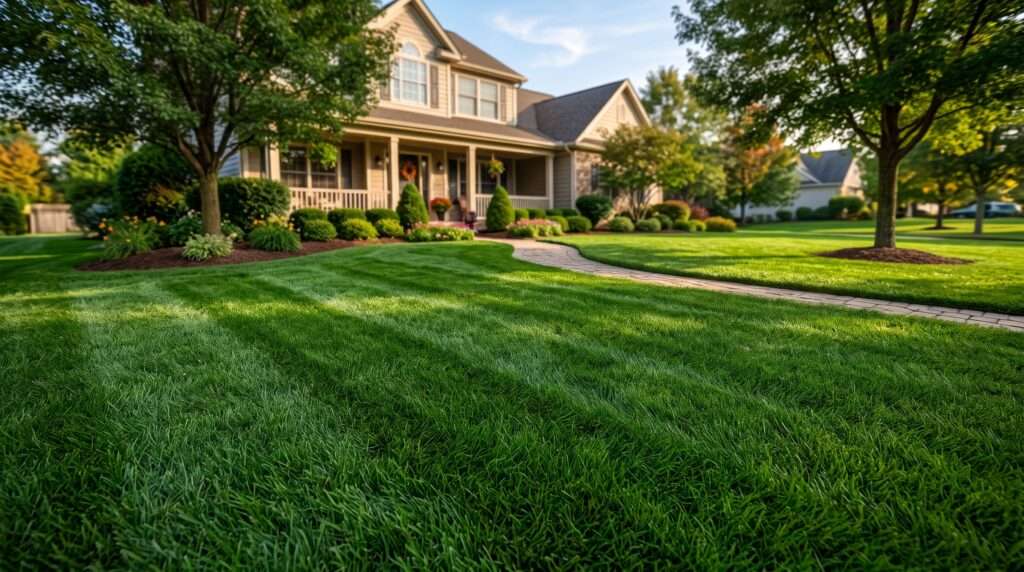
Growing a thick, resilient lawn in USDA Hardiness Zone 7a can feel like a losing battle against the calendar. Known as the “Transition Zone Trap,” this climate punishes your turf from both ends of the thermometer: scorching 95°F+ humid summers fry delicate northern grasses, while 0°F to 5°F winter freezes kill off tender southern lawns. Choosing from the best 10 grass for zone 7a isn’t about grabbing whatever eye-catching bag is stacked at your local garden center—it’s about matching proven genetics to a region that pushes turfgrass to its absolute limits.
Pick the wrong seed blend, and the fallout happens fast. By mid-July, heavy summer humidity triggers brown patch fungus that melts away weak grass overnight, leaving behind bare muddy patches and open real estate for aggressive crabgrass. Too many homeowners get trapped in a costly cycle of endless reseeding every fall, only to discover their seed bag was loaded with cheap inert coating or fragile cultivars never bred to survive transition-zone swings.
To save you time, water, and wasted money, we evaluated the top-rated grass seeds on Amazon by cross-referencing National Turfgrass Evaluation Program (NTEP) resilience data, scrutinizing official seed purity labels for hidden fillers, and digging into thousands of real-world Zone 7a homeowner reviews. Whether you want a rich, dark-green lawn that stays vibrant all winter or a low-maintenance, heat-loving carpet that shrugs off August droughts, this guide breaks down the best 10 grass for zone 7a so you can seed once and buy with total confidence.
Quick Verdict: Our Top 3 Zone 7a Grass Seed Picks
Best Overall: Jonathan Green Black Beauty Ultra — Combines deep, 4-foot drought-fighting roots with a dark-green finish that thrives across sunny and partially shaded Zone 7a yards.
Best Warm-Season: Zenith Zoysia Grass Seed — The most cold-hardy seeded warm-season turf for Zone 7a, forming a lush, weed-choking summer carpet with minimal watering.
Best for Shade: Pennington Smart Seed Dense Shade — Formulated to fill in stubborn bare spots under mature trees with just 2 to 6 hours of daily sunlight.
Quick Comparison Table: Best 10 Grass for Zone 7a
How We Evaluated & Selected the Best Zone 7a Grass Seeds
Zone 7a stretches across a demanding band of the United States—including northern Virginia, Maryland, Delaware, central Tennessee, northern Arkansas, southern New Jersey, and parts of Oklahoma and New Mexico. Because no single grass species is universally effortless here, we applied four strict criteria modeled after professional turfgrass testing:
-
Transition-Zone Climate Tolerance: Every cool-season pick had to survive prolonged 90°F–98°F humid heatwaves without thinning out permanently. Every warm-season pick had to withstand 0°F to 5°F winter lows without suffering devastating winterkill.
-
Disease & Fungus Resistance: Humid Zone 7a nights create a breeding ground for Brown Patch (Rhizoctonia solani) and Pythium blight. We prioritized modern, NTEP-tested Turf-Type Tall Fescue (TTTF) cultivars and naturally fungus-resistant warm-season grasses over outdated pasture-style seeds like Kentucky 31.
-
Seed Tag Purity & Coating Transparency: Big-box grass seed bags frequently contain up to 50% inert clay coating by weight. We evaluated both uncoated pure-seed blends (for maximum seed count per dollar) and moisture-retaining coated blends (for beginners who cannot water twice daily), calling out the exact trade-off on every product.
-
Verified Amazon Performance: We analyzed thousands of verified customer ratings, specifically filtering for multi-season feedback from transition-zone buyers to see which lawns actually held up through their first full July and August.
In-Depth Reviews: The Best 10 Grass Seeds for Zone 7a
1. Jonathan Green Black Beauty Ultra Grass Seed — Best Overall for Zone 7a
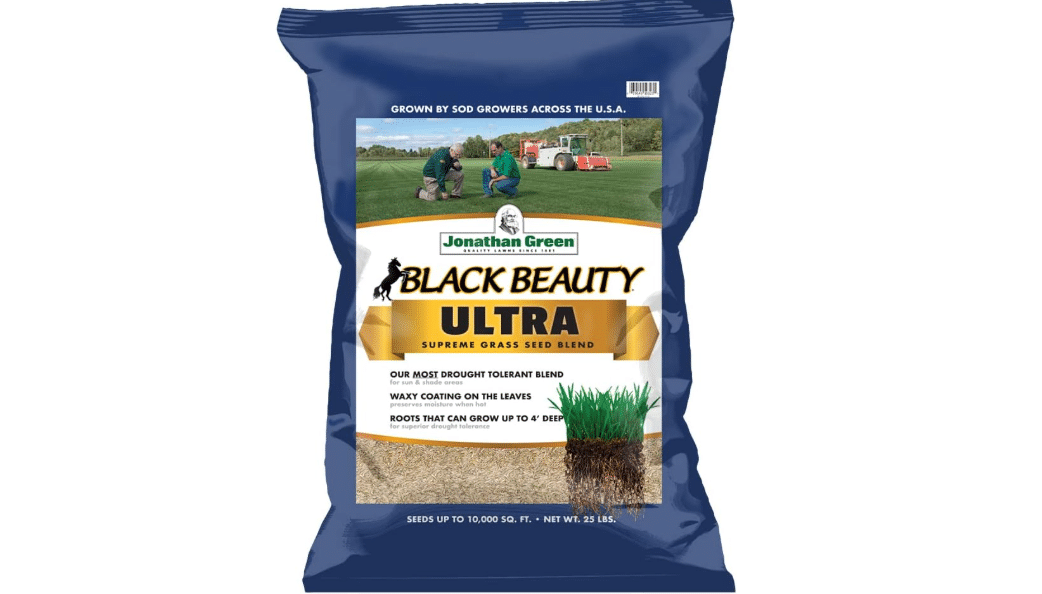
Jonathan Green Black Beauty Ultra earns our top overall spot because it solves the biggest weakness of standard tall fescue lawns: self-repair. While most transition-zone cool-season mixes rely solely on bunch-type tall fescue, Black Beauty Ultra pairs proprietary, deep-rooting Turf-Type Tall Fescues with elite Kentucky Bluegrass and Perennial Ryegrass. The ryegrass germinates quickly to stabilize soil and block weeds, the tall fescue anchors the yard through blistering July heat, and the Kentucky Bluegrass spreads laterally via underground rhizomes to knit together minor bare spots.
What visually separates Black Beauty Ultra from ordinary hardware-store blends is its natural waxy leaf coating—similar to the skin of an apple. That waxy cuticle reduces moisture evaporation on scorching afternoons and gives the turf a striking, dark emerald-green color without forcing you to dump heavy nitrogen fertilizer on the yard every month.
-
Price: $107.32
-
Key Features & Benefits:
-
4-Foot Deep Root System: Reaches deep subsoil moisture during Zone 7a summer dry spells.
-
Endophyte-Enhanced Genetics: Naturally deters surface-feeding lawn pests like chinch bugs and sod webworms without synthetic insecticides.
-
Fast Establishment: Germinates in 7 to 14 days under proper fall watering.
-
Versatile Soil Adaptability: Thrives in both compacted Zone 7a clay soils and sandy loams across sun and partial shade.
-
Pros:
-
Deep, dark-green color that noticeably outshines standard blends
-
Uncoated, high-purity seed means more actual grass seed per pound
-
Self-repairing rhizomes help fill minor pet or foot-traffic wear
-
Exceptional drought and heat resilience once roots establish
Cons:
-
Higher upfront cost per pound than coated big-box mixes
-
Kentucky Bluegrass portion requires consistent moisture for 21+ days during germination
-
Needs annual or biennial fall overseeding in areas with severe summer brown patch pressure
-
Amazon Customer Ratings & Reviews: Averaging 4.4 to 4.5 stars across thousands of verified reviews, Black Beauty Ultra is a perennial favorite among DIY lawn enthusiasts. Transition-zone reviewers consistently highlight its rapid fall germination and unmistakable dark-green contrast compared to neighboring lawns, though a few spring seeders note that weeds compete heavily if you skip fall planting.
-
Why It’s a Good Choice for Zone 7a: It hits the exact genetic sweet spot for Zone 7a—tough enough to endure humid 95°F summers via TTTF, cold-hardy enough to stay vibrant green through freezing winters, and dense enough to crowd out spring crabgrass.
-
Ideal Use Case / Who Should Buy It: Homeowners with sunny to partially shaded Zone 7a yards who want a lush, year-round green showcase lawn and are willing to water properly during fall establishment.
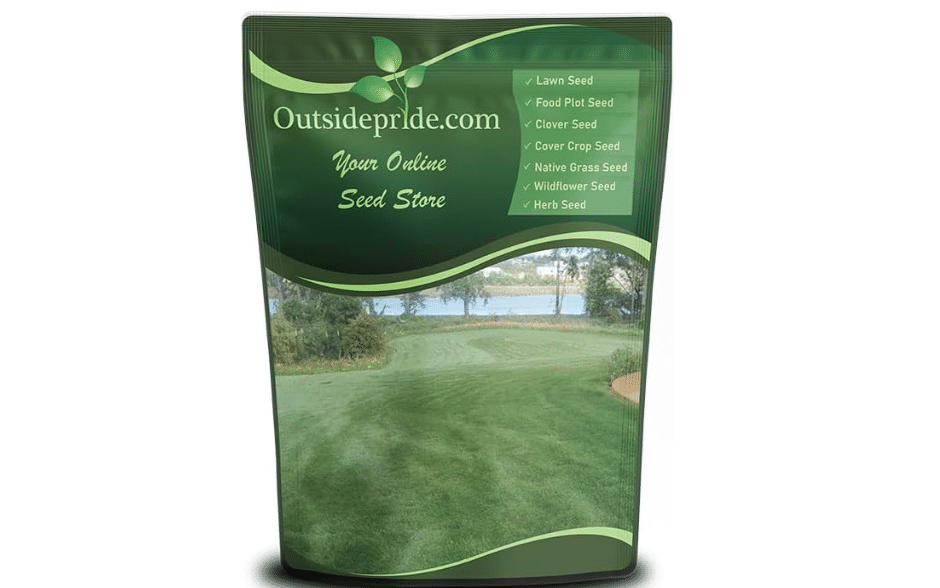
2. Outsidepride Combat Extreme Transition Zone Fescue — Best Engineered for Zones 6–7
Most national seed brands formulate a single tall fescue mix for half the country. Outsidepride took the opposite approach with Combat Extreme Transition Zone, engineering a three-way Turf-Type Tall Fescue blend explicitly for the climatic whiplash of USDA Zones 6 and 7. Every cultivar inside the bag is selected for high heat tolerance, strong winter hardiness, and superior resistance to brown patch—the fungal disease that decimates unprotected Zone 7a lawns every July.
Unlike coarse, clumping older fescues, Combat Extreme grows with a finer, softer leaf texture and dense upright blades that look remarkably close to a manicured bluegrass lawn. Outsidepride also coats each seed with its proprietary OptiGrowth polymer, which absorbs water around the seed hull and supplies trace micronutrients to boost germination rates in stubborn clay soil.
-
Price: $109.99
-
Key Features & Benefits:
-
Transition-Zone Specific Cultivars: Bred specifically to handle humid 90°F+ summers and 0°F winter freezes.
-
OptiGrowth Seed Coating: Retains moisture around the seed to prevent fatal dry-outs between waterings.
-
Strong Shade & Sun Balance: Performs reliably in full sun as well as filtered tree shade (4+ hours of sunlight).
-
Disease & Traffic Toughness: High ratings against brown patch, leaf spot, and heavy family foot traffic.
-
Pros:
-
Purpose-built genetics eliminate guesswork for Zone 7a homeowners
-
Moisture-retaining coating improves germination on slopes and dry patches
-
Finer blade texture than legacy tall fescue varieties
-
Holds green color well into winter frosts
Cons:
-
OptiGrowth coating adds weight to the bag, reducing raw seed count per pound compared to pure uncoated seed
-
Pure bunch-type fescue lacks aggressive lateral spread to self-heal large dog spots
-
Requires 8–10 lbs per 1,000 sq. ft. for thick new lawns
-
Amazon Customer Ratings & Reviews: Holding roughly 4.3 to 4.4 stars on Amazon, Combat Extreme draws strong praise from buyers in Virginia, Maryland, Tennessee, and North Carolina who watched standard northern mixes melt out in summer. Reviewers frequently mention fast, uniform green-up within 10 days when paired with starter fertilizer.
-
Why It’s a Good Choice for Zone 7a: Zone 7a is literally the exact target climate printed on the bag. Its disease-resistant TTTF cultivars directly solve the mid-summer fungal melt-out that plagues transition-zone lawns.
-
Ideal Use Case / Who Should Buy It: Zone 7a homeowners overseeding an existing fescue yard who want dependable, forgiving germination without having to monitor soil moisture every four hours.
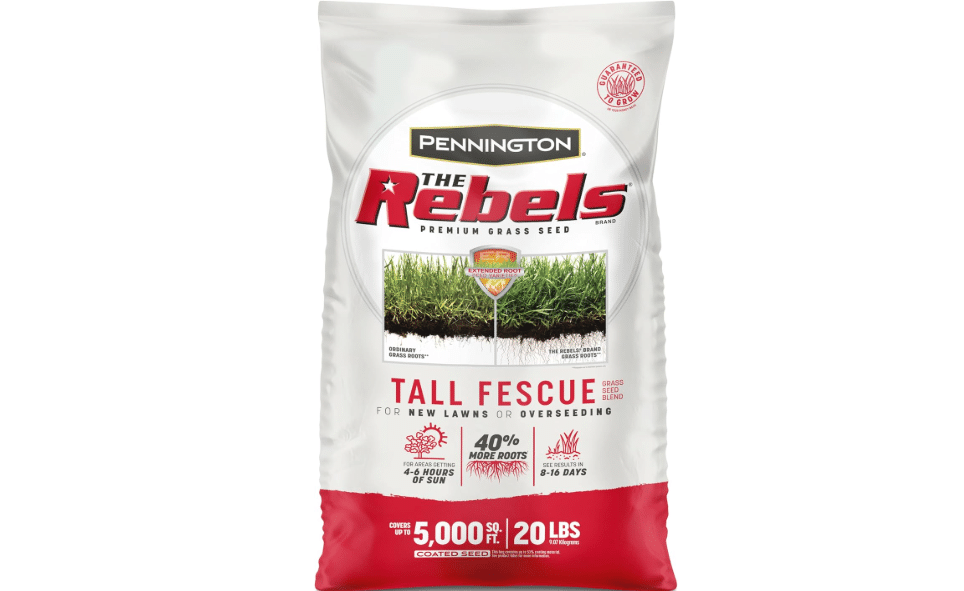
3. Pennington The Rebels Tall Fescue Grass Seed Mix — Best for Heat & Drought Resistance
Pennington The Rebels isn’t a marketing gimmick—it is one of the historic breakthroughs in modern turfgrass breeding. Originally developed through Rutgers University’s turf program, The Rebels line revolutionized tall fescue by shrinking its wide, pasture-like blades into a dense, dark-green ornamental turf while pushing its root system up to 40% deeper than ordinary grass varieties.
For Zone 7a yards without built-in underground irrigation systems, that root depth is a lifesaver. When August rainfall dries up and daytime temperatures linger in the mid-90s, shallow-rooted lawns turn crispy brown within a week. The Rebels pulls moisture from deep underground reserves, staying green far longer and bouncing back quickly once autumn rains return.
-
Price: $52.98
-
Key Features & Benefits:
-
Deep, Dense Root Architecture: Delivers superior drought endurance and stability on sloped yards.
-
Heavy-Traffic Durability: Built to survive active kids, energetic dogs, and backyard entertaining.
-
Natural Pest & Disease Tolerance: Resists common transition-zone stresses including heat, humidity, and surface insects.
-
Cost-Effective Bulk Bags: 20 lb bags offer some of the best value per square foot for medium-to-large Zone 7a lawns.
-
Pros:
-
Proven decades-long NTEP track record for heat and drought survival
-
Very affordable in 20 lb bags for large-yard renovations
-
Germinates reliably in 8 to 16 days
-
Stands up well to heavy foot traffic and pets
Cons:
-
Slightly coarser blade width than premium fine-bladed KBG or boutique TTTF blends
-
Slower lateral spread—bare patches will need spot overseeding in the fall
-
Occasional bag-to-bag seed coating weight reduces total pure seed percentage
-
Amazon Customer Ratings & Reviews: Earning 4.3 to 4.4 stars across thousands of Amazon reviews, The Rebels is widely praised by practical DIYers who want a rugged, low-drama lawn. Many reviewers note it was the only cool-season grass in their neighborhood still green during late-summer watering restrictions.
-
Why It’s a Good Choice for Zone 7a: Unirrigated Zone 7a lawns live or die by root depth. The Rebels’ aggressive rooting system makes it one of the toughest cool-season grasses you can plant without installing an expensive sprinkler system.
-
Ideal Use Case / Who Should Buy It: Budget-minded families with larger yards, dogs, and no in-ground irrigation who need rugged, heat-tolerant turf.
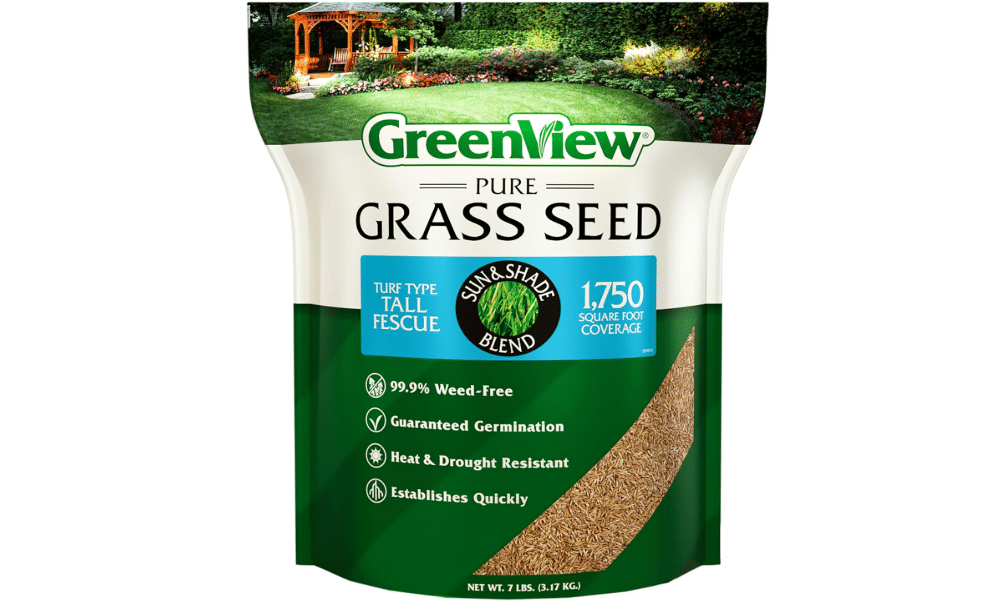
4. GreenView Pure Grass Seed (Fairway Formula) TTTF Sun & Shade — Best Pure, Filler-Free Seed
If you flip over most big-box grass seed bags and read the tiny federally mandated seed analysis tag, you will often find 45% to 50% “Inert Matter”—meaning half the bag you just paid for is clay coating, starch, or paper mulch. GreenView Pure Grass Seed (Fairway Formula) eliminates that frustration completely. Every bag contains 100% pure, uncoated, professional-grade Turf-Type Tall Fescue with zero dyes, zero coatings, and 99.9% weed-free purity.
Because you aren’t paying for filler weight, a 20 lb bag of GreenView Pure goes dramatically further than a coated 20 lb bag from a mass-market brand. More importantly, GreenView’s Fairway Formula uses top-ranked NTEP cultivars specifically chosen for elite resistance to brown patch, gray leaf spot, and summer heat stress, producing a rich, uniform, dark-green carpet that rivals professionally managed turf.
-
Price: $31.98
-
Key Features & Benefits:
-
99.9% Weed-Free, Zero Coating: Pure uncoated seed maximizes seed count per pound and prevents introducing unwanted weed seeds like Poa annua.
-
Elite Disease Shield: Top-tier genetic resistance against brown patch and pythium blight in humid summers.
-
Deep Emerald Color: Maintains rich dark-green density from early spring through late winter.
-
Sun & Shade Versatility: Performs equally well in open sun and moderate tree shade.
-
Pros:
-
Highest actual seed-per-pound value among premium TTTF blends
-
Cleanest seed label—virtually zero weed seed or inert filler
-
Outstanding brown patch resistance for humid Zone 7a July/August weather
-
Fine, lush turf texture that mows cleanly
Cons:
-
No moisture-retaining coating means you must water lightly 2–3 times daily during germination
-
Higher sticker price per bag upfront (though cheaper per actual seed)
-
Popular 20 lb bags occasionally sell out during peak September overseeding season
-
Amazon Customer Ratings & Reviews: Consistently scoring 4.5 to 4.7 stars on Amazon, GreenView Pure is a quiet favorite among serious lawn-care hobbyists. Reviewers frequently post before-and-after photos showing thick, dark-green germination in 7–10 days and rave about the absence of stray annual ryegrass or weed contamination.
-
Why It’s a Good Choice for Zone 7a: High humidity makes brown patch the #1 killer of Zone 7a cool-season lawns. GreenView’s clean, NTEP-verified TTTF cultivars give you the strongest genetic defense available on Amazon.
-
Ideal Use Case / Who Should Buy It: Detail-oriented homeowners and lawn-care perfectionists who read seed tags, have a reliable watering setup, and refuse to pay for filler coating.
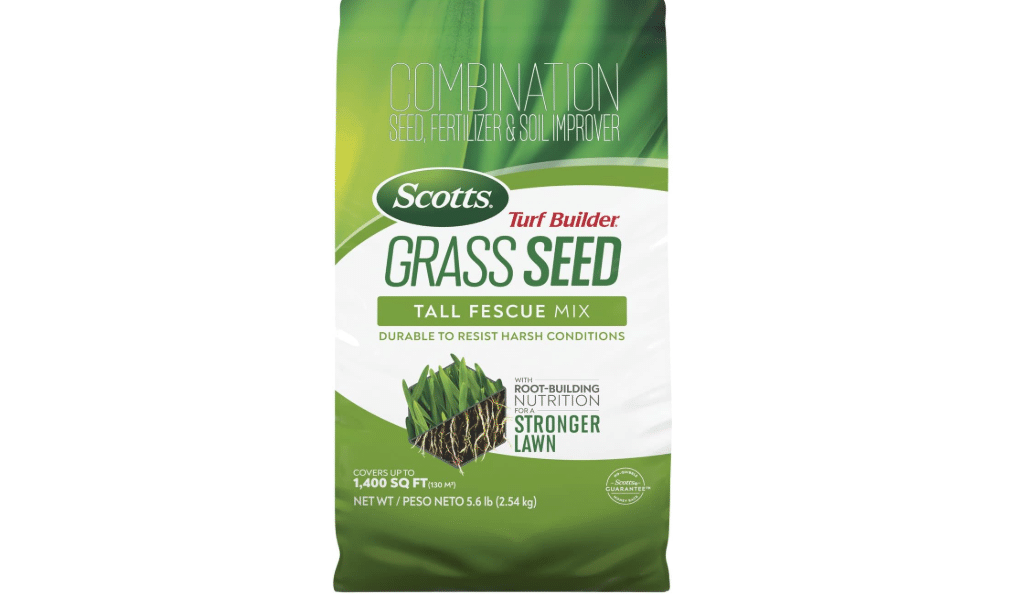
5. Scotts Turf Builder Tall Fescue Mix — Best All-in-One for Beginners
Not every homeowner wants to calculate separate starter fertilizer rates, calibrate spreaders twice, or stress over uncoated seeds drying out while they are at work. Scotts Turf Builder Tall Fescue Mix is designed specifically to take the friction out of overseeding. Each tall fescue seed is wrapped in Scotts’ patented Root-Building Nutrition coating—a 3-in-1 formula combining starter fertilizer, soil improver, and a water-absorbent polymer shell.
When watered, that coating holds twice its weight in moisture right against the germinating embryo while feeding emerging roots immediately. That built-in head start is especially helpful in Zone 7a’s notoriously heavy red and gray clay soils, where young seedlings often struggle to penetrate crusted topsoil before drying out.
-
Price: $33.77
-
Key Features & Benefits:
-
3-in-1 Root-Building Nutrition: Combines grass seed, starter fertilizer, and water-holding soil improver in one pass.
-
High Drought & Heat Endurance: Deep-rooting tall fescue varieties stand up to harsh Zone 7a summer sun.
-
Forgiving Watering Window: Moisture-absorbing coating gives beginners extra margin for error if they miss a midday watering.
-
Clear Spreader Settings: Printed directly on the bag for seamless setup with Scotts broadcast and drop spreaders.
-
Pros:
-
Easiest single-bag solution for first-time homeowners and weekend DIYers
-
Built-in starter fertilizer eliminates an extra purchase and spreader pass
-
Forgiving germination in compacted clay soils and patchy bare spots
-
Widely stocked and fast-shipping on Amazon
Cons:
-
Heavy 3-in-1 coating accounts for roughly 50% of the bag’s total weight
-
Lower total coverage per pound compared to uncoated pure seeds like GreenView or Jonathan Green
-
Over-applying can slightly burn tender seedlings if not watered thoroughly
-
Amazon Customer Ratings & Reviews: With 4.3 to 4.4 stars across thousands of Amazon ratings, Scotts Turf Builder Tall Fescue Mix is one of the highest-volume lawn seeds online. Beginners love how quickly bare patches fill in within two weeks, while experienced lawn nuts occasionally knock the price-per-pure-seed ratio.
-
Why It’s a Good Choice for Zone 7a: Compacted clay and unpredictable autumn dry spells ruin a lot of DIY overseeding projects in Zone 7a. The built-in moisture retention and starter nutrients dramatically increase first-time success rates.
-
Ideal Use Case / Who Should Buy It: First-time homeowners, busy weekend DIYers, or anyone patching bare spots who wants a foolproof, all-in-one bag without buying separate starter fertilizer.
6. Zenith Zoysia Grass Seed (Patten Seed Co.) — Best Warm-Season Grass for Zone 7a
If you are tired of fighting summer brown patch, paying massive July water bills, and overseeding tall fescue every single autumn, Zenith Zoysia is the ultimate warm-season alternative for Zone 7a. Developed by Patten Seed Company, Zenith is widely recognized as the most cold-hardy seeded Zoysiagrass on the market, capable of surviving Zone 7a’s 0°F to 5°F winter lows without suffering the devastating winterkill that wipes out St. Augustine or Centipede lawns.
Once established, Zenith forms a dense, barefoot-soft, medium-textured carpet via both aboveground stolons and underground rhizomes. Its thick growth habit naturally chokes out summer crabgrass and broadleaf weeds, slashes your mowing frequency compared to tall fescue or Bermuda, and thrives in blazing August heat on minimal rainfall. Even better, unlike Bermuda, Zenith tolerates light partial shade (around 3 to 4+ hours of direct sun daily).
-
Price:
-
Key Features & Benefits:
-
Superior Zone 7a Cold Hardiness: Reliably rebounds every mid-to-late spring after harsh winter freezes.
-
Weed-Choking Turf Density: Thick lateral spread crowds out crabgrass and dandelions naturally.
-
Low Water & Fertilizer Demands: Thrives on roughly half the nitrogen and significantly less summer irrigation than cool-season lawns.
-
Partial Shade Tolerance: Outperforms Bermudagrass in yards with scattered trees or fence shadows.
-
Pros:
-
Plush, carpet-like feel that is wonderful for bare feet
-
Virtually immune to the summer heat and brown patch issues that plague fescue
-
Spreads laterally to self-heal bare spots and pet damage
-
Requires less frequent mowing and lower long-term maintenance
Cons:
-
Slowest germination on this list (14 to 21+ days, with full thick coverage taking 1–2 full summers)
-
Turns golden-tan (dormant) from the first hard autumn frost until late April/May
-
Expensive per pound—requires careful soil prep and late-spring timing so you don’t waste seed
-
Amazon Customer Ratings & Reviews: Averaging 3.6 to 4.0 stars on Amazon, Zenith Zoysia has one of the most polarized—and revealing—review sections in lawn care. Nearly all 1- and 2-star reviews come from buyers who planted it too early in cold spring soil or stopped watering after 10 days. Meanwhile, 5-star reviewers who planted in June when soil temperatures hit 70°F rave about having the thickest, softest, lowest-maintenance lawn on their street by year two.
-
Why It’s a Good Choice for Zone 7a: It is the only widely available seeded warm-season grass that combines true Zone 7a winter survival with partial-shade flexibility and effortless summer heat performance.
-
Ideal Use Case / Who Should Buy It: Patient Zone 7a homeowners who want a gorgeous, low-water summer carpet and genuinely don’t mind a dormant tan lawn during the winter months.
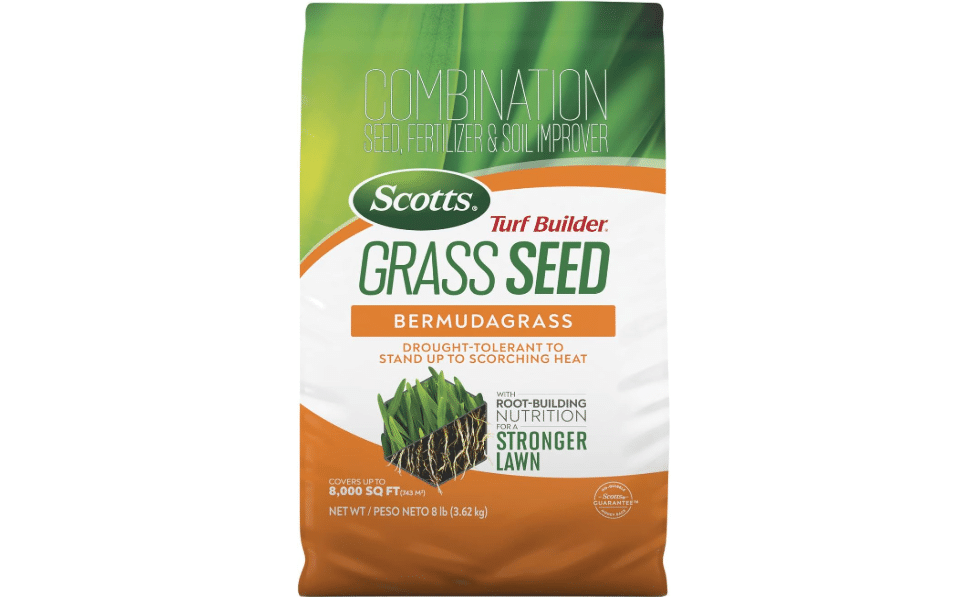
7. Scotts Turf Builder Bermudagrass — Best Full-Sun, High-Traffic Warm-Season Pick
For wide-open, south-facing Zone 7a yards baked by 6 to 8+ hours of relentless sun, cool-season fescue often feels like pushing a boulder uphill. Scotts Turf Builder Bermudagrass flips the script by turning peak July heat into your lawn’s favorite growing season. Coated with Scotts’ Root-Building Nutrition (starter fertilizer and soil improver), this aggressive warm-season seed establishes faster than Zoysia and spreads rapidly via both stolons and rhizomes.
If your backyard doubles as a dog run, soccer field, or neighborhood hangout, Bermudagrass is unmatched in recovery speed. Where bunch-type fescues tear up and stay bare until fall overseeding, Bermuda actively creeps back across divots and worn trails within weeks during the summer months.
-
Price: $83.95
-
Key Features & Benefits:
-
Rapid Self-Repair: Aggressive lateral growth heals heavy foot traffic, pet wear, and bare spots quickly in warm weather.
-
Extreme Heat & Drought Tolerance: Stays dense and green through scorching 95°F–100°F Zone 7a heatwaves.
-
Root-Building Nutrition Coating: Supplies early nutrients and moisture retention to speed up late-spring germination (typically 10–14 days).
-
Budget-Friendly Coverage: Costs a fraction of Zoysia seed per square foot.
-
Pros:
-
Unbeatable durability and recovery for kids and energetic dogs
-
Much more affordable and faster to establish than seeded Zoysia
-
Thrives in scorching full sun where cool-season grasses burn out
-
Low mowing height (1–2 inches) creates a crisp, athletic-field look
Cons:
-
Zero shade tolerance—thins out and dies rapidly under trees or north-facing walls
-
Dormant brown from late October through April in Zone 7a
-
Aggressive runners readily invade flower beds, mulch rings, and neighboring yards without edging
-
Amazon Customer Ratings & Reviews: Scoring 4.1 to 4.2 stars across more than 1,100 Amazon reviews, buyers consistently praise how rapidly it fills in sun-scorched bare patches in June and July. Negative reviews almost exclusively stem from homeowners attempting to grow it in shaded yards or planting it during autumn.
-
Why It’s a Good Choice for Zone 7a: Open, unshaded Zone 7a properties with heavy pet or kid traffic need a grass that loves heat and heals itself—Bermuda delivers both at a reasonable price.
-
Ideal Use Case / Who Should Buy It: Active households with dogs, kids, and wide-open full-sun yards (6–8+ hours of direct sunlight) who want fast summer recovery on a budget.
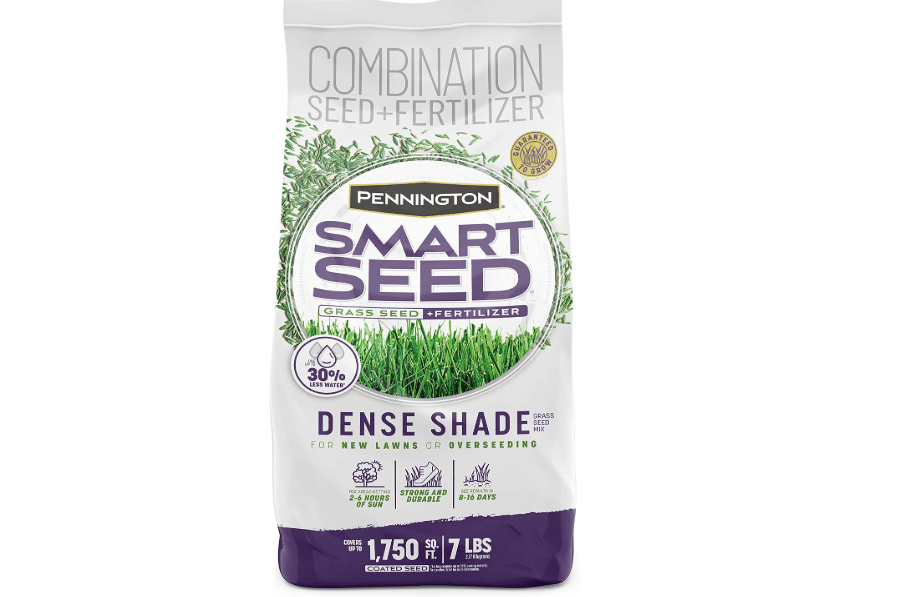
8. Pennington Smart Seed Dense Shade Grass Mix — Best for Heavily Shaded Zone 7a Yards
Mature oaks, maples, and tall privacy fences are common across established Zone 7a neighborhoods—and they are notorious grass killers. Many generic “shade” mixes rely almost entirely on delicate Fine Fescues, which sprout nicely in spring only to collapse during Zone 7a’s steamy July nights. Pennington Smart Seed Dense Shade avoids that trap by blending shade-tolerant Turf-Type Tall Fescues with resilient cool-season shade varieties, creating a mix tough enough to survive both low light and transition-zone humidity.
Each seed is treated with Pennington’s MYCO Advantage and water-conserving fertilizer coating, designed to stimulate deeper root branching so established turf uses up to 30% less water than ordinary grass seed. It requires as little as 2 to 6 hours of filtered daily sunlight to maintain healthy density.
-
Price: $28.63
-
Key Features & Benefits:
-
Low-Light Performance: Formulated specifically to thrive on 2 to 6 hours of daily sun or dappled canopy light.
-
Water-Saving Genetics: Once established, requires up to 30% less watering than standard shade blends.
-
Built-In Fertilizer Coating: Gives tender shade seedlings an immediate nutrient boost while they compete with shallow tree roots.
-
Quick Germination: Sprouts in 8 to 16 days during fall or early spring windows.
-
Pros:
-
Proven success under mature trees, decks, and north-facing side yards
-
Holds up far better in Zone 7a summer humidity than pure Fine Fescue blends
-
Competitively priced in both 7 lb and 20 lb bags
-
Helps stabilize erosion-prone shaded slopes
Cons:
-
Not engineered for blistering full-sun lawns—keep it strictly in shaded and partially shaded zones
-
Seed coating adds weight to the bag compared to uncoated pure seed
-
Tree-shaded areas still require diligent fall leaf raking so seedlings aren’t smothered
-
Amazon Customer Ratings & Reviews: Holding 4.3 to 4.4 stars across thousands of ratings, this mix is frequently described by reviewers as “the first seed that actually grew under my backyard oak trees.” Homeowners appreciate its fast fall establishment and ability to cover muddy, bare dirt strips along fences.
-
Why It’s a Good Choice for Zone 7a: Combining TTTF toughness with shade-adapted cool-season varieties gives wooded Zone 7a lawns the rare ability to survive both low sunlight and oppressive summer humidity.
-
Ideal Use Case / Who Should Buy It: Homeowners with heavily treed lots, north-facing yards, or stubbornly bare shaded strips beside fences, patios, and decks.
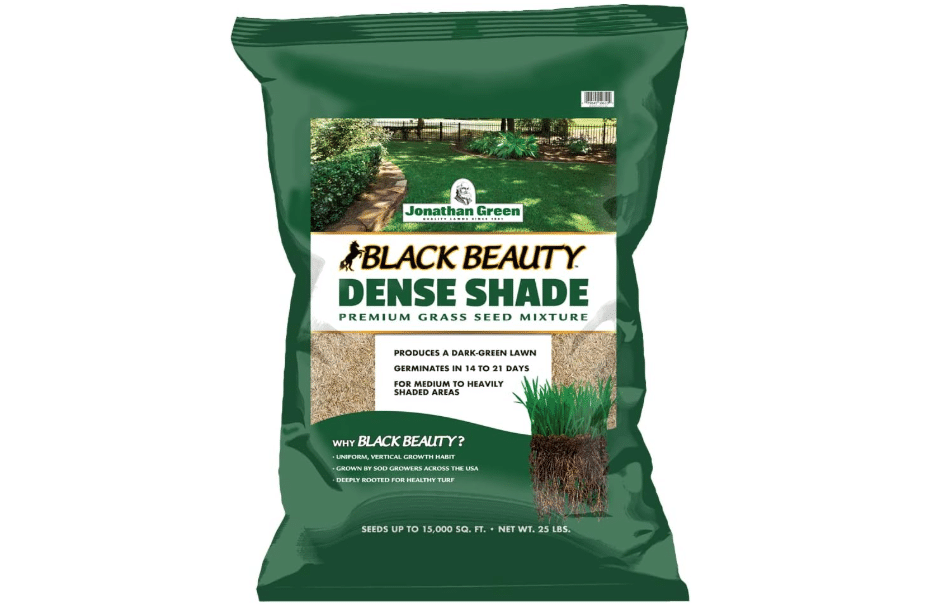
9. Jonathan Green Black Beauty Dense Shade — Best Dark-Green Shade Blend
One of the most annoying aesthetic problems in mixed sun-and-shade lawns is the “two-tone yard”—where your sunny front lawn is a rich, dark-green Tall Fescue, while your shaded backyard turns into a pale, wispy, lime-green patch of generic shade grass. Jonathan Green Black Beauty Dense Shade solves this cleanly by blending shade-tolerant Turf-Type Tall Fescues, Fine Fescues, and Perennial Ryegrass bred specifically to match the deep, dark-emerald hue of Black Beauty Ultra.
Like its sibling formula, Black Beauty Dense Shade is endophyte-enhanced to naturally repel lawn-damaging insects and features Jonathan Green’s signature waxy leaf coating to conserve moisture—a major advantage when grass roots are fighting thirsty maple and oak roots for every drop of water.
-
Price: $110.24
-
Key Features & Benefits:
-
Color-Matched Turf: Blends seamlessly alongside Black Beauty Ultra or other dark-green TTTF lawns.
-
Multi-Species Resilience: Combines TTTF durability with Fine Fescue’s low-light adaptability so the best species naturally dominates each micro-climate of your shade zone.
-
Natural Insect Resistance: Endophytes deter surface-feeding pests without chemical treatments.
-
Uncoated Pure Seed: Higher raw seed count per pound than coated big-box shade mixes.
-
Pros:
-
Rich, dark-green finish eliminates jarring color seams between sunny and shaded yard areas
-
Thicker, sturdier blade feel than spindly fine-fescue-only mixes
-
Strong disease resistance in damp, slow-drying shaded soil
-
High purity with no heavy inert clay filler
Cons:
-
Costs more per bag than entry-level shade mixes
-
Needs consistent raking or leaf blowing in autumn so fallen leaves don’t suffocate new sprouts
-
Requires regular light watering during germination due to uncoated seed
-
Amazon Customer Ratings & Reviews: Rated around 4.4 stars across hundreds of Amazon reviews, buyers praise its lush dark color and reliable germination beneath dense tree canopies. Many reviewers pair a bag of Black Beauty Ultra for their sunny front yard with a bag of Dense Shade for their wooded backyard for a unified look.
-
Why It’s a Good Choice for Zone 7a: Damp, shaded Zone 7a yards are prime targets for fungal diseases; Black Beauty Dense Shade’s resilient cultivars and moisture-conserving leaf structure hold color cleanly through humid months.
-
Ideal Use Case / Who Should Buy It: Homeowners with mixed sun-and-shade properties who want a cohesive, dark-green lawn from fence line to tree line without mismatched grass patches.
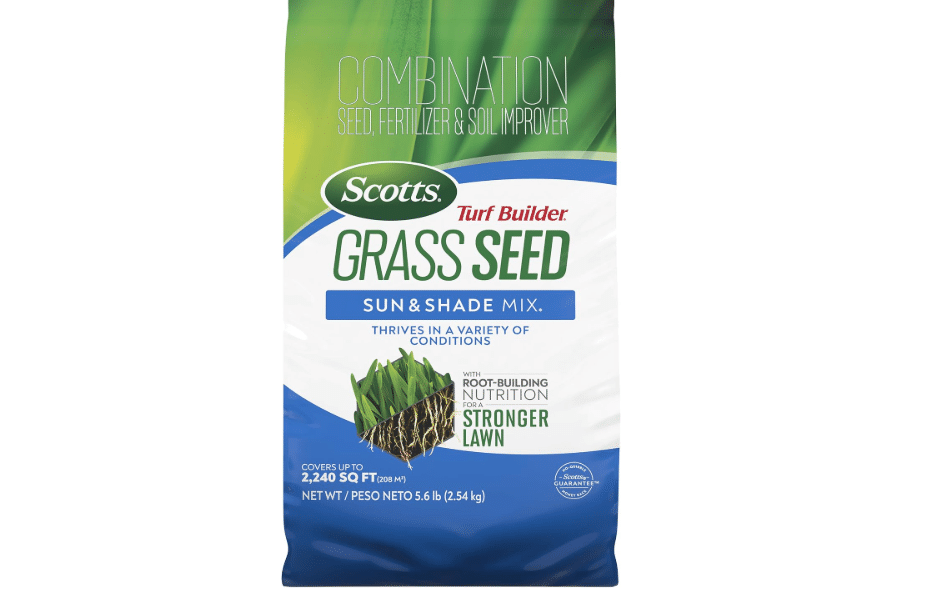
10. Scotts Turf Builder Sun & Shade Mix — Best Budget / Fast-Germinating Versatile Mix
Rounding out our best 10 grass for zone 7a list is the most widely recognized all-purpose lawn repair bag on Amazon: Scotts Turf Builder Sun & Shade Mix. Combining Tall Fescue, Kentucky Bluegrass, Perennial Ryegrass, and Fine Fescue inside Scotts’ Root-Building Nutrition coating, this mix is built for rapid versatility when you don’t want to buy separate bags for different corners of your yard.
Thanks to its Perennial Ryegrass component, you will often see bright green sprouts emerging in as little as 5 to 7 days—making it a go-to lifesaver for quick curb-appeal refreshes, rental properties, or repairing winter mud pits before spring weeds move in.
-
Price: $30.48
-
Key Features & Benefits:
-
4-Species Adaptability: Automatically adjusts across sunny patches, filtered shade, and shifting afternoon shadows.
-
Fast-Sprouting Coverage: Perennial ryegrass establishes quickly to stabilize loose topsoil and outpace weeds.
-
All-in-One Coating: Includes built-in starter fertilizer and moisture-absorbing soil improver.
-
Accessible Entry Price: Small bag sizes make spot-patching affordable without leftover seed sitting in the garage.
-
Pros:
-
Budget-friendly and widely available in small, medium, and large bag sizes
-
Very fast visible green-up for quick bare-spot repairs
-
Simplifies shopping—one bag handles both sunny and lightly shaded areas
-
Beginner-friendly coating reduces watering stress
Cons:
-
Higher proportion of Perennial Ryegrass and Fine Fescue means slightly lower peak-July heat tolerance than 100% TTTF blends
-
Roughly half the bag weight is fertilizer/moisture coating
-
Better suited for spot repairs and overseeding than full high-end lawn renovations in scorching full sun
-
Amazon Customer Ratings & Reviews: Boasting 4.3 to 4.4 stars across tens of thousands of Amazon reviews, Scotts Sun & Shade is a perennial bestseller. Budget-conscious shoppers and homeowners prepping homes for sale consistently applaud how quickly thin, patchy lawns thicken up.
-
Why It’s a Good Choice for Zone 7a: When you need fast, affordable, one-bag versatility for mixed light conditions—especially for spring or fall bare-spot repair—this mix gets grass growing quickly with minimal fuss.
-
Ideal Use Case / Who Should Buy It: Budget-minded homeowners, renters, or anyone needing a fast-germinating, all-in-one bag to patch mixed sun-and-shade bare spots.
Zone 7a Grass Seed Buying Guide: How to Choose the Right Turf
Choosing the right bag from the best 10 grass for zone 7a comes down to one foundational decision—followed by three quick yard checks.
1. Cool-Season vs. Warm-Season in Zone 7a (The Core Choice)
Because Zone 7a sits squarely in the Transition Zone, you can successfully grow either category—but they behave completely differently across the calendar:
-
Choose Cool-Season Grass (Turf-Type Tall Fescue & Shade Blends) if you want a green lawn 10 to 12 months of the year, have partial or heavy tree shade, and are willing to mow high (3.5–4 inches) and water deeply during July and August heatwaves. For most Zone 7a homeowners, modern Turf-Type Tall Fescue (TTTF) is the #1 default choice.
-
Choose Warm-Season Grass (Zenith Zoysia or Bermudagrass) if your yard gets full blazing sun, you refuse to battle summer brown patch fungus or run sprinklers in August, and you are completely fine with a golden-tan dormant lawn from November through April.
2. Map Your Yard’s Sunlight Hours
Walk outside at 9:00 AM, 1:00 PM, and 5:00 PM on a sunny day to measure true direct light:
-
6+ Hours of Direct Sun (Full Sun): You can grow anything on this list—TTTF, Zenith Zoysia, or Bermudagrass.
-
4 to 6 Hours of Sun (Partial Shade): Stick to Turf-Type Tall Fescue (Black Beauty Ultra, Combat Extreme, GreenView Pure) or Zenith Zoysia. Avoid Bermudagrass.
-
2 to 4 Hours of Sun (Heavy Shade): Use a dedicated shade blend (Pennington Smart Seed Dense Shade or Black Beauty Dense Shade).
-
Under 2 Hours of Sun (Deep Shade): No grass seed will survive long-term. Save your money and install mulch beds, shade-loving hostas, or groundcovers like pachysandra or mondo grass.
3. How to Read a Grass Seed Label Like a Pro
Never buy grass seed by the front-of-bag photo alone. Flip the bag over (or check the Amazon product images) for the white seed analysis tag and look at four numbers:
-
Pure Seed %: Uncoated premium seeds (like GreenView Pure or Jonathan Green) sit near 98%–99%+ pure seed. Coated seeds (like Scotts or Pennington) often show 45%–55% pure seed because the rest is moisture-retaining fertilizer coating. Neither is “bad,” just recognize what you are paying for.
-
Inert Matter %: Clay coating, mulch, or chaff. High inert matter means you need more pounds of bag weight to cover the same square footage.
-
Weed Seed %: Aim for 0.00% to 0.05%. Anything over 0.10% risks planting crabgrass, Poa annua, or orchardgrass directly into your lawn.
-
Germination Rate & Test Date: Look for 85%+ germination tested within the last 12 months. Old seed sitting in hot warehouses loses viability fast.
4. Why to Avoid Pure Kentucky Bluegrass or Perennial Ryegrass Alone in Zone 7a
Pure Kentucky Bluegrass (KBG) looks gorgeous in Minnesota or Michigan, but its shallow roots struggle horribly through humid Zone 7a Augusts without heavy irrigation and preventative fungicides. Similarly, pure Perennial Ryegrass is highly susceptible to Gray Leaf Spot, a fungal disease that can wipe out an entire yard in 72 hours during late-summer Zone 7a humidity. Both are fantastic supporting players inside a Tall Fescue blend (like Black Beauty Ultra), but rarely ideal as a standalone lawn in Zone 7a.
Zone 7a Planting & Maintenance Playbook
Even the best seed on Amazon will fail if planted in the wrong month. Follow this transition-zone calendar to maximize germination and protect your investment.
Exact Seeding Windows for Zone 7a
-
Cool-Season Grasses (TTTF & Shade Blends):
-
Best Window: Late August to Mid-October (ideally September), when daytime air temperatures cool into the 65°F–75°F range and soil temperatures sit between 55°F and 65°F. Weed competition is minimal, and roots get two full cool seasons (fall and spring) to grow deep before their first brutal summer.
-
Secondary Window: March to Mid-April. Only seed in spring if you have bare mud spots—spring seedlings have shallow roots heading into July and cannot be paired with standard crabgrass pre-emergents (unless you use mesotrione/Tenacity).
-
-
Warm-Season Grasses (Zoysia & Bermuda):
-
Only Window: Late May to Mid-July, once soil temperatures stay consistently above 65°F–70°F. Never plant Zoysia or Bermuda in the fall in Zone 7a—winter frost will kill young seedlings before they mature.
-
4-Step Soil Prep Checklist
-
Test Your Soil pH: Zone 7a clay soils frequently lean acidic. Both tall fescue and warm-season grasses thrive between pH 6.0 and 7.0. Apply pelletized lime if your soil tests below 6.0.
-
Core Aerate Compacted Clay: Rent a core aerator before overseeding to pull soil plugs, relieve compaction, and create thousands of mini seedbeds.
-
Guarantee Seed-to-Soil Contact: Grass seed sitting on top of dead thatch will not root. Rake the top 1/4 inch of soil lightly, spread your seed, and lightly rake or roll it in so the seed presses snugly into the dirt.
-
Apply Starter Fertilizer (If Using Uncoated Seed): Pair uncoated seeds like GreenView Pure or Jonathan Green with a phosphorus-rich starter fertilizer to accelerate early root growth. (Skip this step if using coated 3-in-1 mixes like Scotts Turf Builder).
Mowing & Watering Rules to Beat Zone 7a Summer Stress
-
Mow Tall Fescue High (3.5 to 4 Inches): Scalping cool-season grass in July exposes the soil to direct sun, baking roots and inviting crabgrass. Tall blades shade the soil and keep root zones up to 10°F cooler. (Conversely, keep Zoysia at 1.5–2.5 inches and Bermuda at 1–2 inches).
-
Water Deeply and Early in the Morning: Once established, give your lawn 1 to 1.5 inches of water per week split into two deep morning sessions (between 4:00 AM and 8:00 AM). Never water at night—wet grass blades sitting overnight in humid 75°F Zone 7a air practically guarantee a Brown Patch fungal outbreak.
Frequently Asked Questions (FAQ)
What is the #1 best grass for USDA Zone 7a?
For most homeowners, Turf-Type Tall Fescue (TTTF)—such as Jonathan Green Black Beauty Ultra or Outsidepride Combat Extreme—is the #1 best grass for Zone 7a because it stays green all year, handles partial shade, and resists summer heat far better than northern grasses. If you have full sun and want minimal summer watering, Zenith Zoysia is the #1 warm-season choice.
What grass stays green all winter in Zone 7a?
Cool-season grasses—specifically Turf-Type Tall Fescue, Kentucky Bluegrass, and Perennial Ryegrass—stay green throughout Zone 7a winters, even after light snow and 0°F–5°F cold snaps. Warm-season grasses like Zoysia and Bermuda will turn completely golden-tan after the first hard frost.
Can I mix Bermuda and Tall Fescue in Zone 7a?
No—mixing warm-season and cool-season grasses intentionally creates a patchy, mismatched lawn. They require completely different mowing heights (1.5 inches vs. 4 inches), different fertilization schedules, and look starkly different in winter when the Bermuda turns brown in blotches next to green fescue. Pick one category for your sunny areas and commit to it.
When is the best month to plant grass seed in Zone 7a?
For cool-season grasses (Tall Fescue and Shade mixes), September is the single best month to plant in Zone 7a. For warm-season grasses (Zenith Zoysia and Bermudagrass), June is the ideal planting month once soil temperatures stay reliably above 70°F.
Does St. Augustine grass survive Zone 7a winters?
No. St. Augustine is a tender southern grass suited for Zones 8 through 10 and suffers severe winterkill whenever temperatures drop below 10°F–15°F. In Zone 7a (where winter lows hit 0°F to 5°F), choose Zenith Zoysia instead for that same thick, barefoot-soft warm-season carpet without winter die-off.
Final Verdict: Which Zone 7a Grass Seed Should You Buy?
Conquering the Zone 7a Transition Zone doesn’t require an expensive lawn-care contract—it starts with putting the right genetics into your soil during the right planting window. Here is our final breakdown to help you choose with confidence:
-
Best Overall Pick: Jonathan Green Black Beauty Ultra — The gold standard for most Zone 7a yards, combining 4-foot drought-fighting roots, natural insect resistance, and a rich dark-green color that stays vibrant year-round.
-
Best Transition-Zone Specialist: Outsidepride Combat Extreme Transition Zone — Purpose-built specifically for Zones 6 and 7 with OptiGrowth moisture-retaining coating for stress-free fall overseeding.
-
Best Warm-Season Low-Maintenance Pick: Zenith Zoysia Grass Seed — Unbeatable if you have sun, hate fighting July brown patch fungus, and want a plush, weed-choking summer carpet that survives Zone 7a freezes.
-
Best Shade Pick: Pennington Smart Seed Dense Shade — The most reliable fix for stubbornly bare, tree-shaded yards that only see 2 to 6 hours of filtered light.
Before you order, measure your yard’s square footage, check your local soil temperature, and grab your seed before the peak September (cool-season) or June (warm-season) planting rush sells out top cultivars on Amazon. Prep your soil once, plant the right seed, and enjoy a thick, resilient Zone 7a lawn that finally holds its own in every season.