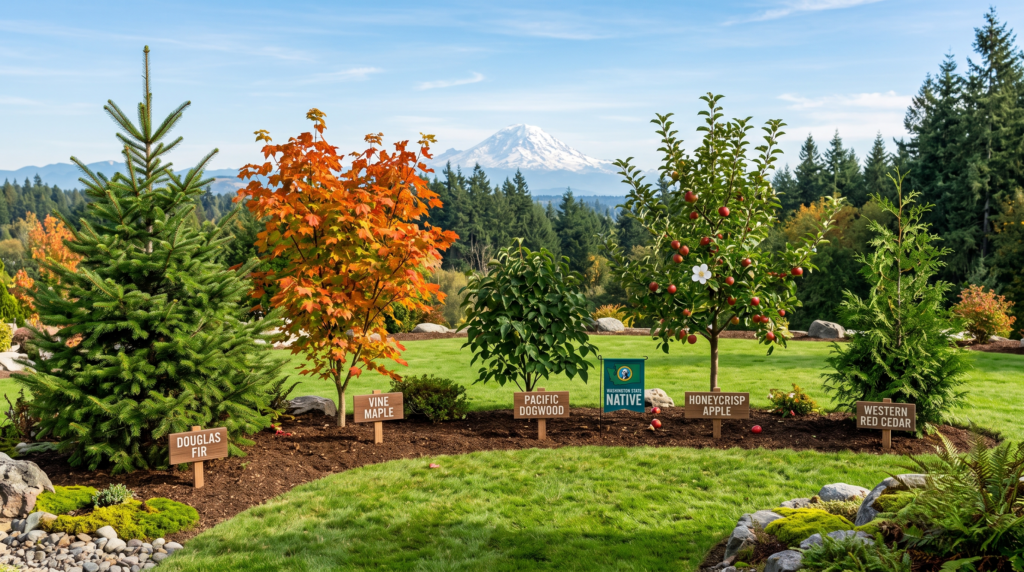
There is a unique, undeniable magic to the Pacific Northwest. From the moss-draped canopies of the Olympic Peninsula to the rugged forests east of the Cascades, the natural landscape is breathtaking. If you are looking to bring a piece of that woodland majesty into your own yard, you need to start with the right roots. To save you the guesswork and protect your landscaping investment, we have researched and compiled the ultimate guide to the best 10 trees to plant in washington state.
But cultivating a thriving landscape here is not as simple as picking the prettiest sapling off a shelf. Washington is a state defined by its wildly distinct climate zones. A tree that flourishes in the wet, mild winters of the Puget Sound will often wither in the arid, baking summers of Eastern Washington. Nothing is more frustrating—or more costly—than spending your money on landscaping, only to watch your new plants fail to take root because they aren’t suited for local soils and weather patterns.
That is exactly why we created this resource. We have carefully curated the best 10 trees to plant in washington state based on their proven hardiness, local ecological benefits, and absolute resilience. Best of all, we have sourced high-quality options that can be shipped directly and safely to your door via Amazon and top online nurseries. Whether you are searching for a towering evergreen for year-round privacy, a fast-growing shade provider, or a hardy native species to support local wildlife, this guide will help you buy with confidence and transform your property.
II. Pre-Purchase Guide: How to Make an Informed Buying Decision
Before adding a live tree to your online cart, you need to evaluate your yard’s specific conditions. Buying a tree is a decades-long commitment, and making an informed decision upfront will save you hours of maintenance and heartache later.
-
Understanding Washington’s Hardiness Zones: Washington spans USDA Hardiness Zones 5 through 9. Coastal and Puget Sound areas (Zones 8-9) rarely see deep freezes, making them ideal for a wide variety of evergreens and broadleaf trees. However, if you live in Eastern Washington or at higher elevations (Zones 5-7), you must prioritize cold-hardy and drought-tolerant species.
-
Evergreen vs. Deciduous: Do you want a year-round privacy screen or seasonal color? Evergreens like the Douglas Fir provide constant windbreaks and privacy. Deciduous trees, like the Vine Maple, drop their leaves but offer spectacular autumn reds and oranges while letting winter sunlight warm your home.
-
Sizing and Placement: Always plant for the mature size of the tree. A cute 2-foot sapling can easily become an 80-foot giant that threatens your roof, foundation, or overhead power lines. Measure your available space and cross-reference it with the tree’s expected mature canopy and root spread.
-
Buying Live Trees Online: When ordering from Amazon or online nurseries, pay attention to how the tree is shipped. Bare root trees are shipped dormant without soil, making them cheaper and often faster to establish, though they must be planted immediately. Potted saplings offer more flexibility with planting times but are heavier and cost slightly more to ship.
III. Top Picks at a Glance
For fast decision-makers, here is a quick-reference guide to our top recommendations.
IV. Detailed Product Comparison and Reviews
1. The Evergreen Giant: Live Douglas Fir Sapling (Pseudotsuga menziesii)
The Douglas Fir is the undisputed king of Pacific Northwest forests. If you have the space, planting one of these majestic conifers brings a true piece of the wilderness to your property.
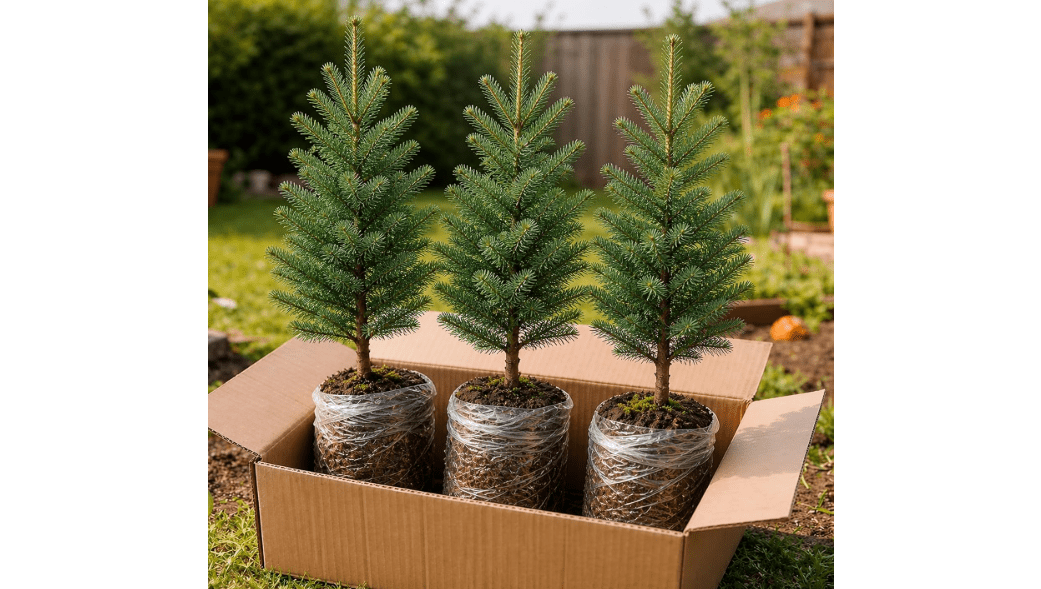
Product Description: Shipped as a dormant bare-root sapling or in a small nursery pot, these young trees arrive ready to establish themselves in your soil. They feature soft, flat, dark-green needles and will eventually develop deeply furrowed bark.
-
Price: $32.95
-
Key Features & Benefits: Incredible longevity, superior wind resistance, and excellent drought tolerance once established. They provide critical winter habitat for native birds and squirrels.
-
Pros and Cons:
-
Pros: Very low maintenance; iconic, towering aesthetic; highly resilient to local pests.
-
Cons: Can grow well over 100 feet tall—strictly unsuitable for small urban lots or planting near foundations.
-
-
Amazon Customer Ratings & Reviews: Highly rated (averaging 4.5+ stars). Customers consistently praise how well bare-root bundles establish when planted promptly, though some note occasional shipping stress if delayed in transit.
-
Why it’s a good choice for Washington State: As a native species, it is perfectly adapted to the wet winters and dry summers of the region, requiring almost no supplemental care once mature.
-
Ideal use case or who should buy it: Homeowners with medium-to-large acreages looking to plant a heritage tree, create a dense, natural windbreak, or reforest a section of their property.
2. The Privacy Screen: Western Red Cedar Potted Tree (Thuja plicata)
If your goal is to block out noisy neighbors, busy streets, or harsh winds, the Western Red Cedar is the ultimate living fence.
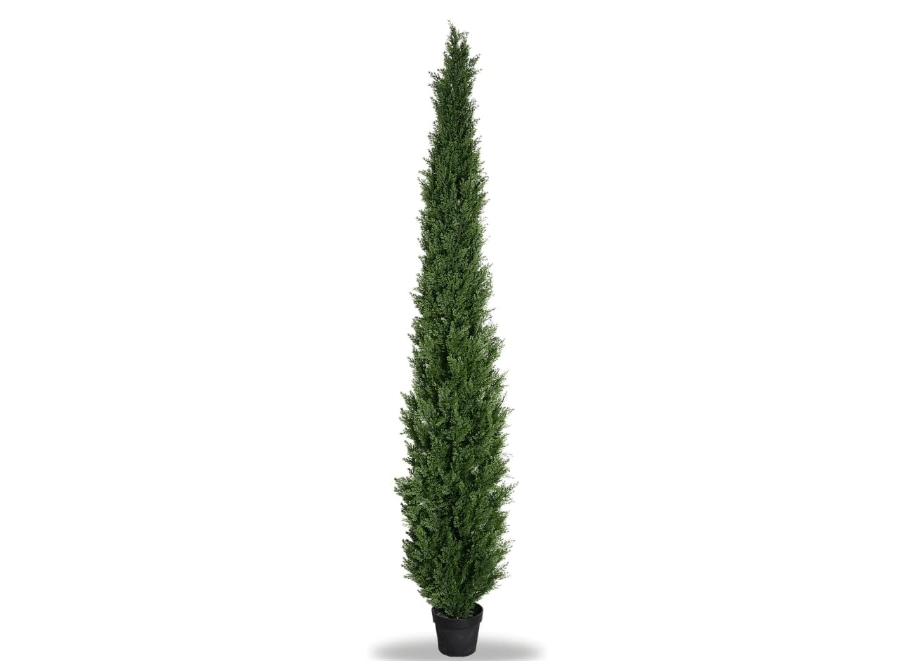
Product Description: These usually arrive as 2- to 3-foot potted saplings. They feature drooping branches with beautiful, scale-like, aromatic green foliage that offers total visual blockage.
-
Price: $139.99
-
Key Features & Benefits: Extremely dense foliage, shade-tolerant, and known for wood that naturally resists rot and pests.
-
Pros and Cons:
-
Pros: Creates an impenetrable privacy hedge; pleasant cedar fragrance; thrives in damp soils.
-
Cons: Requires consistent moisture while young; can overwhelm small spaces if not properly spaced.
-
-
Amazon Customer Ratings & Reviews: Averaging 4.6 stars. Buyers love the healthy root systems of potted deliveries and the rapid vertical growth in the first few years.
-
Why it’s a good choice for Washington State: It naturally dominates the damp understories of Washington’s forests, making it perfect for yards with heavy clay soils or poor drainage where other trees might drown.
-
Ideal use case or who should buy it: Anyone looking to establish a fast-growing, evergreen privacy screen or a long-lasting property border in wetter climate zones.
3. The Understory Stunner: Vine Maple Bare Root (Acer circinatum)
If you have a smaller yard or a shaded woodland garden, the Vine Maple provides breathtaking year-round interest without taking over your property.
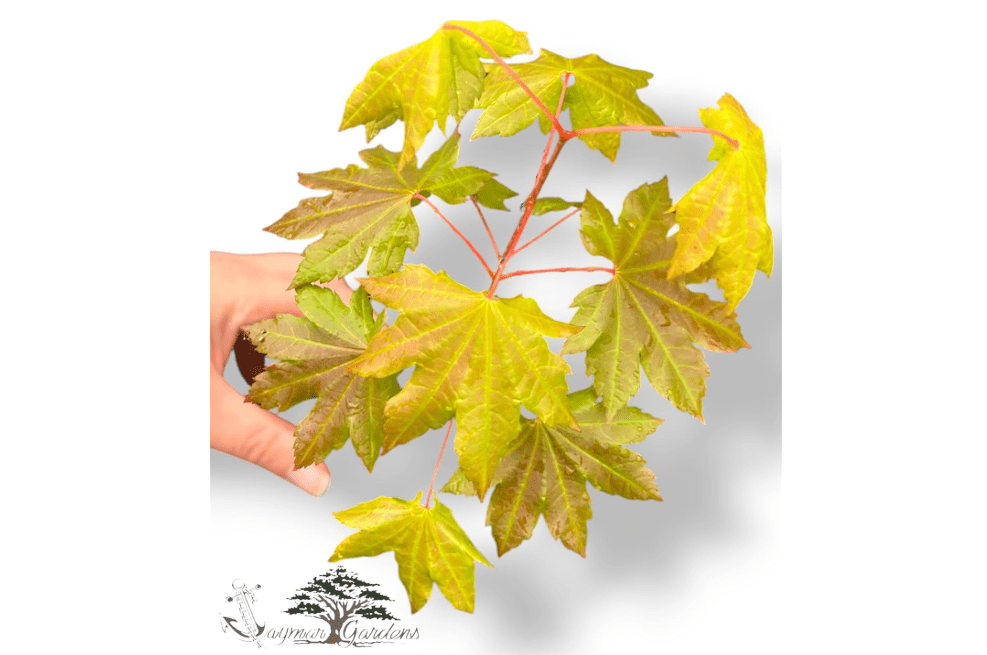
Product Description: Typically sold as 1- to 2-year-old bare-root dormant plants, Vine Maples are multi-stemmed, deciduous small trees. They produce delicate green leaves in spring that turn brilliant shades of red, orange, and yellow in the fall.
-
Price: $12.99
-
Key Features & Benefits: Highly adaptable to shade, brilliant fall color, and manageable size (usually capping at 15-25 feet).
-
Pros and Cons:
-
Pros: Perfect for small spaces; excellent fall aesthetics; thrives under the canopy of larger trees like Douglas Firs.
-
Cons: Needs some protection from intense afternoon sun in the hottest parts of Eastern Washington to prevent leaf scorch.
-
-
Amazon Customer Ratings & Reviews: Averaging 4.4 stars. Reviewers highly rate their survival rate when planted in early spring, though some mention the initial bare-root “sticks” look underwhelming until the first spring flush.
-
Why it’s a good choice for Washington State: Native to the Pacific Northwest, it is perfectly evolved to handle damp winters and dry summers while living in the shadows of the giant conifers.
-
Ideal use case or who should buy it: Urban gardeners, homeowners with limited space, or those looking to add a pop of fiery autumn color to a shaded landscape.
4. The Spring Showstopper: Pacific Dogwood Live Plant (Cornus nuttallii)
Famous for its massive, snow-white spring blooms, the Pacific Dogwood is a prized ornamental tree that brightens any landscape.
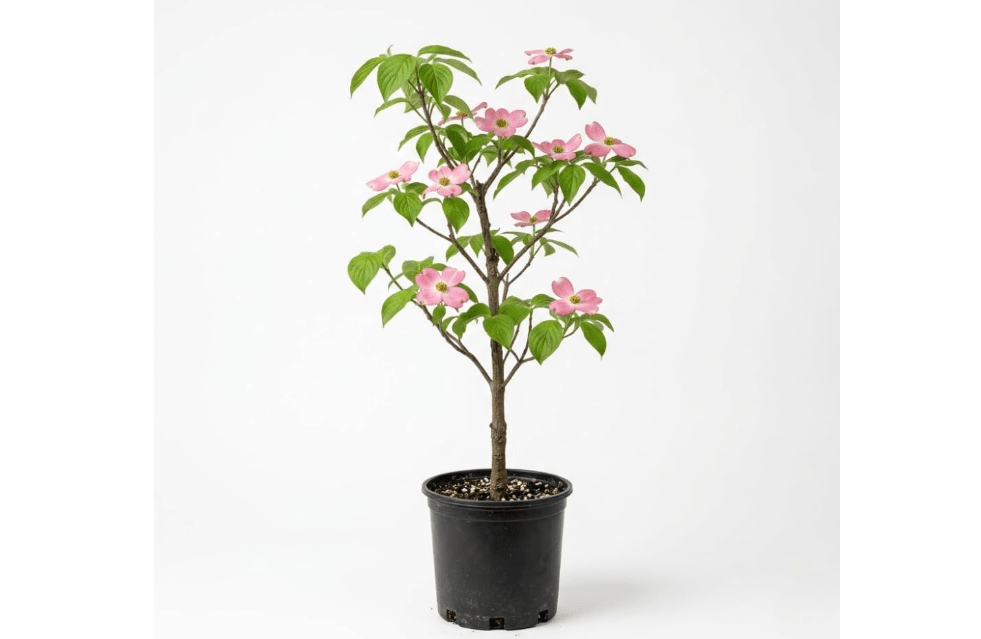
Product Description: Ships as a potted sapling or bare root. In spring, it produces spectacular, large white “flowers” (actually bracts), followed by red berries in the fall that attract local songbirds.
-
Price: $26.59
-
Key Features & Benefits: Incredible ornamental value, relatively moderate growth size (20-40 feet), and excellent attraction for native birds and pollinators.
-
Pros and Cons:
-
Pros: Unmatched spring beauty; provides a food source for birds; stunning red/pink fall foliage.
-
Cons: Susceptible to dogwood anthracnose (a fungal disease) if planted in areas with poor air circulation.
-
-
Amazon Customer Ratings & Reviews: Averaging 4.2 stars. Customers love the vibrant blooms once the tree matures, but note that it requires careful watering during its first two years.
-
Why it’s a good choice for Washington State: It is a native Washington species that naturally thrives in the dappled sunlight of forest edges, making it an excellent addition to suburban properties.
-
Ideal use case or who should buy it: Homeowners wanting a spectacular flowering focal point for their front yard or a beautiful understory tree for woodland gardens.
5. The Fast-Growing Shade Provider: Bigleaf Maple Sapling (Acer macrophyllum)
When you need serious shade and you want it fast, nothing beats the sweeping canopy of the Bigleaf Maple.
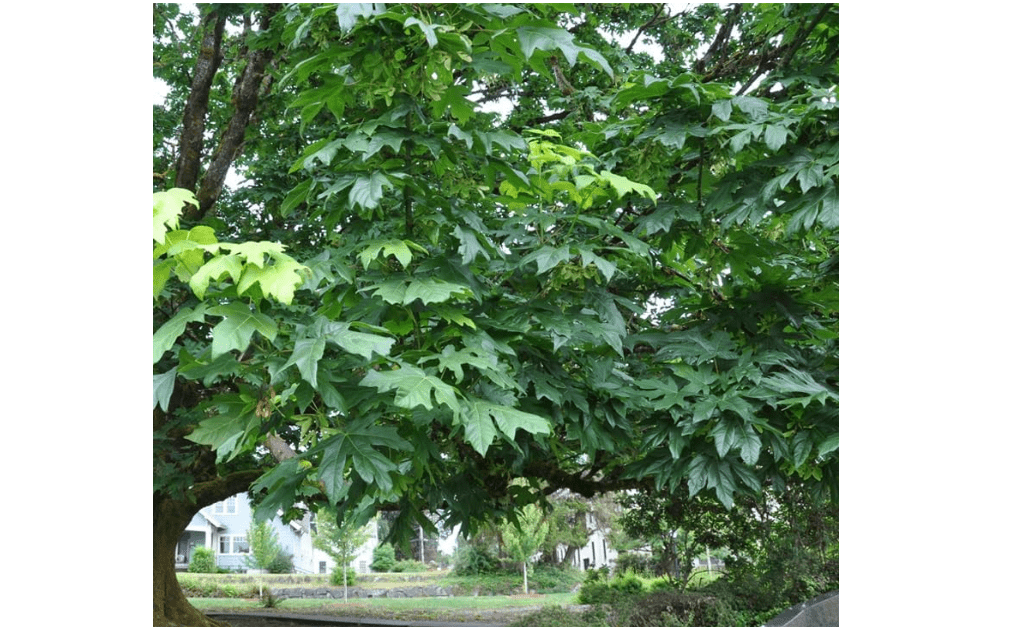
Product Description: Shipped dormant bare root, this massive deciduous tree is famous for having the largest leaves of any maple species—often up to a foot across.
-
Price: $30.00
-
Key Features & Benefits: Extremely rapid growth rate, massive shade footprint, and gorgeous yellow-gold fall color.
-
Pros and Cons:
-
Pros: Grows fast; provides immense cooling shade; classic PNW aesthetic often draped in natural mosses.
-
Cons: The massive leaves can create a lot of fall cleanup work; requires significant space (can grow 60+ feet wide).
-
-
Amazon Customer Ratings & Reviews: Averaging 4.5 stars. Buyers frequently mention how quickly these saplings take off once established in the ground.
-
Why it’s a good choice for Washington State: It is the largest native maple in the state, completely adapted to local climates and vital to the local ecosystem for shade and nutrient cycling.
-
Ideal use case or who should buy it: People with large properties or acreage who want a fast-growing, majestic shade tree that will quickly mature.
6. The Coastal Survivor: Shore Pine Live Seedling (Pinus contorta)
If you live near the Puget Sound or the Pacific Coast and struggle with sandy, rocky, or salty soil, the Shore Pine is your best friend.
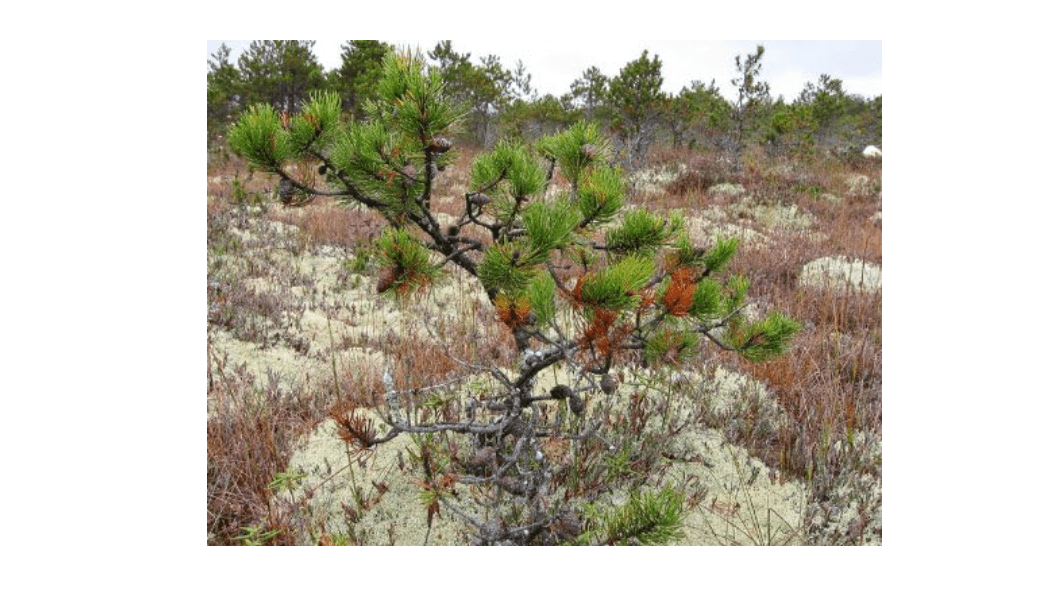
Product Description: Usually shipped as small, hardy seedlings, the Shore Pine develops a rugged, gnarled, and asymmetrical appearance that looks like a giant bonsai tree.
-
Price: $29.77
-
Key Features & Benefits: Extremely tolerant of poor soils, high winds, and salt spray. Stays relatively small for a pine (usually 20-35 feet).
-
Pros and Cons:
-
Pros: Thrives where other trees fail; incredibly drought-tolerant; unique, highly architectural shape.
-
Cons: Not meant for perfectly manicured, symmetrical garden designs.
-
-
Amazon Customer Ratings & Reviews: Averaging 4.7 stars. Reviewers consistently praise its absolute toughness and survival rate in terrible soil conditions.
-
Why it’s a good choice for Washington State: It is explicitly adapted to Washington’s harsh, windy coastal bluffs and sandy lowland soils.
-
Ideal use case or who should buy it: Coastal residents, properties with poor or rocky soil, and fans of rugged, naturalistic landscaping.
7. The Orchard Favorite: Honeycrisp Apple Tree – 1-2 Year Old Grafted (Malus domestica)
For edible landscaping, the Honeycrisp apple thrives remarkably well in Washington’s distinct seasons, producing world-class fruit right in your backyard.
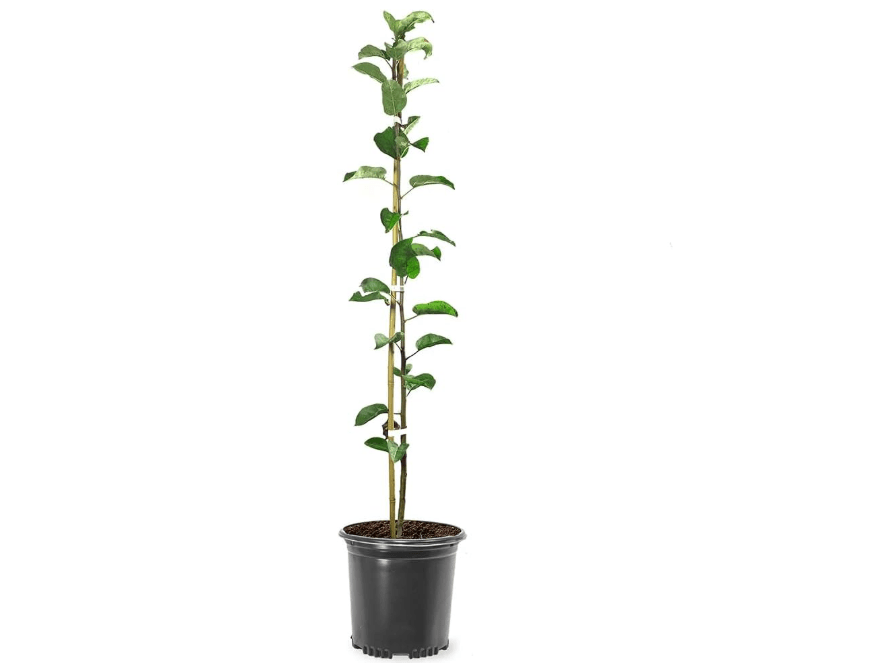
Product Description: Typically shipped as a 1- or 2-year-old grafted bare-root tree. It requires a pollinator (like a Fuji or Gala tree nearby) to produce its famous sweet, ultra-crisp red apples.
-
Price: $34.99
-
Key Features & Benefits: Produces high-value, incredibly delicious fruit. Cold-hardy and blooms beautifully in the spring.
-
Pros and Cons:
-
Pros: Fresh, organic fruit from your yard; beautiful spring blossoms; high yield once mature.
-
Cons: Requires pruning and pest management; needs a second apple tree nearby for cross-pollination.
-
-
Amazon Customer Ratings & Reviews: Averaging 4.3 stars. Buyers highlight the thick caliper (trunk thickness) of premium shipped trees, though some emphasize the need to protect young bark from deer.
-
Why it’s a good choice for Washington State: Washington is the apple capital of the world. The cool autumn nights are exactly what Honeycrisp apples need to develop their signature sweetness and crunch.
-
Ideal use case or who should buy it: Homeowners wanting to start a home orchard or integrate edible plants into their landscape design.
8. The Soil Restorer: Red Alder Live Tree (Alnus rubra)
If you are dealing with newly graded land, poor dirt, or a muddy area of your yard, the Red Alder is nature’s own soil repairman.
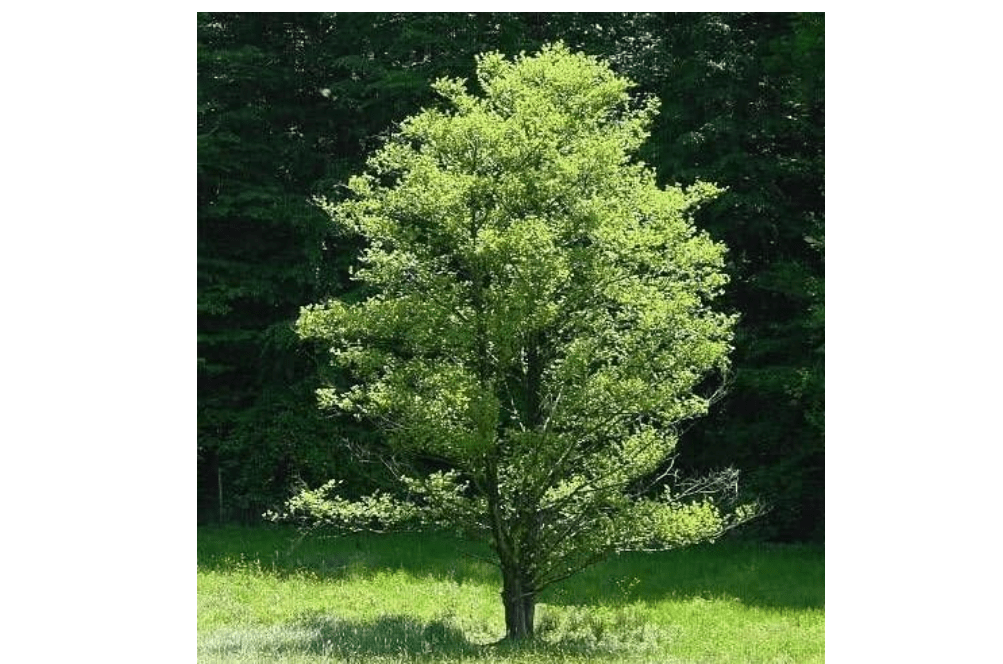
Product Description: Shipped as dormant bare-root saplings, this deciduous tree features smooth, light gray bark and green leaves that stay green late into the fall.
-
Price: $11.00
-
Key Features & Benefits: Nitrogen-fixing (it literally pulls fertilizer from the air and puts it into the soil), exceptionally fast growth, and thrives in wet areas.
-
Pros and Cons:
-
Pros: Improves soil health for surrounding plants; grows incredibly fast; excellent for stabilizing wet or eroding slopes.
-
Cons: Relatively short lifespan (50-70 years); wood can be brittle in severe ice storms.
-
-
Amazon Customer Ratings & Reviews: Averaging 4.5 stars. Customers love using these as rapid-growth pioneer trees to establish shade for other slower-growing plants.
-
Why it’s a good choice for Washington State: It is a vital pioneer species in PNW forests, adapted to quickly heal disturbed earth and thrive in the region’s wettest soils.
-
Ideal use case or who should buy it: Properties with terrible soil, wet marshy spots, or newly constructed homes that need rapid landscaping and soil improvement.
9. The Fragrant Border: Grand Fir Potted Plant (Abies grandis)
For the most incredible, citrus-pine fragrance of any local tree, the Grand Fir is a sensory delight that makes an exceptional ornamental evergreen.
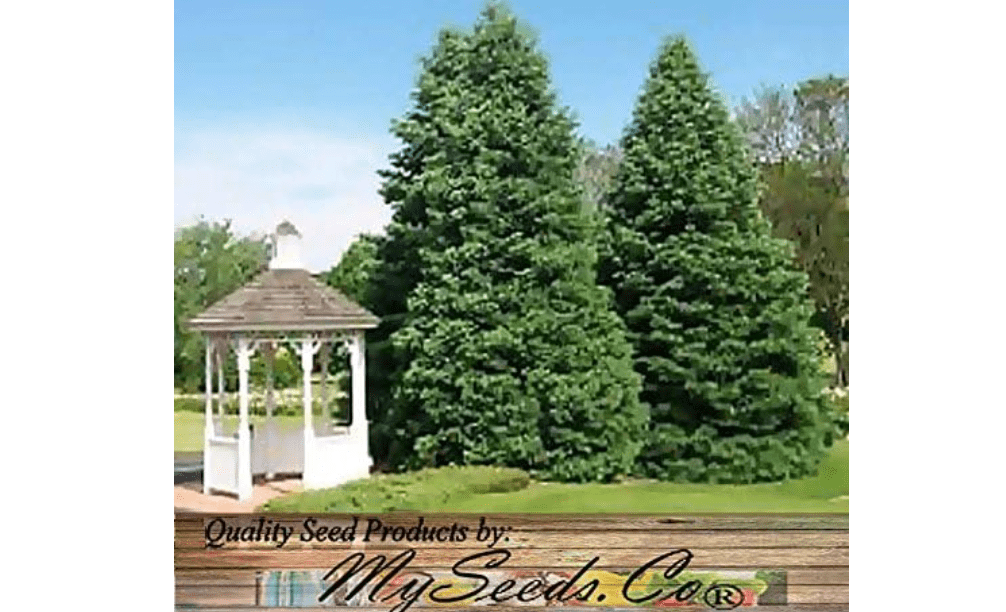
Product Description: Usually shipped in small nursery pots. It features flattened, glossy dark green needles that lay flat along the branches, emitting a powerful, sweet tangerine-like scent when crushed or warmed by the sun.
-
Price: $6.00
-
Key Features & Benefits: Stunning symmetrical growth, incredible fragrance, and deep shade tolerance.
-
Pros and Cons:
-
Pros: The best-smelling native tree; beautiful classic “Christmas tree” shape; soft needles.
-
Cons: Prefers deep, rich soils; struggles in highly compacted or heavily polluted urban soils.
-
-
Amazon Customer Ratings & Reviews: Averaging 4.6 stars. Buyers frequently comment on the beautiful, healthy color of the potted trees upon arrival.
-
Why it’s a good choice for Washington State: It naturally populates the rich, moist valleys of Washington, perfectly suited for residential yards that receive regular watering and have decent drainage.
-
Ideal use case or who should buy it: Homeowners wanting a stunning, fragrant, and highly ornamental evergreen for their front yard or property border.
10. The State Classic: Western Hemlock Sapling (Tsuga heterophylla)
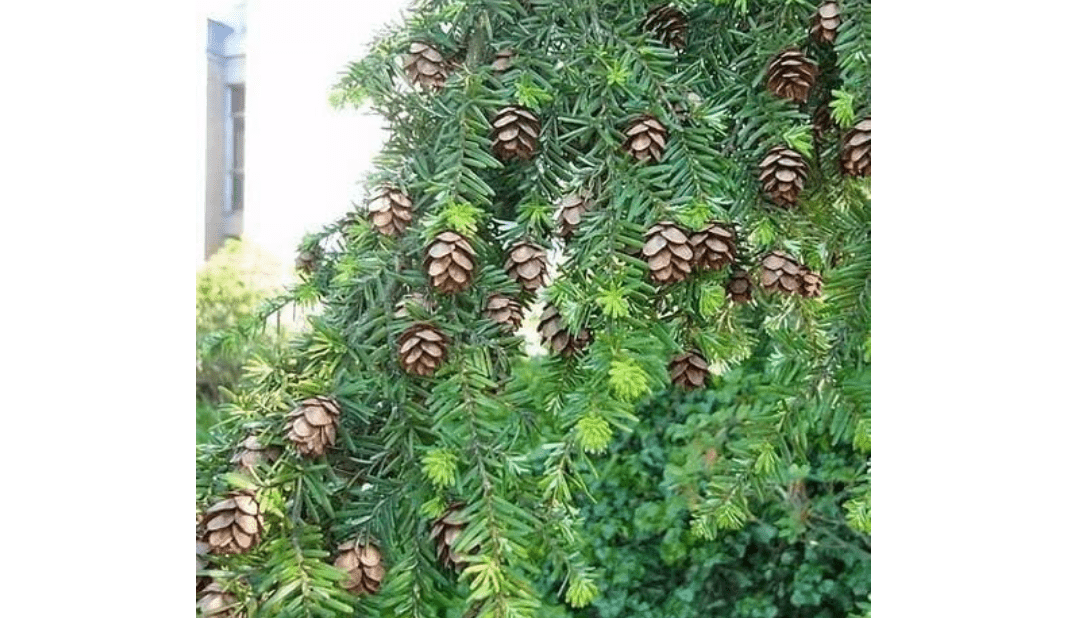
The official State Tree of Washington, the Western Hemlock is an elegant, shade-loving conifer characterized by its softly drooping tip.
Product Description: Shipped as small potted or bare-root saplings, this conifer has very short, feathery needles and a distinctly graceful, sweeping appearance.
-
Price: $40.00.
-
Key Features & Benefits: Extremely shade tolerant, fine-textured foliage, and thrives in acidic soils.
-
Pros and Cons:
-
Pros: Can be planted in the heavy shade of other trees; beautiful, graceful form; true Washington native.
-
Cons: Shallow root system makes it susceptible to drought if not watered deeply during dry summers.
-
-
Amazon Customer Ratings & Reviews: Averaging 4.4 stars. Reviewers appreciate its delicate appearance and high survival rate in shady yard corners.
-
Why it’s a good choice for Washington State: As the state tree, it embodies the classic deep-forest aesthetic of the region and thrives in the acidic soil created by fallen pine needles.
-
Ideal use case or who should buy it: People with heavily shaded yards looking for an elegant evergreen that won’t mind living out of the direct sun.
V. Planting & Care Tips for Washington Soils
Successfully planting trees from Amazon requires immediate care upon unboxing and a strategy tailored to Washington’s unique soil profiles.
-
Unboxing Your Amazon Tree: If you ordered a bare-root tree, unpack it immediately. Soak the roots in a bucket of water for 2 to 6 hours before planting to rehydrate them. If it is a potted sapling, water it thoroughly and keep it in a shaded, protected spot for a few days to acclimate before putting it in the ground.
-
Soil Amendment: Much of Western Washington features heavy, compacted glacial clay, while Eastern Washington can be rocky and alkaline. Dig a hole twice as wide (but no deeper) than the root system. Mix 20-30% organic compost into your native backfill soil to improve drainage in clay, or to retain moisture in sandy dirt. Never bury the “root flare” (the widened base of the trunk).
-
Watering Schedules: Washington’s infamous “wet winters and bone-dry summers” deceive many new gardeners. Even native, drought-tolerant trees need regular, deep watering during their first two summers. Set up a drip hose or water deeply once a week from July through September until the tree is fully established.
VI. Conclusion & Final Recommendation
Investing in the right tree does more than just boost your property value; it restores local ecosystems, provides cooling shade, and brings the majestic beauty of the Pacific Northwest right to your doorstep. By choosing native or highly adapted species, you guarantee a landscaping investment that will thrive for decades.