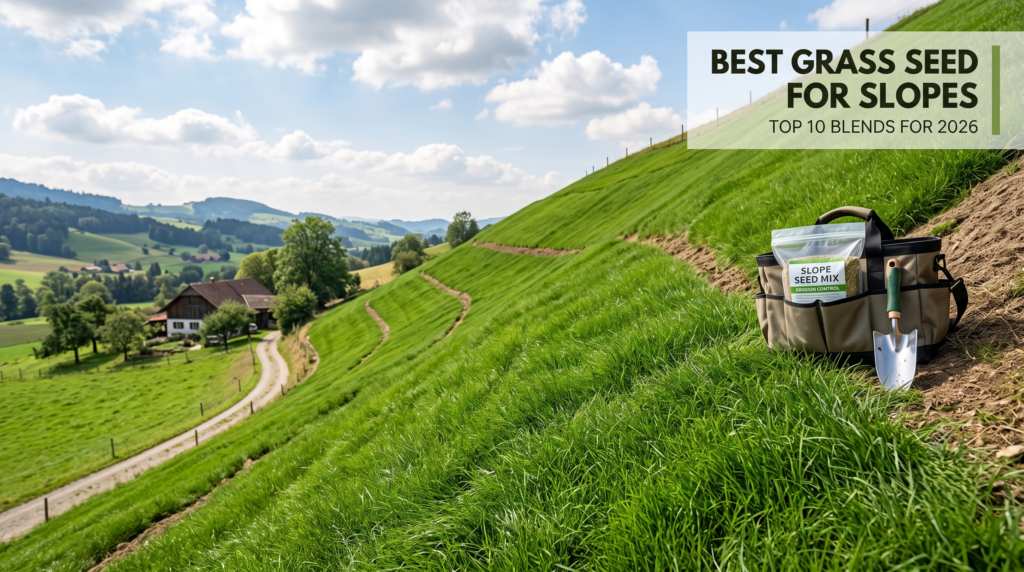
There are few things more frustrating than watching a heavy rainstorm wash away your expensive topsoil, transforming a carefully graded yard into a muddy, bare hillside. Growing turf on an incline is notoriously difficult. Seeds easily wash away before they can take hold, essential moisture runs off too quickly, and standard shallow root systems ultimately fail to secure the earth when the weather turns harsh.
The only permanent, natural way to stabilize your yard is by choosing deep-rooted, fast-germinating varieties designed specifically to grip the earth. To help you stop washouts for good, we have researched and ranked the best 10 grass seed for slopes.
These specific blends are engineered to lock down vulnerable dirt and establish a robust, interlocking root matrix that defies gravity and weather alike. To ensure you make the most informed buying decision, we didn’t just guess—we analyzed dozens of top-rated Amazon products, consulted landscaping erosion data, and compared critical root depth and germination metrics to build this authoritative guide. Whether you are battling a steep, sun-baked embankment or a heavily shaded woodland incline, these top-tier recommendations will help you finally reclaim your landscape, protect your long-term soil health, and cultivate a lush hillside picturesque enough to feature on any gardening inspiration board.
II. The Quick Comparison Table
For optimal readability on mobile devices, use this quick reference guide to find the perfect seed for your specific hillside conditions.
III. Detailed Product Reviews: The Best 10 Grass Seed for Slopes
When cultivating on an incline, standard big-box store seed simply won’t cut it. The following blends were selected specifically for their aggressive root development, soil-binding properties, and resilience against runoff.
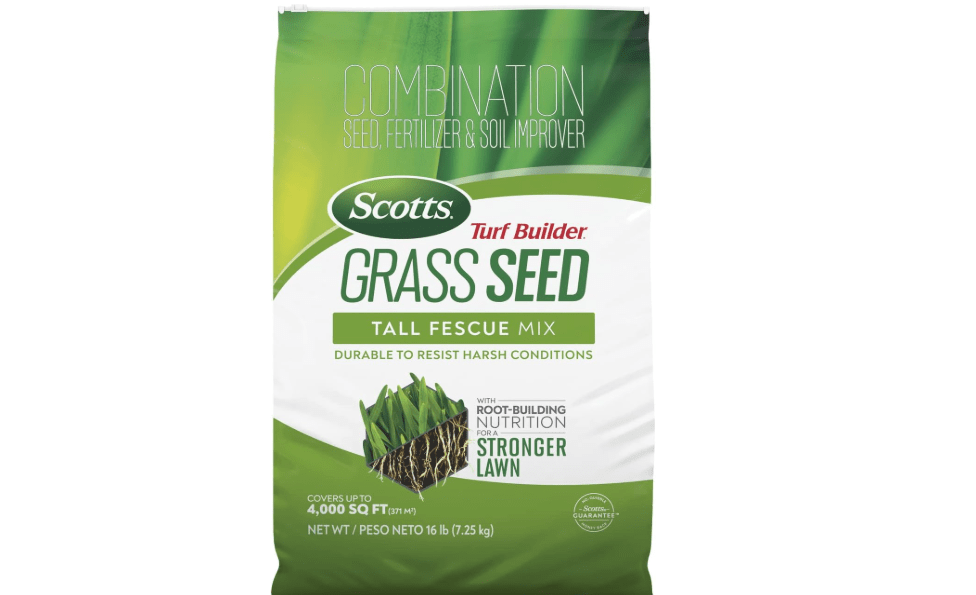
1. Scotts Turf Builder Tall Fescue Mix – Premium Tall Fescue Blend
The undisputed champion of erosion control, this premium Tall Fescue blend is engineered to develop a massive, deep-reaching root system. While standard grasses have roots that only reach a few inches into the topsoil, this turf builder blend pushes roots up to 3 feet deep, creating an unbreakable biological net that holds your hillside together.
-
Price: $58.00
-
Key Features and Benefits: Features an exclusive Root-Building Nutrition formula; roots grow up to 33% deeper than standard fescue; excellent drought and heat resistance; coated seeds retain moisture for better germination.
-
Pros and Cons:
-
Pros: Incredible soil stabilization, survives hot summers, establishes reliably even in poor soil.
-
Cons: Can become clumpy over time if not overseeded; requires more frequent mowing once fully established.
-
-
Amazon Customer Ratings and Reviews: 4.6/5 Stars. Hundreds of reviewers praise its staying power, with one common theme: “It stayed put during heavy spring downpours when my previous yard washed into the street.”
-
Why it’s a good choice for slopes: The sheer depth of the root system physically binds the soil matrix together, reinforcing the structural integrity of the incline better than any shallow variety.
-
Ideal Use Case / Who Should Buy It: Homeowners with steep, sunny, or partially shaded hillsides looking for maximum, long-term erosion control and exceptional soil health.
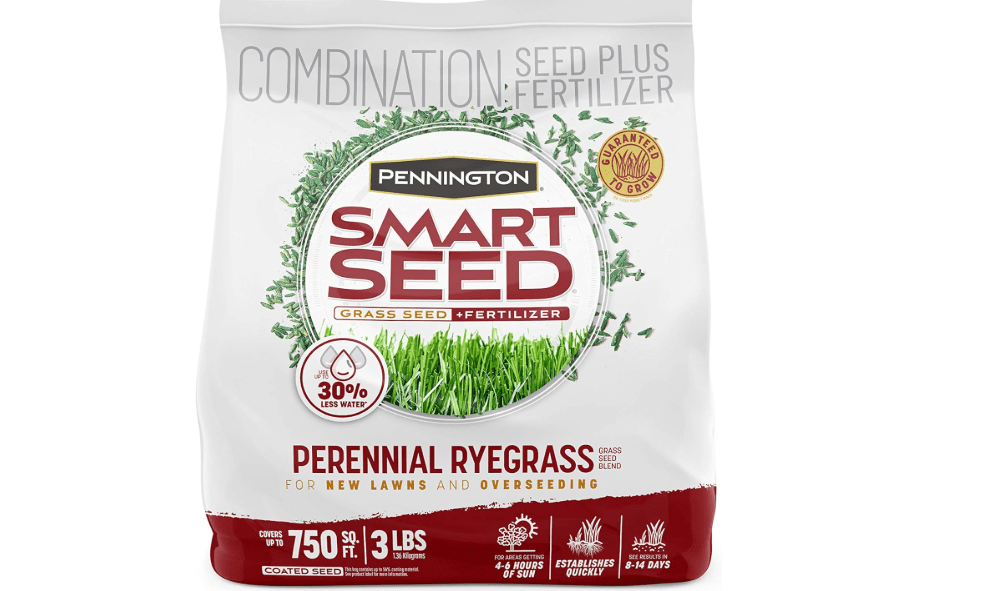
2. Pennington Fairway Supreme – Fast-Acting Perennial Ryegrass Mix
When you have an active washout threatening your property, you don’t have weeks to wait for germination. This Perennial Ryegrass mix is built for speed. It rapidly locks down vulnerable topsoil, acting as a “nurse grass” to secure the area before the next rainstorm hits.
-
Price: $13.57
-
Key Features and Benefits: Germinates in as little as 3 to 7 days; forms an immediate, dense ground cover; high disease resistance; features Penkoted technology for protection against fungus.
-
Pros and Cons:
-
Pros: Lightning-fast germination; perfect emergency hillside stabilization; gorgeous dark green color.
-
Cons: Needs consistent moisture during the first week; not as heat-tolerant as fescue during peak summer.
-
-
Amazon Customer Ratings and Reviews: 4.4/5 Stars. Users love the immediate gratification, noting, “I saw green shoots in less than a week, and it held the dirt on my backyard hill perfectly.”
-
Why it’s a good choice for slopes: It provides emergency, immediate hillside stabilization. The fast-sprouting nature acts as a biological tarp, stopping erosion in its tracks.
-
Ideal Use Case / Who Should Buy It: People dealing with immediate washout threats on newly graded land, construction sites, or those needing to quickly patch bare spots before a rainy season.
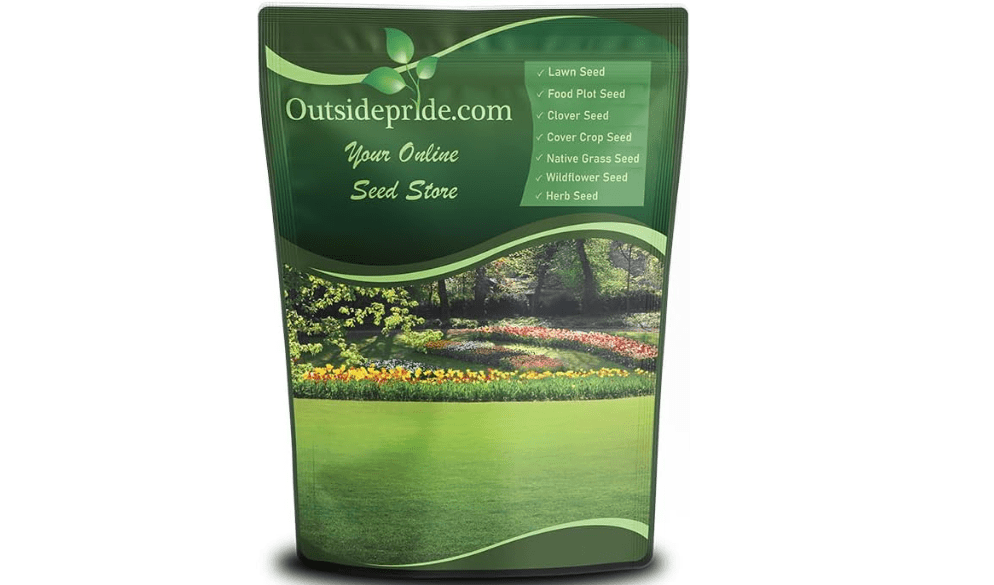
3. Outsidepride Creeping Red Fescue – Shade Blend
Growing grass on a slope is hard; growing it on a shaded slope under a heavy tree canopy is a nightmare. Creeping Red Fescue solves this by thriving in low-light conditions. It features a fine, elegant texture and spreads via rhizomes to naturally fill in bare spots and lock down loose dirt in the shade.
-
Price: $59.99
-
Key Features and Benefits: Exceptional shade tolerance; spreads laterally to repair bare patches; very low moisture and fertilizer requirements.
-
Pros and Cons:
-
Pros: Thrives where other grasses die (under trees); creates a beautiful, fine-textured mat; requires very little mowing.
-
Cons: Does not handle heavy foot traffic well; struggles in direct, blistering sun.
-
-
Amazon Customer Ratings and Reviews: 4.5/5 Stars. Buyers heavily highly its shade performance: “Finally found a seed that holds the soil on the steep, wooded hill behind my house where the sun never shines.”
-
Why it’s a good choice for slopes: As a “creeping” grass, it weaves a dense horizontal network just below the soil surface, forming a living blanket that prevents woodland slopes from eroding.
-
Ideal Use Case / Who Should Buy It: Homeowners with wooded, deeply shaded embankments or hillsides covered by a dense tree canopy.
4. Sharp’s Improved Buffalo Grass – Native Buffalo Grass Seed
For arid climates where watering a slope is nearly impossible, Native Buffalo Grass is the ultimate survivalist. This warm-season grass requires a fraction of the water of traditional lawns and naturally grows to a low height, making it an incredibly low-maintenance solution for distant or hard-to-reach hillsides.
-
Price: $89.99
-
Key Features and Benefits: Native North American species; requires up to 75% less water than traditional turf; cold-hardy for a warm-season grass; maximum height of 4-6 inches.
-
Pros and Cons:
-
Pros: Ultra-low maintenance; highly drought-resilient; rarely needs to be mowed.
-
Cons: Expensive upfront cost per pound; goes dormant (brown) early in the fall.
-
-
Amazon Customer Ratings and Reviews: 4.3/5 Stars. Customers emphasize the water savings: “Once it established on my front berm, I completely stopped watering it and it still looks great.”
-
Why it’s a good choice for slopes: Its extreme drought tolerance means you don’t have to worry about complex slope irrigation, and its low maximum height keeps you off dangerous inclines with a mower.
-
Ideal Use Case / Who Should Buy It: Landowners in dry, arid regions or those with hard-to-reach hillsides who want a natural, native, “plant it and forget it” solution.
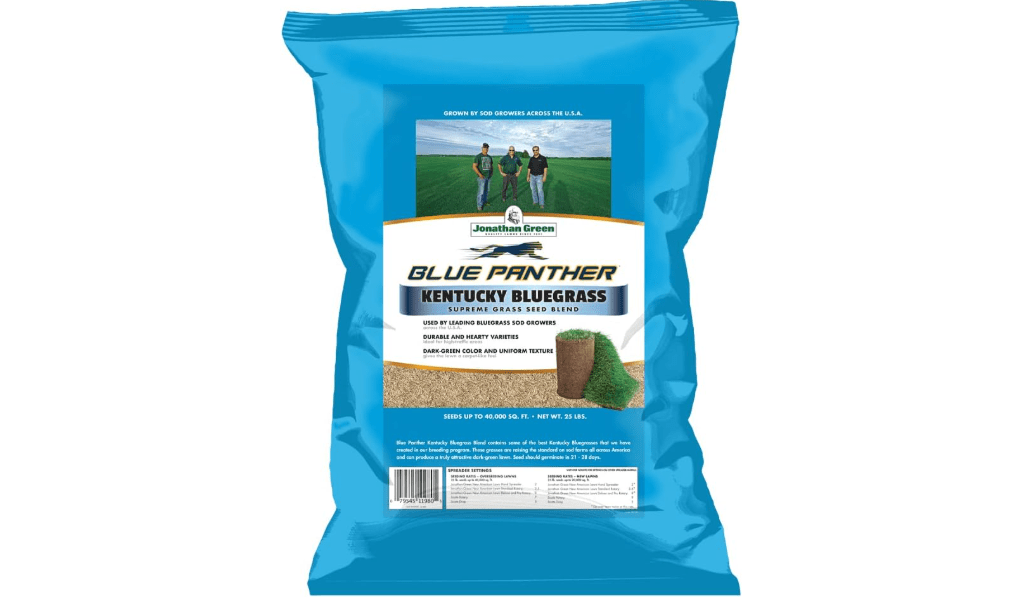
5. Jonathan Green Blue Panther – Kentucky Bluegrass Spreading Mix
Kentucky Bluegrass (KBG) is famous for its beauty, but its real superpower on a slope is its aggressive rhizome system. Blue Panther creates an underground, interlocking web of roots that aggressively spreads to fill in damaged areas, making it a self-healing armor for cold-climate hillsides.
-
Price: $167.45
-
Key Features and Benefits: Unmatched cold tolerance; aggressive horizontal spread via rhizomes; rich, dark green color; highly resistant to lawn diseases.
-
Pros and Cons:
-
Pros: Self-repairs washouts and bare spots; incredibly durable against foot traffic; winter-hardy.
-
Cons: Slow germination rate (can take 14-21 days); requires good soil preparation and more fertilizer.
-
-
Amazon Customer Ratings and Reviews: 4.5/5 Stars. Reviewers often mention its density: “Takes a bit longer to sprout, but once it does, it forms a thick carpet that nothing washes through.”
-
Why it’s a good choice for slopes: The underground rhizome mat literally weaves the soil together, preventing dirt from slipping downhill, even during snowmelt.
-
Ideal Use Case / Who Should Buy It: Northern homeowners dealing with snowmelt erosion who want a premium, gorgeous lawn that can handle the cold.
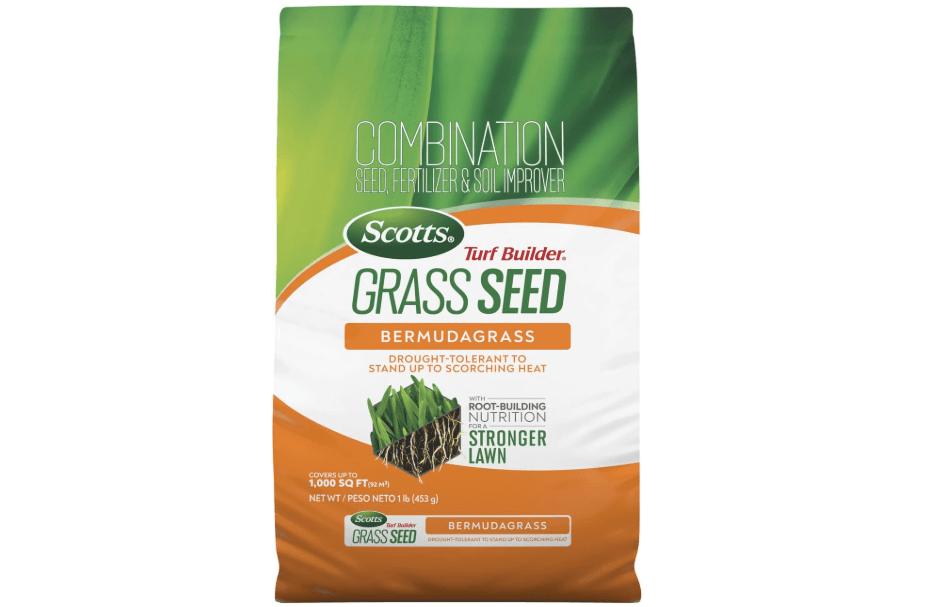
6. Scotts Turf Builder Bermudagrass – Heat-Tolerant Seed
If you live in a hot, Southern climate where the sun beats down relentlessly on your hillside, Bermudagrass is the answer. It thrives in blistering heat and spreads aggressively above ground (stolons) and below ground (rhizomes) to lock down baked, dry soils.
-
Price: $21.40
-
Key Features and Benefits: Extreme heat and drought tolerance; aggressive lateral spread; features WaterSmart PLUS coating to absorb twice as much water as uncoated seed.
-
Pros and Cons:
-
Pros: Recovers quickly from damage; thrives in full, baking sun; forms a dense, impenetrable turf.
-
Cons: Highly invasive (can creep into garden beds); goes completely dormant (brown) in winter; terrible in the shade.
-
-
Amazon Customer Ratings and Reviews: 4.4/5 Stars. Southern users swear by it: “Planted this on a steep bank in Georgia in July. It took the heat and completely locked down the red clay.”
-
Why it’s a good choice for slopes: Its dual spreading mechanism (above and below ground) creates a tight, interlocking web that acts like natural rebar for hot, sunny inclines.
-
Ideal Use Case / Who Should Buy It: Homeowners in the Sun Belt with steep, unshaded embankments that face intense summer heat.
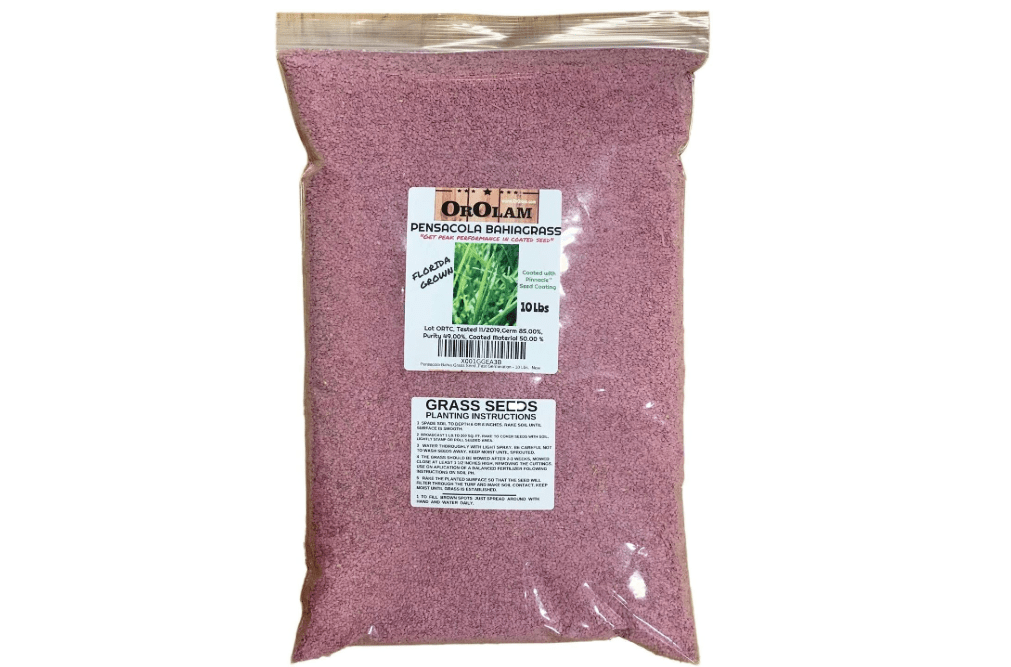
7. Pennington Pensacola Bahiagrass – Erosion Control Formula
Bahiagrass is the workhorse of the Deep South and Gulf Coast. It is renowned for its exceptional ability to thrive in poor, sandy soils where other grasses simply wash away. Its extensive, deep root system makes it an elite choice for tropical heat and coastal erosion control.
-
Price: $57.77
-
Key Features and Benefits: Elite heat and drought resistance; thrives in sandy, nutrient-poor soils; establishes a deep, extensive root system very quickly.
-
Pros and Cons:
-
Pros: Survives extreme southern heat; requires almost no fertilizer; excellent for large, low-maintenance areas.
-
Cons: Coarse texture (not a “barefoot” grass); produces tall, unsightly seed stalks that require mowing if aesthetics matter.
-
-
Amazon Customer Ratings and Reviews: 4.2/5 Stars. Reviewers highlight its utility: “It’s not the prettiest grass, but it grew in pure Florida sand on my drainage ditch bank and stopped the erosion.”
-
Why it’s a good choice for slopes: It is specifically adapted to hold sandy soils together, which are notoriously prone to rapid washout on inclines.
-
Ideal Use Case / Who Should Buy It: Residents in coastal areas or the deep South dealing with sandy slopes, drainage ditches, or large embankments where utility is more important than a manicured look.
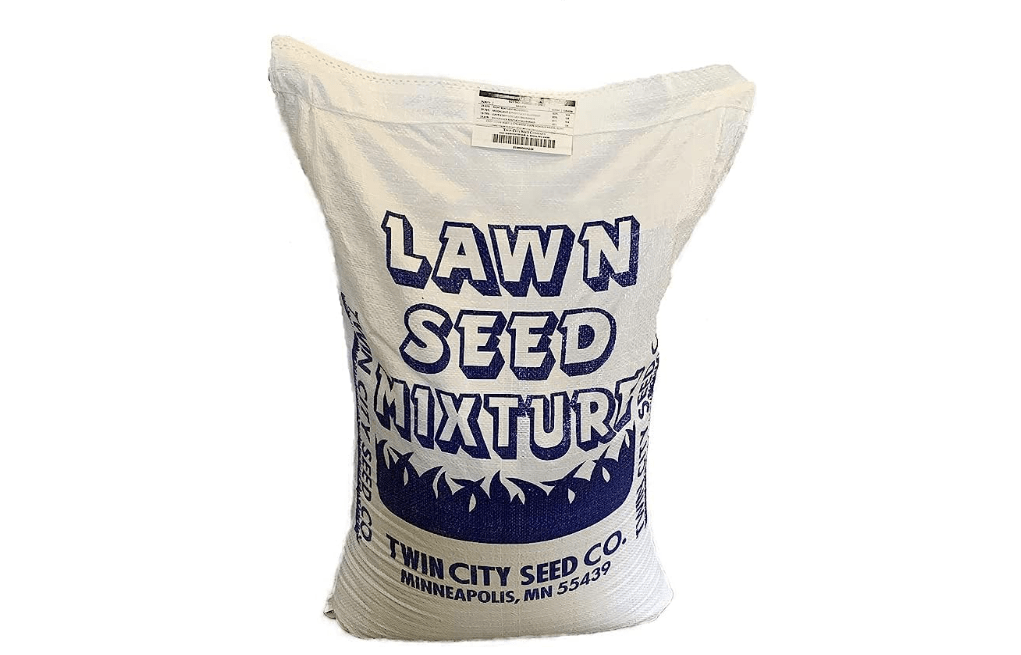
8. Twin City Seed Wetland Mix – Reed Canary Grass Blend
Not all slopes are dry. If your incline leads down to a lake, pond, or is constantly soggy from poor drainage, standard seed will rot. This wetland mix features Reed Canary Grass, the ultimate choice for wet, marshy embankments, providing rapid establishment in saturated conditions.
-
Price: $170.00
-
Key Features and Benefits: Thrives in saturated, poorly drained soils; tolerates seasonal flooding; aggressive root system designed for stream banks.
-
Pros and Cons:
-
Pros: Survives where other seeds rot; stabilizes shorelines and wet ditches; excellent wildlife habitat.
-
Cons: Can grow very tall (up to 4+ feet) if left unmowed; can be aggressive/invasive in some non-native wetlands.
-
-
Amazon Customer Ratings and Reviews: 4.6/5 Stars. Niche but highly rated: “Used this on a steep bank leading down to our pond that was constantly sloughing off into the water. It stabilized the mud within a month.”
-
Why it’s a good choice for slopes: It is one of the few grasses that can establish a root system in mud, preventing waterfront embankments from collapsing into the water.
-
Ideal Use Case / Who Should Buy It: Property owners with lakefront embankments, retention ponds, or steep, muddy drainage swales.
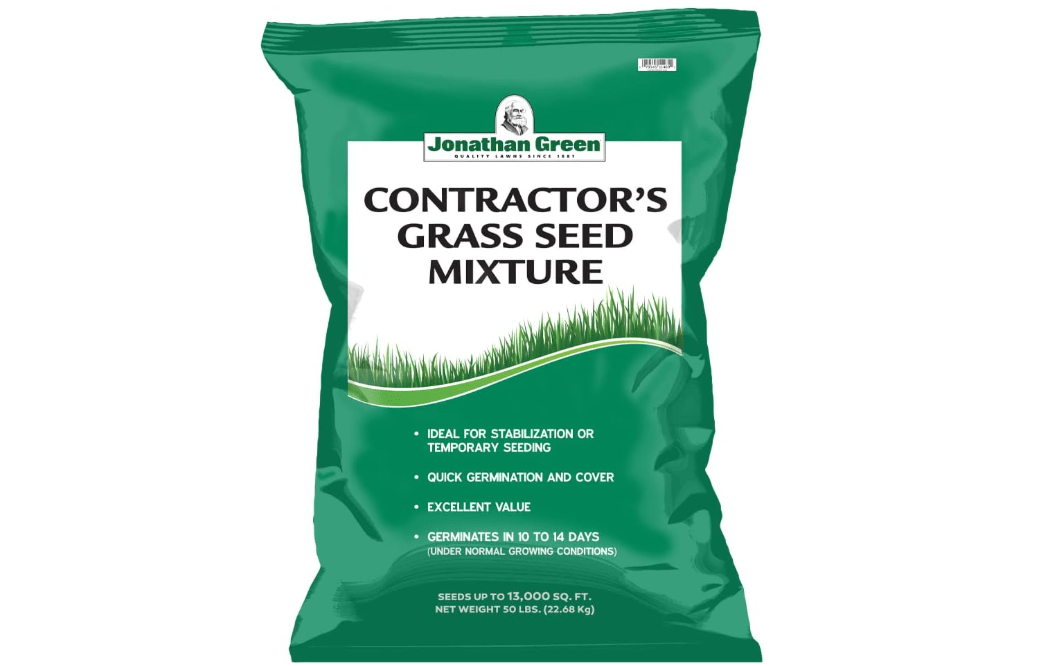
9. Jonathan Green Contractor’s Mix – (Ryegrass/Fescue/Bluegrass)
When dealing with large hillside projects or vast, uneven terrain where you need a bit of everything, a Contractor’s Mix provides the perfect utility. This trio offers the rapid growth of Ryegrass, the deep roots of Fescue, and the dense turf of Bluegrass for a balanced, catch-all solution.
-
Price: $109.99
-
Key Features and Benefits: Broad spectrum blend for various soil types; fast initial green-up; excellent coverage for the price; highly adaptable to changing sun/shade patterns on a large hill.
-
Pros and Cons:
-
Pros: Great value for large areas; highly versatile; fast stabilization with long-term durability.
-
Cons: Not specialized for extreme conditions (e.g., total shade or total sand); requires decent soil prep.
-
-
Amazon Customer Ratings and Reviews: 4.5/5 Stars. Value is a key theme: “The most economical way to cover the massive, newly graded hill behind my barn. Grew fast and thick.”
-
Why it’s a good choice for slopes: It hedges your bets. If parts of the slope are shaded, the Fescue thrives; if parts wash out easily, the Ryegrass grabs hold first.
-
Ideal Use Case / Who Should Buy It: Homeowners or contractors looking for a budget-friendly, reliable mix to cover large, diverse hillside grading projects.
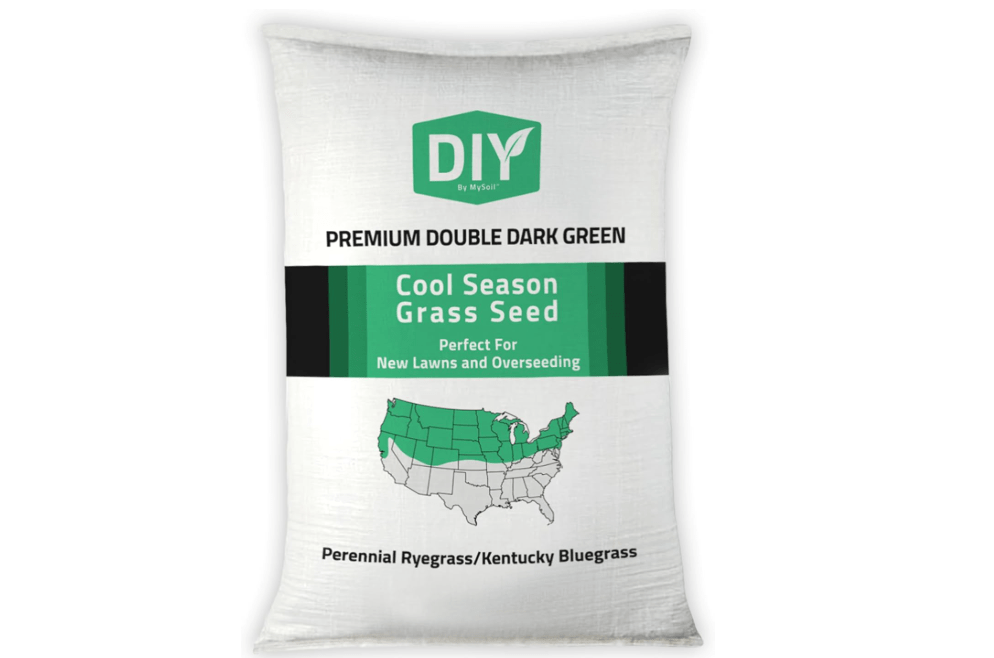
10. Pearl’s Premium Low-Mow Blend – Steep Incline Safety Seed
Pushing a lawnmower on a 45-degree incline is not just difficult; it’s incredibly dangerous. Pearl’s Premium is an award-winning fescue blend specifically bred to grow extremely slowly. Left completely unmowed, it gracefully flops over to a maximum height of about 4-6 inches, creating a beautiful meadow look.
-
Price: $99.99
-
Key Features and Benefits: Patent-pending slow-growth genetics; rarely needs mowing (once a month or never); deep 12-14 inch roots; extreme drought tolerance.
-
Pros and Cons:
-
Pros: Eliminates dangerous hillside mowing; saves massive amounts of water and time; eco-friendly.
-
Cons: Very expensive per pound; has a “shaggy” meadow appearance that may not fit manicured suburban HOA standards.
-
-
Amazon Customer Ratings and Reviews: 4.3/5 Stars. Safety is the main draw: “I bought this entirely so I wouldn’t have to risk my neck mowing the steep ditch in front of my house. It worked perfectly.”
-
Why it’s a good choice for slopes: It solves the secondary problem of slopes: maintenance. The deep roots stop the erosion, and the low-growth habit keeps you off the dangerous incline.
-
Ideal Use Case / Who Should Buy It: Homeowners with dangerously steep inclines who want to eliminate the risk of mowing while still maintaining a green, stabilized hillside.
IV. Comprehensive Buying Guide: How to Choose the Best Grass Seed for Slopes
Selecting the right seed isn’t just about picking the most expensive bag; it’s about matching the grass biology to your specific terrain. Keep these critical factors in mind to make an informed buying decision:
-
Assess Your Slope Grade: For gentle, rolling hills, standard broadcasting works fine. For steep embankments (over a 3:1 grade), simply throwing seed on the dirt will fail. You must pair your seed with erosion control blankets or consider hydroseeding to hold the seed in place until it roots.
-
Sunlight vs. Shade: Grasses are highly specific to light. Do not waste money planting Bermuda (requires full sun) on a wooded hillside. Use Fescue blends for shaded areas and Bermuda or Bahia for blistering, unshaded slopes.
-
Climate & Hardiness Zone:
-
Cool-Season (North): Opt for Tall Fescues, Kentucky Bluegrass, and Ryegrass.
-
Warm-Season (South): Stick to Bermuda, Bahia, or Centipede grass.
-
-
Root Depth Matters: For hillsides, what happens below the dirt is more important than the green top. Deep-rooted grasses (like Tall Fescue, reaching up to 3 feet down) act like rebar in concrete, structurally reinforcing the soil matrix far better than shallow varieties.
V. Expert Tips for Planting Grass on Slopes
Even the best grass seed for slopes will fail if planted incorrectly on an incline.
-
Prep the Soil Horizontally: When raking the topsoil to prepare the seedbed, always rake horizontally across the slope, never vertically. This creates tiny “speed bumps” and grooves that catch the seed and water, preventing them from sliding downhill.
-
Use Tackifiers or Straw Mats: This is non-negotiable for steep hills. After seeding, immediately cover the area with an erosion control blanket (a biodegradable straw or coconut fiber mesh). This locks the seed in place and retains vital moisture.
-
Watering Safely: The goal is deep moisture, not a slip-and-slide. Water in short, frequent bursts (e.g., 5 minutes, three times a day) rather than one long 15-minute soaking, which will cause runoff.
VI. FAQ Section
-
What is the fastest growing grass seed for erosion control? Perennial Ryegrass is the fastest, often germinating in just 3 to 7 days. It is frequently used as a temporary “nurse grass” to quickly lock down soil while slower, deeper-rooted grasses establish.
-
Do I need an erosion control blanket for my hillside? If your slope is steeper than a gentle incline, yes. Blankets are highly recommended as they prevent the seed and fertilizer from washing away during the first rainstorm.
-
Will grass completely stop a hillside from eroding? A mature, deep-rooted turf is one of the most effective natural ways to stop erosion. However, for extreme slopes or areas with heavy, concentrated water flow, you may also need physical barriers like retaining walls or proper French drains.
VII. Conclusion & Final Verdict
Conquering a barren, eroding hillside is entirely possible when you choose the right tools for the job. You must prioritize seed varieties engineered for deep root development and rapid establishment to secure your topsoil before the weather turns.
For the vast majority of homeowners, our Best Overall pick, Scotts Turf Builder Tall Fescue Mix, offers the perfect balance of massive, three-foot-deep root systems and drought resilience. If you are facing an impending storm and need a rapid fix, the Pennington Fairway Supreme Ryegrass is your best bet for emergency stabilization.
Don’t wait for another rainstorm to wash away more of your property. Assess your climate, choose the right seed for your sun exposure, and secure your hillside today.