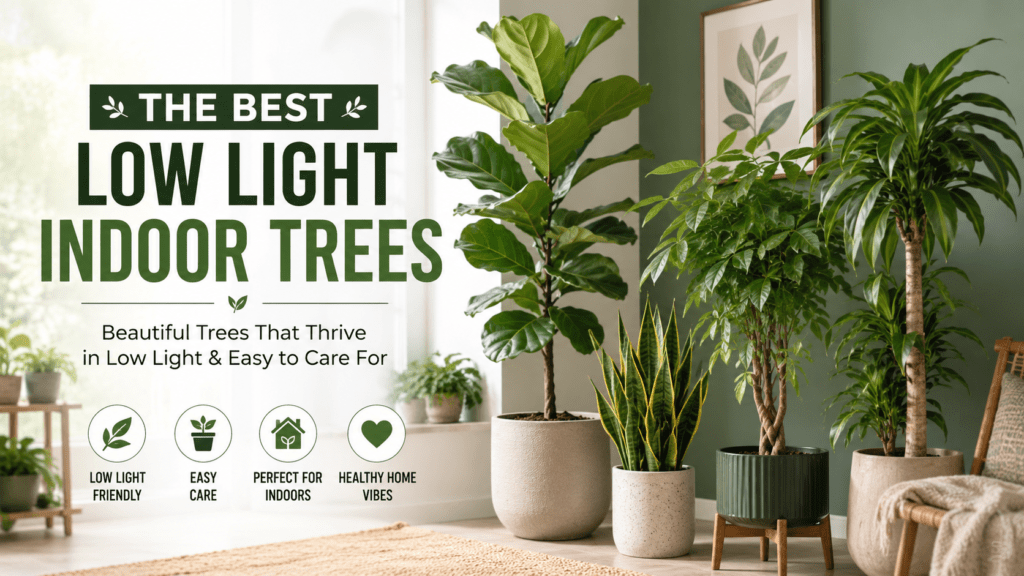
We’ve all been there: staring at a dim, empty corner in our home and wishing for a touch of vibrant greenery to bring the space to life. But if you lack bright, natural sunlight, creating an indoor jungle can feel like an impossible dream. You do not have to settle for artificial plants or empty rooms. We have researched and compiled the best 10 low light indoor trees to help you transform even the most stubbornly shaded areas of your home into a lush oasis.
There is nothing more frustrating than spending your hard-earned money on a beautiful, leafy floor plant, only to watch it drop its leaves and slowly wither away. North-facing rooms, windowless offices, and shady apartment corners are notorious plant killers. When deprived of adequate light, many popular, sun-loving houseplants simply cannot photosynthesize enough energy to survive. The result is a sad, bare stem that leaves you wondering if you just lack a green thumb.
The good news is that you don’t need floor-to-ceiling, south-facing windows to cultivate a thriving indoor canopy. The secret is simply choosing the right species. Many remarkable plants evolved specifically as understory rainforest plants, naturally adapting to survive beneath the dense shade of larger canopies. By bringing these incredibly resilient, shade-tolerant species indoors, you can bring life to the darkest corners of your floor plan. Read on to discover the best 10 low light indoor trees that are tough enough to survive the dark and stunning enough to elevate your home decor.
II. How to Choose the Right Low Light Indoor Tree (Buying Guide)
Before you add a plant to your Amazon cart, it is crucial to understand what “low light” actually means in the botanical world and how it affects plant growth. Here is what you need to consider before making a purchase:
-
Assess Your Light Levels: “Low light” does not mean “no light.” All plants need some light to survive. Use the “hand shadow test”: hold your hand about a foot above the floor in the middle of the day. If you can see a faint, fuzzy shadow, you have low light. If you cannot see a shadow at all, you will need to rely on artificial grow lights.
-
Space and Growth Rate: Plants growing in low light photosynthesize slowly, meaning their growth rate drops dramatically. If you want a 5-foot tree in your corner, buy a plant that is already 5 feet tall. Do not buy a tiny 1-foot starter plant expecting it to shoot up in a dark room.
-
Pet Safety: This is a major factor. Many of the most resilient, shade-tolerant stalwarts (like Dracaenas and Ficus varieties) contain compounds that are toxic to cats and dogs. Always verify toxicity before placing a plant within reach of curious pets.
-
Maintenance Level: Low light environments mean soil stays wet for much longer. You want to match your plant’s water needs to your own habits. If you are an “over-waterer,” choose a plant that can handle a bit of moisture. If you travel frequently, opt for a drought-tolerant succulent-type tree.
III. The 10 Best Low Light Indoor Trees (Detailed Reviews)
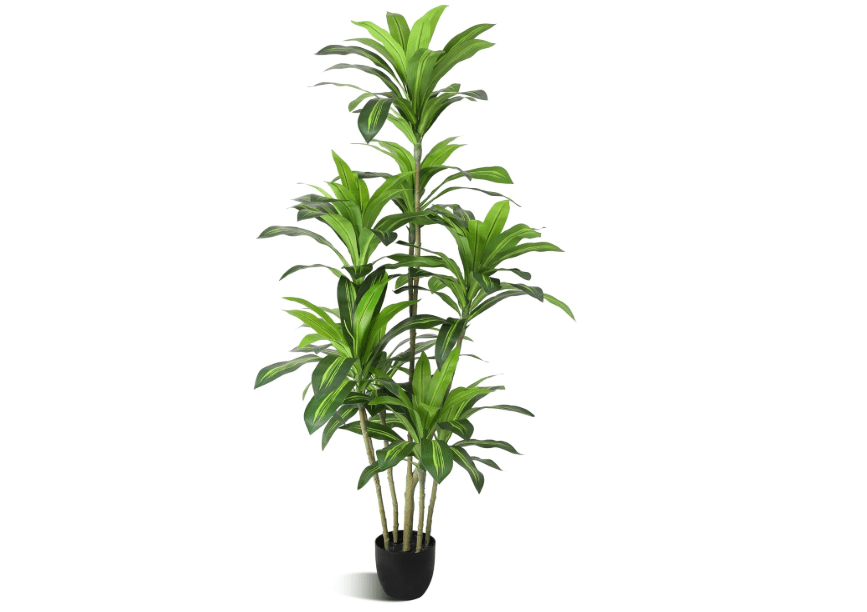
1. Dracaena Fragrans (Corn Plant)
The Corn Plant is a classic, hardy floor plant that has been a staple in homes and offices for decades. It features thick, woody canes topped with arching, sword-like green leaves that often boast a beautiful central yellow stripe. Its vertical growth habit gives it a striking, architectural look without taking up much floor space.
-
Price: $139.00
-
Key Features & Benefits: Exceptional air-purifying qualities; vertical growth saves space; highly drought-tolerant.
-
Pros & Cons:
-
Pros: Extremely resilient; requires infrequent watering; provides a tall, striking silhouette.
-
Cons: Toxic to cats and dogs; sensitive to fluoride and chlorine in tap water (which can cause brown leaf tips).
-
-
Amazon Ratings & Reviews: Averages 4.4/5 stars. Reviewers consistently praise its durability, with many noting how well it survives in windowless office environments and under fluorescent lights.
-
Why It’s a Good Choice for Low Light: In its native African habitat, it grows in the shade of much larger trees. It is genetically wired to maximize whatever ambient light it can capture.
-
Ideal Use Case: Best for beginners, busy professionals, or anyone looking for a tall, zero-fuss statement piece for a dark hallway.
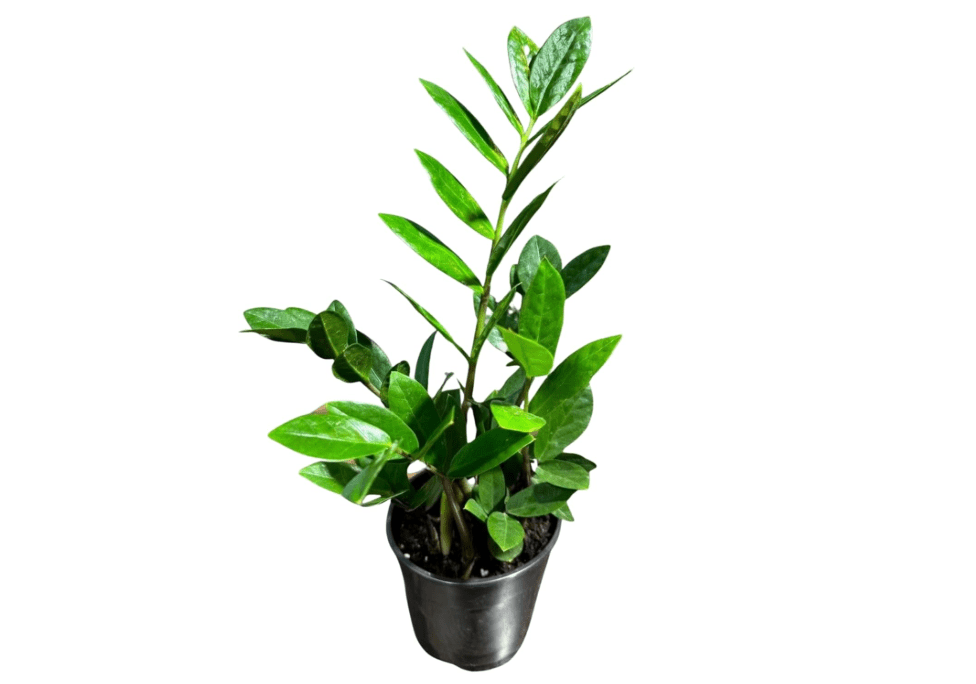
2. Zamioculcas Zamiifolia (Large ZZ Plant)
While technically a herbaceous plant rather than a woody tree, a large, mature ZZ Plant easily functions as a striking floor tree. It features thick, upright wands covered in remarkably glossy, dark green oval leaves that naturally repel dust. It is famous for being virtually indestructible.
-
Price: $20.99
-
Key Features & Benefits: Thick underground rhizomes store water for weeks; naturally waxy leaves look continuously polished; practically thrives on neglect.
-
Pros & Cons:
-
Pros: Can survive on artificial fluorescent light alone; highly drought-resistant; stunning deep green color.
-
Cons: Very slow grower; all parts of the plant are toxic if ingested by pets or children.
-
-
Amazon Ratings & Reviews: Averages 4.7/5 stars. Customers constantly refer to it as the “only plant I haven’t killed,” praising its ability to look perfect even after weeks of neglect.
-
Why It’s a Good Choice for Low Light: The ZZ plant’s deep green pigmentation allows it to maximize chlorophyll efficiency, meaning it can photosynthesize effectively in near-dark conditions.
-
Ideal Use Case: Perfect for windowless bathrooms, dark basements, and frequent travelers who forget to water.
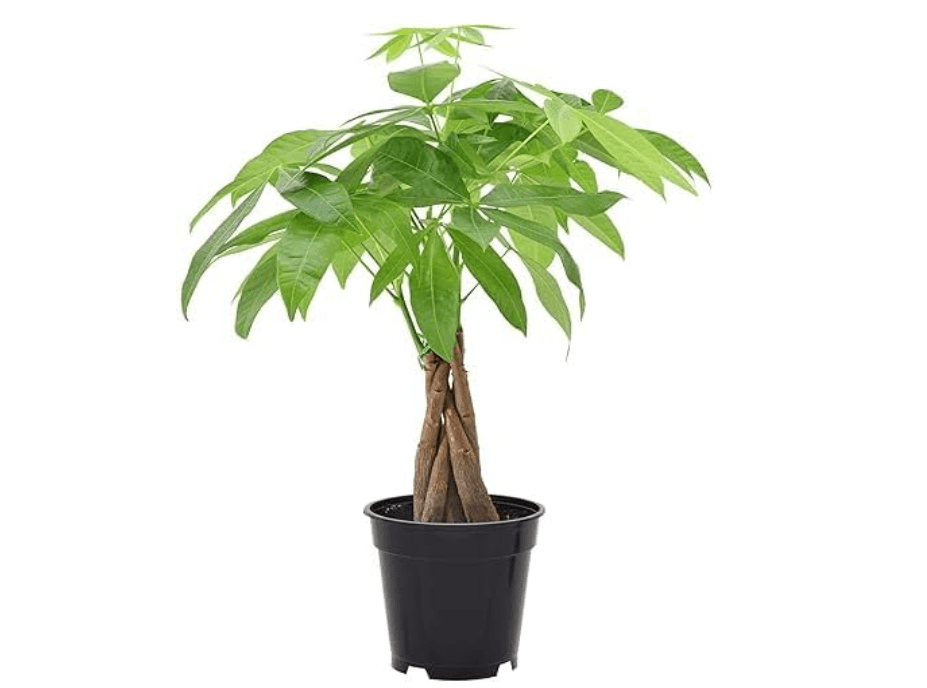
3. Pachira Aquatica (Money Tree)
The Money Tree is a stunning indoor tree famous for its expertly braided trunk and umbrella-like canopies of bright green, five-lobed leaves. It is highly prized in Feng Shui, where it is believed to trap fortune and bring good luck to its owner.
-
Price:
-
Key Features & Benefits: 100% pet-safe; adaptable to various light conditions; features a visually unique braided trunk.
-
Pros & Cons:
-
Pros: Completely safe for cats and dogs; visually striking; highly forgiving with occasional watering mistakes.
-
Cons: Can become “leggy” (stretching out) if the light is excessively low; prone to spider mites in dry winter air.
-
-
Amazon Ratings & Reviews: Averages 4.5/5 stars. Buyers love giving it as a housewarming gift and frequently highlight its lush canopy.
-
Why It’s a Good Choice for Low Light: It is highly adaptable. While it prefers bright indirect light, it will easily maintain its canopy in shaded environments without rapidly dropping leaves.
-
Ideal Use Case: Ideal for pet owners, home offices, and those looking to add a touch of Feng Shui and positive energy to a dim bedroom.
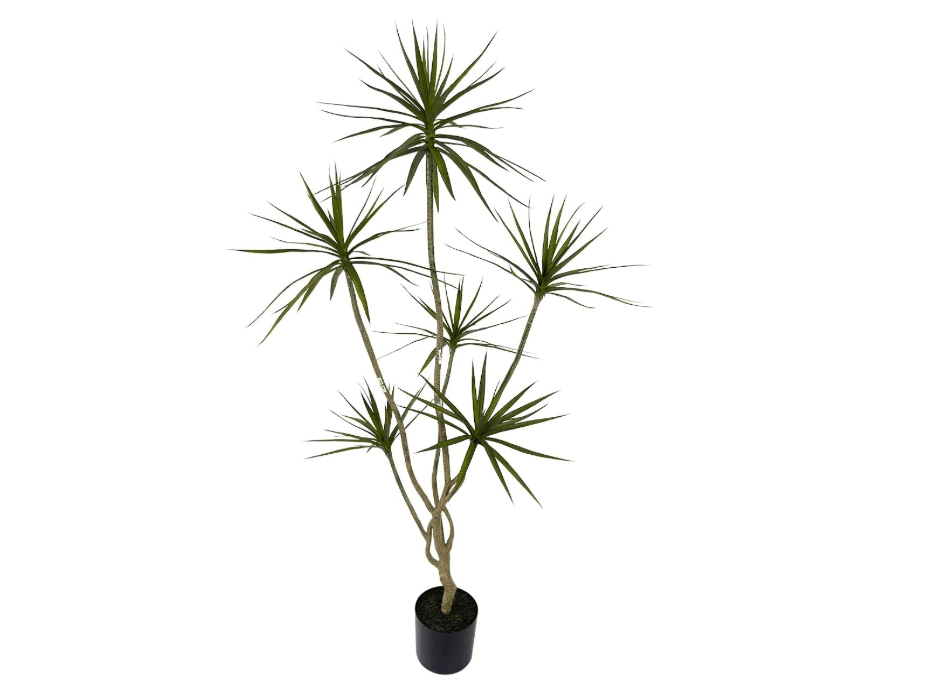
4. Dracaena Marginata (Madagascar Dragon Tree)
The Madagascar Dragon Tree is a spiky, architectural marvel. It features slender, twisting grey stems topped by bursts of narrow, red-edged green leaves. It looks like something straight out of a Dr. Seuss book and adds an instant modern edge to any room.
-
Price:
-
Key Features & Benefits: Narrow, compact profile fits perfectly into tight corners; excellent at filtering indoor air toxins; incredibly drought-resistant.
-
Pros & Cons:
-
Pros: Unique, modern aesthetic; takes up very little horizontal space; very low water requirements.
-
Cons: Toxic to cats and dogs; lower leaves naturally shed as it grows (which often unnecessarily alarms new owners).
-
-
Amazon Ratings & Reviews: Generally 4.3/5 stars. Reviewers highlight its modern look and note that it handles air conditioning drafts and dark corners brilliantly.
-
Why It’s a Good Choice for Low Light: It happily stalls its growth in low light without suffering health declines, making it a stable, long-lasting fixture in your decor.
-
Ideal Use Case: Great for modern, minimalist apartments, tight entryways, and shady corners that need a vertical element.
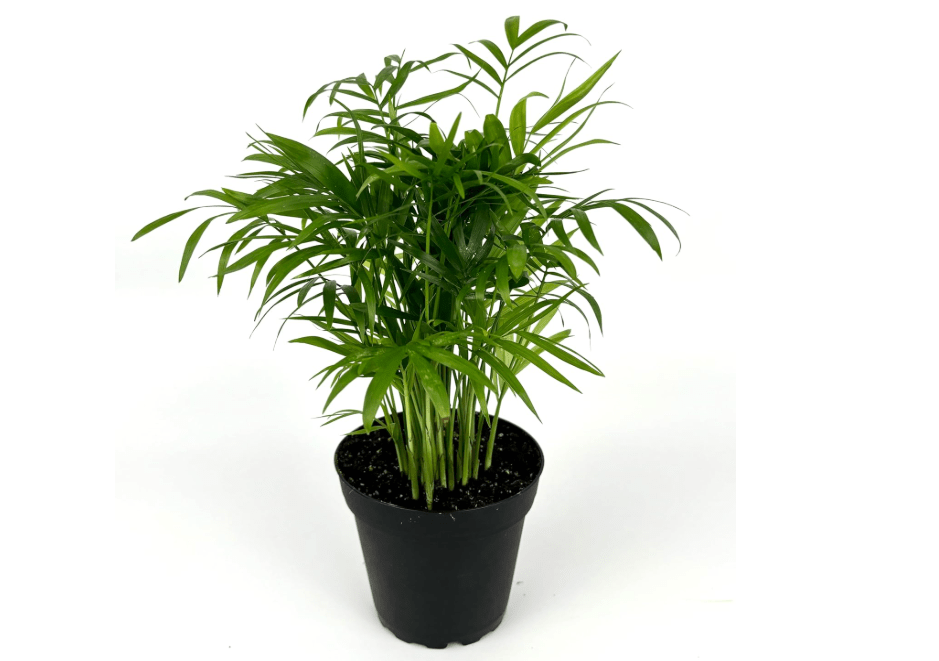
5. Chamaedorea Elegans (Parlor Palm)
The Parlor Palm is a lush, feathery plant with elegant, arching fronds that cluster together to create a dense, tropical canopy. It brings a soft, textural element to indoor spaces and has been a popular houseplant for over a century.
-
Price: $20.95
-
Key Features & Benefits: 100% pet-safe; dense growth habit hides the pot and soil; excellent for adding a soft, tropical texture to a room.
-
Pros & Cons:
-
Pros: Completely safe for cats and dogs; very inexpensive; thrives in average home temperatures.
-
Cons: Susceptible to root rot if overwatered; prefers occasional misting to maintain humidity.
-
-
Amazon Ratings & Reviews: Averages 4.4/5 stars. Customers appreciate its non-toxic nature and its ability to instantly make a room feel like a tropical resort.
-
Why It’s a Good Choice for Low Light: It was cultivated heavily during the Victorian era specifically because it could thrive in the dim, coal-heated, poorly lit parlors of the time.
-
Ideal Use Case: The absolute best choice for households with curious, leaf-chewing pets and spaces needing a soft, organic touch.
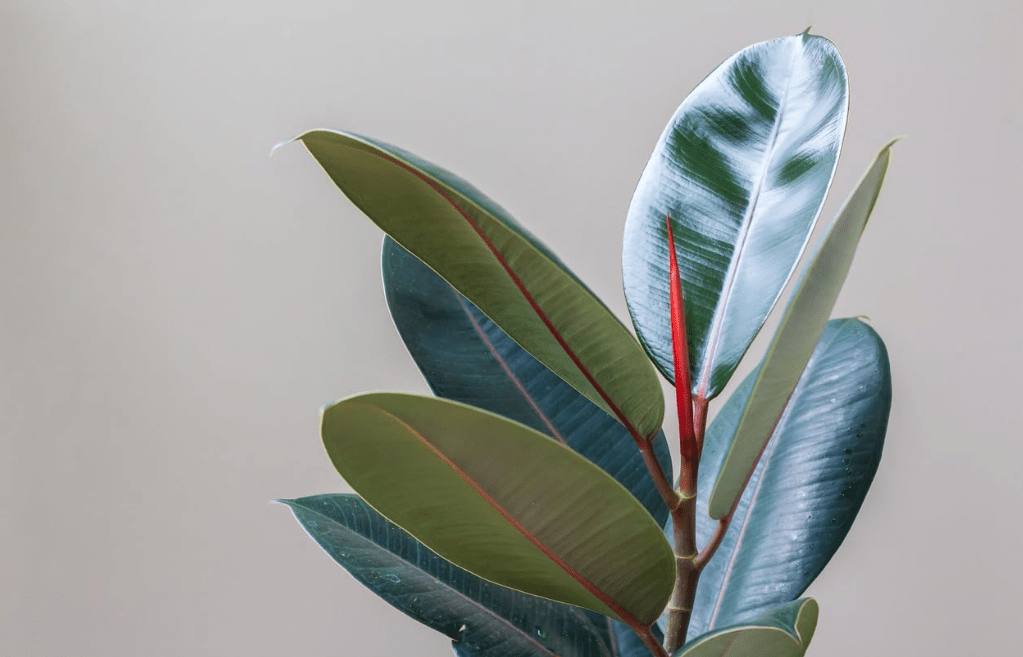
6. Ficus Elastica (Rubber Tree – Dark Varieties)
The Rubber Tree is a robust, sturdy plant featuring massive, glossy, leathery leaves. For low light areas, darker varieties like the ‘Burgundy’ or ‘Robusta’ are essential, featuring deep green-to-almost-black foliage that commands attention.
-
Price:
-
Key Features & Benefits: Massive leaf surface area; striking, bold, dark foliage; can grow quite tall indoors with proper care.
-
Pros & Cons:
-
Pros: Beautiful, commanding presence; very easy to wipe clean; easy to propagate from cuttings.
-
Cons: The white sap is mildly toxic and can irritate skin and pets; growth will halt completely in very low light.
-
-
Amazon Ratings & Reviews: Typically 4.6/5 stars. Reviewers are obsessed with the shiny, massive leaves, though many warn that overwatering will cause rapid leaf drop.
-
Why It’s a Good Choice for Low Light: Varieties with darker, solid leaves have more Chlorophyll B, allowing them to absorb ambient, low-spectrum light much more efficiently than heavily variegated plants.
-
Ideal Use Case: Best for living rooms or dining spaces that receive at least some ambient, indirect light bouncing off walls from a nearby window.
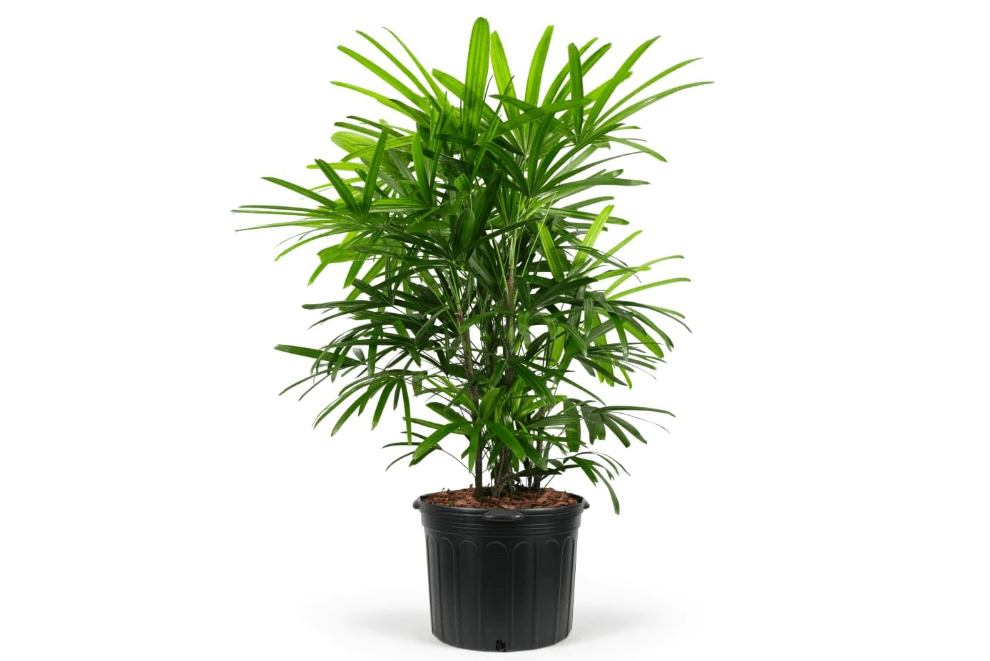
7. Rhapis Excelsa (Lady Palm)
The Lady Palm is a luxurious, multi-stemmed palm with broad, fan-like fronds that resemble glossy green bamboo. It is widely considered one of the most elegant and refined indoor trees available.
-
Price: $149.99
-
Key Features & Benefits: Outstanding air purification capabilities; highly tolerant of low light and cooler temperatures; pet-safe.
-
Pros & Cons:
-
Pros: Elegant, high-end architectural look; non-toxic; very slow-growing (meaning it won’t rapidly outgrow its space).
-
Cons: Expensive compared to other palms; the tips of the leaves can turn brown if watered with hard, mineral-heavy tap water.
-
-
Amazon Ratings & Reviews: Averages 4.7/5 stars. Buyers frequently consider it an “investment plant” that instantly elevates their home decor to a professional design level.
-
Why It’s a Good Choice for Low Light: It naturally grows as an understory plant in dense Asian forests, making it one of the most shade-tolerant palms in existence.
-
Ideal Use Case: Perfect for luxury office spaces, formal living rooms, and pet-friendly homes willing to spend a bit more for premium aesthetics.
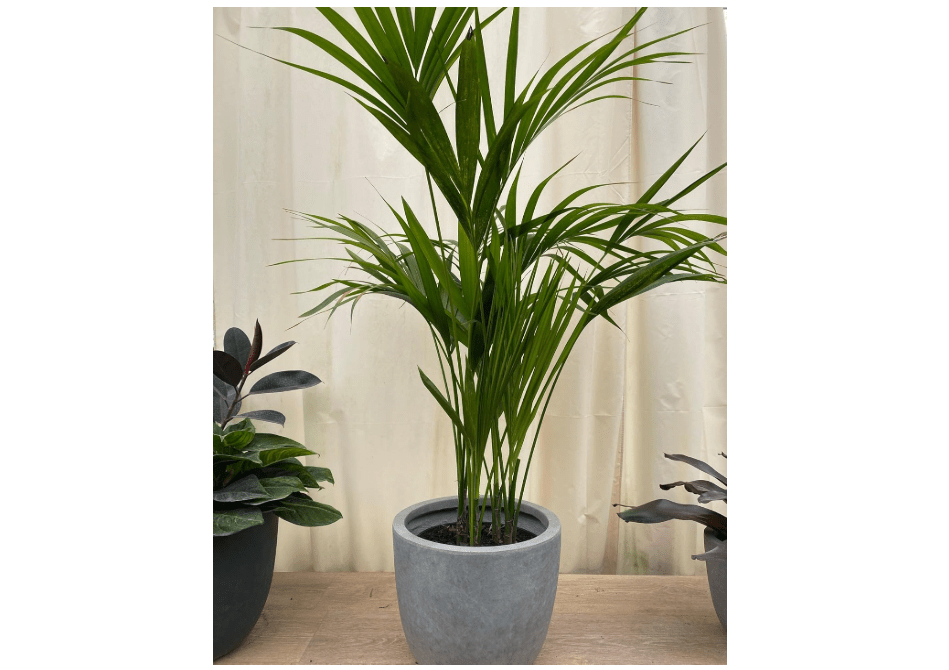
8. Howea Forsteriana (Kentia Palm)
The Kentia Palm is the quintessential tropical tree, featuring a slender green trunk and long, elegant, sweeping fronds that cast beautiful, architectural shadows against walls.
-
Price:
-
Key Features & Benefits: Classic resort aesthetic; incredibly forgiving of poor indoor conditions; 100% pet-safe.
-
Pros & Cons:
-
Pros: Unmatched tropical elegance; tolerates neglect, air conditioning drafts, and deep shade.
-
Cons: High price tag due to slow cultivation times; very slow grower.
-
-
Amazon Ratings & Reviews: Usually 4.8/5 stars. Reviewers consistently note that it survives and looks beautiful in spots where cheaper Majesty Palms quickly dry up and fail.
-
Why It’s a Good Choice for Low Light: It is famously adaptable. It was a favorite of Queen Victoria because it could handle the dark, drafty conditions of 19th-century homes better than almost any other large plant.
-
Ideal Use Case: High-end interior design setups, upscale home offices, and anyone who wants a tropical look without the intense light requirements of a standard palm.
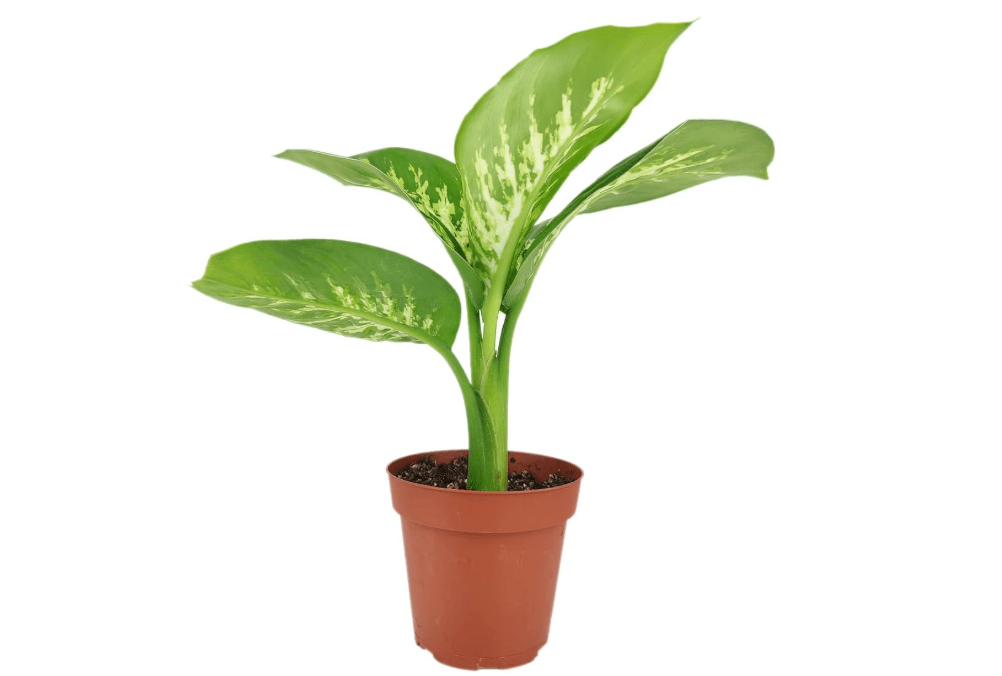
9. Dieffenbachia ‘Tropic Snow’ (Dumb Cane)
The ‘Tropic Snow’ is a massive, statement-making plant with giant, paddle-shaped leaves that are heavily variegated with creamy white and vibrant green patterns. It brings a wild, jungle-like energy indoors.
-
Price: $42.00
-
Key Features & Benefits: Rapid growth rate when happy; massive leaves create a dense jungle feel; acts as a natural room humidifier due to high transpiration.
-
Pros & Cons:
-
Pros: Lush, colorful foliage breaks up a room of solid green plants; highly adaptable to standard interior conditions.
-
Cons: Highly toxic (the sap causes severe mouth swelling if ingested, hence the name “Dumb Cane”); requires regular pot rotation to prevent leaning toward the light.
-
-
Amazon Ratings & Reviews: Averages 4.5/5 stars. Customers frequently compliment the stunning leaf patterns and note how quickly it fills up an empty space.
-
Why It’s a Good Choice for Low Light: While heavy variegation usually requires high light (otherwise the plant reverts to solid green), the ‘Tropic Snow’ variety is uniquely robust and retains its massive size and color patterns even in the shade.
-
Ideal Use Case: Excellent for empty, dull corners in pet-free and child-free homes where a massive pop of pattern and color is needed.
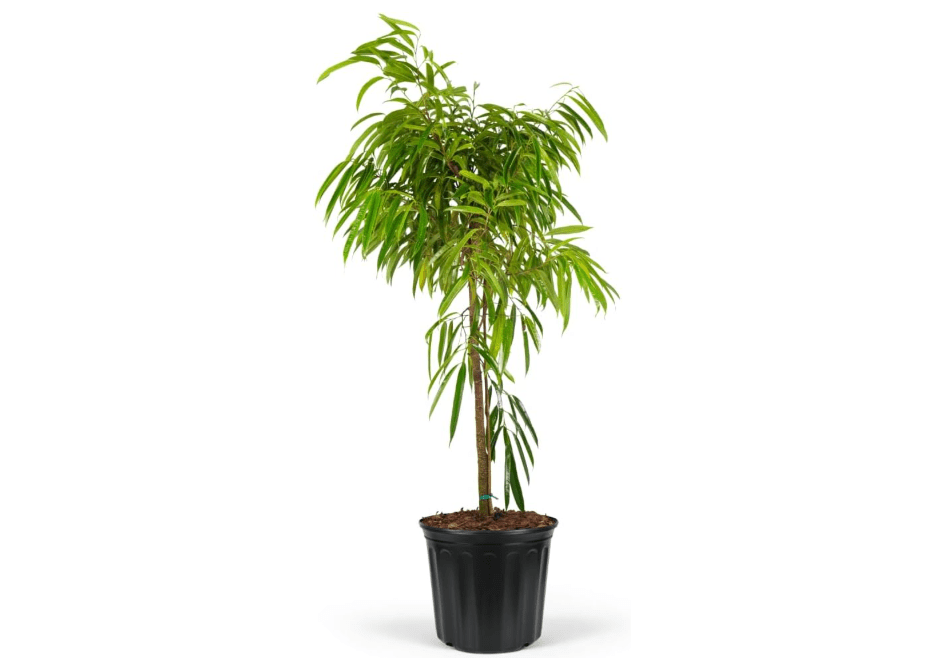
10. Ficus Alii (Banana Leaf Fig)
The Ficus Alii is a graceful, slender tree with long, narrow, willow-like leaves that drape elegantly downward. It offers a totally different texture compared to the broad leaves of most indoor trees.
-
Price: $95.00
-
Key Features & Benefits: Much less finicky than the wildly popular (but difficult) Fiddle Leaf Fig; retains its leaves beautifully; striking weeping aesthetic.
-
Pros & Cons:
-
Pros: Highly resilient against the “leaf drop” that plagues other Ficus trees; unique textured look; very easy to prune and shape.
-
Cons: Toxic to pets; still requires some ambient light to prevent the canopy from eventually thinning out.
-
-
Amazon Ratings & Reviews: Typically 4.4/5 stars. Buyers praise it as the “easy alternative” to other high-maintenance Ficus trees, noting its long-lasting beauty.
-
Why It’s a Good Choice for Low Light: It adapts to lower light conditions much faster than its cousins, holding onto its foliage even when pushed away from direct window light.
-
Ideal Use Case: Perfect for those who love the tall, arboreal look of indoor trees but have failed with Fiddle Leaf Figs in the past.
IV. At-a-Glance Comparison Matrix
| Tree Name | Pet Safe? | Watering Needs |
| Dracaena Fragrans | No | Low |
| ZZ Plant | No | Very Low |
| Pachira Aquatica | Yes | Moderate |
| Dracaena Marginata | No | Low |
| Chamaedorea Elegans | Yes | Moderate |
| Ficus Elastica | No | Moderate |
| Rhapis Excelsa | Yes | Moderate |
| Howea Forsteriana | Yes | Moderate |
| Dieffenbachia ‘Tropic Snow’ | No | Moderate |
| Ficus Alii | No | Moderate |
V. Expert Care Tips for Low Light Indoor Trees
Keeping your shade-tolerant trees healthy requires a slightly different approach than caring for plants sitting in a bright, sunny window:
-
Water Less: This is the golden rule. Low light means less photosynthesis, which means the plant drinks water much slower. Overwatering is the number one killer of low-light plants. Always let the top few inches of soil dry out completely before watering again.
-
Keep Leaves Clean: Dust acts like a physical light filter, blocking the already limited light in your dark room. Wiping the leaves down with a damp cloth once a month ensures your tree can efficiently absorb whatever ambient light is available.
-
Rotate Regularly: Plants in dim corners will naturally reach and stretch toward the nearest light source. Turn the pot a quarter-turn every time you water to ensure the tree grows straight and maintains an even, balanced canopy.
VI. Conclusion
A dark room does not have to mean a lifeless room. By selecting the right species, you can absolutely cultivate a beautiful, thriving indoor garden regardless of your floor plan’s window situation.
If you are a pet owner, you cannot go wrong with the elegant Parlor Palm or the luxurious Kentia Palm. If you are looking to conquer the absolute darkest corner of your basement or office, the practically indestructible ZZ Plant is your best bet.
Don’t let a lack of sunshine stop you from enjoying the benefits of indoor nature. Review our list of the best 10 low light indoor trees, measure your space, check your light levels, and click through to Amazon to order your new statement piece today.