Imagine walking out into your own backyard on a crisp late-winter morning. The frost is still on the ground as you unhook a bucket from a sturdy tree trunk, revealing gallons of crystal-clear sap. Later that afternoon, a sweet, earthy aroma fills your home as you boil that sap down into rich, golden, homemade maple syrup. It is the ultimate homesteading dream. But to make it a reality, you must plant the right foundation. That is why we have researched the best 10 maple tree for syrup options available today.
Unfortunately, many beginners unknowingly sabotage their future harvest before it even begins. They buy the wrong tree species for their climate or purchase weak, low-viability saplings from unreliable vendors. Planting the wrong tree means investing years of patience only to be rewarded with watery sap, agonizingly poor syrup yields, or trees that simply cannot survive the local freeze-thaw cycle.
You do not have to make those costly mistakes. This guide is your definitive resource for choosing the right tree for your property. We are breaking down the exact live trees, potted saplings, and bare-root formats currently available on Amazon that are proven to thrive. We will show you exactly what yields the highest-sugar sap and how to transform your yard into a personal sugarbush. Whether you are looking for a fast-growing alternative or the traditional gold standard, read on to discover the best 10 maple tree for syrup to jumpstart your sugaring journey.
II. Buying Guide: How to Choose the Right Maple Tree for Your Yard
Before jumping into individual plant reviews, it is essential to understand the biological mechanics of sugaring. Selecting the right tree involves balancing sugar content, climate adaptability, and your own patience level.
-
Sugar Content vs. Sap Volume: The golden rule of maple sugaring is the Rule of 86. On average, it takes 43 gallons of 2% sap to produce 1 gallon of finished syrup. If your tree’s sap has a lower sugar content, you will spend significantly more time and energy boiling off water. This is why Acer saccharum (Sugar Maple) remains the undisputed king of syrup production.
-
Climate and Hardiness Zones: Maple trees require a specific weather pattern to produce sap: freezing nights followed by thawing days. Check your USDA hardiness zone before purchasing. Most syrup-producing maples thrive best in zones 3 through 8.
-
Format Matters (Seeds vs. Bare Root vs. Potted Sapling): Your choice of format dictates your timeline. Potted saplings arrive with established root systems and save you years of early cultivation. Bare-root trees are economical and easy to ship, but require careful initial watering. Seeds are the cheapest route, but require cold stratification and immense patience before they reach a tap-able diameter of 10 to 12 inches.
-
Yard Space and Growth Rate: Consider your long-term landscape. Maples are large, majestic shade trees that can live for centuries. Ensure you have adequate spacing away from power lines and foundations.
III. Quick Comparison Table
| Product Name | Format & Species | Best For |
| 1. Premium Live Sugar Maple | Potted Sapling (Acer saccharum) | Maximum sugar content and traditional syrup flavor |
| 2. Black Maple Bare Root | Bare Root Tree (Acer nigrum) | Drier soils and Midwestern hardiness |
| 3. Red Maple Live Plant | Potted Plant (Acer rubrum) | Faster growth rates and versatile landscaping |
| 4. Sugar Maple Seeds | Seed Pack (Acer saccharum) | Budget-friendly large-scale sugarbush planting |
| 5. Silver Maple Sapling | Potted Sapling (Acer saccharinum) | Wet, poorly drained soils and rapid early growth |
| 6. Autumn Blaze Hybrid | Potted Sapling (Acer rubrum x saccharinum) | Dual-purpose ornamental color and backup tapping |
| 7. Bigleaf Maple Seedlings | Seedlings (Acer macrophyllum) | West Coast growers seeking unique flavor profiles |
| 8. Norway Maple Tree | Bare Root (Acer platanoides) | Urban hardiness and pollution resistance |
| 9. Boxelder / Manitoba Maple | Bare Root (Acer negundo) | Extreme northern climates and heavy syrup |
| 10. Maple Seedling Starter Kit | Indoor Grow Kit | Educational projects, gifting, and hobbyists |
IV. Detailed Product Reviews: The 10 Best Maple Trees for Syrup
1. The Gold Standard: Premium Live Sugar Maple (Acer saccharum) Potted Sapling
Compelling Product Description: Grown in professional nurseries with robust, well-established root systems, this live Sugar Maple sapling is your fast-track to authentic homestead syrup. Known historically and biologically as the absolute finest source of maple syrup, this tree produces sap with a naturally high sugar concentration, minimizing your time spent boiling over a stove or evaporator.

-
Price:
-
Key Features and Benefits:
-
Industry-leading 2% to 3% sap sugar concentration.
-
Arrives actively growing in a soil container to prevent transplant shock.
-
Breathtaking brilliant orange and red autumn foliage that enhances property value.
-
Incredible longevity, often living for over 200 years.
-
-
Pros and Cons:
-
Pros: Highest quality syrup yield; classic gourmet maple taste; strong root ball on arrival.
-
Cons: Moderate to slow growth rate; sensitive to heavy urban salt pollution.
-
-
Amazon Customer Ratings and Reviews: Highly rated (averaging 4.4/5 stars). Customers frequently praise the careful packaging and healthy, green leaves upon unboxing, though a few note that initial vertical growth takes a couple of seasons to accelerate.
-
Why it’s a good choice for the best 10 maple tree for syrup: It is the benchmark against which all other syrup trees are measured, giving you the highest return on investment for your boiling labor.
-
Ideal Use Case / Who Should Buy It: Homesteaders and property owners in USDA Zones 3–8 who want authentic, top-tier maple syrup and are willing to invest in a premier perennial shade tree.
2. The Robust Alternative: Black Maple (Acer nigrum) Bare Root Tree
Compelling Product Description: The Black Maple is a close cousin to the classic Sugar Maple, sharing nearly identical sap characteristics while offering enhanced resilience against environmental stressors. Shipped as a dormant bare-root specimen, it awakens vigorously once planted in early spring.

-
Price: $28.90
-
Key Features and Benefits:
-
Produces sap with a sugar content virtually indistinguishable from the Sugar Maple.
-
Distinctive, drooping dark green leaves that provide dense summer shade.
-
Dormant bare-root shipping ensures lower carbon footprint and easy handling.
-
-
Pros and Cons:
-
Pros: Tolerates slightly drier and hotter soil conditions better than the standard Sugar Maple.
-
Cons: Bare-root trees require immediate, precise planting to prevent root dehydration.
-
-
Amazon Customer Ratings and Reviews: Rated 4.2/5 stars. Buyers highlight its impressive hardiness once established, though beginners note that watching dormant roots sprout requires patience.
-
Why it’s a good choice for the best 10 maple tree for syrup: It provides the exact same premium syrup quality as a Sugar Maple while offering better adaptability to localized soil variations.
-
Ideal Use Case / Who Should Buy It: Gardeners in the American Midwest or regions with slightly drier topsoils who still demand top-shelf maple syrup.
3. The Fast Grower: Red Maple (Acer rubrum) Live Plant
Compelling Product Description: If you want to shorten the timeline between planting and your first backyard tapping session, the Red Maple is an exceptional choice. Named for its brilliant red flowers, twigs, and fall color, this live plant establishes rapidly in varied environments.

-
Price: $45.00
-
Key Features and Benefits:
-
Noticeably faster growth rate than Sugar or Black maples.
-
Highly adaptable to a wide range of soil moisture levels.
-
Vibrant red seasonal interest year-round.
-
-
Pros and Cons:
-
Pros: Reaches tap-able trunk diameter years earlier; handles clay soils well.
-
Cons: Sap sugar content is slightly lower (~1.5%), meaning you will need to boil more volume to get the same amount of finished syrup.
-
-
Amazon Customer Ratings and Reviews: Averaging 4.3/5 stars. Reviewers love the rapid growth speed and striking autumn color, noting the trees arrive well-hydrated.
-
Why it’s a good choice for the best 10 maple tree for syrup: It balances quick landscape establishment with a reliable, albeit slightly diluted, syrup harvest.
-
Ideal Use Case / Who Should Buy It: Impatient homesteaders or suburban property owners who want a fast-growing shade tree that can still be tapped for personal syrup production.
4. The Budget Starter: Sugar Maple Seeds (Pack of 50+)
Compelling Product Description: For the true DIY homesteader looking to establish a massive, woodlot-scale sugarbush on a tight budget, this bulk pack of viable Sugar Maple seeds offers an economical foundation.

-
Price: $5.99
-
Key Features and Benefits:
-
Cost-effective way to grow dozens of trees from scratch.
-
Harvested from high-yielding parent trees.
-
Fosters a deep, rewarding connection to your land’s ecosystem from day one.
-
-
Pros and Cons:
-
Pros: Unbeatable price per tree; highly educational.
-
Cons: Requires cold stratification (artificial winter simulation) before planting; high mortality rate during early seedling stages.
-
-
Amazon Customer Ratings and Reviews: Rated 4.0/5 stars. Successful buyers emphasize following germination instructions meticulously; inexperienced growers occasionally struggle with sprouting rates.
-
Why it’s a good choice for the best 10 maple tree for syrup: It makes large-scale sugarbush creation accessible to anyone willing to put in the horticultural groundwork.
-
Ideal Use Case / Who Should Buy It: Patient environmentalists, foresters, and homesteaders working on large acreage looking to plant an entire grove cheaply.
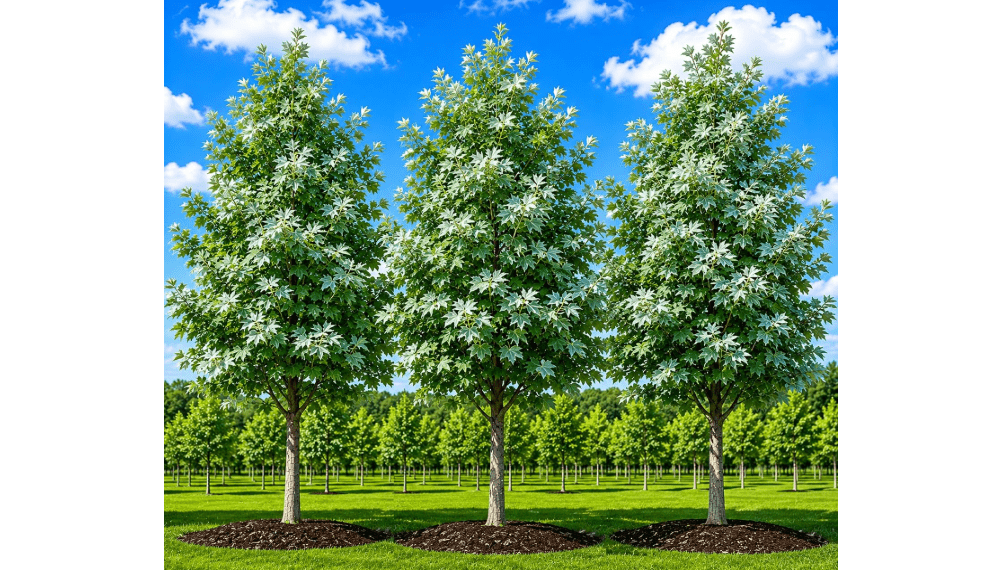
5. The Early Bloomer: Silver Maple (Acer saccharinum) Sapling
Compelling Product Description: The Silver Maple is famous for its aggressive growth speed and tolerance for difficult, waterlogged soils. While its wood is softer than a Sugar Maple, its early spring bud-break makes it one of the very first trees to push sap.
-
Price:
-
Key Features and Benefits:
-
Unmatched growth velocity, often adding several feet of height per year.
-
Thrives in damp ditches, low-lying yards, and heavy clay.
-
Produces a sweet sap that can be harvested very early in the season.
-
-
Pros and Cons:
-
Pros: Grows almost anywhere; handles wet feet effortlessly.
-
Cons: Lower sugar content requires extensive boiling; softer wood can be prone to storm damage in maturity.
-
-
Amazon Customer Ratings and Reviews: Averaging 4.1/5 stars. Users praise how fast the sapling transforms into a substantial tree, though some warn about surface roots.
-
Why it’s a good choice for the best 10 maple tree for syrup: It provides a viable syrup harvest in wet, swampy areas where traditional Sugar Maples would drown.
-
Ideal Use Case / Who Should Buy It: Property owners with low-drainage yards or wet spots who want a fast-growing tree that they can tap for hobby syrup.
6. The High-Volume Hybrid: Autumn Blaze Maple (Red/Silver Cross)
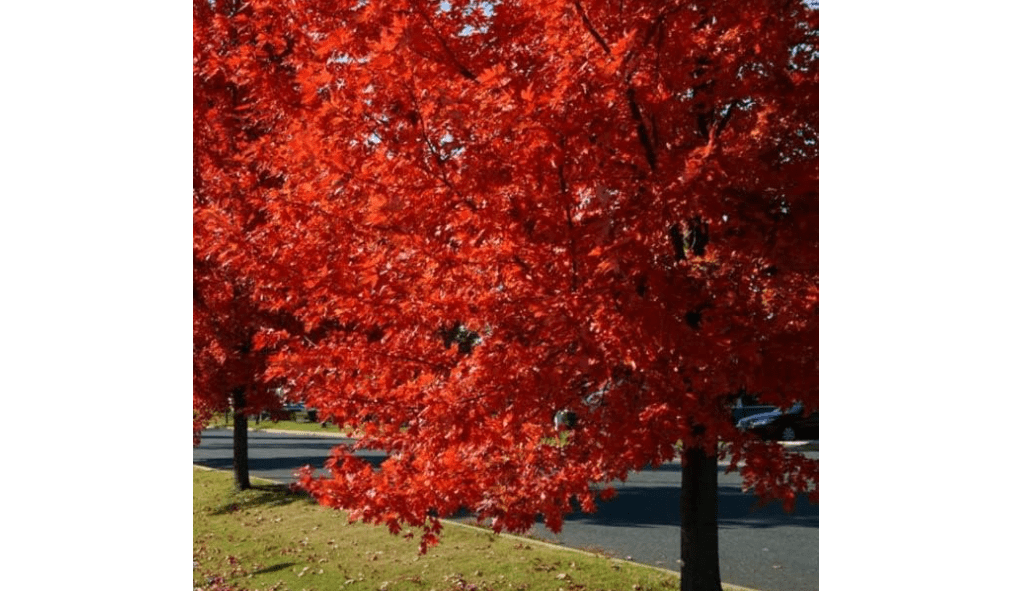
Compelling Product Description: A masterclass in modern horticulture, the Autumn Blaze Maple is a hybrid cross between the Red Maple and the Silver Maple. Bred primarily for its legendary, blazing neon-orange fall color and structural strength, it is also fully tap-able.
-
Price:
-
Key Features and Benefits:
-
Exceptional structural strength, resisting ice and wind damage better than a pure Silver maple.
-
Stunning, long-lasting autumn leaf display.
-
Fast growth rate combined with moderate sugar density.
-
-
Pros and Cons:
-
Pros: Incredible ornamental beauty; faster maturity than standard sugar maples.
-
Cons: Premium pricing compared to wild-type saplings.
-
-
Amazon Customer Ratings and Reviews: Highly rated at 4.6/5 stars. Customers rave about its brilliant autumn transformation and vigorous health upon delivery.
-
Why it’s a good choice for the best 10 maple tree for syrup: It bridges the gap between high-end landscape aesthetics and functional backyard sugaring.
-
Ideal Use Case / Who Should Buy It: Suburban homeowners who want an elite ornamental front-yard tree that doubles as a fun hobby tapping project in the winter.
7. The Pacific Coast Pick: Bigleaf Maple (Acer macrophyllum) Seedlings
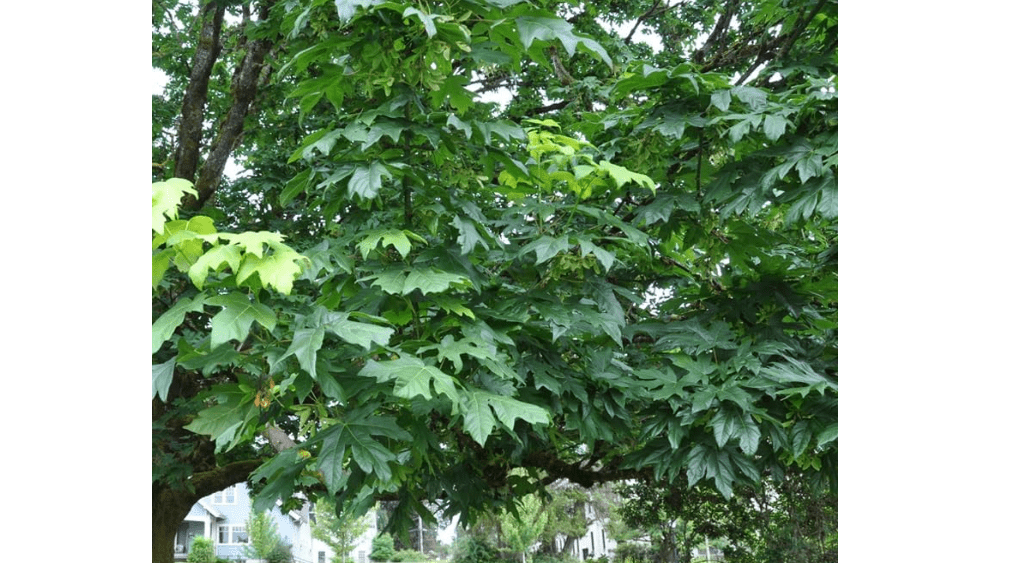
Compelling Product Description: Native to the Pacific Northwest, the Bigleaf Maple features massive, dinner-plate-sized leaves and is the premier commercial syrup maple west of the Cascades. These seedlings are cultivated specifically for growers in western climates.
-
Price: $15.00
-
Key Features and Benefits:
-
The only native commercial syrup maple for the West Coast.
-
Produces a distinct, rich syrup with hints of vanilla and caramel flavor profiles.
-
Thrives in maritime and mild coastal climates.
-
-
Pros and Cons:
-
Pros: Fills a crucial geographic gap for West Coast homesteaders.
-
Cons: Does not thrive in harsh eastern continental winters or intense summer droughts.
-
-
Amazon Customer Ratings and Reviews: Rated 4.3/5 stars. PNW buyers express excitement at finally having a local maple option that performs well in their climate zone.
-
Why it’s a good choice for the best 10 maple tree for syrup: It is the definitive answer for west-of-the-Cascades residents who cannot grow standard eastern Sugar Maples.
-
Ideal Use Case / Who Should Buy It: Homesteaders and hobbyists located in Washington, Oregon, or Northern California looking to tap native regional trees.
8. The Cold Hardy Survivor: Norway Maple (Acer platanoides) Tree
Compelling Product Description: A dense, shade-casting European import, the Norway Maple is exceptionally tough, tolerating urban smog, compacted soils, and harsh cold. It yields a rich sap and stands up firmly to neglected yard conditions.

-
Price:
-
Key Features and Benefits:
-
Virtually indestructible in urban and suburban environments.
-
Dense canopy providing heavy shade.
-
Good sap yield with decent sugar concentration.
-
-
Pros and Cons:
-
Pros: Thrives where other maples wither; very low maintenance.
-
Cons: Considered invasive in certain northeastern states due to heavy self-seeding (check local extension guidelines before planting).
-
-
Amazon Customer Ratings and Reviews: Averaging 4.0/5 stars. Users note its fast establishment, though some emphasize monitoring local ecological guidelines.
-
Why it’s a good choice for the best 10 maple tree for syrup: It offers a bulletproof option for difficult city lots or poor soil conditions where delicate saplings fail.
-
Ideal Use Case / Who Should Buy It: Urban or suburban homesteaders dealing with poor soil quality who want a resilient tree for dual-purpose shade and tapping.
9. The Unique Flavor Profile: Boxelder / Manitoba Maple (Acer negundo) Bare Root
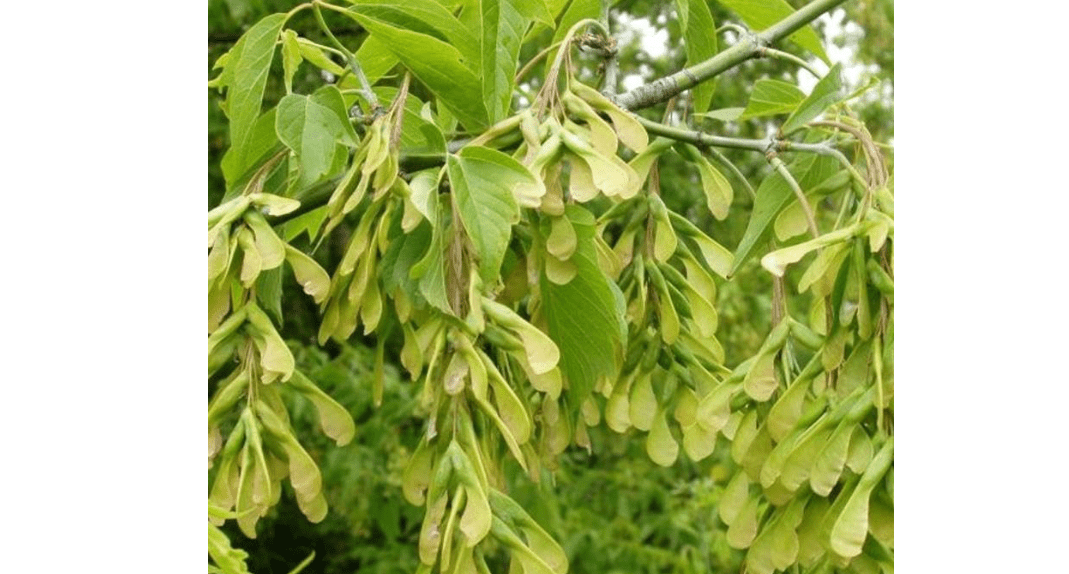
Compelling Product Description: Often overlooked because of its irregular branching, the Boxelder is actually a tough-as-nails species of maple. Widely distributed across the Canadian prairies and the American plains, it yields a unique, heavier syrup reminiscent of molasses or caramel.
-
Price:
-
Key Features and Benefits:
-
Extreme cold hardiness, surviving where standard maples freeze out.
-
Produces a distinct, rich, amber-colored syrup with a heavier flavor profile.
-
Extremely drought and flood tolerant.
-
-
Pros and Cons:
-
Pros: Grows in harsh northern climates; unique culinary flavor.
-
Cons: Shorter lifespan and messier branching structure than a Sugar Maple.
-
-
Amazon Customer Ratings and Reviews: Rated 4.1/5 stars. Buyers in northern zones appreciate its ability to survive brutal winters and still produce sweet sap.
-
Why it’s a good choice for the best 10 maple tree for syrup: It opens up syrup production for northern growers living outside traditional sugar maple belts.
-
Ideal Use Case / Who Should Buy It: Homesteaders in harsh northern climates or the upper Midwest seeking a reliable, high-survival-rate syrup tree.
10. The Hobbyist’s Complete Package: Maple Seedling Starter Grow Kit
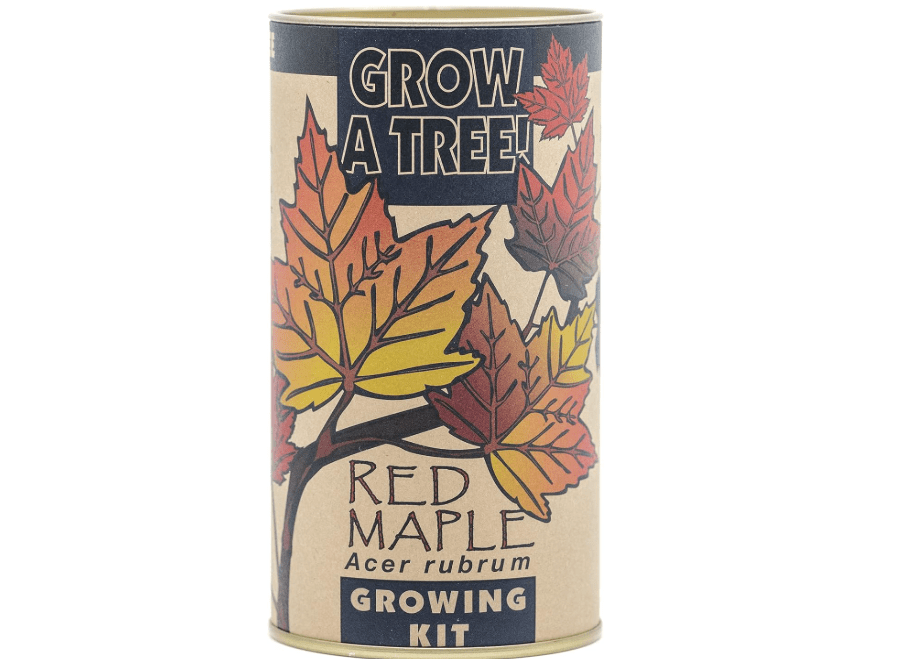
Compelling Product Description: For those who want an all-in-one educational project or a wonderful gift for an aspiring gardener, this comprehensive kit includes everything required to germinate maple seeds indoors right out of the box.
-
Price:
-
Key Features and Benefits:
-
Includes verified viable seeds, nutrient soil disks, biodegradable pots, and a mini greenhouse dome.
-
Step-by-step instructions remove guesswork for novice growers.
-
Fun family project for winter months leading into spring planting.
-
-
Pros and Cons:
-
Pros: Great value; excellent gift item; highly engaging for kids.
-
Cons: Starting from seed requires years of growth before actual syrup production can begin.
-
-
Amazon Customer Ratings and Reviews: Rated 4.5/5 stars. Customers love the completeness of the kit and report high germination rates when keeping the soil warm and moist.
-
Why it’s a good choice for the best 10 maple tree for syrup: It provides an accessible, low-risk entry point into growing maple trees from absolute scratch.
-
Ideal Use Case / Who Should Buy It: Beginners, families, classrooms, or anyone looking for a thoughtful, hands-on gardening gift.
V. Essential Maple Tapping Accessories (Bonus Upsell Section)
Once your trees mature to a 10-to-12-inch trunk diameter, you will need the right gear to harvest your liquid gold. Consider adding these top-rated Amazon accessories to your cart:
-
Stainless Steel Spiles & Hooks: Ditch outdated plastic taps for food-grade, antimicrobial stainless steel spiles that last for decades and keep your trees healthy year after year.
-
Food-Grade Sap Collection Buckets or Bags: Look for UV-resistant plastic buckets with protective lids to keep rainwater and debris out of your raw sap.
-
Digital Refractometer / Hydrometer: Essential for testing your syrup density during the boil so you know precisely when thin sap has transformed into shelf-stable, perfect syrup.
VI. Frequently Asked Questions (SEO FAQs)
-
How long does it take for a maple tree to be ready for tapping?
Trees grown from seed generally take 30 to 40 years to reach the minimum 10-to-12-inch trunk diameter required for safe tapping. Potted saplings purchased online can cut this timeline down considerably, often reaching maturity in 15 to 20 years depending on local soil nutrition and climate.
-
Can you make syrup from a Red or Silver maple?
Yes, absolutely. While Sugar Maples contain the highest sugar concentration (~2%), Red and Silver maples produce perfectly delicious syrup. The primary difference is that lower sugar levels require you to boil off more water per finished gallon of syrup.
-
Do tapping holes hurt the maple tree?
When executed correctly using standard 5/16-inch or 7/16-inch spiles on mature, healthy trees, tapping does permanent harm. Trees naturally compartmentalize and heal the small wound within a single growing season. Never tap young saplings under 10 inches in diameter.
VII. Conclusion & Top Recommendations
Embarking on a backyard sugaring journey is one of the most rewarding long-term projects a homesteader can undertake. If you want the absolute highest efficiency and traditional flavor, invest in #1: The Premium Live Sugar Maple Potted Sapling. If you are looking for rapid growth and a forgiving landscape tree, #3: The Red Maple or #6: The Autumn Blaze Hybrid will serve you wonderfully.
Do not wait until spring planting season rushes in—live tree stock on Amazon fluctuates rapidly based on weather and climate cycles. Click through to Amazon today to secure your saplings, check current availability, and take your first step toward harvesting your very own liquid gold