

Every new gardener dreams of stepping onto their patio and plucking a perfectly ripe, sun-warmed tomato straight from the vine. But reality often hits hard when that cute little seedling you bought in spring turns into a towering, eight-foot jungle monster that demands heavy staking, endless pruning, and more space than your balcony can offer. If you are short on space, time, or experience, you are in the right place. Finding the best dwarf tomato varieties for beginners is the ultimate secret to enjoying massive, flavorful harvests without the overwhelming maintenance of traditional vines.
After testing dozens of compact cultivars across small balcony pots, raised beds, and windowsill containers over several growing seasons, I have narrowed down the absolute foolproof winners. These sturdy, compact plants require minimal fuss, fit perfectly into small spaces, and deliver a harvest that rivals their giant cousins. Let’s dive into the ultimate guide to growing dwarf tomatoes, complete with my top seven recommendations that will guarantee your container garden thrives this season! 🧑🌾💚
🔍 What Exactly Is a Dwarf Tomato? (And Why They’re a Beginner’s Dream)
When browsing seed catalogs or walking through a garden center, tomato terminology can be incredibly confusing. To understand why dwarf tomatoes are the reigning champions of small-space gardening, we first need to break down the three main types of tomato plants.
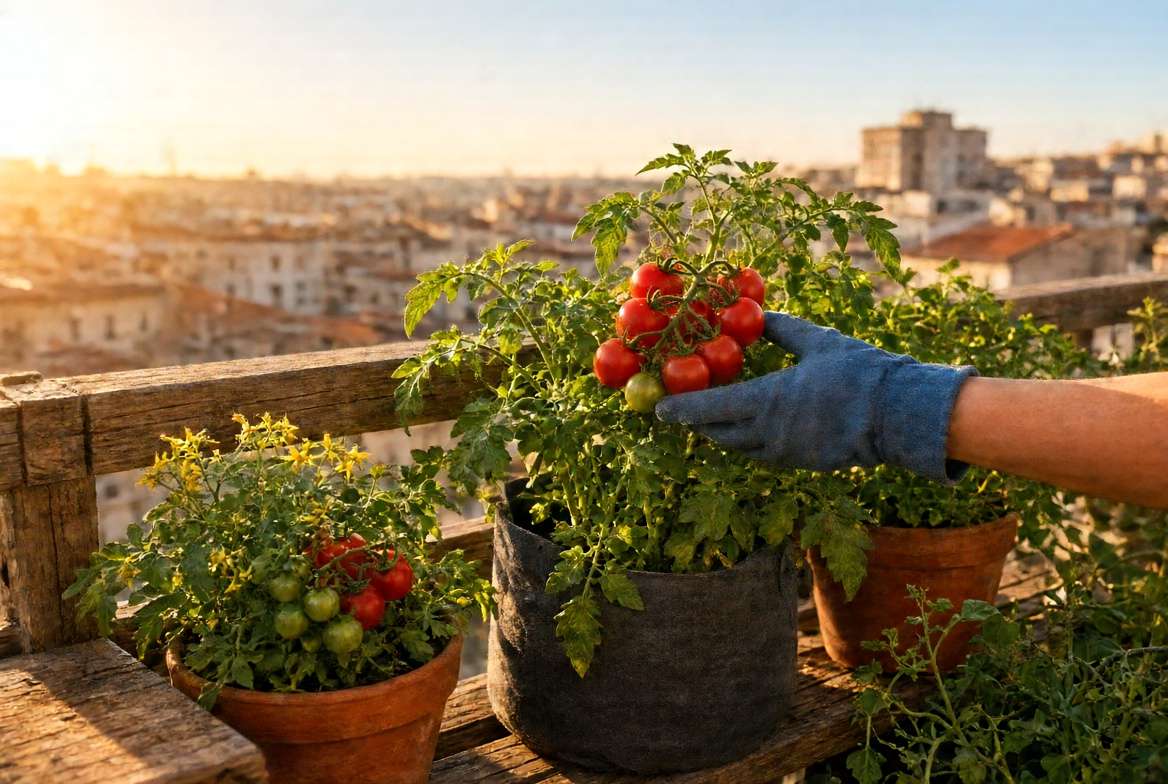
🌿 Dwarf vs. Determinate vs. Indeterminate: Ending the Confusion
-
Indeterminate (Vining): These are the wild children of the tomato world. They continue to grow, vine, and produce fruit endlessly until a frost kills them. They can easily reach 8 to 12 feet tall, require serious trellising systems, and demand regular pruning of “suckers” to keep them manageable.
-
Determinate (Bush): These plants are genetically programmed to grow to a set size (usually 3 to 4 feet tall), set all their blossoms at once, and ripen their fruit in one massive harvest over a few weeks. Once they finish fruiting, the plant dies back.
-
True Dwarf: Dwarf tomatoes offer the best of both worlds. They have thick, sturdy central stems and distinctive dark green, crinkly foliage (known as rugose leaves). They stay incredibly compact—ranging from a tiny 12 inches to a manageable 4 feet tall—yet, like indeterminates, they continue producing fruit all season long.
🏆 Why Dwarf Tomatoes Are Foolproof for First-Timers
If you have never grown a vegetable in your life, dwarf tomato project varieties and micro-dwarfs are your best starting point. Here is why:
-
Self-Supporting Stems: Their thick, “tree-like” stalks rarely topple over in the wind, eliminating the need for complex cages and ties. 🪵
-
Zero Pruning Required: Pruning tomato suckers is a common source of anxiety for beginners. With dwarf varieties, you simply let them grow! ✂️❌
-
Perfect for Containers: They thrive in 2- to 5-gallon pots, making them the ultimate choice for urban balconies, small patios, and wooden decks. 🪴
🍅 The 7 Best Dwarf Tomato Varieties for Beginners
Choosing the right plant is the most critical step in your container gardening journey. Here are the top seven easiest, most productive, and most delicious dwarf tomatoes for novice growers.
1. Tiny Tim — The Indestructible Windowsill Champion 🍒
If you want immediate success with the least amount of effort, Tiny Tim is your holy grail. Dating back to 1945, this heirloom micro-dwarf is practically indestructible.
-
Average Height: 12–18 inches
-
Days to Maturity: 55–60 Days
-
Recommended Pot Size: 1- to 2-Gallon Pot
-
Flavor Profile: Sweet, zesty, and slightly tart traditional cherry tomato flavor.
-
Why It’s Perfect for Beginners: Tiny Tim is incredibly forgiving of beginner mistakes like occasional underwatering or suboptimal sunlight. It can literally be grown in a standard 6-inch flowerpot on a sunny kitchen windowsill.
-
💡 Pro-Tip: Tiny Tim is fantastic for succession planting indoors. Place it under basic LED grow lights during the cold winter months, and you can harvest fresh cherry tomatoes while it snows outside!
2. Dwarf Rosella Purple — Rich Heirloom Flavor on a 3-Foot Plant 🍇
Many beginners assume that growing compact plants means sacrificing the rich, complex flavors of famous heirlooms like Cherokee Purple. Dwarf Rosella Purple shatters that myth.
-
Average Height: 3–3.5 feet
-
Days to Maturity: 65–70 Days
-
Recommended Pot Size: 5-Gallon Pot
-
Flavor Profile: Deep, smoky, and intensely rich—a true beefsteak experience. 🍷
-
Why It’s Perfect for Beginners: It gives new container gardeners the world-class taste of classic purple heirloom beefsteaks without the monster 8-foot vine care. The plant stays stout and manageable.
-
💡 Pro-Tip: Because the fruit clusters can get quite heavy (producing 6–10 oz tomatoes), insert a simple bamboo stake or a small wire cage into the pot at planting time to gently support the fruit-laden branches later in the summer.
3. Tasmanian Chocolate — The Juicy, Low-Acid Beefsteak Giant 🍫
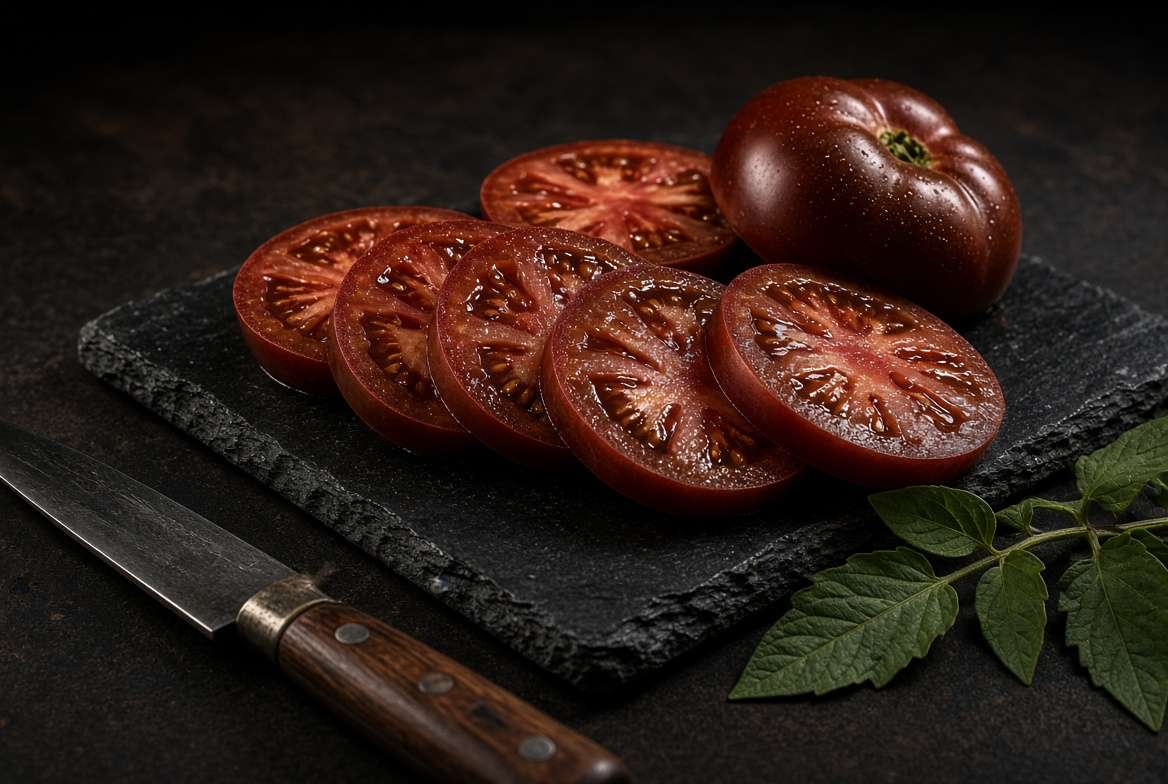
Bred through the famous Dwarf Tomato Project, Tasmanian Chocolate is a stunning variety that produces giant slicing tomatoes on an incredibly small frame.
-
Average Height: 3–4 feet
-
Days to Maturity: 70 Days
-
Recommended Pot Size: 5-Gallon Pot
-
Flavor Profile: Savory, mild, and delightfully sweet with low acidity. Perfect for burgers and sandwiches. 🍔
-
Why It’s Perfect for Beginners: It produces surprisingly large 8–12 oz slicing tomatoes on a compact stalk. More importantly, it is highly resistant to common garden blights and fungal diseases that often plague novice gardeners.
-
💡 Pro-Tip: For the absolute best texture and flavor, harvest these mahogany-brown beauties when the shoulders of the fruit still have a slight greenish-bronze tinge. Don’t wait for them to turn entirely dark red!
4. Orange Hat — The Cutest Micro-Dwarf for Desktops & Railing Boxes 🍊
Orange Hat is a micro-dwarf that redefines what it means to be small. It is arguably the most adorable vegetable plant you can grow, making it a massive hit for kids and urban apartment dwellers alike.
-
Average Height: 6–9 inches
-
Days to Maturity: 50–55 Days
-
Recommended Pot Size: 0.5- to 1-Gallon Pot
-
Flavor Profile: A mild, fruity citrus sweetness that bursts in your mouth. 🍯
-
Why It’s Perfect for Beginners: This is the ultimate confidence-booster plant. It is virtually impossible to outgrow any space, and it looks beautiful as an ornamental patio centerpiece while it fruits.
-
💡 Pro-Tip: Because it grows in such small pots, the soil can dry out rapidly on hot days. Keep your soil moisture consistent to prevent the delicate skins of these tiny golden globes from cracking.
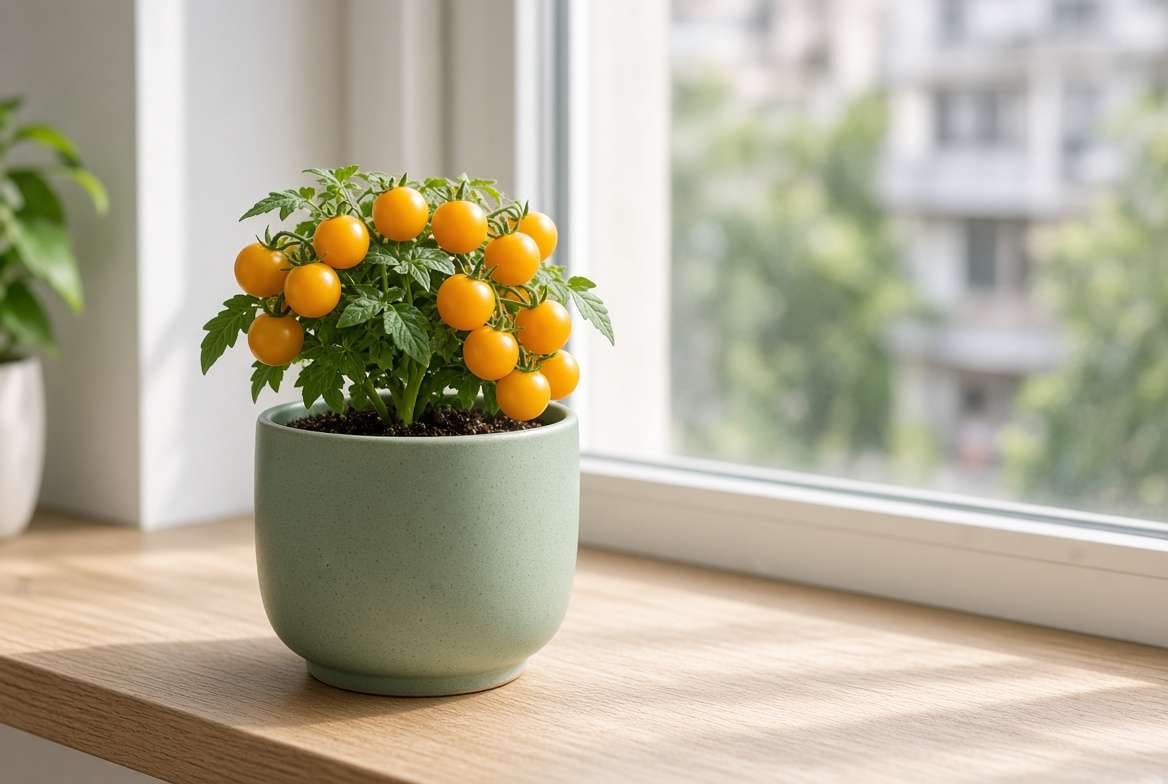
5. Patio Choice Yellow — The All-America Selections (AAS) Star ☀️
Patio Choice Yellow is an award-winning variety bred explicitly for container performance. If you want sheer volume, this is the plant to choose.
-
Average Height: 18–24 inches
-
Days to Maturity: 50 Days
-
Recommended Pot Size: 3-Gallon Pot or Large Hanging Basket
-
Flavor Profile: High-sugar, bright, and juicy golden snacker. 🟡
-
Why It’s Perfect for Beginners: It comes with built-in disease resistance and continuous, explosive yields. A single plant can easily produce upwards of 100 cherry tomatoes in a single season!
-
💡 Pro-Tip: Instead of a standard upright pot, plant Patio Choice Yellow in a large hanging basket. The weight of the fruit will cause the branches to drape gracefully over the sides, making harvesting a breeze while freeing up floor space.
6. Dwarf Lemon Ice — Sweet, Citrusy Oxheart Slicer 🍋
Oxheart tomatoes are prized for their meaty texture and lack of seeds, making them perfect for slicing and dicing into summer salads. Dwarf Lemon Ice brings this beloved shape to the patio.
-
Average Height: 3–3.5 feet
-
Days to Maturity: 65–70 Days
-
Recommended Pot Size: 5-Gallon Pot
-
Flavor Profile: Clean, crisp, tangy, and refreshing. 🧊
-
Why It’s Perfect for Beginners: Beyond its beautiful pale-yellow, heart-shaped fruit, this plant boasts incredibly healthy, disease-resistant foliage.
-
💡 Pro-Tip: Dwarf Lemon Ice is incredibly heat-tolerant. If you live in a climate with scorching summers where other tomatoes drop their blossoms, this variety will reliably keep setting fruit.
7. Dwarf Beauty King — Eye-Catching Striped Gourmet Fruit 👑
Who says beginner gardens have to be boring? Dwarf Beauty King looks like it came straight out of a high-end gourmet farmer’s market.
-
Average Height: 3–4 feet
-
Days to Maturity: 75 Days
-
Recommended Pot Size: 5-Gallon Pot
-
Flavor Profile: Bold, tangy, luscious, and slightly spicy heirloom flavor. 🎨
-
Why It’s Perfect for Beginners: It provides the thrill of growing exotic, bi-color artisan tomatoes with absolutely none of the delicate finickiness usually associated with rare seeds.
-
💡 Pro-Tip: To support its robust root system, grow this variety in a fabric grow bag (like a Smart Pot). The fabric allows for maximum root aeration and prevents the roots from circling, resulting in a much healthier plant.
📊 Quick Comparison Matrix
Need to make a quick decision? Use this handy reference table to find the perfect match for your space and culinary needs.
| Variety Name 🏷️ | Plant Type 📐 | Avg. Height 📏 | Pot Size 🪴 | Days to Harvest ⏳ | Best Culinary Use 🥗 |
| Tiny Tim | Micro-Dwarf | 12–18″ | 1–2 Gal | 55–60 | Snacking, Salads |
| Dwarf Rosella Purple | True Dwarf | 36–42″ | 5 Gal | 65–70 | Slicing, Sandwiches |
| Tasmanian Chocolate | True Dwarf | 36–48″ | 5 Gal | 70 | Burgers, Caprese |
| Orange Hat | Micro-Dwarf | 6–9″ | 0.5–1 Gal | 50–55 | Snacking, Garnish |
| Patio Choice Yellow | Compact Bush | 18–24″ | 3 Gal | 50 | Salads, Roasting |
| Dwarf Lemon Ice | True Dwarf | 36–42″ | 5 Gal | 65–70 | Slicing, Fresh Salsa |
| Dwarf Beauty King | True Dwarf | 36–48″ | 5 Gal | 75 | Gourmet Platters |
🛠️ Step-by-Step Dwarf Tomato Care Guide for Complete Beginners
Growing the best dwarf tomato varieties for beginners is easy, but setting up your environment correctly from day one is the key to an abundant harvest.
1. Choosing the Right Containers & Potting Mix 🪴
The golden rule of container gardening is simple: Drainage holes are non-negotiable. If excess water cannot escape, your tomato’s roots will rot.
-
The Container: Fabric grow bags (3- to 5-gallon sizes) are highly recommended because they naturally prune the roots with air and prevent waterlogging. Glazed ceramic or sturdy plastic pots work too, provided they have multiple holes at the bottom.
-
The Soil: Never use heavy garden dirt or topsoil in a pot! You need a light, fluffy mix. Create this easy beginner blend: 70% high-quality potting mix, 20% organic compost (for nutrients), and 10% perlite (for extra drainage).
2. Sunlight & Watering Mastery (The “Finger Test”) ☀️
Tomatoes are sun-worshippers. Place your pots in a location that receives a minimum of 6 to 8 hours of direct, unobstructed sunlight daily.
When it comes to watering, the #1 mistake beginners make is loving their plants to death via overwatering. To avoid this, use the Finger Test: Push your index finger about two inches into the soil. If it feels moist, walk away. If it feels completely dry, give the plant a deep, thorough watering until liquid runs out the bottom drainage holes.
3. Feeding Dwarf Tomatoes for Maximum Harvest 🥗
A common beginner error is using a standard, high-nitrogen lawn fertilizer on tomatoes. Nitrogen promotes leafy green growth, leaving you with a massive, beautiful green bush that produces absolutely no fruit.
Instead, use a balanced organic starter fertilizer at planting time. Once you see the first yellow blossoms appear, switch to a high-potassium and high-phosphorus “Tomato & Vegetable” feed to fuel heavy fruit production. 🌸
4. Staking & Pruning: The “Hands-Off” Advantage 🎋
One of the greatest joys of growing dwarf varieties is that you should never prune the suckers. Pruning a dwarf tomato will actively reduce your fruit yield! Let the plant grow into its natural, bushy shape.
While their thick stalks are sturdy, heavy fruit clusters can weigh down branches. A single 3-foot bamboo stake placed in the center of the pot, gently tied to the main stem with soft twine, is all you need to keep your tomatoes off the soil.

⚠️ 5 Common Mistakes to Avoid When Growing Dwarf Tomatoes
Even with the easiest plants, things can occasionally go sideways. Watch out for these rookie pitfalls:
-
Under-potting: Trying to grow a 4-foot dwarf variety like Tasmanian Chocolate in an 8-inch coffee mug pot will stunt the plant and severely limit your harvest. Always match the pot size to the plant’s mature height. 🚫
-
Aggressive Pruning: As mentioned, treating a dwarf like an indeterminate vining tomato and stripping away its side branches is a recipe for disaster. Leave the clippers in the shed! ✂️
-
Inconsistent Watering: Letting your soil dry out to a crisp and then flooding it with water leads directly to cracked tomato skins and Blossom End Rot (a black, sunken spot on the bottom of the fruit caused by calcium uptake failure). Keep moisture consistent. 💧
-
Ignoring Airflow: Shoving five pots right next to each other in a corner of your balcony blocks the wind. Poor airflow traps humidity and invites fungal diseases like powdery mildew. Space your pots out! 🍃
-
Waiting Too Long to Harvest: Leaving perfectly ripe fruit on the vine might look pretty, but it signals to the plant to slow down production. Pick your ripe tomatoes promptly to encourage continuous blooming. 🧺
❓ Frequently Asked Questions
Q: Do dwarf tomatoes keep producing fruit all summer?
Yes! Unlike standard determinate bush varieties that drop their crop all at once and die, most dwarf project varieties and micro-dwarfs produce continuously until the first heavy frost of the fall.
Q: Can I grow dwarf tomato varieties indoors year-round?
Absolutely. Micro-dwarf varieties like Tiny Tim and Orange Hat are spectacular indoor plants. They will thrive on a sunny south-facing windowsill or under full-spectrum LED grow lights set to a 14-hour light cycle.
Q: What is the “Dwarf Tomato Project” I keep hearing about?
The Dwarf Tomato Project is a brilliant, global volunteer breeding initiative. Gardeners worldwide cross-pollinated famous heirloom indeterminates with sturdy dwarf varieties to create a new class of open-pollinated, compact tomatoes that offer world-class flavor on manageable plants.
Q: How many dwarf tomato plants can I realistically fit on a small balcony?
For optimal airflow and sunlight, a good rule of thumb is to place 2 to 3 five-gallon pots spaced about 18 inches apart. You can intersperse smaller 1-gallon pots (for micro-dwarfs) in between them without overcrowding the space.
🎯 Conclusion & Getting Started
A lack of backyard space or gardening experience is no longer an excuse to miss out on the incredible taste of homegrown tomatoes. By choosing the right genetics, providing a good-sized pot, and giving them plenty of sunshine, you will be well on your way to a bountiful harvest. 🏡🍅
Ready to get your hands dirty? For your first venture, I highly recommend picking one micro-dwarf (like Tiny Tim or Orange Hat) for quick snacking, and one larger slicer (like Rosella Purple or Tasmanian Chocolate) for your summer sandwiches. Grab a few pots, some quality soil, and start growing this weekend!
Happy gardening! 🌱✨











