

Picture this: you have spent months carefully tending to a massive, vibrant tomato plant. It is tall, bushy, and visibly thriving. Yet, as the weeks roll by, it refuses to produce a single tomato. On the other end of the spectrum, your expensive indoor Monstera deliciosa sits in the corner, pushing out pale, stunted foliage despite regular watering. What went wrong? The culprit is almost always a misunderstanding of plant nutrition.
Many gardeners fall into the trap of using a “universal” fertilizer, assuming plant food is a one-size-fits-all solution. But unlocking your garden’s true genetic potential requires a tailored approach. Understanding the best nutrients for leafy vs. fruiting plants is the foundational secret to transforming a struggling garden into a thriving ecosystem. In this comprehensive guide, we will decode the science of N-P-K, explore specific fertilizer recommendations, and teach you how to spot deficiencies before they ruin your harvest. 🪴
🧪 The N-P-K Breakdown: Decoding Plant Nutrition
Before pouring any liquid feed or scattering granular pellets into your soil, you must understand the holy trinity of plant nutrition: Nitrogen (N), Phosphorus (P), and Potassium (K). Every commercial fertilizer displays these three numbers prominently on its packaging (e.g., 10-10-10 or 3-4-6). This N-P-K ratio represents the percentage by weight of each primary macronutrient. Understanding this ratio is your first step toward mastering soil fertility.
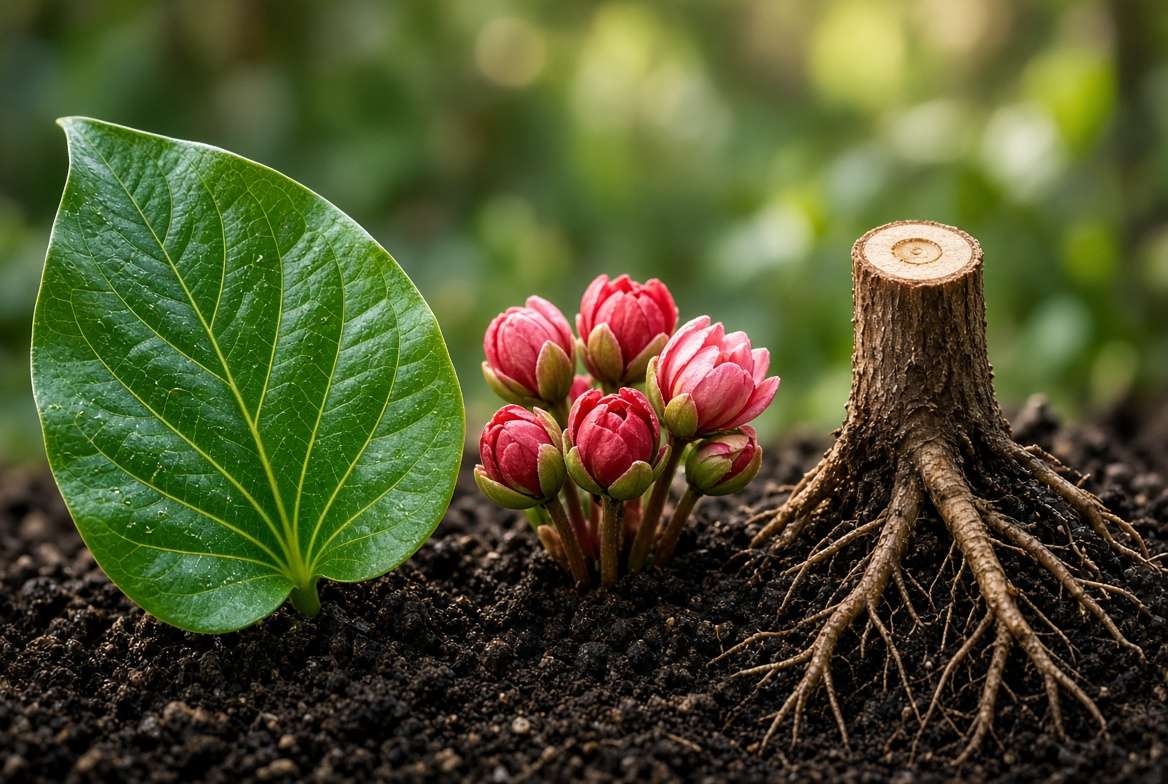
🥬 Nitrogen (N): The Leaf Builder
Nitrogen is the undisputed champion of vegetative growth. It is a vital component of the chlorophyll molecule, which plants use to convert sunlight into energy through photosynthesis. When a plant has adequate nitrogen, it produces robust, deep-green foliage and strong stems.
Expert Insight: While nitrogen is essential, too much of a good thing can be disastrous for a vegetable garden. Over-applying nitrogen to fruiting plants like peppers or eggplants will result in a phenomenon known as “all leaves, no fruit.” The plant channels all its energy into producing foliage at the expense of blossom development.
🌸 Phosphorus (P): The Root & Bloom Booster
Phosphorus plays a crucial role in the complex energy transfer within the plant. It stimulates vigorous root development and is the primary trigger for the formation of buds, flowers, and fruits. Without sufficient phosphorus, a plant cannot efficiently convert the energy it captures from the sun into a tangible harvest. It is the catalyst that tells a plant it is time to transition from growing tall to reproducing.
🛡️ Potassium (K): The Health Protector
Think of Potassium as the plant’s immune system and cellular regulator. It controls the opening and closing of stomata (the microscopic pores on leaves that regulate water vapor and carbon dioxide). Potassium ensures efficient water uptake, fortifies the plant against diseases, and helps it withstand environmental stressors like drought or extreme cold. For fruiting plants, it also plays a massive role in the size, shape, and flavor of the final yield.
🌿 The Best Nutrients for Leafy Plants (Indoor & Outdoor)
Plants grown explicitly for their foliage—whether they are indoor tropicals like Pothos, Philodendrons, and Ferns, or outdoor garden staples like spinach, kale, and lettuce—demand a high-nitrogen diet. Because their primary biological goal is to produce leaves rather than flowers or fruit, their nutritional needs are heavily skewed toward the “N” in the N-P-K ratio. A fertilizer with a ratio like 3-1-2 or 10-4-3 is generally ideal.

🐟 Top Nutrient Sources for Foliage
-
Organic Amendments: For those prioritizing soil health and a slow, steady release of nutrients, organic options are unparalleled. Blood meal (typically 12-0-0) is an excellent, fast-acting nitrogen source for heavy-feeding greens. Fish emulsion (often 5-1-1) provides a fantastic, readily available liquid feed that leafy greens absorb rapidly. Worm castings and well-steeped compost tea deliver not only gentle macronutrients but also beneficial microbes that improve root nutrient uptake.
-
Synthetic Fertilizers: Water-soluble synthetic feeds formulated specifically for foliage or indoor plants are highly effective for rapid correction of deficiencies. They deliver exact nutrient profiles instantly to the root zone.
📅 Expert Feeding Schedule
The timing of your application matters just as much as the product itself.
-
Indoor Houseplants: Feed with a diluted, water-soluble fertilizer every two to four weeks during the active growing season (spring and summer). Pause fertilization entirely during the winter dormancy period to prevent toxic salt accumulation in the potting mix.
-
Outdoor Leafy Greens: Fast-maturing crops like lettuce benefit from a continuous, steady feed. Work a slow-release organic nitrogen source into the soil at planting, followed by a liquid fish emulsion drench every two weeks until harvest.
Pro Tip: If you rely on high-nitrogen synthetic fertilizers for your indoor houseplants, you must flush the soil every three to four months. Simply pour pure, distilled water through the pot until it runs freely out the drainage holes for a few minutes. This leaches away accumulated fertilizer salts that can burn delicate root systems. 🚿
🍅 The Best Nutrients for Fruiting & Flowering Plants
The nutritional requirements of fruiting and flowering plants undergo a dramatic shift during their lifecycle. In their early stages, they need nitrogen to establish a strong structural canopy of leaves (the “vegetative stage”). However, once they mature and prepare to reproduce (the “bloom or fruit stage”), their demand for nitrogen drops, and their need for Phosphorus and Potassium skyrockets. Continuing to feed a high-nitrogen fertilizer during the blooming phase is the fastest way to sabotage a harvest.
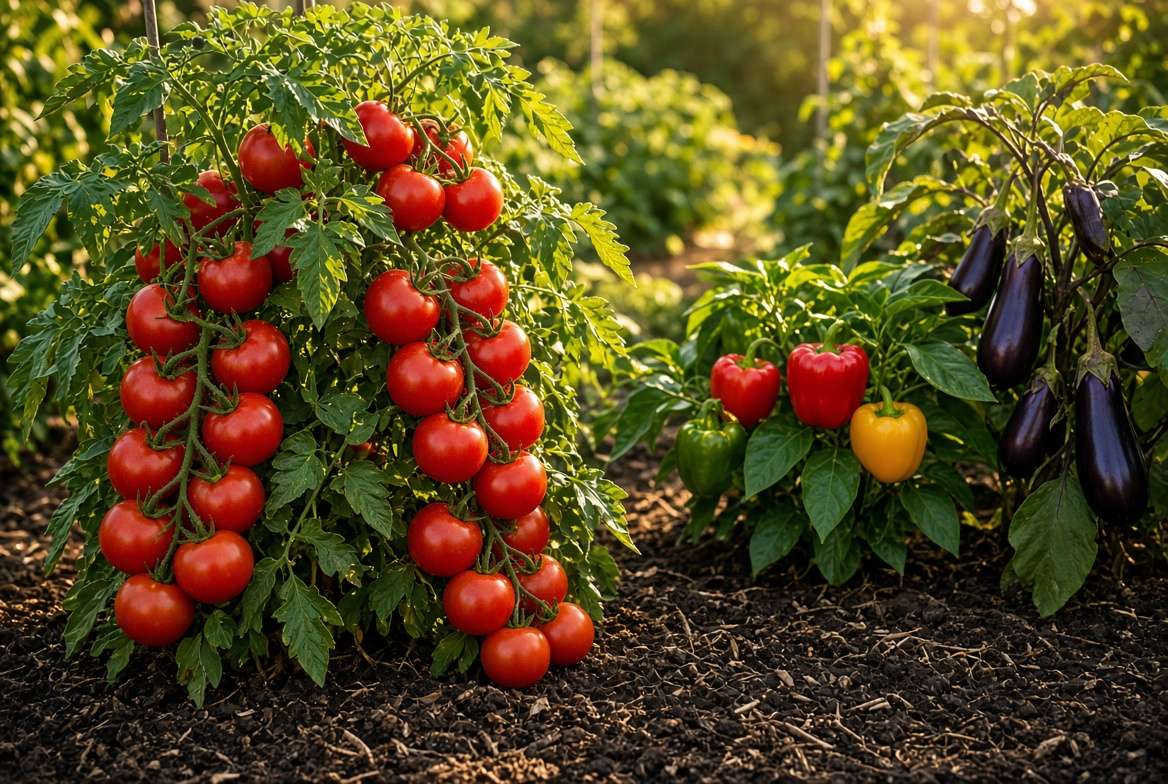
🍓 Top Nutrient Sources for Heavy Yields
-
Organic Amendments: Bone meal (around 3-15-0) is the gold standard for delivering a massive dose of slow-release phosphorus to encourage prolific blooming. Kelp meal or langbeinite are outstanding natural sources of potassium, ensuring large, healthy fruits. Many organic gardeners also rely on high-phosphorus bat guano to stimulate explosive flower development.
-
Synthetic Fertilizers: Look for granular feeds labeled specifically for “Tomatoes and Vegetables” or “Bloom Boosters.” These typically feature ratios like 3-4-6, 5-10-5, or even 0-10-10 for late-stage bloom enhancement.
🦴 The Crucial Role of Calcium & Magnesium
While N-P-K gets all the attention, secondary macronutrients are non-negotiable for heavy fruit producers like tomatoes, peppers, eggplants, and citrus trees. A lack of Calcium leads directly to Blossom End Rot—a heartbreaking condition where the bottom of your tomatoes or peppers turns black, sunken, and leathery. Calcium builds strong cell walls. Magnesium is the central atom in the chlorophyll molecule; without it, the plant cannot photosynthesize effectively, leading to yellowing leaves with green veins. Incorporating a dedicated “Cal-Mag” supplement ensures your fruiting plants have the structural support needed to carry heavy yields.
🌍 Synthetic vs. Organic: What’s Best for Your Goals?
When selecting the best nutrients for leafy vs. fruiting plants, gardeners inevitably face the great debate: synthetic or organic? Both have a place in horticulture, but they function in fundamentally different ways. The right choice depends on your growing environment, time constraints, and long-term soil goals.
🧪 Synthetic Fertilizers (The Fast-Acting Fix)
Synthetic fertilizers are chemically manufactured to provide exact, highly concentrated nutrient ratios. They are water-soluble and immediately available to the plant’s roots.
-
The Pros: If your tomato plant is showing severe signs of potassium deficiency, a synthetic feed will correct the issue within days. They are highly precise, cost-effective, and excellent for container gardening where soil microbiology is naturally limited.
-
The Cons: Synthetics do absolutely nothing to improve the long-term health of your soil structure or microbiology. If over-applied, the high salt content can quickly burn delicate root hairs, turning foliage brown and crispy. Furthermore, excessive synthetic run-off can harm local waterways.
🍂 Organic Fertilizers (The Long-Term Investment)
Organic fertilizers (like compost, manure, bone meal, and alfalfa meal) are derived from plant, animal, or mineral sources. They must be broken down by soil microbes before the plant can absorb the nutrients.
-
The Pros: Organics are the champions of soil health. As they decompose, they improve soil aeration, water retention, and foster a thriving microbiome of beneficial bacteria and mycorrhizal fungi. Because they are slow-release, it is incredibly difficult to accidentally “burn” your plants with an organic feed.
-
The Cons: They take time. If your spinach is starving for nitrogen today, an organic top-dressing might not provide relief for several weeks. Their N-P-K numbers are also generally much lower (e.g., 2-3-2), meaning you need to apply a larger volume of material.
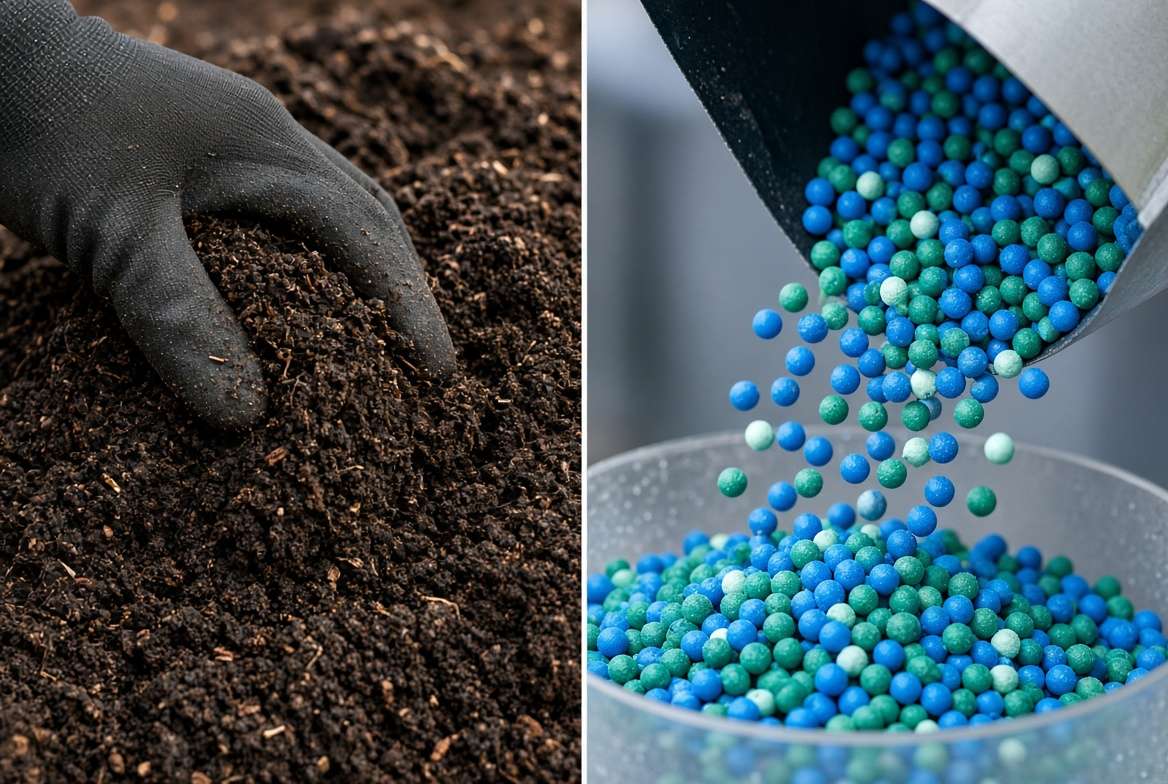
The Expert Verdict: For indoor houseplants and quick emergency fixes, water-soluble synthetics are unmatched. But for raised beds, vegetable gardens, and long-term landscape health, organic amendments are the vastly superior choice for creating a resilient, self-sustaining ecosystem. 🌎
🔍 Spotting the Signs: Common Nutrient Deficiencies
Even with the best intentions, nutrient imbalances happen. Plants cannot talk, but they are incredibly expressive through their foliage. Learning to read these visual cues is a vital skill for any gardener. Before reaching for a general fertilizer, diagnose the specific problem.
-
Yellowing Lower Leaves (Chlorosis): If the oldest leaves at the bottom of the plant are turning uniformly pale green or yellow while the new growth remains green, you are looking at a Nitrogen deficiency. The plant is cannibalizing nitrogen from older leaves to support new growth.
-
Purple Tints on Leaves and Stems: Dark, purplish hues on the undersides of leaves or along the main stems indicate a Phosphorus deficiency. Note: This can also occur early in the spring if the soil is too cold, which physically prevents the roots from uptaking available phosphorus.
-
Brown, Crispy Leaf Edges: When the margins of the leaves look scorched, brown, and dry (while the center remains green), this is a classic sign of a Potassium deficiency.
-
Yellowing Between Leaf Veins (Interveinal Chlorosis): If the leaf tissue turns bright yellow but the veins themselves remain starkly green, your plant is crying out for Magnesium or Iron.
Actionable Advice: When correcting a deficiency, always start with a half-strength dose of a targeted liquid fertilizer. It is much easier to add more nutrients later than to flush out an accidental overdose that has caused fertilizer burn. 🩺
💧 The Secret to Nutrient Absorption: pH and Watering
You could apply the absolute highest quality, perfectly balanced fertilizer in the world, and your plants could still starve. Why? Because of a phenomenon known as nutrient lockout.
The pH level of your soil (how acidic or alkaline it is) directly controls the chemical availability of nutrients. If the pH strays too far out of the ideal zone, macronutrients and micronutrients bind to soil particles and become physically impossible for the plant roots to absorb.
-
For Leafy Greens and General Vegetables: Most thrive in a slightly acidic soil pH of 6.0 to 6.8. In this sweet spot, nitrogen, phosphorus, and potassium are highly soluble and easy to absorb.
-
For Specific Fruiting Plants: Some heavy producers, like blueberries and certain citrus, require highly acidic soil (4.5 to 5.5) to properly absorb iron and other trace minerals required for fruit production.
Always ensure you are watering deeply but infrequently. Shallow, frequent watering encourages shallow root systems that cannot reach nutrients located deeper in the soil profile. 💦

❓ Frequently Asked Questions (FAQs)
Can I use a fruiting plant fertilizer on my leafy houseplants? Yes, it will not instantly kill them, but it is far from optimal. Fruiting fertilizers have high phosphorus and potassium. If you use this on a leafy plant like a Monstera, you are depriving it of the nitrogen it craves for lush foliage while encouraging a buildup of unused minerals in the potting soil.
Is it better to use liquid or granular fertilizer? It depends on your goal. Liquid fertilizers are fantastic for fast absorption, correcting deficiencies quickly, and feeding indoor houseplants. Granular fertilizers are best for outdoor gardens, as they break down slowly over weeks or months, providing a steady, reliable drip of nutrition to growing crops.
Can you over-fertilize a fruiting plant? Absolutely. Pushing too much fertilizer (especially high-nitrogen synthetic feeds) can lead to nutrient toxicity. This stresses the plant, burns the root system, and frequently causes fruiting plants to defensively drop their blossoms and nascent fruits. Always follow the manufacturer’s recommended dosage.
Matching your nutrient strategy to your plant’s primary biological goal—whether that is pushing out magnificent, oversized leaves or setting a record-breaking harvest of juicy tomatoes—is the single most impactful adjustment you can make in your garden. By reading your fertilizer labels, decoding the N-P-K ratios, and closely observing how your foliage responds, you transition from simply watering plants to truly cultivating them.
What has been your biggest struggle when it comes to fertilizing your indoor jungle or backyard garden? Have you ever experienced the dreaded “all leaves, no fruit” tomato plant? Drop your experiences and questions in the comments below, or check out our comprehensive guide on How to Test Your Soil’s pH at Home to ensure your plants are actually absorbing the food you give them! 🌻✨











