Is your front yard feeling a bit flat? A pristine green lawn is a great start, but without structural elements and pops of seasonal color, a landscape can quickly look uninspired and lack essential curb appeal. If you want to instantly elevate your property value and provide stunning multi-season interest, adding a striking focal point is the ultimate landscape anchor.
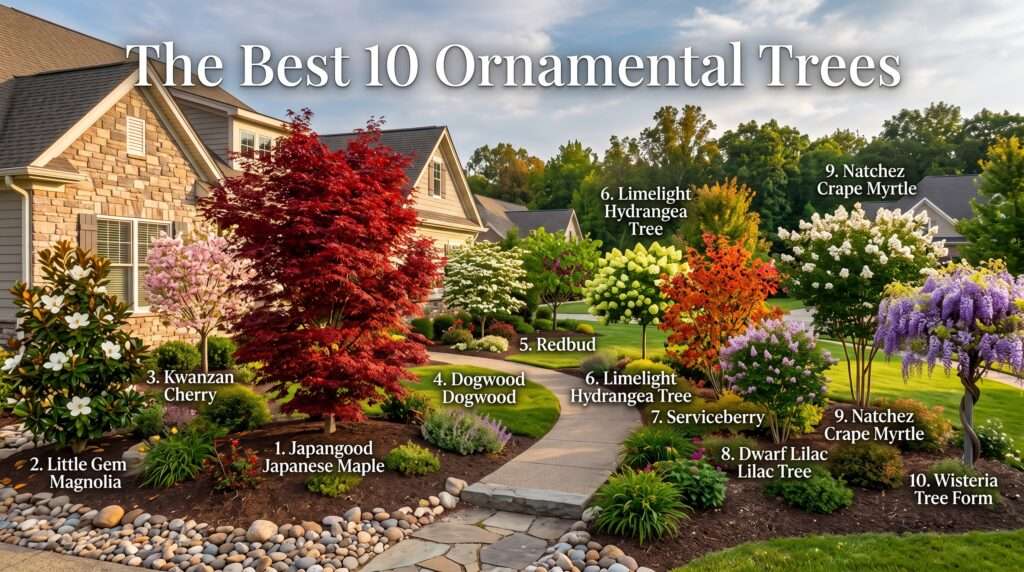
To help you transform your space from a basic lawn into a vibrant garden, we’ve researched and reviewed the best 10 ornamental trees that you can have delivered right to your door.
[Insert Custom Pinterest Pin Here: A split-screen graphic showing a flat, empty yard labeled “Before” next to a vibrant, blooming Japanese Maple anchoring a fresh landscape design labeled “After”]
Ordering live plants online might feel intimidating, but skipping the limited inventory of local big-box stores opens up a world of unique cultivars. Whether you are prepping your soil for a cold-hardy evergreen or looking for a fast-growing spring bloomer, selecting the right tree is a major decision. In this guide, we will walk you through top-rated options, current prices, and exact growing requirements to ensure your investment thrives.
At-a-Glance Comparison
If you are eager to dig your hands into the dirt, use our quick-decision table below to find the perfect match for your landscape. Designed for easy reading, this comparison highlights the essentials.
1. Bloodgood Japanese Maple (Acer palmatum ‘Bloodgood’)
-
Current Amazon Price: $67.99
-
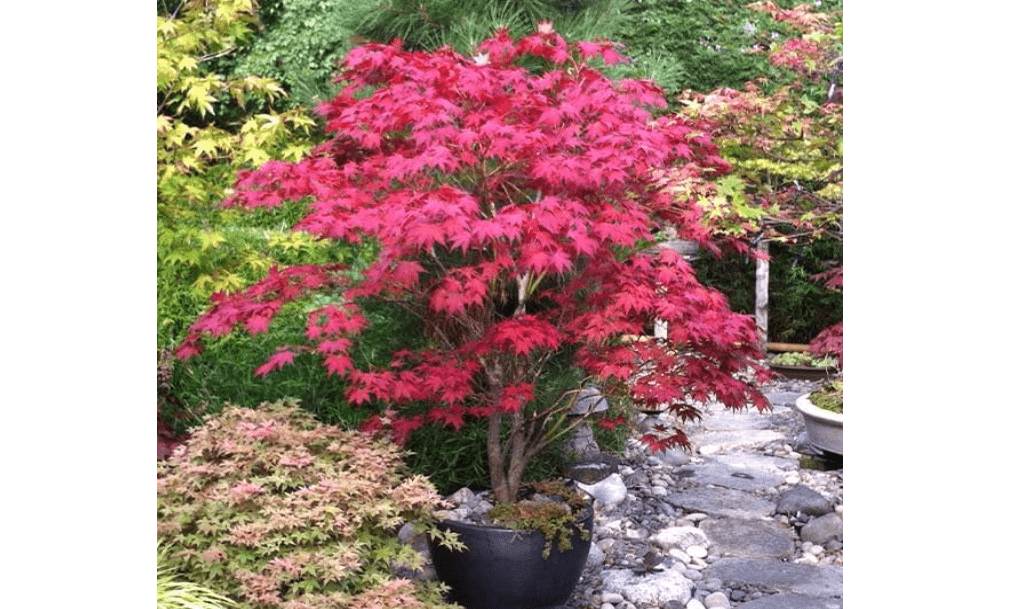
Features & Soil Needs: The Bloodgood Japanese Maple is widely considered the gold standard for purple-leaf maples. Maturing at 15 to 20 feet tall and wide, it holds its deep burgundy-red color throughout the heat of summer before erupting into a screaming crimson in the fall. To thrive and establish a vigorous root system, this tree requires well-draining soil rich in organic matter. A slightly acidic soil pH (5.5 to 6.5) optimizes nutrient uptake and prevents root rot.
-
Pros & Cons:
-
Pros: Incredible multi-season color; compact size ideal for smaller front yards; strong, visually striking winter bark structure.
-
Cons: Can suffer from leaf scorch in harsh, late-afternoon summer sun; relatively moderate growth rate compared to larger shade trees.
-
-
Amazon Ratings: Consistently sitting at 4.5+ stars, reviewers frequently praise how securely the live plant is packaged. Buyers report that the trees arrive with healthy, hydrated root balls and zero signs of transport stress.
-
Why It’s a Good Choice: Ordering this specific cultivar online ensures you get true “Bloodgood” genetics. Big-box stores often mislabel generic red maples that fade to a muddy bronze by July, whereas this choice guarantees brilliant summer color retention.
-
Ideal Buyer: Perfect for northern and transitional gardeners (USDA Zones 5–8) seeking a high-contrast, cold-hardy focal point that won’t overwhelm a compact suburban lot.
2. Eastern Redbud (Cercis canadensis)
-
Current Amazon Price:
-
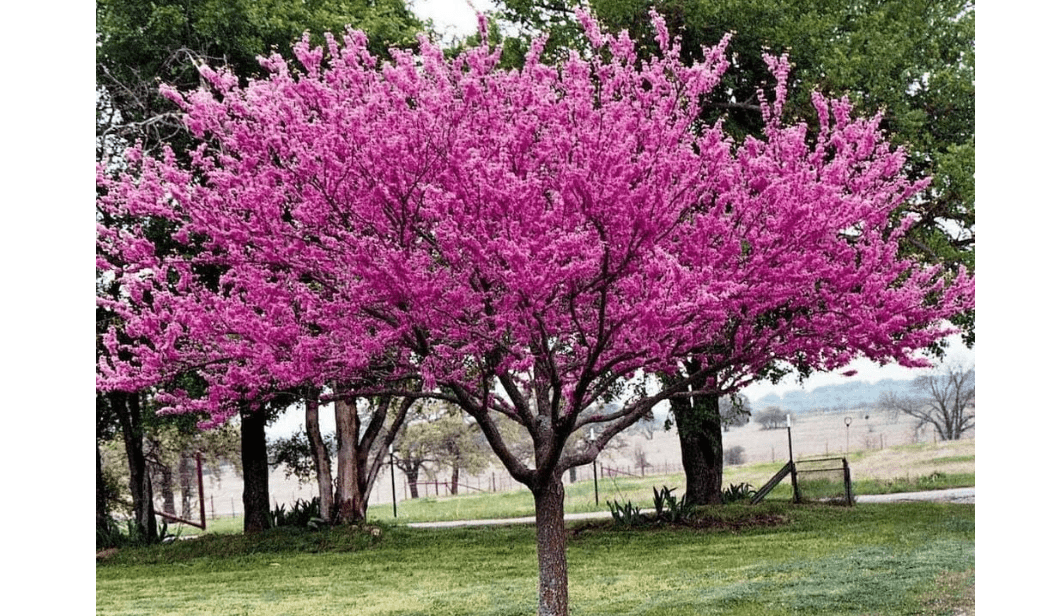
Features & Soil Needs: The Eastern Redbud is famous for announcing the arrival of spring. Before its heart-shaped leaves even emerge, brilliant rosy-purple flowers bloom directly on the tree’s dark bark. It typically reaches 20 to 30 feet in height. Because it naturally grows as an understory tree, it appreciates slightly moist, well-draining soils. Amending your planting hole with quality compost will help build the beneficial microbial life the Redbud relies on to overcome transplant shock.
-
Pros & Cons:
-
Pros: Spectacular early-spring display; highly adaptable to different light conditions (full sun to part shade); heart-shaped summer foliage turns a lovely yellow in fall.
-
Cons: Relatively short-lived compared to oak or elm trees; prone to trunk canker if the bark is damaged by lawnmowers.
-
-
Amazon Ratings: Highly rated for its vigorous early growth. Online buyers often note that bare-root or potted Redbuds bounce back from shipping shock exceptionally fast, often putting on a foot or more of new growth in their first year.
-
Why It’s a Good Choice: It is one of the most reliable and natively adapted flowering trees for North American gardens. Purchasing online often allows you to buy bare-root in early spring, which is the absolute best time to plant for long-term soil establishment.
-
Ideal Buyer: Ideal for eco-conscious homeowners who want an early nectar source for native pollinators and a low-maintenance, medium-sized tree for their front yard.
3. Kwanzan Cherry (Prunus serrulata ‘Kwanzan’)
-
Current Amazon Price:
-
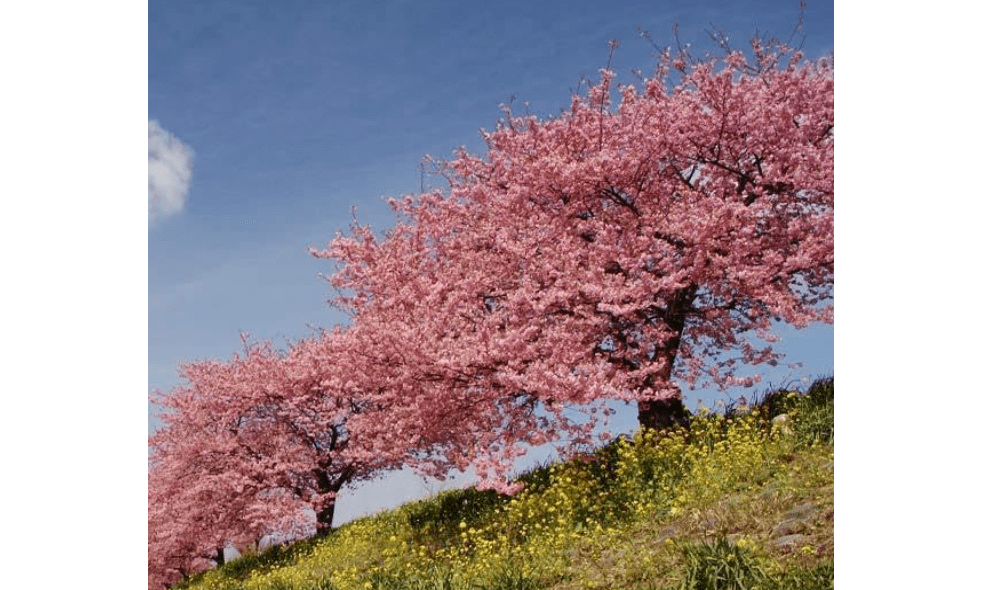
Features & Soil Needs: Made famous by the spectacular spring displays in Washington, D.C., the Kwanzan Cherry is arguably the showiest of all ornamental cherry trees. It bursts into heavy, double-pink clusters of blossoms (up to 30 petals per flower) in mid-spring. While often associated with weeping varieties, the Kwanzan actually forms a beautiful, upright vase shape that matures to 25–30 feet tall. To ensure longevity, this tree demands full sun and loamy, well-draining soil to prevent root diseases.
-
Pros & Cons:
-
Pros: Jaw-dropping spring floral display; stunning bronze-red fall foliage; relatively fast-growing.
-
Cons: Like many flowering cherries, it has a surprisingly short lifespan of around 25 to 30 years; highly susceptible to poor drainage.
-
-
Amazon Ratings: Buyers rate this tree highly for its rapid growth rate, though some reviews note that shipping bare-root saplings requires patience as they break dormancy. Most customers report the tree bouncing back with vibrant green leaves within weeks of planting.
-
Why It’s a Good Choice: Ordering a Kwanzan cherry online allows you to source trees grown by specialized nurseries that prioritize strong rootstock, which is critical for extending the tree’s somewhat limited lifespan.
-
Ideal Buyer: Homeowners looking for a fast-growing, dramatic statement piece to plant in the center of a front lawn or alongside a driveway.
4. Limelight Hydrangea Tree (Hydrangea paniculata ‘Limelight’)
-
Current Amazon Price: $119.99
-
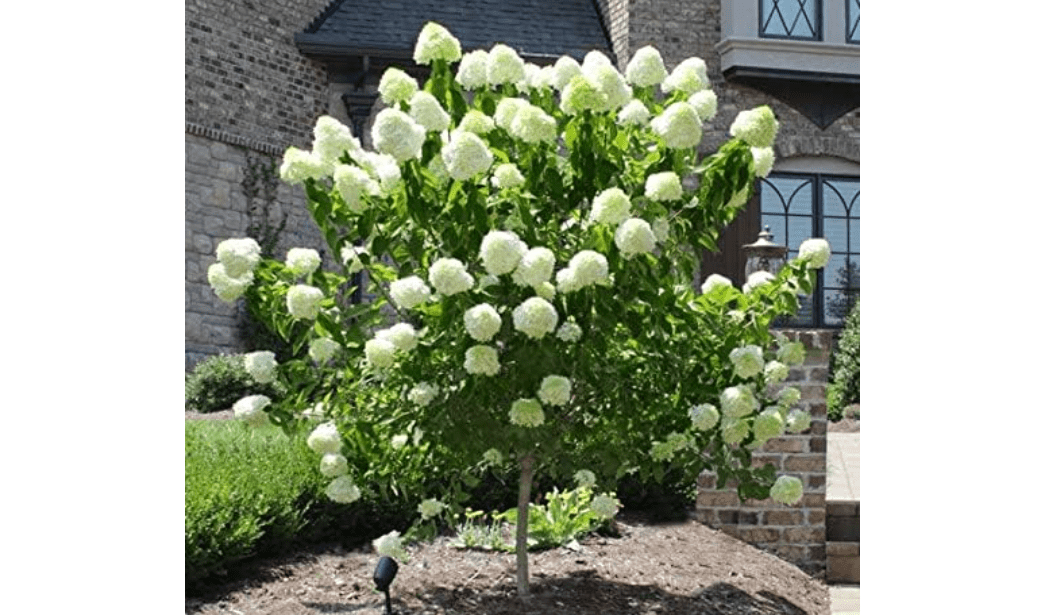
Features & Soil Needs: Not to be confused with the common shrub form, the Limelight Hydrangea Tree is carefully cultivated and pruned by nurseries to grow on a single, sturdy trunk. Reaching 6 to 8 feet in height, it produces massive, cone-shaped panicles that start bright lime green in mid-summer, transition to pure white, and finally age to a rich pink in autumn. It thrives in USDA zones 3 through 9 and prefers a rich, loamy soil. Applying a healthy layer of organic mulch over the root zone is crucial for retaining the moderate moisture this tree craves during peak summer blooming.
-
Pros & Cons:
-
Pros: Exceptionally cold-hardy; blooms on new wood (so winter damage won’t ruin the summer show); provides months of continuous color.
-
Cons: Requires minor annual pruning to maintain its “tree” shape rather than reverting to a bushy habit; the heavy blooms can droop after heavy rain.
-
-
Amazon Ratings: A strong performer online (averaging 4.0+ stars), with customers consistently praising the pristine condition and size of the tree upon arrival. Reviewers frequently mention that the trees arrive with buds ready to open.
-
Why It’s a Good Choice: Training a Limelight Hydrangea into a tree form is highly labor-intensive. Paying a premium for a pre-trained tree from a reputable online nursery saves you years of complicated structural pruning.
-
Ideal Buyer: Perfect for northern gardeners who want prolonged summer blooms but struggle to overwinter delicate traditional tree species.
5. Little Gem Magnolia (Magnolia grandiflora ‘Little Gem’)
-
Current Amazon Price: $35.97
-
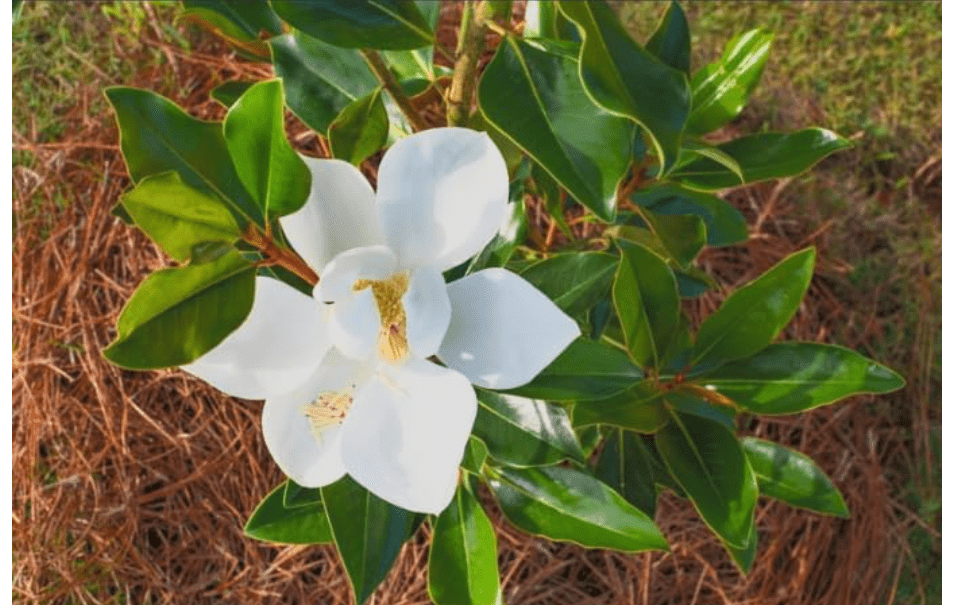
Features & Soil Needs: If you love the grandeur of Southern Magnolias but lack the acreage, the ‘Little Gem’ is your solution. It is a compact, evergreen cultivar that slowly reaches 15 to 20 feet in height. It produces incredibly fragrant, dinner-plate-sized white flowers from early summer into fall. The leaves are leathery and dark green on top with a fuzzy, rust-bronze underside. It requires slightly acidic, highly fertile soil. Because it is an evergreen, preparing the soil with a slow-release, acid-loving fertilizer at planting helps maintain its deep green luster.
-
Pros & Cons:
-
Pros: Year-round foliage provides excellent privacy screening; blooms at a very young age; highly resistant to deer and pests.
-
Cons: Slower growth rate; dense canopy and shallow roots make it difficult to grow grass directly beneath it.
-
-
Amazon Ratings: Buyers are generally thrilled with the deep green, healthy foliage upon arrival. It is frequently noted as one of the safest evergreens to ship due to its tough, leathery leaves resisting transit damage.
-
Why It’s a Good Choice: ‘Little Gem’ can be hard to find locally outside of the Deep South. Online availability means gardeners in transitional zones (up to Zone 6 with winter protection) can secure this highly coveted dwarf variety.
-
Ideal Buyer: Anyone looking for an elegant, fragrant, year-round privacy screen or a majestic structural anchor near a patio.
6. Natchez Crape Myrtle (Lagerstroemia ‘Natchez’)
-
Current Amazon Price: $89.97
-
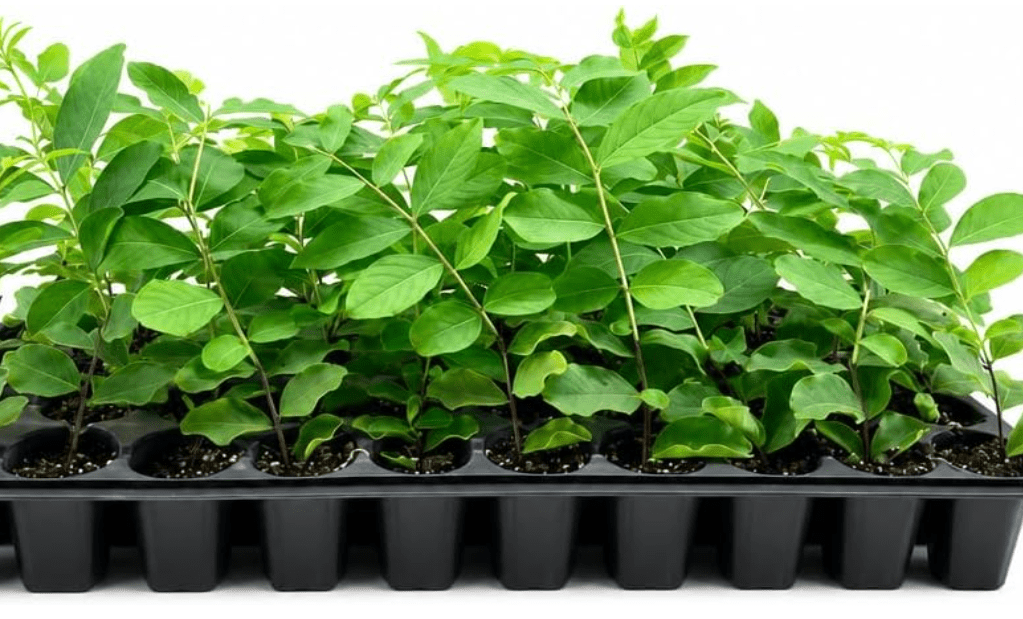
Features & Soil Needs: The Natchez Crape Myrtle is an absolute powerhouse of the summer landscape. Known for blooming for up to 100 days, it produces massive clusters of pure white, crepe-paper-like flowers. As it matures to its 20 to 30-foot height, it develops smooth, exfoliating bark that reveals a stunning cinnamon-brown trunk, offering unparalleled winter interest. It is highly drought-tolerant once established and thrives in hot, baked soils where other trees might struggle.
-
Pros & Cons:
-
Pros: Extremely fast grower (up to 3-5 feet per year); superior powdery mildew resistance compared to older cultivars; incredible multi-season interest.
-
Cons: Can produce aggressive basal root suckers that require trimming; late to leaf out in the spring.
-
-
Amazon Ratings: A top seller in the summer months. Customers rave about the rapid growth, often noting that small, affordable bare-root or quart-sized plants skyrocket in size during their first full season in the ground.
-
Why It’s a Good Choice: The ‘Natchez’ is a specific hybrid bred by the National Arboretum for disease resistance. Buying online guarantees you are getting this exact, superior genetic line rather than a generic, disease-prone crape myrtle.
-
Ideal Buyer: Southern and transitional zone homeowners dealing with intense summer heat and full, unfiltered sun who want rapid landscape transformation.
7. Flowering Dogwood (Cornus florida)
-
Current Amazon Price:
-
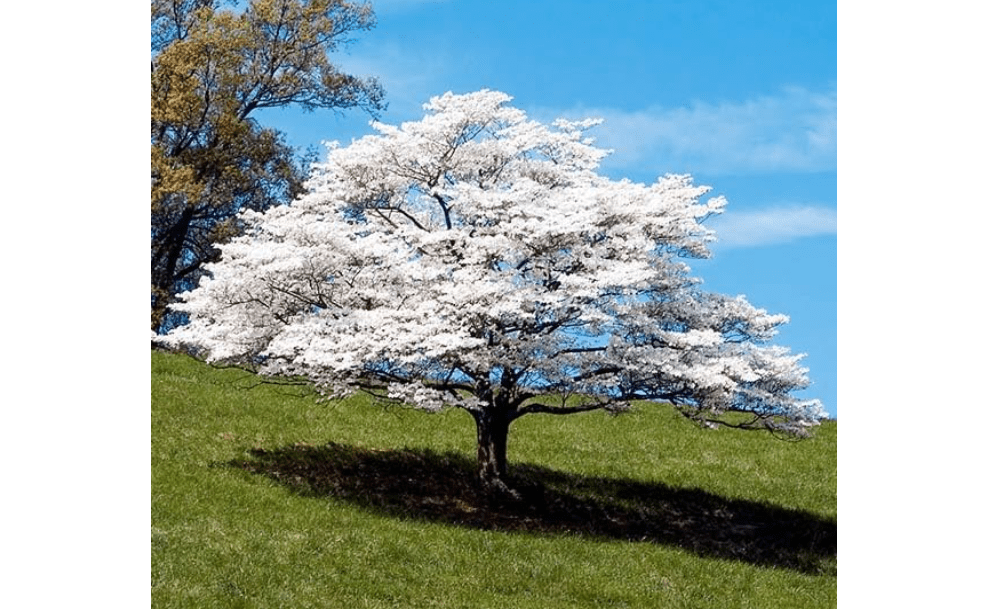
Features & Soil Needs: The Flowering Dogwood is a quintessential North American native, offering graceful, horizontal branching that looks stunning against a backdrop of taller evergreens. Reaching 15 to 25 feet, it produces iconic white or pink “blooms” (which are actually modified leaves called bracts) in early spring, followed by bright red berries in autumn that attract songbirds. Dogwoods are understory trees; they thrive in dappled shade or morning sun and require rich, acidic soil that mimics a forest floor. Mulching with pine needles or composted leaves is highly recommended to keep their shallow roots cool and moist.
-
Pros & Cons:
-
Pros: Four-season interest (spring flowers, summer canopy, fall color/berries, winter architecture); highly beneficial for local wildlife.
-
Cons: Very sensitive to drought and heat stress; susceptible to dogwood anthracnose (a fungal disease) if air circulation is poor.
-
-
Amazon Ratings: A solid performer, though buyers frequently note that dogwoods arrive dormant (looking like a stick) if shipped in late winter or early spring. Most reviews confirm successful leaf-out once the weather warms, praising the robust root systems provided by online nurseries.
-
Why It’s a Good Choice: Sourcing dogwoods online gives you access to disease-resistant cultivars (like the ‘Appalachian Spring’ variety) which are crucial for long-term survival but rarely stocked in standard garden centers.
-
Ideal Buyer: Homeowners with mature landscapes looking to add mid-level canopy interest under taller shade trees, or those specifically focused on native planting and birdscaping.
8. Autumn Brilliance Serviceberry (Amelanchier x grandiflora ‘Autumn Brilliance’)
-
Current Amazon Price: $36.95
-
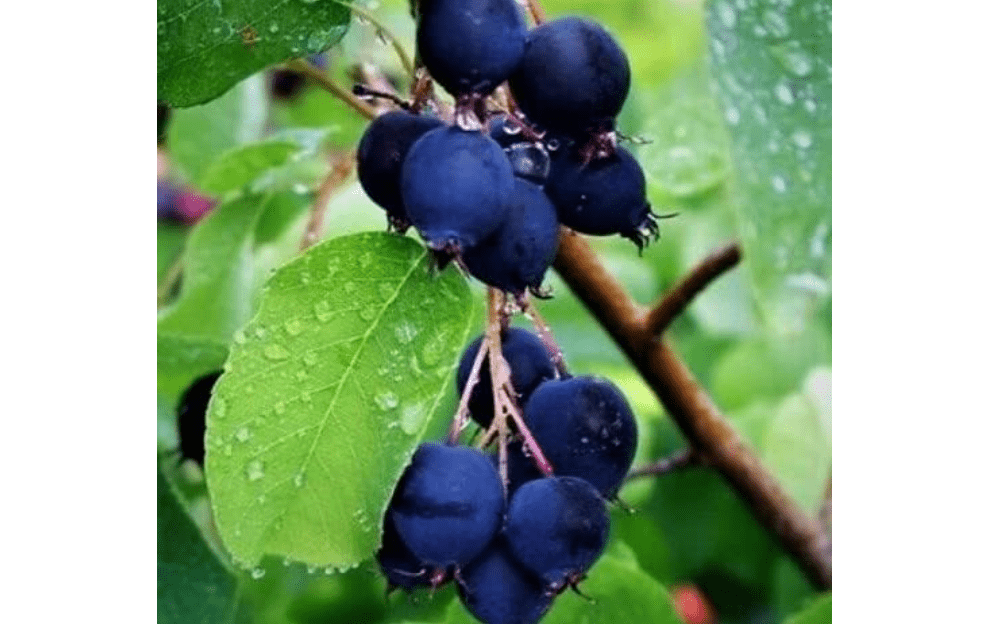
Features & Soil Needs: The ‘Autumn Brilliance’ Serviceberry is the ultimate multitasker of the ornamental tree world. Often grown as a multi-trunked tree (15–25 feet tall), it offers delicate, star-shaped white flowers in early spring. By June, it produces edible, blueberry-like fruits that are excellent for jams (if the birds don’t get them first). True to its name, the fall foliage is a spectacular, fiery red-orange. It is incredibly adaptable to a variety of soil types, from clay to sandy loam, provided the site drains well.
-
Pros & Cons:
-
Pros: Produces edible fruit; exceptional fall color; highly resistant to common leaf spot diseases that plague older Serviceberry varieties.
-
Cons: Can aggressively sucker at the base, requiring some maintenance to keep a clean tree form; birds can make a mess with the berries if planted directly over a patio.
-
-
Amazon Ratings: Boasts excellent reviews (4.5+ stars) for its hardiness. Customers frequently remark on how quickly the tree establishes itself, often producing a small crop of berries in its very first season.
-
Why It’s a Good Choice: It’s difficult to find this specific, disease-resistant hybrid at local nurseries. Online ordering ensures you get the ‘Autumn Brilliance’ genetics, guaranteeing a stronger, healthier tree with superior fall color.
-
Ideal Buyer: Edible landscapers and permaculture enthusiasts looking for a highly ornamental plant that also yields a harvest, or anyone seeking a tough, low-maintenance alternative to a dogwood.
9. Dwarf Korean Lilac Tree (Syringa meyeri ‘Palibin’)
-
Current Amazon Price:
-
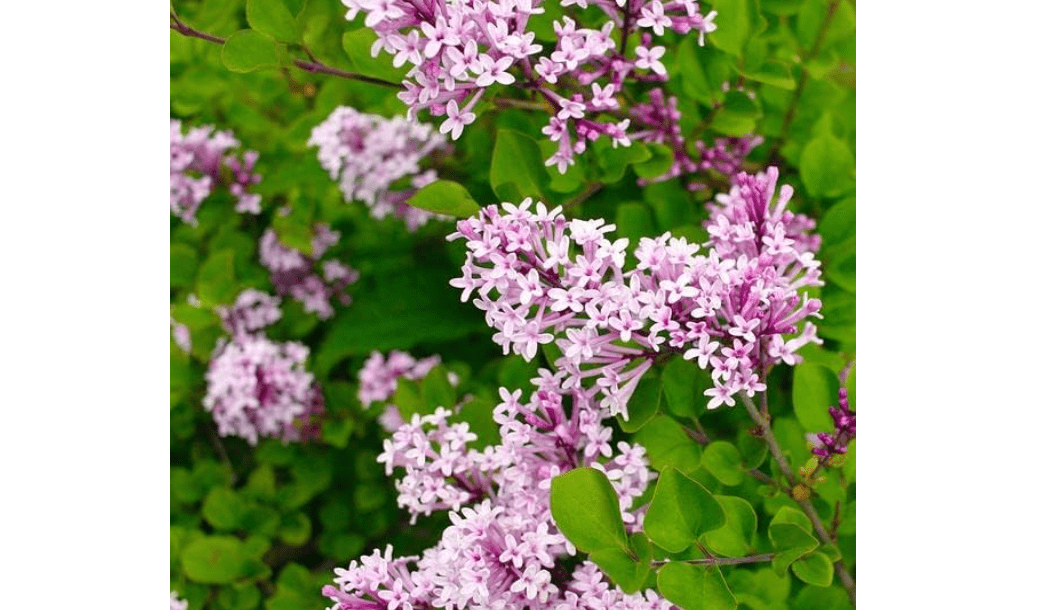
Features & Soil Needs: The Dwarf Korean Lilac is typically a shrub, but when grafted onto a sturdy “standard” (a single straight trunk), it becomes an elegant, lollipop-shaped miniature tree reaching just 5 to 8 feet tall. In late spring, it is smothered in pale purple panicles that emit an intoxicating, sweet fragrance. Its small, ruffled leaves remain clean and mildew-free all summer. It is incredibly tough, thriving in average, well-draining soil and tolerating urban pollution and drought better than traditional French lilacs.
-
Pros & Cons:
-
Pros: Unbeatable fragrance; perfect for tight spaces, small garden beds, or large containers; highly resistant to powdery mildew.
-
Cons: The bloom time is spectacular but relatively brief (about two weeks); the graft union needs winter protection in very cold climates.
-
-
Amazon Ratings: Customers consistently praise the size and shape of the tree upon arrival. Many reviews highlight that even small, freshly shipped trees arrived with buds ready to bloom, filling their yards with immediate scent.
-
Why It’s a Good Choice: Finding a true tree-form (standard) dwarf lilac locally is hit-or-miss. Online retailers specialize in these grafts, shipping you a perfectly pruned specimen ready for planting.
-
Ideal Buyer: Urban gardeners, patio owners, or anyone looking to anchor a small flowerbed or frame a front doorway with incredible spring fragrance.
10. Wisteria Tree Form (Wisteria sinensis)
-
Current Amazon Price:
-
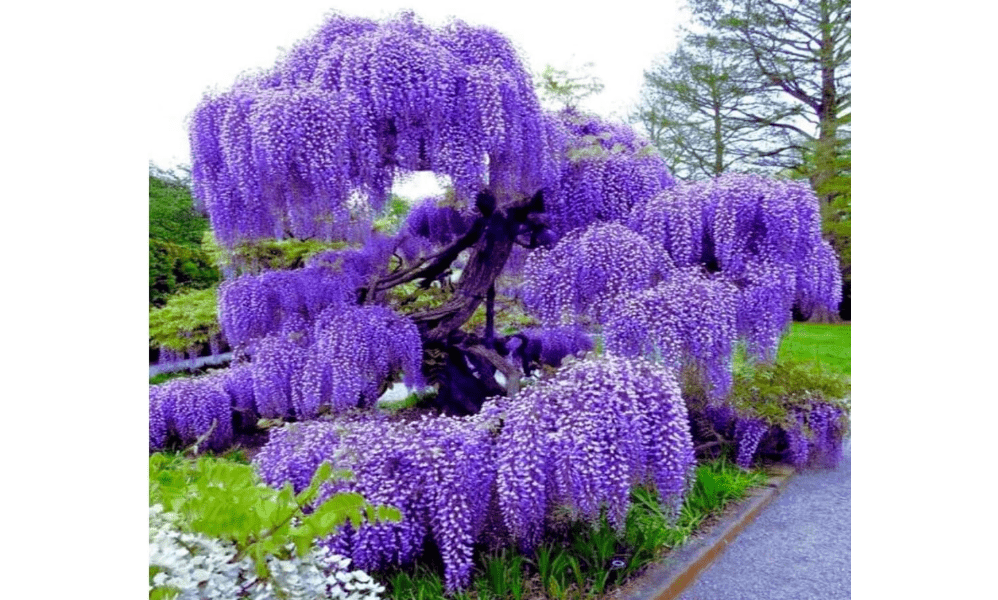
Features & Soil Needs: Wisteria is famously a massive, aggressive vine, but when expertly trained and grafted by nurseries, it can be grown as a free-standing, weeping tree (typically 8–10 feet tall). The result is breathtaking: a sturdy trunk supporting an umbrella-like canopy that drips with foot-long, fragrant, violet-blue racemes in mid-spring. It requires rigorous, structural support (a heavy-duty stake) for the first few years and prefers moderately fertile, well-draining soil.
-
Pros & Cons:
-
Pros: Offers one of the most dramatic, romantic floral displays of any plant; long-lived; highly drought-tolerant once established.
-
Cons: Demands strict, bi-annual pruning to maintain the tree shape and encourage blooming; the root system can be aggressive; highly toxic to pets if ingested.
-
-
Amazon Ratings: A highly polarizing plant online. Successful buyers (4-5 stars) praise the stunning blooms, while lower ratings often stem from a lack of understanding that the plant requires heavy pruning to look like the pictures.
-
Why It’s a Good Choice: Training a wisteria vine into a tree form takes years of precise pruning and staking. Purchasing a pre-started tree-form online skips the hardest part of the process, giving you a massive head start.
-
Ideal Buyer: Experienced gardeners willing to commit to a strict pruning schedule in exchange for a jaw-dropping, high-impact landscape centerpiece.
Expert Buying Guide: How to Succeed with Online Trees
Purchasing the best 10 ornamental trees online is the easy part. The real secret to a stunning landscape is ensuring that the transition from a shipping box to your soil is seamless. Use this expert checklist to guarantee your new tree thrives.
1. Verify Your Climate Zone
Before falling in love with a photo, check your USDA Hardiness Zone. An ornamental tree rated for Zone 7 will not survive a Zone 4 winter, no matter how much you care for it. Always buy trees explicitly rated for your location.
2. Prepare the Soil Before Arrival
Don’t wait until the box is on your porch to start digging. As soon as you hit “order,” prep your planting site. Test your soil drainage by digging a 12-inch hole and filling it with water; if it hasn’t drained in 24 hours, you need to amend the soil with compost or choose a different spot to avoid root rot.
3. Space Planning for Mature Growth
It is incredibly easy to plant a sapling too close to your house. Always calculate the mature canopy spread and root depth. A Japanese Maple might look tiny upon arrival, but plant it at least 10 feet away from foundations and power lines to accommodate its adult size.
4. The Unboxing and Hydration Protocol
Live plants experience stress during transit. When your tree arrives:
-
Unbox it immediately in a shaded, protected area.
-
If it is a potted plant, water it thoroughly until water runs out the bottom.
-
If it is a bare-root tree, soak the roots in a bucket of water for 2 to 4 hours before planting.
-
Never apply synthetic fertilizer to a newly planted tree; wait until its second year to avoid burning the tender new roots.