
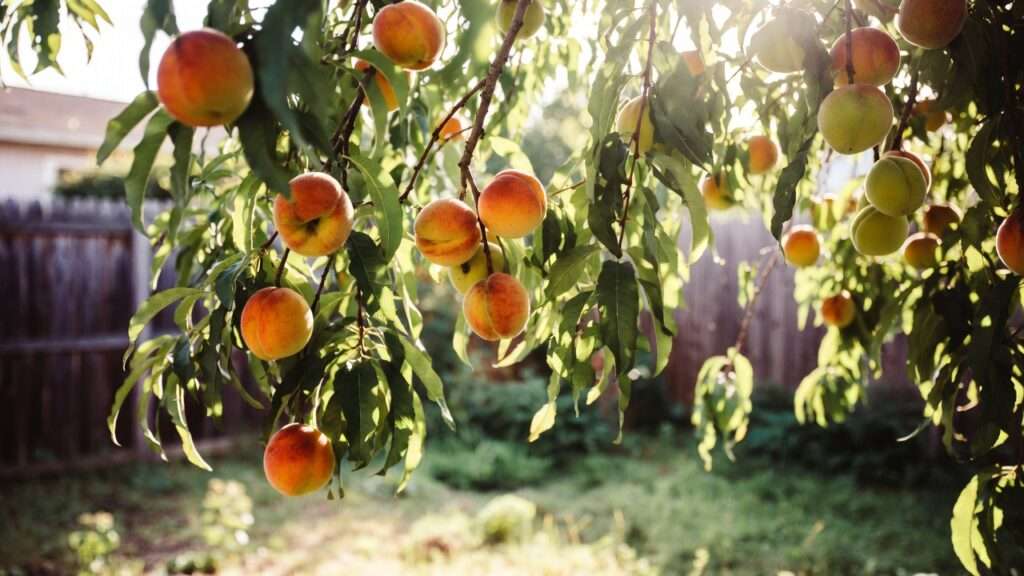
Imagine stepping into your backyard on a warm summer morning, the air sweet with the scent of ripening fruit, and plucking a perfectly juicy peach straight from your own tree—no grocery store wax, no long-distance shipping, just pure, sun-kissed flavor bursting in every bite. 😍🍑 For many home gardeners, this dream becomes reality with the right peach variety. But here’s the catch: peaches can be notoriously tricky. Wrong choice, and you might face blossom drop, peach leaf curl, brown rot, or zero fruit after a mild winter. The good news? Selecting the best peach varieties for backyard orchards turns potential frustration into reliable, delicious success.
In this comprehensive guide, we’ll cover everything backyard growers need: top-performing cultivars backed by university extension recommendations, real grower experiences, and proven performance across climates. Whether you’re in a chilly northern zone or a warmer southern yard, you’ll find picks that match your chill hours, space, and taste preferences. Let’s grow some amazing home-grown peaches! 🌟
Why Choosing the Right Peach Variety Matters for Backyard Growers
Peach trees (Prunus persica) thrive when matched to your local conditions. Key factors include:
- Chill hours — the cumulative time below 45°F (7°C) needed during dormancy for proper bud break and fruit set. Too few = spotty or no crop; too many = delayed or poor blooming. ❄️
- USDA hardiness zones — most peaches do well in zones 5–9, but some excel in extremes.
- Disease resistance — backyard trees face peach leaf curl, bacterial spot, and brown rot; resistant varieties reduce spraying needs.
- Tree size and type — standard (15–25 ft), semi-dwarf (10–15 ft), or dwarf/patio (4–8 ft) for small yards or containers.
- Freestone vs. clingstone — freestone pits separate easily (ideal for fresh eating); clingstone holds tight (great for canning).
- Ripening season — early, mid, or late to stagger harvests and extend fresh peach season from June to September.
Most modern backyard favorites are self-fertile, so one tree suffices, though planting multiples boosts pollination and variety. With smart choices, even beginners can harvest 20–50 lbs per mature tree annually! 🍑✨
Understanding Chill Hours and Climate Matching
Chill hours determine if a variety will fruit reliably. Track yours using local weather data, extension maps, or apps—many areas average 600–1,000 hours.
Categories include:
- Low-chill (<500 hours): Ideal for warm zones (8–9+), like southern California, Florida, or coastal South. Examples: Florida Prince (150–300), Tropic Snow (200–300).
- Medium-chill (500–800 hours): Suits moderate climates (zones 7–8). Examples: Redhaven (800), Contender (1,050 but adaptable).
- High-chill (>800 hours): Best for colder zones (5–7). Examples: Reliance (1,000+), Contender (1,050).
Pro tip: Always check local extension services (e.g., Clemson, OSU, UGA) for precise chill hour maps in your region. Mismatching leads to the #1 backyard disappointment—no peaches! 🗺️🌡️
Top Peach Varieties for Backyard Orchards
Here are standout picks, grouped by ripening season for succession planting. Selections draw from university trials (Ohio State, Clemson, UGA, OSU), grower forums, and heirloom favorites for flavor and reliability. 🍑⭐
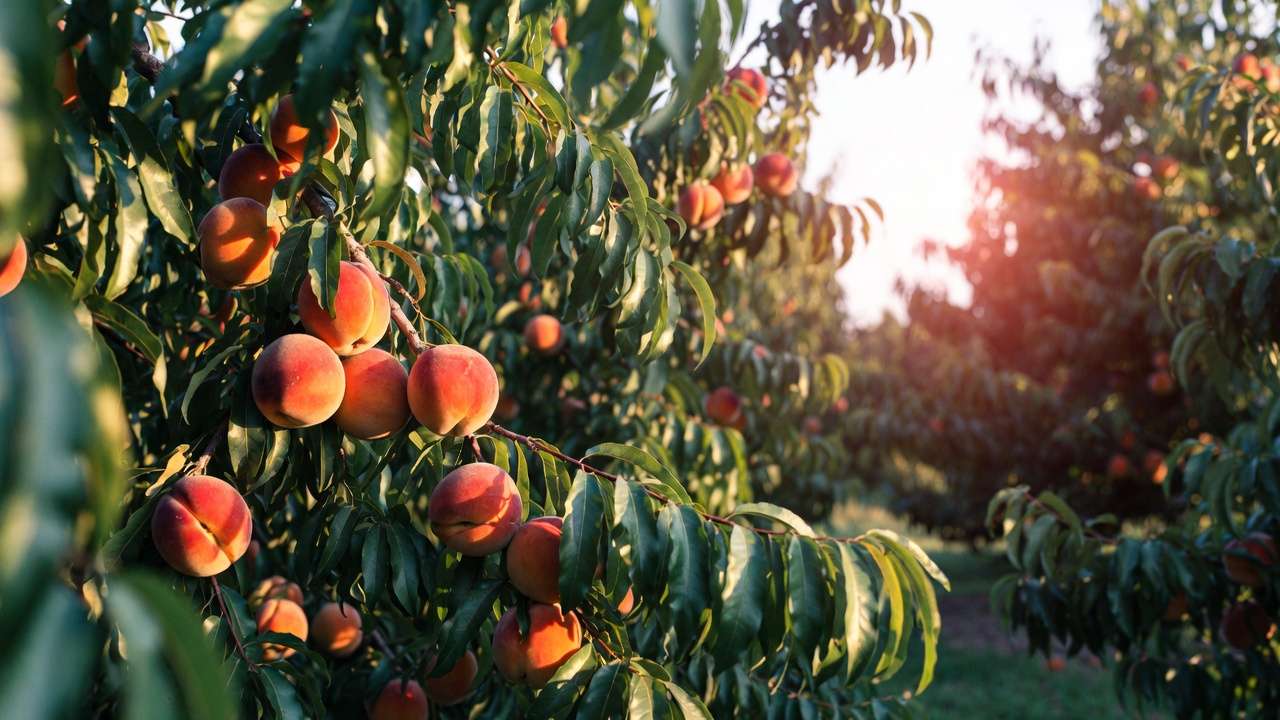
Early-Season Varieties (June–Early July Ripening)
These kick off summer harvests with fresh, tangy-sweet fruit.
- Redhaven — Often called the “gold standard” for backyard growers. Medium chill (~800 hours), zones 5–8, freestone yellow flesh, excellent flavor, firm texture, good disease resistance (bacterial spot). Reliable heavy crops, non-browning when cut—perfect for fresh eating or pies. Why backyard favorite? Forgiving and productive even in variable weather. 🌟
- Garnet Beauty — Very early, semi-freestone yellow, hardy, great taste. Zones 5–8.
- Florida Prince (low-chill) — For warmer zones (8–9), semi-freestone yellow, productive in mild winters.
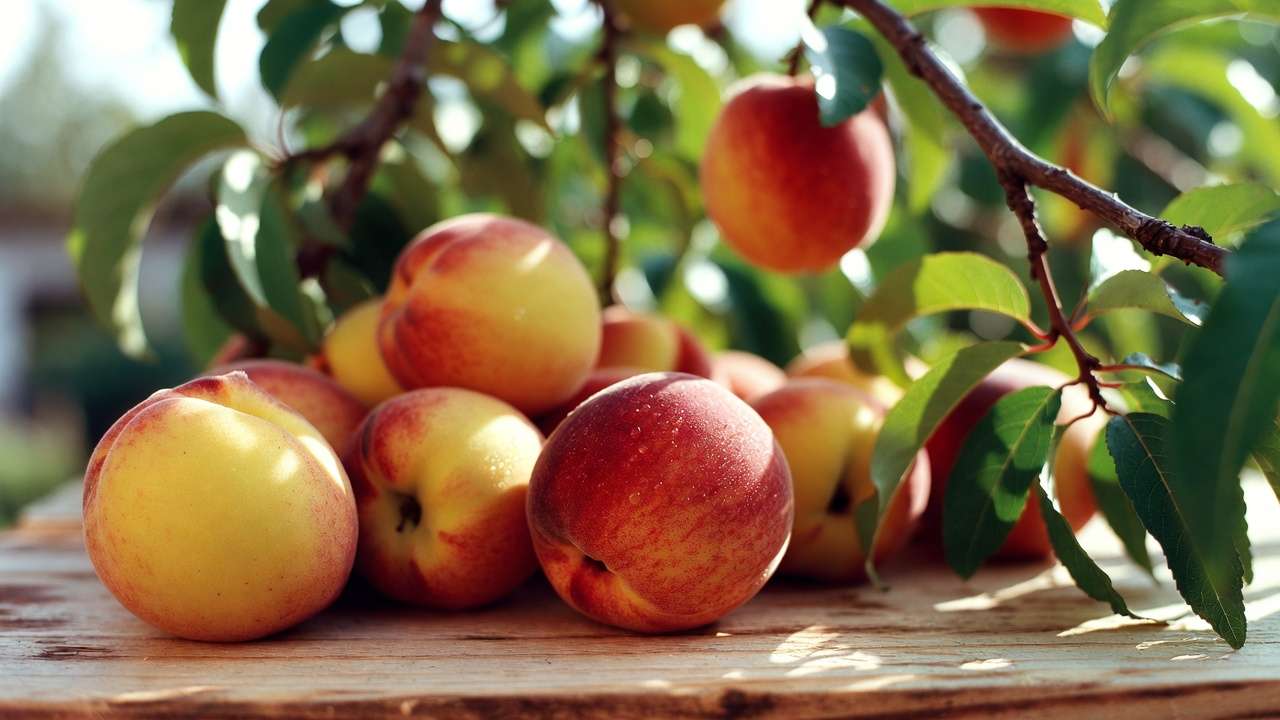
Mid-Season Varieties (July–August Peak)
The heart of peach season—juicy, flavorful classics.
- Contender — Super cold-hardy (1,050 hours), zones 5–8, freestone yellow, juicy and sweet with tangy edge. Excellent frost tolerance and disease resistance. Many northern growers swear by it for consistent yields. ❄️🍑
- Reliance — Top pick for cold climates (zones 4–8, high chill), freestone yellow, bright red blush, sweet-tart flavor. Tough against late frosts and diseases—ideal for beginners in variable zones.
- Belle of Georgia (white-fleshed) — Heirloom beauty, 850 hours, zones 5–8, freestone, ultra-sweet low-acid white flesh. Stunning red blush over creamy skin—gorgeous and delicious fresh.
Late-Season Varieties (August–September)
Extend your harvest into fall for months of peaches.
- Elberta — Legendary heirloom (800–900 hours), zones 5–9, freestone yellow, large, sweet, classic flavor. Versatile for eating, canning, pies—worth the effort despite moderate disease susceptibility.
- Cresthaven — Reliable freestone yellow, good resistance, rich flavor. Zones 5–8.
- O’Henry — Late-ripening, freestone yellow-red, intense sweet-tangy taste. Zones 5–9.
Specialty Picks for Extra Fun
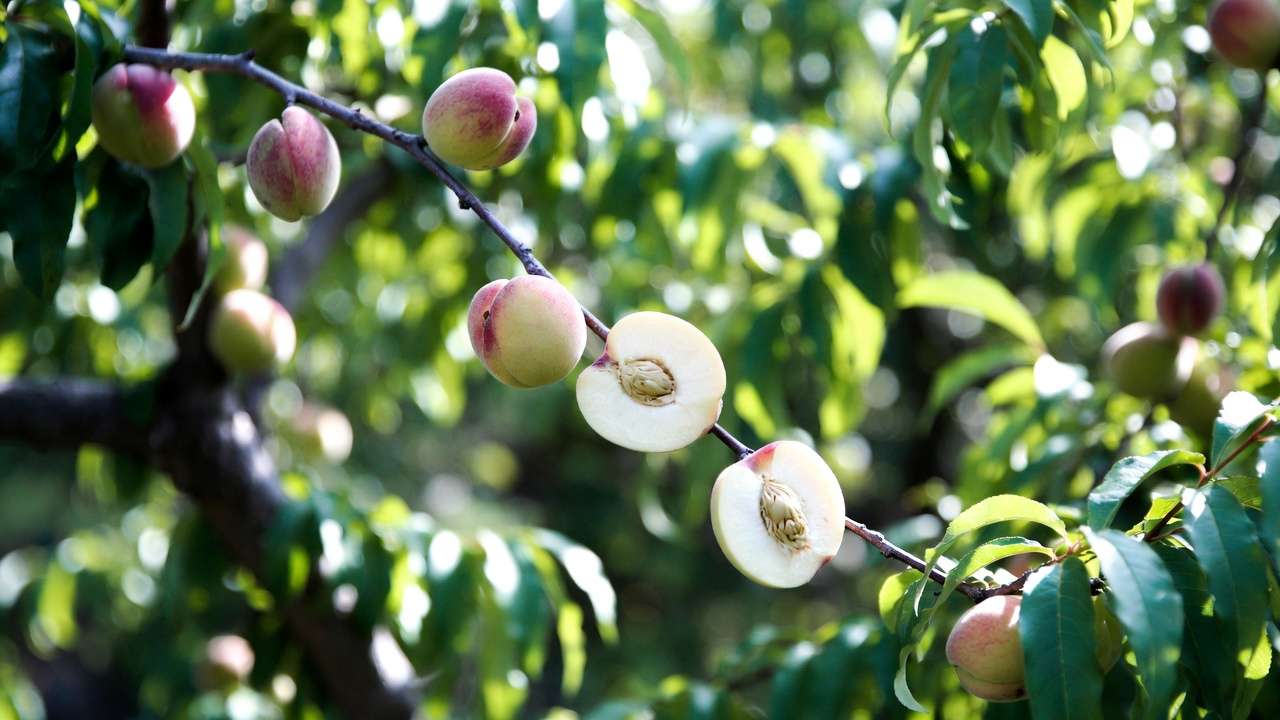
- Donut/Saturn peaches (flat donut shape) — Ultra-sweet white flesh, low-acid, compact trees (great for small yards), zones 5–9. Kid-approved and space-saving! 🥟🍑
- Patio/Dwarf varieties (e.g., Bonanza, Honey Babe) — 4–6 ft tall, container-friendly, full-size fruit. Perfect for urban backyards or balconies.
Each variety offers pros like heavy bearing and cons like specific chill needs—choose based on your site.
Comparison Table: Quick-Reference Guide
| Variety | Chill Hours | USDA Zones | Flesh Color | Freestone? | Disease Resistance | Flavor Rating | Best For | Ripening Time |
|---|---|---|---|---|---|---|---|---|
| Redhaven | ~800 | 5–8 | Yellow | Yes | Good | Excellent | Reliable all-rounder | Early-mid |
| Contender | 1,050 | 5–8 | Yellow | Yes | Excellent | Excellent | Cold-hardy reliability | Mid |
| Reliance | 1,000+ | 4–8 | Yellow | Yes | Very Good | Great | Northern/frost-prone | Mid |
| Belle of Georgia | 850 | 5–8 | White | Yes | Moderate | Outstanding | Sweet white heirloom | Mid |
| Elberta | 800–900 | 5–9 | Yellow | Yes | Moderate | Classic sweet | Canning & fresh | Late |
| Cresthaven | ~850 | 5–8 | Yellow | Yes | Good | Rich | Dependable late | Late |
| Donut/Saturn | 250–500 | 5–9 | White | Semi | Good | Ultra-sweet | Small spaces, fun shape | Mid |
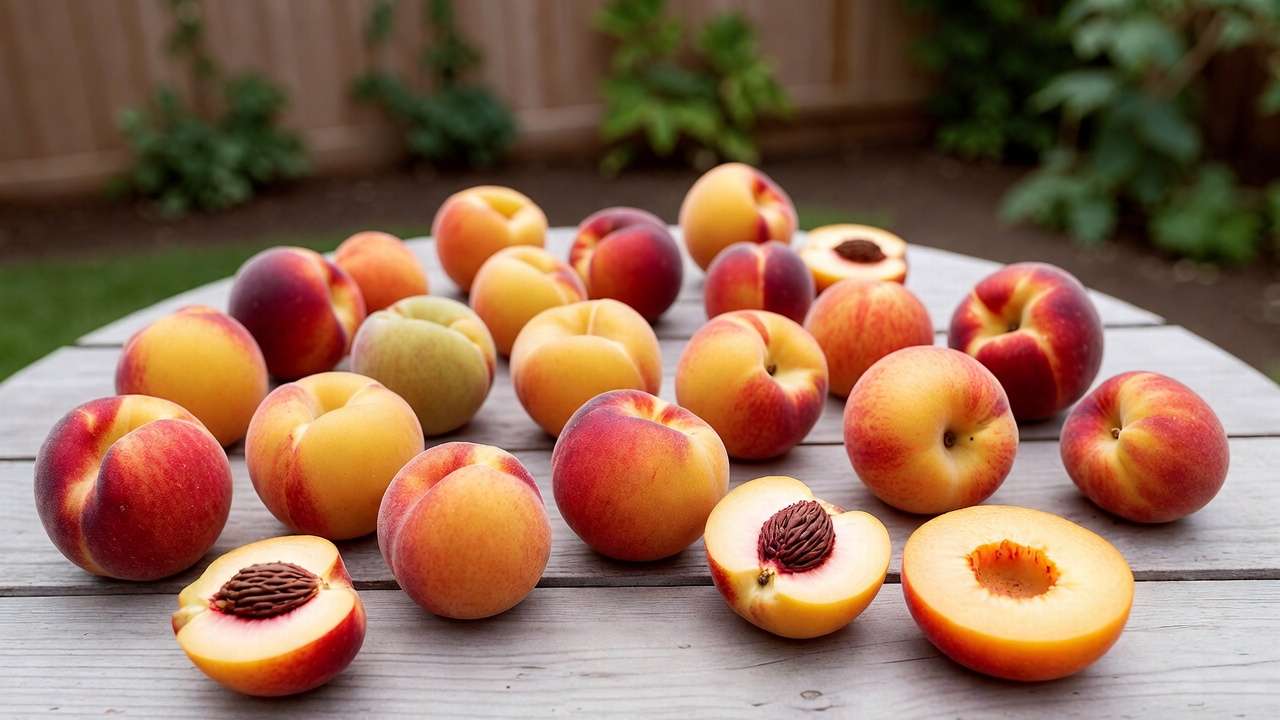
(Use this for quick decisions—bookmark it!) 📊🍑
How to Choose the Best Peach Variety for Your Backyard
Follow this step-by-step:
- Map your chill hours — Use local tools or ask your county extension.
- Assess flavor preference — Yellow for tangy balance, white for low-acid sweetness.
- Measure space — Dwarf for patios, standard for orchards.
- Prioritize resistance — In humid areas, seek bacterial spot/leaf curl resistance.
- Plan succession — Plant early + mid + late for 2–3 months of harvests.
Regional quick picks:
- Northeast/Midwest (zones 5–6): Reliance, Contender, Redhaven.
- Southeast (zones 7–8): Redhaven, Elberta, white options like Belle.
- Warm South/West Coast (zones 8–9): Low-chill like Florida Prince, Tropic Snow.
Essential Care Tips for Backyard Peach Success
- Planting — Full sun (6–8+ hours), well-drained soil (pH 6.0–7.0), plant in spring/fall. Space 12–20 ft apart. Choose Lovell/Guardian rootstock for disease resistance.
- Pruning — Open-center (vase shape) in late winter for airflow and light. Remove water sprouts, thin to 6–10 inches between fruits. ✂️
- Pest & Disease — Spray dormant oil + fungicides (copper/sulfur for organic) against leaf curl/brown rot. Resistant varieties cut needs.
- Thinning/Watering/Fertilizing — Thin early for bigger fruit; water deeply weekly; balanced fertilizer in spring.
- Frost Protection — Cover blooms or use sprinklers in spring.
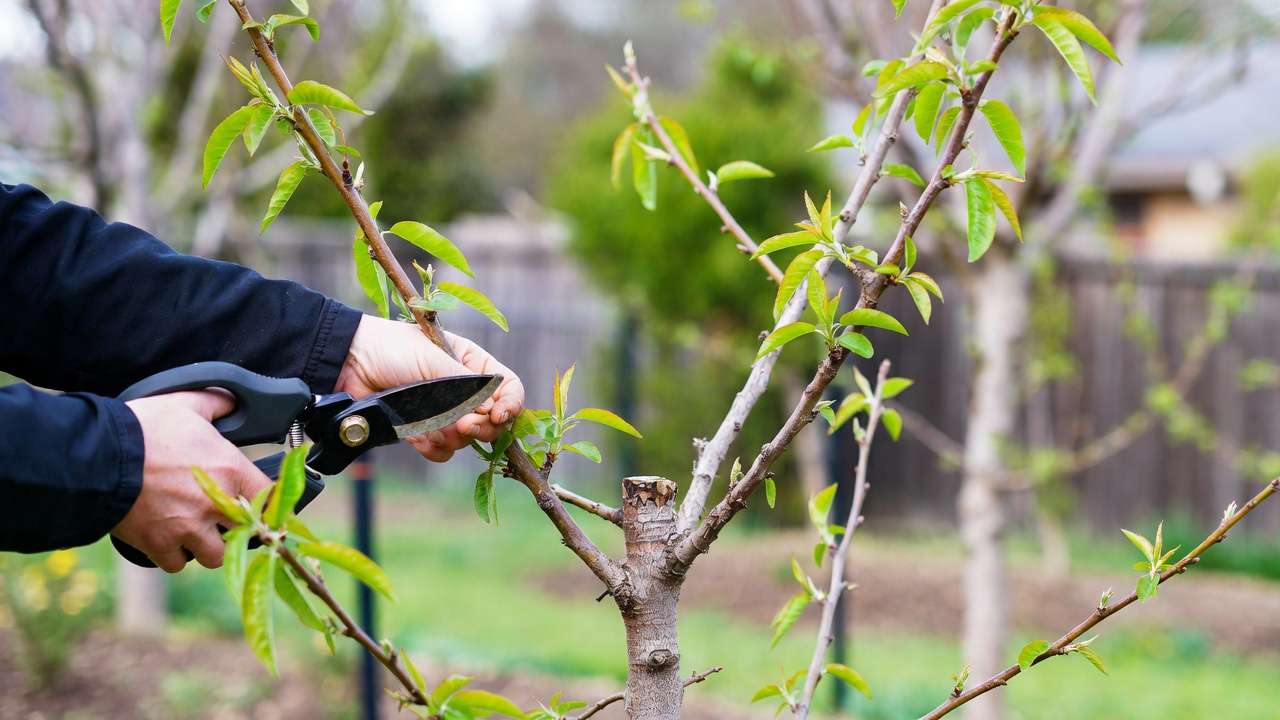
With these basics, your tree thrives! 🌱
Common Mistakes to Avoid When Growing Peaches at Home
- Ignoring chill hours → no fruit.
- Poor pruning → dense canopy, disease.
- Skipping thinning → small, split peaches.
- Wrong site (shade/wet soil) → weak growth.
- Neglecting prevention → lost crop to curl/rot. ⚠️
Avoid these, and success skyrockets!
Expert Insights and Pro Tips
University extensions (e.g., Ohio State, Clemson, UGA) consistently praise Redhaven and Contender for reliability. As a horticulture enthusiast drawing from decades of extension research and grower feedback: Start with one forgiving variety like Redhaven or Reliance—they forgive beginner mistakes while delivering wow-factor flavor. Plant 2–3 for succession, and mulch heavily to retain moisture. The joy of biting into your first home-grown peach? Priceless! 👩🌾🍑
Frequently Asked Questions (FAQs)
What is the easiest peach tree for beginners? Redhaven or Reliance—reliable, forgiving, and flavorful.
Can I grow peaches in pots? Yes! Dwarf/patio varieties like Bonanza thrive in large containers with good drainage.
Are white peaches better than yellow? White are sweeter/low-acid (great fresh); yellow offer tangy balance (ideal canning). Both delicious!
How do I find chill hours in my area? Check extension sites, weather apps, or local nurseries for maps/data.
Why do my peaches split or get worms? Splitting from uneven watering; worms (plum curculio) prevented by sanitation + traps.
How long until my peach tree fruits? 2–4 years for first crop; full production by year 5–7.
Do peach trees need a pollinator? Most are self-fertile—no second tree required.
More questions? Drop them below! ❓🍑
Conclusion
The best peach varieties for backyard orchards deliver reliable home-grown flavor and easy care when matched to your climate and needs. From Redhaven’s dependability to Elberta’s classic sweetness and fun donut types, there’s a perfect pick for every yard. Start small, plant smart, and enjoy the sweetest reward—fresh peaches from your own tree. What’s your top choice? Share in the comments, and happy planting! 🌳❤️🍑











