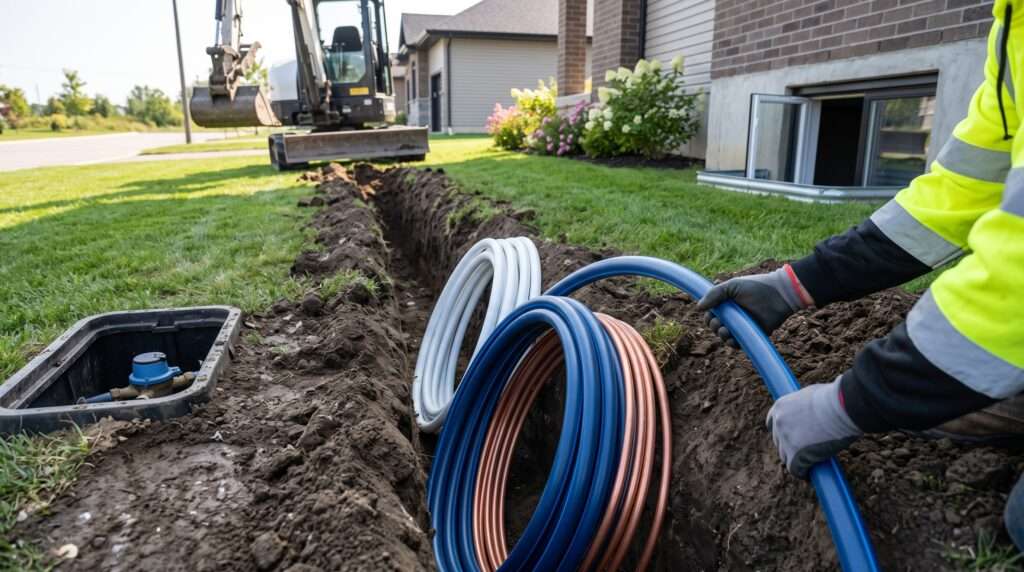
A burst underground water line is a homeowner’s nightmare, often costing thousands of dollars in excavation fees, ruined landscaping, and foundation repairs. Burying a pipe exposes it to relentless environmental stress. Shifting soil, deep freeze-thaw cycles, burrowing rodents, and constant hydrostatic pressure all threaten your property’s main water supply. Grabbing the cheapest tubing available at your local hardware store is a guaranteed recipe for disaster.
To help you avoid these catastrophic failures, we have analyzed current market data, municipal plumbing codes, and verified contractor reviews to rank the best 10 pipe for underground water line installations on the market today. Whether you are trenching a new main water service to your home, upgrading an aging well-water system, or laying out massive agricultural irrigation networks, choosing the exact right material is critical. This definitive guide breaks down exactly what you need to know about material flexibility, freeze resistance, and pressure ratings so you can confidently buy once, bury once, and never have to dig up your yard again.
II. Buying Guide: How to Make an Informed Decision
Before diving into the product reviews, it is crucial to understand that not all pipes are created equal. The environment beneath the soil is hostile, and choosing the wrong material can lead to premature failure. Here is what you need to know before you dig.
Material Matters (The Big Four)
-
PEX (Cross-linked Polyethylene): Available mostly as PEX-A or PEX-B, this flexible plastic tubing has revolutionized modern plumbing. It expands rather than bursts if water freezes inside, making it highly reliable for underground runs.
-
HDPE (High-Density Polyethylene): The heavy-duty gold standard for long, rugged underground runs. HDPE is thick, highly durable, and impervious to most soil chemicals. It is typically fusion-welded or joined with heavy compression fittings.
-
PVC (Polyvinyl Chloride – Schedule 40/80): Highly affordable and rigid. PVC is excellent for high-volume water flow with minimal friction loss, but it is brittle in freezing temperatures and requires glued joints, which can be weak points underground.
-
Copper (Type K): The traditional, old-school choice. Type K copper has the thickest walls and is universally accepted by plumbing codes. However, it is incredibly expensive and can degrade in highly acidic soils.
Climate & The Frost Line
If you live in a region that experiences freezing temperatures, you must bury your water line below your local “frost line”—the maximum depth to which groundwater is expected to freeze. Even when buried deep, flexible tubing like PEX and HDPE is heavily recommended in northern climates because they can handle ground heaving and accidental freezes much better than rigid PVC or Copper.
Sizing and Friction Loss
For a standard residential main water line, 1-inch diameter pipe is the modern standard. If you are running water over a long distance (e.g., 100 feet or more from the street meter to the house), you may need to upgrade to 1.25″ or 1.5″ to account for friction loss and ensure adequate Gallons Per Minute (GPM) reaches your showers and appliances.
Fittings & Connections: The Golden Rule
The golden rule of underground plumbing is: Avoid buried mechanical fittings whenever possible. The safest underground line is a single, continuous, seamless piece of pipe. This is why PEX and HDPE sold in 100-to-300-foot continuous rolls are superior choices. If a joint fails underground, you will have to dig up your yard to fix it.
III. Product Comparison and Review Section
1. SharkBite 1-Inch Blue PEX-B Water Pipe
Product Description: SharkBite is a household name in modern plumbing, and their 1-Inch Blue PEX-B pipe is a testament to why. Designed specifically for potable water delivery, this continuous-roll PEX tubing eliminates the need for toxic glues, solvents, or torches. Manufactured with stringent quality control, the SharkBite PEX-B boasts a smooth internal surface that resists scale and chlorine buildup, ensuring your home’s water pressure remains strong and clean for decades. Its signature blue color instantly identifies it as a cold-water line, making future utility identification a breeze.

Price: $77.97
Key Features and Benefits:
-
1-inch diameter with options for up to 300-foot continuous coils.
-
Minimum burst pressure rating of 160 PSI at 73°F (100 PSI at 180°F).
-
Naturally resists mineral scaling, corrosion, and chlorine degradation.
-
Approved for continuous direct burial when used without mechanical joints.
Pros and Cons:
-
Pros: The massive coil length allows you to run a main line from the street to your house without a single underground connection. It is highly freeze-resistant and widely compatible with standard crimp or clamp ring fitting systems.
-
Cons: Because it is PEX-B, it has a “memory” and is slightly stiffer than PEX-A, meaning it requires a wider bending radius when turning corners in your trench.
Amazon Customer Ratings and Reviews: 4.8/5 Stars. Buyers rave about the massive cost savings compared to buying shorter 10-foot rigid sticks at local big-box stores. Many DIY homeowners highlight the peace of mind that comes with laying a single, unbroken line into their trench.
Why it’s a good choice: When searching for the best 10 pipe for underground water line options, SharkBite PEX-B consistently ranks at the top for residential use. Its flexibility allows it to adapt to uneven trench floors, and it has enough elasticity to survive accidental freezing without splitting open.
Ideal Use Case: DIY homeowners and local contractors running a continuous main potable water line from a city meter directly into a residential basement or crawlspace.
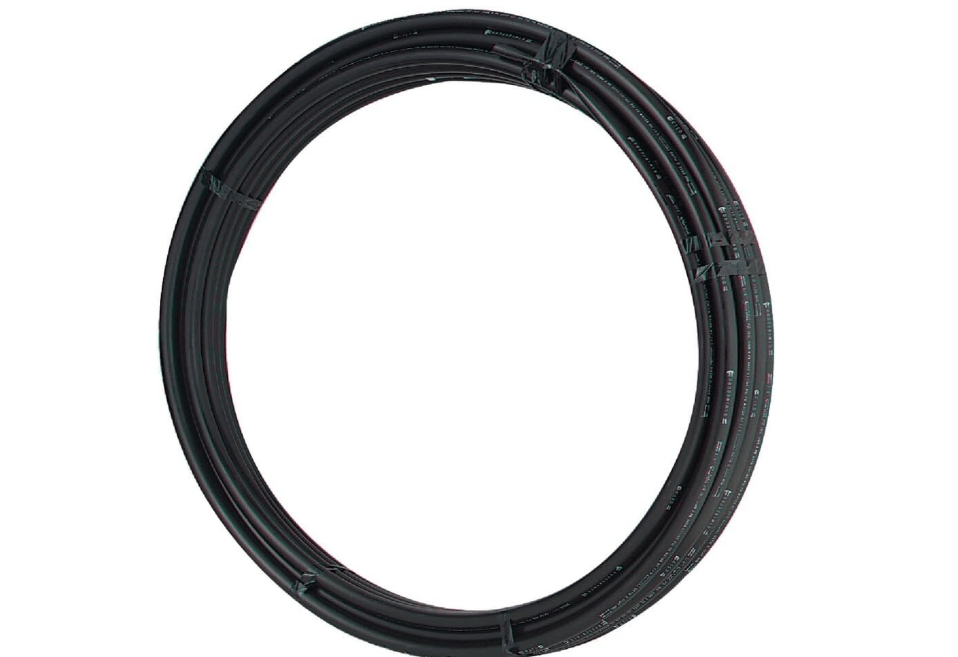
2. Advanced Drainage Systems (ADS) Polyethylene IPS Pipe (HDPE)
Product Description: When the terrain gets tough, Advanced Drainage Systems (ADS) HDPE pipe is what the professionals reach for. This is a heavy-duty, high-density polyethylene pipe built for the most rugged agricultural, rural, and industrial plumbing environments. Unlike standard household plastics, HDPE is practically indestructible. It is engineered to withstand immense impact, shifting earth, and the abrasive nature of rocky soils. It essentially acts as a localized aqueduct that will outlive the person who buries it.
Price:
Key Features and Benefits:
-
Unmatched impact and crush resistance.
-
Highly resistant to UV rays (for above-ground transitions) and corrosive soil chemicals.
-
Available in exceptionally long bulk rolls.
-
IPS (Iron Pipe Size) dimensions for massive water flow capacity.
Pros and Cons:
-
Pros: The toughest plastic pipe on the market. It handles shifting, rocky soil beautifully and boasts a 50+ year lifespan in buried conditions.
-
Cons: You cannot use standard household plumbing fittings. It requires specialized heat-fusion welding tools for the most secure joints, or heavy-duty brass compression fittings (like Ford or Mueller fittings) which can be expensive.
Amazon Customer Ratings and Reviews: 4.7/5 Stars. Reviewers highlight its “tank-like” durability. Farmers and rural property owners frequently comment that this pipe easily survives being driven over by tractors prior to burial.
Why it’s a good choice: For heavy-duty applications, this easily earns its spot among the best 10 pipe for underground water line materials. HDPE is the industry standard for municipal water mains because it simply does not fail under pressure or environmental stress.
Ideal Use Case: Rural homeowners, farmers, or off-grid builders running long-distance water lines from a distant well to a home, barn, or livestock trough.
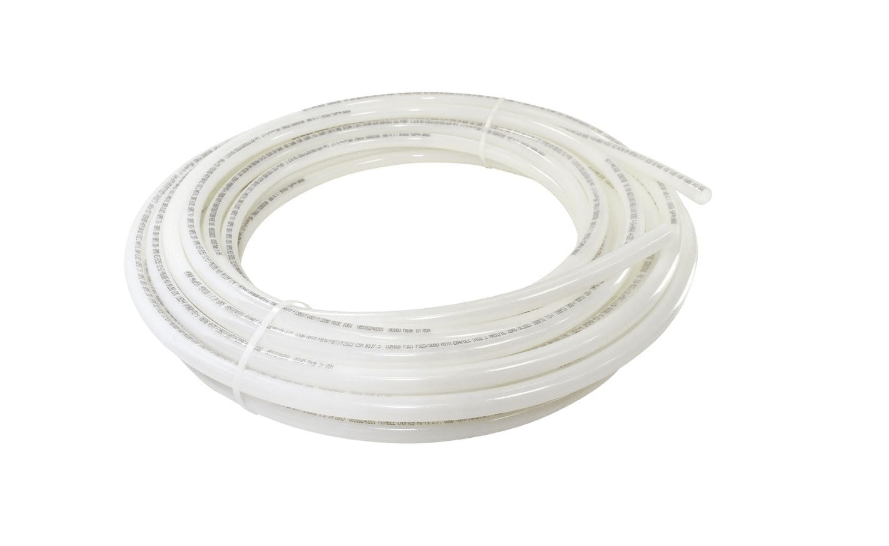
3. Uponor AquaPEX White PEX-a Tubing
Product Description: Uponor (formerly Wirsbo) is widely considered the absolute premium standard in flexible plumbing tubing. Their AquaPEX is a PEX-a material, which undergoes the highest degree of cross-linking during manufacturing. What does this mean for you? Unparalleled flexibility and “thermal memory.” If you accidentally kink this pipe while laying it in a trench, you don’t have to cut it—you simply apply heat from a heat gun, and the pipe magically shrinks back to its original factory shape. Furthermore, it utilizes an expansion fitting system where the connection actually gets tighter and stronger over time.
Price:
Key Features and Benefits:
-
Extreme thermal memory for kink repair without splicing.
-
Utilizes ProPEX expansion fittings which do not restrict the internal diameter (maintaining maximum water flow).
-
Highest flexibility of all PEX types, allowing for tight turns.
-
Extensively tested for freeze-damage resilience.
Pros and Cons:
-
Pros: The most flexible PEX available. Superior freeze protection—if water freezes, the pipe expands to accommodate the ice, then shrinks back to size when it thaws.
-
Cons: You must use a specialized expansion tool (like the Milwaukee M12 ProPEX expander) to make connections, which adds to the initial project cost.
Amazon Customer Ratings and Reviews: 4.9/5 Stars. Professional plumbers on Amazon rave about Uponor, citing its ease of use in tight spaces and unmatched reliability. Many refuse to use any other brand for in-ground applications.
Why it’s a good choice: It represents the pinnacle of residential plumbing engineering. As a contender for the best 10 pipe for underground water line systems, its flow-optimized fittings and freeze resilience make it an incredibly safe long-term investment.
Ideal Use Case: Professional plumbers and serious DIYers living in extreme northern climates with deep frost lines and harsh winter conditions.
4. Charlotte Pipe Schedule 40 Solid Core PVC
Product Description: Sometimes, rigid and reliable is exactly what the job calls for. Charlotte Pipe’s Schedule 40 Solid Core PVC is the classic, tried-and-true rigid pipe known for delivering high volumes of water with zero friction loss. Manufactured in the USA, this solid-core PVC offers perfectly smooth interior walls that allow water to rush through unimpeded. It is incredibly affordable, easy to cut with a simple hacksaw, and connects using standard PVC primer and solvent cement (glue) that permanently chemically welds the pieces together.
![1 1/2 Inch Diameter Clear PVC Schedule 40 Pipe [Pipe ID 1.590 inch, OD 1.900 inch] (Bluish tint), Choose Your Length (5 inches to 94 Inches) (Selected](https://treecarezone.com/wp-content/uploads/2026/09/Screenshot-2026-09-04-081132.png)
Price: $27.55
Key Features and Benefits:
-
Rigid solid-core construction (stronger than cellular core).
-
Glass-smooth interior walls for zero-friction maximum water delivery.
-
High pressure rating (typically over 300 PSI depending on the diameter).
-
Immune to rust, scale, and corrosion.
Pros and Cons:
-
Pros: Highly inexpensive and readily available. Fittings cost pennies compared to brass PEX fittings. It delivers massive water flow capacity ideal for high-demand systems.
-
Cons: Very brittle in freezing temperatures. Because it comes in 10-foot or 20-foot rigid sticks, a long trench requires many glued joints—and every underground joint is a potential future leak point.
Amazon Customer Ratings and Reviews: 4.6/5 Stars. Buyers love the affordability and the sheer simplicity of solvent-welding. It is highly praised for large-scale landscaping projects.
Why it’s a good choice: If you live in a frost-free zone and need to move a massive amount of water cheaply, this pipe is unbeatable. It is a staple in the best 10 pipe for underground water line conversation specifically for high-yield irrigation and warm-weather municipal taps.
Ideal Use Case: Homeowners in warm, southern, frost-free climates installing large-scale landscaping irrigation systems, or for short, straight runs from a meter to a home where heavy flow is required.
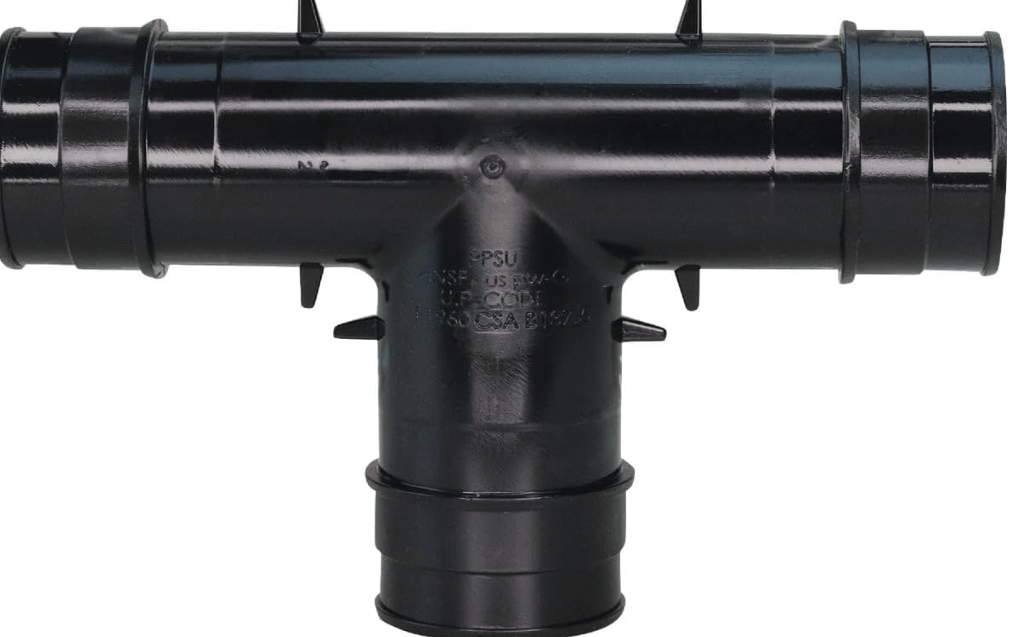
5. Apollo PEX-A Expansion Pipe
Product Description:
Apollo brings professional-grade PEX-A technology to a much more accessible price point. While premium brands dominate the PEX-A space, Apollo offers the same highly sought-after expansion-fitting compatibility and shape-memory technology without the steep markup. This tubing is designed to expand and contract, meaning the fittings slide into an expanded pipe that then shrinks down to create a virtually leak-proof seal. It arrives heavily protected against UV exposure during transport and is thoroughly rated for direct burial.
Price: $27.91
Key Features and Benefits:
-
Available in lengths from 100ft up to 300ft rolls.
-
Shape-memory technology allows kink repairs using just a heat gun.
-
Rated for a continuous 160 PSI at 73°F.
-
Compatible with standard cold-expansion tools and fittings.
Pros and Cons:
-
Pros: Delivers the premium benefits of PEX-A—specifically flow-optimized fittings that don’t restrict water volume—at a highly competitive price. Excellent freeze resistance.
-
Cons: The packaging and shipping of these large coils can sometimes be bulky for solo DIY handling.
Amazon Customer Ratings and Reviews:
4.7/5 Stars. Users frequently mention that Apollo performs identically to higher-priced name brands. Plumbers appreciate the cost savings on large residential rough-ins.
Why it’s a good choice:
It secures its position among the best 10 pipe for underground water line options by democratizing PEX-A. It eliminates the need for underground joint connections when bought in long coils and provides top-tier freeze protection for a fraction of the cost.
Ideal Use Case:
Budget-conscious homeowners who understand the superior freeze-protection and flow benefits of PEX-A over standard PEX-B but want to keep material costs down.
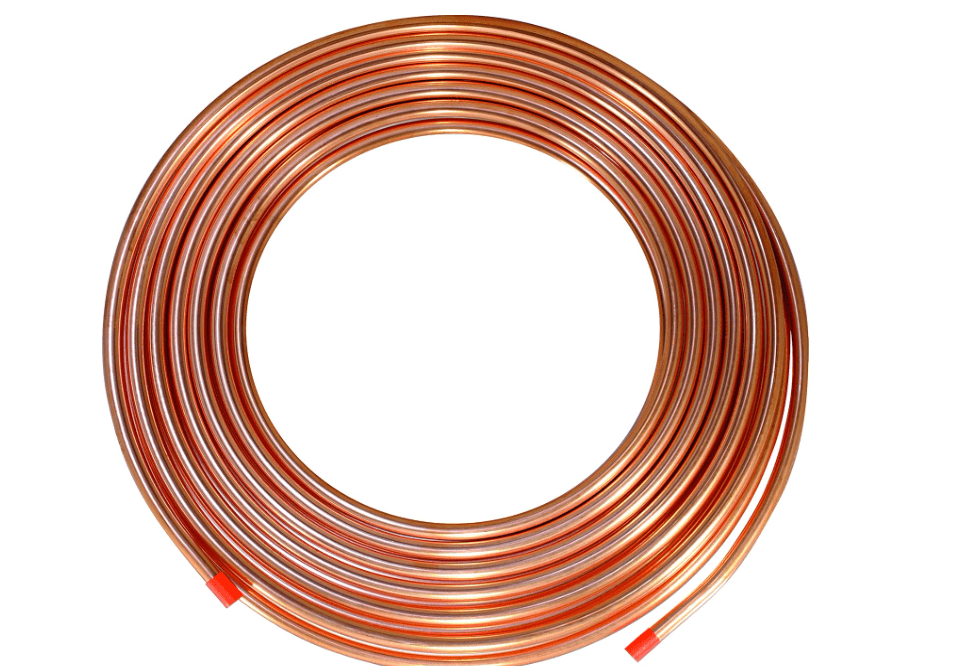
6. Mueller Streamline Type K Copper Tubing
Product Description:
Before plastics revolutionized plumbing, heavy-wall Type K copper was the undisputed king of underground water service. Mueller Streamline continues this legacy. Unlike the thinner Type M or Type L copper used inside homes, Type K features the thickest wall construction available, making it virtually crush-proof. It is completely natural, meaning there is zero risk of plastic chemical leaching into your drinking water.
Price:
Key Features and Benefits:
-
Thickest wall of all copper tubing types, built specifically for direct burial.
-
Naturally antimicrobial and completely immune to UV degradation.
-
Can withstand extreme hydrostatic pressure and ground shifting.
-
Accepted by every municipal building code in North America.
Pros and Cons:
-
Pros: When installed in neutral soils, it can last well over 75 years. It handles extreme pressure and provides a completely plastic-free water delivery system.
-
Cons: Exceptionally expensive due to raw copper market prices. Highly susceptible to pinhole leaks if buried in highly acidic or highly alkaline soils. Requires brazing or heavy brass flare fittings.
Amazon Customer Ratings and Reviews:
4.5/5 Stars. Buyers respect the bulletproof, heavy-duty quality but universally note the high upfront investment required for long runs.
Why it’s a good choice:
For legacy homes or strictly regulated municipalities, this is the gold standard. It is the only material guaranteed to pass any local plumbing inspector’s direct-burial requirements.
Ideal Use Case:
Homeowners dealing with strict city codes, those building high-end custom homes, or anyone who strictly wants a plastic-free, highly durable water delivery system.
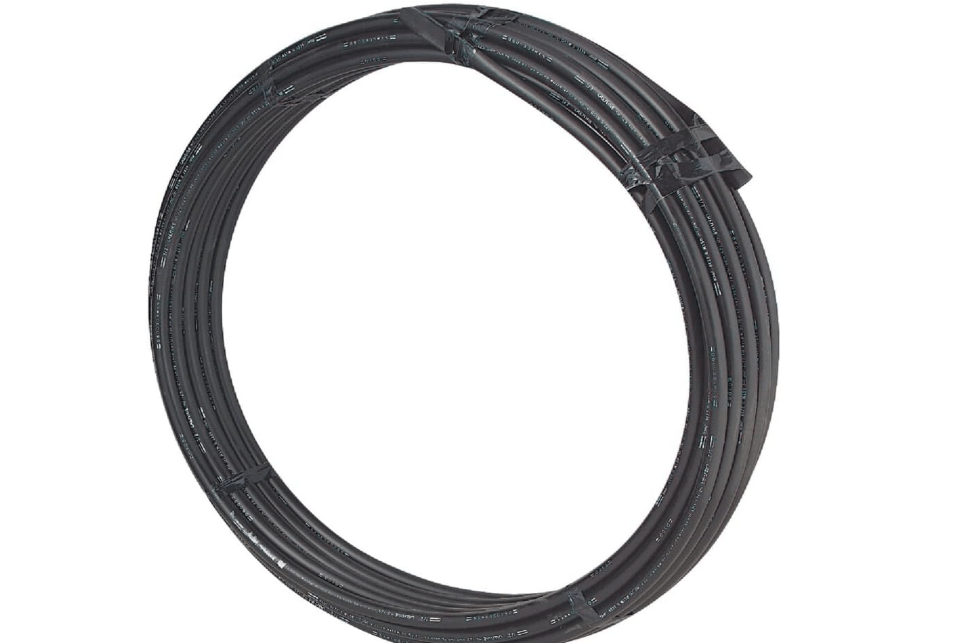
7. Happybuy Blue Polyethylene Water Line (HDPE)
Product Description:
Happybuy delivers a bulk roll of high-density polyethylene (HDPE) designed specifically for rapid, long-distance trench laying. Characterized by its bright blue color, this pipe is instantly identifiable as a potable water main, ensuring future excavators know exactly what they are digging around. It offers the chemical resistance and durability of rigid pipes combined with enough flexibility to snake through uneven, rocky trenches without requiring angled fittings.
Price:
Key Features and Benefits:
-
Distinctive blue coloration for easy utility identification.
-
High flexibility for navigating obstacles in long trenches.
-
Weather, crack, and corrosion resistant.
-
Sold in massive continuous lengths to completely eliminate underground joints.
Pros and Cons:
-
Pros: Outstanding value for extremely long-distance runs. Bypasses the need to cut and glue elbows when routing around tree roots or boulders.
-
Cons: The plastic “memory” can make it stubbornly curled when first unrolling; it requires laying in the hot sun to soften before installation.
Amazon Customer Ratings and Reviews:
4.4/5 Stars. Customers praise the immense value for rural properties but highly advise unrolling it and letting it bake in the sun for a few hours to make it workable.
Why it’s a good choice:
When trenching several hundred feet, cutting and gluing PVC is tedious and risky. This HDPE roll allows you to lay a seamless line rapidly, minimizing labor and leak risks.
Ideal Use Case:
Off-grid cabin builders, homesteaders, or rural property owners running long lines from a distant road meter to an inland structure.
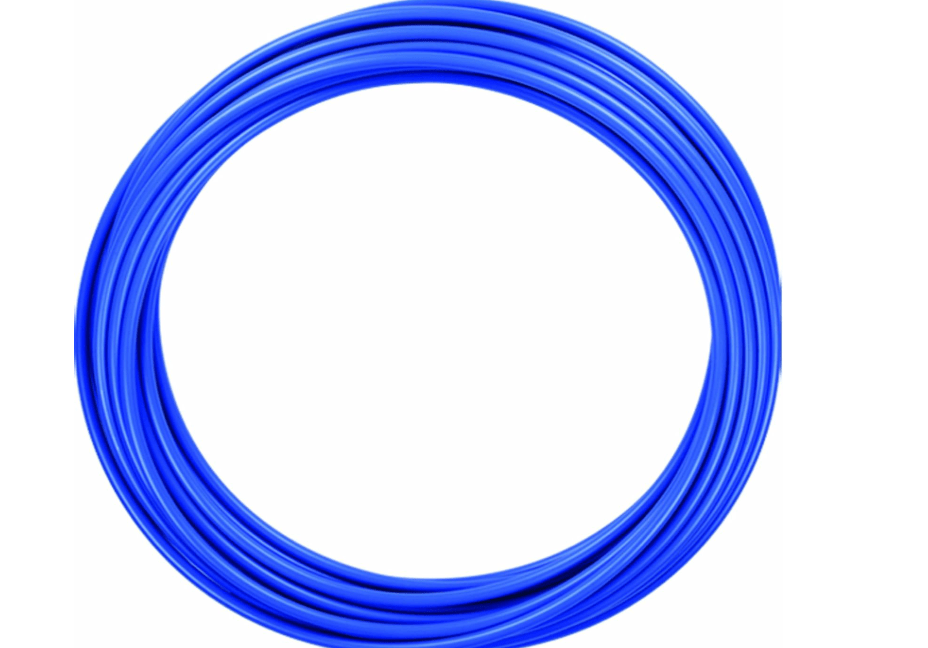
8. Viega PureFlow PEX Tubing
Product Description:
Viega is a powerhouse in commercial and high-end residential plumbing, famous for its legendary crimp and press fittings. Their PureFlow PEX tubing is manufactured with incredibly stringent quality control standards, resulting in a pipe with perfectly consistent wall thickness. What sets Viega apart is its exceptionally high chlorine resistance. Municipal water supplies are increasingly treated with harsh chloramines that can slowly degrade cheaper plastics from the inside out. PureFlow is engineered to combat this exact issue.
Price:
Key Features and Benefits:
-
Highest-rated chlorine and chloramine resistance in its class.
-
Excellent UV protection coating during the pre-installation and transport phases.
-
Consistent extrusion for zero weak points along the coil.
-
Seamless compatibility with Viega’s proprietary press systems.
Pros and Cons:
-
Pros: Unmatched manufacturing consistency guarantees long-term reliability against heavily treated city water.
-
Cons: It carries a premium price tag compared to standard generic PEX available at hardware stores.
Amazon Customer Ratings and Reviews:
4.8/5 Stars. Professional installers heavily favor Viega, frequently citing its “zero-fail” reputation when paired with Viega press fittings.
Why it’s a good choice:
If your municipal water supply is heavily treated, the internal degradation of your pipe is a real threat. Viega’s enhanced chemical resistance secures its place as one of the best 10 pipe for underground water line upgrades for city dwellers.
Ideal Use Case:
Homeowners connecting to a heavily treated city water supply who want absolute peace of mind regarding long-term internal chemical degradation.
9. Cresline Flexible Poly Pipe
Product Description:
Cresline Flexible Poly Pipe is the workhorse of the landscaping and agricultural world. This highly adaptable, economical black poly pipe serves as the backbone for heavy-duty irrigation, sprinkler mains, and well-water transport. It is exceptionally lightweight and can be easily cut with standard hand shears. Unlike PEX or Copper which require expensive tools, Cresline poly connects using incredibly simple barbed insert fittings secured with stainless steel hose clamps.

Price:
Key Features and Benefits:
-
Highly flexible and forgiving in shallow trenches.
-
Tool-free installation (only requires a screwdriver or nut driver for clamps).
-
Thick walls resist punctures from rocks and roots.
-
Extremely cost-effective for high-volume purchases.
Pros and Cons:
-
Pros: The absolute easiest pipe to work with for outdoor irrigation. It is practically immune to freezing and thawing cycles if properly drained or buried.
-
Cons: It has a lower pressure rating than PEX or heavy HDPE and is not typically code-approved for indoor potable main lines.
Amazon Customer Ratings and Reviews:
4.5/5 Stars. Landscapers and DIY gardeners love it for its simplicity and ruggedness in outdoor environments.
Why it’s a good choice:
It is highly forgiving. If water freezes inside, the pipe easily stretches and recovers. The simple barbed-fitting system makes mid-trench repairs fast and easy if a shovel accidentally strikes the line.
Ideal Use Case:
Homeowners building out large, multi-zone underground sprinkler systems, running lines to livestock troughs, or setting up seasonal outdoor water spigots.
10. Zurn PEX Non-Barrier Tubing
Product Description:
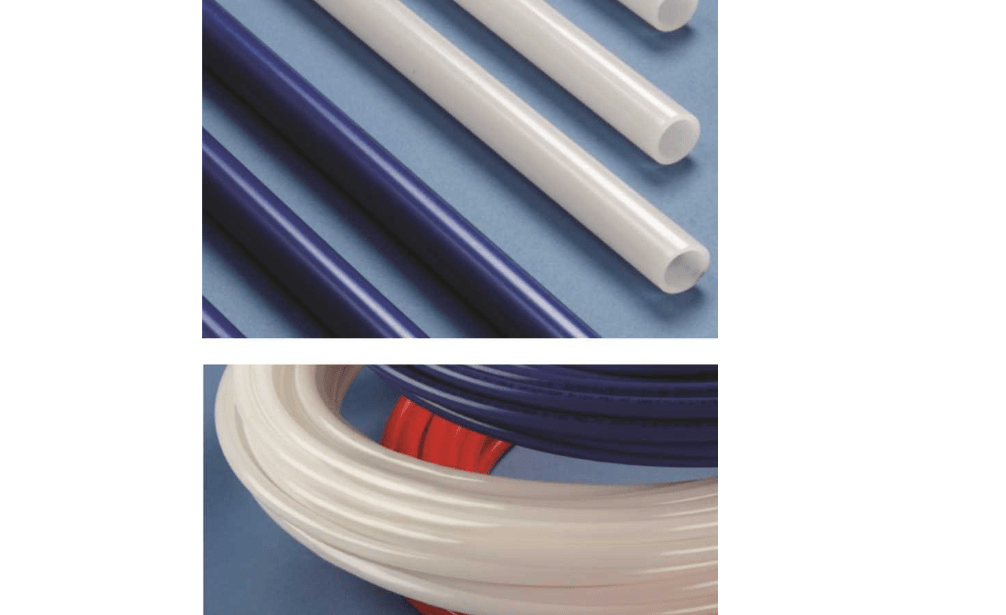
Zurn provides a contractor-grade PEX-B tubing that perfectly balances cost, flexibility, and robust long-term performance. Utilizing a silane cross-linked polyethylene manufacturing process, this tubing is highly resistant to mineral buildup and hard water scaling. It features clear foot-markings printed directly on the exterior, taking the guesswork out of measuring long trench runs.
Price: $118.64
Key Features and Benefits:
-
Silane cross-linked polyethylene for maximum structural integrity.
-
Rated at 160 PSI at 73°F.
-
Highly resistant to mineral buildup and hard water scaling.
-
Foot-markings printed sequentially along the coil.
Pros and Cons:
-
Pros: A fantastic middle-ground between budget big-box brands and ultra-premium lines. It is widely compatible with all standard crimp and clamp ring systems.
-
Cons: As a non-barrier PEX, it must be kept strictly out of sunlight prior to burial, as UV rays will rapidly degrade the material.
Amazon Customer Ratings and Reviews:
4.7/5 Stars. DIYers greatly appreciate the sequential foot-markings, noting it saves a tremendous amount of time when cutting specific lengths for complex trench routes.
Why it’s a good choice:
Its remarkably smooth interior prevents hard water deposits from calcifying inside the pipe. If you draw from a private well with high mineral content, Zurn ensures your water pressure will remain steady for decades without choking up.
Ideal Use Case:
Property owners with hard well water who are executing a full main-line replacement and need an economical, scale-resistant solution.
IV. Quick Comparison Guide
| Product | Material | Standout Feature & Price |
| SharkBite PEX-B | PEX-B | Massive continuous coils, high freeze resistance ($$) |
| ADS Polyethylene | HDPE | Indestructible crush resistance, rural standard ($$$) |
| Uponor AquaPEX | PEX-A | Extreme thermal memory, kink-repairable ($$$) |
| Charlotte Pipe | PVC (Sch 40) | Massive flow capacity, zero friction loss ($) |
| Apollo Expansion | PEX-A | Pro-grade flow fittings on a budget ($$) |
| Mueller Type K | Copper | 75+ year lifespan, plastic-free, code approved ($$$$) |
| Happybuy Blue | HDPE | Long-distance value, high flexibility ($$) |
| Viega PureFlow | PEX (Premium) | Maximum chlorine/chemical resistance ($$$) |
| Cresline Poly | Flexible Poly | Tool-free barbed fittings, ideal for irrigation ($) |
| Zurn Non-Barrier | PEX-B | Hard-water scale resistant, printed measurements ($$) |
V. Frequently Asked Questions (FAQs)
Can you bury PEX pipe directly in the ground?
Yes, PEX pipe is approved for direct burial. However, you must bury it below your local frost line to prevent freezing, and you should bed the trench with sand to protect the pipe from sharp rocks. Most importantly, you should never bury mechanical fittings (like brass crimps or push-to-connect fittings) underground, as these are the most likely points of failure.
Is HDPE better than PVC for underground lines?
For long-distance, main water lines, HDPE is vastly superior to PVC. HDPE is highly flexible, meaning it absorbs the stress of shifting soil, minor earthquakes, and deep freezes without shattering. PVC is rigid and brittle; soil settlement can easily snap a glued PVC joint, leading to a massive underground leak.
Should I put my underground water pipe in a PVC sleeve?
Sleeving your water line (running your PEX or Copper inside a larger, rigid PVC pipe) is highly recommended when passing under driveways, sidewalks, or expensive hardscaping. If the water line ever fails, you can simply pull the old pipe out of the sleeve and push a new one through without having to jackhammer your concrete.
What size pipe is best for an underground water main?
For most standard residential homes, a 1-inch diameter pipe is the sweet spot. However, if your trench run is over 100 feet from the street meter to your house, friction inside the pipe will reduce your water pressure. In these long-distance scenarios, upgrading to a 1.25-inch or 1.5-inch pipe is recommended to maintain adequate Gallons Per Minute (GPM).
VI. Final Verdict
Trenching and laying a new water line is a labor-intensive, expensive project. The cost of the pipe itself is actually the smallest fraction of the total job—the real expense lies in the excavation, the heavy equipment rentals, and the landscape restoration. Trying to save fifty dollars by purchasing brittle, low-quality tubing is a gamble that will eventually cost you thousands in emergency repairs.
If you are dealing with cold climates and want absolute peace of mind, investing in Uponor AquaPEX or SharkBite PEX-B ensures your line can survive a freeze without bursting. For heavy-duty rural well systems, ADS HDPE is the undisputed champion. Take the time to measure your required distance accurately, check your local municipal plumbing codes, and invest in a continuous coil that eliminates underground joints entirely.