
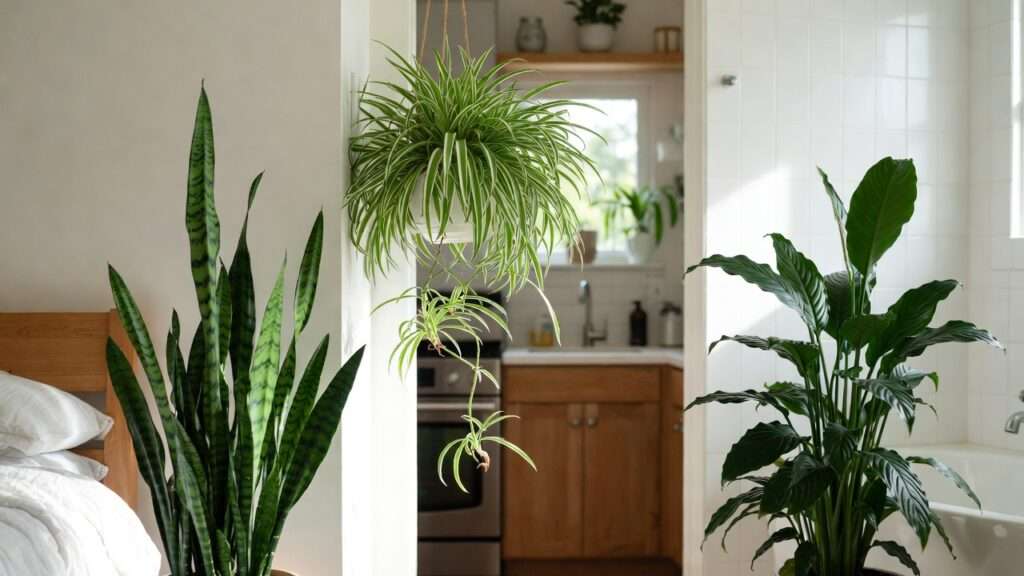
Imagine stepping into your home after a long day, only to be greeted by that faint, stuffy feeling in the air—lingering cooking smells, pet odors, or even invisible off-gassing from furniture and electronics. 😩 What if a few strategically placed green companions could naturally freshen things up, help filter out toxins like formaldehyde and benzene, and make your space feel calmer and healthier?
That’s the power of air-purifying plants—and the best place to keep air-purifying plants isn’t just any corner; it’s about smart, science-backed placement that maximizes their air-cleaning magic while keeping the plants thriving. Drawing from NASA’s famous 1989 Clean Air Study (and follow-up insights), these plants don’t just look pretty—they actively remove volatile organic compounds (VOCs) through their leaves, roots, and soil microbes. 🌱💨
In this in-depth guide, we’ll cover everything you need: why placement is crucial, general rules for success, room-by-room recommendations, common mistakes to dodge, how many plants you actually need, expert boosts, and more. Whether you’re in a cozy apartment or a spacious home, you’ll learn how to turn ordinary spots into powerful purification zones. Ready to breathe easier? Let’s get growing! 😊
Why Placement Matters More Than You Think for Air-Purifying Plants
Many people grab a snake plant or peace lily thinking it’ll magically clean their air—no matter where it’s plopped. But here’s the expert truth: placement dramatically affects both purification efficiency and plant longevity.
NASA’s Clean Air Study showed that plants remove pollutants like benzene, formaldehyde, trichloroethylene, and xylene best when conditions support active transpiration and microbial activity in the soil. Leaves absorb toxins via stomata, but the roots and associated bacteria do much of the heavy lifting by breaking down VOCs.
Poor placement (dark corners, drafts, or scorching sun) stresses plants, reduces leaf surface area for absorption, and weakens root health—meaning less effective filtering and more yellow leaves or pests. Optimal spots ensure bright indirect light, good airflow, stable humidity, and proximity to pollution sources (like near a TV or printer).
Key factors:
- Light: Most air-purifiers thrive in bright, indirect light—too little slows growth and purification; too much burns leaves.
- Airflow: Gentle circulation helps spread cleaned air and prevents mold.
- Humidity & Temperature: Match plant needs (e.g., ferns love steamy bathrooms).
- Pollution proximity: Place near VOC sources for targeted removal.
Get placement right, and your plants become true indoor allies for better respiratory health, reduced allergens, and a fresher home vibe! 🌟
General Guidelines for Optimal Placement of Air-Purifying Plants
Follow these pro rules to set your plants up for success:
- Prioritize bright, indirect light — East or west windows with sheer curtains are ideal for most (avoid harsh south-facing direct sun unless the plant tolerates it, like snake plants).
- Elevate for better circulation — Use plant stands, shelves, or hanging baskets instead of floor corners where air stagnates.
- Group plants strategically — Cluster 3–5 together to create a mini-humidity bubble and amplify collective filtering power.
- Steer clear of extremes — No drafts from doors/AC vents, heaters, or radiators; avoid completely dark spots or smoky areas.
- Rotate quarterly — Turn plants for even light exposure and balanced growth.
- Clean leaves regularly — Dust blocks stomata; wipe with a damp cloth monthly.
These habits ensure your plants stay healthy longer and purify more effectively. Pro tip: Match plant species to your home’s natural conditions for low-maintenance wins! 🔄🌿
Best Places Room by Room – Tailored Recommendations
Here’s where the real value shines: customized spots for maximum impact in every room.
Living Room – The Heart of Your Home 🛋️🌱 Your living room sees the most traffic and often harbors VOCs from upholstery, carpets, and electronics. Place plants near seating areas or TV units for direct breathing-zone benefits.
Ideal spots: East/west-facing windows with filtered light, side tables, or plant stands away from heat sources. Top plants:
- Snake Plant (releases oxygen at night, removes benzene/formaldehyde)
- Spider Plant (cascading beauty, traps ethylene)
- Rubber Plant (large leaves for heavy-duty filtering)
Example: A tall snake plant by the sofa creates a natural air screen while adding sculptural style.
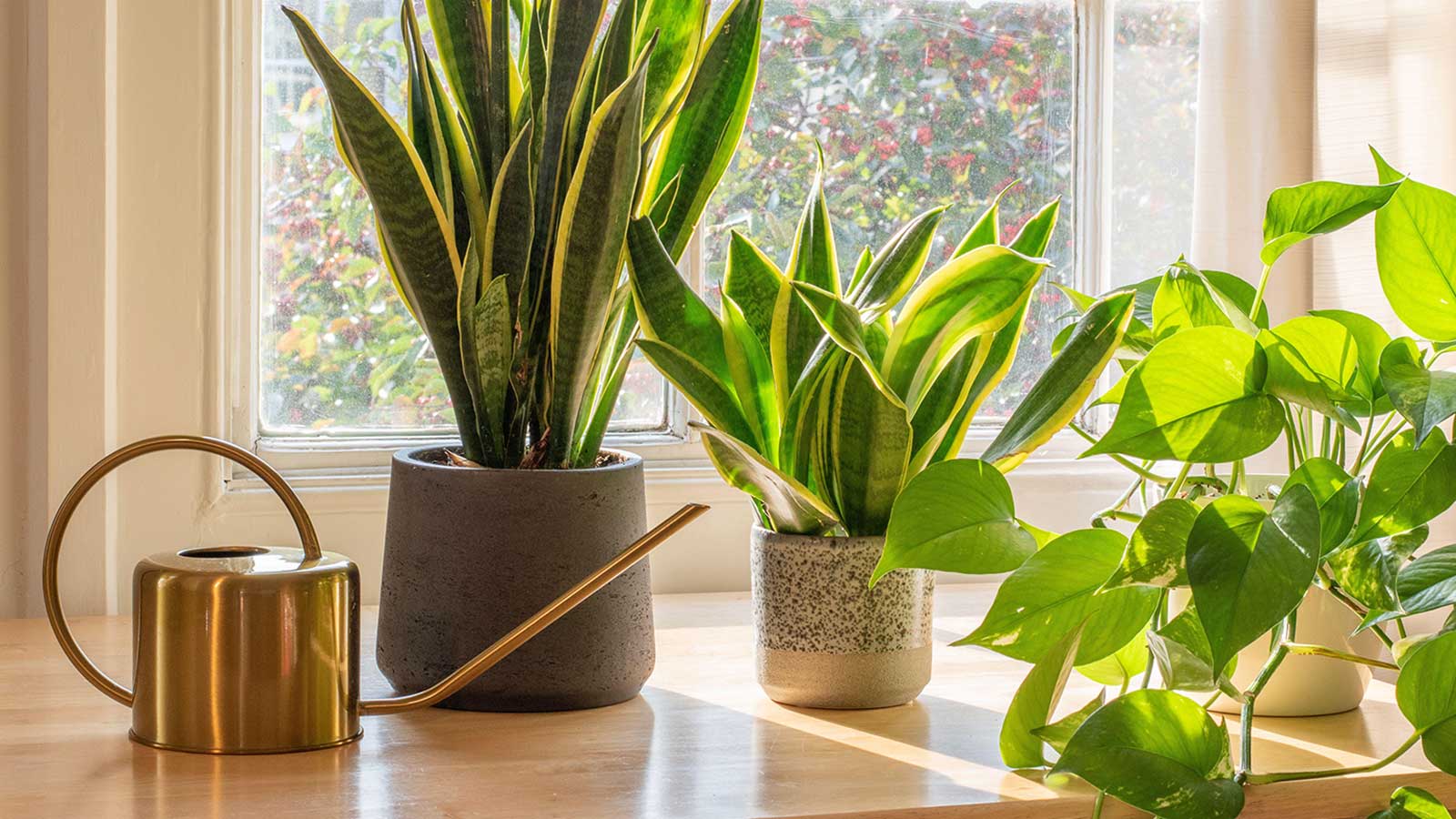
Bedroom – For Better Sleep and Nighttime Purification 😴💤 Bedrooms are prime for plants that boost oxygen overnight and reduce allergens for deeper rest.
Prime locations: Nightstand, dresser, or hanging near a window (keep 2–3 feet from bed to avoid over-humidity). Best choices:
- Snake Plant (NASA favorite for nighttime O₂ release)
- Peace Lily (gentle humidifier, filters multiple toxins)
- Aloe Vera (low-care, soothing vibes)
Expert insight: Place 2–3 medium plants to noticeably improve sleep quality by reducing indoor pollutants.
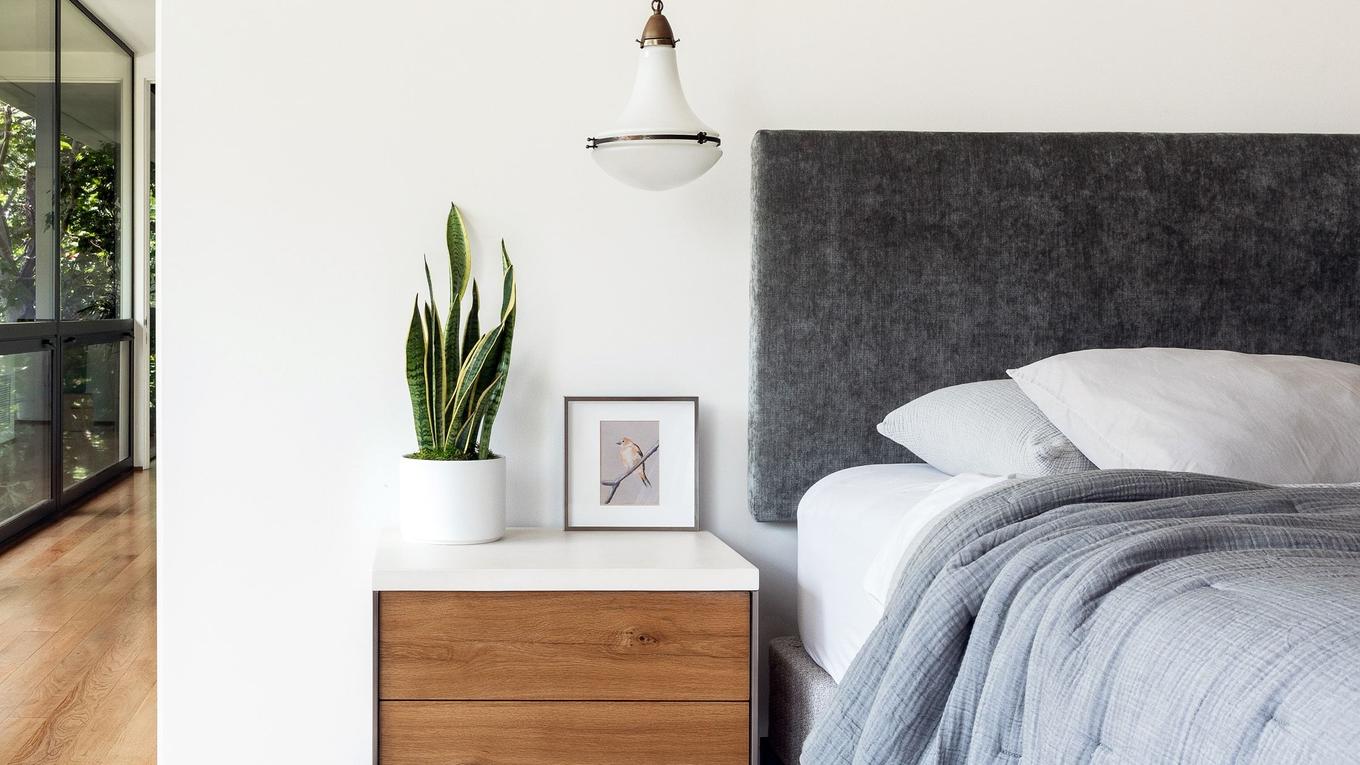
Kitchen – Combat Cooking Fumes and Ethylene 🍳🌿 Kitchens produce ethylene from fruits/veggies and fumes from cooking—perfect for ethylene-trappers and humidity lovers.
Strategic spots: Windowsill, countertop (away from stove heat), or hanging above sink. Recommended plants:
- Spider Plant (excellent ethylene remover)
- Boston Fern (adds moisture, filters formaldehyde)
- English Ivy (traps mold and odors)
Bonus: Cluster near fridge or compost bin for odor control.
:max_bytes(150000):strip_icc()/10-houseplants-that-will-thrive-in-your-kitchen-5079926-hero-02-90673ff3073d41c7aa495e8a4ecffc0f.JPG)
Bathroom – High-Humidity Heroes 🚿💦 Bathrooms’ steam and chemicals (from cleaners) suit humidity-loving purifiers that fight mold spores.
Perfect zones: Near shower/tub on shelves or windowsills (if natural light exists). Top picks:
- Peace Lily (thrives in moisture, removes ammonia/alcohols)
- Boston Fern (loves steamy air)
- Pothos (trailing, low-light tolerant)
- Bamboo Palm (adds tropical feel, humidifies)
These turn your bathroom into a spa-like oasis!

Home Office or Study – Beat Sick Building Blues 💻📚 Offices accumulate toxins from printers, paper, and electronics—causing headaches or fatigue.
Smart positions: Desk corner, bookshelf, or near devices (but not blocking vents). Ideal plants:
- Areca Palm (humidifies dry AC air)
- Dracaena (removes trichloroethylene)
- Chinese Evergreen (excels in low light)
Benefit: Cleaner air = sharper focus and fewer “afternoon slumps.”
Other Spots: Hallways, Entryways, and Small Spaces 🚪 Entryways catch outdoor pollutants first—place a hardy plant on a console. Small apartments: Use vertical hanging baskets or wall shelves for trailing Pothos or ivy. Bonus: Stairwells suit cascading varieties for layered purification.
Common Placement Mistakes to Avoid (And How to Fix Them) ❌➡️✅
Even experienced plant parents slip up on placement—here are the most common pitfalls I’ve seen (and corrected) over years of working with indoor greenery, plus easy fixes to keep your air-purifying plants performing at their peak.
- Placing in too-dark corners Symptom: Leggy, stretched growth; pale leaves; minimal new growth; reduced toxin removal. Why it hurts: Low light slows photosynthesis and transpiration, meaning fewer toxins are pulled through the plant. Fix: Relocate to a spot with bright, indirect light (at least 4–6 hours daily). Use a grow light supplement if your home is naturally dim. Most air-purifiers tolerate medium light, but thrive with more. 🌤️
- Exposing to direct, harsh sunlight Symptom: Brown, crispy leaf tips/edges; bleached patches. Why it hurts: Sun scorches leaves, reducing surface area for air cleaning and stressing the plant. Fix: Use sheer curtains or move 3–6 feet back from south-facing windows. Snake plants and rubber plants handle some direct sun better than peace lilies or ferns.
- Crowding into stagnant corners with no airflow Symptom: Dust buildup, fungal issues, pests like spider mites. Why it hurts: Stale air limits how far purified air spreads and invites mold in soil. Fix: Elevate on stands or shelves; add a small oscillating fan nearby on low speed to gently circulate air toward (not blasting) the plants.
- Positioning near heat sources (radiators, heaters, AC vents) Symptom: Dry, curling leaves; rapid soil drying; leaf drop. Why it hurts: Extreme temperature swings and dry blasts stress roots and reduce humidity-loving plants’ effectiveness. Fix: Keep at least 3–4 feet away. In winter, group plants together to create a humidity microclimate.
- Overwatering in low-light or low-airflow spots Symptom: Yellow lower leaves, mushy stems, root rot smell. Why it hurts: Poor light + poor drainage = soggy soil = dead roots = zero purification. Fix: Always check top 1–2 inches of soil before watering. Use pots with drainage holes and well-draining mix. In low-light areas, water even less frequently.
Quick troubleshooting checklist:
- Leaves pale/leggy? → More light
- Tips brown/crispy? → Less direct sun or more humidity
- Dust everywhere? → Wipe leaves + improve airflow
- Soil stays wet too long? → Cut back watering + check drainage
Avoid these, and your plants will reward you with cleaner air and lush growth year-round! 🌿
How Many Plants Do You Really Need? NASA’s Rule + Real-World Scaling 📏🌱
NASA’s Clean Air Study suggested roughly one plant per 100 square feet of floor space for measurable VOC reduction in sealed test chambers. In real homes (with open windows, fans, and daily life), the number can be adjusted—but more is often better for noticeable benefits.
Real-world scaling guidelines I recommend based on client homes and ongoing research:
- Small studio/apartment (300–600 sq ft): 5–10 plants Focus on 2–3 medium/large specimens + several smaller ones in key zones (bedroom + living area).
- Average home (800–1,500 sq ft): 12–20 plants Distribute across living room, bedroom(s), kitchen, and office.
- Large or open-plan space (1,500+ sq ft): 20–30+ plants Layer sizes: tall floor plants for volume, medium tabletop plants for breathing zones, hanging/trailing for vertical coverage.
Pro tips for scaling:
- Prioritize larger, leafier plants (e.g., areca palm, rubber plant) — they have more surface area and filter more air.
- Combine different species — each excels at different toxins (snake plant for benzene, peace lily for alcohols/ammonia).
- Start small: Add 2–3 plants in your highest-need rooms and expand as you see (and smell) the difference.
Most people notice fresher air, fewer odors, and better sleep within 4–8 weeks once they hit the right density and placement.
Expert Tips to Boost Air-Purifying Power Even More 🔧
Want to supercharge your setup? These advanced (but easy) techniques take purification to the next level:
- Regular leaf cleaning — Dust blocks stomata (the tiny pores plants “breathe” through). Wipe leaves gently with a damp microfiber cloth every 2–4 weeks.
- Circulate air toward plants — Run a ceiling fan on low or place a small fan to move air across foliage—this helps distribute cleaned air and mimics natural breezes.
- Add activated carbon — Mix a small amount into potting soil or place a carbon filter bag near the base to enhance microbial toxin breakdown (inspired by NASA follow-ups).
- No-shoes-indoors policy — Reduces tracked-in pollutants so plants focus on indoor VOCs.
- Seasonal adjustments — In winter, move plants closer to windows (but not touching cold glass). In summer, pull back from intense sun.
- Ventilate smartly — Open windows when outdoor air is clean to refresh baseline levels—plants then handle the indoor load more effectively.
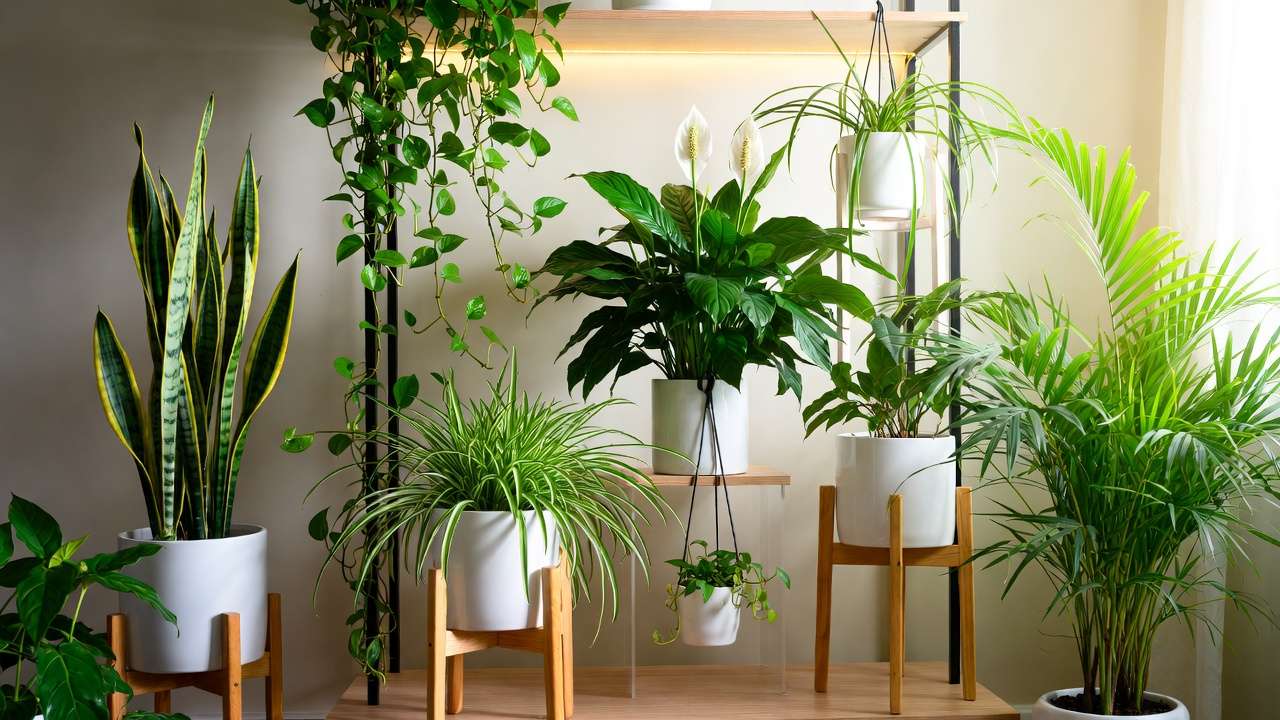
Combine these with good placement, and you’ll create a noticeably healthier indoor environment.
Quick Reference Table: Top Air-Purifying Plants and Their Best Spots
| Plant | Key Toxins Removed | Ideal Light | Best Rooms | Special Notes |
|---|---|---|---|---|
| Snake Plant | Benzene, formaldehyde, xylene | Low–medium | Bedroom, living room | Nighttime oxygen release 🌙 superstar |
| Peace Lily | Ammonia, benzene, formaldehyde | Medium–low | Bathroom, bedroom, living room | Loves humidity; droops when thirsty (easy cue) |
| Spider Plant | Formaldehyde, xylene, ethylene | Bright indirect | Kitchen, living room | Produces baby plantlets—free propagation! |
| Boston Fern | Formaldehyde, xylene | Medium–bright indirect | Bathroom, kitchen | High humidity lover; mist regularly |
| Pothos | Benzene, formaldehyde, toluene | Low–medium | Bathroom, office, hallways | Nearly indestructible trailing beauty |
| Areca Palm | Formaldehyde, xylene | Bright indirect | Office, living room | Excellent natural humidifier |
| Rubber Plant | Formaldehyde | Medium–bright | Living room | Large glossy leaves = big impact |
| Aloe Vera | Formaldehyde, benzene | Bright indirect | Bedroom, kitchen | Healing gel bonus; very low maintenance |
Use this as your cheat sheet when shopping or rearranging!
Frequently Asked Questions (FAQs) ❓
Where should I never place air-purifying plants? Avoid completely dark corners, directly under AC/heating vents, on top of radiators, or in smoky areas (e.g., near a fireplace or smoker’s spot). These conditions kill purification power and harm the plant.
Do air-purifying plants work in low-light apartments? Yes! Snake plant, pothos, ZZ plant, and Chinese evergreen thrive in lower light and still remove toxins—though at a slightly slower rate. Supplement with a small LED grow light if needed.
Are these plants safe around pets and kids? Most are pet-safe in moderation (spider plant, areca palm, Boston fern), but peace lily, pothos, and English ivy can cause mild irritation if chewed. Place out of reach or choose pet-friendly options like spider plant or snake plant.
How long until I notice cleaner air? Subtle improvements (less stuffiness, fewer odors) often appear in 2–4 weeks. More significant allergy relief or fresher feel usually takes 6–12 weeks with good density and placement.
What’s the best beginner combo for maximum impact? Start with: 1 Snake Plant (bedroom), 1 Spider Plant (living room/kitchen), 1 Peace Lily or Pothos (bathroom or office). Easy, effective, and forgiving!
Conclusion
Strategic placement transforms ordinary houseplants into powerful, living air purifiers that work around the clock to remove toxins, balance humidity, and create a fresher, healthier home. By matching each plant’s needs to the right light, airflow, and room, you’ll maximize both indoor air quality and plant health—no fancy gadgets required. 🌿🏡
Start small: Pick 2–3 high-impact spots today (maybe a snake plant by your bed and a pothos trailing in the bathroom?), then watch your space come alive. Your lungs, your sleep, and your green friends will thank you.
Have a favorite placement that works wonders in your home? Drop it in the comments—I’d love to hear your wins! Happy planting, and here’s to breathing easier every day. 💚🌱











