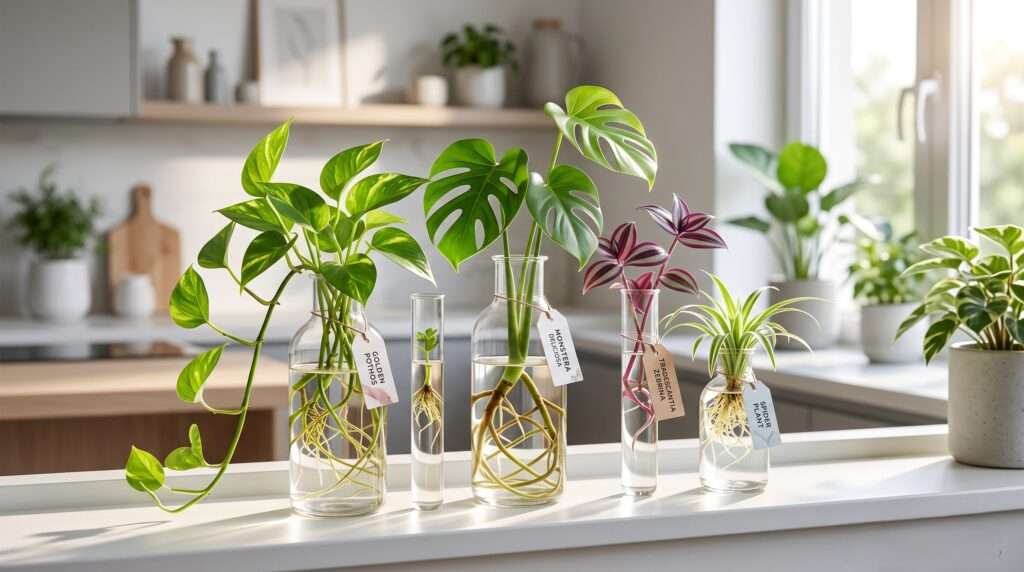
Houseplants can be a significant investment, and keeping them thriving in traditional potting soil often feels like a frustrating guessing game of over-watering versus under-watering. But what if you could multiply your plant collection for free, using zero soil and minimal effort? If you want to bypass the dirt and grow a vibrant indoor jungle, you need to start with the best 10 plants for water propagation.
Beginners and seasoned plant parents alike frequently struggle with the hidden headaches of potting soil. From battling infestations of fungus gnats and diagnosing invisible root rot to the messy, time-consuming process of repotting on your living room floor, traditional plant care has distinct downsides. Water propagation offers a brilliant, soil-free alternative. This straightforward method allows you to grow robust roots directly in water, letting you monitor the plant’s health in real-time while completely avoiding soil-borne pests. As a bonus, displaying fresh green cuttings in clear glass tubes or vintage jars creates a striking, minimalist aesthetic that doubles as dynamic home decor.
To ensure your success, we analyzed over 50 popular indoor plants based on current Amazon sales data, root-growth speed, and verified customer success rates. The result is this definitive guide to the best 10 plants for water propagation available to buy right now. From rapid-rooting vines to architectural statement pieces, these top-rated selections take the guesswork out of plant care and guarantee a beautiful, thriving water garden.
II. Buying Guide: How to Make an Informed Decision
Before you start snipping away at your foliage, it’s crucial to understand that not all houseplants behave the same way in water. To make an informed buying decision and ensure a high success rate, keep these four factors in mind:
-
Rooting Speed: Patience is a virtue in plant care, but some plants test it more than others. If you want instant gratification, vining plants like Pothos and Tradescantia can sprout roots in just days. Structural plants like ZZ Plants or Snake Plants, however, can take several months. Match the plant to your patience level.
-
Node Availability: The secret to successful propagation is the “node.” A node is a small, bumpy joint on the plant’s stem where leaves and roots naturally emerge. When buying a plant to propagate, ensure it has distinct, healthy stems with visible nodes. You must submerge the node in water for roots to grow; a leaf cut without a node will simply rot.
-
Light Requirements: Where are you putting your propagation station? A sunny kitchen window is perfect for bright-light lovers like Coleus, while a dim bathroom or office desk is better suited for low-light champions like the Heartleaf Philodendron or Snake Plant.
-
Aesthetics and Vessel Size: Consider the final look you want to achieve. Trailing vines look magical spilling out of wall-mounted test tubes, while a massive Monstera cutting demands a heavy, sturdy floor vase to prevent tipping.
Quick Comparison Table
Here is a quick glance at our top recommendations to help you find exactly what you need.
III. Product Comparison and Detailed Reviews (Part 1)
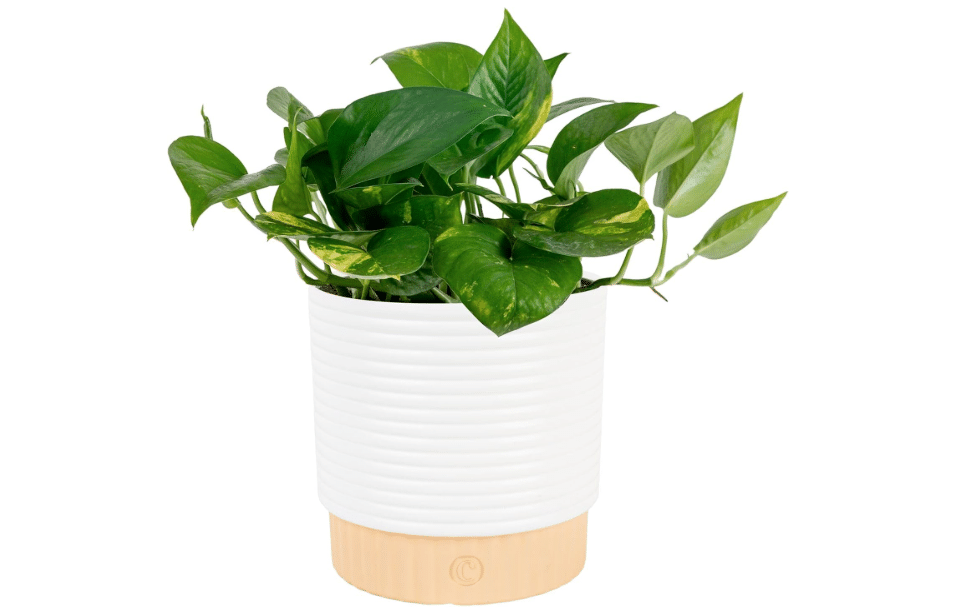
1. Golden Pothos (Costa Farms Live Indoor Plant)
Product Description: The Golden Pothos is the undisputed king of houseplant propagation. Featuring lush, trailing vines adorned with heart-shaped, green and yellow variegated leaves, this plant is notoriously indestructible. Costa Farms delivers a healthy, vibrant specimen in a 4-to-6-inch grower pot, providing you with yards of vining stems perfect for taking dozens of cuttings right out of the box.
Price: $23.38
Key Features & Benefits:
-
Vigorous Grower: Produces long vines rapidly, ensuring you always have material to propagate.
-
Air Purifier: Known for effectively filtering indoor air toxins like formaldehyde.
-
Low-Light Tolerant: Thrives in almost any indoor lighting condition, from bright indirect sun to dim office corners.
Pros and Cons:
-
Pros: Roots in water incredibly fast (often within 7-10 days); nearly impossible to kill; beautiful trailing aesthetic in glass jars.
-
Cons: Toxic to cats and dogs if ingested, so it must be kept out of reach.
Amazon Ratings and Reviews: 4.5/5 stars (Over 25,000 global ratings). Customers rave about how lush and healthy the plant arrives, frequently noting how easy it is to keep alive even for those with a “black thumb.”
Why It’s a Good Choice for Water Propagation: Golden Pothos cuttings naturally produce high levels of auxin, a root-stimulating hormone. Not only will the Pothos root vigorously on its own, but if you place a Pothos cutting into a jar with a more stubborn plant cutting, the Pothos will actually encourage the other plant to root faster!
Ideal Use Case or Who Should Buy It: Absolute beginners looking for immediate, guaranteed propagation success, or anyone wanting to create multiple new plants to give as gifts.
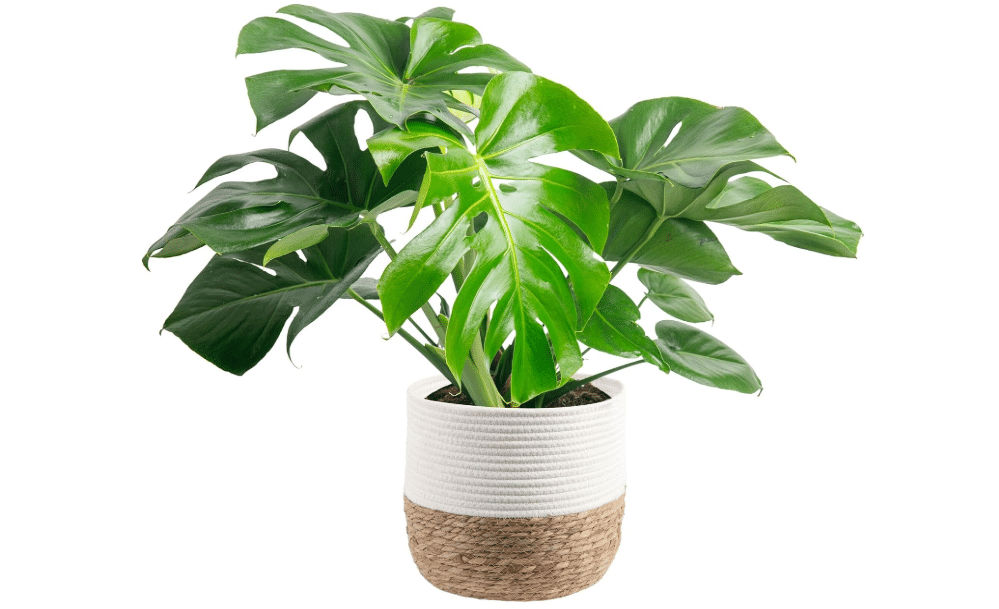
2. Monstera Deliciosa (Costa Farms Swiss Cheese Plant)
Product Description: The Monstera Deliciosa is the ultimate “It” plant of the interior design world. Known for its massive, glossy, fenestrated (split) leaves, it brings an instant tropical vibe to any space. Costa Farms ships this beauty at 1-to-2 feet tall, featuring thick, sturdy stems and fascinating aerial roots that look incredibly dramatic when submerged in a large glass vessel.
Price:
Key Features & Benefits:
-
Statement Foliage: Produces huge, iconic split leaves that act as living art.
-
Sturdy Stems: Thick, fibrous stems hold up exceptionally well in water without rotting.
-
Aerial Roots: Naturally produces roots above the soil, which adapt rapidly to water environments.
Pros and Cons:
-
Pros: Highly durable in water; creates a bold, high-end display; very satisfying to watch the thick roots develop.
-
Cons: Requires a heavy, large glass vase to prevent the top-heavy leaves from tipping over; takes up significant physical space.
Amazon Ratings and Reviews: 4.6/5 stars (Over 18,000 global ratings). Buyers consistently praise the size and careful packaging of this plant, noting the immediate tropical impact it brings to their homes.
Why It’s a Good Choice for Water Propagation: Monstera stems are robust and highly resistant to the mushy rot that can plague thinner-stemmed plants. Because they already push out aerial roots to climb trees in the wild, dropping one of these thick root nodes into water triggers explosive aquatic root growth.
Ideal Use Case or Who Should Buy It: Anyone wanting a bold, statement-making propagation display for a living room console table or office desk. It’s perfect for those who want their water propagation to look like an intentional, high-end centerpiece.
3. Heartleaf Philodendron (California Tropicals)
Product Description: Often confused with the Pothos due to its vining nature, the Heartleaf Philodendron features a softer, more delicate appearance with solid, emerald-green leaves that are perfectly heart-shaped. California Tropicals provides a fully rooted, bushy plant that serves as a beautiful mother plant, ready to yield endless elegant cuttings for your water stations.

Price: $22.53
Key Features & Benefits:
-
Supreme Low-Light Tolerance: Can survive and root in rooms with very little natural sunlight.
-
Fast Grower: Vines lengthen rapidly during the spring and summer growing seasons.
-
Elegant Drape: The vines have a softer, more fluid drape than Pothos, making them ideal for high shelves.
Pros and Cons:
-
Pros: Roots effortlessly; highly forgiving of inconsistent lighting; creates a dense, bushy root system in water.
-
Cons: Vines can become “leggy” (leaves spaced far apart) if placed in total shade.
Amazon Ratings and Reviews: 4.4/5 stars (Over 5,000 global ratings). Reviewers love the lushness of the foliage and note that it recovers quickly from shipping stress.
Why It’s a Good Choice for Water Propagation: You can take a long vine and chop it into multiple single-node cuttings. Practically every single node will successfully root in water, allowing you to turn one purchased plant into dozens of new plants in just a few weeks.
Ideal Use Case or Who Should Buy It: Plant lovers with dimmer apartments or north-facing windows who still want to enjoy the magic of water propagation.
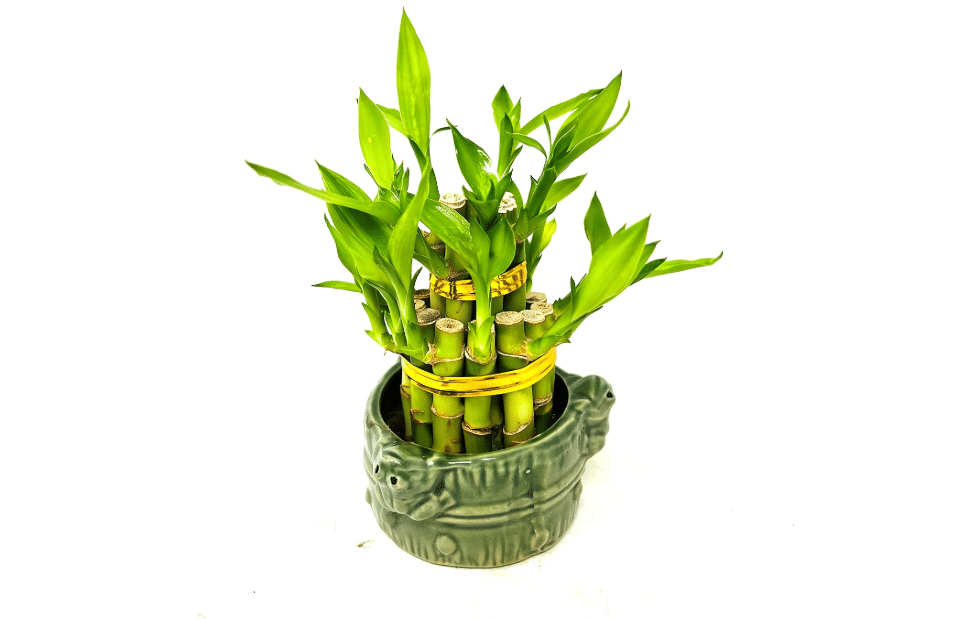
4. Lucky Bamboo (JM Bamboo 2-Tier Arrangement)
Product Description: Despite the name, Lucky Bamboo is actually a species of Dracaena. Famous in Feng Shui for bringing good fortune and prosperity, this architectural, bright green plant features distinct segmented stalks. JM Bamboo offers a beautiful 2-tier arrangement that arrives completely soil-free, ready to thrive in your favorite water vase.
Price:
Key Features & Benefits:
-
Aquatic Native: Arrives already living in water—no messy soil removal required.
-
Structural Design: Upright, clean, and highly organized aesthetic.
-
Bundle Arrangement: Comes with multiple stalks bundled together for an instantly full look.
Pros and Cons:
-
Pros: Can live permanently in water indefinitely; very tidy and compact; bypassing the soil-to-water transition shock.
-
Cons: Highly sensitive to chemicals in tap water; fluoride and chlorine will cause the leaf tips to turn brown.
Amazon Ratings and Reviews: 4.6/5 stars (Over 12,000 global ratings). Customers frequently comment on how green and healthy the stalks are upon arrival, and how long they last with minimal care.
Why It’s a Good Choice for Water Propagation: Because it is grown hydroponically from the start, there is zero risk of transition shock. You simply unbox it, place it in a glass or ceramic container with some decorative pebbles, and add filtered water.
Ideal Use Case or Who Should Buy It: Perfect for office desks, bathroom counters, or anyone striving for a minimalist, Zen-inspired decor style.
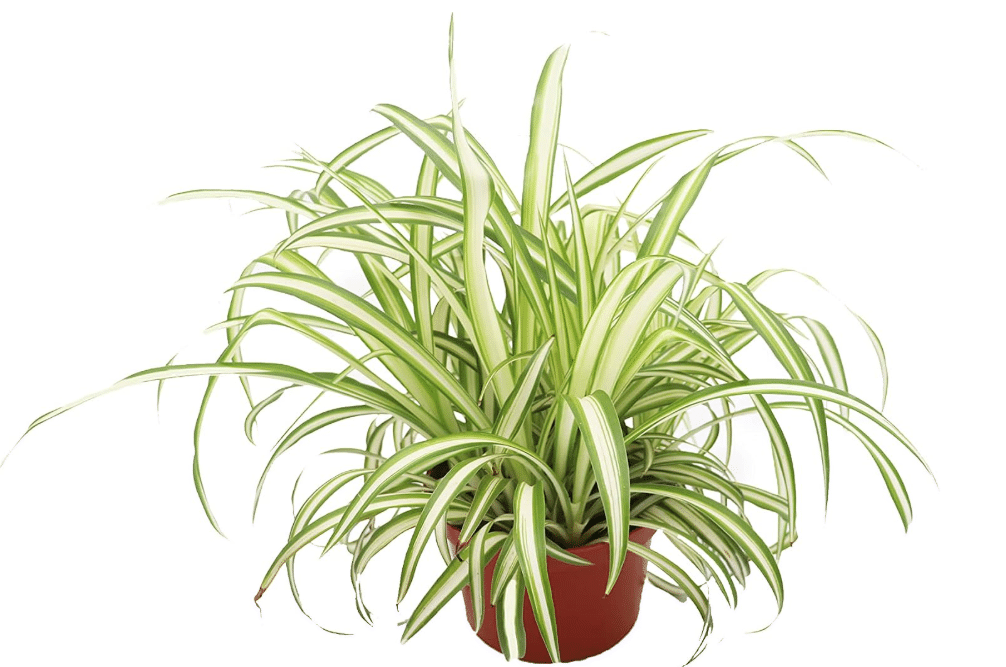
5. Spider Plant (California Tropicals Chlorophytum Comosum)
Product Description: The Spider Plant is a retro favorite that never goes out of style. It features a fountain-like burst of long, ribbon-like green and white striped leaves. What makes it truly special is its habit of shooting out long, arching stems that grow miniature “spiderettes” (baby plants) dangling in the air.
Price:
Key Features & Benefits:
-
Self-Propagating: Naturally produces fully-formed baby plants.
-
Pet Safe: 100% non-toxic to cats and dogs (though cats love to chew on the grass-like leaves!).
-
Air Purifying: Excellent at scrubbing indoor air of volatile organic compounds (VOCs).
Pros and Cons:
-
Pros: The “babies” already have small root nodes ready to go; incredibly easy to harvest; completely safe for curious pets.
-
Cons: The tips of the thin leaves can brown and crisp if your home’s humidity is exceptionally low.
Amazon Ratings and Reviews: 4.5/5 stars (Over 3,000 global ratings). Buyers are thrilled with the robust size of the plant and often report that it arrives already bearing baby spiderettes.
Why It’s a Good Choice for Water Propagation: It is arguably the easiest plant on this list to physically prepare. You don’t even have to cut the main stems. You simply snip the dangling babies off their runner stems and rest their bases in a shallow jar of water. Roots will explode outward in a matter of days.
Ideal Use Case or Who Should Buy It: Pet owners, families with small children, and anyone looking for a fun, highly interactive plant that visually shows you exactly how to propagate it.
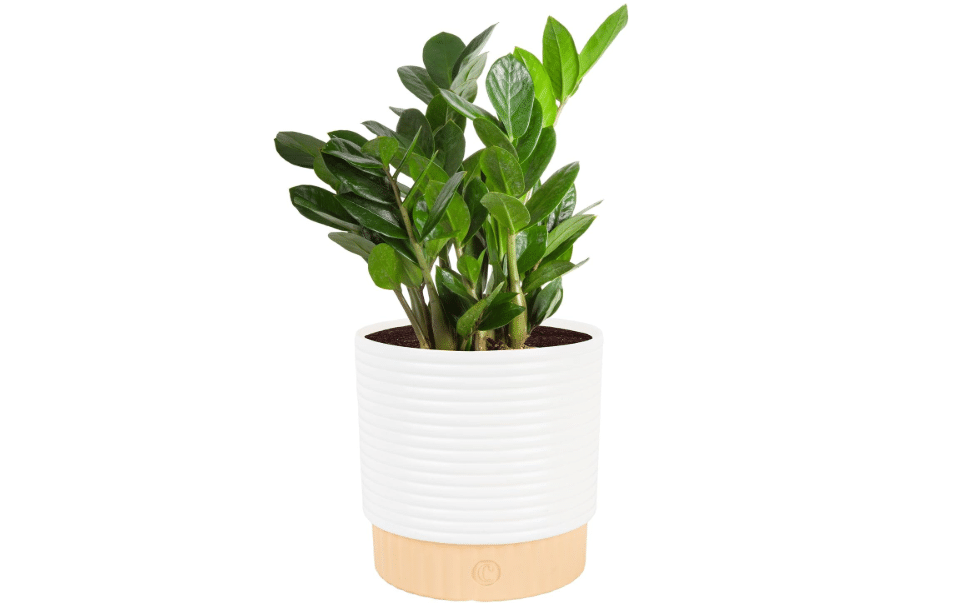
6. ZZ Plant (Costa Farms Zamioculcas Zamiifolia)
Product Description: The ZZ Plant is highly architectural, featuring thick, waxy, dark green leaves symmetrically lined up along upright, fleshy stems. Widely regarded as the ultimate “unkillable” houseplant, it survives in near-darkness and tolerates months of neglect. Costa Farms delivers a robust plant that immediately adds a polished, modern look to any room.
Price:
Key Features & Benefits:
-
Drought-Tolerant: Stores water in thick rhizomes under the soil.
-
Extreme Low Light: Can survive in windowless offices under fluorescent lighting.
-
Glossy Foliage: The leaves are so shiny and perfect they almost look artificial.
Pros and Cons:
-
Pros: Requires virtually zero maintenance; structural aesthetic looks incredibly high-end in a glass cylinder.
-
Cons: Extremely slow to root in water; you may wait 2 to 4 months to see significant root development.
Amazon Ratings and Reviews: 4.7/5 stars (Over 22,000 global ratings). Reviewers consistently praise its resilience, with many noting it is the only plant they have never managed to kill.
Why It’s a Good Choice for Water Propagation: While it demands patience, the ZZ plant offers a unique propagation experience: you can grow a whole new plant from just a single fallen leaf placed in a shallow dish of water. A stem cutting will eventually grow a fascinating, potato-like rhizome directly in the water before pushing out roots.
Ideal Use Case or Who Should Buy It: Patient plant parents looking for a clean, structural display in low-light rooms, or frequent travelers who need resilient greenery.
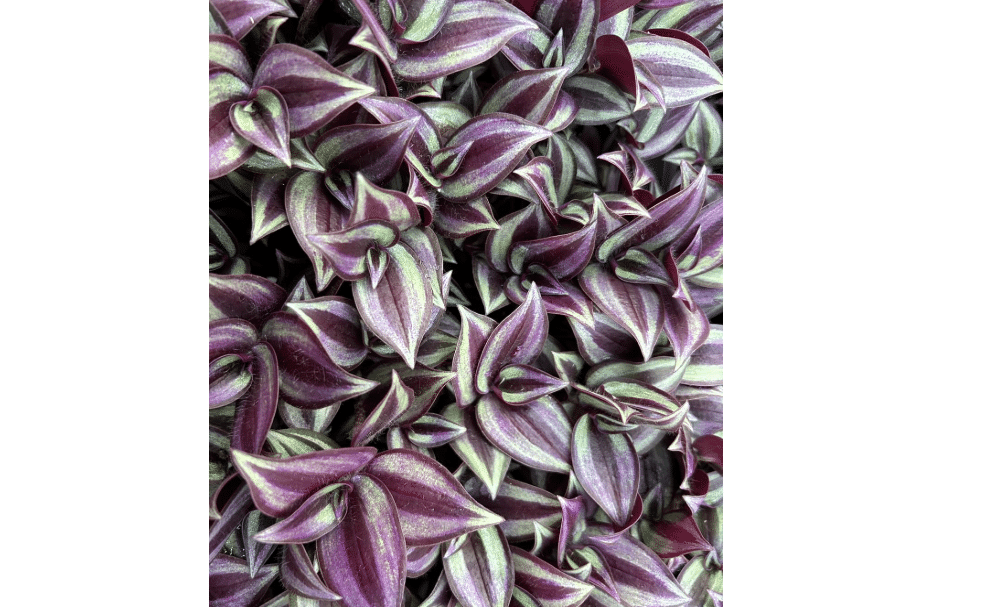
7. Tradescantia Zebrina / Inch Plant (Zensational)
Product Description: If you want to break up a sea of green houseplants, the Tradescantia Zebrina is your answer. This fast-growing trailing plant features striking foliage striped with deep purple, emerald green, and shimmering silver. Zensational ships a vibrant, full plant that grows so rapidly it practically begs to be trimmed and propagated.
Price: $19.49
Key Features & Benefits:
-
Vibrant Color: Adds a stunning pop of purple and metallic silver to your collection.
-
Rapid Growth Rate: Grows noticeably larger week by week.
-
Easy to Prune: Regular trimming actually makes the mother plant bushier and healthier.
Pros and Cons:
-
Pros: Roots aggressively fast in water (often under a week); provides immediate visual gratification.
-
Cons: The stems are quite brittle and can snap easily if handled roughly.
Amazon Ratings and Reviews: 4.3/5 stars (Over 2,500 global ratings). Customers love the intense coloration and how quickly it bounces back and pushes new growth after arriving in the mail.
Why It’s a Good Choice for Water Propagation: It roots so aggressively that you can practically watch the roots grow day by day. This makes it an incredibly rewarding plant for propagation, as you rarely have to worry about cuttings rotting before they root.
Ideal Use Case or Who Should Buy It: Great for kids’ science experiments, impatient gardeners, or anyone who wants fast, colorful results on a sunny windowsill.
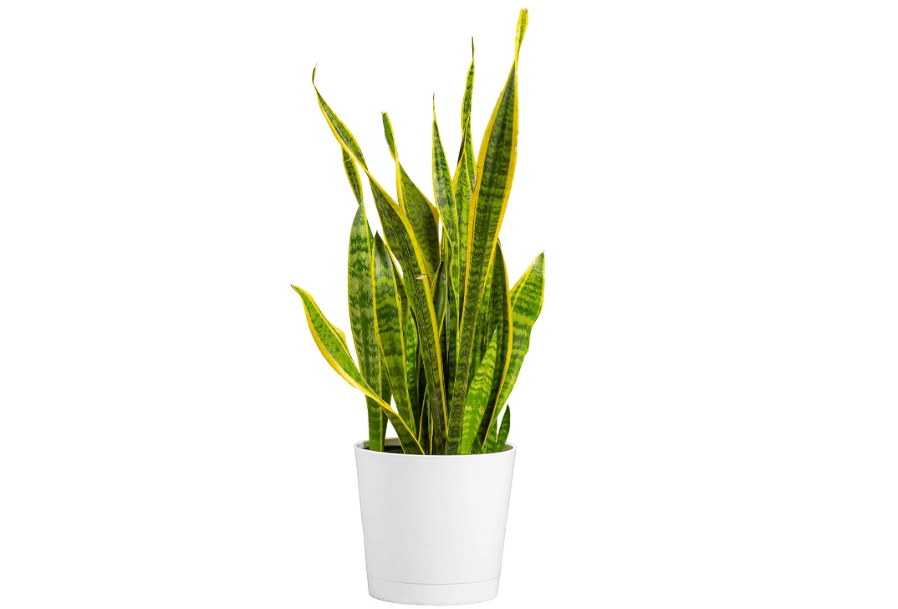
8. Snake Plant (Costa Farms Sansevieria)
Product Description: Featuring stiff, sword-like leaves shooting straight upward, often bordered with vibrant yellow edges, the Snake Plant is rugged, dramatic, and architectural. It is a succulent-like plant that thrives on neglect. Costa Farms provides a tall, healthy specimen that makes a striking vertical statement.
Price:
Key Features & Benefits:
-
Nighttime Oxygen: Uniquely converts CO2 to oxygen at night (CAM photosynthesis).
-
Indestructible Nature: Tolerates low light, dry air, and missed waterings.
-
Vertical Growth: Perfect for tight spaces where a spreading plant won’t fit.
Pros and Cons:
-
Pros: Unique vertical aesthetic looks fantastic in tall glass vases; highly resilient.
-
Cons: Very slow to root; susceptible to rot if the water level in the jar is too high.
Amazon Ratings and Reviews: 4.6/5 stars (Over 20,000 global ratings). Buyers love the modern look and frequently mention that it requires almost no attention to thrive.
Why It’s a Good Choice for Water Propagation: You get incredible mileage out of a single leaf. You can cut one long Snake Plant leaf horizontally into multiple 3-inch sections, place the bottom edges in a shallow inch of water, and eventually root every single piece into a brand new plant.
Ideal Use Case or Who Should Buy It: Perfect for bedroom decor (due to its nighttime oxygen release) and those who appreciate clean, vertical lines in their interior design.
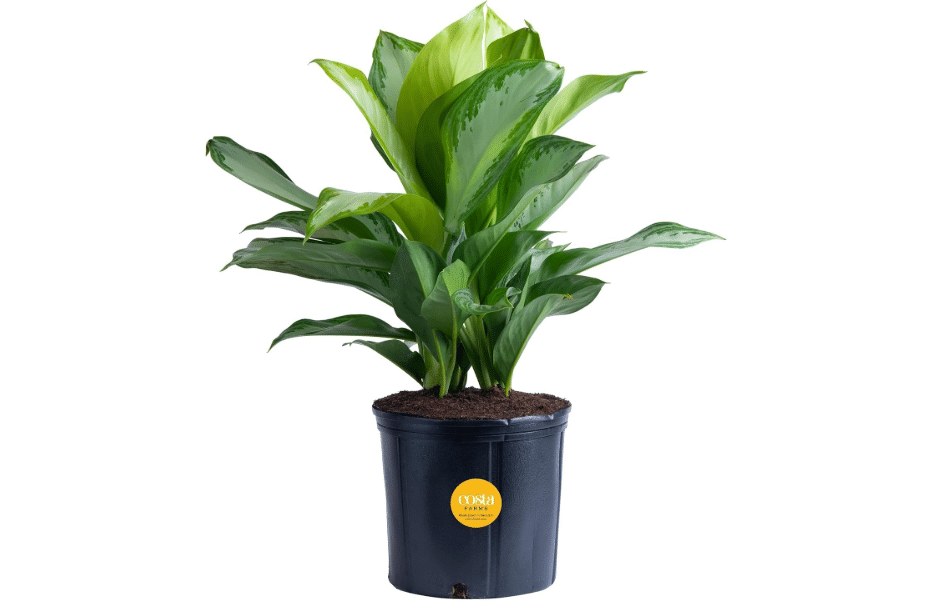
9. Chinese Evergreen (Costa Farms Aglaonema)
Product Description: The Chinese Evergreen is a bushy, broad-leafed plant that offers spectacular foliage. While available in green, it is most prized for its stunning variations of bright pink, deep red, and silver. Costa Farms offers gorgeous, colorful varieties that tolerate the dry air typical of indoor heating and air conditioning.
Price:
Key Features & Benefits:
-
Patterned Foliage: Offers striking colors that don’t fade in lower light.
-
Dry Air Tolerant: Does not require the high humidity that many tropicals demand.
-
Sturdy Canes: Grows on thick, cane-like stems.
Pros and Cons:
-
Pros: Thick canes root reliably in water; brings a beautiful pop of pink or red to a glass jar.
-
Cons: Prefers warmer water and ambient room temperatures; cuttings can rot if the water is too cold.
Amazon Ratings and Reviews: 4.5/5 stars (Over 4,000 global ratings). Reviewers are consistently impressed by the vivid colors and the fullness of the plant upon unboxing.
Why It’s a Good Choice for Water Propagation: Older Aglaonemas often get “leggy,” losing their bottom leaves and leaving a bare stalk. Chopping the top leafy portion off and putting it in water not only rescues the plant but creates a fresh, vigorous root system while the old stump pushes out new growth in the soil.
Ideal Use Case or Who Should Buy It: Anyone looking to revive older, leggy houseplants, or those wanting to add non-green colors to their water propagation station.
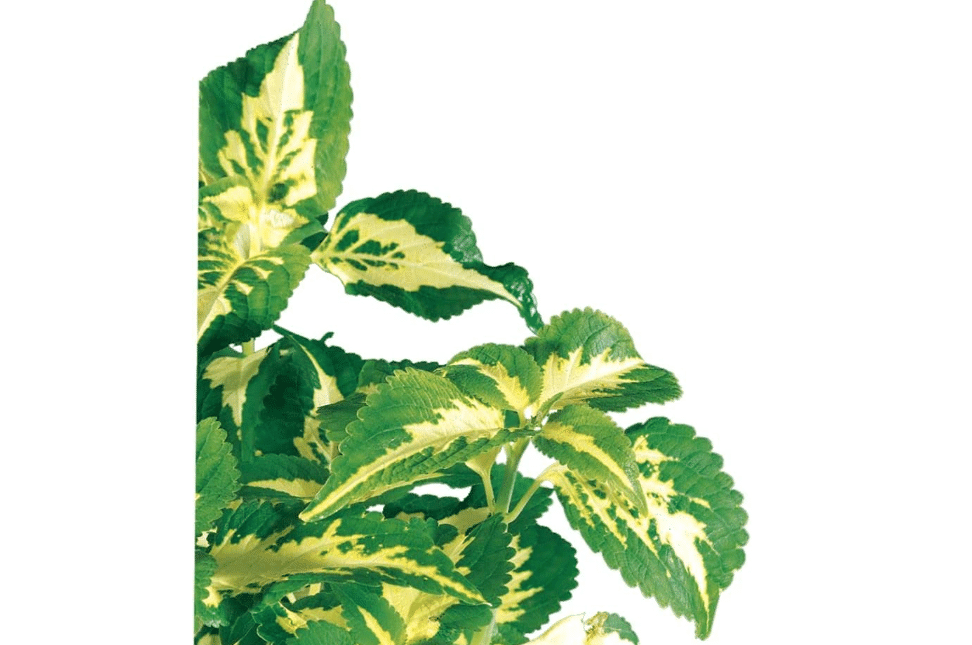
10. Coleus (The Plant Factory)
Product Description: Though frequently treated as an outdoor annual for summer gardens, Coleus boasts wildly patterned, neon-bright leaves that make incredible indoor water subjects. The Plant Factory provides vibrant starter plants that feature psychedelic combinations of neon pinks, deep purples, and lime greens.
Price:
Key Features & Benefits:
-
Insane Color Varieties: Offers some of the most intense, varied foliage in the plant kingdom.
-
Affordable: Generally cheaper than trendy tropical houseplants.
-
Easy to Shape: Pinching off the top leaves encourages the plant to grow bushy rather than tall.
Pros and Cons:
-
Pros: Roots incredibly fast in water; brings intense, stained-glass-like color to a windowsill.
-
Cons: Highly dependent on light; will drop leaves and lose its vibrant colors if kept in a dim room.
Amazon Ratings and Reviews: 4.2/5 stars (Over 1,000 global ratings). Customers love the bright colors but note that the delicate leaves require careful unpacking upon delivery.
Why It’s a Good Choice for Water Propagation: Coleus transitions beautifully to living permanently in water. The stems root in a matter of days, and the foliage looks stunning illuminated by sunlight passing through a glass vase.
Ideal Use Case or Who Should Buy It: Perfect for sunny kitchen windowsills where the bright natural light can illuminate the brightly colored, translucent leaves.
IV. The Upsell: Essential Water Propagation Gear
To ensure your cuttings actually survive and thrive, you need more than just an old drinking glass. Having the right tools prevents stem rot and keeps your water garden looking intentional rather than messy.
-
Best Propagation Station: Ivolador Desktop Glass Planter Bulb Vase. Forget cluttering your windowsill with mismatched jars. This elegant wooden stand holds three clear glass bulb vases, allowing you to display your cuttings like a living science experiment. It’s affordable, looks fantastic on a desk, and makes changing the water incredibly easy.
-
Best Pruning Shears: VIVOSUN Gardening Hand Pruner. The most common reason cuttings rot in water is a jagged, crushed cut from dull household scissors. These micro-tip snips ensure a clean, surgical cut, which allows the plant to take up water efficiently and push out roots without rotting.
-
Best Water Additive: Liquid Kelp Extract. If you plan on keeping your plants in water long-term (rather than eventually moving them to soil), they will eventually need nutrients. A single drop of liquid kelp every few weeks provides the essential trace minerals roots need to stay plump and white.
V. Frequently Asked Questions
How often should I change the water for propagating plants? You should change the water once a week, or sooner if it begins to look cloudy or green. Fresh water replenishes the dissolved oxygen that developing roots desperately need to survive.
Can plants live in water forever? Yes! Many plants on this list, particularly the best 10 plants for water propagation like Pothos, Lucky Bamboo, and Coleus, can live in water permanently. However, because water lacks the nutrients found in soil, you must occasionally add a drop of hydroponic fertilizer or liquid kelp to keep the foliage green and healthy long-term.
Should I use tap water or distilled water? Distilled water, filtered water, or collected rain water is always best. Municipal tap water often contains chlorine and fluoride, which can burn sensitive new roots and cause the tips of your plant’s leaves to turn brown. If you must use tap water, let it sit out in an open jug for 24 hours to allow the chlorine to evaporate before using it.
VI. Conclusion & The Top Pick
Starting a water propagation hobby is one of the most rewarding and cost-effective ways to expand your indoor jungle. It eliminates the mess of soil, avoids common pests, and turns the simple act of growing roots into a beautiful piece of living home decor. By selecting the right plants, you can guarantee a high success rate and enjoy the process of watching life unfold right before your eyes.
Top Overall Pick: If you are only going to buy one plant today, make it the Costa Farms Golden Pothos. It is completely foolproof, roots faster than almost anything else, and produces natural rooting hormones that will actually help your future cuttings grow.
Ready to start your soil-free indoor garden? Click through to secure your Golden Pothos and a glass propagation station today, and you’ll be multiplying your plant collection in no time!