If you live on a lakefront property, you are sitting next to a goldmine of free, nutrient-rich water. Yet, many homeowners still rely on expensive municipal water to keep their sprawling lawns and gardens green, resulting in astronomical summer utility bills. Tapping into your lake is the ultimate landscaping hack, but finding the best 10 pump for lake water irrigation requires more than just dropping a standard hose off the end of your dock.
Pumping water directly from a natural water source introduces unique challenges. Algae, shoreline muck, steep elevation changes, and long distances to your sprinkler heads can easily overwhelm a standard utility pump. To pull water up a steep bank and push it through multiple irrigation zones, you need a specialized machine designed for continuous duty that won’t lose pressure, lose its prime, or burn out from debris.
To save you the headache of destroyed impellers and blown motors, we’ve analyzed flow rates, horsepower capacities, and hundreds of verified Amazon buyer experiences to curate this authoritative guide. Whether you need a lightweight, portable setup for weekend watering or a hardwired cast-iron powerhouse to run a multi-zone underground sprinkler system, we have evaluated the top-rated models to help you find the exact fit for your property’s unique elevation and watering needs.
II. How to Choose the Right Pump (Buyer’s Guide & Decision Framework)
Choosing the correct lake water irrigation pump requires evaluating the physical layout of your property and the hydraulic demands of your watering setup. Before making a purchase, look closely at the following core criteria:
-
Pump Type: Centrifugal Sprinkler Pumps are ideal for moving high volumes of water at steady pressure. Shallow Well Jet Pumps excel at pulling water from deeper sources or high elevation gains. Gas-Powered Transfer Pumps are the gold standard for off-grid lakeshores lacking electrical access.
-
Horsepower (HP) and Flow Rate (GPM): Horsepower dictates power, while Gallons Per Minute (GPM) measures volume. Match your pump’s GPM output to the total requirements of your sprinkler heads so your zones don’t lose coverage.
-
Lift and Suction Head: The vertical distance from the surface of the lake to where the pump sits is your suction lift. Most centrifugal pumps max out at a 25-foot vertical lift; exceeding this will cause vapor lock and pump failure.
-
Material Selection: Cast iron provides exceptional durability and quiet operation for permanent pump houses, whereas stainless steel and reinforced thermoplastics offer superior corrosion resistance against damp, humid shoreline environments.
-
Filtration and Screen Protection: Never pump raw lake water. Fine sand, algae, and organic debris will shred internal impellers. Always pair your pump with a heavy-duty intake screen and a foot valve.
III. At-a-Glance Comparison: Top Lake Irrigation Pumps
IV. Detailed Product Comparison & Reviews
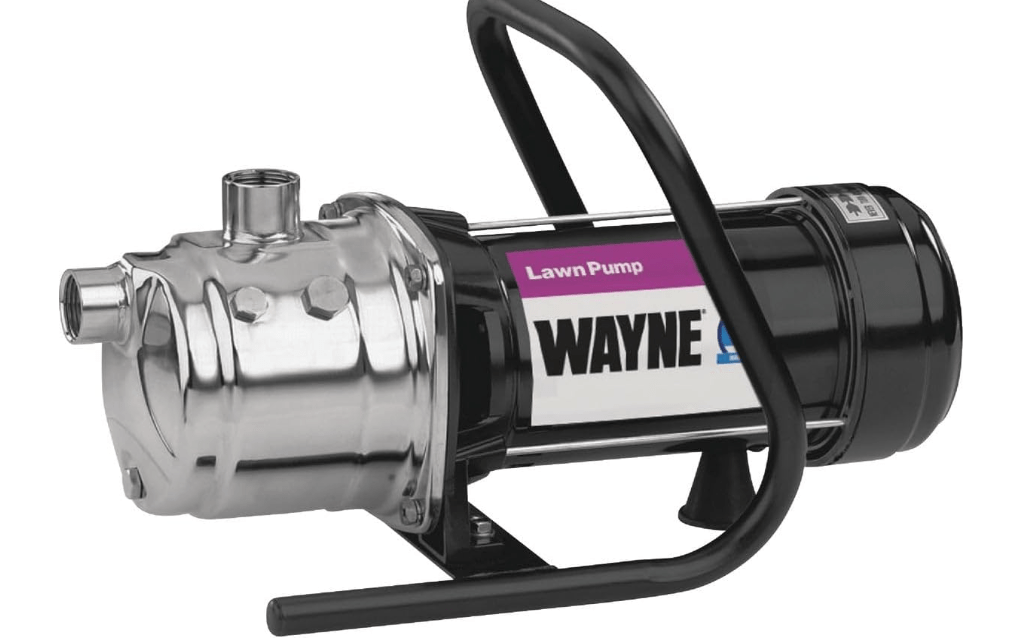
1. WAYNE PLS100 1 HP Portable Stainless Steel Lawn Sprinkling Pump
-
Product Description: The WAYNE PLS100 is a highly portable, 1 HP stainless steel centrifugal pump designed for effortless transport between the water source and storage areas. Featuring a robust, corrosion-resistant casing and a dedicated carrying handle, it bridges the gap between agricultural muscle and consumer-friendly convenience.
-
Price:
-
Key Features & Benefits: Generates up to 850 GPH; max pressure of 60 PSI; lifts water up to 180 feet total head; powered by a dependable 120V fan-cooled motor with dedicated thermal overload protection.
-
Pros & Cons:
-
Pros: Extremely lightweight (around 20 lbs); stainless steel body resists rust; plug-and-play garden hose connections.
-
Cons: Requires manual priming before its initial run; not engineered for permanent, unprotected outdoor exposure.
-
-
Amazon Customer Ratings: 4.4/5 Stars (Over 3,500 global ratings praising its reliable pressure and portability).
-
Why it’s a good choice for lake water irrigation: It provides an ideal balance of pressure and flow to run standard oscillating sprinklers without requiring complex electrical installations.
-
Ideal use case or who should buy it: Weekend homeowners looking for a portable, reliable system to pull water straight from the dock.
2. Red Lion RL-SPRK150 1.5 HP Cast Iron Sprinkler Pump
-
Product Description: Built like a tank, the Red Lion RL-SPRK150 is a heavy-duty cast iron centrifugal sprinkler pump engineered specifically for hardwired, permanent residential installations near water features.

-
Price:
-
Key Features & Benefits: Self-priming design (after initial fill); moves up to 73 GPM; dual-voltage motor (configured for 115V or 230V); heavy cast-iron volute that minimizes operational noise.
-
Pros & Cons:
-
Pros: Commercial-grade build quality; effortlessly handles multi-zone underground systems; exceptionally quiet under load.
-
Cons: Heavy footprint (exceeding 50 lbs); exterior cast iron requires painting or shelter to prevent surface oxidation.
-
-
Amazon Customer Ratings: 4.5/5 Stars (Users highlight its long-term durability and heavy flow rates).
-
Why it’s a good choice for lake water irrigation: Its high-volume output handles large-scale sprinkler grids that smaller consumer pumps fail to sustain.
-
Ideal use case or who should buy it: Property owners establishing a permanent pump house setup by the shoreline.
3. Flotec FP5172 1.5 HP Thermoplastic Sprinkler Pump
-
Product Description: The Flotec FP5172 is a high-performance, self-priming pump built around a fiberglass-reinforced thermoplastic housing that completely eliminates rust risks in humid lake environments.

-
Price:
-
Key Features & Benefits: Powers up to 30 sprinkler heads; heavy-duty dual-voltage motor; integrated priming plug for effortless startup maintenance.
-
Pros & Cons:
-
Pros: 100% rust-proof housing; significantly lighter than cast-iron alternatives; solid flow rate efficiency.
-
Cons: Plastic thread ports can strip out if metal fittings are torqued down too aggressively.
-
-
Amazon Customer Ratings: 4.3/5 Stars (Users frequently applaud its rust-free longevity in damp weather).
-
Why it’s a good choice for lake water irrigation: Constant exposure to lake moisture destroys standard metal housings; this thermoplastic body thrives in damp environments.
-
Ideal use case or who should buy it: Users living in high-humidity climates or those housing pumps in open, damp enclosures.
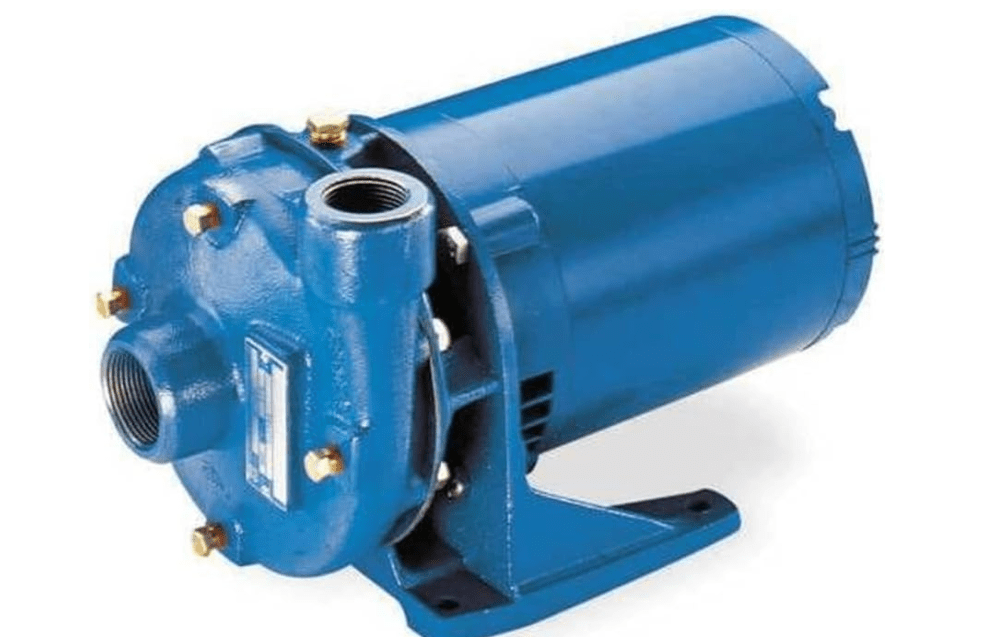
4. Goulds GT15 Irri-Gator 1.5 HP Centrifugal Pump
-
Product Description: The Goulds Irri-Gator is a legendary, professional-grade centrifugal pump designed for continuous, heavy-duty commercial and residential agricultural applications.
-
Price:
-
Key Features & Benefits: Heavy-duty cast iron body with electro-coat finish; self-priming design with a back pull-out service layout; continuous-duty rated motor.
-
Pros & Cons:
-
Pros: Elite build quality; engineered to run for over a decade with proper care; superior pressure holding capability.
-
Cons: Significant upfront investment; demands professional electrical hardwiring.
-
-
Amazon Customer Ratings: 4.7/5 Stars (Widely praised by professional landscapers as the ultimate reliability benchmark).
-
Why it’s a good choice for lake water irrigation: It handles continuous, heavy demands without overheating, making it ideal for massive lakeside estates.
-
Ideal use case or who should buy it: Discerning property owners looking for a lifetime investment piece.
5. Acquaer 1.5 HP Shallow Well / Lawn Sprinkler Pump
-
Product Description: The Acquaer Shallow Well Pump combines stainless steel construction with an affordable price point, offering an efficient solution for lawn sprinkling and transfer tasks.

-
Price:
-
Key Features & Benefits: Generates a 1200 GPH flow rate; maximum water lift up to 147 feet; integrated thermal overload protection; waterproof on/off power switch.
-
Pros & Cons:
-
Pros: Exceptional value for the price; lightweight and portable with an integrated handle; corrosion-resistant elements.
-
Cons: Lower overall efficiency under extended high-pressure loads; noticeable noise during startup.
-
-
Amazon Customer Ratings: 4.2/5 Stars (Favored by homeowners seeking a reliable budget alternative).
-
Why it’s a good choice for lake water irrigation: It delivers adequate suction capacity to clear typical lake banks without requiring a massive budget.
-
Ideal use case or who should buy it: Budget-conscious gardeners managing medium-sized yards near the waterfront.
6. Red Lion RJS-100-PREM 1 HP Premium Cast Iron Jet Pump
-
Product Description: A dedicated shallow well jet pump built to deliver high pressure to rural homes, farms, and complex irrigation layouts.

-
Price: $460.60
-
Key Features & Benefits: Rugged cast-iron construction; glass-filled thermoplastic impeller; pre-wired dual-voltage motor (115V/230V).
-
Pros & Cons:
-
Pros: Superior pressure generation; reliable prime holding over long distances; sturdy build.
-
Cons: Requires a separate pressure tank for automated sprinkler automation; heavy unit weight.
-
-
Amazon Customer Ratings: 4.5/5 Stars (Praised for consistent performance on steep grades).
-
Why it’s a good choice for lake water irrigation: Jet pumps excel at vertical suction, making them ideal when your lake sits far below your lawn.
-
Ideal use case or who should buy it: Properties situated on steep inclines or high bluffs overlooking the water.
7. FLUENTPOWER 1 HP Stainless Steel Lawn Sprinkling Pump
-
Product Description: A compact, entry-level utility pump designed to draw water cleanly from shallow surface sources like ponds and lakes.

-
Price:
-
Key Features & Benefits: Max flow of 845 GPH; max head lift of 144 feet; stainless steel housing wrapper; quiet operational profile.
-
Pros & Cons:
-
Pros: Highly affordable; very light and simple to store during winter; quiet motor.
-
Cons: Restricted suction depth; not engineered for large, multi-zone commercial sprinkler layouts.
-
-
Amazon Customer Ratings: 4.1/5 Stars (Noted as a great plug-and-play tool for simple watering jobs).
-
Why it’s a good choice for lake water irrigation: It serves as a low-risk, economical entry point for casual shoreline watering.
-
Ideal use case or who should buy it: Hobbyists looking to run a single sprinkler or garden hose near the shore.
8. Lanchez 1.6 HP Shallow Well Pump / Booster
-
Product Description: A high-wattage booster pump engineered to push high-pressure streams for demanding lawn care equipment.

-
Price:
-
Key Features & Benefits: Delivers 1268 GPH; max pressure output of 70 PSI; stainless steel outer shell; built-in thermal safety cutoff.
-
Pros & Cons:
-
Pros: Outstanding horsepower-to-cost ratio; high PSI runs impact sprinklers effectively.
-
Cons: Outer shell can heat up during continuous multi-hour runs; manual translation quirks in the user guide.
-
-
Amazon Customer Ratings: 4.3/5 Stars (Reviewers highlight the impressive water pressure boost).
-
Why it’s a good choice for lake water irrigation: Heavy-duty impact sprinklers require high PSI to rotate properly; this unit provides that pressure effortlessly.
-
Ideal use case or who should buy it: Homeowners relying on large impact sprinklers that demand robust operating pressure.
9. Simer 3415P 1.5 HP Thermoplastic Sprinkler Pump
-
Product Description: A durable thermoplastic alternative designed specifically to interface smoothly with underground irrigation valve boxes.

-
Price:
-
Key Features & Benefits: Powers up to 30 sprinkler heads; self-priming engineering; fiberglass-reinforced housing; dual-voltage capability.
-
Pros & Cons:
-
Pros: Completely rust-proof; focuses on high-volume delivery; easy to service.
-
Cons: Initial priming sequence can take slightly longer than cast-iron equivalents.
-
-
Amazon Customer Ratings: 4.4/5 Stars (Noted for solid seasonal durability).
-
Why it’s a good choice for lake water irrigation: Its rust-proof build handles constant moisture without degrading or staining surrounding structures.
-
Ideal use case or who should buy it: Property owners upgrading an automated irrigation grid connected to a natural water source.
10. Champion Power Equipment 2-Inch Gas-Powered Transfer Pump
-
Product Description: A completely independent, gas-powered utility machine built to move massive volumes of water where electricity is unavailable.

-
Price:
-
Key Features & Benefits: Powered by a 212cc engine; moves up to 158 gallons per minute; 2-inch port sizing; includes a wheel and hose kit.
-
Pros & Cons:
-
Pros: Total off-grid utility; massive water volume transfer speeds; highly mobile.
-
Cons: Loud internal combustion engine; requires regular gas/oil maintenance; incompatible with automated timers.
-
-
Amazon Customer Ratings: 4.6/5 Stars (Praised for dependable starting and flood-level output).
-
Why it’s a good choice for lake water irrigation: Many remote shorelines lack electrical grid access down by the dock.
-
Ideal use case or who should buy it: Rural property owners and farmers needing high-volume water transport far from any electrical outlet.
V. Essential Accessories for Pumping Lake Water
-
Foot Valves & Check Valves: Essential mechanical gates installed at the bottom of your intake hose. They keep water trapped in the line so your pump stays primed between cycles.
-
Collapse-Proof Suction Hoses: Never use a standard flexible garden hose on the intake side. The vacuum pressure will cause it to collapse instantly. Always use a rigid, reinforced suction hose.
-
Lake Intake Filters (Big Foot Filters): Muck, weeds, and zebra mussels will destroy a pump impeller within minutes. Suspending your intake line inside a specialized lake screen filter protects your investment.
VI. Frequently Asked Questions (FAQ)
-
Do I need a permit to pump water from my lake for irrigation?
-
Answer: Regulations vary heavily by region and state. Some areas allow riparian rights for personal use, while others require permits or restrict pumping during dry summer months. Always check local environmental or DNR guidelines before setup.
-
-
How do I keep my pump from freezing in the winter?
-
Answer: Freezing water expands and cracks pump housings. Before the first hard frost, disconnect the pump, open the drain plugs, and store it in a frost-free shed or basement.
-
-
Why is my pump losing its prime?
-
Answer: Losing prime almost always points to a tiny air leak in the suction line or a faulty foot valve. Ensure all intake fittings are wrapped in Teflon tape and checked for airtight seals.
-
VII. Conclusion & Our Top Picks
-
Best Overall: WAYNE PLS100 (The ideal balance of price, portability, and pressure for standard yards).
-
Best Permanent / Professional: Goulds GT15 (An elite, heavy-duty investment for dedicated estate systems).
-
Best Budget: Acquaer 1.5 HP (Unbeatable performance for cost-conscious buyers).
Ready to upgrade your property? Check the latest prices on Amazon to secure the right pump for your lakeside setup today!