Picture this: you return from a well-deserved vacation, only to find your prized Monstera drooping and your carefully cultivated indoor garden on the brink of collapse. Hand-watering is notoriously inconsistent, and maintaining optimal soil health while you are away can feel impossible. Overwatering drowns the roots and invites rot, while underwatering severely stunts growth. If you are searching for a reliable, automated, and inexpensive setup, you have likely looked for the best 10 self watering wick cord home depot options to build a quick DIY watering system.
However, here is the secret most indoor gardeners learn the hard way: while local hardware stores are great in a pinch, the greatest variety, bulk pricing, and specialized plant-safe materials—like braided polyester and nylon—are found on Amazon. The ultimate solution to your watering woes is a capillary wick system. This is a passive, physics-driven tool that delivers moisture directly to the root zone exactly when the plant needs it, ensuring consistent soil hydration without the risk of waterlogging.
In this comprehensive guide, we cut through the noise. We analyzed dozens of watering lines—testing them rigorously for long-term rot resistance, maximum capillary lift, and consistent water flow rates—to curate this definitive top 10 list. Whether you need a quick fix before a trip or want to permanently automate your plant care, you will learn exactly which cords perform best, how to avoid common setup mistakes, and which product perfectly matches your gardening needs.
II. Quick Comparison Guide
For those who want to skip the science and go straight to the best picks, here is a quick overview of our top-rated wicking cords.
III. Detailed Product Reviews: The Top 10 Self-Watering Wick Cords
1. The Overall Best Performer: Orimerc 1/4-Inch Braided Polyester Capillary Wick
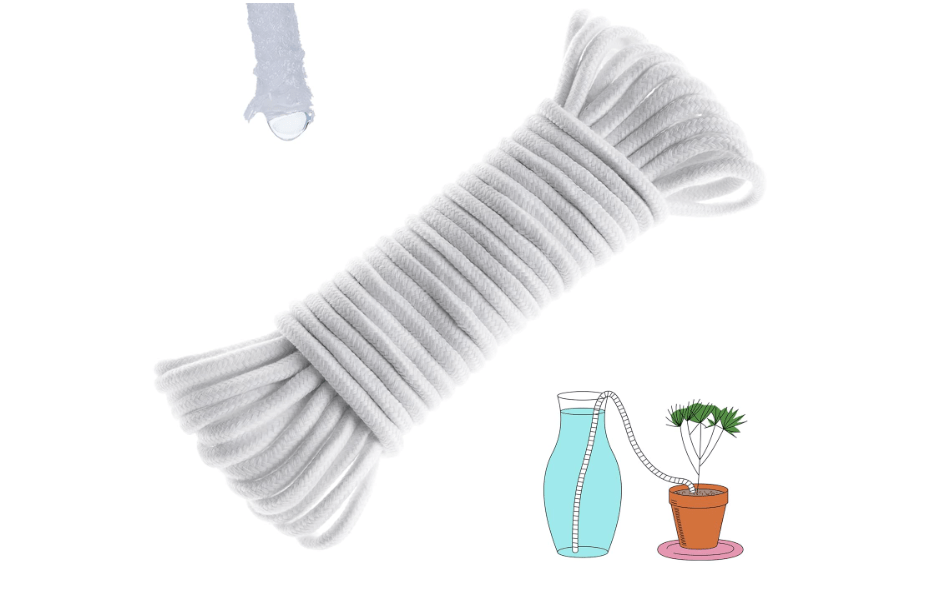
Compelling Product Description: The Orimerc 1/4-Inch Braided Polyester cord is the undisputed gold standard for DIY self-watering systems. Unlike natural fibers that break down when constantly exposed to wet soil and microbes, this specialized polyester cord is built specifically for plant irrigation. It offers a perfectly balanced capillary lift, meaning it draws water steadily without flooding your soil.
Price:
Key Features and Benefits:
-
Made from rot-proof synthetic polyester fiber.
-
1/4-inch diameter is the “sweet spot” for standard 6-to-8 inch planters.
-
Easy to cut to size, and the ends can be lightly singed to prevent fraying.
-
Washes easily if it becomes clogged with salt buildup or soil.
Pros and Cons:
-
Pros: Lasts indefinitely in wet soil; never smells or molds; highly consistent flow rate.
-
Cons: Can be slightly too thick for tiny 2-inch succulent pots (which might get overwatered).
Amazon Customer Ratings and Reviews: 4.7 out of 5 Stars. Users consistently rave about its reliability, with many top reviews highlighting how their tropical plants thrived on this cord during two-to-three-week vacations without skipping a beat.
Why It’s a Good Choice: Polyester contains chemical groups that make polar bonds, attracting water effectively without breaking down like organic matter. It provides peace of mind knowing the wick won’t snap or turn to mush beneath the soil line.
Ideal Use Case: The everyday houseplant owner looking to convert standard nursery pots into permanent, reliable self-watering planters.
2. Best for Heavy Thirst Plants: Rain Science 3/8-Inch Thick Nylon Wick
Compelling Product Description: When you are growing water-hungry plants like indoor tomatoes, large tropicals, or outdoor patio containers, standard cords just do not pull enough moisture. The Rain Science 3/8-Inch Thick Nylon Wick steps in as the heavy-duty workhorse. Nylon has incredible wicking abilities due to its amide groups that absorb and pull water rapidly.

Price: $14.00
Key Features and Benefits:
-
Extra-thick 3/8-inch diameter pulls massive volumes of water.
-
Durable braided nylon sheath with a loose fiber core designed specifically for capillary action.
-
Resists mold and mildew in high-moisture environments.
Pros and Cons:
-
Pros: Incredible water volume transfer; highly durable; fantastic for large pots (10+ inches).
-
Cons: Needs a 20-minute pre-soak to activate its surface tension; can easily drown small, drought-tolerant plants.
Amazon Customer Ratings and Reviews: 4.6 out of 5 Stars. Vegetable gardeners and owners of giant Monstera plants praise its ability to keep massive root systems hydrated during hot summer weeks.
Why It’s a Good Choice: If you have a large container, using a thin cord means the water evaporates from the soil faster than the cord can replace it. This thick nylon rope ensures a high-capacity water highway straight to the roots.
Ideal Use Case: Growers with large outdoor potted plants, heavy-feeding vegetables, or massive indoor floor plants.
3. Best Eco-Friendly Option: Growneer 100% Natural Braided Cotton Cord (1/6 Inch)
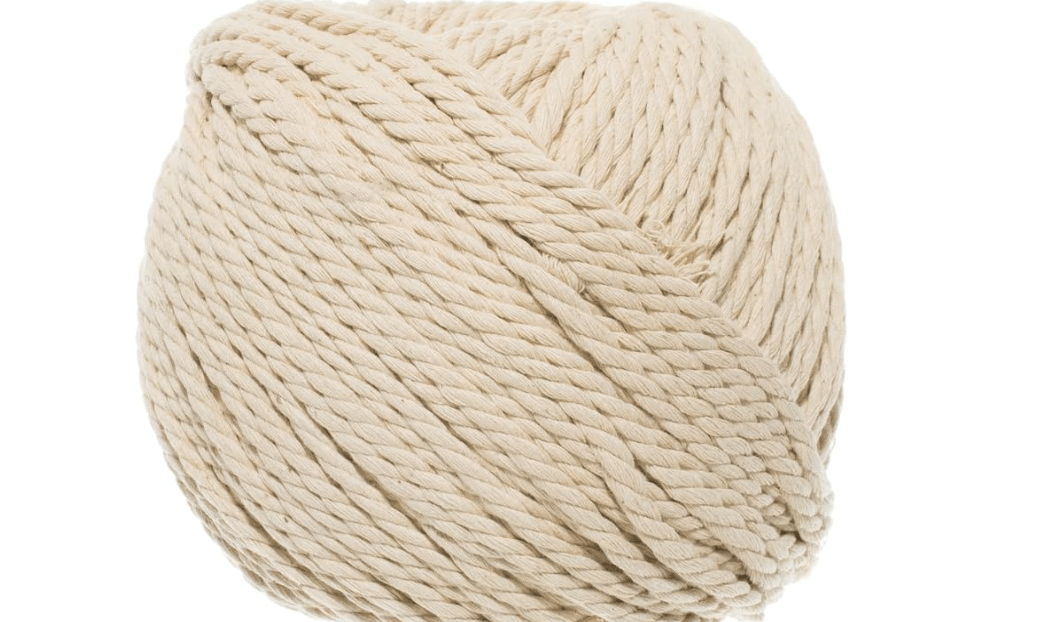
Compelling Product Description: For the organic gardener who wants to avoid putting synthetic plastics into their soil, the Growneer Braided Cotton Cord is the premium choice. Cotton naturally has one of the strongest initial capillary pulls of any material, delivering fast and immediate moisture.
Price:
Key Features and Benefits:
-
Made from 100% unbleached, natural cotton fibers.
-
Incredibly fast wicking action straight out of the box.
-
Fully biodegradable and safe for organic vegetable gardening.
Pros and Cons:
-
Pros: Environmentally friendly; excellent immediate absorbency; soft and easy to work with.
-
Cons: Because it is organic, it will rot and degrade in constantly wet soil after about 3 to 4 months. It must be replaced seasonally.
Amazon Customer Ratings and Reviews: 4.4 out of 5 Stars. Buyers love the natural aspect and fast wicking, though some note the necessity of replacing it a few times a year.
Why It’s a Good Choice: If you are setting up a temporary wicking system just for a vacation, or if you strictly adhere to plastic-free gardening, this cotton cord does the job brilliantly without leaching synthetics.
Ideal Use Case: Organic growers, short-term vacation setups, and those planting edible microgreens or herbs.
4. Best for Small Seedlings: Mkono 1/8-Inch Micro Capillary Cord
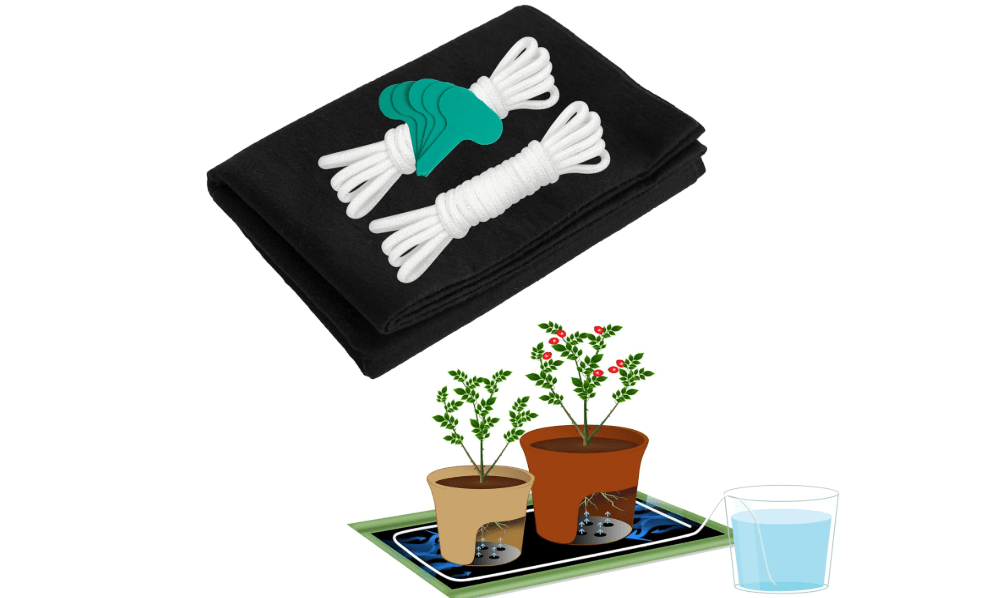
Compelling Product Description: Seedlings, delicate terrariums, and African Violets have tiny root systems that are incredibly susceptible to root rot if overwatered. The Mkono 1/8-Inch Micro Cord is specifically designed to provide a slow, delicate drip rather than a flood.
Price: $14.99
Key Features and Benefits:
-
Ultra-thin 1/8-inch diameter restricts water flow to prevent soil logging.
-
Synthetic poly-blend ensures the cord won’t rot inside small propagation boxes.
-
Flexible enough to thread through tiny nursery pot drainage holes.
Pros and Cons:
-
Pros: Perfect flow restriction for delicate plants; cheap; easy to weave through small spaces.
-
Cons: Too thin to effectively water anything in a pot larger than 4 inches.
Amazon Customer Ratings and Reviews: 4.5 out of 5 Stars. Highly praised by the African Violet community and indoor seed starters for delivering just a “sip” of water at a time.
Why It’s a Good Choice: It prevents the anaerobic, swampy soil conditions that kill seedlings, ensuring the soil stays lightly moist but perfectly aerated.
Ideal Use Case: Seed starter trays, propagation stations, and delicate humidity-loving miniatures.
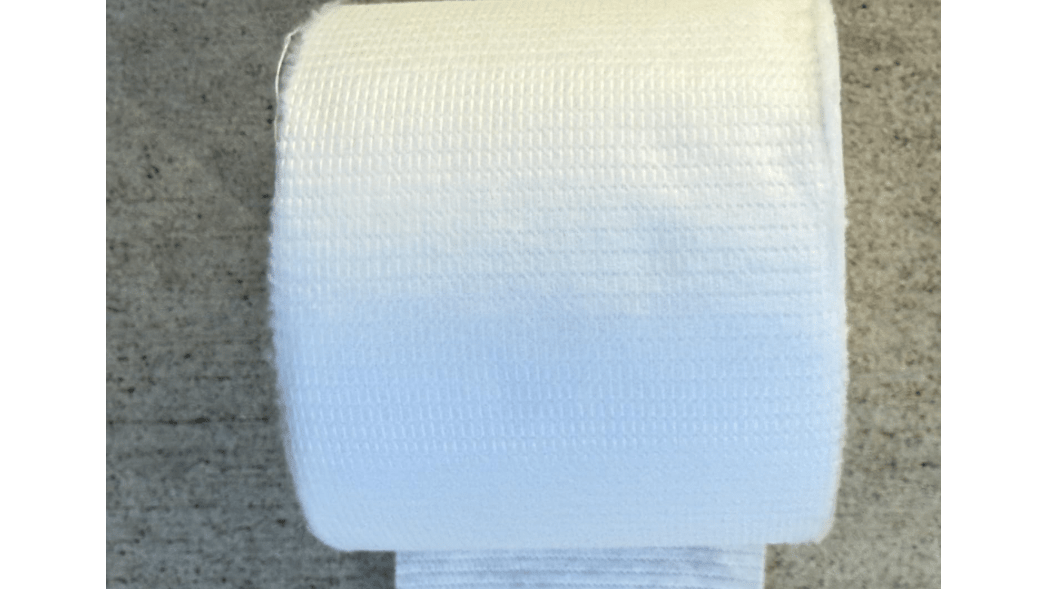
5. Best Bulk Value for Large Gardens: Pepperlonely 100-Yard Poly-Blend Spool
Compelling Product Description: If you are building a massive DIY hydroponic system, outfitting a large balcony garden, or simply have dozens of houseplants, buying 10 feet of cord at a time isn’t going to cut it. The Pepperlonely 100-Yard Spool offers unparalleled value for bulk projects without sacrificing wicking quality.
Price:
Key Features and Benefits:
-
A massive 300 feet (100 yards) of cord per spool.
-
Poly-blend construction prevents rotting and mold.
-
Consistent 3mm thickness suitable for most medium plants.
Pros and Cons:
-
Pros: Unbeatable price-per-foot; consistent quality; massive supply.
-
Cons: You have to cut and prep a lot of it yourself; lacks the premium braided aesthetic of pricier options.
Amazon Customer Ratings and Reviews: 4.8 out of 5 Stars. Reviewers love the sheer volume they get for the price, noting it performs just as well as expensive boutique plant brands.
Why It’s a Good Choice: It democratizes self-watering. You can affordably outfit your entire plant collection in a single afternoon without breaking the bank.
Ideal Use Case: Plant hoarders, balcony gardeners, and DIY hydroponic enthusiasts who need high yardage.
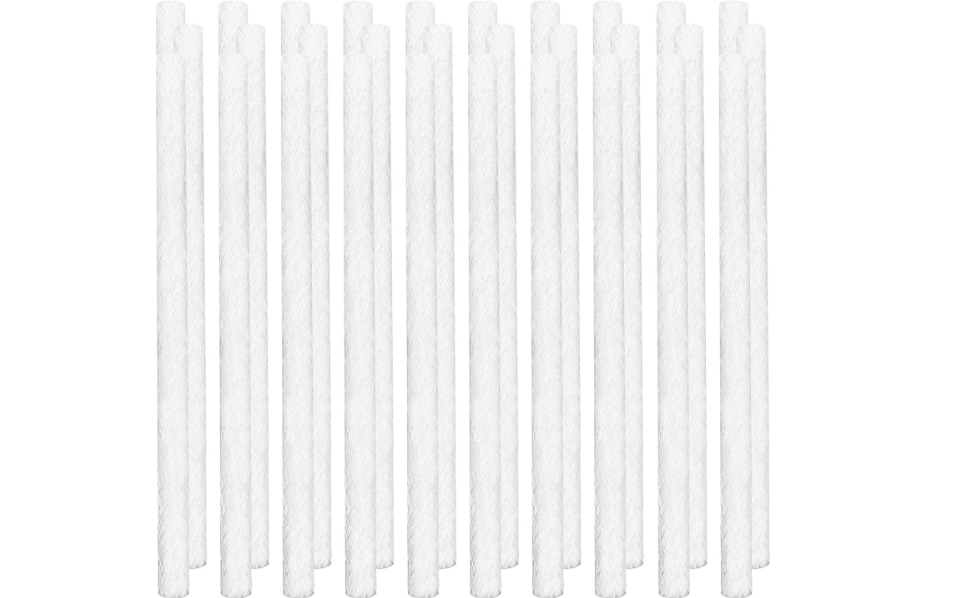
6. Best Fiberglass Wick: Humboldts Secret Fiberglass Wicking Strip
Compelling Product Description: For the absolute ultimate in longevity, fiberglass is the undisputed king. The Humboldts Secret Wicking Strip is not a traditional round cord but a flat, woven fiberglass band. Because it is made of woven glass threads, it is completely impervious to soil microbes, rot, and degradation. It will outlast the plant itself.
Price:
Key Features and Benefits:
-
Constructed from 100% woven fiberglass.
-
Flat strip design provides a massive surface area for superior water transport.
-
Completely immune to rot, mold, and hard water scale buildup.
Pros and Cons:
-
Pros: Infinite lifespan; incredible capillary lift; easy to thread through slotted orchid pots.
-
Cons: Most expensive option; raw fiberglass edges can be irritating to sensitive skin when cutting.
Amazon Customer Ratings and Reviews: 4.7 out of 5 Stars. High-end indoor growers and orchid enthusiasts praise its unbeatable lifespan, noting they never have to repot just to replace a rotten wick.
Why It’s a Good Choice: It is the ultimate “set it and forget it” solution. Once this wick is in your potting mix, you will never need to worry about it degrading and cutting off the water supply to your plant.
Ideal Use Case: Premium indoor setups, expensive exotic plants, and long-term semi-hydroponic reservoirs.
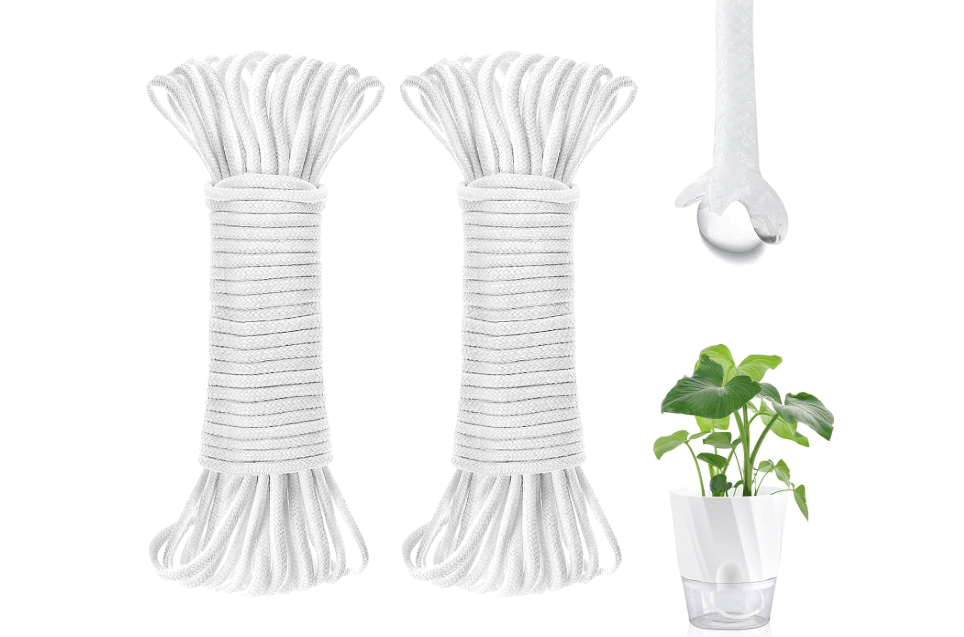
7. Best for African Violets: Window Garden Pre-Cut Water Wicks
Compelling Product Description: If you grow African Violets, you know that keeping water off their fuzzy leaves is critical to their survival. Bottom-watering via wick is the preferred method for these plants. Window Garden offers pre-cut, ready-to-use wicks that take the guesswork out of sizing and measuring, making repotting day a breeze.
Price:
Key Features and Benefits:
-
Conveniently pre-cut to optimal 6-inch lengths.
-
Made from a durable, rot-resistant synthetic blend.
-
Ends are precision-cut to resist fraying during installation.
Pros and Cons:
-
Pros: Zero prep time required; perfect length for standard 4-inch violet pots; highly consistent.
-
Cons: The fixed 6-inch length is useless for larger pots or deep water reservoirs.
Amazon Customer Ratings and Reviews: 4.6 out of 5 Stars. African Violet societies and hobbyists leave glowing reviews about how much time these pre-cut strips save them when managing collections of 20+ plants.
Why It’s a Good Choice: It trades the bulk value of a spool for pure convenience. It delivers the exact, measured sip of water that sensitive miniature plants crave.
Ideal Use Case: African Violet growers, terrarium builders, and busy plant parents who hate DIY measuring.
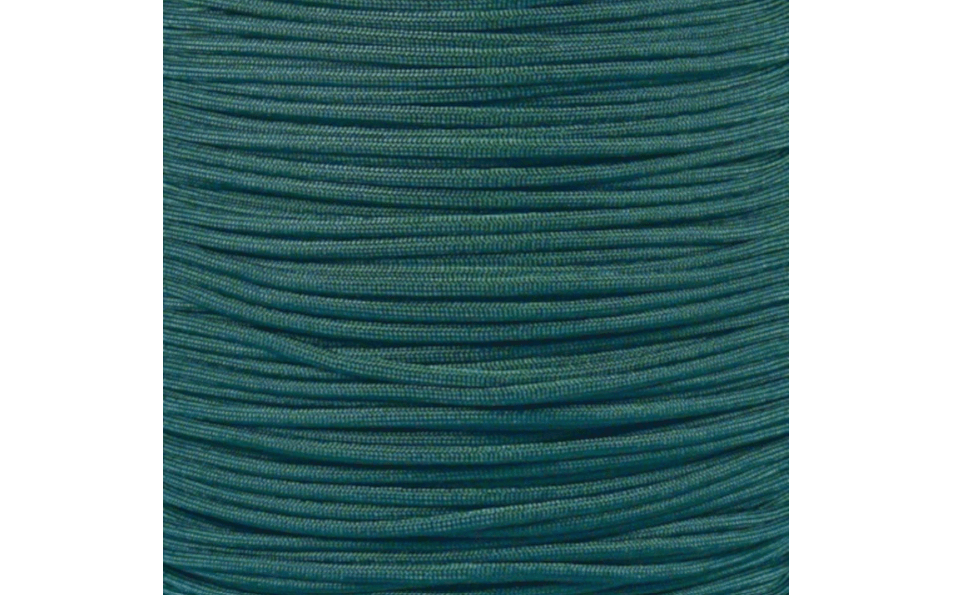
8. Best Aesthetic/Colored Cord: Paracord Planet 550 Nylon Wicking Cord
Compelling Product Description: If your wicking system is going to be visible—perhaps draped into a beautiful glass mason jar—a stark white agricultural cord might ruin the aesthetic. Enter the ultimate DIY hack: Paracord Planet 550 Nylon. By pulling out the inner core threads, the outer nylon sheath becomes a brilliantly effective, colorful wicking tube.
Price:
Key Features and Benefits:
-
Available in hundreds of vibrant colors and patterns to match your home decor.
-
Made of highly durable, rot-proof commercial nylon.
-
Hollow sheath (once gutted) flattens out for excellent soil contact.
Pros and Cons:
-
Pros: Visually stunning; incredibly strong; inexpensive.
-
Cons: Requires manual labor to pull out the inner core strings before it will wick properly.
Amazon Customer Ratings and Reviews: 4.8 out of 5 Stars. The houseplant community loves this clever hack, often showing off their color-coordinated LECA (Lightweight Expanded Clay Aggregate) setups in the review photos.
Why It’s a Good Choice: It proves that functional plant care does not have to be ugly. You get the superior wicking power of nylon with unparalleled aesthetic customization.
Ideal Use Case: Visible semi-hydroponic setups, glass reservoir planters, and design-conscious indoor gardeners.
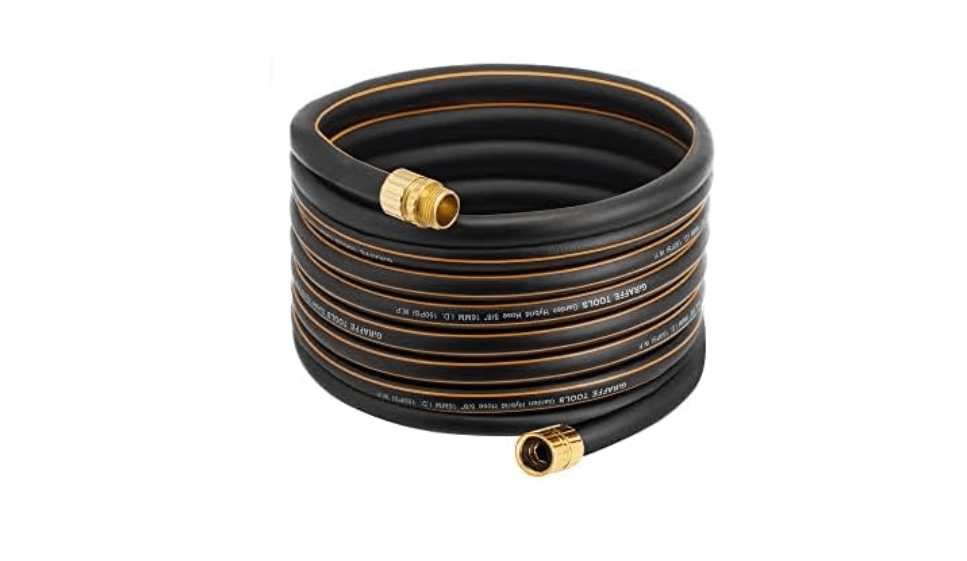
9. Best Heavy-Duty Absorbency: Mudder 50ft Self Watering Spun Polyester
Compelling Product Description: While standard braided polyester is durable, it can sometimes be slow to activate. Mudder’s Spun Polyester cord solves this by mimicking the soft, fluffy texture of natural cotton while retaining the rot-proof nature of synthetics. The loosely spun fibers create thousands of micro-channels for water to travel through instantly.
Price: $46.99
Key Features and Benefits:
-
Soft-spun texture offers immediate water absorption (no pre-soaking required).
-
1/4-inch thickness holds a high volume of moisture.
-
Synthetic material resists soil breakdown.
Pros and Cons:
-
Pros: Incredibly fast wicking speed; easy to coil around root balls; durable.
-
Cons: The loosely spun fibers can fray easily if pulled too hard against sharp plastic pot edges.
Amazon Customer Ratings and Reviews: 4.5 out of 5 Stars. Users note that it saves distressed, wilted plants faster than tighter braided cords because of its rapid moisture delivery.
Why It’s a Good Choice: It bridges the gap between the speed of cotton and the longevity of plastic, making it a highly versatile choice for almost any indoor plant.
Ideal Use Case: Rescuing severely dehydrated plants, standard houseplants, and porous terracotta pots.
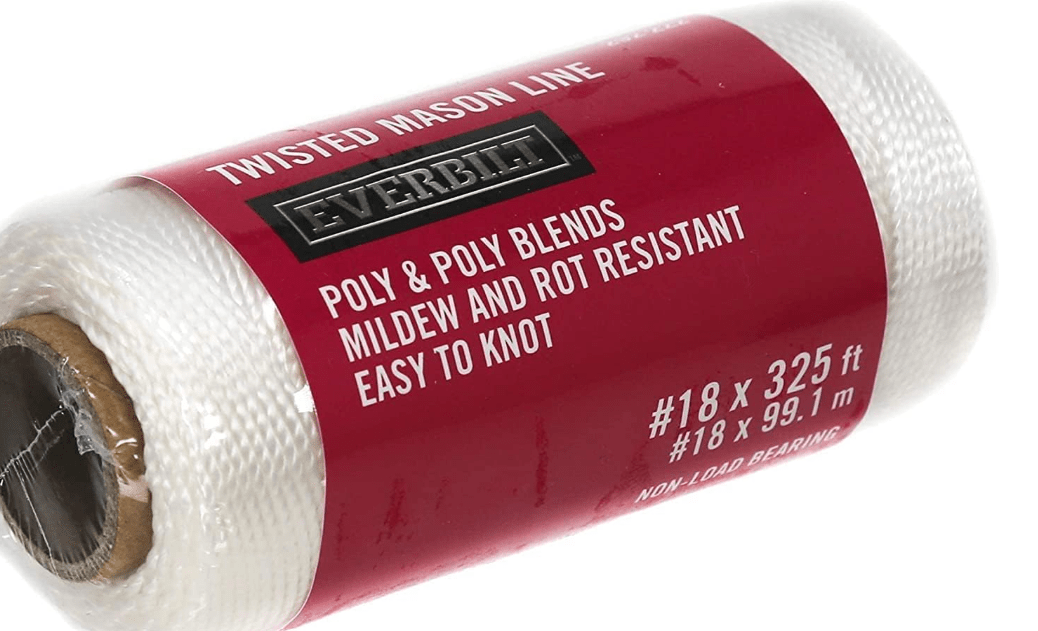
10. The Hardware Store Alternative: Everbilt Braided Mason Line
Compelling Product Description: What if you are leaving for the airport tomorrow and don’t have time for Amazon Prime delivery? While researching the best 10 self watering wick cord home depot solutions, the Everbilt Braided Mason Line emerges as the ultimate off-label lifesaver. Sold in the hardware aisle for construction leveling, this thin nylon string is a highly capable wicking tool in an emergency.
Price: $6.33
Key Features and Benefits:
-
Readily available at local hardware stores.
-
Made from rot-resistant braided nylon.
-
Very inexpensive for high yardage.
Pros and Cons:
-
Pros: Locally accessible for emergencies; cheap; synthetic and durable.
-
Cons: Very thin (usually #18 size), meaning you must use 3 or 4 strands braided together to water a standard houseplant. Often comes in neon colors.
Amazon Customer Ratings and Reviews: 4.3 out of 5 Stars. Most reviews are for construction, but resourceful gardeners frequently chime in to praise its secondary use as a cheap hydroponic wick.
Why It’s a Good Choice: It addresses the immediate need. If you cannot wait for shipping, this is the exact product to grab off the shelf locally to keep your plants alive while you travel.
Ideal Use Case: Last-minute vacation preparations and budget-friendly DIY projects.
IV. The Ultimate Buying Guide: How to Choose the Right Wick
Choosing the right cord isn’t just about price; it’s about basic physics and biology. Here is how to make an informed decision:
-
Material Matters (The Science):
-
Synthetics (Polyester/Nylon): These are the expert choice. They do not decompose, they resist mold, and their chemical structure pulls water efficiently.
-
Naturals (Cotton/Hemp): While they wick water incredibly fast, organic materials serve as food for soil microbes. They will rot and snap within a few months, making them poor choices for permanent setups.
-
Fiberglass: The most durable option, immune to all biological breakdown, but pricier.
-
-
Sizing the Wick: Matching cord diameter to pot size is crucial. A tiny 1/8-inch cord cannot sustain an 8-inch pot of thirsty ferns, and a thick 3/8-inch rope will easily drown a small succulent. Rule of thumb: use 1/4-inch for standard 6-inch nursery pots.
-
Lift Height Constraints: Capillary action has limits. It is fighting gravity. For the best results, the water level in your reservoir should never be more than 4 to 6 inches below the bottom of the plant pot. If the lift is too high, the wick will dry out.
V. Step-by-Step: How to Set Up Your DIY Wick System
-
Prep the Cord: Always soak your synthetic wicks in a bowl of warm water for 15 minutes before installation. This breaks the surface tension and “primes” the capillary action.
-
Thread the Pot: Take an empty nursery pot and use a chopstick or knitting needle to push the wet wick up through a bottom drainage hole.
-
Positioning: Pull enough cord through so that it reaches the top third of the pot. As you fill the pot with soil, coil the wick around the center of the root ball. Do not just leave it at the bottom, or the top roots will dry out.
-
Soil Selection: Wicking systems keep soil constantly moist. Therefore, you must use an airy, well-draining soil mix (heavy on perlite, pumice, or orchid bark) to ensure oxygen can still reach the roots.
-
Dangle and Fill: Let the remaining tail of the wick dangle out the bottom of the pot into a reservoir (like a mason jar or a cachepot) filled with water.
VI. Frequently Asked Questions
-
Can I use regular yarn or string as a self-watering wick?
-
Generally, no. Most cheap knitting yarn is made of acrylic, which is hydrophobic (repels water). While natural wool or cotton yarn will wick, it will quickly rot in the soil. Always use a dedicated wicking cord.
-
-
How long does a self-watering wick last?
-
Synthetic wicks (polyester/nylon) and fiberglass can last for years—often outlasting the soil before it needs repotting. Cotton wicks typically last 3 to 4 months before decomposing.
-
-
Can you overwater a plant with a wick system?
-
Yes, if the soil is too dense or the wick is too thick for the plant’s needs. The system works best with chunky, aerated soil that balances moisture with oxygen.
-
-
Does Home Depot sell self-watering wicks in-store?
-
While you won’t often find products explicitly labeled as plant wicks in the garden center, the best 10 self watering wick cord home depot lists almost always feature braided mason line or nylon parachute cord from the hardware aisles, which work perfectly in a pinch.
-
VII. Conclusion & Final Recommendations
Automating your plant care doesn’t have to require expensive electronic pumps or complicated plumbing. By harnessing the simple science of capillary action, a few dollars worth of quality cord can save your indoor garden from drought while you are away. Remember that the success of your setup heavily depends on matching the right material to your long-term goals.
Our Top Picks Summary:
-
Best Overall for Everyday Use: Orimerc 1/4″ Braided Polyester (Perfect balance of lift, durability, and price).
-
Best for Massive Collections: Pepperlonely 100-Yard Spool (Unbeatable bulk value).
-
Best Local/Emergency Find: Everbilt Braided Mason Line.
Don’t wait until the night before your vacation to realize your plants have no water source. Head over to Amazon, pick up the cord that best fits your needs, and enjoy the peace of mind that comes with perfectly hydrated plants.