Gardening in Colorado is notoriously difficult. Between the heavy alkaline clay soil, erratic freeze-thaw cycles, high-velocity Chinook winds, and the blistering high-altitude sun, planting the wrong tree often results in a quick death and wasted money. Homeowners desperately need reliable canopy cover to cool their homes and outdoor living spaces during the intense summer heat, yet generic nursery trees frequently fail in the harsh Front Range climate. To save you time, money, and frustration, we have vetted and ranked the best 10 shade trees for colorado.
Based on hard data from the Colorado State University (CSU) Extension, recommendations from local certified arborists, and current, highly-rated availability on Amazon, we have built this comprehensive buyer’s guide. Our goal is to remove the guesswork from Rocky Mountain landscaping. Whether you need a drought-resistant giant to anchor your backyard or a fast-growing canopy to block out the summer sun, this guide will help you confidently choose, buy, and plant a tree that will actually thrive in your yard for generations.
II. Buying Guide: How to Choose a Tree for Colorado
Before adding a tree to your Amazon cart, it is crucial to understand what makes a tree survive—and thrive—in the unique Rocky Mountain environment. Here is how to evaluate your options like a pro:
-
USDA Hardiness Zones (The Golden Rule): Colorado’s climate can swing wildly. You must stick to trees rated for USDA Hardiness Zones 3 through 5. Trees bred for these zones can survive our notorious early fall freezes and late spring frosts that easily kill less hardy species.
-
Soil Adaptability: The Front Range is infamous for its compacted, alkaline clay soil. Trees planted here must have aggressive, adaptable root systems. Avoid trees highly susceptible to iron chlorosis (a yellowing of the leaves caused by high pH levels locking up soil iron), such as Silver Maples or Pin Oaks.
-
Drought Tolerance: Colorado is a semi-arid desert. While all newly planted trees require supplemental water for the first two to three years, the best 10 shade trees for colorado must be “water-wise” or xeriscape-friendly once their root systems are fully established.
-
Growth Rate vs. Wood Strength: It is tempting to buy the fastest-growing tree available to get immediate shade. However, ultra-fast growth often equates to brittle wood. Colorado is famous for heavy, wet snowstorms in October and May while trees still have their leaves. Choosing a tree with strong branch crotches is essential to prevent massive branch failure.
III. Quick Comparison Matrix
Note: For optimal mobile viewing, we have condensed this matrix to highlight the most critical decision-making factors.
| Tree Species | Best For / Key Feature | Est. Amazon Price |
| 1. Shademaster Honeylocust | Best overall; allows lawn grass underneath | |
| 2. Bur Oak | Extreme hardiness and heritage longevity | |
| 3. Northern Catalpa | Ultra-fast shade and tropical flowers | |
| 4. Common Hackberry | Surviving neglect, drought, and high winds | |
| 5. ‘Hot Wings’ Tartarian Maple | Small spaces and vibrant summer red color | |
| 6. Kentucky Coffeetree | Unique architecture and late spring leaf-out | |
| 7. Littleleaf Linden | Dense shade and highly fragrant summer flowers | |
| 8. Ponderosa Pine | Year-round privacy and zero winter watering | |
| 9. Colorado Blue Spruce | Unmatched windbreaks and winter interest | $37.77 |
| 10. Princeton American Elm | Fast growth and classic street-tree canopy | $34.00 |
IV. Detailed Product Reviews: The Best 10 Shade Trees for Colorado
1. Shademaster Honeylocust (Gleditsia triacanthos var. inermis)
Product Description:
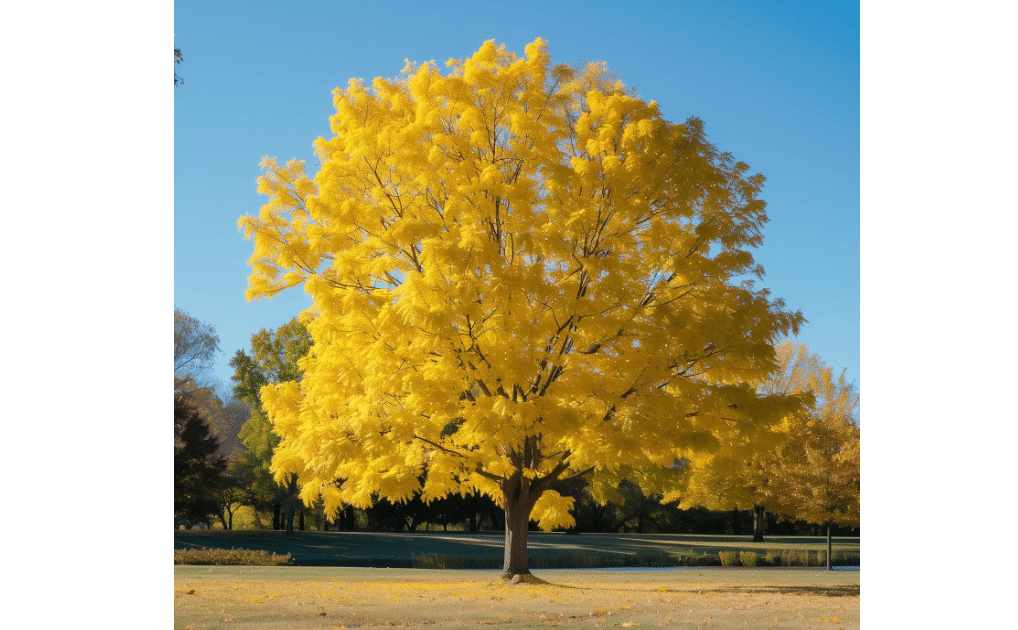
The Shademaster Honeylocust is an elegant, thornless, and seedless shade tree that consistently ranks as a top performer in the Rocky Mountain region. It is highly sought after for its delicate, fern-like foliage. Unlike dense maples or oaks that create dark shadows, the Honeylocust provides a beautiful, dappled shade. This unique canopy structure allows sunlight to filter through, making it one of the few shade trees that will not kill the lawn grass planted directly beneath it.
Price of the Product:
Key Features & Benefits:
-
Fast Growth Rate: Can grow up to 2 feet per year under optimal conditions.
-
Mature Size: Reaches a stately 45–50 feet tall and 40 feet wide.
-
Autumn Beauty: Foliage turns a brilliant, striking golden-yellow in the fall.
-
Cleanliness: This specific cultivar is bred to be seedless, eliminating messy pod cleanup.
Pros & Cons:
-
Pros: No messy seedpods, turfgrass grows easily underneath, highly adaptable to poor soils, excellent urban tolerance.
-
Cons: Can be prone to the honeylocust plant bug or spider mites during exceptionally dry, hot summers.
Amazon Customer Ratings & Reviews: ~4.5/5 Stars.
Customers consistently praise how quickly these saplings bounce back from shipping stress and highlight their exceptionally high survival rate after transplanting into tough soils.
Why it’s a good choice for Colorado:
It is extremely drought-tolerant once established and handles the compacted urban clay soil, street pollution, and road salt of the Front Range effortlessly.
Ideal use case or who should buy it:
This is the best overall shade tree for suburban backyards and homeowners who want cooling shade without sacrificing the health of their manicured lawns.
2. Bur Oak (Quercus macrocarpa)
Product Description:
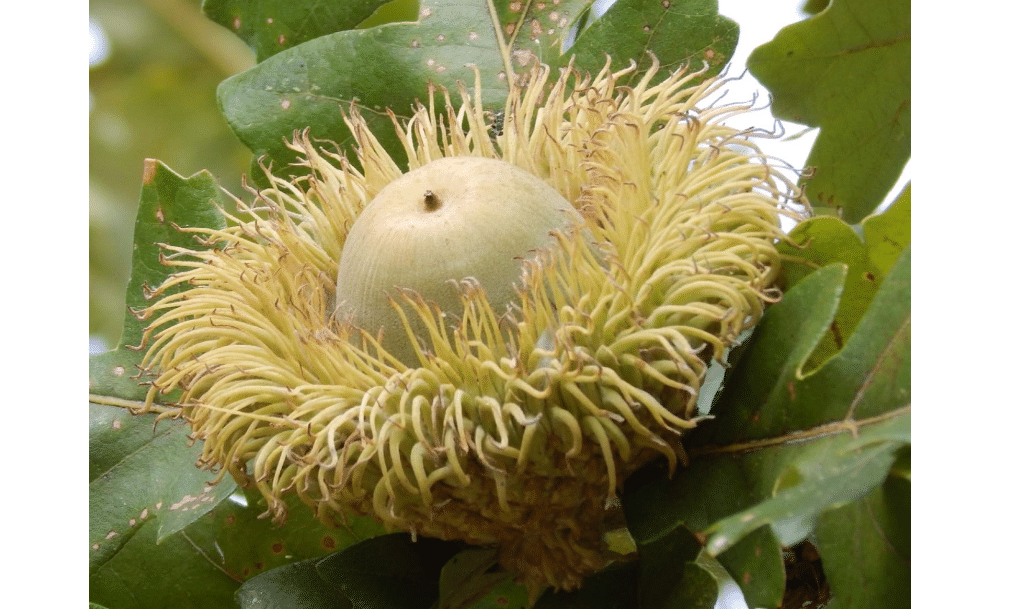
If you want to plant a tree that your great-grandchildren will sit under, the Bur Oak is your answer. This is a massive, majestic, and exceptionally rugged oak tree defined by a deep taproot and thick, corky bark. Historically designed by nature to withstand prairie fires, high winds, and harsh winter freezes, the Bur Oak is an unyielding force in the landscape. Its deeply lobed, leathery green leaves and large fringed acorns give it a classic, stately appearance.
Price of the Product:
Key Features & Benefits:
-
Massive Canopy: Matures at 50+ feet tall and wide, offering immense shade coverage.
-
Deep Root System: Its aggressive taproot makes it incredibly drought-resistant.
-
Wildlife Friendly: Acorns provide an excellent food source for local birds and squirrels.
Pros & Cons:
-
Pros: Exceptional longevity (can live 200–300+ years), extreme wind resistance, immune to most urban pollution.
-
Cons: Very slow initial growth rate; you will need patience for the first few years.
Amazon Customer Ratings & Reviews: ~4.4/5 Stars.
Buyers frequently highlight the robust, heavy root systems upon delivery from Amazon partnered nurseries, noting that the tree establishes firmly in the ground quickly.
Why it’s a good choice for Colorado:
It is widely considered the absolute hardiest of all oaks for the Front Range. It is entirely unfazed by alkaline clay, doesn’t suffer from iron chlorosis, and laughs at extreme drought conditions.
Ideal use case or who should buy it:
Best for large properties, open expanses, and homeowners looking to plant a highly durable “heritage tree” for future generations.
3. Northern Catalpa (Catalpa speciosa)
Product Description:
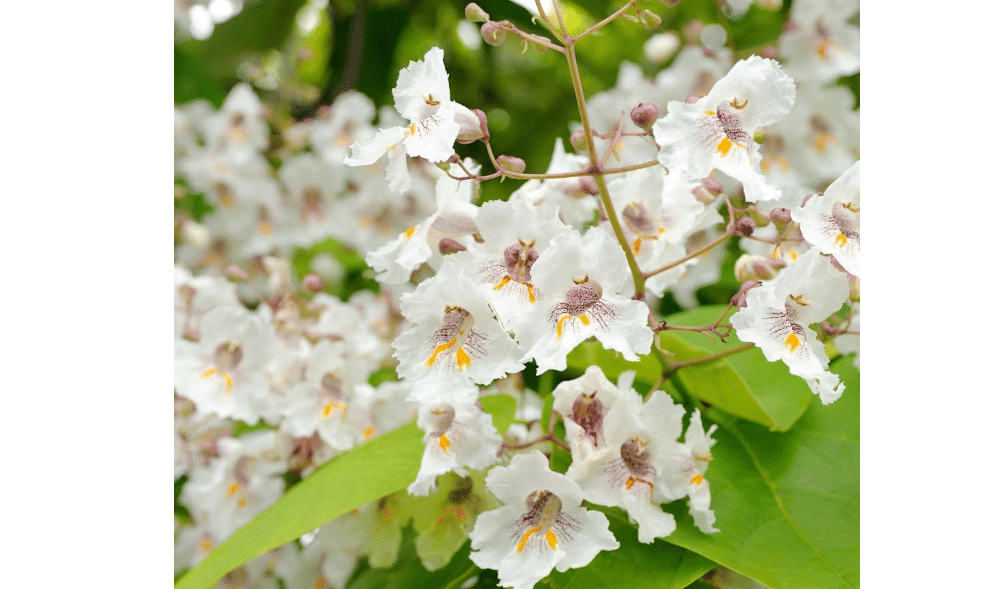
For homeowners craving a touch of the tropics in a cold climate, the Northern Catalpa is a showstopper. This fast-growing tree features massive, heart-shaped leaves that can span up to 12 inches across, creating dense, cooling shade very quickly. In late spring, it erupts in stunning, orchid-like clusters of white and purple-speckled flowers, followed by long, unique cigar-shaped seed pods that hang from the branches through winter.
Price of the Product:
Key Features & Benefits:
-
Rapid Canopy Development: Grows rapidly to 50 feet tall and 40 feet wide.
-
Spring Blooms: Produces highly ornamental, fragrant flower panicles.
-
Bold Texture: The massive leaves provide an architectural, coarse texture to the landscape.
Pros & Cons:
-
Pros: Extremely fast shade, gorgeous spring blooms, highly adaptable to both wet drainage areas and dry soil.
-
Cons: High maintenance; the massive leaves, flower petals, and long seed pods require significant fall and spring cleanup. Branch wood can be brittle in heavy winds.
Amazon Customer Ratings & Reviews: ~4.3/5 Stars.
Reviewers love the dramatic, oversized foliage and frequently comment on the impressive first-year growth rate after ordering.
Why it’s a good choice for Colorado:
It handles the intense, high-altitude summer heat beautifully and easily adapts to both seasonal dry spells and the heavy, poorly draining clay soils typical of new housing developments.
Ideal use case or who should buy it:
Best for impatient gardeners who want a large shade tree fast, desire dramatic floral displays, and don’t mind putting in a bit of yard cleanup effort in the autumn.
4. Common Hackberry (Celtis occidentalis)
Product Description:
Often referred to affectionately as the “tough guy” of the tree world, the Common Hackberry is the ultimate survivor. While it might not boast the flashy flowers of the Catalpa, it makes up for it in sheer resilience. It features unique, corky, ridged bark that adds fantastic winter interest, and elm-like leaves that turn a soft, pleasing yellow in the fall. It is a workhorse tree that simply gets the job done when others fail.

Price of the Product:
Key Features & Benefits:
-
Mature Size: Reaches 45–60 feet tall with an arching, cylindrical canopy.
-
Winter Berries: Produces small, dark red/purple drupes (berries) that are highly sought after by winter foraging birds.
-
Deep Rooting: Excellent anchorage prevents toppling in high winds.
Pros & Cons:
-
Pros: Near-indestructible once established, phenomenal for local bird populations, highly wind-resistant, zero maintenance required.
-
Cons: Highly susceptible to hackberry nipple gall (a harmless insect that creates small bumps on the leaves—a cosmetic issue only).
Amazon Customer Ratings & Reviews: ~4.6/5 Stars.
Customers frequently mention the tree arriving tightly dormant in shipping boxes, only to wake up vigorously and push heavy growth once the spring warmth hits.
Why it’s a good choice for Colorado:
The Hackberry thrives in the exact conditions that easily kill other shade trees: extreme drought, blistering heat, nutrient-poor rocky soil, and relentless winds.
Ideal use case or who should buy it:
Best for neglected planting strips between sidewalks, street tree applications, or homeowners who want a completely hands-off, “plant it and forget it” shade tree.
5. ‘Hot Wings’ Tartarian Maple (Acer tataricum ‘Hot Wings’)
Product Description: Maples are famously tricky to grow in the West, but the ‘Hot Wings’ Tartarian Maple is the brilliant exception. Discovered right here in Colorado, this smaller, highly ornamental shade tree is famous for its bright scarlet-red samaras (seed pods). These pods appear in mid-summer, contrasting beautifully against the rich green foliage and giving the spectacular illusion that the tree is in full bloom.
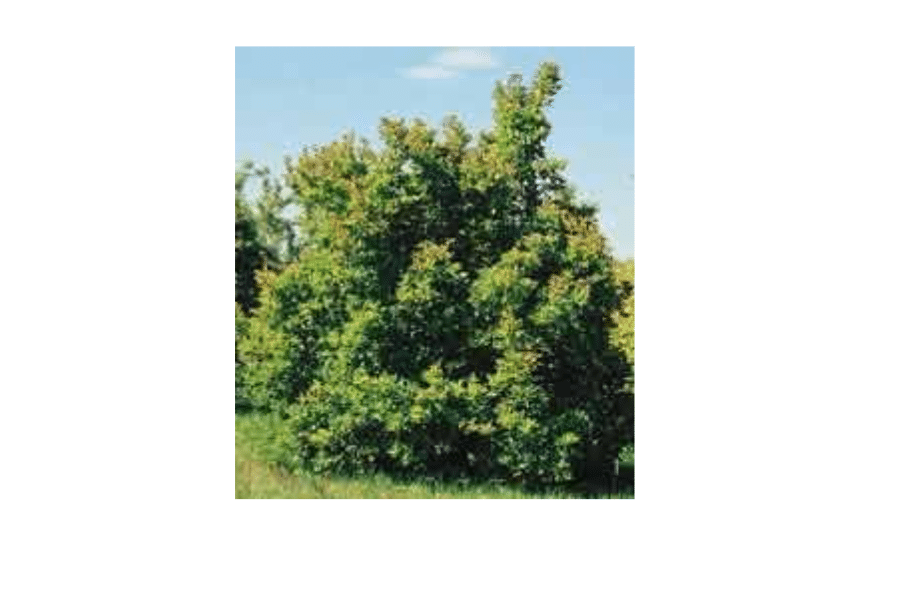
Price of the Product: .
Key Features & Benefits:
-
Compact Size: Matures to a highly manageable 20–25 feet tall and wide.
-
Multi-Season Interest: Offers white spring flowers, blazing red summer seed pods, and yellow-orange fall foliage.
-
Extreme Cold Hardiness: Rated for USDA Zone 3, easily surviving sudden temperature plummets.
Pros & Cons:
-
Pros: Stunning visual appeal, perfect scale for small residential yards, exceptional drought resistance for a maple.
-
Cons: Can be prone to branch breakage under heavy early-season snow if not structurally pruned in its youth.
Amazon Customer Ratings & Reviews: ~4.7/5 Stars. Highly rated for its unique visual appeal. Buyers frequently note the saplings arrive with healthy branching structures and adapt quickly without suffering transplant shock.
Why it’s a good choice for Colorado: This tree is a Plant Select® winner, meaning it was specifically vetted, bred, and promoted by CSU and the Denver Botanic Gardens for its ability to thrive in the Rocky Mountain region’s challenging alkaline clay soils without developing iron chlorosis.
Ideal use case or who should buy it: Best for smaller urban yards, patio shading, or as a vibrant, eye-catching focal point in a front yard landscape design.
6. Kentucky Coffeetree (Gymnocladus dioicus)
Product Description: The Kentucky Coffeetree is a strikingly unique, architectural shade tree that commands attention. In the summer, it boasts massive, bipinnately compound leaves (the largest of any native North American tree) that provide a gentle, filtered shade. In the winter, its bold, rugged branching structure and rough, scaly bark look almost sculptural against the snowy landscape.

Price of the Product:
Key Features & Benefits:
-
Impressive Stature: Grows up to 50 feet tall with a 40-foot spread.
-
Late Spring Leaf-Out: Very late to produce leaves in the spring, naturally avoiding catastrophic frost damage.
-
Pest Resistance: Virtually immune to common tree pests and diseases.
Pros & Cons:
-
Pros: Outstanding drought tolerance once established, provides beautiful winter architecture, no major pest issues.
-
Cons: Looks like a bare, awkwardly thick stick for its first few years of life; leaf drop in autumn can be messy due to the large rachis (stems).
Amazon Customer Ratings & Reviews: ~4.5/5 Stars. Buyers appreciate the secure packaging required to ship this harder-to-find tree and consistently report healthy leaf emergence in the first summer.
Why it’s a good choice for Colorado: It tolerates urban pollution, dense clay soil, and extreme summer drought flawlessly. More importantly, its late leaf-out acts as a natural defense mechanism against Colorado’s notorious late-May snowstorms that regularly snap the branches of early-blooming trees.
Ideal use case or who should buy it: Best for design-conscious homeowners wanting a unique, low-maintenance, and ultra-tough shade tree that looks different from everything else on the block.
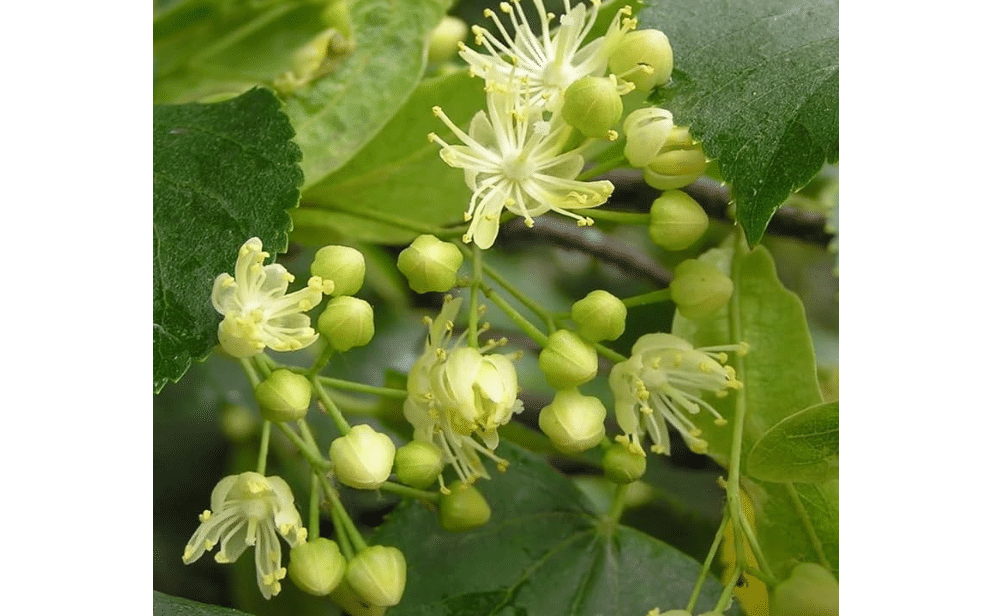
7. Littleleaf Linden (Tilia cordata)
Product Description: The Littleleaf Linden is a dense, highly symmetrical shade tree renowned for its neat, heart-shaped leaves and deeply formal pyramidal shape. Beyond its striking appearance, it is beloved for its highly fragrant, pale yellow flowers that bloom in early summer, intoxicating the entire yard with a sweet scent and attracting vital beneficial pollinators.
Price of the Product:
Key Features & Benefits:
-
Dense Canopy: Matures to 40–50 feet tall, creating a deeply shaded microclimate beneath it.
-
Fragrant Blooms: Early summer flowers fill the landscape with natural perfume.
-
Formal Shape: Naturally grows in a tight, uniform teardrop or pyramidal shape with minimal pruning.
Pros & Cons:
-
Pros: Intoxicating summer scent, beautiful formal aesthetic, excellent resource for honeybees and local pollinators.
-
Cons: Can occasionally attract aphids, which drop sticky honeydew. Avoid planting directly over driveways or parked cars.
Amazon Customer Ratings & Reviews: ~4.4/5 Stars. Consistently praised for arriving with lush, healthy foliage and strong, uncompromised central leaders from the nursery.
Why it’s a good choice for Colorado: While many Lindens struggle in the West, the Littleleaf variety tolerates the heat, drought, and high pH (alkaline) soils of the Front Range remarkably well.
Ideal use case or who should buy it: Best for planting near backyard patios or seating areas where the fragrant flowers can be enjoyed, or for homeowners prioritizing dense, impenetrable summer shade.
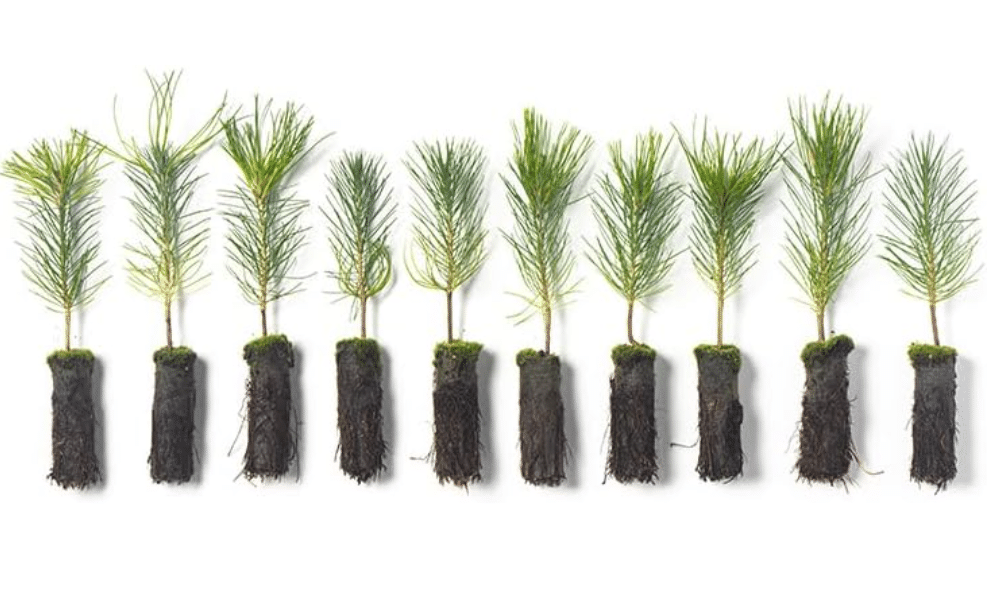
8. Ponderosa Pine (Pinus ponderosa)
Product Description: The Ponderosa Pine is Colorado’s iconic native evergreen. Known for its towering height, thick cinnamon-colored bark that famously smells like vanilla or butterscotch on hot days, and long, soft green needles, this tree brings the authentic spirit of the Rocky Mountains directly to your property.
Price of the Product:
Key Features & Benefits:
-
Evergreen Shade: Retains its needles year-round for permanent shade and screening.
-
Massive Height: Can easily reach 60+ feet tall at maturity.
-
Deep Taproot: Adapts perfectly to rocky, dry, and poor-quality soils.
Pros & Cons:
-
Pros: Native species perfectly adapted to the climate, ultimate drought tolerance, provides year-round privacy and windbreaks.
-
Cons: Drops needles and large pinecones requiring seasonal cleanup; highly flammable, so it must not be planted directly against the foundation of a home (defensible space).
Amazon Customer Ratings & Reviews: ~4.6/5 Stars. Reviewers love the hardy nature of the shipped saplings and note how quickly they establish in rough, rocky soils where other plants fail.
Why it’s a good choice for Colorado: It is literally built for this environment. It handles altitude, snow loads, and wind with ease. Once its deep root system is established, it requires zero supplemental watering from the homeowner.
Ideal use case or who should buy it: Best for large, dry properties in the foothills or suburbs needing permanent year-round shade, robust privacy screening, and significant wind reduction.
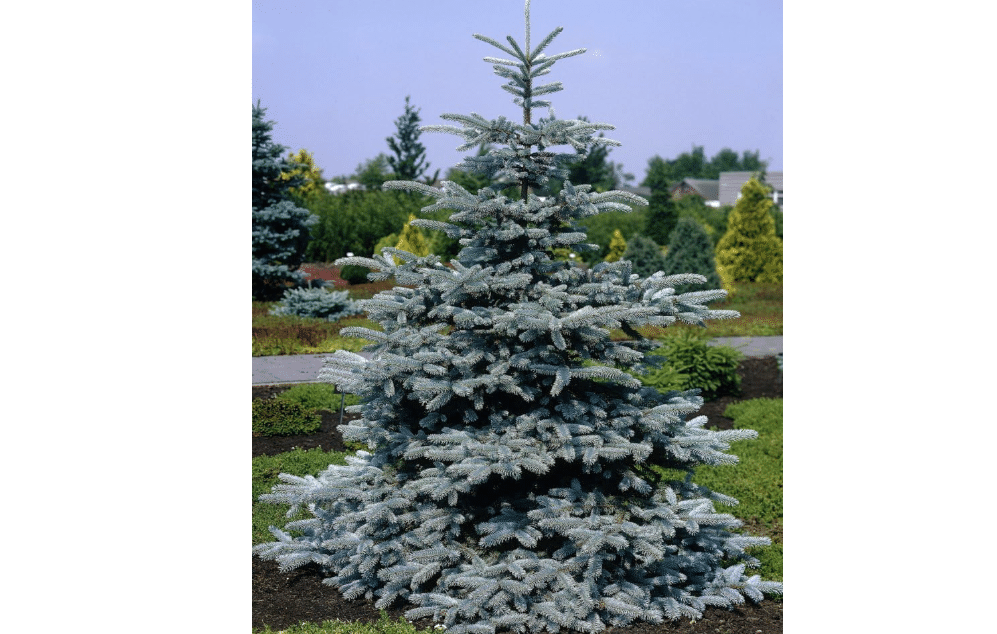
9. Colorado Blue Spruce (Picea pungens)
Product Description: As the official state tree of Colorado, the Blue Spruce needs little introduction. It is a stunning, highly symmetrical evergreen defined by its striking silvery-blue, stiff needles. It grows dense branches all the way to the ground, providing an impenetrable barrier of shade, privacy, and wind protection.
Price of the Product: $37.77
Key Features & Benefits:
-
Striking Coloration: The silvery-blue foliage provides a massive pop of color against drab winter landscapes.
-
Impenetrable Density: Matures at 50–75 feet tall, blocking noise, wind, and sun completely.
-
Wildlife Habitat: Provides vital winter shelter for local birds.
Pros & Cons:
-
Pros: Gorgeous year-round color, highly deer resistant, unmatched as a property line windbreak.
-
Cons: If allowed to become drought-stressed, it becomes highly susceptible to cytospora canker and ips beetles.
Amazon Customer Ratings & Reviews: ~4.7/5 Stars. Frequently reviewed as arriving perfectly intact, with buyers raving about the vibrant blue coloration right out of the box.
Why it’s a good choice for Colorado: It is natively adapted to the extreme cold, heavy snow loads, and high altitudes of the state. It provides essential winter interest and blocks the harsh, low-angle winter sun.
Ideal use case or who should buy it: Best for property borders, agricultural windbreaks, or as a majestic, standalone focal point in a large front yard.
10. Princeton American Elm (Ulmus americana ‘Princeton’)
Product Description: Before the devastating spread of Dutch Elm Disease in the 20th century, American Elms lined the streets of almost every major US city. The ‘Princeton’ cultivar brings this majestic tree back to the landscape. It is a fast-growing shade tree that forms a classic, high-arching “vase” shape, perfect for lining driveways or shading a two-story home without blocking ground-level views.

Price of the Product: $34.00
Key Features & Benefits:
-
Disease Resistance: Highly resistant to the Dutch Elm Disease that wipes out native elms.
-
Rapid Canopy Growth: Can push up to 3 feet of growth per year once established.
-
Classic Architecture: The high, arching canopy allows for easy walking and driving underneath.
Pros & Cons:
-
Pros: Extremely fast shade, classic architectural shape, brilliant golden-yellow fall foliage.
-
Cons: Its aggressive growth means it requires careful structural pruning in its first five years to prevent weak, narrow branch crotches.
Amazon Customer Ratings & Reviews: ~4.5/5 Stars. Buyers rave about the aggressive growth rate, frequently stating this tree shoots up faster than almost anything else in their yard during the first three years.
Why it’s a good choice for Colorado: It is extremely cold hardy (Zone 3) and highly adaptable. It easily punches through heavy clay soils and flexes beautifully against the intense straight-line winds common along the Front Range.
Ideal use case or who should buy it: Best for homeowners looking to replicate the historic, sweeping “tree-lined street” aesthetic, or those needing a large canopy to shade a tall house quickly.
V. Expert Tips for Planting Trees in Colorado
Buying the right tree is only half the battle. To protect your investment and ensure your new Amazon purchase survives its first crucial year in the Rocky Mountains, follow these arborist-approved planting techniques:
-
The “Wider, Not Deeper” Rule: Colorado clay soil acts like a terracotta pot—if you dig a deep, narrow hole, water will pool at the bottom and drown the roots. Always dig your hole three times the width of the root ball, but no deeper than the pot it came in. The root flare (where the trunk meets the roots) must remain visible above the soil line.
-
Winter Watering (The #1 Survival Secret): More trees die from winter dehydration in Colorado than from freezing. From November through March, we often experience weeks of dry, 50-degree days with no snow cover. You must drag a hose out and deeply water your newly planted trees once a month during these dry winter stretches.
-
Proper Mulching: Apply a 3-inch layer of organic wood mulch over the root zone to retain moisture and regulate soil temperature. However, never pile mulch against the trunk of the tree (known as “volcano mulching”). Mulch touching the bark invites rot, disease, and rodents. Keep a 2-inch gap between the mulch and the trunk.
Upgrade Your Colorado Landscape
Choosing the right species is the absolute most critical decision you will make for your yard. If you want fast, dappled shade that protects your lawn, the Shademaster Honeylocust remains the top overall performer. For those prioritizing unmatched durability and generational longevity, the rugged Bur Oak is unbeatable. If space is tight but you still want a spectacular splash of summer color, the ‘Hot Wings’ Tartarian Maple is the perfect fit.
Don’t wait until the peak heat of mid-July to try and establish a new root system. Measure your yard, check for overhead powerlines, and click the Amazon links above to secure your saplings while inventory is high. Getting your tree in the ground during the cool, forgiving weather of early spring or mid-fall gives it the exact head start it needs to become a towering fixture in your landscape.