Picture a sweltering July afternoon in North Carolina. Your air conditioning is working overtime against rising cooling costs, and your sun-baked backyard patio feels more like a frying pan than a relaxing retreat. You need a cooling canopy, but planting the wrong species often leads to a costly landscaping disaster. Choose poorly, and your new sapling might grow agonizingly slow, snap under high winds during hurricane season, or completely suffocate in our notoriously dense Piedmont red clay.
To save you time, money, and future headaches, we’ve researched the best 10 shade trees for nc that you can conveniently order online and have delivered straight to your door. In this guide, we combine proven horticultural science with verified Amazon buyer data to help you make an informed decision. Whether you need an ultra-fast grower, unbeatable climate resilience, or stunning autumn foliage, we’ll help you find a high-quality tree that is guaranteed to thrive in your Carolina yard.
II. How to Choose the Right Shade Tree for North Carolina (Buying Guide)
Before you add a tree to your cart, it is crucial to understand the unique environmental factors at play in the Tar Heel State. North Carolina offers a diverse climate, and making an informed buying decision requires matching the right tree to your specific location.
-
Understanding NC’s Climate Zones: North Carolina spans several USDA Hardiness Zones. If you live in the Blue Ridge Mountains (Zone 6), your trees need to survive freezing winters. In the Piedmont (Zone 7), humidity and heat are your main concerns. Down in the Coastal Plain (Zone 8), salt tolerance and hurricane-force wind resistance become critical factors.
-
Soil Adaptability: The middle of the state is famous for its dense, nutrient-heavy, but poorly draining red clay. Coastal areas deal with loose, sandy soils that drain too quickly. Always choose a tree species bred to tolerate your specific soil conditions to prevent root rot or dehydration.
-
Growth Rate vs. Wood Strength: It is tempting to buy the fastest-growing tree on the market, but there is a trade-off. Trees that skyrocket overnight often have brittle wood. When a severe North Carolina ice storm hits, those weak branches can snap and damage your property. We have selected trees that offer the perfect “sweet spot” between rapid growth and structural integrity.
-
Deciduous vs. Evergreen: Deciduous trees drop their leaves in the fall. This is highly beneficial for home energy costs: they provide dense shade to cool your home in the summer, but let the winter sun shine through to warm your house in December. Evergreens, on the other hand, keep their foliage year-round, making them better for privacy screens and windbreaks.
III. Quick Comparison Table
For a mobile-friendly experience, we’ve condensed the key decision-making metrics into a simple three-column comparison so you can quickly find your perfect match.
IV. Detailed Product Reviews: The Best 10 Shade Trees for NC
(Note: All selections below are highly rated varieties available for convenient home delivery via trusted Amazon nursery storefronts like Brighter Blooms and Perfect Plants.)
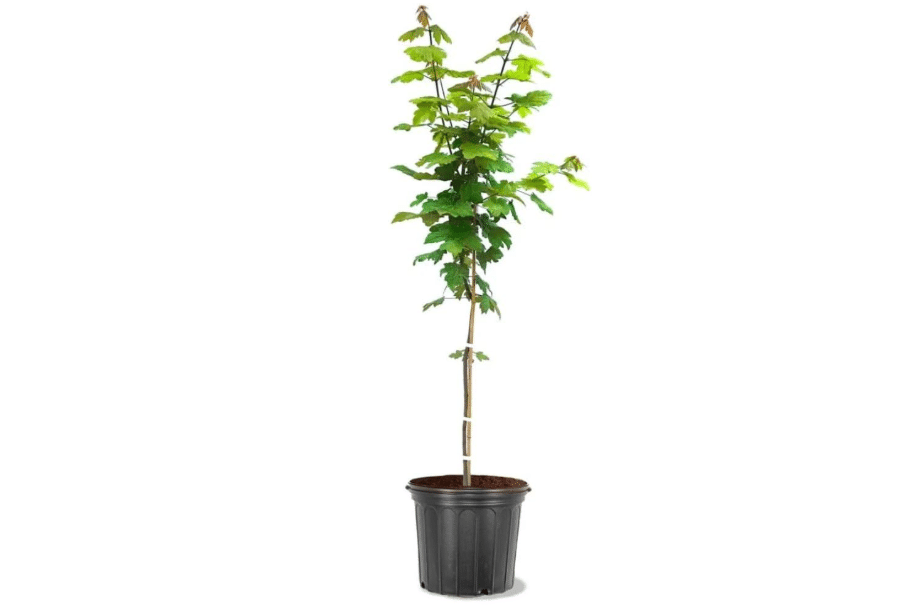
1. The Overall Best Pick: Red Maple (Autumn Blaze or October Glory)
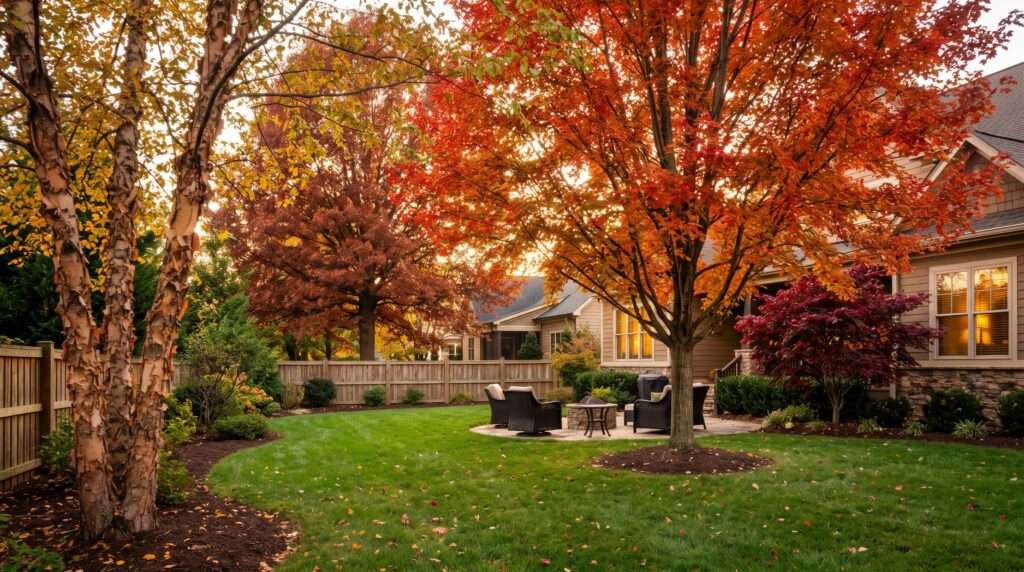
Compelling Product Description: If you want the quintessential neighborhood showstopper, look no further than the Red Maple. The Autumn Blaze and October Glory varieties are horticultural triumphs, bred specifically to combine the rapid growth rate of a Silver Maple with the breathtaking, fiery-red autumn foliage of a classic Red Maple. It provides an expansive, rounded canopy of shade in the summer before transitioning into a brilliant display of crimson and orange in the fall.
Price of the Product: $34.99
Key Features & Benefits:
-
Mature Height: Grows 40-70 feet tall and up to 50 feet wide.
-
Growth Rate: Exceptional; can grow 3 to 5 feet per year under optimal conditions.
-
Pollinator Friendly: Produces small, red blossoms in late winter/early spring, providing vital early food for local bees.
Pros and Cons:
-
Pros: Extremely fast-growing, disease-resistant, pollution-tolerant, and delivers the most reliable fall color.
-
Cons: Over decades, the robust root system can grow close to the surface, making it difficult to mow grass directly underneath the mature tree.
Amazon Customer Ratings and Reviews: Averages 4.6 out of 5 stars. Buyers frequently praise how securely the saplings are packaged for transit, with many noting that the root balls arrive moist and healthy. A few negative reviews mention minor transplant shock, which is easily remedied with proper watering.
Why It’s a Good Choice for NC: The Red Maple is virtually indestructible across all of North Carolina. It thrives equally well in the cooler mountain climates of Asheville, the baked red clay of Charlotte and Raleigh, and the sandy soils near Wilmington.
Ideal Use Case or Who Should Buy It: Homeowners looking for high curb appeal, fast backyard shade, and a tree that significantly boosts property value without requiring specialized care.
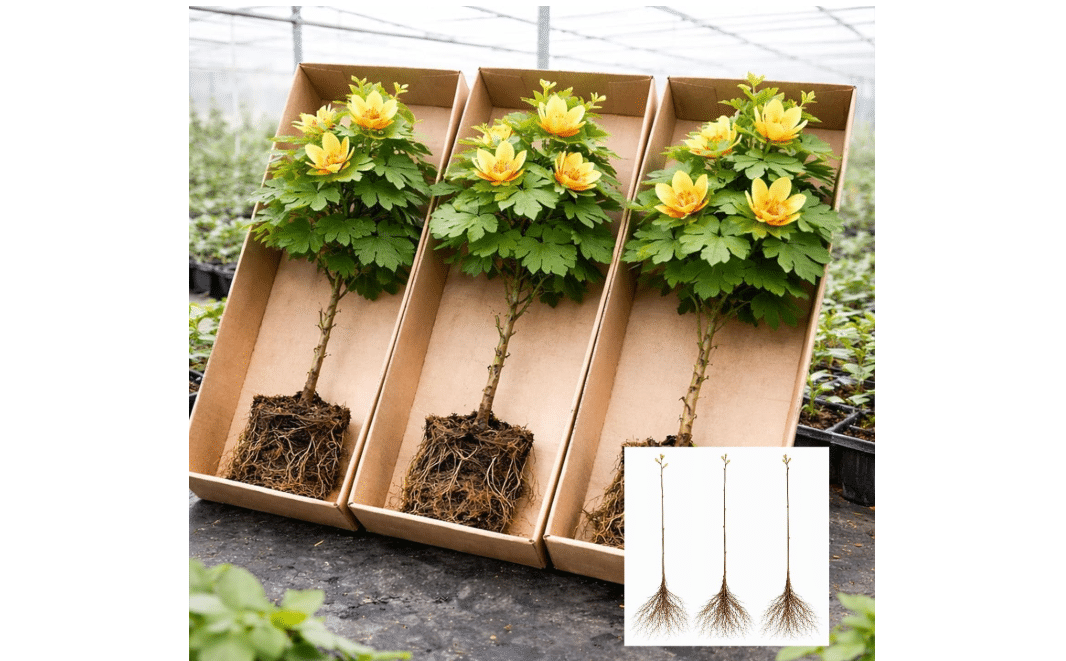
2. The Fastest Grower: Tulip Poplar (Liriodendron tulipifera)
Compelling Product Description: The Tulip Poplar is the undisputed “sprinter” of the Eastern hardwood forest. If your backyard feels completely exposed to the sun and you don’t have the patience to wait twenty years for shade, this tree is your answer. Beyond its towering height, it produces unique, gorgeous, yellow-and-orange tulip-shaped flowers in late spring, followed by bright yellow foliage in the fall.
Price of the Product: $34.95
Key Features & Benefits:
-
Mature Height: Tops out at a massive 80-100+ feet.
-
Canopy Shape: Features an oval, relatively narrow canopy in relation to its massive height.
-
Pest Resistance: Highly resistant to deer, insects, and common fungal diseases.
Pros and Cons:
-
Pros: Races upward faster than almost any other native tree; provides high-altitude shade; requires zero pruning.
-
Cons: The flowers drop sap and petals, which can be messy if planted directly over a driveway or patio. Its massive mature size makes it unsuitable for very tight suburban lots.
Amazon Customer Ratings and Reviews: Averages 4.4 out of 5 stars. Reviewers love the explosive growth rate during the first few seasons in the ground. Some customers note that it drops its leaves a bit earlier in the summer if a drought occurs.
Why It’s a Good Choice for NC: It is native to the region and absolutely loves the rich, slightly acidic soils found throughout the NC Piedmont and Mountains. It also serves as a critical host plant for Eastern Tiger Swallowtail butterflies.
Ideal Use Case or Who Should Buy It: Buyers with large properties, acreages, or spacious backyards who need massive shade coverage as quickly as biologically possible.
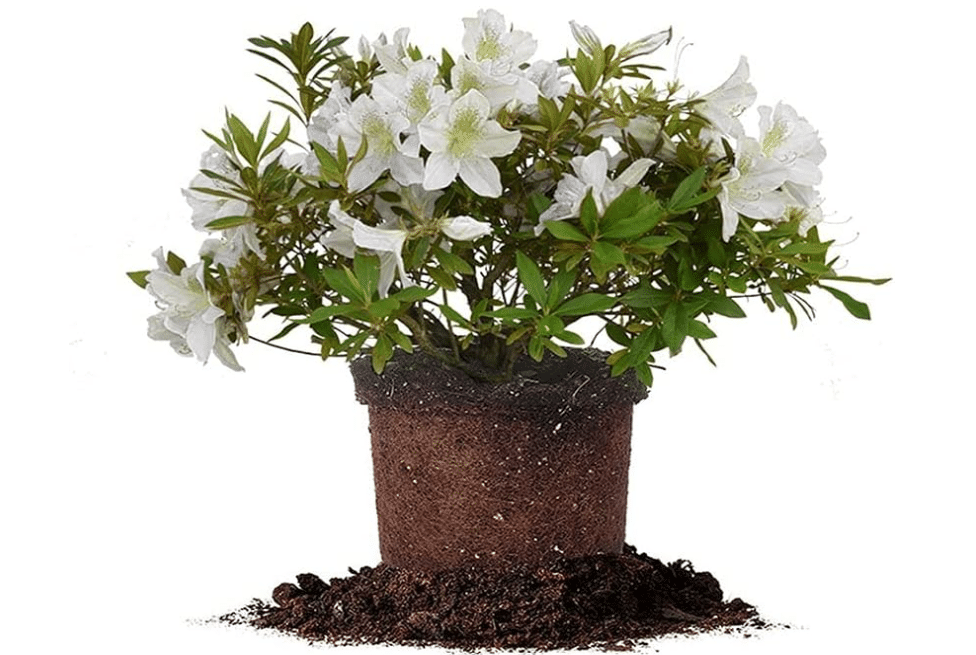
3. The Best for Wet Soil: River Birch (Betula nigra)
Compelling Product Description: If you have a low spot in your yard that turns into a soggy swamp after every spring rain, the River Birch is here to save your landscape. Famous for its multi-trunk growth habit and stunning, peeling cinnamon-colored bark, the River Birch offers incredible year-round visual interest. Even in the dead of winter when the leaves are gone, the curling, papery bark acts as a beautiful focal point against the snow or dormant grass.
Price of the Product:
Key Features & Benefits:
-
Mature Height: Reaches 40-70 feet tall.
-
Wind Resistance: The flexible branches are highly resistant to snapping in high winds and heavy ice.
-
Soil Adaptability: Can tolerate highly acidic, clay-heavy, and poorly drained soils where other trees suffocate.
Pros and Cons:
-
Pros: Naturally solves minor yard drainage issues by drinking up excess water; spectacular winter bark; excellent ice storm survival rate.
-
Cons: Drops small twigs and leaves throughout the year, requiring occasional raking and cleanup.
Amazon Customer Ratings and Reviews: Averages 4.5 out of 5 stars. Buyers are highly satisfied with how quickly the trees leaf out after planting. Landscapers frequently leave reviews noting it as their “go-to” for difficult, wet yard patches.
Why It’s a Good Choice for NC: North Carolina is famous for sudden, heavy downpours followed by humid heat. The River Birch thrives in these exact conditions, happily dealing with the poorly draining red clay that plagues many new-construction neighborhoods.
Ideal Use Case or Who Should Buy It: Homeowners dealing with wet yard patches, poor drainage, or those living on stream-side and lakefront properties.
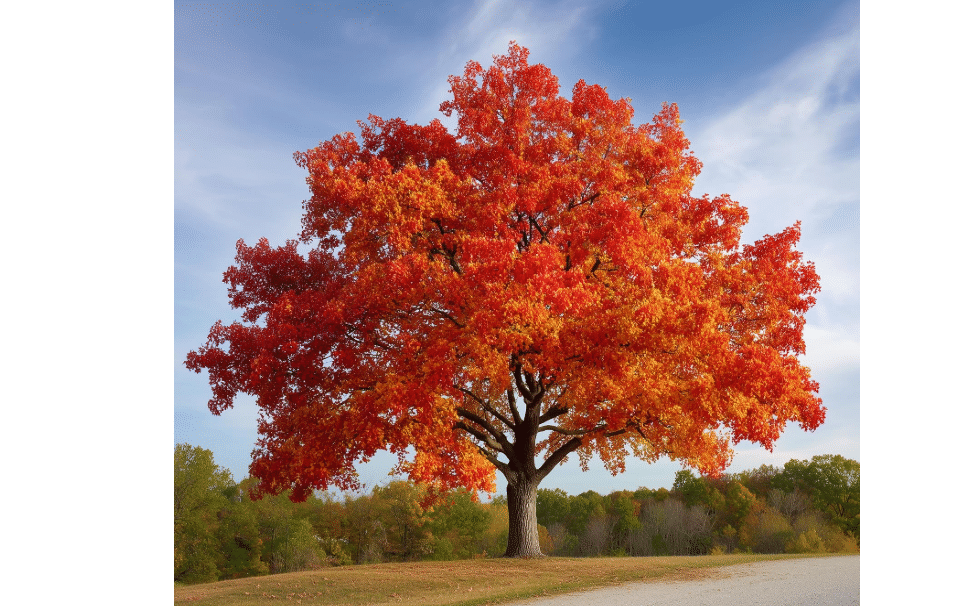
4. The Longest Lasting: Northern Red Oak (Quercus rubra)
Compelling Product Description: The Northern Red Oak is a majestic, multi-generational investment in your property. This is a tree of immense strength and grandeur, providing a massive, cooling canopy that will outlive us all. While it takes a few years to establish its deep taproot, once it gets going, it is one of the fastest-growing oaks available, offering vibrant, russet-red colors deep into late autumn.
Price of the Product: $34.99
Key Features & Benefits:
-
Hardwood Strength: Features incredibly dense wood that resists splitting, cracking, and storm damage.
-
Lifespan: Can easily live for 200 to 300+ years.
-
Root Structure: Develops a deep, non-invasive taproot that won’t ruin nearby sidewalks or foundations.
Pros and Cons:
-
Pros: Unmatched structural integrity; zero maintenance once mature; very high wildlife value (acorns feed deer, turkeys, and squirrels).
-
Cons: Slower initial growth rate compared to maples or poplars; produces acorns which can be annoying to walk on if planted next to pavement.
Amazon Customer Ratings and Reviews: Averages 4.7 out of 5 stars. Customers rave about the robust, healthy taproots visible upon unboxing. Reviewers appreciate that the trees arrive dormant in winter but vigorously wake up in the spring.
Why It’s a Good Choice for NC: Its deep root system makes it incredibly drought-tolerant, allowing it to easily survive North Carolina’s notorious dry, late-summer heatwaves. It’s a native powerhouse that supports hundreds of local caterpillar and bird species.
Ideal Use Case or Who Should Buy It: Homeowners planting a “legacy tree” for their children and grandchildren. Ideal for providing maximum property value and permanent, cooling shade to large yards.
5. The Best Wildlife Attractor: Black Gum (Nyssa sylvatica)
Compelling Product Description: Often referred to as the Black Tupelo, the Black Gum is the unsung hero of the American landscape. It possesses a quiet, dignified strength and boasts what many arborists consider the best fall color of any native tree. Long before other trees even begin to turn, the Black Gum bursts into an electric display of scarlet, crimson, and deep purple. It also produces tiny, dark blue fruits that are an absolute magnet for migratory songbirds.
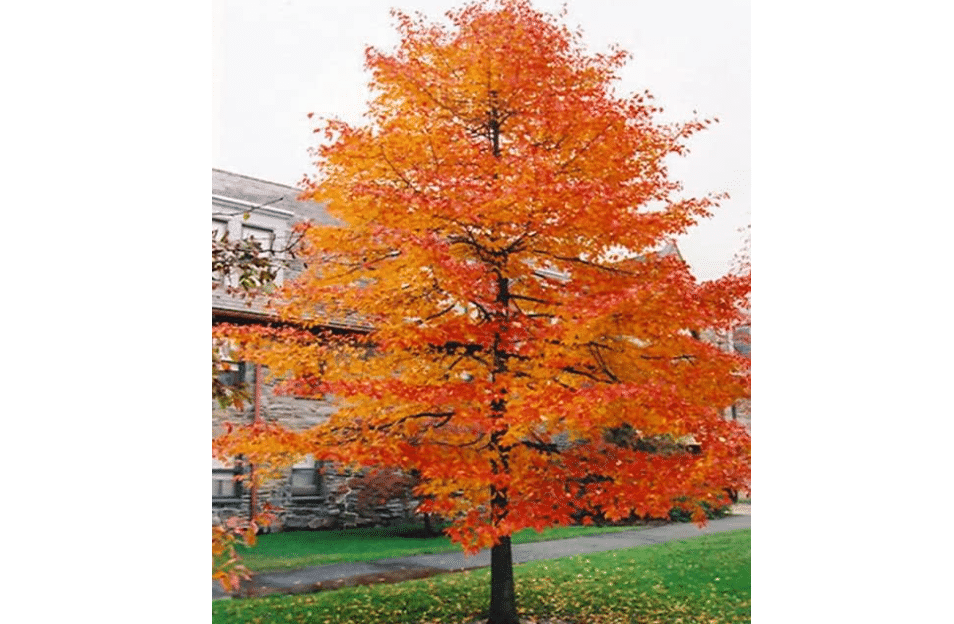
Price of the Product: $26.99.
Key Features & Benefits:
-
Mature Height: 30-50 feet, making it an excellent mid-sized canopy tree.
-
Foliage: High-gloss, dark green summer leaves that transition to spectacular reds.
-
Adaptability: Highly adaptable; naturally grows in swamps but easily adapts to dry, upland hillsides.
Pros and Cons:
-
Pros: Unbeatable early autumn color; incredibly flexible soil requirements; a birdwatcher’s absolute dream.
-
Cons: Can be difficult to find in larger mature sizes online due to its deep taproot making it hard to transplant when older (buying small is required).
Amazon Customer Ratings and Reviews: Averages 4.5 out of 5 stars. Reviewers frequently highlight the stunning fall foliage, noting that it outperforms even their maples.
Why It’s a Good Choice for NC: The Black Gum effortlessly handles the unpredictable pendulum of NC weather—from torrential spring floods to brutal August droughts. It is native from the mountains to the coast.
Ideal Use Case or Who Should Buy It: Nature lovers, birdwatchers, and eco-conscious homeowners who want a resilient, mid-sized shade tree that actively supports the local ecosystem.
6. The Best Statement Tree: American Sycamore (Platanus occidentalis)
Compelling Product Description: If you have wide open spaces and want a tree that commands attention from a quarter-mile away, the American Sycamore is your best bet. Known for its massive trunk and iconic, mottled “camouflage” bark that peels away to reveal patches of white, tan, and green, the Sycamore is the ultimate statement tree. It boasts massive, tropical-looking leaves that cast deep, refreshing shade over sprawling lawns.
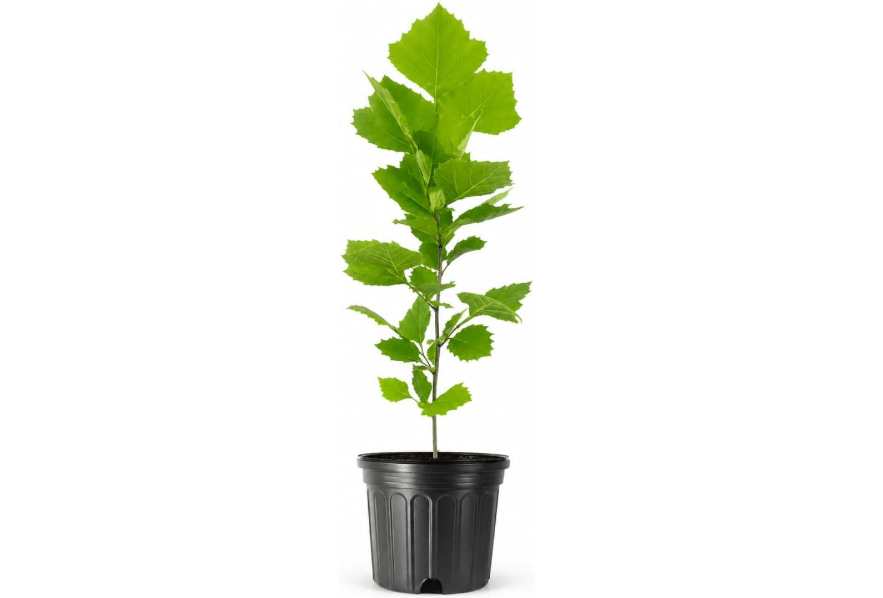
Price of the Product: $69.97
Key Features & Benefits:
-
Mature Height: 75-100 feet tall with an equally impressive 50-70 foot canopy spread.
-
Bark Appeal: The exfoliating bark provides stunning architectural interest during the winter months.
-
Rapid Canopy Development: Grows over 2 feet per year, establishing massive branches early in its life cycle.
Pros and Cons:
-
Pros: Grows exceptionally fast; striking winter bark; creates highly dense shade; incredibly resilient in tough soils.
-
Cons: Very messy. It drops bark, seed balls, and huge leaves throughout the year. It is far too large for standard suburban front yards.
Amazon Customer Ratings and Reviews: Averages 4.4 out of 5 stars. Reviewers frequently mention how quickly it establishes itself, even in poor soil. Some buyers advise against planting it near driveways or gutters due to the large leaf drop in the fall.
Why It’s a Good Choice for NC: Sycamores are native to North Carolina’s river bottoms but easily adapt to the dry, hard clay of the Piedmont. They handle the brutal summer heat without scorching.
Ideal Use Case or Who Should Buy It: Homeowners with long rural driveways, farm properties, or expansive multi-acre lots who want an enormous, grand canopy tree.
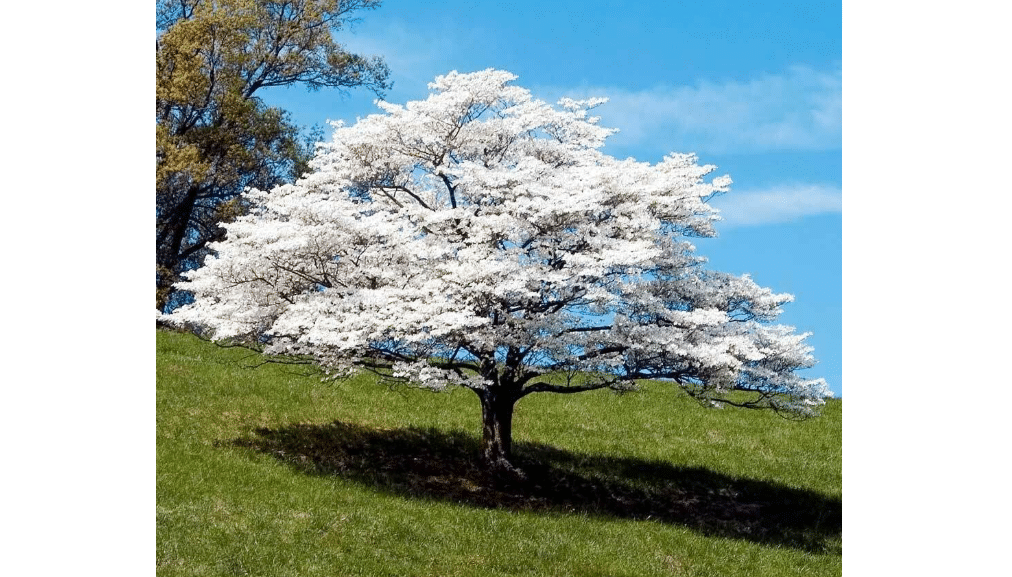
7. The Best Native Understory Shade: White Flowering Dogwood (Cornus florida)
Compelling Product Description: As the official state flower of North Carolina, the White Flowering Dogwood holds a special place in southern landscaping. It is an “understory” tree, meaning it thrives beneath the canopy of larger giants like oaks and maples. In early spring, before its leaves even appear, it erupts into a spectacular display of star-shaped white bracts. In the fall, its foliage turns a brilliant, deep crimson, making it a two-season showstopper.
Price of the Product:
Key Features & Benefits:
-
Mature Height: 15-25 feet tall, perfect for tighter spaces.
-
Spring Blooms: Produces iconic, four-petaled white “flowers” for several weeks in March and April.
-
Shade Quality: Provides excellent, dappled shade over patios and smaller garden beds.
Pros and Cons:
-
Pros: Fits perfectly into small residential yards; breathtaking spring and fall color; highly attractive to local birds.
-
Cons: Susceptible to dogwood anthracnose (a fungal disease) if planted in an area with extremely poor air circulation.
Amazon Customer Ratings and Reviews: Averages 4.6 out of 5 stars. Buyers praise its ornamental beauty and frequently comment on the healthy, intact condition in which the saplings arrive.
Why It’s a Good Choice for NC: It is biologically adapted to North Carolina’s exact climate. Because it is accustomed to the Appalachian understory, it is one of the few shade trees that actively prefers receiving filtered sunlight or morning-only sun in the intense NC summer.
Ideal Use Case or Who Should Buy It: Suburban homeowners looking for front-yard curb appeal or those needing mid-level shade next to a patio without overwhelming the roofline.
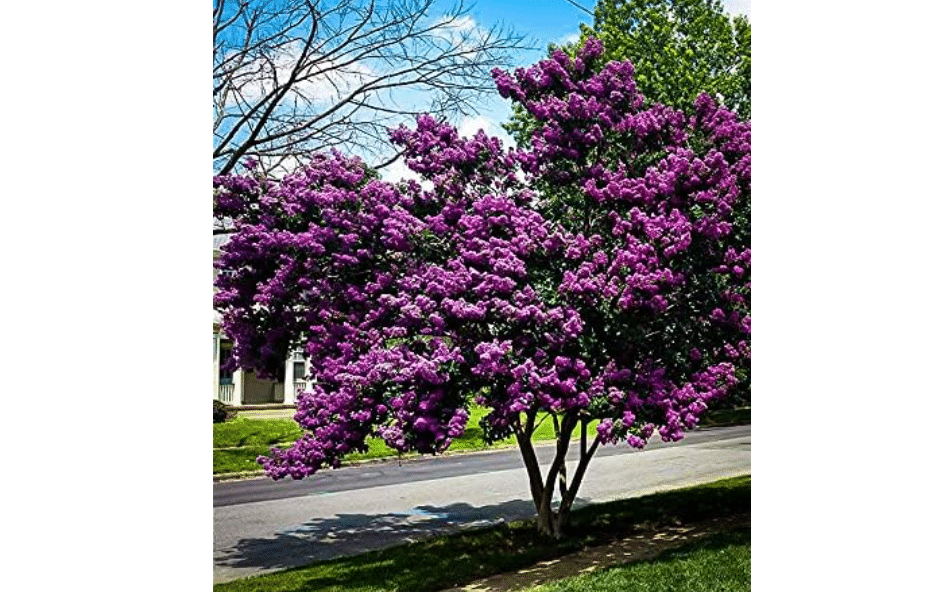
8. The Best for Summer Color: Crape Myrtle (Natchez or Lipan)
Compelling Product Description: While technically a large shrub that is aggressively pruned into a tree form, the Crape Myrtle is an indispensable part of southern shade landscaping. Unlike most trees that bloom in the spring, the Crape Myrtle puts on its jaw-dropping display of crepe-paper-like flowers in the dead of the sweltering summer—right when everything else is struggling with the heat. The Natchez variety (white) and Lipan (lavender) grow tall enough to provide a lovely, umbrella-like canopy of shade.
Price of the Product:
Key Features & Benefits:
-
Mature Height: 20-30 feet tall (for tall varieties like Natchez).
-
Summer Blooms: Blooms continuously for up to 100 days from June through September.
-
Bark: Smooth, peeling bark that resembles a miniature sycamore.
Pros and Cons:
-
Pros: Blooms during the hottest months; extreme heat and drought tolerance; fits beautifully in tight urban lots.
-
Cons: Late to leaf out in the spring (often not pushing leaves until late April); dropping flowers can stain concrete if not swept.
Amazon Customer Ratings and Reviews: Averages 4.7 out of 5 stars. It is consistently one of the best-selling ornamental trees. Reviewers are thrilled by its nearly indestructible nature and prolific summer blooming.
Why It’s a Good Choice for NC: Crape Myrtles laugh at the brutal humidity and baking August heat of the Carolinas. They thrive in heavy clay and require virtually no supplemental watering once established.
Ideal Use Case or Who Should Buy It: Buyers looking for vibrant summer color, pool-side shade, or a beautiful street-lining tree that won’t interfere with overhead power lines.
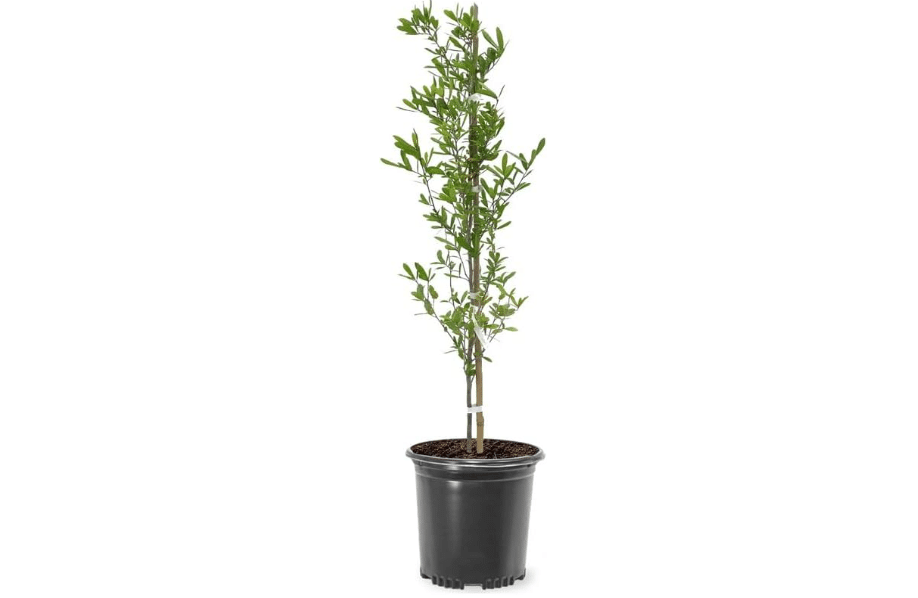
9. The Best Resilient Oak: Shumard Oak (Quercus shumardii)
Compelling Product Description: If you want the legendary strength of an oak tree but don’t want to wait 40 years to enjoy the shade, the Shumard Oak is the landscaping “superstar” you need. It grows significantly faster than most of its cousins in the red oak family while maintaining the same iron-clad wood strength. It develops a gorgeous, pyramidal shape in its youth that broadens out into a massive, traditional oak canopy.
Price of the Product:
Key Features & Benefits:
-
Mature Height: 40-60 feet tall with a 30-40 foot spread.
-
Fast Establishment: Can easily push 2+ feet of new growth per year once established.
-
Fall Foliage: Consistently produces vibrant, deep red fall foliage late into November.
Pros and Cons:
-
Pros: Faster than typical oaks; incredibly tolerant of poor soils; highly wind-resistant during hurricane season.
-
Cons: Like all oaks, dropping acorns can be a nuisance for lawnmowers in the fall.
Amazon Customer Ratings and Reviews: Averages 4.5 out of 5 stars. Reviewers frequently highlight how quickly it bounds out of the transplant phase and begins packing on height.
Why It’s a Good Choice for NC: The Shumard Oak doesn’t care about soil pH or compaction. It handles the dense, acidic red clay of the Piedmont with ease, making it a foolproof choice for new construction subdivisions where the topsoil has been stripped away.
Ideal Use Case or Who Should Buy It: Homeowners wanting a traditional, long-living hardwood tree that provides shade noticeably faster than a standard White or Red Oak.
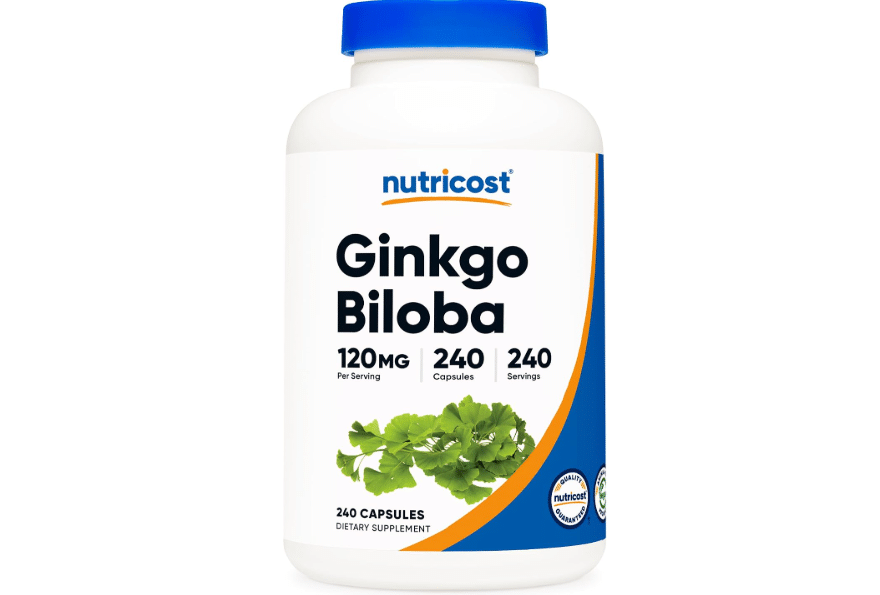
10. The Best for Urban Spaces: Ginkgo Biloba
Compelling Product Description: A living fossil that has survived since the time of the dinosaurs, the Ginkgo Biloba is one of the most unique and elegant shade trees on earth. It features unmistakable fan-shaped leaves that flutter beautifully in the breeze. In the autumn, it puts on a legendary show, turning a brilliant, luminous gold. Once all the leaves turn, they drop almost simultaneously, creating a breathtaking golden carpet in your yard.
Price of the Product: $14.95
Key Features & Benefits:
-
Mature Height: 40-50 feet.
-
Foliage: Distinctive, bright green fan-shaped leaves with unmatched golden fall color.
-
Extreme Resilience: Virtually immune to disease, pests, and pollution.
Pros and Cons:
-
Pros: Visually spectacular; incredibly long-lived; unaffected by smog or heat radiating from concrete.
-
Cons: Slower growing (about 1 foot per year). Crucial Note: You must ensure you are buying a grafted male tree (which reputable Amazon nurseries sell), as the female trees produce fruit that smells terrible when crushed.
Amazon Customer Ratings and Reviews: Averages 4.6 out of 5 stars. Reviewers adore the unique leaf shape and comment heavily on the striking autumn color.
Why It’s a Good Choice for NC: As North Carolina’s cities grow and urbanize, heat islands become a problem. The Ginkgo laughs off city smog, road salt, and heat reflecting off driveways in dense suburbs like Cary, Charlotte, or downtown Raleigh.
Ideal Use Case or Who Should Buy It: Urban homeowners, those planting near busy streets, or landscape enthusiasts wanting a truly unique, low-maintenance conversation piece.
V. Expert Tips for Planting Shade Trees in North Carolina
Getting a tree delivered to your door is only step one. How you put it in the ground determines whether it thrives or dies.
-
When to Plant: The absolute best time to plant trees in NC is the Fall (October through December). Planting in autumn allows the roots to establish themselves during our mild, wet winters. By the time the brutal August heat arrives, the tree has a strong root system ready to drink up water.
-
The “Bathtub Effect” & Soil Amendment: If you live in the Piedmont, you know about our red clay. If you dig a hole in pure clay and fill it with fluffy potting soil, you create a “clay bathtub.” When it rains, water fills that hole, cannot drain through the clay walls, and drowns the tree. To prevent this, dig a wide, shallow hole (twice as wide as the root ball but no deeper), and mix the native clay with compost at a 50/50 ratio before backfilling.
-
Mulching and Watering: Keep a 3-inch layer of hardwood mulch around the base of the tree to regulate soil temperature, but never let the mulch touch the trunk (no “mulch volcanoes”). For the first two summers, your tree is on life support. Water it deeply twice a week if it hasn’t rained.
VI. Conclusion & Final Verdict
Choosing the right canopy can transform your outdoor living space, slash your cooling bills, and significantly boost your property value. While all the options on our list of the best 10 shade trees for nc will thrive in the Tar Heel state, your final decision comes down to your yard size and personal goals.
If you are dealing with wet, soggy patches, the River Birch is your ultimate problem solver. If you have unlimited space and want instant gratification, the Tulip Poplar will rocket upward faster than anything else on the market.
Our Top Recommendation: For the absolute best balance of speed, manageable size, brilliant color, and foolproof care, the Autumn Blaze Red Maple is our #1 overall pick. It thrives from the Blue Ridge to the coast and handles the tough local soils without skipping a beat.
Before another brutal Carolina summer arrives, measure your yard, identify your USDA zone, and click through to check current Amazon prices. Getting your landscaping project started this weekend is the best investment you can make for your home’s future comfort.