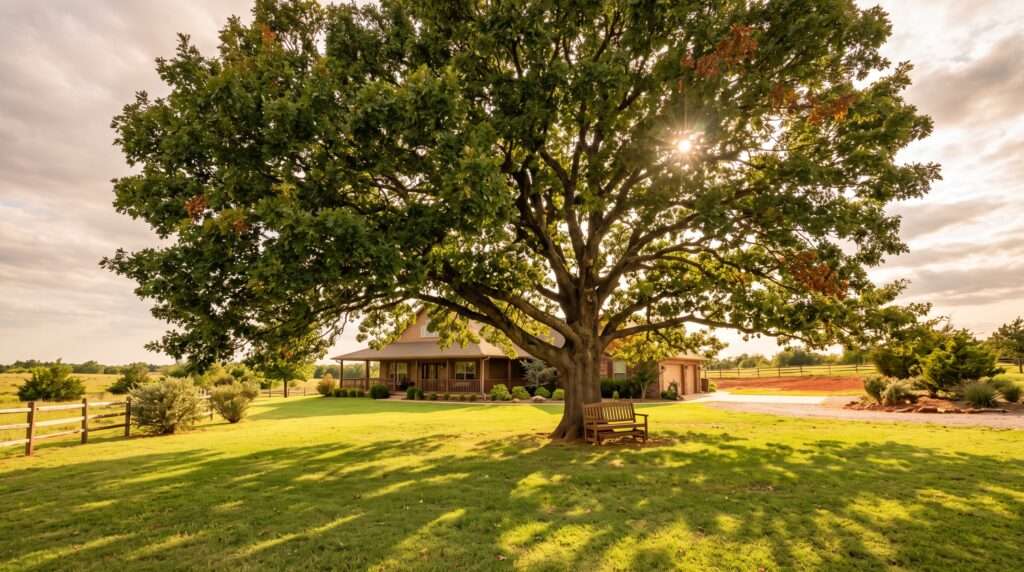
Let’s face it: landscaping in the Sooner State isn’t for the faint of heart. Between scorching triple-digit August heat waves, relentless straight-line winds, and sudden winter ice storms, Oklahoma’s extreme weather can be absolutely brutal on your yard. A barren, treeless lawn isn’t just an eyesore—it’s an energy-draining heat sink that bakes your home and drives your summer utility bills through the roof. If you’re looking for lasting relief, you need the best 10 shade trees for oklahoma to transform your outdoor space into a cool, resilient oasis.
The biggest frustration for local homeowners is spending hard-earned money on generic nursery trees, only to watch them die in our dense, heavy red clay or fry in the relentless summer sun. You simply can’t plant just any sapling here and expect it to survive. However, planting the right climate-adapted species is a game-changer. A strategically placed, mature shade tree can lower your home cooling costs by up to 25% while significantly boosting your property value and curb appeal.
That is exactly why we’ve put together this comprehensive guide to the best 10 shade trees for oklahoma. Every species on this list has been carefully selected for its proven drought tolerance, extreme wind resistance, and ability to thrive in challenging alkaline soils. Best of all, we’ve analyzed current market data to ensure you can easily order these as healthy, live saplings directly from top-rated nurseries on Amazon—saving you time, avoiding the hassle of local transport, and delivering the strongest root systems straight to your door.
II. Buying Guide: How to Choose the Right Tree for Your Yard
Before you add a live sapling to your Amazon cart, it is crucial to understand why certain trees thrive in Oklahoma while others fail. Keep these four critical factors in mind:
-
Soil Adaptability: Most of Oklahoma, especially the central and western regions, is dominated by heavy, alkaline red clay. This type of soil holds water like a sponge in the spring but bakes into a brick during summer droughts. Choosing clay-tolerant species prevents root rot during wet seasons and allows deep root penetration when it gets dry.
-
Growth Rate vs. Wind Resistance: We all want shade fast, but there is a distinct trade-off. Fast-growing trees (like Silver Maples or Cottonwoods) often develop weak, brittle wood that splinters during Oklahoma’s famous straight-line winds and ice storms. We prioritized trees that offer a healthy balance—growing quickly enough to provide shade, but strong enough to survive severe weather.
-
Drought & Heat Tolerance: A tree must be hardy in USDA Zones 6a through 8a to survive here. Once established, the trees on our list can endure extended summer dry spells and triple-digit heat indexes without constant supplemental watering.
-
Buying Live Trees on Amazon: Ordering live plants online is incredibly convenient. Saplings usually arrive bare-root (dormant) or in nursery pots. While they might look like “sticks” out of the box, they are primed to explode with growth once planted. Always check reviews to ensure the seller packages the root ball securely and retains moisture during transit.
III. Quick Comparison: Top Rated Trees at a Glance
For optimal readability, here is a quick mobile-friendly comparison of our top picks.
IV. Detailed Product Reviews: The Best 10 Shade Trees for Oklahoma
1. Shumard Oak (Quercus shumardii)
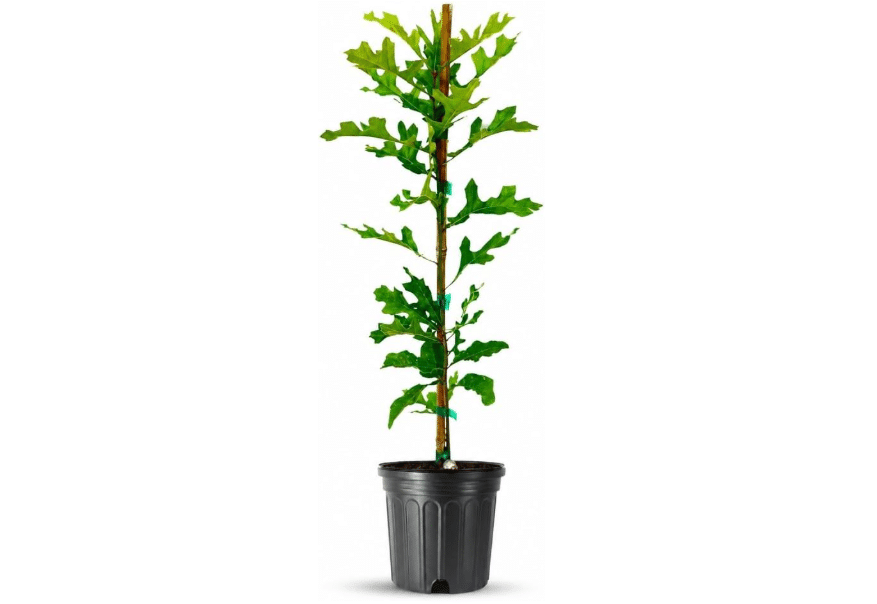
The Shumard Oak is the undisputed king of the plains and our top pick for the best 10 shade trees for oklahoma. It is a native powerhouse that offers the ultimate all-around performance for large landscapes. With a broad, dense, and symmetrical canopy, it casts a massive footprint of cooling shade. In the fall, its leaves put on a stunning display, shifting from dark green to brilliant shades of red and orange.
-
Price:
-
Key Features & Benefits: Reaches mature heights of 60–80 feet; grows moderately fast (2–3 feet per year); highly adaptable to both wet conditions and extreme droughts.
-
Pros and Cons:
-
Pros: Incredible drought tolerance once established; incredibly strong wood that easily resists ice storms; incredibly long lifespan (100+ years).
-
Cons: Requires a very large yard to accommodate its mature size; produces acorns that require seasonal cleanup.
-
-
Amazon Customer Ratings & Reviews: ~4.7/5 Stars. Buyers consistently praise how well the root balls are packaged for transit and report rapid, healthy budding in the first spring after planting.
-
Why It’s a Good Choice for Oklahoma: It naturally thrives in the region’s specific wet-to-dry soil cycles. It doesn’t flinch during August heatwaves, and its sturdy branch structure withstands high wind shear effortlessly.
-
Ideal Use Case: Best for homeowners with medium-to-large suburban or rural yards looking for a permanent, high-value investment tree that will shade their home for generations.
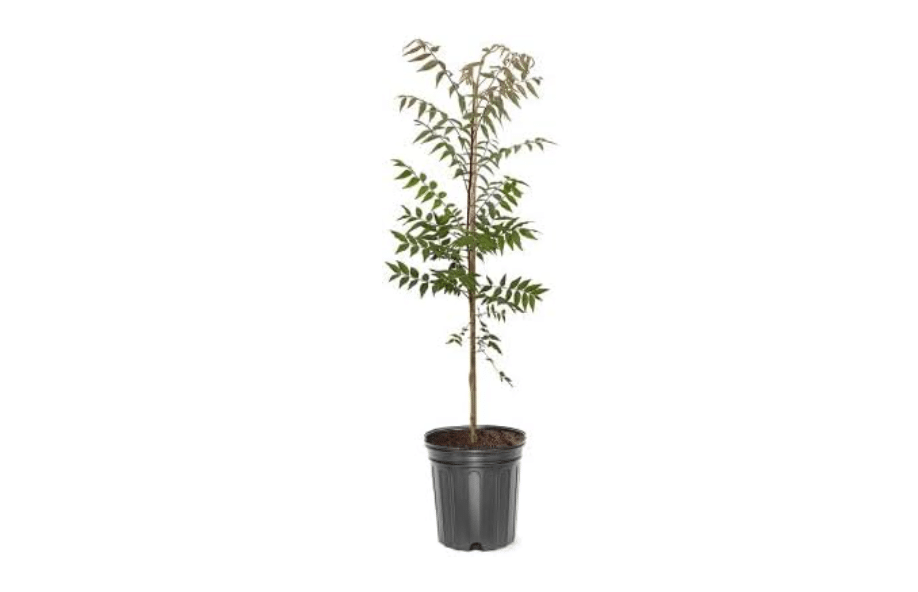
2. Chinese Pistache (Pistacia chinensis)
Often called the “Ugly Duckling” of the tree world, the Chinese Pistache can look a bit awkward and branchy as a young sapling. However, give it a few years, and it transforms into a magnificent, medium-sized shade tree with a flawless, umbrella-like canopy. It is most famous for its electric orange-red fall foliage, which is widely considered some of the best autumn color you can grow in the South.
-
Price:
-
Key Features & Benefits: Reaches 40–50 feet at maturity; highly pest-resistant; thrives in full sun and radiant heat.
-
Pros and Cons:
-
Pros: Virtually indestructible in droughts; stunning aesthetic appeal; features deep root systems that won’t lift sidewalks or driveways.
-
Cons: Can have a slow start and look gangly in its first few years before the canopy fills out.
-
-
Amazon Customer Ratings & Reviews: ~4.5/5 Stars. Reviewers frequently comment on its astonishing survival rate during extreme summer heatwaves and its beautiful shape as it matures.
-
Why It’s a Good Choice for Oklahoma: Frequently recommended by the OSU Extension, this tree literally laughs at intense heat and poor soil conditions. It provides excellent filtered shade without dominating a smaller yard.
-
Ideal Use Case: Perfect for urban yards, street-side planting, and homeowners who want maximum autumn curb appeal without the maintenance of a giant oak.
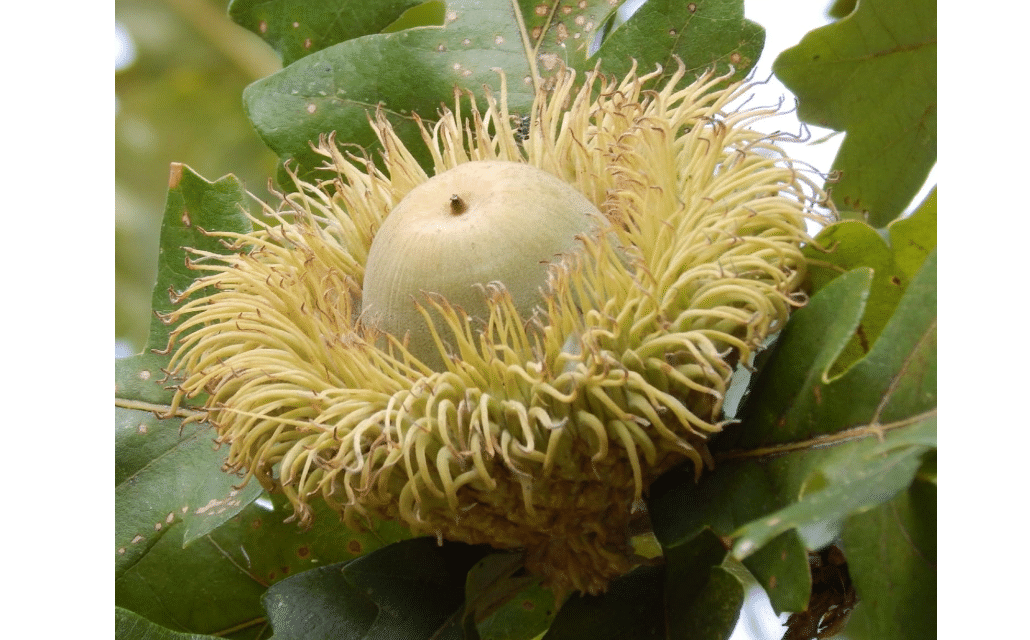
3. Bur Oak (Quercus macrocarpa)
The Bur Oak is a rugged, majestic giant that defines the landscape of the American plains. Known for its thick, corky bark, massive sprawling branches, and distinctive fringed acorns, this tree is built to outlast us all. It is widely considered one of the best 10 shade trees for oklahoma if you prioritize multi-generational durability over quick growth.
-
Price:
-
Key Features & Benefits: Reaches 60–80+ feet in height; develops a massive, deep taproot system; offers extreme winter hardiness down to Zone 3.
-
Pros and Cons:
-
Pros: Without a doubt the most wind-resistant tree on this list; handles wild temperature swings with ease; provides exceptional habitat and food for local wildlife.
-
Cons: Very slow growth rate (around 1 foot per year); large acorns can become a mowing hazard or attract excessive squirrels.
-
-
Amazon Customer Ratings & Reviews: ~4.6/5 Stars. Buyers consistently highlight the thick, remarkably healthy trunks of saplings upon delivery, noting they establish themselves solidly within the first season.
-
Why It’s a Good Choice for Oklahoma: Because it is deeply native to the Great Plains, it possesses a massive taproot that ensures it will never blow over during severe severe thunderstorms or high wind events.
-
Ideal Use Case: Property owners prioritizing extreme storm safety, generational longevity, and a classic, sprawling farmhouse aesthetic over instant gratification.
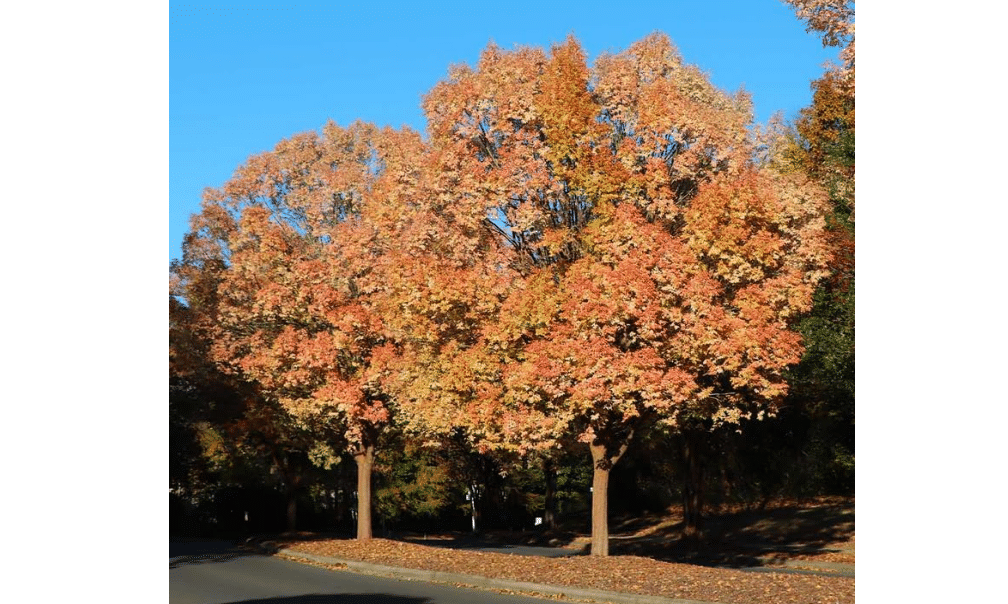
4. Lacebark Elm (Ulmus parvifolia)
If you want the gorgeous structure of a classic elm tree without the devastating vulnerability to Dutch elm disease, the Lacebark Elm is your answer. It is a highly elegant, fast-growing shade tree celebrated for its beautifully mottled, exfoliating bark that flakes off in shades of gray, green, orange, and brown, providing incredible winter interest.
-
Price:
-
Key Features & Benefits: Reaches 40–50 feet; fast growth rate (up to 3 feet per year); highly resistant to pests and diseases; creates a beautiful dappled shade.
-
Pros and Cons:
-
Pros: Extremely fast shade establishment; excellent heat tolerance; features some of the most striking bark of any shade tree.
-
Cons: Can produce a high volume of seeds; often requires early structural pruning to establish a strong central leader.
-
-
Amazon Customer Ratings & Reviews: ~4.4/5 Stars. Online purchasers frequently reference how quickly the tree leafed out after dormant shipping and established noticeable height in its very first year.
-
Why It’s a Good Choice for Oklahoma: It is one of the toughest shade trees available that doesn’t force you to sacrifice growth speed for durability, laughing off both the July heat and heavy clay soils.
-
Ideal Use Case: Impatient homeowners needing quick patio shade without the immense liability of planting weak-wooded “trash trees” like Silver Maples or Bradford Pears.
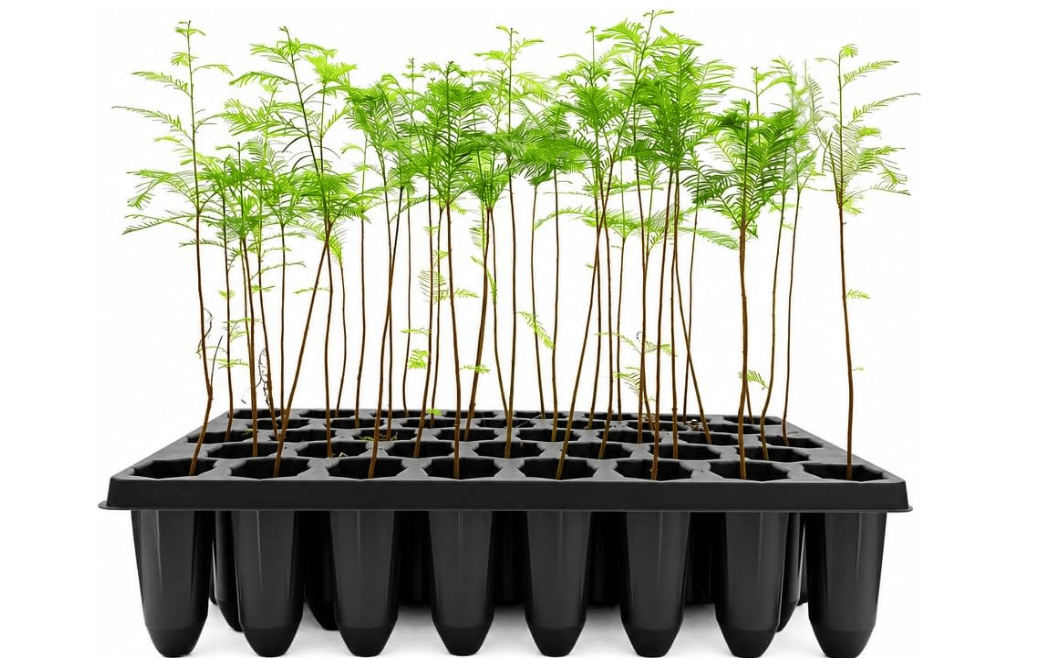
5. Bald Cypress (Taxodium distichum)
The Bald Cypress is a fascinating standout among the best 10 shade trees for oklahoma. It is a unique deciduous conifer—meaning it looks exactly like an evergreen pine during the summer, but drops its stunning, rusty-orange needles every fall. Its pyramidal shape brings a formal, architectural elegance to the yard.
-
Price: $35.97
-
Key Features & Benefits: Reaches 50–70 feet; naturally grows in a striking, uniform pyramidal shape; features incredibly soft, feathery foliage.
-
Pros and Cons:
-
Pros: Uniquely thrives in standing water but completely adapts to dry urban soils; totally pest-resistant; adds a distinct, swamp-chic visual texture to the landscape.
-
Cons: Can produce knobby “knees” (root offshoots) if planted in areas that stay permanently wet or flooded.
-
-
Amazon Customer Ratings & Reviews: ~4.5/5 Stars. Amazon buyers regularly feature feedback on the secure packaging and are constantly surprised by how well the roots adapt to thick, heavy soils upon transplanting.
-
Why It’s a Good Choice for Oklahoma: It is perfectly suited for notorious Oklahoma clay soils that hold standing water in the wet spring months and then bake like concrete in the summer heat.
-
Ideal Use Case: Buyers dealing with low-lying yard spots, poor drainage issues, or anyone wanting a tall, structural aesthetic that breaks up the typical round-canopy landscape.
6. Cedar Elm (Ulmus crassifolia)
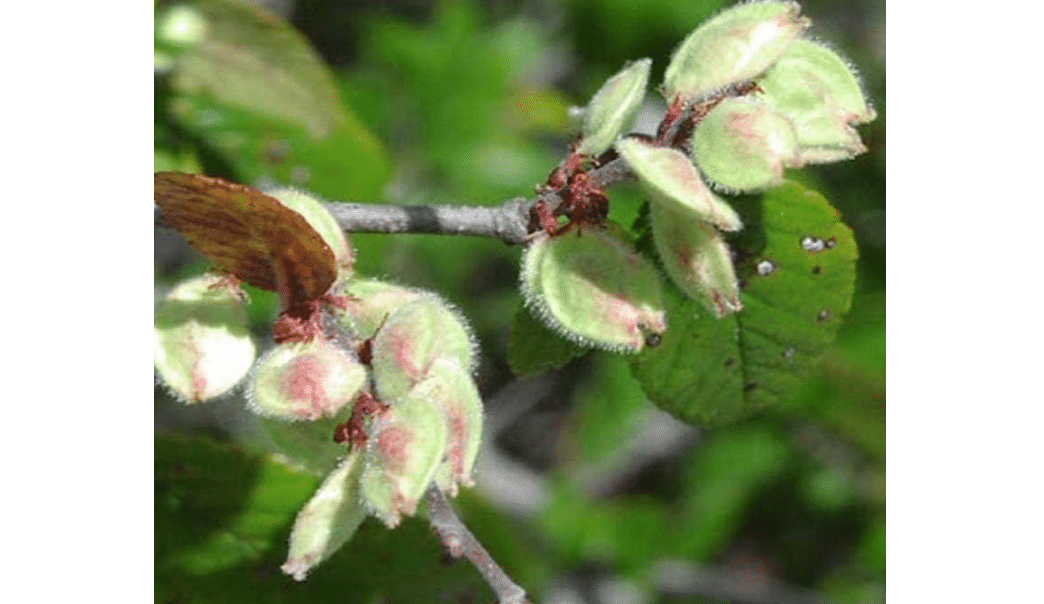
The Cedar Elm is the ultimate, quiet survivor. It asks for nothing, yet delivers decades of reliable shade. It is a tough, medium-to-large tree characterized by small, rough, sandpaper-like leaves and a distinctly upright, vase-shaped crown that provides brilliant golden-yellow fall color.
-
Price: $60.00
-
Key Features & Benefits: Reaches 40–60 feet tall; brilliant yellow autumn foliage; requires almost zero maintenance once established.
-
Pros and Cons:
-
Pros: Near-invincible in heat and drought; handles heavy, compacted urban soils flawlessly; deep roots won’t interfere with plumbing.
-
Cons: Susceptible to aphids (though rarely fatal or structurally damaging); features a slightly slower growth rate compared to the Lacebark Elm.
-
-
Amazon Customer Ratings & Reviews: ~4.3/5 Stars. Southern buyers specifically praise its ability to survive periods of intense neglect and lack of irrigation.
-
Why It’s a Good Choice for Oklahoma: It thrives in extreme summer heat and highly alkaline soils where most other ornamental trees turn yellow and fail.
-
Ideal Use Case: “Plant it and forget it” gardeners, busy homeowners, and those living in brand-new housing developments with stripped, poor-quality topsoil.
7. Autumn Blaze Maple (Acer x freemanii)
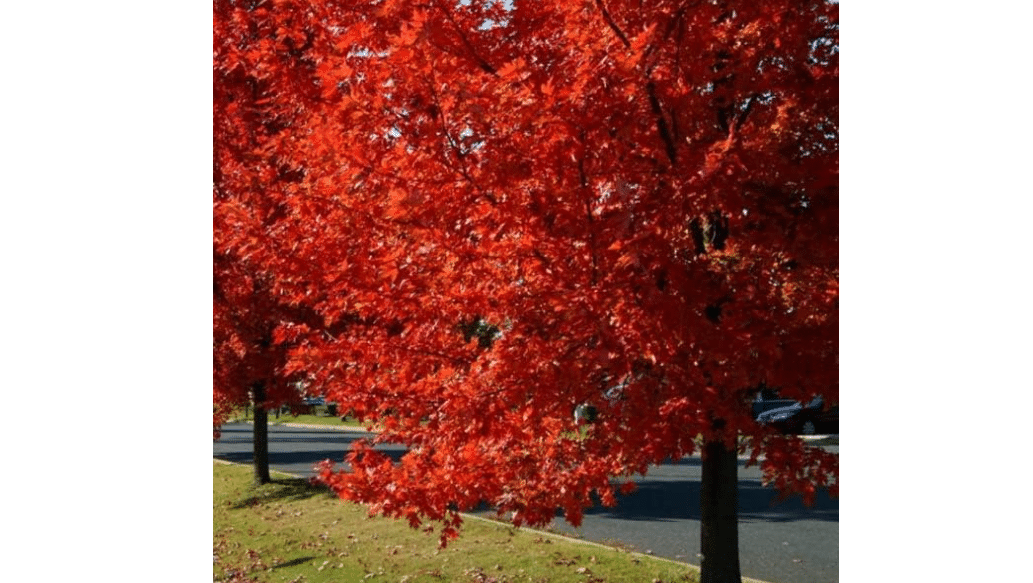
If you want traffic-stopping curb appeal, the Autumn Blaze Maple is the crowd-favorite hybrid you need. A cross between a Red Maple and a Silver Maple, it combines the rapid growth of the Silver with the structural integrity and spectacular, reliable autumn reds of the Red Maple.
-
Price:
-
Key Features & Benefits: Very fast growth (3–5 feet per year); uniform oval canopy shape; spectacular, reliable crimson-red autumn foliage.
-
Pros and Cons:
-
Pros: Provides very fast shade; boasts vastly superior branch strength compared to standard Silver Maples; highly tolerant of urban pollution.
-
Cons: Can struggle slightly in the hottest, driest western parts of Oklahoma if not provided with supplemental watering during severe droughts.
-
-
Amazon Customer Ratings & Reviews: ~4.8/5 Stars (Bestseller). Reviewers rave about the intense, fiery fall color and rapid canopy expansion that provides instant gratification.
-
Why It’s a Good Choice for Oklahoma: It provides the highly coveted “New England fall color” aesthetic while possessing just enough heat tolerance to comfortably survive Midwest summers.
-
Ideal Use Case: Front yard focal points and buyers who want maximum visual impact, neighborhood envy, and fast-cooling shade for their home.
8. Ginkgo Biloba (Maidenhair Tree)
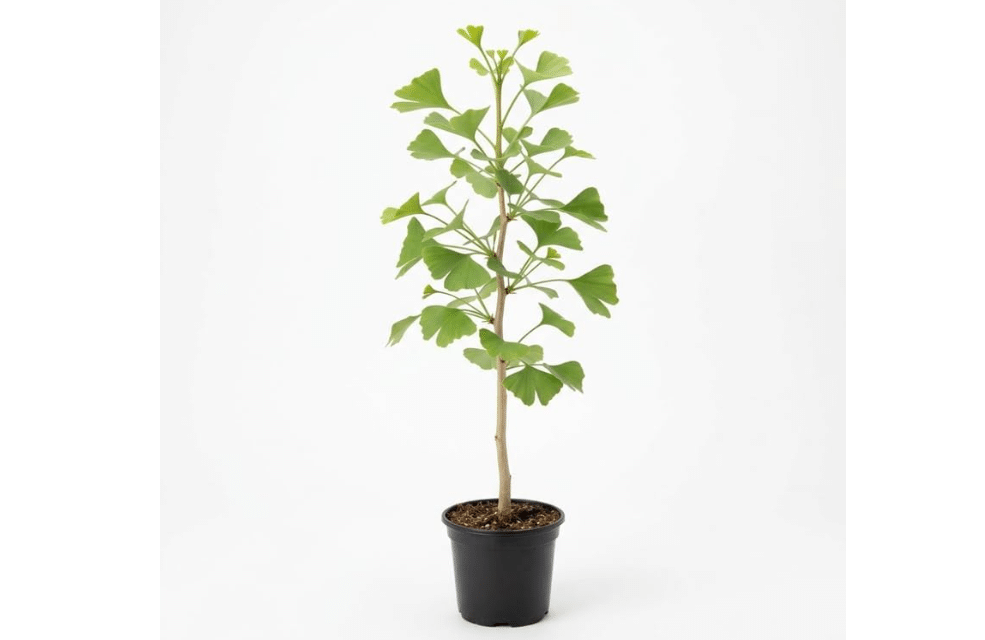
Often referred to as a “living fossil,” the Ginkgo Biloba is an ancient, elegant shade tree with completely unique, fan-shaped leaves. In autumn, those leaves turn a luminous, glowing gold and tend to drop all at once in a spectacular carpet of color.
-
Price:
-
Key Features & Benefits: Reaches 50–80 feet; extremely long-lived (some live for over a thousand years); highly tolerant of city smog, road salt, and compacted soil.
-
Pros and Cons:
-
Pros: Completely immune to all known pests and diseases; deep roots; unmatched architectural and historical beauty.
-
Cons: A very slow grower; female trees drop foul-smelling fruit (ensure your Amazon listing specifies male grafts only).
-
-
Amazon Customer Ratings & Reviews: ~4.4/5 Stars. Buyers appreciate the unique foliage and note the saplings consistently arrive in healthy dormant condition.
-
Why It’s a Good Choice for Oklahoma: The Ginkgo is largely unbothered by Oklahoma’s unpredictable weather swings, ice accumulation, or urban pollution.
-
Ideal Use Case: Urban homeowners, architectural landscaping enthusiasts, and patient gardeners wanting to plant a historic legacy tree.
9. Eastern Redbud (Cercis canadensis)
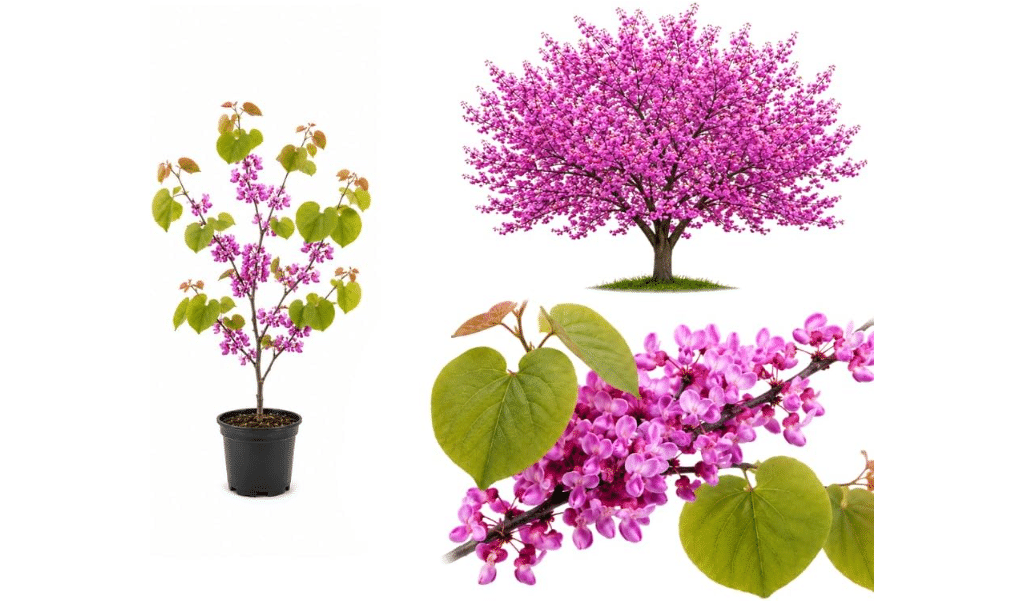
As the official state tree of Oklahoma, the Eastern Redbud is an absolute essential. While technically an understory or small shade tree, it punches far above its weight by erupting in vibrant magenta blooms in early spring, right before its beautiful heart-shaped leaves appear.
-
Price: $28.28
-
Key Features & Benefits: Reaches 20–30 feet; an early spring pollinator magnet; features a graceful, spreading, multi-trunk canopy.
-
Pros and Cons:
-
Pros: Perfectly fits in small yards or under power lines; features proven native resilience; offers stunning spring color.
-
Cons: Shorter overall lifespan (typically 20-30 years); provides localized, smaller-scale shade rather than whole-home cooling.
-
-
Amazon Customer Ratings & Reviews: ~4.7/5 Stars. Reviews frequently mention the incredible excitement of seeing the tree’s first spring blooms just months after an online purchase.
-
Why It’s a Good Choice for Oklahoma: It is genetically wired for the state’s exact soil profile, precipitation levels, and climate. It belongs here.
-
Ideal Use Case: Small yard owners, or those looking to plant a smaller, colorful shade canopy over a patio, garden bench, or front living room window.
10. Crape Myrtle (Lagerstroemia)
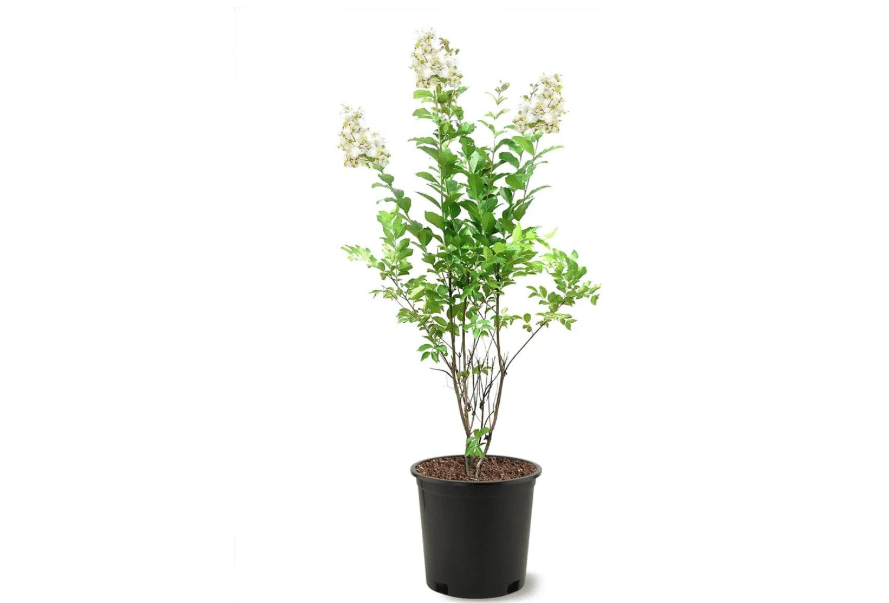
Often called the “Lilac of the South,” the Crape Myrtle is a fast-growing large shrub that can easily be pruned into a stunning small shade tree. It offers massive clusters of summer blooms that last for months, flowering exactly when the rest of the landscape is wilting from the heat.
-
Price: $44.99
-
Key Features & Benefits: Reaches 15–25 feet (in tree-form varieties); blooms continuously for 100+ days; features smooth, attractive peeling bark for winter interest.
-
Pros and Cons:
-
Pros: The ultimate heat lover; possesses extreme drought tolerance; rapid growth and establishment.
-
Cons: Can suffer tip dieback in unusually brutal, anomalous winter freezes (particularly in northern Zone 6a areas).
-
-
Amazon Customer Ratings & Reviews: ~4.6/5 Stars. Buyers rave about the sheer volume of flowers and how rapidly the plant recovers and grows after shipping stress.
-
Why It’s a Good Choice for Oklahoma: It thrives on the intense, baking August heat that causes other trees to wilt, drop leaves, and go dormant.
-
Ideal Use Case: Buyers wanting flowering shade, fast privacy screening along fence lines, or beautiful, debris-free poolside planting.
V. Expert Tips for Planting Amazon-Bought Trees in Oklahoma
Buying trees online is highly efficient, but success comes down to how you handle the sapling upon arrival. To ensure your new tree thrives in the Sooner State, follow these strict guidelines:
-
Hydration is Key: Whether your tree arrives dormant (bare-root) or in a nursery pot, immediately unbox it in a shaded area. Soak bare roots in a bucket of water for 3 to 6 hours before planting, or heavily water potted root balls until water runs out the bottom.
-
Timing the Planting: Timing is everything in Oklahoma. Plant your trees in early spring (March/April) or mid-fall (October/November). This allows the roots to establish before being shocked by July heat or frozen by January ice.
-
Mulching: Use the “donut, not volcano” mulching method. Apply 2-3 inches of hardwood mulch in a wide ring around the tree to retain moisture and insulate roots, but leave a gap around the actual trunk to prevent rot and pest infiltration.
-
Staking for Wind: Given Oklahoma’s high straight-line winds, staking your new tree is strictly required for the first 12 months. Use flexible ties (never bare wire) to allow slight movement, which signals the tree to strengthen its trunk.
VI. Frequently Asked Questions
What is the fastest-growing shade tree for Oklahoma? If speed is your primary goal, the Autumn Blaze Maple and the Lacebark Elm are the absolute best choices. Both can comfortably push 3 to 5 feet of new growth per year while maintaining enough structural integrity to survive high winds.
When is the best time to plant a shade tree in Oklahoma? Fall (October through November) is the ideal time. The soil is still warm enough for root growth, but the air is cool, preventing top-growth stress. Early spring is the second-best option.
Is it safe to buy live trees on Amazon? Yes. Top-tier Amazon sellers (like Brighter Blooms or PlantingTree) utilize specialized agricultural packaging and ship trees in a dormant state. Just be sure to check the seller’s return policy and live-arrival guarantee.
What trees should be avoided in Oklahoma? Avoid Bradford Pears (they are invasive, foul-smelling, and shatter in ice storms), standard Silver Maples (brittle wood), and Sweetgums (unless you enjoy cleaning up thousands of spiky seed balls).
VII. Final Verdict: Choosing the Right Shade Tree for Your Property
Selecting a tree is a decades-long commitment, making it essential to choose a species that actively fights alongside you against the local climate, rather than succumbing to it. When looking for the absolute best 10 shade trees for oklahoma, your final choice should come down to your yard’s specific needs.
If you have the space and want a generational investment that will safely outlast extreme weather, the Shumard Oak or Bur Oak should be in your Amazon cart right now. Conversely, if you want immediate patio shade and neighborhood-envy curb appeal, you can’t beat the fast growth and crimson display of the Autumn Blaze Maple. Whichever you choose, ensure you order early in the spring or fall planting windows before premier nursery stock runs out.