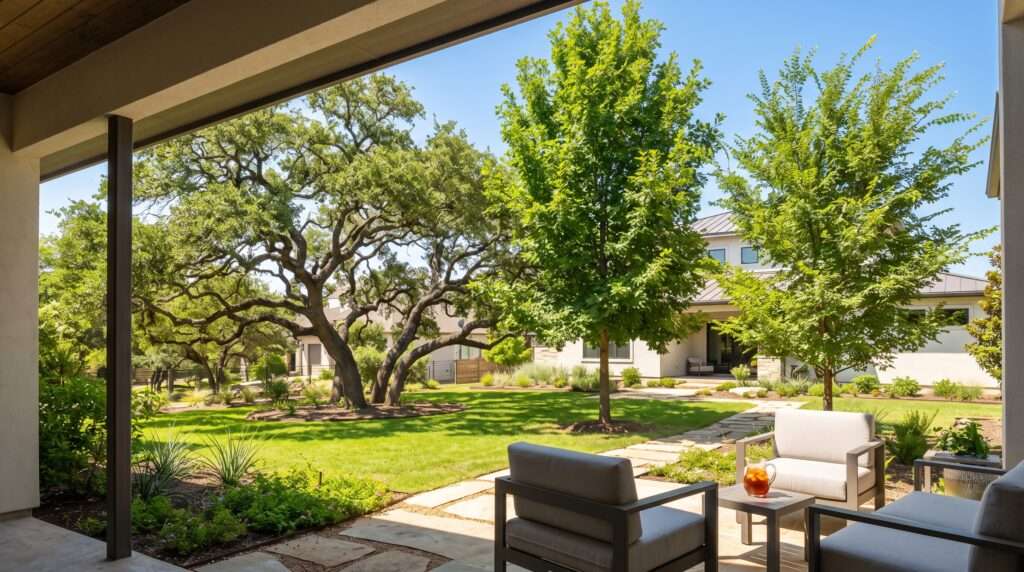
Texas summers are notoriously unforgiving. When the July heat sets in, stepping into your yard can feel like walking into an oven. But a well-placed canopy can change everything. A mature shade tree isn’t just a beautiful landscaping choice; it is a natural air conditioner that can significantly lower your home’s energy bills, cool your outdoor living spaces, and protect your property from the scorching sun. If you want to transform your yard into a cool, shaded oasis, finding the best 10 shade trees for texas is the perfect place to start.
However, landscaping in the Lone Star State comes with its own unique set of challenges. The extreme Texas climate—characterized by prolonged summer droughts, sudden and brutal winter freezes, and notoriously alkaline caliche soils—means that generic, thin-barked trees often fail to thrive. You can’t just plant any random sapling and expect it to survive a 105-degree August afternoon. You need tough, drought-tolerant, and resilient species specifically adapted to handle everything the Texas weather throws at them.
That’s where we come in. We have deep-dived into agricultural nursery data, consulted expert arborist recommendations, and analyzed thousands of verified customer ratings to curate the definitive list of Texas-tough canopies. In this guide, we break down the best 10 shade trees for texas that are guaranteed to endure the climate and elevate your landscape.
Best of all? You don’t have to haul them home in the back of a pickup truck. Buying live saplings directly on Amazon from highly reputable, premium nurseries—like Brighter Blooms and FastGrowingTrees—offers incredible door-to-door convenience, secure moisture-lock packaging, and robust survival guarantees. Let’s dig into the top picks that will finally give you the relief you need from the blistering Texas heat.
II. Quick Picks & Comparison Table
If you are in a rush and want to make a quick, informed decision, here is a snapshot of our top recommendations. This table is designed to be mobile-friendly and easy to scan, highlighting the standout choices for different Texas landscaping needs.
III. Detailed Product Reviews: The Best 10 Shade Trees for Texas
1. Brighter Blooms – Southern Live Oak Tree (Quercus virginiana)
Product Description: The Southern Live Oak is the undisputed king of the Southern landscape. This majestic, long-living evergreen features sweeping, sturdy branches that can eventually span up to 100 feet across. Unlike deciduous trees that drop their leaves and leave your yard exposed to the winter sun, the Live Oak retains its dense, leathery green foliage year-round. Delivered by Brighter Blooms, these saplings arrive with a well-developed root system, ready to take on the harsh elements.

Price: $101.99
Key Features & Benefits:
-
Evergreen Canopy: Provides 365 days of cooling shade and privacy.
-
Extreme Durability: Highly resistant to severe winds, including hurricane-force gusts, thanks to its deep root structure and dense wood.
-
Low Maintenance: Requires very little pruning once established.
Pros & Cons:
-
Pros: Unmatched lifespan (can live for centuries); incredible drought tolerance; offers year-round shade.
-
Cons: Can be susceptible to Oak Wilt in certain Texas regions; requires a large yard to safely accommodate its massive mature spread away from foundations.
Amazon Customer Ratings & Reviews: Boasting a stellar average rating (often hovering around 4.5/5 stars), buyers consistently praise the packaging quality. Customers note that despite the stress of shipping, the soil arrives moist and the leaves are vibrant, with many reporting successful transplantation even in the heat of early summer.
Why It’s a Good Choice for Texas: The Live Oak laughs at 100-degree days and shrugs off sudden February freezes. It is highly adaptable to Zones 7-9, meaning it thrives everywhere from Houston to Dallas to Austin.
Ideal Use Case: Perfect for homeowners with sprawling, open yards who are looking to plant a permanent, legacy shade tree that will benefit generations to come.
2. FastGrowingTrees – Shumard Red Oak (Quercus shumardii)
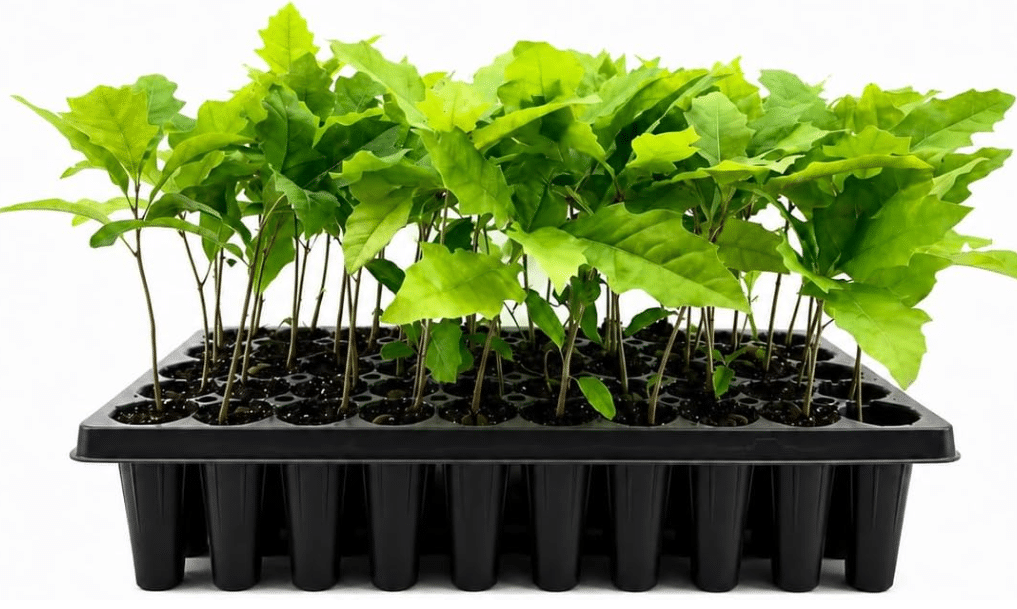
Product Description: If you want the durability of a hardwood but don’t want to wait 20 years for shade, the Shumard Red Oak is your best bet. This deciduous giant grows in a beautiful, upright pyramidal shape and provides a towering canopy of dark green leaves in the summer. When autumn arrives, it puts on a spectacular show, transforming into brilliant shades of deep red and fiery orange—a rare treat in the Texas landscape.
Price: $36.97
Key Features & Benefits:
-
Rapid Growth Rate: Capable of growing 2 to 3 feet per year under optimal conditions.
-
Striking Fall Foliage: Delivers reliable, vibrant autumn colors even in warmer climates.
-
Strong Branching Structure: Resists breaking during severe spring thunderstorms.
Pros & Cons:
-
Pros: Produces shade incredibly fast for an oak; handles urban pollution well; highly wind-resistant.
-
Cons: Drops leaves in the winter, requiring seasonal cleanup; produces acorns which can be a minor nuisance on driveways every few years.
Amazon Customer Ratings & Reviews: Customers frequently highlight the vigorous growth rate of this tree. Many reviews state that after a slightly slow first year (while the roots establish), the tree “takes off,” rapidly providing much-needed shade for newly built homes.
Why It’s a Good Choice for Texas: The Shumard Oak is a Texas native that is exceptionally adaptable. Whether you are planting in the highly alkaline, rocky soils of Central Texas or the slightly acidic soils of East Texas, this tree will establish itself easily and thrive.
Ideal Use Case: Homeowners in newer subdivisions who need quick, reliable shade but want to avoid brittle, short-lived “trash trees” like Hackberries or Bradford Pears.
3. Nature Hills Nursery – Bur Oak (Quercus macrocarpa)
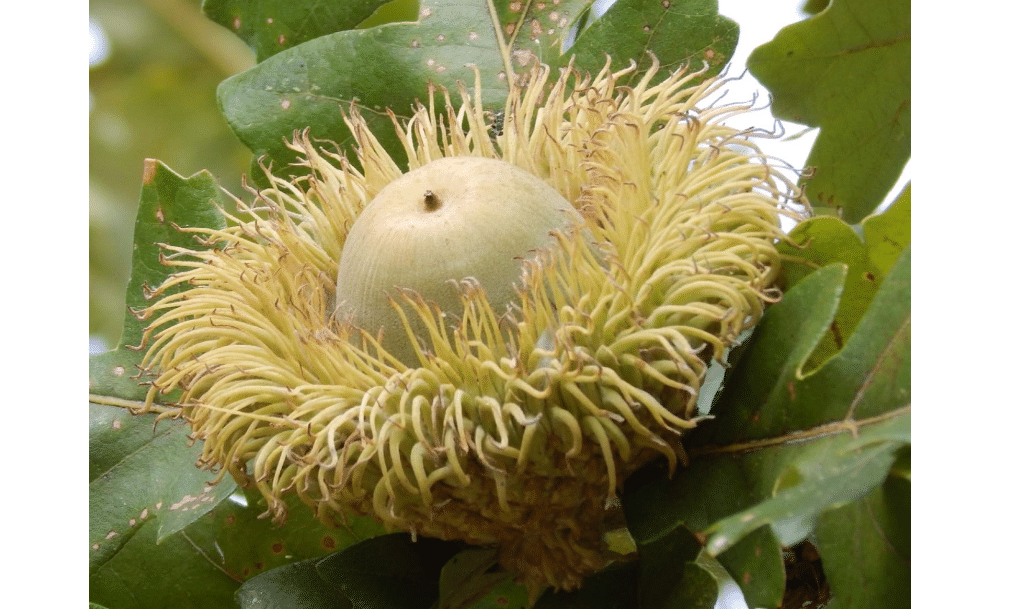
Product Description: The Bur Oak is the ultimate survivor. Known for its deeply ridged, corky bark and massive fringed acorns (the largest of any North American oak), this tree exudes rugged strength. It develops a massive, spreading crown that provides deep, cooling shade. Nature Hills Nursery ships robust, field-grown saplings that are ready to tackle the toughest environments.
Price:
Key Features & Benefits:
-
Deep Taproot System: Seeks out water deep underground, making it incredibly drought-resistant.
-
Thick, Corky Bark: Provides natural resistance to fire and severe temperature fluctuations.
-
Massive Mature Size: Can reach heights and spreads of up to 80 feet.
Pros & Cons:
-
Pros: Arguably the most drought and heat-tolerant oak available; virtually immune to most pests and diseases; deep roots won’t disrupt sidewalks.
-
Cons: Growth rate is slower in the first few years; the giant acorns can be a hazard for lawnmowers if planted too close to turfgrass.
Amazon Customer Ratings & Reviews: Verified buyers frequently leave reviews detailing the tree’s survival through extreme summer droughts with minimal supplemental watering. The secure shipping and healthy root balls are consistently praised.
Why It’s a Good Choice for Texas: Because of its massive taproot, the Bur Oak is perfectly designed for the arid conditions of West and Central Texas. It can power through prolonged dry spells and thrive in poor, depleted soils where other trees would wither.
Ideal Use Case: Long-term landscaping in hot, arid regions, or for properties with poor soil quality where maximum resilience is required.
4. Brighter Blooms – Cedar Elm (Ulmus crassifolia)
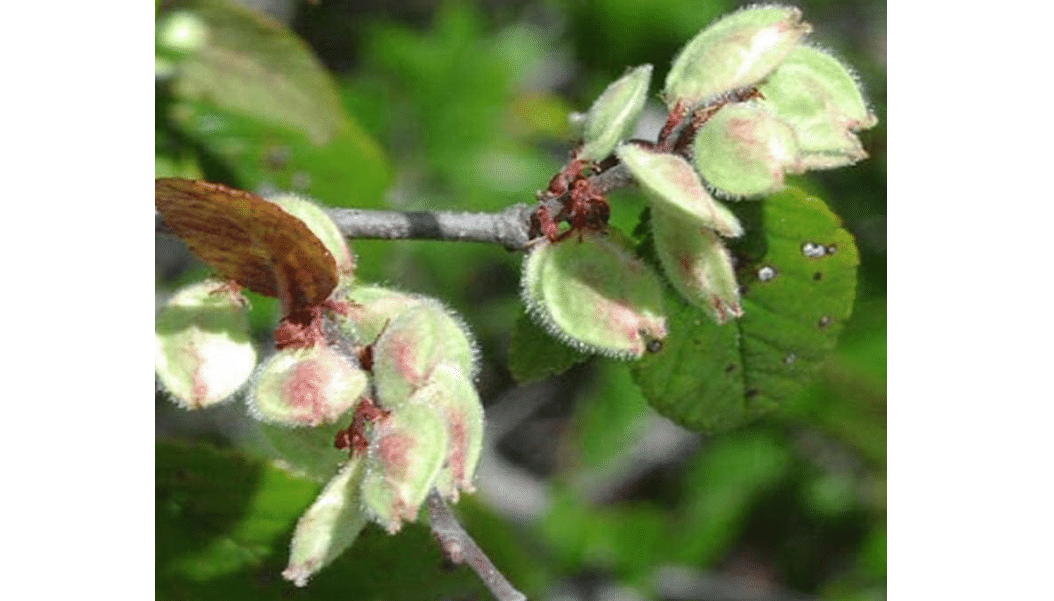
Product Description: The Cedar Elm is a tough-as-nails native Texas tree that offers a beautiful, fine-textured canopy. Characterized by its small, rough-textured leaves and unique fall blooming cycle (it produces tiny green flowers in late summer/early fall), it provides a graceful, upright growth habit. In the autumn, its foliage turns a stunning golden-yellow, illuminating the landscape.
Price: $16.95
Key Features & Benefits:
-
High Adaptability: Famous for thriving in heavy, compacted soils where other roots suffocate.
-
Fine Foliage: The small leaves create a beautiful, dappled shade that allows grass to grow underneath.
-
Golden Fall Color: Adds a splash of bright yellow to the autumn yard.
Pros & Cons:
-
Pros: Practically indestructible once established; requires very low water; native to the region.
-
Cons: Can occasionally be susceptible to powdery mildew in highly humid pockets of the state (though rarely fatal).
Amazon Customer Ratings & Reviews: Reviewers point out how quickly these saplings adapt upon planting. Buyers are often pleasantly surprised by how well the tree handles immediate exposure to full sun right out of the shipping box.
Why It’s a Good Choice for Texas: This is the most widespread native elm in Texas for a reason. It is proven to survive—and even thrive—in the heavy, poorly drained, compacted clay soils common in the Blackland Prairie and surrounding areas.
Ideal Use Case: Urban and suburban yards suffering from compacted, shallow, or heavy clay soils where traditional trees struggle to establish root systems.
5. FastGrowingTrees – Chinquapin Oak (Quercus muehlenbergii)
Product Description: If you want an oak tree that breaks the visual mold, the Chinquapin Oak is a spectacular choice. Instead of the typical lobed oak leaves, this tree features unique, serrated foliage that closely resembles chestnut leaves. It provides a dense, cooling summer shade and develops a beautiful, rounded canopy as it matures. The distinctive flaky, grayish-brown bark adds fantastic winter interest to your landscape.

Price:
Key Features & Benefits:
-
Distinctive Foliage: Dark, glossy green leaves that turn a warm yellow-bronze in the fall.
-
Moderate-to-Fast Growth: Establishes quickly and grows at a steady, reliable pace.
-
Exceptional Heat Tolerance: Specifically adapted to thrive in baking, radiant heat.
Pros & Cons:
-
Pros: Very few pest or disease issues; visually striking compared to standard oaks; incredible heat tolerance.
-
Cons: Acorn drop can be slightly messy if planted directly adjacent to a driveway or patio.
Amazon Customer Ratings & Reviews: Showcasing excellent ratings, buyers often highlight the unique leaf structure and the pristine condition of the saplings upon delivery. Reviewers frequently note how quickly the tree pushes out new growth in its first spring.
Why It’s a Good Choice for Texas: The Chinquapin Oak is a limestone lover. It is exceptionally well-suited for the rocky, highly alkaline soils found throughout the Texas Hill Country and Central Texas, where other trees quickly become chlorotic (yellowing leaves due to nutrient lockout).
Ideal Use Case: Homeowners looking for a visually distinct, highly resilient oak that thrives on limestone bedrock and requires very little supplemental water.
6. Perfect Plants – Bald Cypress (Taxodium distichum)
Product Description: The Bald Cypress is a classic, towering conifer that brings a touch of majestic Southern swamplands to your yard. Uniquely, it is a deciduous conifer—meaning it drops its soft, feathery, needle-like leaves in the winter after putting on a stunning rust-red autumn display. Its gracefully flared trunk and pyramidal shape make it a striking architectural focal point.

Price:
Key Features & Benefits:
-
Unmatched Flood Tolerance: Can survive in standing water for months at a time.
-
Soft Foliage: Delicate, bright green needles provide a soft, dappled shade.
-
Rust-Red Fall Color: Delivers a uniquely vibrant, coppery-red autumn canopy.
Pros & Cons:
-
Pros: Thrives in wet, poorly drained conditions; fast-growing; highly wind-resistant.
-
Cons: If planted in very wet areas, it can develop woody “knees” (root offshoots) above the ground, which can complicate lawn mowing.
Amazon Customer Ratings & Reviews: Reviews are packed with success stories from buyers who struggled to grow anything in the soggy, low-lying parts of their yards until they planted a Bald Cypress from Perfect Plants. The secure, moisture-retaining shipping tubes receive high praise.
Why It’s a Good Choice for Texas: Perfect for the wetter climates of East Texas, the Gulf Coast, or for any yard across the state that suffers from drainage issues, heavy clay, and low spots that hold water after heavy thunderstorms.
Ideal Use Case: Properties near ponds, creeks, or yards that have notorious soggy patches where standard shade trees would succumb to root rot.
7. Brighter Blooms – Chinese Pistache (Pistacia chinensis)
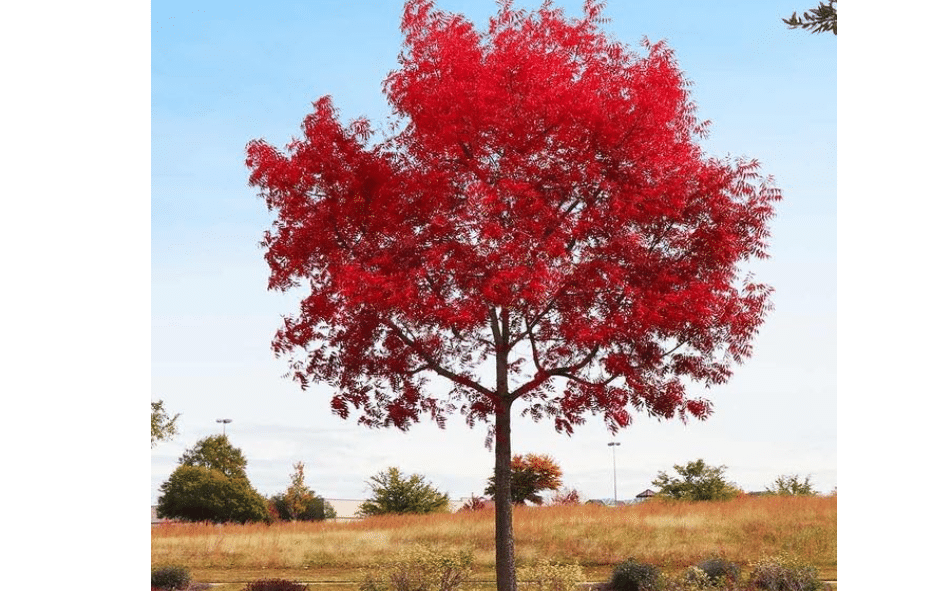
Product Description: Dubbed a “Texas Superstar” plant by Texas A&M AgriLife, the Chinese Pistache is a medium-sized ornamental shade tree globally recognized for its spectacular fall foliage. It forms a perfect, umbrella-like canopy that provides excellent shade for smaller spaces, and when the temperatures finally drop, the leaves explode into fiery shades of crimson, orange, and yellow.
Price: $57.95
Key Features & Benefits:
-
Vibrant Autumn Colors: One of the most reliable trees for fall color in warm climates.
-
Umbrella Canopy: Forms a beautifully rounded, symmetrical crown as it matures.
-
Pest & Disease Resistance: A highly durable, low-maintenance tree.
Pros & Cons:
-
Pros: Perfect scale for smaller suburban yards; survives extreme heat and drought; unparalleled fall beauty.
-
Cons: Can look slightly awkward, “twiggy,” or asymmetrical when very young before the canopy fills out.
Amazon Customer Ratings & Reviews: Customers consistently rave about the vibrant fall colors, confirming that the tree lives up to the stunning product photos. Many highlight that Brighter Blooms ships well-pruned saplings that already show the beginnings of good canopy structure.
Why It’s a Good Choice for Texas: It provides reliable, jaw-dropping fall color in a state where autumn foliage is famously rare. It is deeply tap-rooted, making it incredibly drought-hardy once established.
Ideal Use Case: Front yard focal points, parkways, or smaller subdivision lots where a massive 80-foot oak would eventually become overwhelming.
8. FastGrowingTrees – Autumn Blaze Maple (Acer x freemanii)
Product Description: The Autumn Blaze Maple is a premium, highly sought-after hybrid that combines the best traits of its parents: the incredibly fast growth of a Silver Maple and the structural strength and brilliant red color of a Red Maple. It creates a dense, cooling canopy in record time.

Price:
Key Features & Benefits:
-
Rapid Growth: Capable of growing up to 3 feet per year under ideal conditions.
-
Blazing Red Color: Produces intense, fiery red foliage in the fall.
-
Uniform Branching: Naturally develops a well-balanced, oval-to-rounded crown.
Pros & Cons:
-
Pros: Extremely fast shade creation; pollution tolerant; stunning visual appeal.
-
Cons: Less drought-tolerant than native Texas oaks; the thin bark can be susceptible to sun-scald when the tree is young if not properly wrapped or mulched.
Amazon Customer Ratings & Reviews: Verified purchasers summarize their experience by praising the careful, protective shipping of this slightly more delicate-looking but hardy hybrid. Many buyers report achieving a substantial shade canopy within just three to four years of planting.
Why It’s a Good Choice for Texas: It adapts incredibly well to the northern and eastern parts of the state (Zones 7 and 8). It provides rapid relief from the relentless sun for new construction homes that are completely exposed to the elements.
Ideal Use Case: Homeowners in North, Northeast, or East Texas who desperately need shade fast and want classic, vibrant maple autumn colors.
9. Brighter Blooms – Hardy Pecan Tree (Carya illinoinensis)
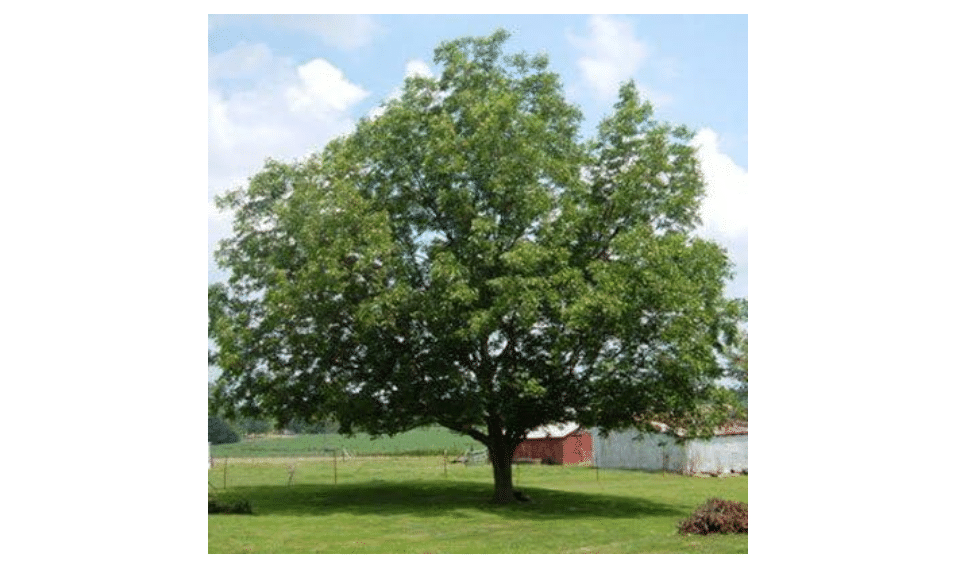
Product Description: It is impossible to talk about Texas landscaping without including the official state tree. The Hardy Pecan offers massive, spreading shade and the highly rewarding bonus of a yearly harvest of rich, buttery, edible nuts. This is a massive legacy tree that anchors a landscape and provides generations of value.
Price: $105.99
Key Features & Benefits:
-
Massive Mature Size: Can easily exceed 70 feet in height with a similarly massive spread.
-
Dual-Purpose: Provides deep, house-cooling shade alongside high-value nut production.
-
Native Heritage: Perfectly evolved for the Southern climate.
Pros & Cons:
-
Pros: Incredible shade coverage; produces valuable and delicious crops; incredibly long-lived.
-
Cons: Prone to aphid drip (honeydew) in the summer which can coat cars parked underneath; dropping nuts, husks, and twigs can be messy; requires deep soil for its massive taproot.
Amazon Customer Ratings & Reviews: Ratings heavily reflect the excitement and satisfaction of growing a native, food-producing tree. Customers praise the healthy, thick trunks on arrival and the detailed planting instructions provided by the seller.
Why It’s a Good Choice for Texas: It’s natively adapted to the Texas climate, particularly thriving in the deep, rich river-bottom soils found across the state. It handles the blistering summer sun with ease.
Ideal Use Case: Homesteaders, large property owners, and anyone with the space to harvest their own pecans while enjoying massive, sprawling shade.
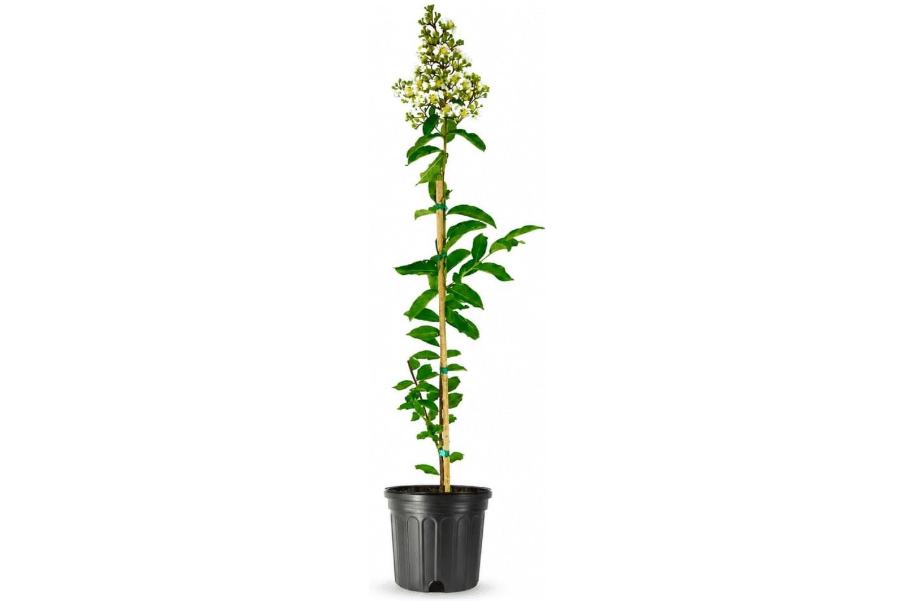
10. Perfect Plants – Natchez Crape Myrtle (Lagerstroemia ‘Natchez’)
Product Description: While technically classified as a large shrub or small tree, the Natchez variety of Crape Myrtle is a giant among its peers, rapidly growing up to 30 feet tall. It is renowned for its spectacular, pure-white summer blooms that last for over 100 days, paired with stunning cinnamon-colored exfoliating bark that provides gorgeous winter interest.
Price: $89.97
Key Features & Benefits:
-
Prolific Blooms: Over 100 days of pure white, ruffled flowers during the hottest months.
-
Exfoliating Bark: Smooth, peeling bark in shades of cinnamon and gray.
-
Very Fast Growth: Quickly reaches its mature height to provide localized shade.
Pros & Cons:
-
Pros: Highly affordable; massive curb appeal; blooms during the hottest, most grueling part of the Texas summer when everything else is dormant.
-
Cons: Doesn’t provide the massive, house-cooling canopy of an oak; the heavy blooms attract bees (which is great for the environment, but a con for those with severe allergies).
Amazon Customer Ratings & Reviews: This is frequently one of the highest-rated landscape plants on Amazon. Buyers highlight the high volume of positive experiences regarding the plant arriving already in bloom, packaged securely, and growing vigorously within weeks of planting.
Why It’s a Good Choice for Texas: Crape Myrtles are ubiquitous in Texas because they genuinely love the blazing sun. They are highly heat-tolerant, very drought-resistant once established, and ignore the humidity.
Ideal Use Case: Patio shading, property line borders, front yard accents, and compact urban gardens where a full-sized shade tree simply won’t fit.
IV. Buying Guide: How to Choose the Right Shade Tree for Your Texas Yard
Selecting the right tree is a decades-long commitment. To ensure your investment thrives, consider these critical factors before hitting “Add to Cart.”
-
Understand Your Texas Micro-Region: Texas is massive, encompassing multiple distinct growing zones. If you live in the acidic, sandy soils of East Texas, trees like the Bald Cypress and Autumn Blaze Maple will thrive. If you are planting in the highly alkaline, rocky, limestone soils of Central or West Texas, you must choose adaptable natives like the Chinquapin Oak, Bur Oak, or Live Oak to prevent nutrient deficiencies.
-
Growth Rate vs. Wood Strength (The Fast-Growth Fallacy): It is tempting to buy the fastest-growing tree available to get immediate shade. However, extremely fast-growing trees (like Hackberries or Silver Maples) often have brittle, weak wood. When the inevitable Texas spring severe storms or winter ice storms hit, these trees shatter, causing catastrophic property damage. Investing in moderate-to-fast growing hardwoods (like the Shumard Oak) is a much smarter, safer long-term investment.
-
Water Requirements & Drought Tolerance: Even the most drought-tolerant tree needs help getting established. During the first two critical Texas summers, your new Amazon sapling will require deep, slow watering. Choose native trees (like the Cedar Elm or Bur Oak) that, once established after year two, can survive entirely on natural rainfall.
-
Placement & Root Systems: Never plant a large shade tree right next to your house. Always check the tree’s mature canopy spread. Plant large oaks at least 15 to 20 feet away from foundations, driveways, and underground plumbing to prevent roots from seeking out your pipes or lifting your concrete. Ensure you are not planting directly under overhead power lines.
V. Frequently Asked Questions (FAQ)
-
When is the best time to plant shade trees in Texas? The absolute best time to plant is late fall through late winter (November through February). This allows the tree’s root system to establish itself in the cool, moist soil for several months before it has to face the brutal, scorching stress of its first Texas summer.
-
Is it safe to buy live trees on Amazon? Yes, provided you buy from the highly rated, premium nurseries we recommend (such as Brighter Blooms, FastGrowingTrees, and Perfect Plants). These nurseries use specialized rigid packaging, moisture-retaining root gels, and offer survival guarantees to ensure your tree arrives healthy and ready to plant.
-
How often should I water a newly planted shade tree in the Texas summer? Deep, slow watering is crucial. During the first summer, water the tree 1 to 2 times a week with a slow trickle from a hose for about 30-45 minutes. This encourages the roots to grow deep. Frequent, shallow watering keeps roots near the surface, making the tree highly vulnerable to heat.
-
What is the fastest-growing shade tree for Texas? The Shumard Red Oak and the Autumn Blaze Maple are the best options for rapid growth. They provide fast shade (growing 2 to 3 feet per year) without sacrificing the structural integrity needed to survive Texas winds.
VI. Final Verdict & Conclusion
Surviving a Texas summer requires strategy, and planting the right canopy is the most effective long-term solution for cooling your property. Whether you need the indestructible, drought-proof ruggedness of a Bur Oak, the rapid shade and stunning fall color of a Shumard Oak, or the majestic evergreen presence of a Southern Live Oak, choosing from the best 10 shade trees for texas ensures you are planting a survivor.
Before you make your final decision, take a walk outside. Assess your yard’s size, note your soil type, and map out a planting spot safely away from your foundation. Because live plants from top-tier nurseries frequently sell out during the peak fall and spring planting seasons, we highly recommend clicking the Amazon links above to check current inventory and pricing. Secure your sapling today, get it in the ground, and start building the natural, cooling canopy your Texas home deserves.