
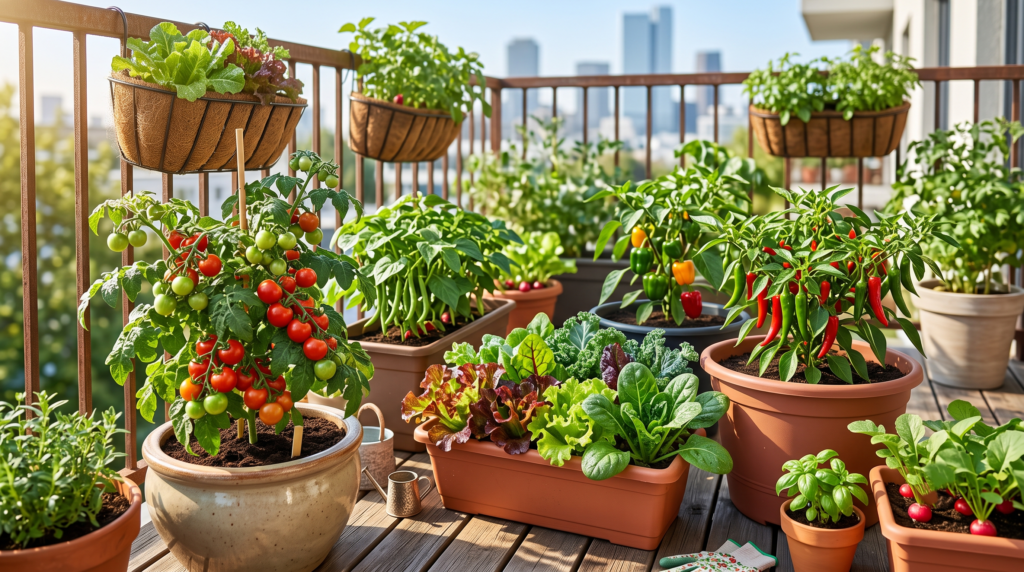
If you are dreaming of stepping out your door to harvest fresh, sun-ripened produce but only have a tiny balcony, patio, or windowsill to work with, you are certainly not alone. The secret to transforming that compact area into a productive urban oasis is simple: you need to choose the best vegetables for container gardening.
Through my years of testing plant care methods and helping urban gardeners thrive, I’ve discovered that not all veggies are suited for life in a pot. Some have massive root systems that demand sprawling backyard beds, while others practically beg to be grown in confined spaces. In this comprehensive guide, I will share the exact high-yield crops, specific varieties, and expert techniques you need to succeed. Whether you are a complete beginner or a seasoned plant parent looking to maximize your patio harvest, this guide will serve as your ultimate blueprint. Let’s get growing! 🌱
🤔 Why Grow Vegetables in Containers? 🪴
If you have always thought of traditional in-ground beds as the “superior” way to garden, you might be surprised to learn that growing vegetables in pots offers incredible advantages. In fact, many professional horticulturists prefer container gardening for specific crops! Here is why:
-
Ultimate Soil Control: Native backyard soil can be rocky, clay-heavy, or depleted of nutrients. With a container, you dictate the exact soil quality, aeration, and pH level by using a premium potting mix. This virtually guarantees a perfect growing medium from day one.
-
Fewer Pests & No Weeds: Elevated pots mean your plants are out of reach for many ground-dwelling pests like slugs and grubs. Furthermore, because you are using sterile potting soil, you will spend zero hours pulling invasive backyard weeds.
-
Mobility and Climate Control: Potted plants can literally “chase the sun.” If your patio only gets morning light, you can easily slide your pots around to catch the afternoon rays. When unexpected frost or extreme heatwaves hit, you can bring your most delicate crops indoors to protect them.
📊 Quick Reference: Container Vegetable Cheat Sheet
Need quick information before heading to the garden center? Use this scannable cheat sheet to match your available space and sunlight with the perfect crop.
| Vegetable 🥦 | Min. Container Depth | Sunlight Needs ☀️ | Best Varieties for Pots |
|---|---|---|---|
| Tomatoes | 12–18 inches | Full Sun (6-8 hrs) | Patio Choice, Bush Early Girl |
| Lettuce | 6–8 inches | Partial Shade | Little Gem, Tom Thumb |
| Peppers | 10–12 inches | Full Sun (6-8 hrs) | Shishito, Jalapeño |
| Radishes | 6 inches | Full/Part Sun | French Breakfast, Cherry Belle |
| Carrots | 8–12 inches | Full Sun | Paris Market, Little Finger |
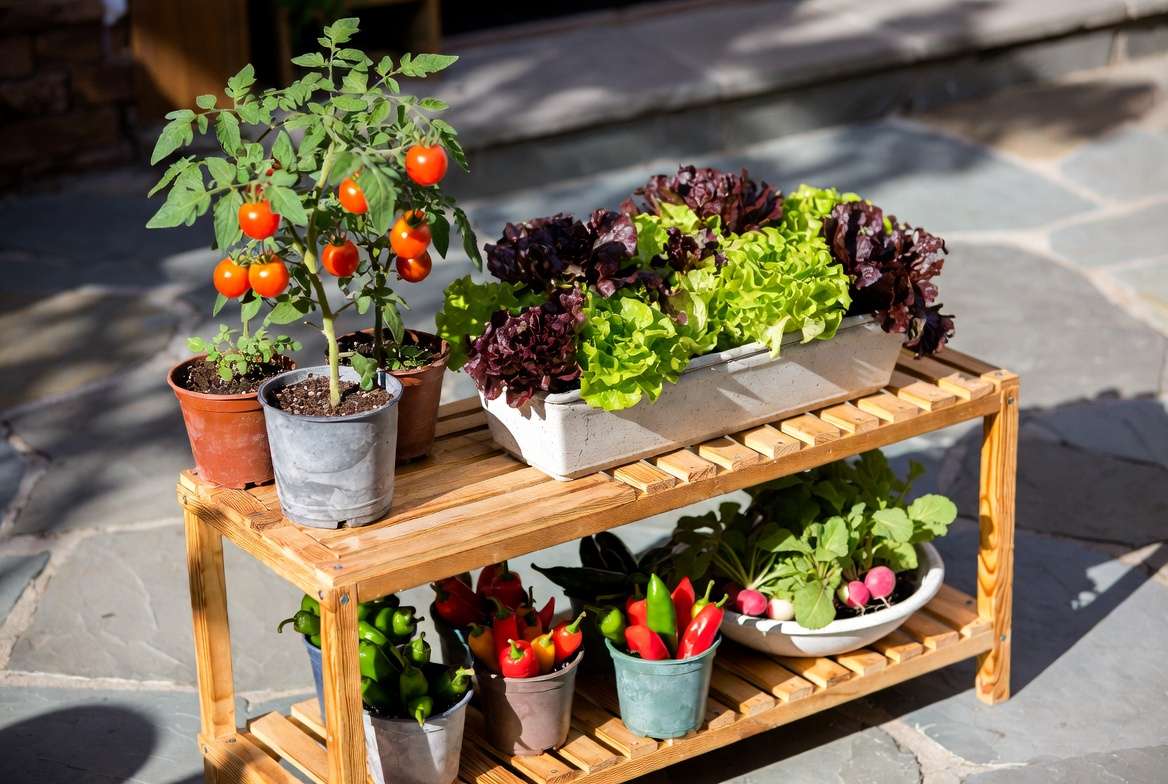
🏆 The 10 Best Vegetables for Container Gardening
Choosing the right plant is half the battle. Here is a deep dive into the top 10 vegetables that have proven time and time again to produce massive yields in small spaces.
1. Tomatoes (Dwarf & Cherry Varieties) 🍅
Tomatoes are the undisputed kings of the summer garden, and thankfully, they adapt beautifully to life in a pot—if you choose the right kind.
-
Why they made the list: Tomatoes offer one of the highest yields per square foot of any vegetable. A single healthy cherry tomato plant can produce hundreds of sweet fruits throughout the summer.
-
Expert Tip: In the plant world, tomatoes are divided into two categories: indeterminate (vining types that grow endlessly) and determinate (bush types that stay compact). Always choose determinate or specific “patio” varieties for pots. Indeterminate tomatoes will quickly outgrow their containers and become unmanageable.
-
Care Needs: Tomatoes are heavy feeders with deep roots. They require a large container—ideally a 5-gallon bucket or a pot that is 12 to 18 inches deep. They also need full sun (at least 6 to 8 hours daily) and consistent watering. Add a handful of crushed eggshells to the potting soil before planting to provide calcium; this prevents a common disease called blossom end rot!
2. Lettuce and Leafy Greens 🥬
If you are dealing with a shaded balcony where sun-loving crops struggle, leafy greens are your best friend.
-
Why they made the list: Lettuce, arugula, and mustard greens have very shallow root systems, making them incredibly adaptable to window boxes and shallow bowls. They are also incredibly fast-growing.
-
Expert Tip: Practice the “cut-and-come-again” harvesting method. Instead of pulling the whole plant out of the soil, simply snip the outer, older leaves with clean scissors, leaving the center intact. The plant will continue to grow new leaves, providing you with fresh salad greens for months!
-
Care Needs: You only need a container depth of 6 to 8 inches. Lettuce prefers cooler weather and partial shade, especially in the heat of summer when too much sun will cause the plant to “bolt” (turn bitter and go to seed). Keep the soil consistently moist but never soggy. 💧
3. Peppers (Sweet & Hot) 🌶️
Whether you crave the crisp bite of a bell pepper or the fiery kick of a habanero, peppers are stunning, highly ornamental plants that thrive in confined spaces.
-
Why they made the list: Peppers naturally have compact, fibrous root systems. They are tough, heat-tolerant, and look beautiful on a patio with their bright red, yellow, and green fruits.
-
Expert Tip: If you want the highest yield possible, opt for hot peppers (like Jalapeños, Shishitos, or Thai Chilies) rather than large bell peppers. Smaller pepper varieties require less energy to produce fruit, meaning a single potted plant can yield dozens of peppers simultaneously.
-
Care Needs: Peppers love the heat! Place them in the sunniest spot on your balcony. They require a 10 to 12-inch pot with excellent drainage. Let the top inch of soil dry out slightly between waterings to prevent waterlogged roots.
4. Radishes 🐇
If you lack patience and want to see immediate results, radishes are the ultimate confidence-boosting crop for beginners.
-
Why they made the list: Radishes are the fastest-growing vegetable you can plant. From the moment you push a seed into the soil, you can be crunching on a spicy, fresh radish in just 25 to 30 days!
-
Expert Tip: Because they grow so fast and take up so little space, radishes are perfect for “interplanting.” This means you can sow radish seeds in the empty dirt around the edges of a larger potted plant (like your tomato or eggplant). By the time the larger plant needs the space, the radishes will already be harvested!
-
Care Needs: A 6-inch pot depth is plenty. Radishes thrive in cool weather (spring and fall) and need loose soil so the roots can expand easily. Keep them well-watered; dry soil leads to woody, overly spicy radishes.
5. Carrots (Short & Round Varieties) 🥕
Carrots might seem like a strange choice for container gardening since they grow underground, but they are actually incredibly easy to grow in pots if you select the right seeds.
-
Why they made the list: Growing carrots in containers eliminates their biggest enemy: heavy, rocky backyard soil that causes them to grow crooked and deformed. Potted carrots grow perfectly straight and sweet because they have zero obstacles!
-
Expert Tip: Do not try to grow massive, 10-inch long “Bugs Bunny” style carrots in a standard pot. Instead, seek out short or rounded varieties. Paris Market is a delightful heirloom variety that grows into bite-sized, round spheres (like orange radishes), while Little Finger produces sweet, stubby carrots that fit perfectly in medium-sized pots.
-
Care Needs: You will need a pot that is at least 8 to 12 inches deep, depending on the variety. The soil must be incredibly light, loose, and sifted free of any clumps. Carrots thrive in full sun and require consistent, even watering to prevent the roots from splitting.
6. Bush Beans 🫘
If you want a fast-growing crop that practically takes care of itself, bush beans are an absolute must-have for your urban garden.
-
Why they made the list: Unlike pole beans, which require tall, elaborate trellises to climb, bush beans grow in compact, self-supporting mounds. Furthermore, beans are legumes, meaning they actually pull nitrogen from the air and add it back into the soil, acting as a natural fertilizer!
-
Expert Tip: To maximize your yield, practice “succession planting.” Instead of planting all your bean seeds on the same day, sow a new batch of seeds every two weeks. This guarantees a continuous, rolling harvest of crisp green beans all summer long rather than one massive, overwhelming crop.
-
Care Needs: A standard 8 to 10-inch pot is perfect for a single bush bean plant. They love the heat and require full sun to produce abundant blossoms.
7. Spinach 🌿
Spinach is a nutrient-dense powerhouse that thrives in the cooler shoulder seasons of spring and autumn.
-
Why they made the list: Spinach is incredibly cold-hardy. While a light frost will kill a tomato plant, spinach leaves will actually become sweeter after a frost! It is a fantastic crop for maximizing your container garden’s productivity early or late in the year.
-
Expert Tip: The biggest challenge with spinach is that it hates hot weather. Once temperatures climb above 75°F (24°C), spinach will quickly “bolt” (send up a tall flower stalk), causing the leaves to become tough and bitter. Plant spinach early in the spring or in late summer for a fall harvest, and keep pots in partial shade if a heatwave strikes.
-
Care Needs: Because it is a shallow-rooted leafy green, a 6 to 8-inch pot is sufficient. Use a nitrogen-rich liquid organic fertilizer to encourage lush, green foliage.
8. Eggplant (Compact Varieties) 🍆
Don’t let the massive, heavy eggplants at the grocery store intimidate you. With the right genetics, eggplants are brilliant candidates for patio pots.
-
Why they made the list: Eggplant foliage is stunning, featuring large, velvety leaves and delicate, star-shaped purple flowers. They act as gorgeous ornamental plants that happen to produce delicious food!
-
Expert Tip: Skip the standard globe eggplants and look for compact, prolific varieties like Fairy Tale or Patio Baby. These dwarf varieties produce clusters of miniature, tender eggplants that don’t require peeling and are perfect for roasting or stir-fries.
-
Care Needs: Eggplants are heavy feeders and true heat-lovers. They demand full sun, warm soil, and a sturdy 12-inch (or larger) container. Keep the soil consistently moist, as a thirsty eggplant will drop its blossoms before they can turn into fruit.
9. Swiss Chard 🪴
If you want an edible plant that looks like a piece of modern art, Swiss Chard is the ultimate showstopper for your balcony.
-
Why they made the list: Swiss Chard is one of the most resilient leafy greens you can grow. It tolerates heat far better than spinach and survives mild frosts better than lettuce.
-
Expert Tip: Look for “Bright Lights” or “Rainbow” chard seeds. The stems grow in vibrant shades of neon pink, yellow, orange, and red. Like lettuce, harvest the large, outer leaves with clean pruners and leave the tiny inner leaves to continue growing.
-
Care Needs: An 8 to 10-inch pot provides plenty of room for a chard plant. It performs beautifully in full sun but will also tolerate partial shade.
10. Cucumbers (Bush Types) 🥒
Craving the crunch of a fresh cucumber straight from the vine? You don’t need a sprawling garden fence to make it happen.
-
Why they made the list: Traditionally, cucumbers are aggressive vines that take over a garden. However, modern breeding has given us “bush” cucumbers that are genetically designed to stay short and bushy, making them perfect for large pots.
-
Expert Tip: Look specifically for varieties labeled “bush” or “patio,” such as Bush Slicer, Spacemaster, or Salad Bush. Even though they are compact, placing a small tomato cage in the pot will help support the heavy fruit and keep the cucumbers off the damp soil.
-
Care Needs: Cucumbers are over 90% water, which means they are incredibly thirsty plants! They need a 12-inch deep container and may require daily watering during the peak heat of summer.
🪴 3 Golden Rules for High-Yield Container Gardens
Now that you know what to plant, we need to discuss how to keep them alive. As an expert in plant care, I see beginners make the same few mistakes. Follow these three golden rules to ensure a massive harvest:
Pro-Tip: Never, under any circumstances, scoop dirt from your backyard to fill your pots! Garden soil is too dense, lacks aeration, and will compact into a concrete-like brick after a few waterings, completely suffocating potted roots.
1. Invest in the Right Soil Mix
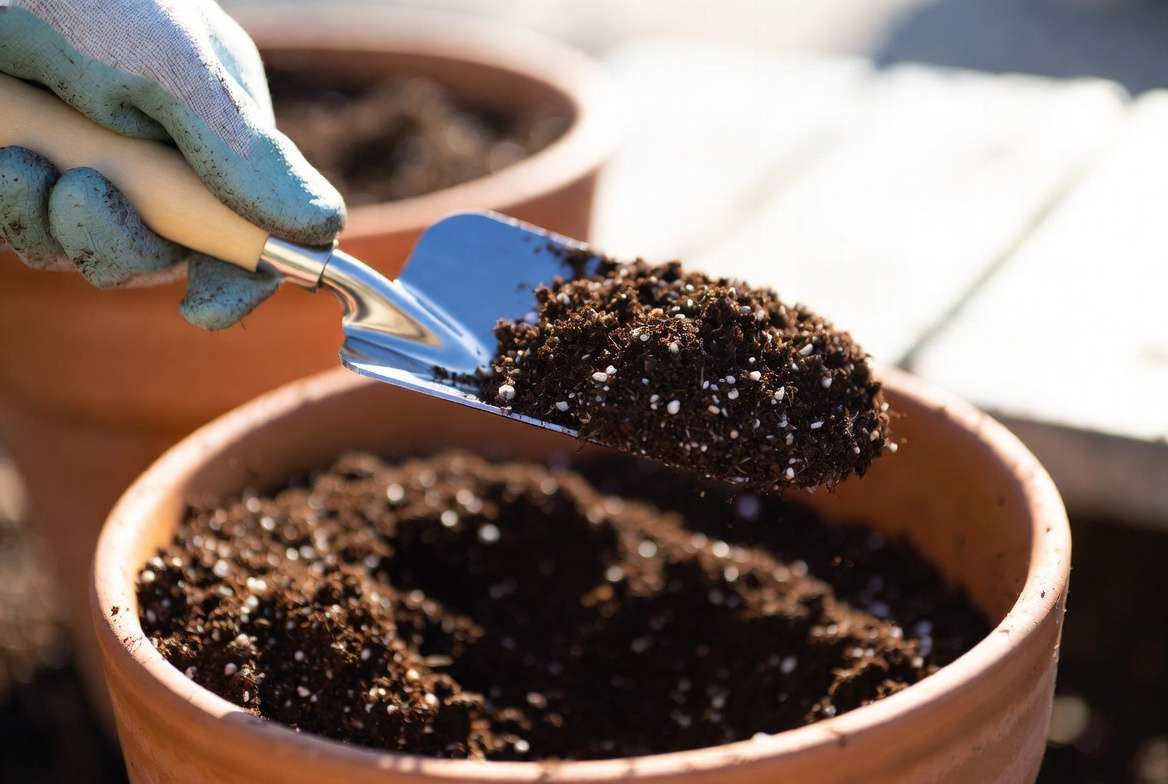
In a pot, soil is everything. You must use a high-quality, lightweight potting mix (not potting soil or garden soil). A premium mix should contain peat moss or coco coir for moisture retention, perlite (those little white balls) for drainage and root aeration, and a rich organic compost to feed the plants.
2. Master the Watering Schedule
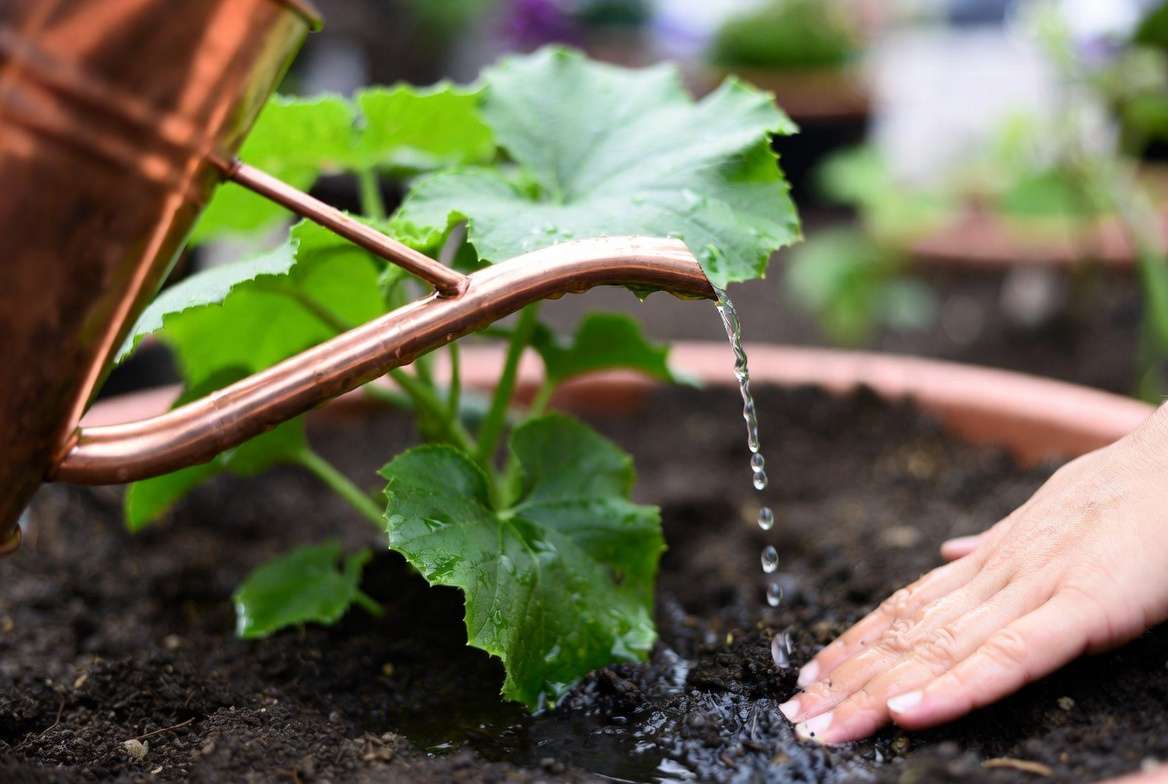
Because potted plants have their roots exposed to the air on all sides, they dry out up to 10 times faster than raised garden beds! During the heat of summer, you may need to water daily.
-
The Finger Test: Unsure if your plant needs water? Poke your index finger into the soil up to your second knuckle (about 2 inches down). If it feels dry, drench the pot until water runs out the bottom. If it feels moist, wait another day.
3. Fertilize Frequently
Every time you water your container garden, small amounts of essential nutrients wash out of the drainage holes. To achieve high-yield crops, you must replace those nutrients. Use a gentle, liquid organic fertilizer (like fish emulsion or a seaweed/kelp blend) every two weeks. This steady diet of nitrogen, phosphorus, and potassium will keep your plants pumping out fresh vegetables all season long. ✨
🛑 Common Container Gardening Mistakes (And How to Fix Them)
Avoid these common pitfalls to keep your urban garden thriving:
-
Mistake 1: Forgetting Drainage Holes.
-
The Problem: Water pools at the bottom of the pot, causing deadly root rot.
-
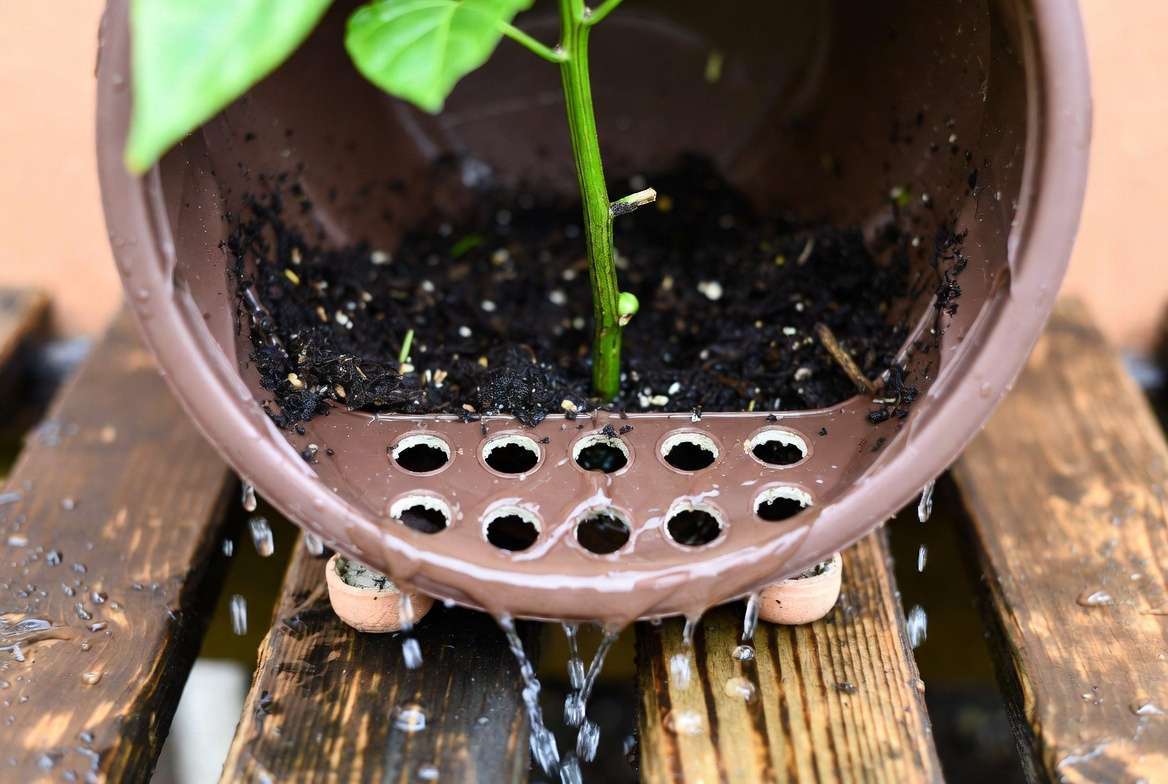
The Fix: Always ensure your containers have drainage holes. If you buy a decorative plastic pot without holes, use a drill to add 3 to 4 holes in the bottom before adding soil.
-
-
Mistake 2: Overcrowding the Pot.
-
The Problem: Stuffing three tomato plants into a single small pot forces them to compete for water and nutrients, resulting in stunted, fruitless plants.
-
The Fix: Respect spacing guidelines! One tomato or eggplant requires its own 5-gallon container.
-
-
Mistake 3: Using Pots That Are Too Small.
-
The Problem: Small pots heat up too quickly in the sun, cooking the roots and drying out in mere hours.
-
The Fix: When in doubt, size up! Refer to the cheat sheet at the beginning of this article to guarantee your roots have the space they need.
-
❓ Frequently Asked Questions (FAQs)
What is the easiest vegetable to grow in a pot? For absolute beginners, radishes and leafy greens (like lettuce and spinach) are the most foolproof crops. They grow rapidly, require shallow containers, and suffer from very few pest problems.
How deep should a container be for vegetables? It depends entirely on the root system of the crop. Shallow-rooted greens like lettuce and arugula only need 6 to 8 inches of depth. Deep-rooted, fruiting plants like tomatoes, eggplants, and cucumbers require a minimum of 12 to 18 inches.
Can I grow vegetables in plastic pots? Yes! Plastic pots are excellent because they are lightweight, retain moisture well, and are inexpensive. Just ensure the plastic is food-safe (look for recycling numbers 1, 2, 4, or 5 on the bottom) and always check that they have adequate drainage holes. While terracotta clay pots are beautiful and breathable, they dry out significantly faster than plastic in the hot summer sun.
🌻 Conclusion & Next Steps
Creating a thriving, productive vegetable garden doesn’t require acres of land or a massive backyard. By selecting the best vegetables for container gardening and following basic plant care principles, you can transform the smallest balcony, patio, or sunny windowsill into a vibrant source of fresh, organic food. Remember that gardening is an ongoing learning process—don’t be afraid to experiment, make a few mistakes, and enjoy the incredible satisfaction of eating food you grew with your own two hands! 💚
Now, I’d love to hear from you! Which of these high-yield container vegetables are you planning to plant first? Are you going to try the fast-growing radishes or the beautiful patio eggplants? Drop a comment below and let me know!











