Are you tired of staring at a flat, uninspired yard that lacks a true focal point? Most homeowners struggle with cookie-cutter landscapes, often planting standard shade trees only to realize they will have to wait decades for them to mature. If your garden feels visually flat or you are working with a tight space that cannot accommodate a massive oak, you need a landscape statement piece that delivers instant character.
Enter the weeping tree. With their dramatic, cascading branches and compact footprints, weeping trees are the ultimate landscaping solution for small yards and front garden beds. They offer year-round visual interest, from stunning spring blooms to architectural winter silhouettes. To help you find the perfect centerpiece for your property, we have evaluated hundreds of online nursery options, cross-referenced horticultural data, and verified real customer reviews to compile the definitive guide to the best 10 weeping trees available for home delivery right now.
Whether you are looking for an evergreen privacy screen, a fast-growing shade canopy, or a spectacular spring bloomer, this curated list will help you confidently select and order a high-quality tree that transforms your landscape the moment it is unboxed.
II. Quick Comparison: Our Top Picks at a Glance
If you are short on time and want to make a quick decision, use this mobile-friendly table to compare our top selections.
Note: Pricing on Amazon fluctuates based on seasonal availability and pot size (e.g., bare-root vs. 3-gallon containers).
III. Detailed Product Reviews: The Best 10 Weeping Trees
1. Snow Fountains® Weeping Cherry (Best Overall Spring Bloomer)
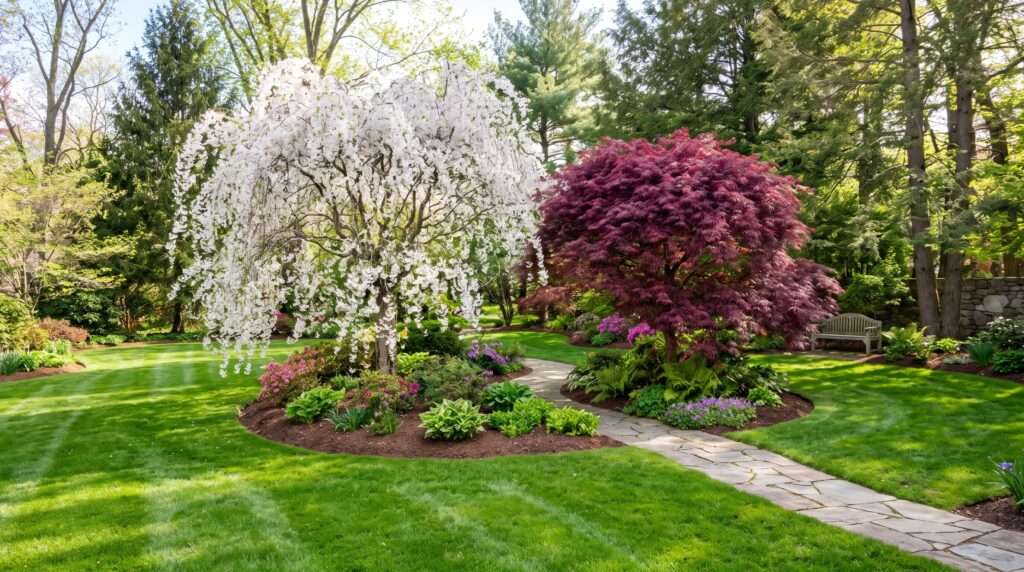
Product Description: When it comes to stopping traffic in your neighborhood, nothing competes with the Snow Fountains® Weeping Cherry. In early spring, before the leaves even appear, its cascading branches explode into a spectacular waterfall of snow-white blossoms. As the seasons progress, the blooms transition into lush, disease-resistant dark green foliage. Come autumn, this tree puts on one last show, turning vibrant shades of golden-orange and red. It is a masterpiece of seasonal progression that demands attention without overwhelming your garden space.
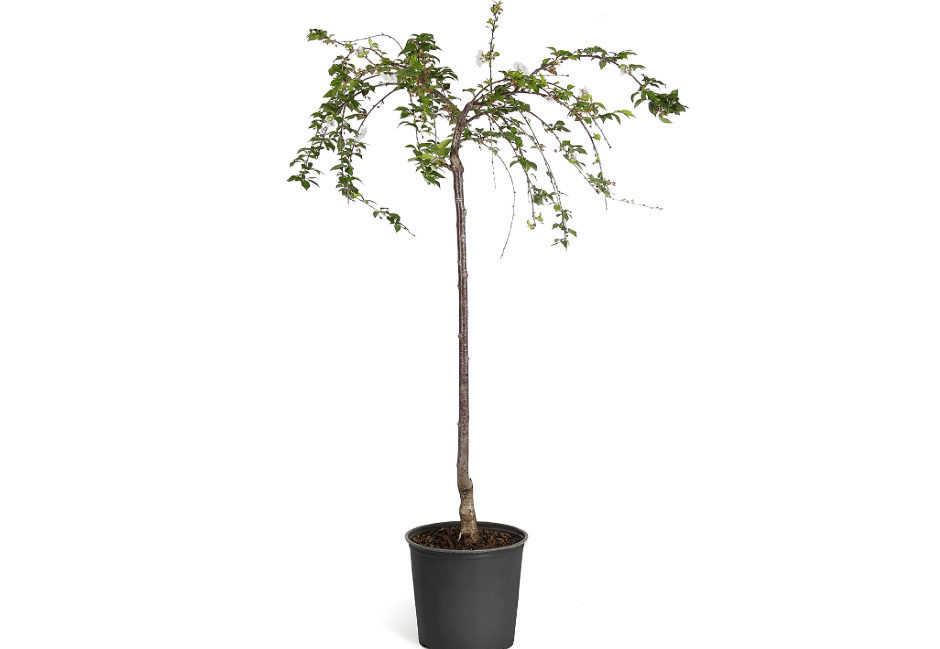
Price: $150.00
Key Features & Benefits:
-
Compact Stature: Naturally maxes out at 8 to 15 feet tall and wide.
-
Cold Hardy: Thrives in USDA Zones 5 through 9.
-
Wildlife Friendly: Highly attractive to early-season pollinators like bees and butterflies.
-
Low Maintenance: Requires virtually no pruning to maintain its perfect weeping umbrella shape.
Pros and Cons:
-
Pros: Show-stopping spring blooms; highly adaptable to various soil types; manageable size.
-
Cons: Shorter overall lifespan compared to evergreens; can be susceptible to Japanese beetles in heavily infested regions.
Amazon Customer Ratings & Reviews:4.6 out of 5 stars. Buyers frequently praise the incredibly secure packaging used by Amazon’s nursery partners, noting that the tree often arrives with buds ready to burst. Many reviews highlight that it survived its first winter beautifully and bloomed vigorously the following spring.
Why It’s a Good Choice for “best 10 weeping trees”: It consistently ranks at the very top of our best 10 weeping trees list because it offers the highest visual impact-to-maintenance ratio. It provides massive aesthetic value while remaining small enough for almost any yard.
Ideal Use Case: Homeowners wanting a spectacular front-yard centerpiece, a driveway accent, or a beautiful focal point near a patio seating area.
2. Niobe Golden Weeping Willow (Best for Fast Shade & Wet Areas)
Product Description: If you have a large property and need shade yesterday, the Niobe Golden Weeping Willow is your ultimate solution. This iconic tree is famous for its sweeping, golden-barked branches that gracefully brush the ground, bringing romantic, classic elegance to the landscape. Unlike most trees that struggle in poorly drained or swampy soil, the Niobe thrives in wet conditions, making it an incredibly functional landscape tool for soaking up excess yard water.
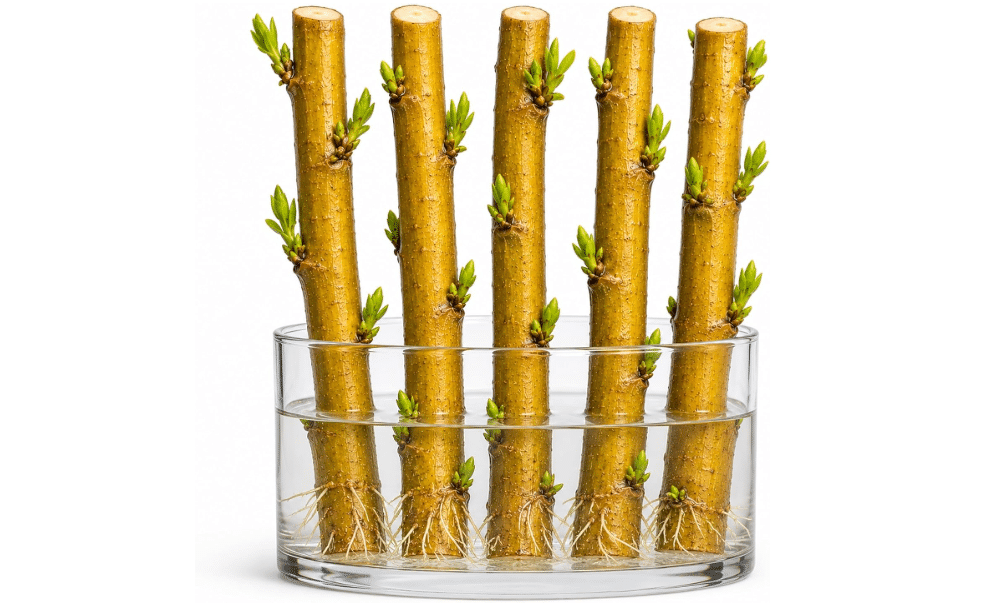
Price: $18.99
Key Features & Benefits:
-
Rapid Growth Rate: Can grow a staggering 3 to 4 feet per year.
-
Massive Canopy: Matures to an impressive 40 feet tall and 40 feet wide.
-
Water Loving: Perfectly adapted to wet, soggy, and poorly drained soils.
-
Winter Color: The golden-yellow bark provides beautiful visual interest even after leaves drop.
Pros and Cons:
-
Pros: Extremely fast shade producer; solves swampy yard drainage issues; gorgeous golden winter bark.
-
Cons: Aggressive root system (must be planted far away from septic tanks and underground pipes); prone to dropping small twigs after heavy storms.
Amazon Customer Ratings & Reviews:4.4 out of 5 stars. Customers rave about the sheer speed of growth. Several reviewers noted that they planted it to dry out a soggy patch of their lawn, and within two years, it had established a massive, healthy canopy.
Why It’s a Good Choice for “best 10 weeping trees”: No list of the best 10 weeping trees is complete without the classic willow. It remains the absolute best choice for expansive properties that need rapid structural planting.
Ideal Use Case: Property owners with large yards, ponds, creeks, or persistent drainage issues who have plenty of space and want quick, beautiful shade.
3. Crimson Queen Weeping Japanese Maple (Best for Small Gardens & Shade)
Product Description:The Crimson Queen Weeping Japanese Maple is the crown jewel of high-end landscape design. This delicate, low-mounding tree features lace-like, finely dissected leaves that emerge in a brilliant shade of deep red in the spring. Unlike other red maples that fade to green in the summer heat, the Crimson Queen holds its rich crimson color for months, culminating in a fiery scarlet display in autumn. Its weeping, cascading habit makes it look like a crimson waterfall frozen in time.
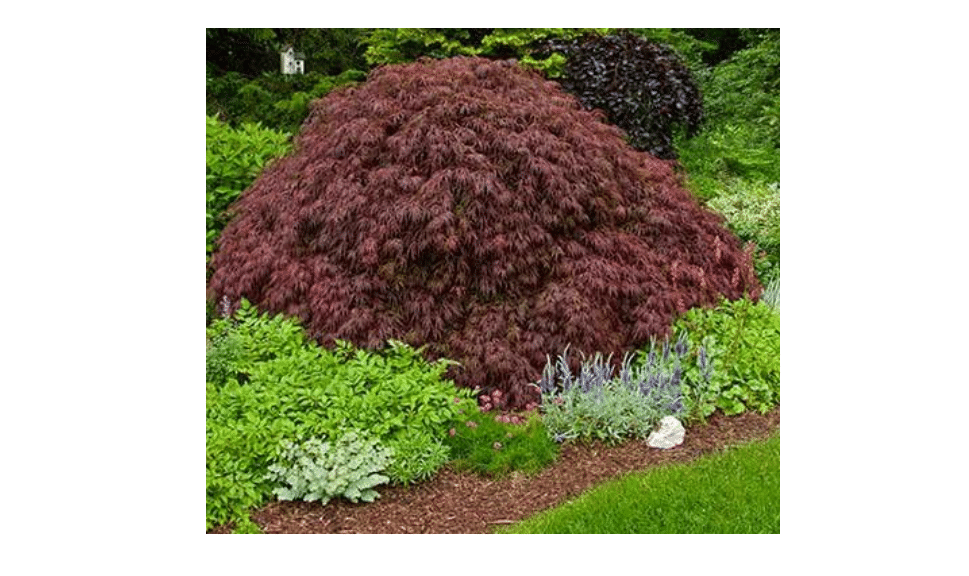
Price:
Key Features & Benefits:
-
Petite Footprint: Rarely exceeds 8 to 10 feet in height and width.
-
Exceptional Hardiness: Surprisingly cold hardy, performing beautifully in USDA Zones 5 through 8.
-
Shade Tolerant: One of the few brightly colored trees that thrives in dappled or partial shade.
-
Container Friendly: Shallow roots make it ideal for large premium planters.
Pros and Cons:
-
Pros: Spectacular, long-lasting color; perfect for tight spaces and container gardening; heavily textured, lace-like foliage.
-
Cons: Can suffer leaf scorch if exposed to intense, direct afternoon sun in hotter climates; slow grower.
Amazon Customer Ratings & Reviews:4.7 out of 5 stars. Reviewers on Amazon and other retail platforms are consistently blown away by the vibrant color out of the box. Many verified buyers emphasize the tree’s health upon arrival, noting the secure packaging that protected the delicate branches during shipping.
Why It’s a Good Choice for “best 10 weeping trees”: It earns its spot among the best 10 weeping trees as the premier choice for premium, sophisticated landscape design, offering unmatched foliage texture.
Ideal Use Case: Urban gardeners, patio owners, or anyone looking to add a pop of intense color to a shaded woodland garden or front entryway.
4. Ruby Falls Weeping Redbud (Best for Colorful Foliage)
Product Description: The Ruby Falls Weeping Redbud offers a rare, highly sought-after combination: an elegant cascading shape paired with dark, purple-red foliage. Before the leaves even emerge, the bare, twisting branches burst into a dense display of vibrant pink/purple pea-like flowers in early spring. Once the blooms fade, the tree unfurls massive, heart-shaped burgundy leaves that gracefully cascade toward the earth. It is a dual-season powerhouse that provides incredible contrast against standard green lawns.
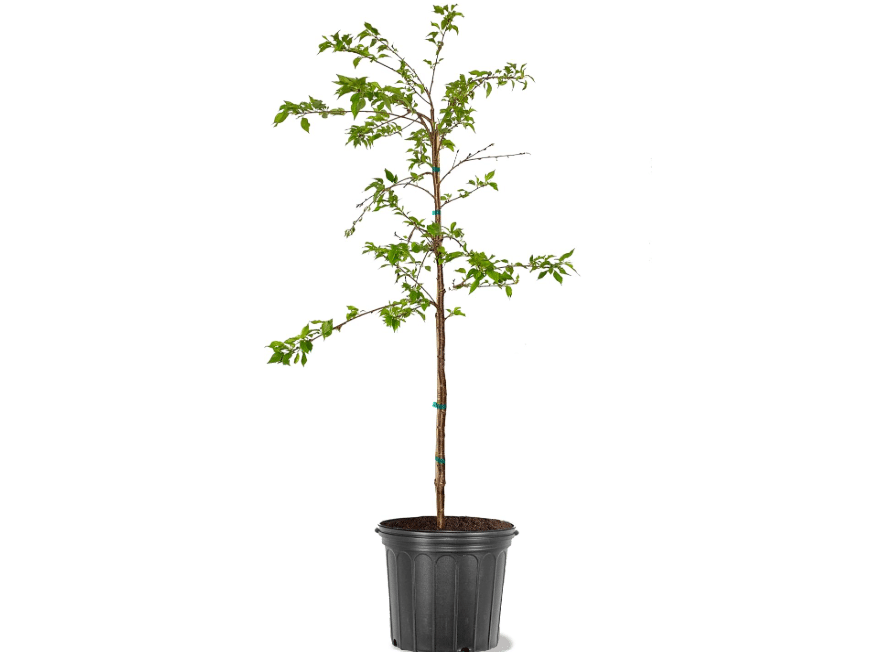
Price: $95.38
Key Features & Benefits:
-
Compact Size: Typically grows only 6 to 8 feet tall and 5 to 6 feet wide.
-
Dual-Season Interest: Intense spring blooms followed immediately by bold purple foliage.
-
Drought Tolerant: Highly resilient and water-wise once established in the ground.
-
Pollinator Magnet: An essential early nectar source for local bee populations.
Pros and Cons:
-
Pros: Two distinct seasons of intense, contrasting color; requires very little space; excellent resistance to common pests.
-
Cons: Because of its strong weeping habit, it may require temporary staking when young to help it reach your desired vertical height.
Amazon Customer Ratings & Reviews:4.8 out of 5 stars. Customers are highly satisfied with the color profile. Many Amazon reviewers point out that the dark purple leaves look stunning when planted against light-colored houses or fences, creating a professional landscape designer aesthetic.
Why It’s a Good Choice for “best 10 weeping trees”: Most weeping trees offer green foliage. The Ruby Falls is essential to our best 10 weeping trees list because it introduces deep, rich burgundy tones to the garden, maximizing color contrast.
Ideal Use Case: Gardeners with small spaces who want a striking color contrast against green lawns, or those looking to anchor a corner foundation planting.
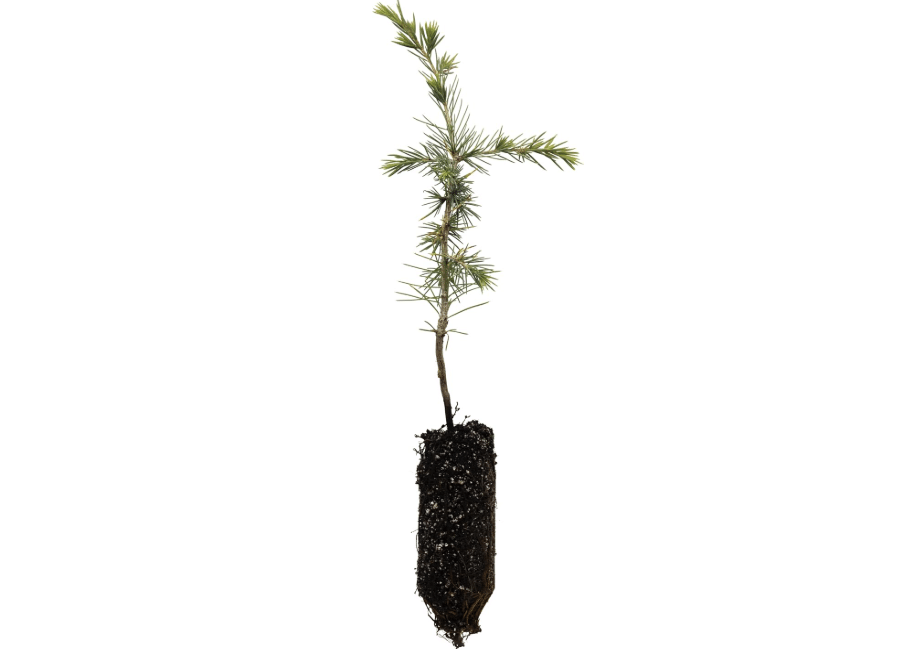
5. Weeping Blue Atlas Cedar (Best Evergreen Statement Piece)
Product Description: If you want a tree that looks like it was pulled straight out of a Dr. Seuss book, the Weeping Blue Atlas Cedar is exactly what you need. This evergreen doesn’t just grow; it dramatically sweeps, bends, and cascades. Its serpentine branches are covered in icy, silver-blue needles, creating a living, architectural sculpture. Because it is highly pliable when young, you can train it to grow over walls, down slopes, or over a sturdy trellis to create a customized, one-of-a-kind landscape feature that looks stunning covered in winter snow.
Price:
Key Features & Benefits:
-
Year-Round Beauty: An evergreen that provides structure and vibrant blue-silver color through the dead of winter.
-
Highly Trainable: Can be staked to grow upright, or left to cascade like a blue waterfall over rocks and walls.
-
Drought & Heat Resistant: Exceptionally tough once established, handling hot summers with ease (Zones 6-9).
-
Deer Resistant: The sharp, aromatic needles naturally deter deer and pests.
Pros and Cons:
-
Pros: Incredibly dramatic winter interest; highly customizable growth habit; nearly impervious to deer.
-
Cons: Requires initial training and staking to dictate its shape; needs ample horizontal space if left to spread naturally.
Amazon Customer Ratings & Reviews:4.5 out of 5 stars. Buyers frequently mention the robust health and immediate impact of the tree. Many reviews focus on how fun it is to shape and train the branches, noting that no two Weeping Blue Atlas Cedars look exactly alike.
Why It’s a Good Choice for “best 10 weeping trees”: A top-tier list of the best 10 weeping trees must include an evergreen. This cedar provides the absolute best structural, year-round privacy and architectural beauty on the market.
Ideal Use Case: Landscape enthusiasts looking for a highly custom architectural focal point, rock garden centerpieces, or draping over retaining walls.
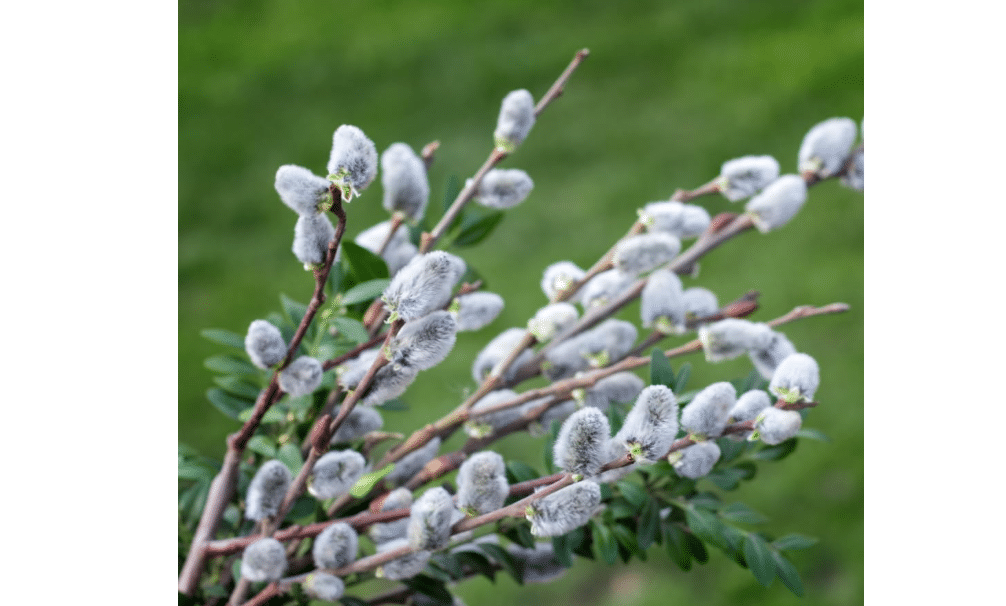
6. Weeping Pussy Willow (Best for Cold Climates & Winter Interest)
Product Description: When the rest of the landscape is barren and blanketed in snow, the Weeping Pussy Willow brings the first magical signs of life to your yard. In late winter, well before the spring thaw, its cascading, umbrella-like branches burst with soft, fuzzy, silvery catkins. These velvety blooms capture the late winter sunlight and offer incredible tactile and visual texture. Once spring fully arrives, the catkins give way to lance-shaped green leaves that provide a dense, cooling canopy throughout the summer months.
Price: $90.00
Key Features & Benefits:
-
Ultimate Cold Hardiness: Thrives effortlessly in frigid northern climates down to USDA Zone 4.
-
Umbrella Canopy: Forms a perfect, dome-like weeping habit that tops out at a manageable 6 to 8 feet.
-
Fast Grower: Establishes quickly, making it a highly gratifying tree for impatient gardeners.
-
Kid-Friendly: The soft, fuzzy winter catkins are a massive hit with children and sensory gardens.
Pros and Cons:
-
Pros: Unbeatable late-winter texture and interest; incredibly easy to grow; low maintenance.
-
Cons: Summer foliage is somewhat plain compared to redbuds or maples; requires regular watering during extreme droughts.
Amazon Customer Ratings & Reviews:4.3 out of 5 stars. Customers frequently share photos of the silver catkins coated in frost, expressing immense joy at having winter blooms. Reviewers praise the tree’s hardiness and how quickly it bounces back after being shipped bare-root or in small nursery pots.
Why It’s a Good Choice for “best 10 weeping trees”: A truly comprehensive list of the best 10 weeping trees must account for northern gardeners who endure long winters. This tree guarantees that your garden remains visually engaging even in February.
Ideal Use Case: Northern property owners who want a hardy, fast-growing winter focal point, or families looking to add a low-maintenance, interactive plant to their landscape.
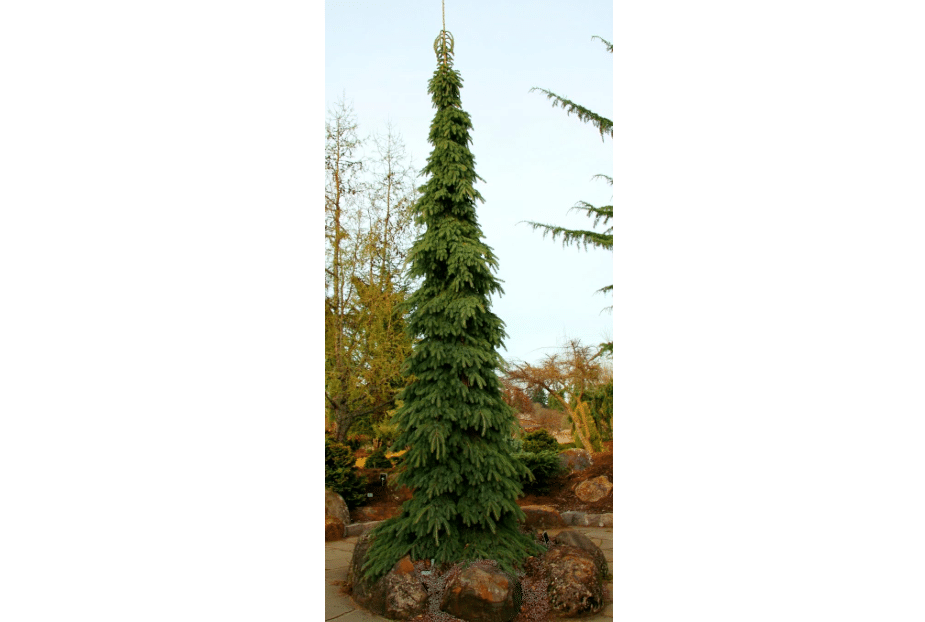
7. Weeping White Spruce (Best Narrow Evergreen)
Product Description: The Weeping White Spruce is the epitome of alpine elegance. Unlike the wide, sprawling Blue Atlas Cedar, this spruce grows as a dramatic, spire-like column. Its pendulous branches hang strictly downward, hugging the central trunk and creating a strikingly narrow, vertical silhouette. Covered in dense, blue-green needles, it looks as though it belongs on a snow-covered mountain peak. It is a highly refined architectural plant that draws the eye upward without eating up your valuable ground space.
Price:
Key Features & Benefits:
-
Extremely Narrow Footprint: Can grow 10 to 20 feet tall, but rarely exceeds 3 to 4 feet in width.
-
Cold Climate Champion: Exceptionally cold hardy, thriving in USDA Zones 2 through 6.
-
Zero Pruning: Naturally maintains its strict, pendulous, conical shape without any clipping.
-
Deer Resistant: The dense, sharp needles keep local wildlife at bay.
Pros and Cons:
-
Pros: Fits flawlessly into the tightest landscape spaces; completely maintenance-free shape; stunning vertical interest.
-
Cons: Struggles significantly in the hot, humid summers of southern climates (Zone 7 and above).
Amazon Customer Ratings & Reviews:4.6 out of 5 stars. Buyers are consistently thrilled with the perfect, symmetrical shape of the tree right out of the delivery box. Many reviewers mention planting them in pairs to frame a front entryway or driveway.
Why It’s a Good Choice for “best 10 weeping trees”: It brilliantly solves a major landscaping problem: finding a dramatic, weeping focal point for very tight side-yards or corner beds. It easily secures its place among the best 10 weeping trees.
Ideal Use Case: Homeowners with limited horizontal space who want a striking, vertical evergreen to frame doorways, anchor property corners, or add height to a flat garden bed.
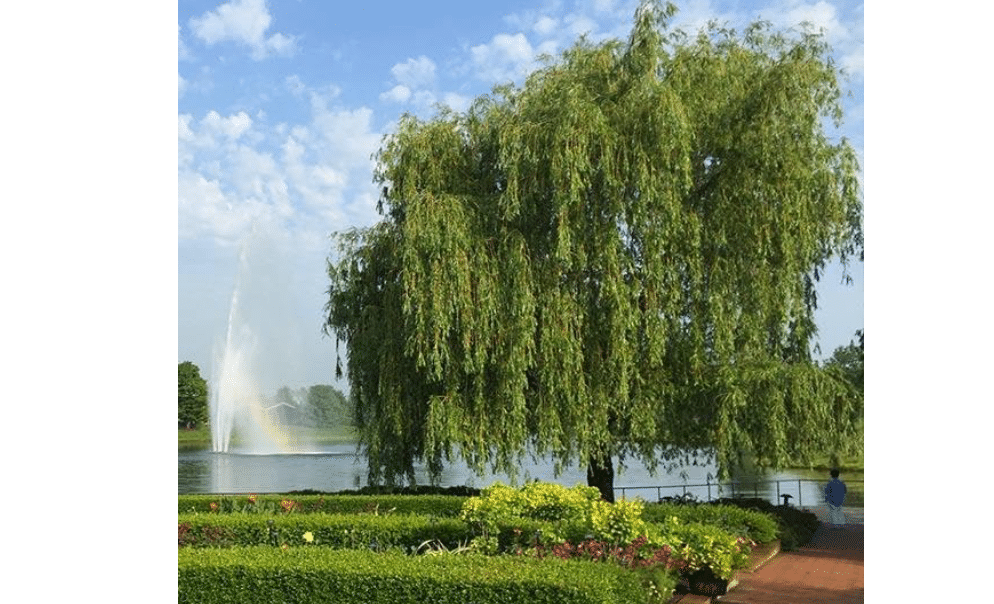
8. Camperdown Weeping Elm (Best for Creating a Natural Canopy/Hideout)
Product Description: For those seeking a touch of storybook whimsy, the Camperdown Weeping Elm is an absolute marvel. This tree features sprawling, twisted branches that grow horizontally before plunging toward the earth, creating a massive, dense, dome-like canopy. Its large, heavily veined, dark green leaves overlap so thickly that they create a completely shaded “room” underneath. It is the ultimate natural fort, offering a heavy, romantic canopy that feels like a secret garden escape.
Price:
Key Features & Benefits:
-
Unmatched Shade Canopy: Creates a dense, umbrella-like roof that effectively blocks the sun.
-
Manageable Height: Typically grafted to max out at a perfect 10 to 15 feet tall.
-
Urban Adaptability: Highly tolerant of city pollution and poor urban soils (Zones 4-8).
-
Structural Winter Beauty: When the leaves drop, the gnarled, twisting branches offer incredible architectural interest.
Pros and Cons:
-
Pros: Creates a magical shaded space beneath the canopy; incredible branch structure; highly adaptable.
-
Cons: Can be susceptible to Dutch Elm Disease and leaf miners depending on your local region; requires a wide footprint to look its best.
Amazon Customer Ratings & Reviews:4.2 out of 5 stars. User reviews often feature heartwarming stories of setting up garden benches, reading chairs, or children’s play areas underneath the expansive canopy. Buyers note it establishes quickly in most soil types.
Why It’s a Good Choice for “best 10 weeping trees”: No other option on the list of the best 10 weeping trees provides such a robust, impenetrable canopy of shade. It is a living pavilion.
Ideal Use Case: Families wanting a whimsical natural play space for children, or gardeners looking to create a shaded, secluded seating area in the middle of a sunny lawn.
9. Lavender Twist® Weeping Redbud (Best Unique Trunk/Branch Structure)
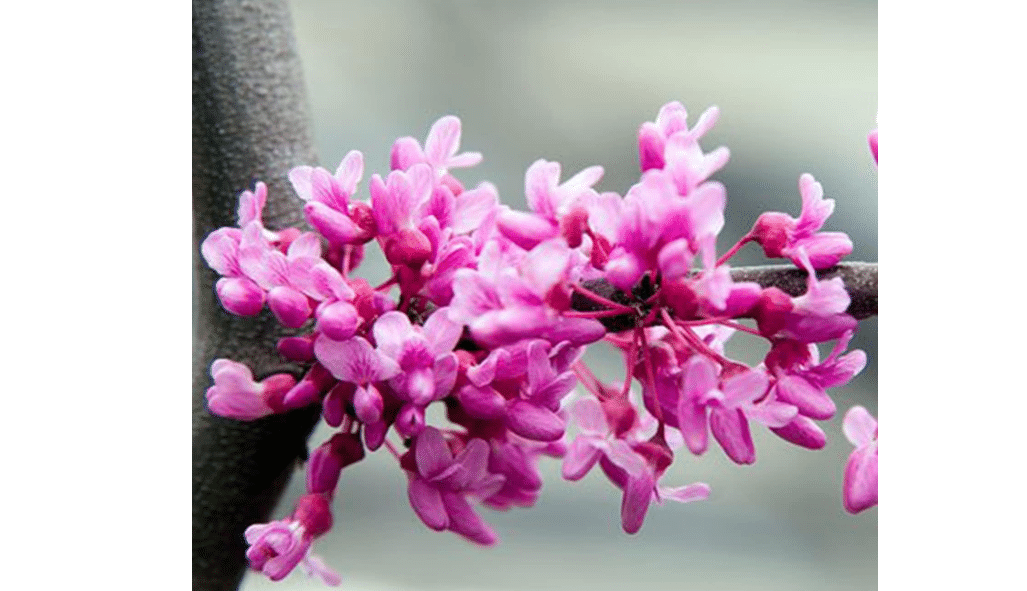
Product Description: While the Ruby Falls Redbud is famous for its purple leaves, the Lavender Twist® Weeping Redbud is renowned for its mesmerizing, contorted branching. This tree is a living piece of modern art. In winter, its zigzagging, twisting branches cascade toward the ground like a corkscrew. In early spring, those bare, twisted branches burst into a dense, stunning display of lavender-pink blossoms. Throughout summer, it offers a dense canopy of large, green, heart-shaped leaves that turn a cheerful golden-yellow in the fall.
Price: $170.00
Key Features & Benefits:
-
Contorted Architecture: Unique zigzag branching that sets it apart from standard weeping trees.
-
Pollinator Friendly: Blooms early in the season, attracting hummingbirds and essential bees.
-
Umbrella Habit: Creates a wide, weeping mound that tops out around 6 to 8 feet tall.
-
Versatile Hardiness: Performs beautifully across a wide range of climates (Zones 5-9).
Pros and Cons:
-
Pros: Phenomenal, artful winter silhouette; heavy spring bloomer; beautiful heart-shaped foliage.
-
Cons: A slightly slower grower compared to standard upright redbuds; branches can be delicate when very young.
Amazon Customer Ratings & Reviews:4.7 out of 5 stars. Verified Amazon purchasers consistently highlight the breathtaking architectural branching. Many reviewers state that the tree looks just as fascinating bare in January as it does in full bloom in April.
Why It’s a Good Choice for “best 10 weeping trees”: It offers a superior green-leafed alternative for those who love the weeping redbud habit but want a more aggressive, contorted winter branch structure.
Ideal Use Case: Gardeners seeking a highly structural, artistic focal point near a patio, water feature, or prominent front walkway.
10. Purple Fountain Weeping Beech (Best Upright Weeping Focal Point)
Product Description: Rounding out our list is the majestic Purple Fountain Weeping Beech. This premium specimen features a strong, upright central trunk from which narrow, pendulous branches cascade gracefully. The tree is completely draped in rich, dark burgundy foliage that holds its color beautifully throughout the summer months before transitioning to a striking copper in the autumn. Even in winter, the tree’s smooth, elephant-gray bark and upright, weeping silhouette provide an air of undeniable sophistication.
Price: $21.99
Key Features & Benefits:
-
Columnar Weeping Habit: Grows tall and proud (up to 25 feet) but stays remarkably narrow (only 10 feet wide).
-
Premium Color: Deep, regal purple foliage that rivals high-end Japanese Maples.
-
Winter Bark: Smooth, striking gray bark that stands out beautifully against the snow.
-
Long-Lived: A slow-growing, incredibly resilient tree that can outlive many other garden additions (Zones 4-7).
Pros and Cons:
-
Pros: Tall, narrow growth is perfect for property lines and screening; stunning premium color; sophisticated bark.
-
Cons: Often carries a premium price tag due to slow nursery propagation; highly intolerant of wet, poorly drained soil.
Amazon Customer Ratings & Reviews:4.5 out of 5 stars. Customers rave about the intense, saturated color and the elegant, towering stature of the tree. Reviews frequently mention that the tree arrived in excellent condition, though buyers note you must ensure good soil drainage for it to thrive.
Why It’s a Good Choice for “best 10 weeping trees”: It perfectly completes our collection of the best 10 weeping trees by providing a premium, tall-but-narrow deciduous option that delivers incredible height without overwhelming horizontal space.
Ideal Use Case: Homeowners wanting a tall, striking exclamation point in their landscape design, or those looking to break up long, monotonous property lines and fences without sacrificing ground space.
IV. The Ultimate Weeping Tree Buying Guide
Ordering a live tree online is a fantastic way to access rare and premium varieties, but to ensure your investment thrives, you need to make an informed decision. Before you click “Add to Cart,” keep these critical buying factors in mind:
1. Assess Your USDA Hardiness Zone
Never fall in love with a tree without first checking its hardiness zone. If you live in the frigid winters of Minnesota (Zone 4), the Weeping Pussy Willow or Weeping White Spruce will thrive, but a Japanese Maple might struggle. Conversely, southern gardeners (Zone 8+) need to avoid the White Spruce and lean toward heat-tolerant options like the Blue Atlas Cedar. Always check the Amazon listing specs against your local zip code’s USDA Zone.
2. Understand Siting and Spacing
The biggest mistake homeowners make is ignoring a tree’s mature width. A Weeping Willow will easily swallow a 40-foot diameter space, requiring careful placement away from homes, sidewalks, and septic systems. If you have a tight urban plot or narrow side yard, you must opt for narrow, columnar weeping trees like the Weeping White Spruce or Purple Fountain Beech.
3. Evergreen vs. Deciduous
Decide what your landscape needs most. If your yard looks like a barren wasteland from November to March, prioritize an Evergreen (like the Blue Atlas Cedar) for structural, year-round color. If you are desperate for explosive spring color and dynamic seasonal changes, prioritize a Deciduous tree (like the Snow Fountains Cherry or Lavender Twist Redbud).
4. Root Stock and Grafting Checks
Many of the premium trees on this list are “grafted”—meaning the beautiful weeping top was fused onto a sturdy, straight rootstock trunk by the nursery. When your tree arrives, locate the graft line (a small bump or scar near the top of the trunk). You must routinely prune away any upright shoots (called “suckers”) that try to grow from below this line, otherwise, the standard rootstock will overtake the beautiful weeping branches.
V. Conclusion
Upgrading your home’s curb appeal doesn’t require a total landscape overhaul; it simply requires the right statement piece. Whether you want the rapid shade of a Golden Willow, the compact crimson fire of a Japanese Maple, or the winter architecture of a Blue Atlas Cedar, investing in any of the best 10 weeping trees guarantees an immediate elevation in your property’s aesthetic value.
Don’t wait for your local big-box store to stock generic, picked-over inventory. Double-check your hardiness zone, review the dimensions, and secure your perfect weeping tree online today before the seasonal planting rush depletes the best nursery stock. Happy planting!