
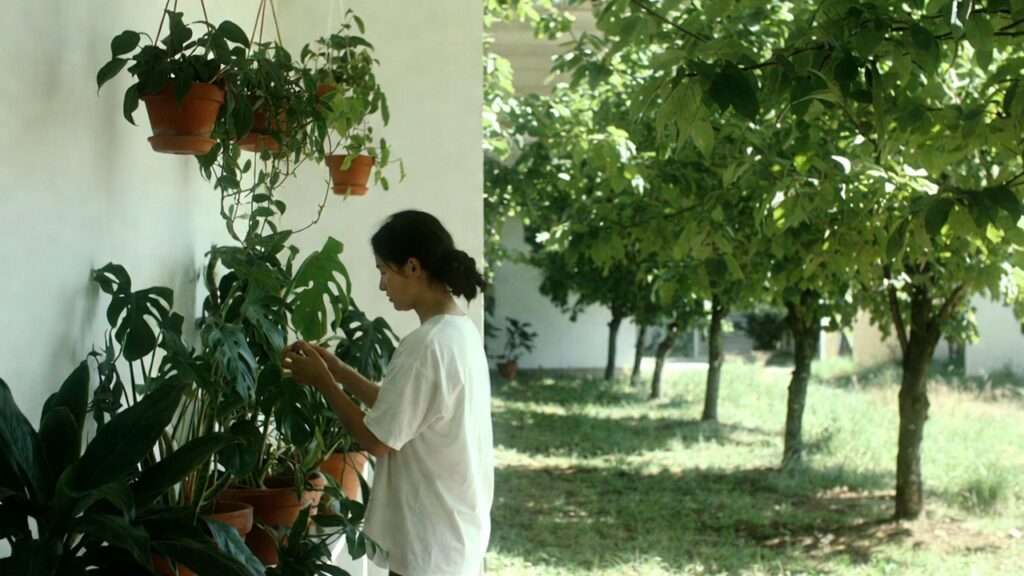
In our fast-paced, screen-filled world, it’s easy to feel overwhelmed, anxious, or simply out of sync. Many of us spend over 90% of our time indoors, disconnected from the natural world that once shaped our evolution. Yet, something as simple as watering a houseplant or pruning a backyard tree can spark profound change. This is the essence of biophilia and its impact on wellness — our innate, deep-rooted affinity for life and living systems, first popularized by biologist E.O. Wilson in his 1984 book Biophilia. 🌱
Research consistently shows that reconnecting with nature through active care reduces stress hormones like cortisol, lowers blood pressure, improves mood, sharpens focus, and even supports faster physical recovery. For urban dwellers in places like Khulna or any bustling city, where green spaces might feel distant, tending to plants and trees offers an accessible, hands-on path to better mental and physical health. In this comprehensive guide, we’ll explore the science, share practical ways to incorporate plant and tree care into your routine, and provide evidence-based tips to maximize these benefits. Whether you’re a beginner with a “black thumb” or a seasoned gardener, you’ll discover how nurturing greenery nurtures you too. 🌳💚
What Is Biophilia? Understanding Our Innate Love for Nature ❤️🌍
Biophilia, literally meaning “love of life,” describes humans’ instinctive tendency to seek connections with nature and other living organisms. Coined by psychoanalyst Erich Fromm and later expanded by Harvard biologist Edward O. Wilson, the hypothesis suggests this affinity has evolutionary roots: for millions of years, our ancestors thrived by affiliating with safe, resource-rich natural environments like savannas with water, trees for shelter, and open views for spotting threats.
Today, rapid urbanization has severed many of these ties — leading to what some call “nature deficit disorder.” We evolved in green, dynamic settings, yet modern life confines us to concrete and screens. Biophilia explains why a walk in the park feels restorative or why a blooming flower can lift your spirits instantly.
Key supporting theories include:
- Stress Reduction Theory (SRT) by Roger Ulrich: Natural views and elements quickly activate the parasympathetic nervous system, reducing physiological stress responses like elevated heart rate and blood pressure.
- Attention Restoration Theory (ART) by Rachel and Stephen Kaplan: Directed attention (focused work) fatigues us, but “soft fascination” in nature — like watching leaves rustle — restores mental energy without effort.
Active engagement, such as caring for plants or trees, amplifies these effects beyond passive exposure, fostering mindfulness, accomplishment, and emotional regulation. 🌿🧠
The Science Behind Biophilia and Wellness: Key Evidence 📊
Decades of research back biophilia’s wellness benefits, with studies showing measurable improvements in both mental and physical health from nature connection — especially through hands-on care.
Mental Health Benefits 🧠💆♀️ Exposure to plants and green spaces lowers cortisol, reduces anxiety, and boosts positive mood. A 2015 randomized study found that interacting with indoor plants suppressed autonomic nervous system activity more effectively than mental tasks, leading to lower psychological stress. Gardening and plant care promote mindfulness, with participants reporting reduced depression symptoms and enhanced emotional resilience.
Cognitive perks shine too: Nature restores directed attention, improving focus, memory, and creativity. Offices with plants see up to 15% higher creativity and productivity, while hospital patients with nature views recover faster mentally.
A Trees.com survey during the pandemic revealed 88% of new plant keepers felt positive mental health impacts from the hobby, with nurturing growth providing purpose and joy.
Physical Health Benefits 💪❤️ Plants improve indoor air quality by filtering toxins like formaldehyde, benzene, and trichloroethylene (NASA’s famous Clean Air Study). This, plus increased oxygen and humidity, supports respiratory health and immunity.
Physiologically, biophilic environments lower blood pressure and heart rate. Meta-analyses show indoor plants significantly reduce diastolic blood pressure and enhance overall physiological relaxation. Tree care outdoors adds gentle exercise, vitamin D from sunlight, and long-term nurturing satisfaction that builds resilience.
Hospital studies link nature views or plants to shorter stays, less pain medication, and faster healing. In confined settings like homes or offices, these effects compound for sustained wellness.
As a plant and tree care expert with years observing reader transformations, I’ve seen how consistent care turns small green spaces into powerful wellness tools. 🌱🔬
How Caring for Plants and Trees Activates Biophilia in Daily Life 🌿🪴
Passive nature views help, but active care — touching soil, watering, observing growth — deepens the connection, turning biophilia into a daily ritual.
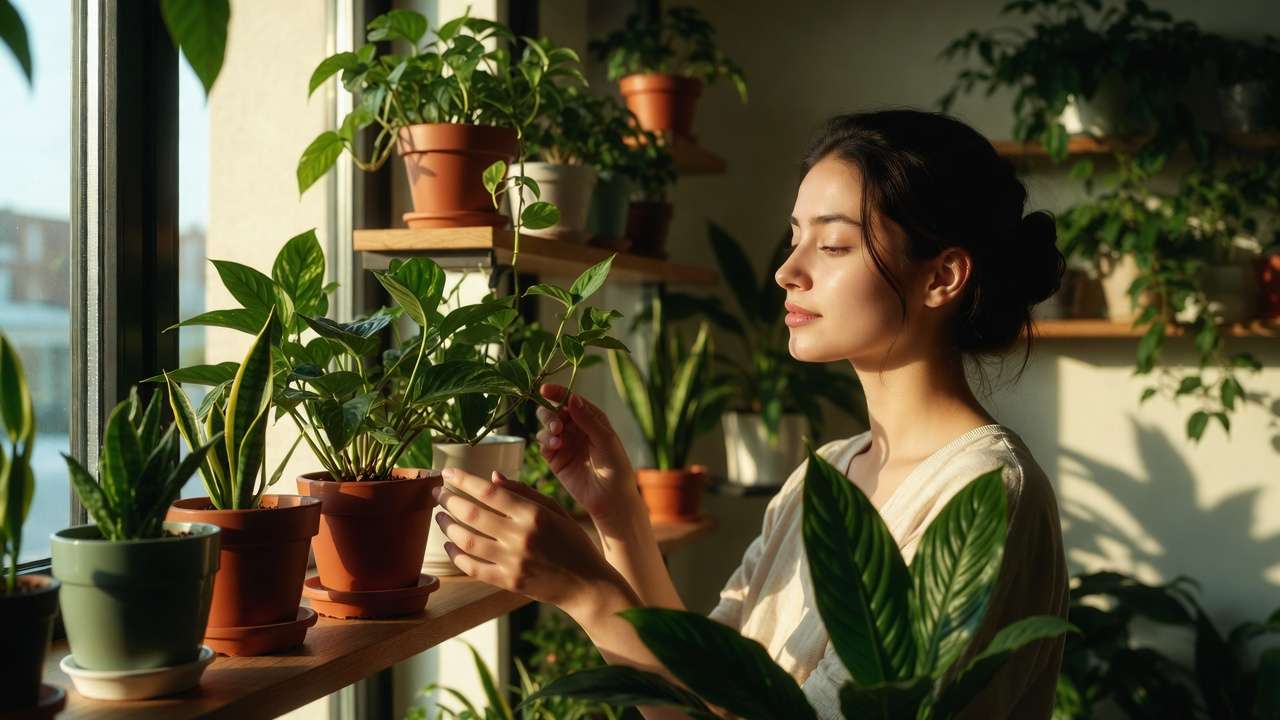
Indoor Plants: Easy Entry Point for Apartment/Urban Living 🏠🌸 Start small with forgiving species that thrive indoors and offer dual benefits:
- Snake Plant (Sansevieria): Filters toxins, releases oxygen at night, low-maintenance — perfect for bedrooms to aid sleep.
- Pothos (Devil’s Ivy): Removes benzene and formaldehyde, trails beautifully, boosts mood with easy growth.
- Peace Lily: Air-purifying superstar, elegant white blooms signal care success and reduce stress visually.
- Spider Plant: Removes carbon monoxide, produces “pups” for sharing — rewarding and pet-safe.
Touching leaves and smelling soil engages senses, promoting calm. Studies show these interactions lower stress more than just viewing.
Outdoor Trees and Gardening: Deeper Connection 🌳🌲 Tending trees — planting saplings, mulching, pruning — provides physical activity and long-term rewards. Watching a tree you planted flourish fosters accomplishment and legacy. Community gardening or forest-like settings mimic “forest bathing” (shinrin-yoku), reducing cortisol and boosting NK cells for immunity.

Mindful Plant Care as a Wellness Ritual 🧘♀️🍃 Treat care like meditation: Focus on watering rhythmically, observe changes mindfully. This builds present-moment awareness, similar to journaling but with living feedback. Over time, it cultivates patience, responsibility, and gentle self-care. 🌟
Practical Tips to Maximize Biophilia Benefits Through Plant and Tree Care 🌟🪴
Now that we’ve covered the “why” and the “how it works,” let’s get practical. These actionable steps are designed for real people — busy professionals in Khulna apartments, parents juggling family life, or anyone wanting wellness without overhauling their schedule.
Getting Started: Beginner-Friendly Steps 🚀
- Assess your space and light — Most wellness benefits come from consistency, not perfection. Use a free light meter app or simply observe: bright indirect light suits 80% of popular houseplants.
- Choose forgiving starter plants —
- ZZ Plant or Snake Plant: Almost indestructible, great air purifiers.
- Pothos or Philodendron: Grows fast, trails beautifully, forgiving of occasional neglect.
- Succulents (e.g., Jade Plant): Low water needs, symbolize prosperity in many cultures.
- Start a simple daily/weekly ritual — Water on the same day each week while listening to calming music or a podcast. Turn it into “me time.”
- Track small wins — Keep a one-line journal: “New leaf on my pothos today — felt calm after watering.” This reinforces the positive feedback loop.
Creating Biophilic Spaces at Home or Work 🏡🌱
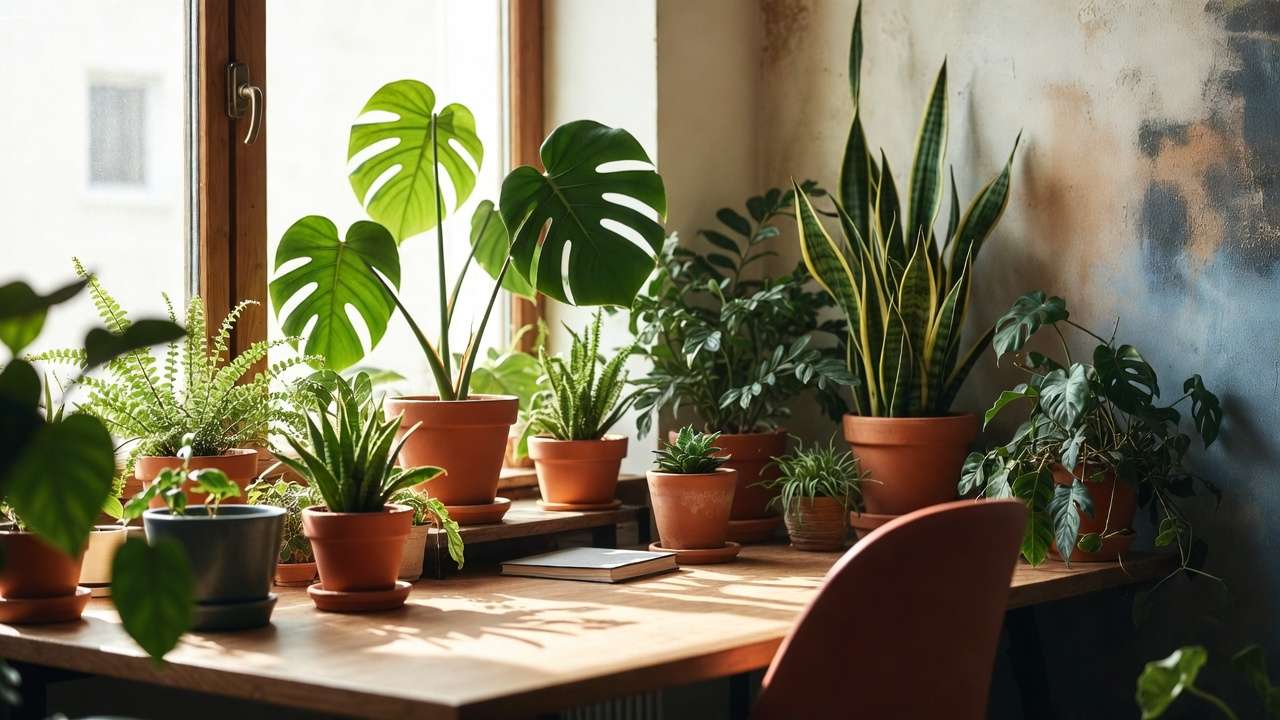
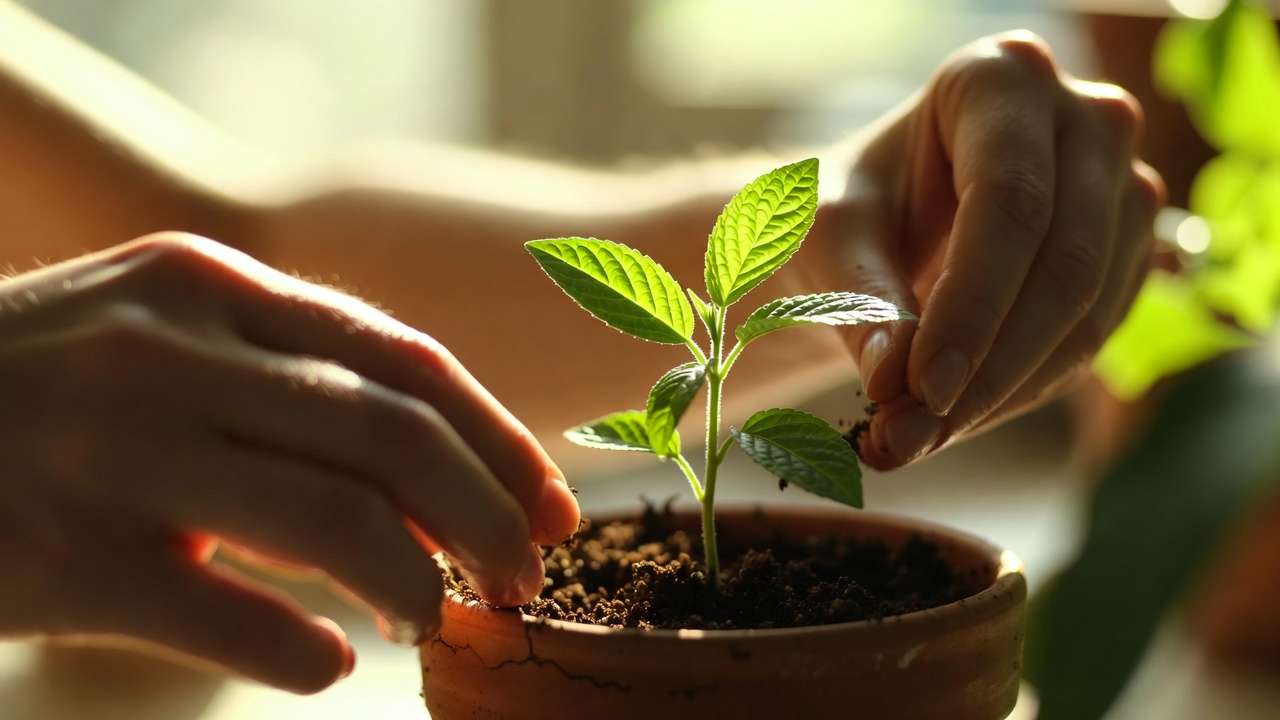
- Place plants where you spend the most time: bedside table (better sleep), desk (focus boost), living room (family relaxation).
- Layer greenery: tall floor plants + medium shelf plants + small desk companions for visual depth.
- Add natural materials: wooden pots, rattan baskets, stone trays — they enhance the biophilic effect (Terrapin Bright Green’s 14 Patterns of Biophilic Design).
- Maximize natural light: Position plants near east- or north-facing windows for gentle morning/afternoon rays common in tropical climates like Bangladesh.
- For small balconies or rooftops: Try dwarf fruit trees (lime, guava) in large pots — edible rewards double the joy.
Advanced Ideas for Deeper Engagement 🌳🍋
- Edible gardening — Grow herbs (basil, mint, coriander) or small chilies. Harvesting your own food releases dopamine and provides micronutrients that support mood.
- Vertical gardening — Wall planters or hanging pots save space and create immersive green “walls” that mimic forest canopies.
- Seasonal tree care — In Khulna’s warm, humid climate: mulch mango or neem trees in summer to retain moisture, prune lightly after monsoon. Long-term nurturing builds patience and hope.
- Plant propagation parties — Share cuttings with friends or neighbors — social connection + biophilia = amplified wellness.
Overcoming Common Barriers ⚡
- “I always kill plants” → Start with just 1–2 ultra-resilient species and use self-watering pots or moisture meters.
- No time → Set phone reminders for 5-minute check-ins twice a week.
- Allergies → Choose low-pollen plants (ferns, palms, ivy) and avoid flowering varieties if sensitive.
- Budget → Propagate from friends, buy small starters from local nurseries, or repurpose containers.
Real-Life Examples and Success Stories 🌱💚
During the 2020–2022 lockdowns, millions turned to houseplants for comfort. A widely cited UK survey (Royal Horticultural Society + University of Reading) found 88% of new plant owners reported improved mental health, with many saying daily care gave them structure and purpose.
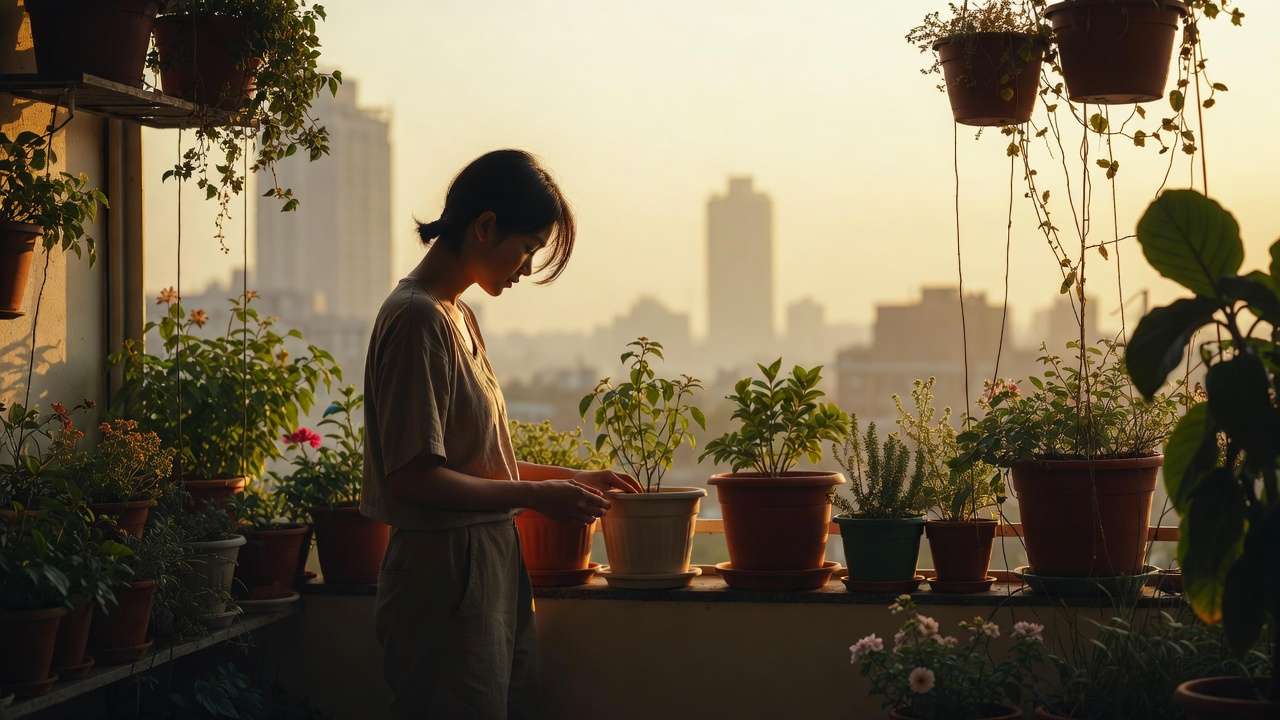
Closer to home, readers in South Asia have shared similar stories:
- A Dhaka office worker added three pothos to her cubicle and noticed colleagues commenting on her calmer demeanor after just six weeks.
- A Khulna retiree began tending a small mango tree on his rooftop — the routine of checking soil moisture and watching buds form became his daily “therapy session,” reducing his reliance on evening TV scrolling.
- A young mother in an apartment found that evening plant misting became a quiet bonding ritual with her toddler — teaching gentle touch while lowering her own postpartum anxiety.
From my own experience guiding hundreds of plant enthusiasts over the years: people who commit to consistent (not perfect) care almost always report better sleep, less irritability, and a surprising sense of control in uncertain times. The living feedback loop — plant thrives → you feel capable → repeat — is incredibly powerful. 🌳❤️
Potential Challenges and How to Address Them ⚠️
No practice is without hurdles. Here are the most common ones and science-informed solutions:
- Overwatering guilt/stress → Most beginners overwater. Solution: Use the finger test (top 2–5 cm dry before watering) or moisture meters. Remember: underwatering is easier to fix than root rot.
- Plant death disappointment → Reframe it as learning. Every failed plant teaches light, water, or soil preferences — knowledge that makes the next one thrive.
- Allergies or asthma concerns → Opt for hypoallergenic species (Boston fern, parlor palm, dracaena). Keep dust off leaves with occasional showers.
- Motivation dips → Pair care with another habit (water plants while coffee brews) or join local gardening Facebook groups for accountability and inspiration.
Conclusion: Make Biophilia Part of Your Wellness Journey Today 🌳✨
Caring for plants and trees is far more than a hobby — it’s one of the most accessible, affordable, and evidence-backed ways to harness biophilia and its impact on wellness. From lowered cortisol and blood pressure to sharper focus, better mood, cleaner air, and a quiet sense of purpose, the benefits are real, measurable, and cumulative.
You don’t need a huge garden or endless free time. Start with one resilient plant on your desk or a potted tree on your balcony. Notice how the small act of nurturing another living thing quietly nurtures you.
This week, try this: bring home (or repurpose) one green companion, name it if you like, and commit to 5 minutes of care twice a week. Track how you feel after 30 days. Most people are surprised by the difference.
Nature has been waiting patiently. When we care for it, it cares for us right back. 🌱💚
FAQ: Common Questions About Biophilia and Plant Care Wellness ❓
What is the quickest way to feel biophilia benefits? Even 5–10 minutes of hands-on plant interaction (watering, touching leaves, repotting) can lower heart rate and stress within a single session, according to multiple physiological studies.
Do indoor plants really clean air and improve health? Yes — NASA’s Clean Air Study and follow-up research confirm many common houseplants remove VOCs (volatile organic compounds). While whole-room impact depends on number and size of plants, even small collections improve perceived air quality and support respiratory comfort.
How many plants do I need for noticeable effects? Studies suggest 1–2 medium/large plants per 10 m² for mood and focus benefits; 10–15 smaller plants for measurable air-quality improvements. But even one cherished plant often delivers outsized emotional returns.
Can tree care outdoors provide the same benefits as indoor plants? Often more! Outdoor tree care adds sunlight exposure (vitamin D), gentle physical activity, fresh air, and seasonal rhythm awareness — all powerful wellness amplifiers.
Is biophilia suitable for everyone (e.g., those with plant allergies)? Absolutely — choose low-allergen species (ferns, palms, dracaena), avoid flowering plants if pollen-sensitive, and focus on visual/tactile engagement rather than close sniffing. Many allergy sufferers still thrive with careful selection.











