
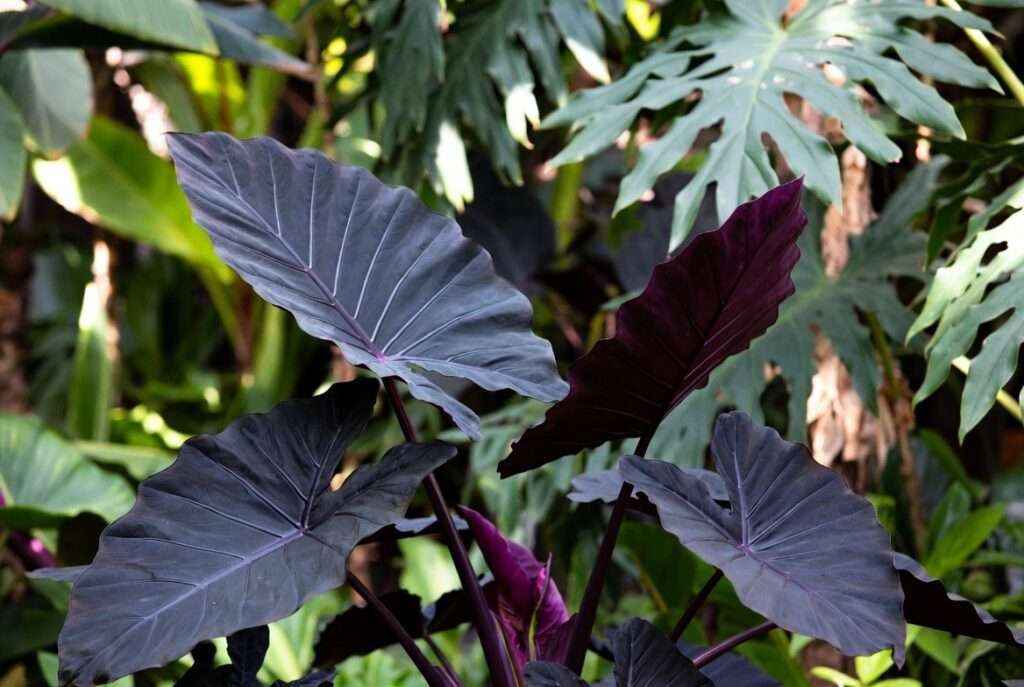
Picture a garden focal point so dramatic it stops visitors in their tracks: massive, heart-shaped leaves shimmering in deep, almost black-purple velvet, catching every ray of sunlight like living gothic art. That’s the unforgettable charm of the black magic elephant ear plant — and yet, so many plant lovers bring one home only to watch those show-stopping dark leaves fade to dull green or droop in disappointment.
If you’re tired of guessing why your black magic elephant ear plant isn’t living up to its name, this complete expert guide is here to change that. As a certified horticulturist with more than 15 years growing tropical beauties in zones 4 through 11 (and helping thousands of home gardeners do the same), I’ve tested every trick in the book so you don’t have to.
In this 2026-updated skyscraper guide, you’ll discover exactly how to grow a black magic elephant ear plant (Colocasia esculenta ‘Black Magic’) that delivers jaw-dropping dark foliage all season long — whether in your backyard border, a patio container, or even indoors. From soil secrets that lock in that signature color to foolproof overwintering tips for cold climates, every step is practical, tested, and designed to solve the real problems gardeners face.
Ready to unlock the magic? Let’s dive in! ✨🐘
What Is the Black Magic Elephant Ear Plant? 🌱
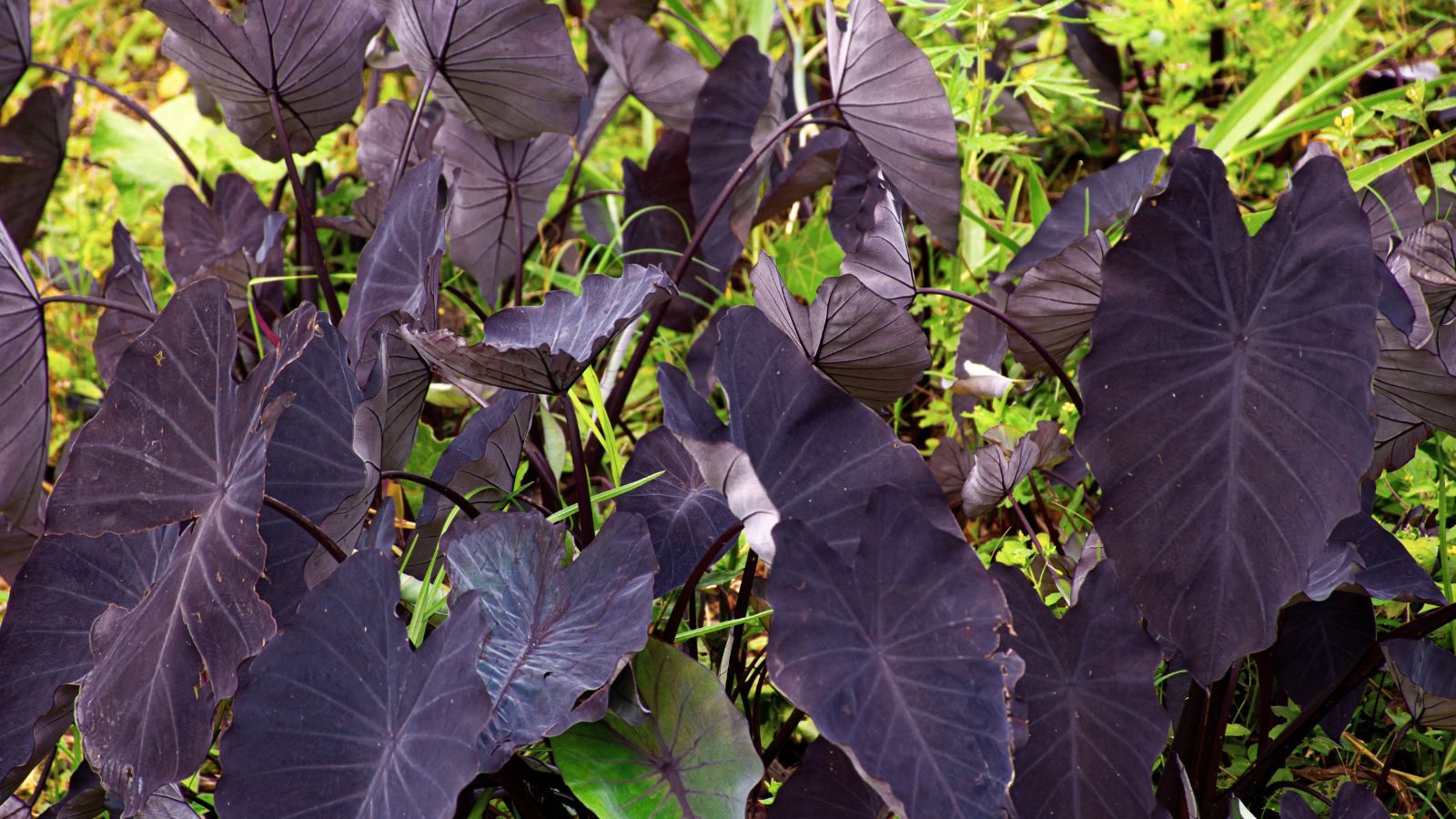
The black magic elephant ear plant is a standout cultivar of Colocasia esculenta, commonly known as taro or elephant ear. Unlike the classic green varieties, ‘Black Magic’ was bred for its intense, near-black foliage that appears almost purple-black when grown in the right conditions.
Botanical Background and Unique Traits Native to tropical Southeast Asia and the Pacific Islands, elephant ears are herbaceous perennials prized for their enormous leaves (often reaching 2–3 feet long and wide!). The ‘Black Magic’ variety stands out with its matte, velvety texture and dark stems that perfectly complement the foliage. In ideal conditions, it can shoot up 4–6 feet tall and spread just as wide in a single growing season — making it a true garden superstar.
Why the Leaves Turn That Signature “Black Magic” Color The deep coloration comes from high levels of anthocyanins (natural pigments that protect the plant from intense light). When the plant receives the perfect balance of bright indirect light, consistent moisture, and nutrient-rich soil, those pigments stay dominant. Too much shade or stress, and the plant reverts to green — the #1 complaint I hear from new growers!
How It Compares to Other Elephant Ear Varieties (Quick Comparison Table)
| Variety | Leaf Color | Height | Best For | Difficulty |
|---|---|---|---|---|
| Black Magic | Deep purple-black | 4–6 ft | Dramatic accents | Medium |
| Royal Hawaiian | Green with purple veins | 3–5 ft | Containers | Easy |
| Illustris | Green with black edges | 3–4 ft | Borders | Easy |
| Mojito | Chartreuse with purple | 4 ft | Mixed tropicals | Medium |
Fun fact: In warm, humid summers this plant can grow so fast you’ll swear it’s magic! 🌟
Why Grow Black Magic Elephant Ear? The Real Benefits 🪴
Beyond the wow factor, there are practical reasons this plant deserves a spot in your garden.
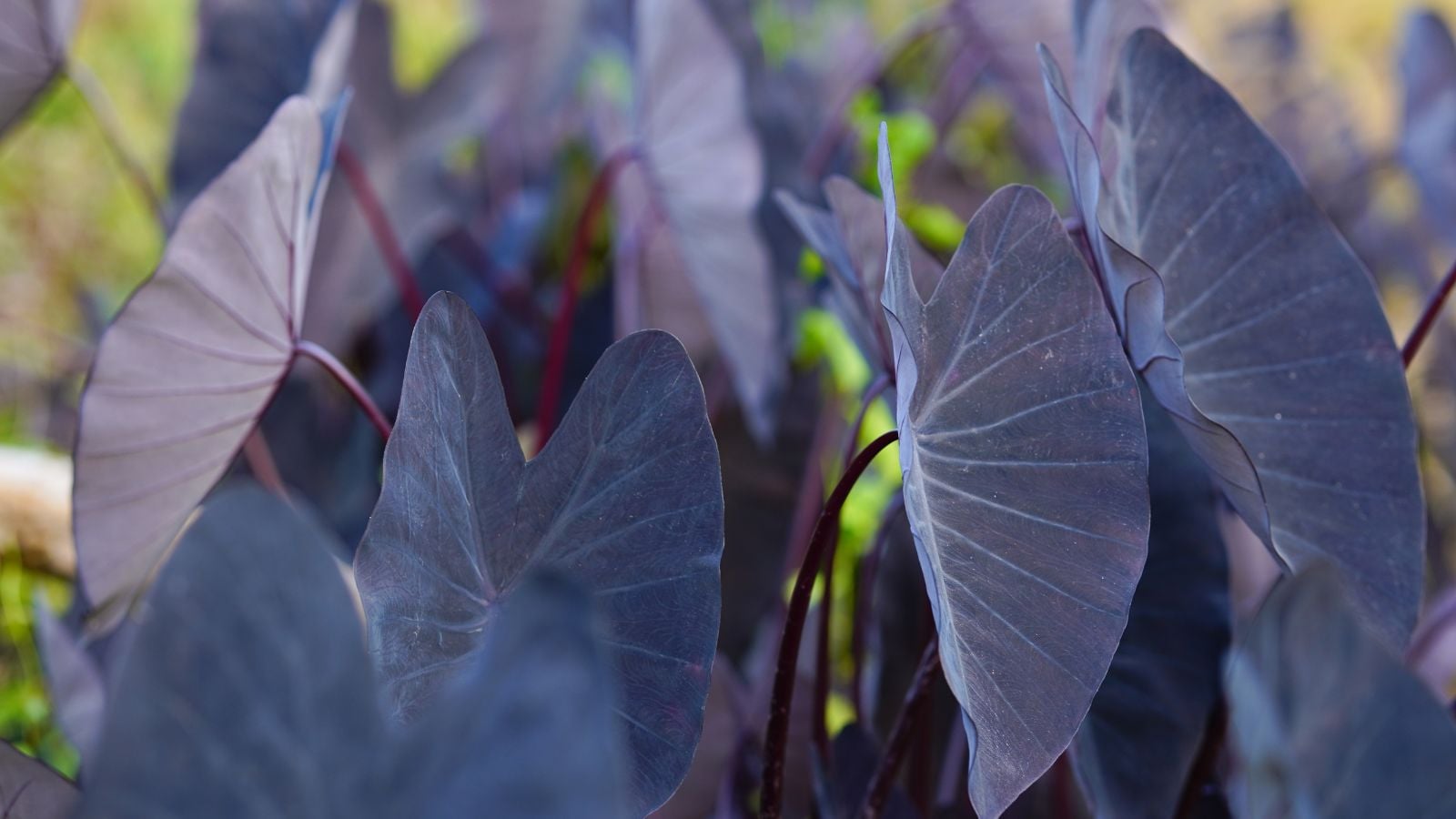
Dramatic Garden Impact & Landscape Value Its dark foliage creates instant contrast against lighter greens, whites, and bright flowers. One well-placed specimen can transform an ordinary border into a tropical paradise — no expensive hardscaping required!
Pollinator & Wildlife Friendly (Yes, Really!) While the leaves steal the show, the plant produces small, inconspicuous flowers that attract bees and butterflies. In my own garden, I’ve watched hummingbirds hover around the tall stems on humid afternoons.
Container vs. In-Ground Growing – Which Is Right for You?
- Containers: Perfect for patios, balconies, or small spaces. Easier to control soil and move indoors for winter.
- In-ground: Ideal for larger landscapes where you want massive, unrestricted growth.
Pro tip: Even a single potted black magic elephant ear plant on your porch creates an instant tropical vibe! ✨

Choosing the Perfect Spot: Light, Space & Climate Needs ☀️
Location is everything when it comes to keeping that signature black color vibrant.
Sunlight Sweet Spot for Deepest Black Foliage Black Magic thrives in full sun to partial shade (6+ hours of bright light). Morning sun with afternoon shade is ideal in hotter climates — it intensifies the dark pigments without scorching the leaves. Too much shade? Leaves turn green. Too much direct afternoon sun in extreme heat? They may crisp.
Temperature & Humidity Requirements (Zone Map Included)
- USDA Zones 8–11: Can stay outdoors year-round.
- Zones 4–7: Treat as a tender perennial — dig and store corms indoors for winter. It loves humidity above 60% and temperatures between 65–85°F (18–29°C).
Indoor Growing Secrets for Apartment Dwellers Place near a bright east- or south-facing window. Use a pebble tray or humidifier to mimic tropical conditions. Many of my urban clients grow gorgeous specimens indoors year-round with grow lights!
Soil Secrets for Thriving Black Magic Elephant Ears 🌍
Poor soil is the fastest way to lose that magic.
Ideal Soil Mix Recipe (DIY Step-by-Step)
- 40% high-quality potting soil
- 30% compost or well-rotted manure
- 20% perlite or pumice for drainage
- 10% worm castings for nutrients
Mix thoroughly — this blend holds moisture while preventing root rot.
pH Levels & Drainage – The #1 Mistake Beginners Make Aim for slightly acidic soil (pH 5.5–6.5). Heavy clay or waterlogged soil is a death sentence. Always ensure pots have drainage holes and raise in-ground beds if needed.
Best Potting Mixes for Containers (2026 Recommendations) Look for premium mixes labeled “tropical” or “moisture-retentive yet well-draining.” My current favorites include those with added coconut coir for extra humidity retention.
:max_bytes(150000):strip_icc()/GettyImages-899422822-52446b07e4b84dfb972eb0d94af2753e.jpg)
Planting Your Black Magic Elephant Ear the Right Way 🛠️
Timing and technique make all the difference.
Best Time to Plant (Season-by-Season Guide)
- Spring (after last frost): Best for most gardeners.
- Early summer: Still works great in cooler zones.
Step-by-Step Planting Instructions (Bulb, Transplant & Division)
- Choose a corm with visible “eyes” (growth points).
- Plant 4–6 inches deep, eyes facing up.
- Space plants 3–4 feet apart in-ground or one per 12–18 inch pot.
Spacing & Depth Tips for Massive Leaves Deeper planting encourages stronger roots; wider spacing prevents overcrowding and promotes bigger leaves.
Watering Mastery – Keep Those Leaves Hydrated & Dramatic 💧
Watering is the make-or-break skill for a black magic elephant ear plant. These tropical giants are thirsty but hate soggy feet — getting the balance right keeps the foliage bold, dark, and upright instead of yellowing or wilting.
How Much Water Does It Really Need? Black Magic Colocasia loves consistently moist soil — think damp sponge, never dry desert or swamp. In peak summer heat, mature plants in containers may need watering every 1–2 days, while in-ground specimens benefit from deep watering 2–3 times per week.
Use the fingertip test: Insert your finger 1–2 inches into the soil. Water thoroughly when the top inch feels dry but the lower soil remains cool and slightly damp. Always water at the base in the morning so leaves dry before evening, reducing disease risk.
Signs of Overwatering vs. Underwatering (Visual Guide)
- Overwatering: Yellowing lower leaves, soft mushy stems, black spots, or foul-smelling soil (root rot). Leaves may droop even though the soil is wet.
- Underwatering: Crispy brown edges, wilting, curling leaves, and faded color (losing that signature black magic). New leaves emerge smaller and greener.
Smart Watering Hacks for Busy Gardeners
- Mulch heavily with 2–3 inches of organic material to retain moisture and cool roots.
- For containers, use self-watering pots or saucers (but empty after 30 minutes to avoid standing water).
- In very hot or windy spots, group plants together to increase local humidity.
- Rainwater or distilled water is best — tap water with high salts can build up and dull foliage over time.
Pro tip: In my experience, consistent moisture produces leaves up to 3 feet wide that stay dramatically dark all season! 💦✨
Feeding for Bold, Dark Foliage – Fertilizer Schedule & Tips 🍃
Elephant ears are heavy feeders. Proper nutrition is what pushes anthocyanin production for that deep purple-black color instead of plain green growth.
Best Fertilizers for Intense Purple-Black Color Avoid high-nitrogen formulas (like 20-20-20) that encourage lots of green leaves at the expense of dark pigments. Instead, choose:
- Balanced organic slow-release granules (5-5-5 or 3-4-4) at planting.
- Liquid seaweed, fish emulsion, or compost tea for gentle, ongoing feeding.
- A bloom-booster type (higher phosphorus) mid-season to support strong stems.
Monthly Feeding Calendar (Easy-to-Follow Table)
| Season | Fertilizer Type | Frequency | Notes |
|---|---|---|---|
| Spring (Awakening) | Balanced organic granular | Once at planting | Mix into soil |
| Summer (Peak Growth) | Liquid seaweed or fish emulsion | Every 2–3 weeks | Dilute to half strength |
| Late Summer | Low-nitrogen / higher P | Once | Boosts color before fall |
| Fall/Winter | None | — | Stop when growth slows |
Organic vs. Synthetic – What Actually Works Best Organic options build soil health long-term and reduce salt buildup that can stress roots. Synthetic quick-release fertilizers work fast but often cause lush green growth that hides the “black magic.” I recommend a hybrid approach: organic base + occasional liquid boost for the best dramatic results.
Propagation Made Simple – Multiply Your Magic for Free ✨
One of the joys of growing Black Magic is how easily you can expand your collection without spending a dime!
Division Method (Easiest for Beginners) In late spring or early summer, when the plant is actively growing:
- Gently dig up or remove from pot.
- Look for natural offsets or “pups” with their own roots and eyes.
- Use a clean, sharp knife to separate sections, ensuring each has at least one growth point.
- Replant immediately in fresh soil mix and keep consistently moist until established.
Growing from Corms & Offsets Black Magic primarily grows from corms (underground storage organs). Save smaller cormels during division and plant them 3–4 inches deep. They’ll sprout into full-sized plants the following season.
Pro Tip: How to Store & Restart Bulbs Next Season In colder zones, dig corms after foliage dies back (first frost). Brush off soil, let dry for a few days, then store in slightly damp peat moss or wood shavings in a cool (45–55°F), dark place like a basement. Check monthly for rot. In spring, plant as usual — they wake up quickly with warmth and moisture!
Common Problems & Easy Fixes (Troubleshooting Bible) 🐛
Even the best gardeners face issues. Here’s how to diagnose and fix the most common black magic elephant ear plant problems.
Pests That Love Elephant Ears & How to Stop Them
- Spider mites: Tiny webs on leaf undersides, stippled yellowing. Treat with neem oil or insecticidal soap weekly. Increase humidity to prevent them.
- Aphids: Clusters of small green/black insects causing distorted new growth. Blast off with water or use neem.
- Other occasional visitors: Mealybugs or slugs — hand-pick or use organic controls.
Diseases & Leaf Issues – Why Leaves Turn Brown or Green Fungal leaf blight shows as brown spots with yellow halos. Improve air circulation and avoid overhead watering. Root rot from overwatering causes wilting and yellowing — improve drainage immediately.
Yellowing, Wilting, or Losing the “Black Magic” Color? Fix It Fast
- Fading to green: Not enough bright light — move to more sun.
- Yellow lower leaves: Normal aging (remove them) or overwatering/nutrient deficiency.
- Crispy edges: Underwatering or low humidity — increase both.
- Wilting despite moist soil: Root issues or extreme heat — check roots and provide afternoon shade.
Symptom checklist:
- New leaves green/small → More light + balanced fertilizer.
- Black spots → Fungal — remove affected leaves, improve airflow.
- Drooping → Check soil moisture and root health.
Early action keeps your plant looking magical instead of miserable! 🛠️
Seasonal Care Throughout the Year ❄️
Spring Awakening & Summer Peak Performance As temperatures rise above 60°F, bring stored corms out and plant. Water and feed generously as growth explodes.
Fall Prep & Overwintering Indoors (Even in Cold Climates) When nights drop below 50°F, foliage yellows naturally — cut back leaves, dig corms, and store. In zones 8–11, mulch heavily and they may survive outdoors with protection.
Winter Storage Secrets for Next Year’s Success Keep corms slightly damp but never wet. A garage or basement works perfectly. Restart in early spring indoors if desired for a head start.
Companion Planting & Stunning Display Ideas 🌸
The dark foliage of Black Magic pairs beautifully with contrasting colors for jaw-dropping displays.
Best Plants to Pair with Black Magic for Contrast
- Bright chartreuse sweet potato vine or lime coleus for pop.
- Ferns and hostas for shaded, moist areas.
- Cannas, hardy hibiscus, or caladiums for tropical vibes.
- Ginger or cardinal flower near water features.
Container Combos, Border Ideas & Tropical Garden Themes Try a large pot with Black Magic as the thriller, coleus as filler, and trailing sweet potato vine as spiller. In borders, plant in groups of 3 for maximum impact against lighter perennials.
Instagram-Worthy Landscaping Inspiration Imagine a tropical corner with Black Magic, bright pink impatiens, and tall cannas — pure drama! Or a shaded patio with ferns and Black Magic creating a lush, moody oasis.
Expert Advanced Tips for Next-Level Results (Skyscraper Value) ⭐
How to Make Leaves Even Darker & Larger Provide morning sun + consistent moisture + balanced feeding. Pinch early flower stalks (rare but possible) to direct energy to foliage.
Pruning, Deadheading & Maintenance Hacks Remove yellow or damaged leaves at the base with clean shears. Wipe dusty leaves gently with a damp cloth for better photosynthesis.
Toxicity & Pet-Safe Tips (Important for Families) Black Magic Elephant Ear contains insoluble calcium oxalates and is toxic to cats and dogs. Ingestion can cause mouth irritation, drooling, vomiting, and difficulty swallowing. Keep out of reach of pets and curious kids — place on high shelves or fenced areas.
Eco-Friendly & Sustainable Growing Practices Use organic amendments, collect rainwater, and compost spent foliage. Avoid chemical pesticides when possible — neem and beneficial insects work wonders.
Frequently Asked Questions (FAQ Section) ❓
Is Black Magic Elephant Ear invasive? In warm, wet climates it can spread via offsets, but it’s generally well-behaved in containers or managed gardens. Not considered highly invasive like some other Colocasia.
Can it grow indoors year-round? Yes! Provide bright indirect light (or grow lights), high humidity, and consistent moisture. Many apartment gardeners succeed with this approach.
How tall does it actually get? Typically 4–6 feet tall and wide in one season under ideal conditions. Container-grown plants stay slightly smaller.
Why are my leaves turning green instead of black? Insufficient light is the usual culprit. Move to brighter conditions (morning sun preferred) and ensure proper feeding.
How do I overwinter in zone 6? Dig corms after frost, store cool and slightly damp, then restart in spring.
Is it safe around pets? No — toxic if ingested. Keep away from cats, dogs, and small children.
What causes brown crispy edges? Usually low humidity or inconsistent watering. Mist leaves or use a humidifier indoors.
When should I fertilize? Start lightly in spring and feed every 2–3 weeks through summer with a balanced or slightly low-nitrogen formula.
(Additional FAQs can be expanded based on common searches for even more value!)
Conclusion
Growing a show-stopping black magic elephant ear plant comes down to mimicking its tropical origins: bright light for dark color, consistently moist (but well-drained) rich soil, warm temperatures, and thoughtful feeding. Follow the tips in this guide and you’ll enjoy massive, velvety near-black leaves that turn your garden into a dramatic focal point all season.
Whether you’re a beginner struggling with fading color or an experienced gardener wanting bigger, bolder specimens, these proven techniques deliver real results.
Ready to grow your own Black Magic showstopper? Drop your biggest challenge or success story in the comments below — I love hearing from fellow plant lovers and will reply with personalized tips!
For more tropical inspiration, check out our guides on giant elephant ears, best container combinations, and overwintering tender perennials.
Happy gardening — may your leaves stay magically dark! 🌿🐘✨











