
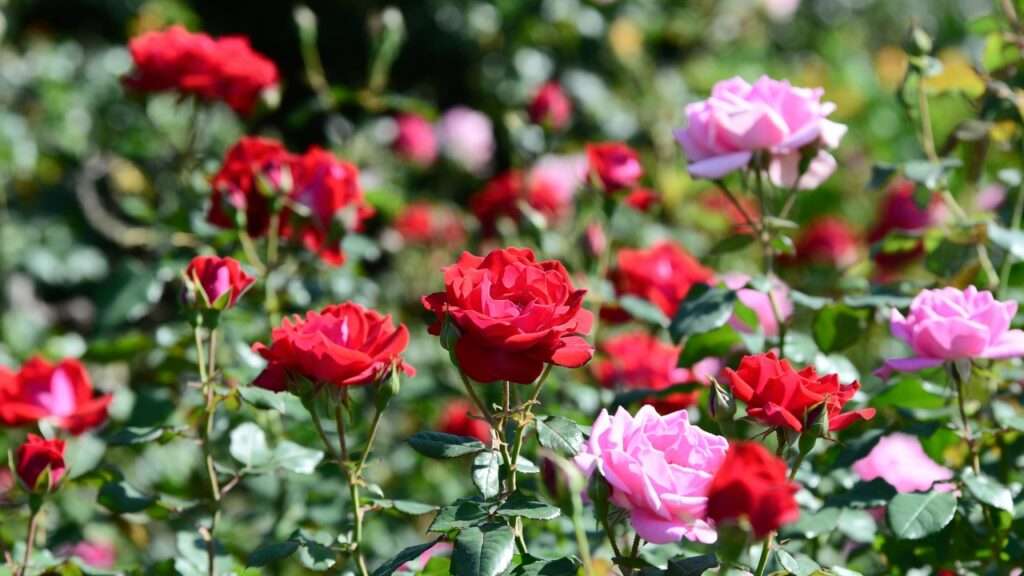
Imagine stepping into your garden on a beautiful spring morning, coffee in hand, excited to admire your blooming roses… only to discover your once-vibrant bushes looking stripped and sad: leaves dotted with ugly black spots, turning yellow, and dropping like autumn confetti way too early. 😔 This heartbreaking scene is the classic sign of black spot disease on roses — the most widespread and frustrating fungal disease rose growers face worldwide.
As a passionate plant care expert who’s helped countless gardeners rescue their rose collections over the years (and battled black spot in my own humid garden zones), I can tell you: this isn’t just cosmetic damage. Left unchecked, black spot weakens plants by reducing photosynthesis, cutting flower production, and making roses more vulnerable to pests, winter injury, and even death over multiple seasons.
The good news? With the right knowledge, you can identify it early, treat it effectively, and prevent future outbreaks for good. This in-depth guide draws from trusted sources like the Royal Horticultural Society (RHS), university extensions, and real-world rose society experiences (updated through 2025-2026) to give you skyscraper-level advice — more comprehensive and practical than typical articles. Let’s turn those spotty roses into healthy, bloom-filled beauties! 🌿✨
What Is Black Spot Disease on Roses? (Understanding the Enemy) 🔍
Black spot disease on roses is caused by the fungus Diplocarpon rosae, a sneaky pathogen that’s genetically diverse and evolves quickly — new strains can overcome resistance in even the toughest cultivars.
The Culprit Fungus – Diplocarpon rosae Explained
The fungus overwinters on fallen leaves, infected canes, and dormant buds. In spring, spores splash up from debris via rain or watering, infecting young leaves when conditions are perfect: warm temperatures (60-85°F/15-29°C) and at least 7 hours of leaf wetness. Once inside the leaf, the fungus produces more spores in 10-18 days, restarting the cycle. High humidity, frequent rain, and poor airflow turbocharge outbreaks — making it epidemic in damp climates.
Why It’s the #1 Rose Disease Worldwide
Repeated defoliation starves the plant of energy, leading to fewer blooms, stunted growth, and increased stress. Over time, weakened bushes struggle to survive winters or fight off secondary issues like cane borers or powdery mildew. Almost every rose type can be affected, but hybrid teas, floribundas, and many popular varieties are especially vulnerable. Even “resistant” roses may lose effectiveness as fungal races evolve.
How to Identify Black Spot Disease on Roses (Early Detection Saves Plants!) 👀
Spotting black spot disease on roses early is your superpower — catch it before massive leaf drop!
Here are some visual examples of what early black spot looks like on rose leaves:
:max_bytes(150000):strip_icc()/BlackSpot_onRose-56f18bb03df78ce5f83c10e0.jpg)
Classic Symptoms on Leaves
It starts with small (1/8 to 1/2 inch), circular to irregular black or purplish spots on the upper leaf surface. Edges often look feathery or radiate outward, surrounded by a bright yellow halo. Infected leaves yellow rapidly and drop — usually starting from the bottom upward.
Here’s a close-up of severe progression — notice the massive defoliation:

Progression Stages & Visual Timeline
- Stage 1 (Early): Tiny purple-black flecks appear in spring after wet weather.
- Stage 2 (Moderate): Spots enlarge, merge, and yellow halos spread; leaves begin dropping.
- Stage 3 (Severe): Bushes look nearly bare, with only top growth remaining; blooms are scarce.
How to Distinguish from Similar Issues
Don’t confuse it with:
- Powdery mildew (white powdery coating)
- Rust (orange pustules underneath leaves)
- Cercospora leaf spot (smaller, more uniform spots without feathery edges)
- Nutrient issues (even yellowing without distinct black spots)
Expert Tip: Inspect weekly during wet springs — remove affected leaves immediately! Early action stops the spread. 🔍🌱
What Causes Black Spot Disease on Roses? (Root Causes & Risk Factors) ⚠️
Understanding triggers helps you break the cycle.
Environmental Triggers
High humidity, prolonged leaf wetness (rain, overhead watering), temperatures 60-85°F, and poor air circulation. Shaded or overcrowded spots create perfect fungal playgrounds.
Cultural & Plant-Related Factors
Planting highly susceptible varieties (especially yellow or copper-toned hybrid teas), poor sanitation (leaving debris), and plant stress from improper pruning, compacted soil, or nutrient imbalances.
Prevention: The Best Defense Against Black Spot (Cultural Practices That Work) 🛡️
Prevention beats cure every time — especially with a persistent fungus like Diplocarpon rosae. By creating unfavorable conditions for the disease and choosing smart plant selections, many gardeners keep black spot at bay with minimal intervention.
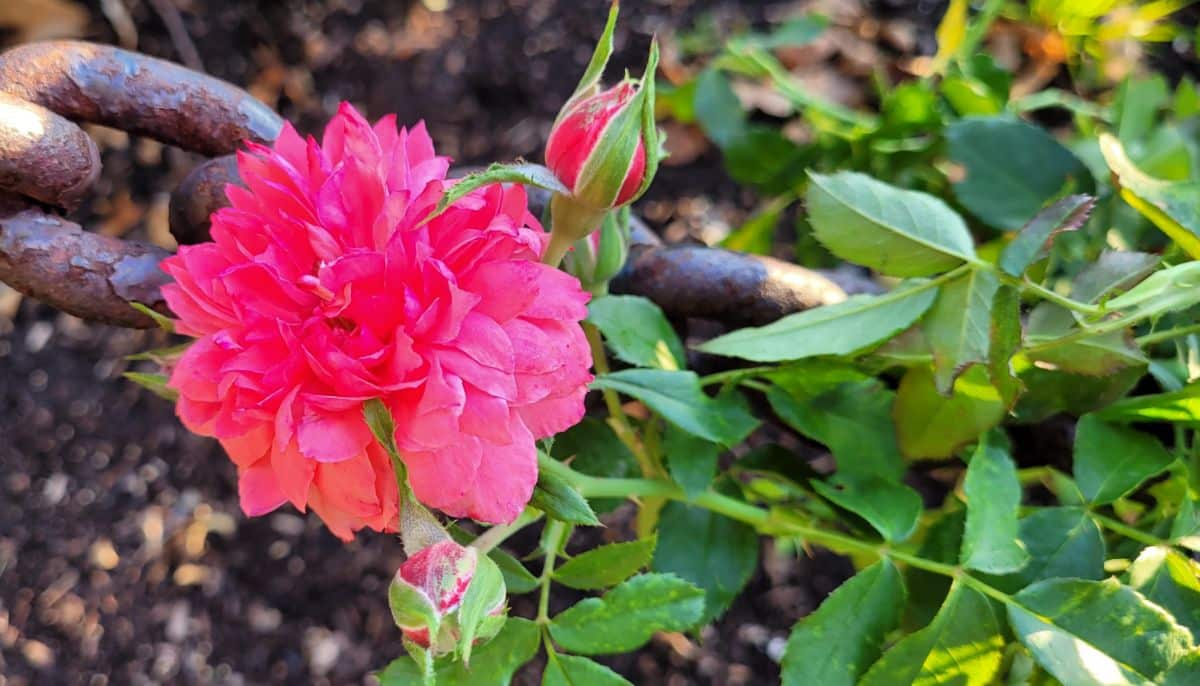
Here are thriving, healthy rose bushes with lush green leaves and no signs of black spot — proof that prevention works beautifully! 🌸
Choose Resistant Rose Varieties
The single most powerful prevention step is planting roses bred for strong resistance to black spot. While no rose is 100% immune forever (fungal races evolve), modern breeding has produced excellent performers.
Top recommendations (highly rated by rose societies and extension services in 2025–2026):
- Knock Out® series (especially Pink, Double Pink, Blushing, and Coral varieties) — incredibly tough, disease-resistant landscape roses with continuous blooming.
- Home Run® — excellent black spot tolerance.
- Carefree Beauty™, Bonica®, Simplicity® series.
- Rugosa roses (e.g., ‘Hansa’, ‘Rugosa Alba’) — naturally very resistant.
- Many David Austin English roses (e.g., ‘Lady of Shalott’, ‘Graham Thomas’) show strong performance.
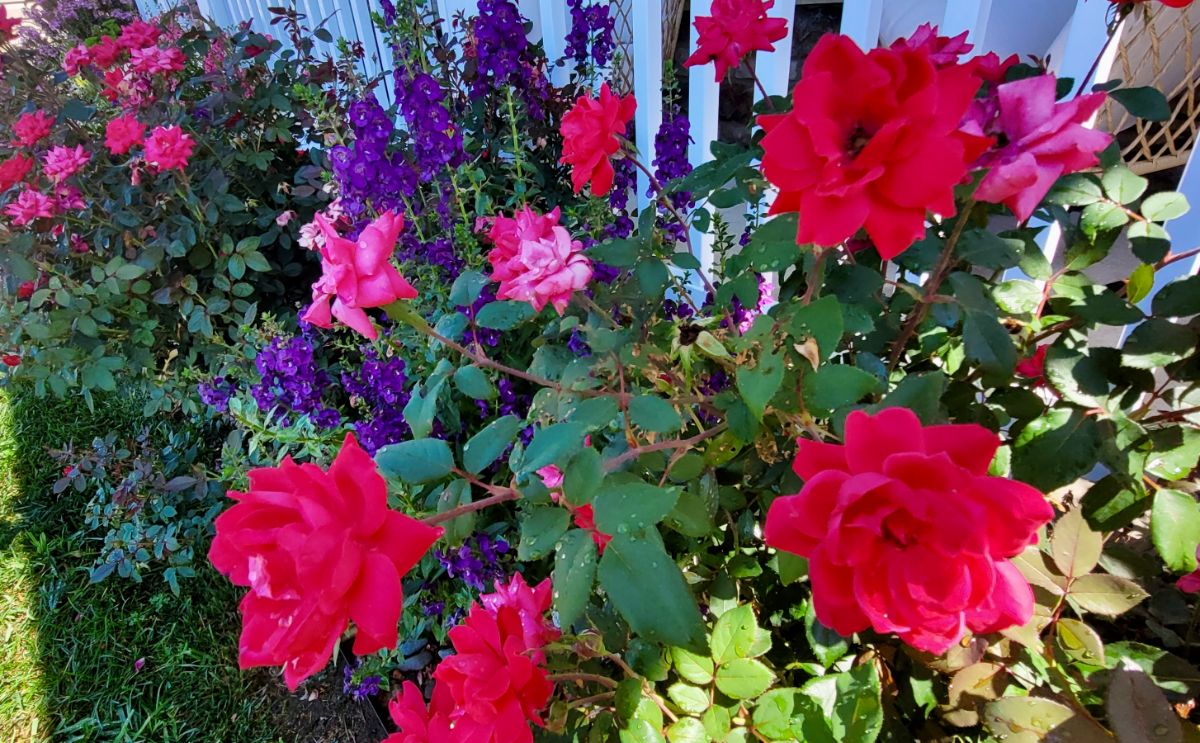
Here are stunning examples of healthy Knock Out roses in full bloom — vibrant and virtually spot-free!
If you’re starting fresh or replacing old bushes, prioritize these — they dramatically reduce the need for sprays.
Site Selection & Planting Tips
- Full sun (minimum 6 hours, ideally 8+) — morning sun is best to dry leaves quickly.
- Space plants 3–5 feet apart (depending on variety) for excellent airflow.
- Plant in well-drained soil with pH 6.0–6.5; use raised beds in heavy clay areas.
Watering & Mulching Best Practices
- Water at the base early in the morning so foliage dries before evening.
- Never use overhead sprinklers — they splash spores upward.
- Apply 2–4 inches of organic mulch (shredded bark, composted leaves, or pine needles) around the base, keeping it 2 inches away from canes.
Mulch suppresses spore splash, moderates soil temperature, and retains moisture — a triple win!
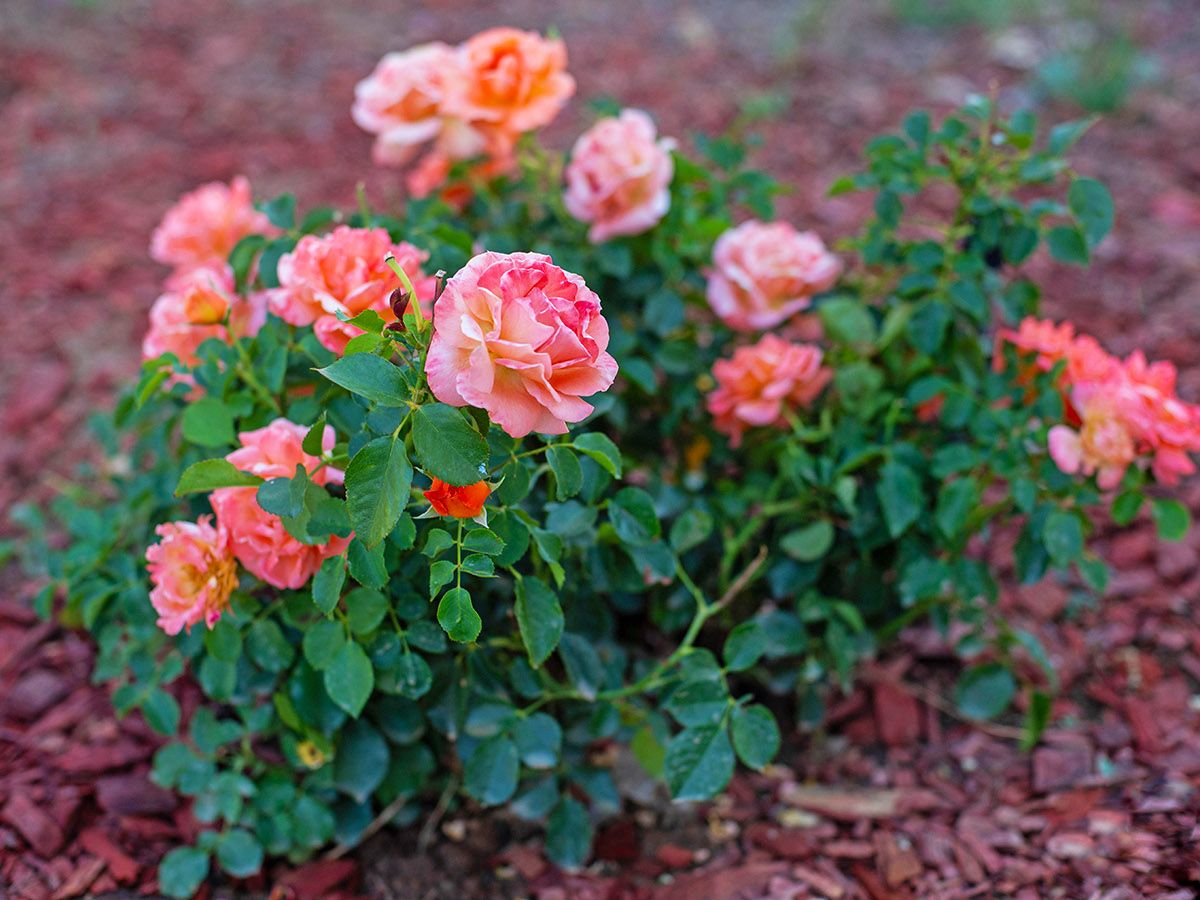
Here are perfect mulch applications around rose bases:
Pruning for Air Circulation & Health
Proper pruning creates an open structure that lets air and sunlight penetrate — key to drying leaves fast.
- Prune in late winter/early spring (before buds swell).
- Remove dead, damaged, and crossing canes; open the center to a vase shape.
- Cut back to outward-facing buds at 45° angle.
- Always disinfect tools (10% bleach or alcohol) between plants.
This illustrated pruning example shows the ideal open structure:
Seasonal Maintenance Checklist
- Spring: Rake and destroy all old leaves; apply preventative organic spray if needed.
- Summer: Monitor weekly; remove any spotted leaves immediately.
- Fall: Clean up thoroughly (critical!); mulch heavily after first frost.
Follow these habits consistently and many gardeners report zero to minimal black spot even in humid regions. 🌱
How to Treat Black Spot Disease on Roses (Effective Control Strategies) 💪
Once black spot appears, act quickly — the faster you intervene, the less damage occurs and the easier it is to regain control.
Here are before-and-after examples showing what quick treatment can achieve: severely spotted bushes transformed back into healthy, green performers within a single season! 🌱
Immediate Cultural Controls
- Sanitation first — Remove every infected leaf, cane tip, and fallen leaf you can find. Bag and dispose of them in the trash (never compost!).
- Thin out dense growth to improve airflow and sunlight penetration.
- Gently rinse remaining foliage with a strong stream of water (early morning) to knock off spores — do this 2–3 times per week during active infection.
These simple steps alone can halt mild outbreaks in many gardens.
Organic & Natural Treatment Options
Many gardeners successfully manage black spot using only natural methods — especially when combined with excellent cultural practices.
Proven options (with application notes):
- Neem oil — Excellent preventative and light curative. Mix 1–2 tsp neem oil + 1 tsp mild dish soap per quart of water. Spray every 7–10 days. Works best as a protectant.
- Baking soda solution — 1 tablespoon baking soda + 1 teaspoon horticultural oil or liquid soap per gallon of water. Spray weekly during humid periods. Alters leaf pH to discourage fungal growth.
- Milk spray (1 part milk to 2–3 parts water) — Surprisingly effective for many; the proteins disrupt fungal enzymes. Apply every 7–14 days.
- Compost tea (well-aerated) or garlic/horseradish spray — Boost plant immunity and provide mild antifungal action.
Real-world tip: Organic treatments work best preventatively or at the very first sign of spots. They are less effective once infection is moderate to severe.
Chemical Fungicide Options (When Needed)
For moderate to severe cases, especially in very wet climates or when growing highly susceptible varieties, targeted fungicides often become necessary for complete control.
Recommended classes (rotate to prevent resistance!):
- Protectants — Chlorothalonil (Daconil), mancozeb — form a barrier on leaf surface. Start early (at bud break) and reapply every 7–14 days during wet weather.
- Curatives/systemics — Myclobutanil (Immunox), propiconazole, tebuconazole — move into plant tissue and stop existing infection.
- Newer options (2025–2026) — Mefentrifluconazole (Cevya), fluxapyroxad + pyraclostrobin combinations — excellent efficacy with lower application rates.
Important safety notes:
- Always follow label instructions exactly.
- Wear protective gear.
- Apply in evening or early morning to reduce bee exposure.
- Stop spraying 2–3 weeks before first frost.
Many rose societies now recommend the “7–10–14 day rule” during peak infection periods: spray every 7 days when rain is frequent, stretch to 10–14 days during drier spells.
Integrated Pest Management (IPM) Approach
The most sustainable and effective strategy combines:
- Resistant varieties
- Excellent sanitation & cultural practices
- Organic preventatives
- Targeted fungicide use only when thresholds are crossed
This pyramid approach dramatically reduces chemical reliance while delivering excellent results.
Common Mistakes Gardeners Make When Fighting Black Spot (Avoid These Pitfalls!) 🚫
Even experienced rosarians sometimes fall into these traps:
- Watering overhead in the evening → Leaves stay wet all night → Perfect spore germination conditions.
- Composting infected leaves → Spores survive and reinfect next spring.
- Waiting too long to act → By the time you see widespread yellowing, the fungus is already deep inside.
- Using the same fungicide repeatedly → Resistance develops quickly.
- Relying solely on weak home remedies (garlic + soap, vinegar) during heavy infection → These rarely control moderate/severe outbreaks.
- Not disinfecting pruning tools → Spreads the disease from plant to plant.
Avoid these and you’ll save yourself seasons of frustration!
Expert Insights & Advanced Tips for Long-Term Success 🌟
Drawing from the latest recommendations (as of 2025–2026) from university extension services, the American Rose Society, and the Royal Horticultural Society, here are pro-level strategies that separate good rose gardens from exceptional ones:
- Timing is everything — Start preventative sprays (organic or chemical) at bud break in spring, before the first spots appear. In humid regions, many experts now advocate a “defensive calendar”: weekly monitoring + bi-weekly treatments during the wettest months.
- Regional adaptations — In consistently wet climates (e.g., Pacific Northwest, parts of the UK), lean toward highly resistant varieties + systemic fungicides. In drier zones, cultural controls + occasional organic sprays often suffice.
- Boost plant immunity — Healthy roses fight better! Ensure balanced fertilization (slow-release rose food in spring), good soil biology (add compost yearly), and avoid over-fertilizing with nitrogen (encourages soft, susceptible growth).
- Companion planting bonus — Plant garlic, chives, or marigolds nearby — some gardeners report mild deterrent effects on fungal spores.
- Monitor fungal evolution — If a once-resistant variety starts showing spots, it may be a new race. Replace with the newest Knock Out® or similar introductions every 8–10 years for best performance.
These advanced tweaks turn black spot management from reactive frustration into proactive confidence.
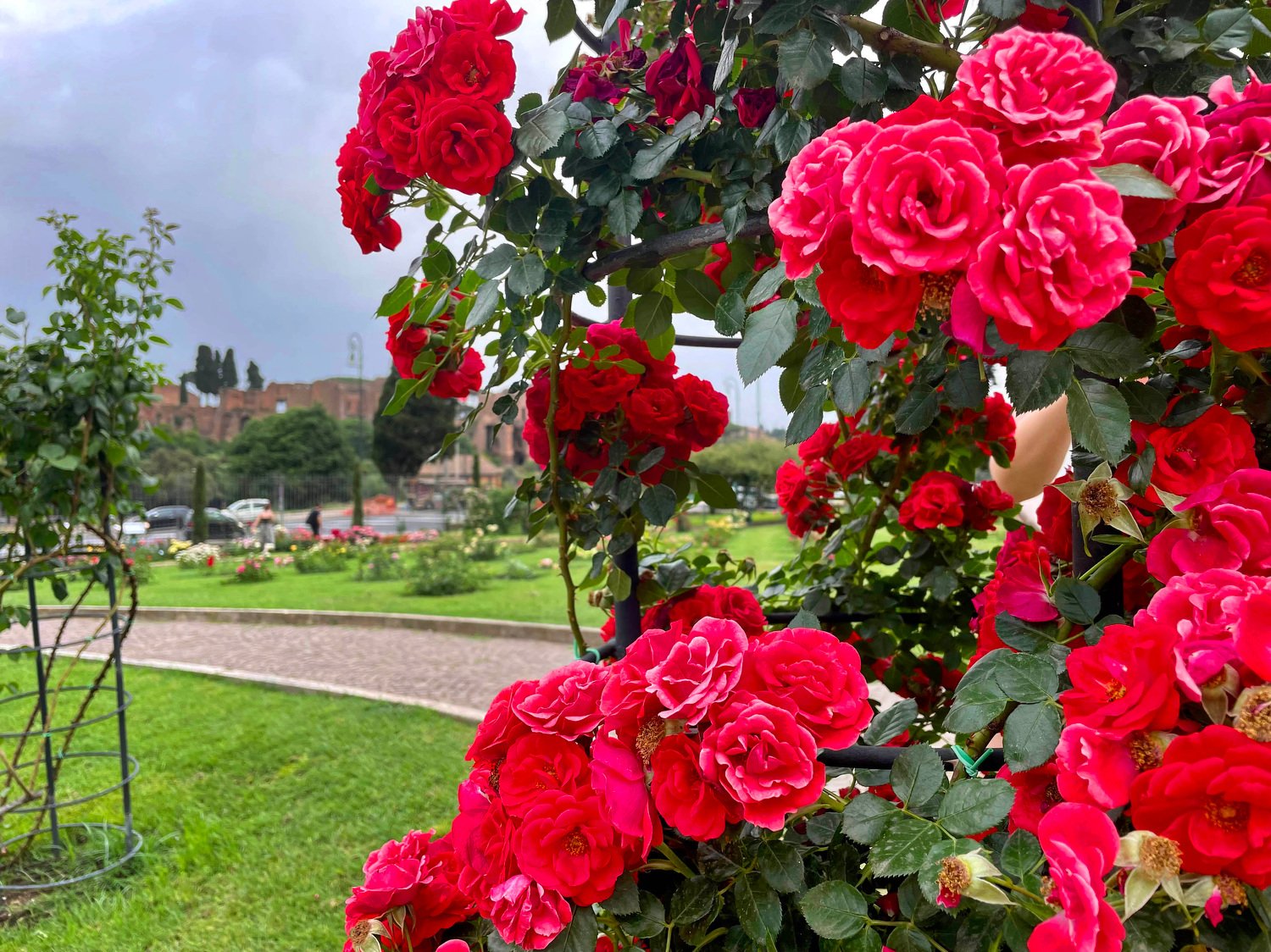
Here are beautiful, thriving rose bushes post-treatment — lush green foliage and abundant blooms with zero black spots! 🌸
Frequently Asked Questions (FAQs) ❓
What does black spot look like in the early stages? Tiny purple-black flecks or spots (often 1/8 inch) on upper leaf surfaces, sometimes with a faint yellow halo. Catch these early — they’re easiest to control!
Can black spot kill my rose bush? Yes, over several seasons. Repeated severe defoliation starves the plant, weakens canes, and invites secondary problems that can lead to death. Quick action usually saves even badly affected bushes.
Are there truly black spot-resistant roses? Yes — modern varieties like Knock Out®, Home Run®, and many Rugosas perform exceptionally well. Resistance isn’t permanent forever, but these stay strong for years.
How often should I spray fungicide? Follow the “7–10–14 rule” during active infection: every 7 days in rainy periods, 10 days in moderate weather, 14 days when dry. Always rotate products.
Is black spot contagious to other plants? No — Diplocarpon rosae is rose-specific. It won’t spread to tomatoes, hydrangeas, or other garden plants.
Can I save a severely defoliated rose? Absolutely! Remove all infected parts, improve conditions (sun/airflow/mulch), treat aggressively, and fertilize lightly. Most recover fully the next season with new, healthy growth.
Conclusion 🎉
Mastering black spot disease on roses comes down to three pillars: early identification, strong prevention through resistant varieties and smart cultural practices, and effective treatment using an integrated approach. Whether you’re a beginner with a few bushes or a seasoned rosarian managing a large collection, these strategies — backed by the latest expert guidance — will help you enjoy healthy, spot-free roses bursting with color year after year.
Your roses deserve to shine! 🌹 Implement these steps this season, stay consistent, and watch your garden transform. Have you battled black spot successfully? Share your favorite tips or variety recommendations in the comments below — I’d love to hear your stories!











