
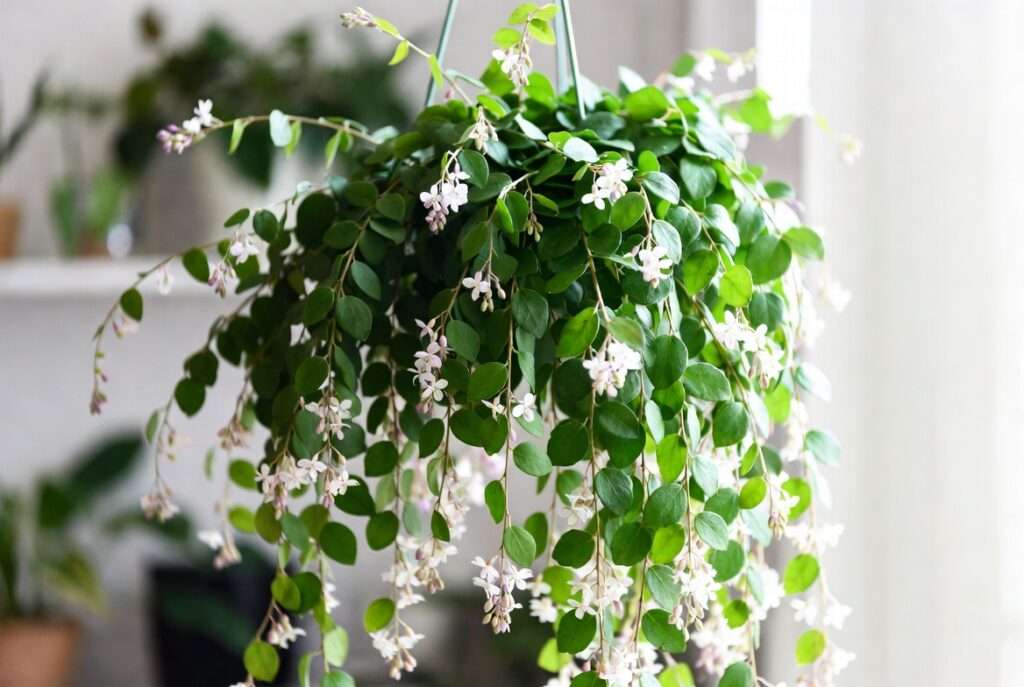
Imagine delicate, cascading curtains of glossy green leaves dotted with hundreds of tiny, pearl-white flowers that shimmer like a bride’s veil in the soft morning light. If you’ve just brought home a bridal veil plant (or you’re dreaming of one), you’re in for a treat—this charming trailing houseplant turns any indoor space into a romantic, living oasis.
In this ultimate, expert-backed guide, I’ll share everything you need to know to grow a lush, blooming bridal veil plant indoors. As a horticulturist with over 15 years of hands-on experience growing hundreds of trailing houseplants, I’ve rescued more than a few leggy or unhappy specimens and turned them into show-stoppers. Whether you’re a beginner or a seasoned plant parent, this comprehensive 2,500+ word guide solves the most common problems, delivers pro-level results, and helps your bridal veil plant thrive with abundant flowers and cascading foliage year-round.
Let’s dive in and make your bridal veil plant the star of your home! 💕
1. Meet the Bridal Veil Plant: Origins, Beauty & Why It Deserves a Spot in Your Home 💕
What Is the Bridal Veil Plant?
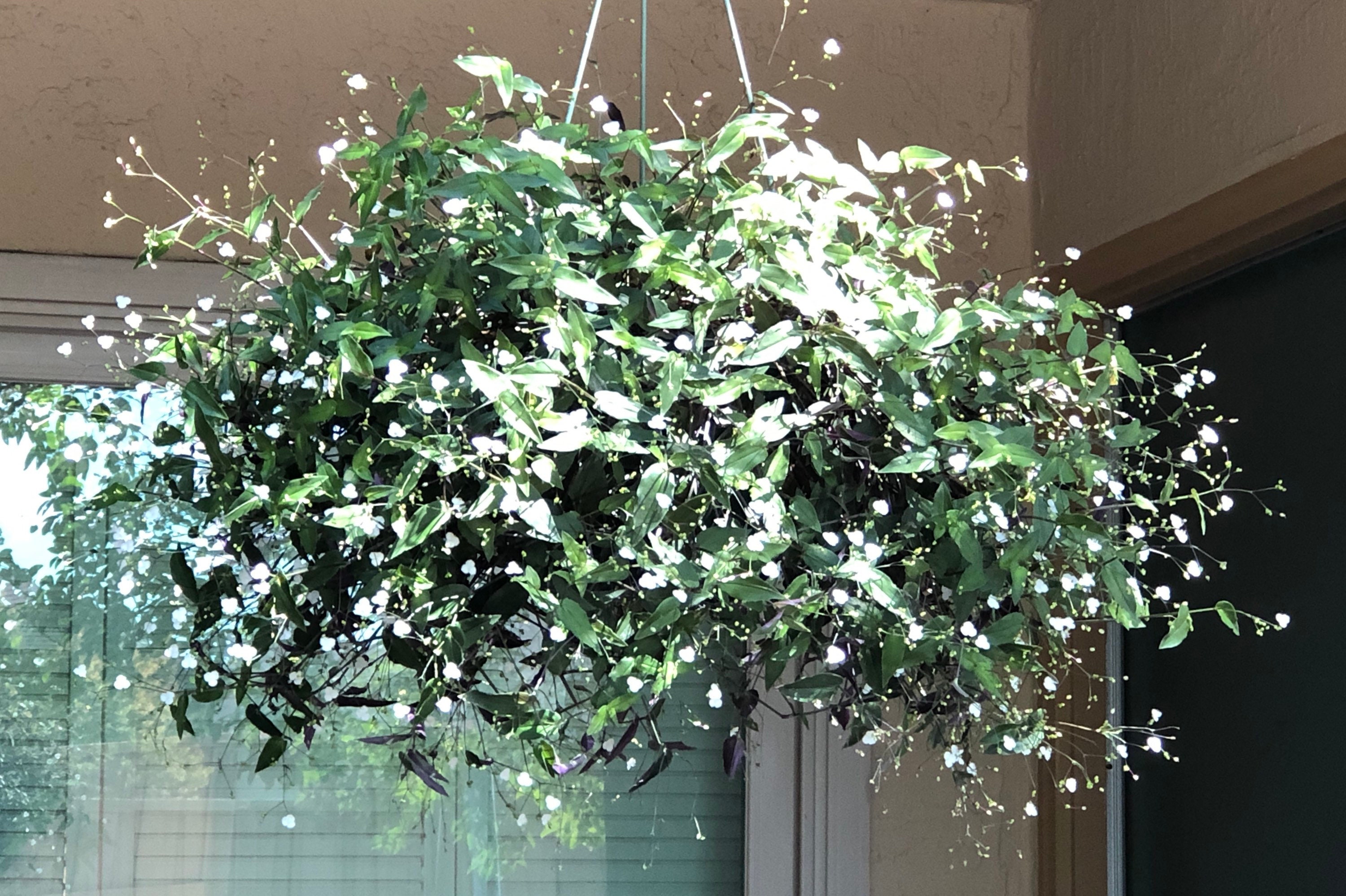
The bridal veil plant, scientifically known as Gibasis pellucida (formerly sometimes listed under Tradescantia), is a tender perennial in the Commelinaceae family. Native to the tropical regions of Mexico, Central America, and parts of South America, it earned its romantic common name from the way its dainty white flowers and fine, trailing stems create a soft, veil-like effect when draped over the edges of a pot.
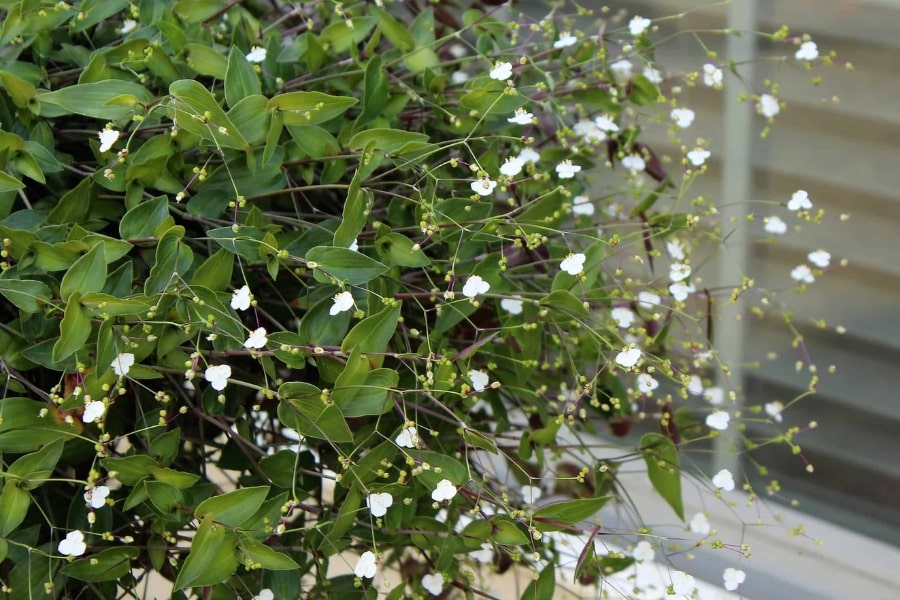
Also called Tahitian bridal veil or simply “bridal veil,” this plant features small, oval-to-lance-shaped green leaves with subtle purple undersides and stems that often tint a deep burgundy or violet. The real magic happens when tiny, three-petaled white flowers appear in clusters—each bloom lasting just a day but replaced constantly for a perpetual snowy effect.
Key Features That Make It Irresistible
- Trailing habit: Perfect for hanging baskets and high shelves (stems can reach 2–4 feet long).
- Delicate blooms: Hundreds of pearl-like white flowers that give it that signature “veil” look.
- Easy-care vibe: Faster growth than many trailing houseplants once conditions are right.
Benefits of Growing Bridal Veil Indoors
Beyond its breathtaking beauty, the bridal veil plant is an excellent air-purifying houseplant. It helps filter indoor toxins while adding a soft, romantic texture that complements modern, boho, or minimalist décor. Unlike fussier trailing plants, it’s forgiving for busy plant parents and rewards good care with rapid, lush growth. Compared to similar-looking Tradescantia varieties, Gibasis pellucida offers finer foliage and more prolific flowering, making it a standout choice for small apartments, offices, or cozy reading nooks.
2. Light Requirements: The Secret to Gorgeous Foliage & Flowers ☀️
Ideal Lighting for Bridal Veil Plant
Bright, indirect light is the golden rule for a happy bridal veil plant. Think east- or west-facing windows with sheer curtains or a spot a few feet back from a south-facing window. This lighting sweet spot encourages compact growth, vibrant green leaves, and nonstop flowering.
Too little light? You’ll notice leggy stems, smaller leaves, and fewer (or no) blooms. Too much direct sun? Leaves can scorch or develop crispy brown edges.
Pro Tip from Experience: If your home is low on natural light, a full-spectrum grow light on a 12–14 hour timer works wonders. I’ve seen dramatic improvements in flowering within 2–3 weeks!
Seasonal Light Adjustments
In winter, shorter days mean moving your plant closer to the brightest window or supplementing with grow lights. Summer heat can be intense—protect from harsh midday rays by using a light-filtering curtain.
3. Watering Secrets: Keep It Happy Without Root Rot 💧
How Often to Water Your Bridal Veil Plant
The bridal veil plant loves consistently moist (but never soggy) soil. Water when the top 1–2 inches of soil feel dry to the touch—usually every 4–7 days in spring/summer and every 7–10 days in cooler months.
Use room-temperature filtered or rainwater for best results. Always water thoroughly until it drains from the bottom, then empty the saucer to prevent standing water.
The “Evenly Moist” Rule Explained
This plant’s fine root system hates drying out completely but also despises wet feet. Overwatering is the #1 killer of bridal veil plants, leading to root rot and yellowing leaves. Underwatering causes crispy tips and leaf drop.
Expert Finger-Test Method: Stick your finger 2 inches into the soil. If it’s dry, water. For precision, invest in an affordable moisture meter.
Common Watering Mistakes & Quick Fixes
- Overwatering signs: Yellow leaves, mushy stems, soil that smells sour. Rescue: Repot in fresh, well-draining mix and trim damaged roots.
- Underwatering signs: Wilting, dry crispy edges. Recovery: Soak the pot in a sink of lukewarm water for 20 minutes, then resume regular schedule.
4. Soil, Potting & Repotting: The Foundation of Healthy Growth 🌱
Best Soil Mix for Bridal Veil
A light, airy, well-draining mix is essential. My go-to DIY recipe (proven over years of trials):
- 50% high-quality potting soil
- 30% perlite or pumice
- 20% orchid bark or coconut coir
This blend mimics the plant’s natural tropical habitat while preventing compaction. Store-bought options like FoxFarm Ocean Forest or a cactus/succulent mix amended with perlite also work beautifully.
Choosing the Right Pot & Repotting Guide
Hanging baskets with drainage holes are ideal—they showcase the trailing habit and allow excess water to escape. Terracotta or ceramic pots on shelves work too, as long as they have drainage.
Step-by-Step Repotting Tutorial:
- Choose a pot 1–2 inches larger than the current one.
- Gently remove the plant and loosen old soil.
- Trim any mushy roots.
- Place fresh soil in the new pot, position the plant at the same depth, and fill around the roots.
- Water thoroughly and keep in bright indirect light for a week.
Repot every 12–18 months or when roots circle the pot. Spring is the best time!
5. Temperature, Humidity & Tropical Vibes 🌡️
Perfect Indoor Climate for Bridal Veil Plant
The bridal veil plant (Gibasis pellucida) is a true tropical beauty that thrives in warm, humid conditions reminiscent of its native habitats in Mexico and Central America. Aim for daytime temperatures between 60–75°F (16–24°C) and avoid letting nighttime temps drop below 55°F (13°C).
Sudden cold drafts from windows, doors, or air conditioning vents can cause leaf drop and stunted growth. Similarly, extreme heat above 80°F combined with dry air stresses the plant, making it more prone to pests.
Expert Insight: In my years of growing trailing houseplants, I’ve found that maintaining consistent temperatures prevents many common issues. Place your bridal veil away from heating vents in winter and direct cold blasts in summer.
Humidity Hacks for Lush Growth
Bridal veil plants love moderate to high humidity (ideally 50–70%). Dry indoor air—common in heated homes during winter—leads to brown leaf tips and reduced flowering.
Here are proven ways to boost humidity:
- Pebble tray method: Fill a tray with pebbles, add water just below the pebble tops, and set your pot on top (ensure the pot doesn’t sit in water).
- Regular misting: Lightly mist the foliage 2–3 times a week with room-temperature water.
- Humidifier: A small cool-mist humidifier near your plant collection works wonders for multiple tropical houseplants.
- Group plants together: Create a mini humidity zone by clustering your bridal veil with other moisture-loving plants like ferns or pothos.
In summer, you can move your plant to a screened porch or balcony with bright indirect light for a humidity and light boost—just bring it back indoors before temperatures drop.
Seasonal Care Adjustments
- Winter: Protect from dry heater air and cold windows. Consider supplemental grow lights and a humidifier.
- Summer: Enjoy partial outdoor time if conditions match (bright indirect light, warm temps). Watch for increased watering needs due to faster evaporation.
6. Feeding Your Plant: Fertilizer for Lush Cascades & Blooms 🍃
When & How to Fertilize
While the bridal veil plant isn’t a heavy feeder, consistent nutrition during the growing season (spring through early fall) encourages fuller foliage and more abundant tiny white flowers.
Use a balanced liquid houseplant fertilizer (such as 20-20-20 or 10-10-10) diluted to half strength every 4 weeks. Apply after watering to avoid burning roots. Slow-release granular fertilizers mixed into the soil at repotting time also provide steady nutrients.
Pro Schedule:
- Spring/Summer: Fertilize monthly.
- Fall: Reduce to every 6–8 weeks.
- Winter: Pause or use very dilute fertilizer once every 2–3 months if growth continues.
Organic options like compost tea or fish emulsion work beautifully and support long-term soil health. Avoid over-fertilizing, which can cause salt buildup and leaf burn.
Organic vs. Synthetic — What the Pros Use
Many experienced growers prefer organic fertilizers for gentler, sustained release that mimics natural tropical soil conditions. However, synthetic balanced formulas deliver quick results for flowering. Rotate or combine both approaches based on your plant’s response. Always flush the soil with plain water every 2–3 months to prevent fertilizer residue.
7. Pruning, Propagation & Making It Fuller Than Ever ✂️
Pruning for Bushier Growth
Regular pruning is the secret to transforming a sparse bridal veil into a voluminous, cascading showpiece. Pinch or trim the growing tips every 4–6 weeks during active growth. This encourages branching and prevents leggy stems.
Remove any yellowing, damaged, or dead leaves promptly to keep energy focused on healthy new growth. You can prune quite aggressively—up to one-third of the plant—in spring to rejuvenate older specimens.
Tip for Maximum Fullness: After pruning, provide bright indirect light and consistent moisture. New shoots will appear within days, creating that dreamy “veil” effect.
Easy Propagation Methods (High Success Rate)
One of the joys of the bridal veil plant is how effortlessly it propagates—perfect for expanding your collection or sharing with friends.
Water Propagation Step-by-Step:
- Take 4–6 inch stem cuttings with at least 2–3 nodes.
- Remove lower leaves, leaving 2–3 at the top.
- Place cuttings in a jar of clean room-temperature water.
- Change water every 3–5 days and keep in bright indirect light.
- Roots typically appear in 1–2 weeks. Transplant to soil once roots are 1–2 inches long.
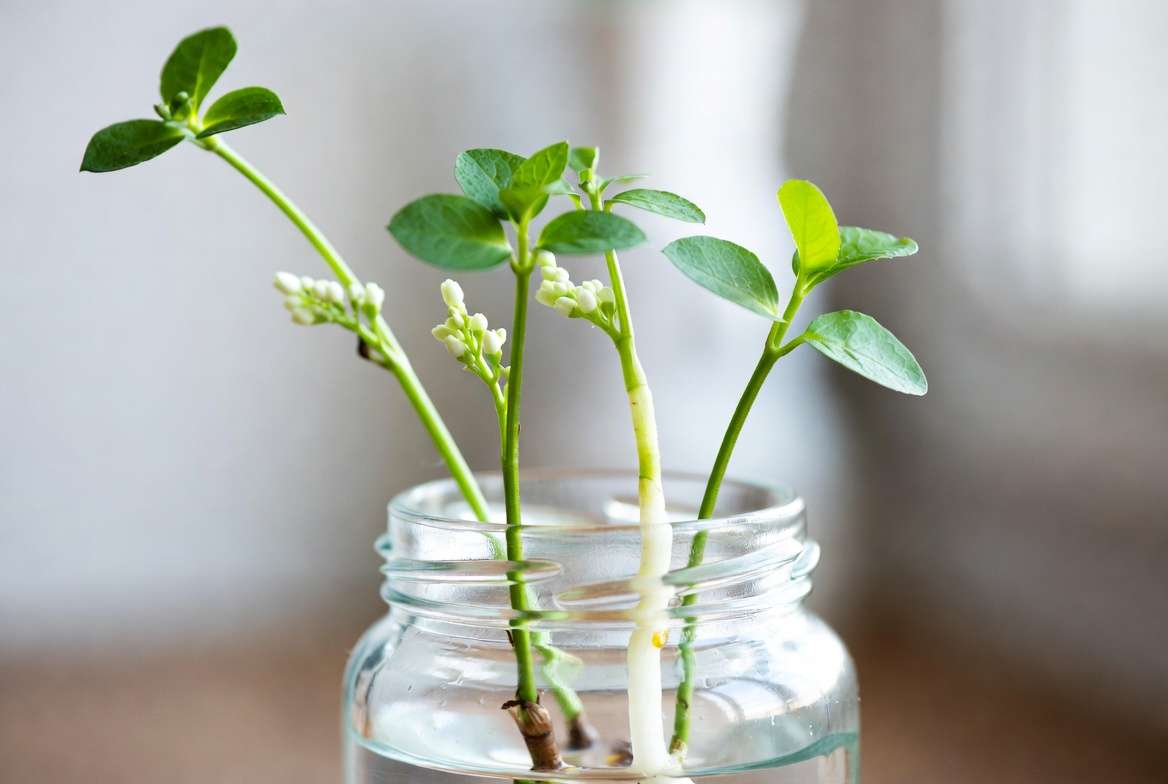
Soil Propagation: Dip the cut end in rooting hormone (optional but speeds things up) and plant directly in moist, well-draining mix. Cover with a plastic bag to maintain humidity until new growth emerges.
Division: When repotting a mature plant, gently separate rooted sections and pot them individually.
Best time for propagation is spring or early summer when the plant is actively growing. Success rates often exceed 95% with proper humidity and warmth.
8. Common Problems & Expert Troubleshooting 🛠️
Pests That Love Bridal Veil (and How to Beat Them)
The fine foliage and trailing habit can occasionally attract common houseplant pests, especially in dry conditions.
- Spider mites: Look for fine webbing and stippled leaves. Treat with neem oil or insecticidal soap weekly until gone. Increase humidity to prevent recurrence.
- Mealybugs: White, cottony clusters on stems. Remove manually with alcohol-dipped cotton swabs, then apply neem oil.
- Aphids: Tiny green or black insects on new growth. Blast with water or use insecticidal soap.
Prevention: Regular inspection (especially undersides of leaves), good air circulation, and avoiding overly dry air keep pests at bay.
Disease & Leaf Issues
Most problems stem from cultural care rather than pathogens.
Quick Diagnosis Chart:
- Yellow leaves: Often overwatering or poor drainage → Check soil moisture and improve drainage.
- Brown crispy tips/edges: Low humidity or underwatering → Boost humidity and consistent watering.
- Leggy growth & small leaves: Insufficient light → Move to brighter indirect spot or add grow lights.
- No flowers: Low light, inconsistent watering, or lack of fertilizer → Optimize conditions above.
- Root rot: Mushy stems, sour soil smell → Repot, trim rotten roots, and use fresh well-draining mix.
For root rot rescue: Remove the plant, rinse roots, cut away soft black sections, dust with cinnamon (natural antifungal), and repot in fresh soil. Keep drier than usual for the first 1–2 weeks while it recovers.
Other Challenges Solved
- Leaf drop: Usually from sudden changes in light, temperature, or watering. Stabilize conditions.
- Lack of blooms: Increase light and ensure monthly feeding during growth season.
With these troubleshooting steps, most bridal veil issues resolve quickly—turning potential frustration into confident success.
9. Creative Display Ideas & Styling Tips for Your Home ✨
Best Places to Show Off Your Bridal Veil
The cascading nature of Gibasis pellucida makes it perfect for elevated displays:
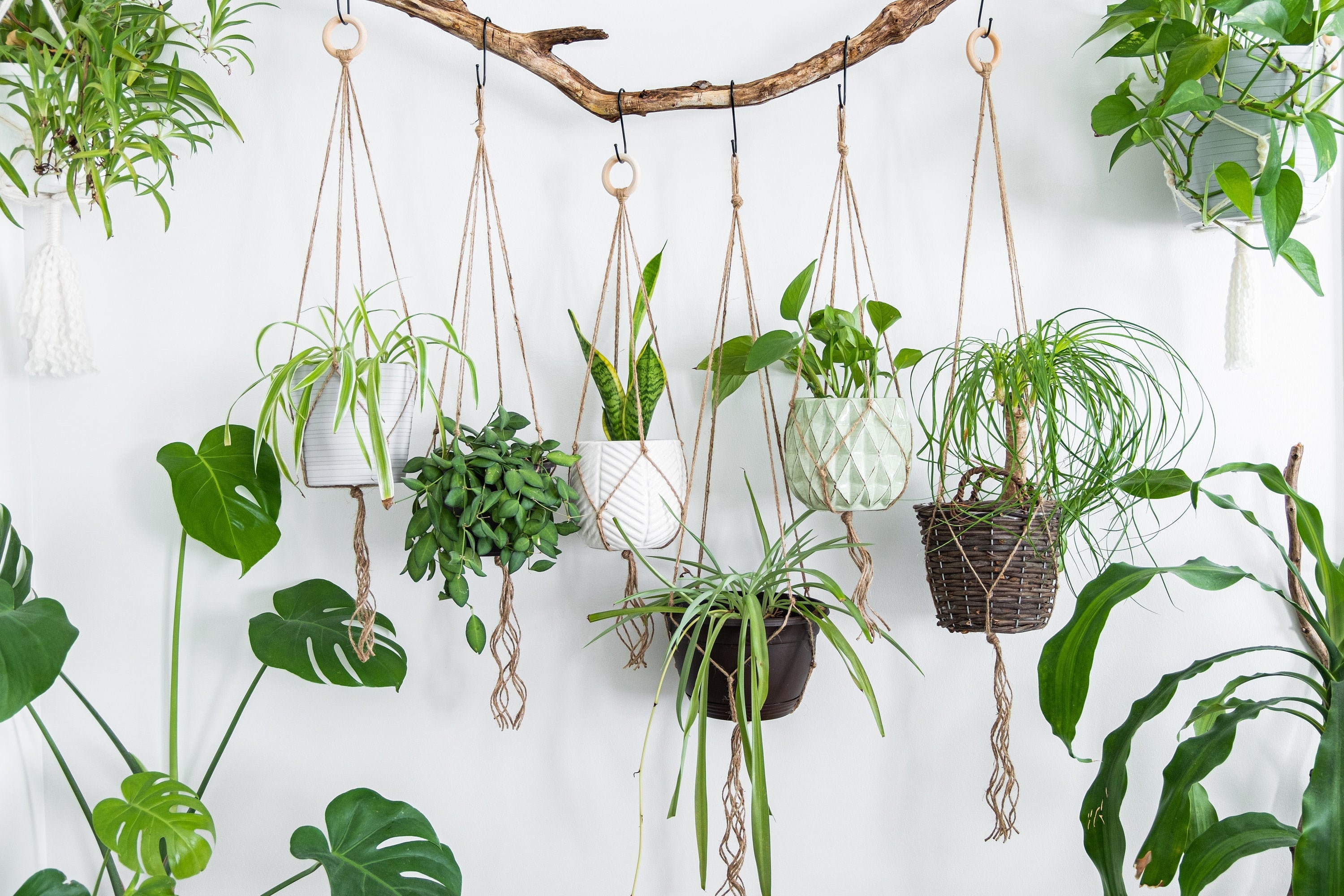
- Hanging baskets or macramé hangers: Let the “veil” drape dramatically from ceilings or hooks.
- High shelves or plant stands: Create layered greenery effects.
- Terrariums or glass containers: For smaller, humidity-loving setups (ensure good airflow).
Pair it with contrasting plants like dark-leafed pothos, variegated spider plants, or upright snake plants for stunning visual interest.
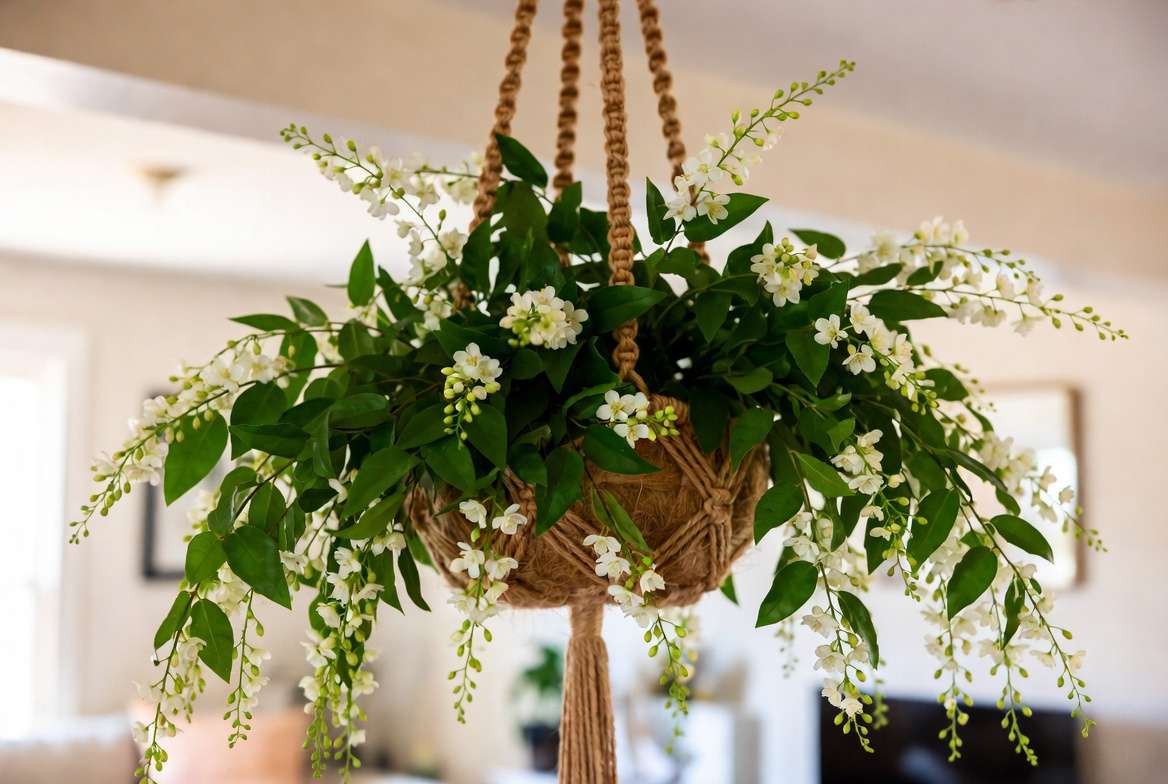
Seasonal Décor Inspiration
In spring/summer, combine with fresh flowers for a romantic vibe. During holidays, add subtle fairy lights intertwined in the trails for a magical glow. Its delicate white blooms make it a natural fit for wedding or event décor too!
10. Is Bridal Veil Plant Pet-Friendly & Safe? 🐶🐱
The bridal veil plant (Tahitian bridal veil) contains compounds that can cause mild gastrointestinal upset or skin irritation if ingested in large quantities by dogs or cats. While not considered highly toxic, it’s best to keep it out of reach of curious pets—hang it high or place on elevated surfaces.
If you have pets that nibble plants, opt for truly non-toxic alternatives like spider plants or parlor palms and enjoy your bridal veil responsibly. Always consult a vet if you suspect ingestion.
11. Frequently Asked Questions (FAQs) ❓
Why is my bridal veil plant not flowering? Insufficient bright indirect light is the most common reason. Move it to a brighter spot and ensure consistent moisture plus monthly feeding. Blooms should appear within weeks of improved conditions.
Can I grow bridal veil plant outdoors? Yes—in USDA zones 9b–13b with bright indirect or dappled light. Use as a groundcover or in hanging baskets, but bring indoors before frost.
How fast does the bridal veil plant grow? Under ideal conditions, it grows moderately fast, producing noticeable new trails and blooms within a few months. Pruning encourages even quicker bushiness.
What are the best companion plants? Other trailing or tropical plants like Tradescantia, string of pearls (for contrast), philodendrons, or ferns pair beautifully while sharing similar care needs.
How do I revive a struggling bridal veil plant? Assess light, water, and soil first. Trim damaged parts, repot if root-bound or rotted, boost humidity, and give it time in optimal bright indirect light. Most recover beautifully with patience.
Is the bridal veil plant the same as Tradescantia? It belongs to the same family (Commelinaceae) and looks similar, but Gibasis pellucida has finer foliage and more prolific tiny white flowers compared to many Tradescantia species.
Do I need to use distilled water? Room-temperature tap water is usually fine if left to sit overnight (to dissipate chlorine). Rainwater or filtered water is ideal for sensitive tropicals.
Why are the stems turning purple? This is natural! Increased light often deepens the purple tint on stems and leaf undersides, adding to its beauty.
Bridal Veil Plant Care At-a-Glance
| Aspect | Recommendation |
|---|---|
| Light | Bright indirect light |
| Water | Keep evenly moist; top 1-2″ dry between waterings |
| Soil | Well-draining, organic-rich mix |
| Temperature | 60–75°F (16–24°C) |
| Humidity | 50–70% (use trays/humidifier) |
| Fertilizer | Balanced, half-strength monthly in growing season |
| Propagation | Stem cuttings in water or soil |
Monthly Bridal Veil Care Routine
- Week 1: Check soil moisture, water as needed, mist leaves.
- Week 2: Inspect for pests, prune tips for bushiness.
- Week 3: Fertilize if in growing season.
- Week 4: Rotate plant for even growth, wipe leaves gently.
Conclusion: Your Bridal Veil Success Story Awaits! 🎉
Growing a lush, flowering bridal veil plant indoors is one of the most rewarding experiences for any houseplant enthusiast. With its elegant trailing habit, delicate white blooms, and forgiving nature once you master the basics, it truly earns its romantic name.
By providing bright indirect light, consistent moisture without sogginess, well-draining soil, and a touch of humidity, you’ll enjoy cascading curtains of greenery and flowers for years to come. Remember—patience and observation are your best tools. Every plant teaches us something new!
Have you tried growing a bridal veil plant yet? Share your photos, successes, or questions in the comments below. I love hearing real stories from fellow plant parents.
For more expert houseplant guides, check out our articles on Tradescantia care, best hanging houseplants, and tropical indoor plant collections.
Save this guide, pin it for later, and watch your bridal veil transform your space into a serene, romantic haven. Happy growing! 🌿💕✨











