
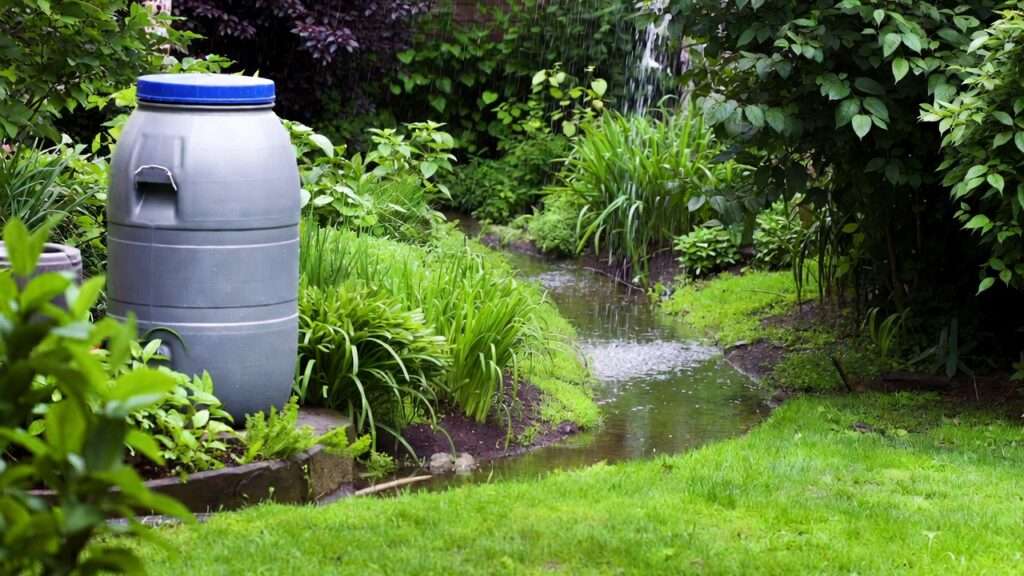
Picture this: A sudden downpour hits your cozy backyard, turning flower beds into muddy puddles, washing away precious mulch around your favorite trees, and sending gallons of water rushing toward the street drain—gone forever. 😩 In small yards, capturing run-off in small yards isn’t just a nice-to-have eco trick; it’s a game-changer for preventing erosion, avoiding soggy spots near foundations, and giving your plants and trees the deep, chemical-free moisture they crave during hot, dry spells. 💧
Runoff in compact spaces often stems from roofs, patios, driveways, and compacted soil, leading to wasted water, soil nutrient loss, local waterway pollution, and higher irrigation bills. The good news? You can turn this problem into a solution with simple, space-efficient techniques like rain barrels, rain gardens, and swales. These methods harvest stormwater right where it falls, providing free, soft rainwater ideal for irrigating gardens, boosting tree health, and creating resilient landscapes.
Backed by guidance from the U.S. Environmental Protection Agency (EPA), university extension services, and stormwater experts, this in-depth guide walks you through practical steps to capture and reuse runoff effectively—even in the tiniest yards. Whether you’re battling erosion around young trees or tired of watering during droughts, you’ll discover actionable strategies that deliver real results for healthier plants and a greener planet. Let’s transform your small yard into a water-wise oasis! 🌳✨
Why Capturing Runoff Matters in Small Yards 🌍
Capturing runoff goes beyond convenience—it’s essential for environmental health and thriving gardens. Stormwater runoff is a major source of pollution, carrying fertilizers, pesticides, oil, and sediment into rivers and lakes (per EPA data). By intercepting it on your property, you reduce this impact and help protect local waterways. 🌊
For plant and tree care, harvested rainwater is superior to treated municipal water. It’s naturally soft (low in chlorine and salts), slightly acidic, and oxygen-rich—perfect for root absorption. Trees benefit hugely: their canopies intercept rain (reducing erosion), roots promote infiltration, and consistent moisture from captured runoff supports deeper growth and drought resilience. Studies show trees can store over 100 gallons per mature specimen and cut runoff significantly when combined with green practices. 🌲
In small yards, these benefits shine:
- Save money — Cut irrigation costs by reusing hundreds of gallons from even modest rains (e.g., 1 inch on a 1,000 sq ft roof yields ~600 gallons!).
- Prevent issues — Minimize flooding, mud, and foundation risks.
- Enhance beauty — Integrate functional features that boost biodiversity with pollinator-friendly plants. 🐝
Quick fact: Even in limited spaces, combining techniques can capture 85-90% of annual runoff, recharging soil and groundwater while nurturing your landscape. 📈
Understanding Runoff in Compact Yards 🔍
Runoff occurs when rain hits impervious surfaces (roofs, concrete) or compacted soil faster than it can infiltrate. In small yards, common culprits include:
- Downspouts dumping water onto driveways or lawns.
- Sloped areas channeling fast-moving water, causing erosion around tree bases.
- Poor drainage leading to puddles that stress plant roots with wet-dry cycles.
To assess your yard:
- Observe during rain—note flow paths and pooling spots.
- Calculate potential harvest: Measure roof/paved area (sq ft) × rainfall depth (inches) × 0.623 = gallons captured. For example, a 500 sq ft roof during a 1-inch rain = ~312 gallons! 🧮
- Test soil infiltration: Dig a small hole, fill with water, and time drainage (aim for 0.5-2 inches/hour for best results).
This foundation helps you choose the right capture method tailored to your space and needs.
Top Methods for Capturing Run-Off in Small Yards 🛠️
1. Rain Barrels & Simple Harvesting Systems (Easiest Starter Option) 🪣
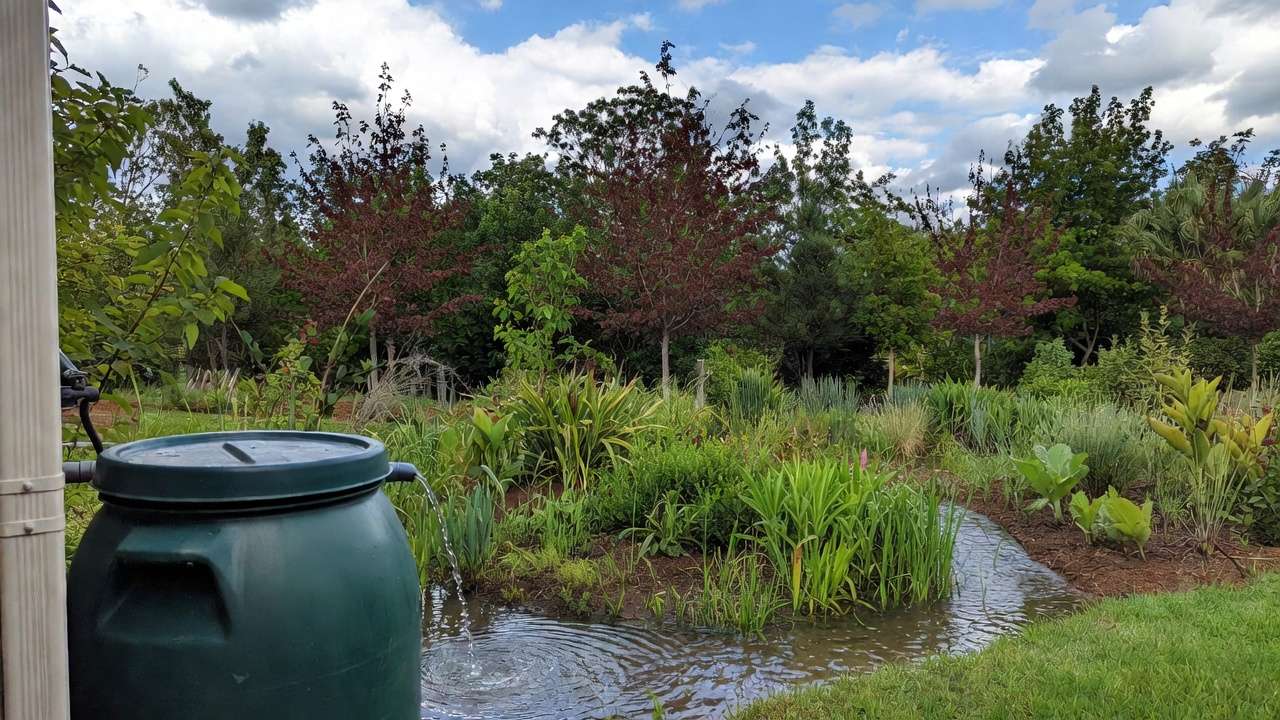
Rain barrels are perfect for tiny yards—compact, affordable (~$50-200), and connected directly to downspouts for instant collection. They store 40-100 gallons for later use on plants and trees.
Step-by-step setup:
- Choose food-grade plastic or wooden barrels (55-60 gal common).
- Position under a downspout on a stable, level base (cinder blocks work great).
- Cut/install a screened inlet (double-layer 1/16-inch mesh prevents debris/mosquitoes).
- Add a spigot at the bottom for hose attachment; include overflow pipe directing excess to a planted area.
- Winterize in cold climates by draining and storing indoors. ❄️
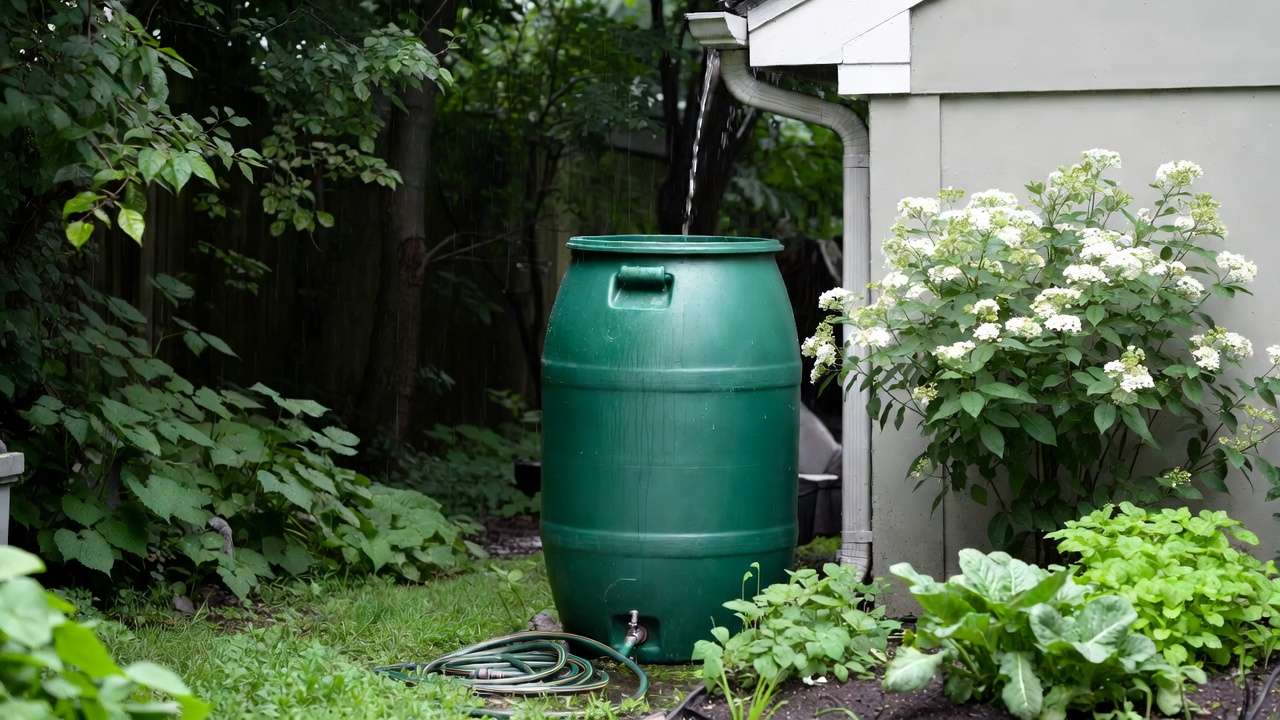
Mosquito prevention tips: Use tight screens on all openings, add Bti dunks (safe bacterial larvicide), empty regularly between rains, and keep lids sealed. No standing water = no breeding! 🦟🚫
Pro integrations: Link multiple barrels in series for more storage; attach soaker hoses for slow, deep tree watering. Real example: A single barrel can irrigate a small veggie patch or young fruit trees through summer dry spells.
2. Rain Gardens: Beautiful, Natural Soak Zones (Best for Infiltration) 🌺
A rain garden is a shallow, planted depression that captures, filters, and slowly infiltrates runoff—ideal for corners, fence lines, or near downspouts in small yards (50-150 sq ft size captures most storms).
Why it excels: Filters pollutants naturally via soil, microbes, and plants; recharges groundwater; supports pollinators with native blooms. EPA notes they can infiltrate 85-90% of runoff!
Step-by-step build:
- Site & size: Choose flat/low spot 10+ ft from foundation; calculate size based on drainage area (e.g., 1:3 to 1:5 ratio of garden to impervious surface).
- Test soil: Percolation test (coffee can method: fill hole, time drain).
- Dig: Excavate 6-12 inches deep, create gentle 3:1 side slopes.
- Amend soil: Mix in compost/sand for better drainage (avoid pure topsoil).
- Berm edges: Build low mound to hold water.
- Plant: Use natives tolerant of wet-dry cycles—e.g., daylilies, switchgrass, coneflowers, or shrubs like buttonbush. Mulch heavily (3 inches). 🌸
- Direct water: Extend downspouts or add swale to feed garden.
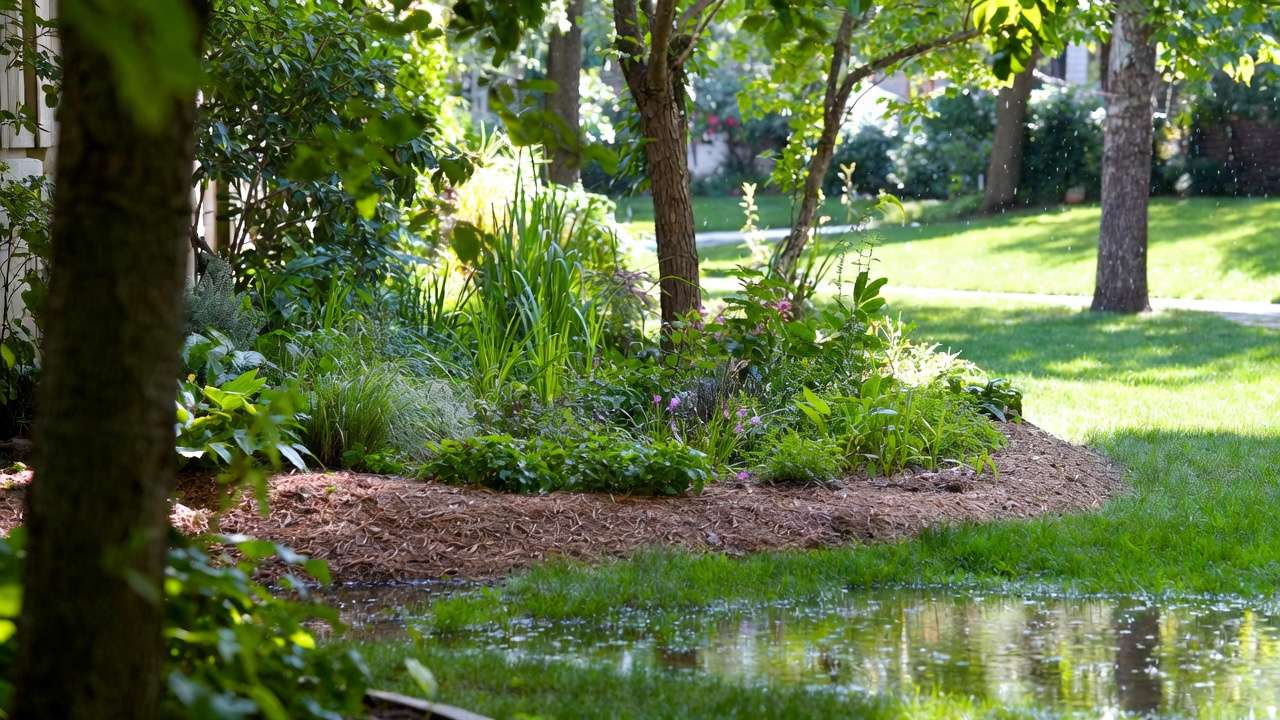
Maintenance: Weed first year; mulch annually; low effort long-term. Bonus: Adds stunning curb appeal while solving drainage woes!
3. Swales & Berms: Gentle Channels for Sloped Yards ↘️
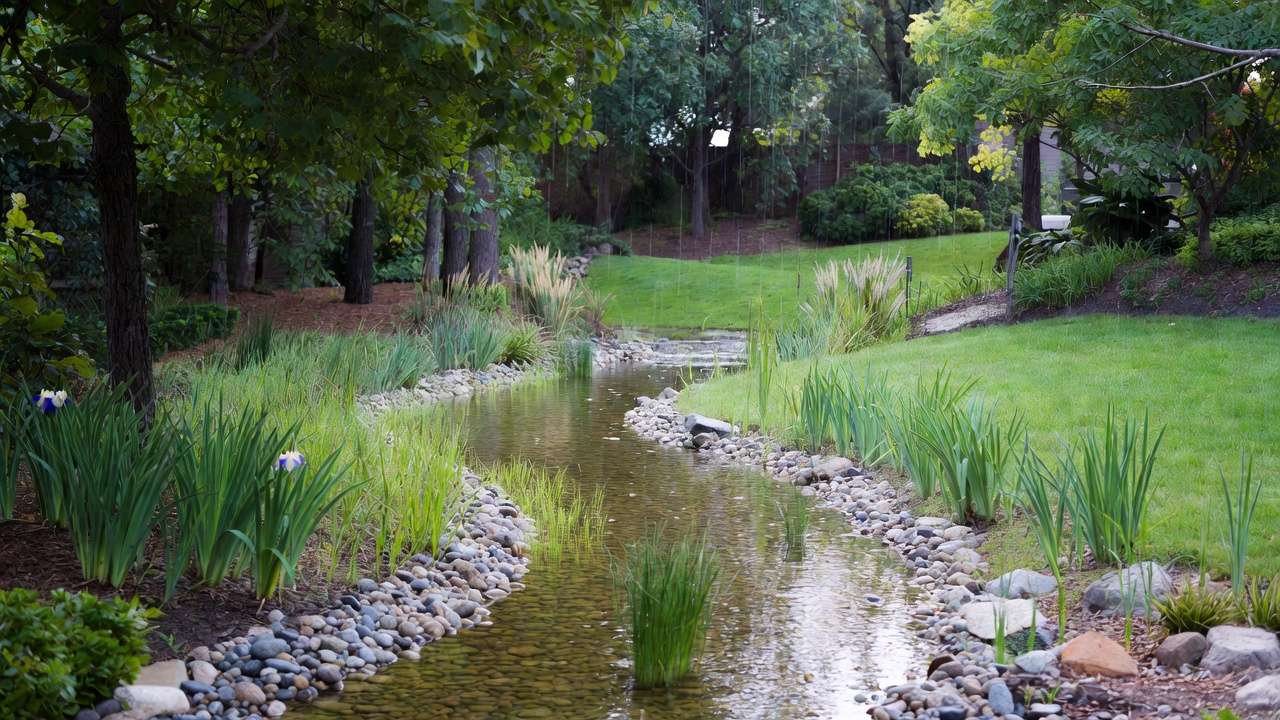
Swales are shallow, vegetated ditches that slow, spread, and sink water—great for redirecting flow along fences or garden edges in sloped small yards.
Adaptations: Mini-swales (1-2 ft wide) or rock-lined “dry creeks” for aesthetics. Combine with rain gardens for max effect.
Installation tips: Follow contour lines, plant deep-rooted natives (grasses, sedges), add rocks to prevent erosion. Benefits: Even moisture distribution to tree roots, reduced gully formation.
4. Other Space-Smart Techniques ⚙️
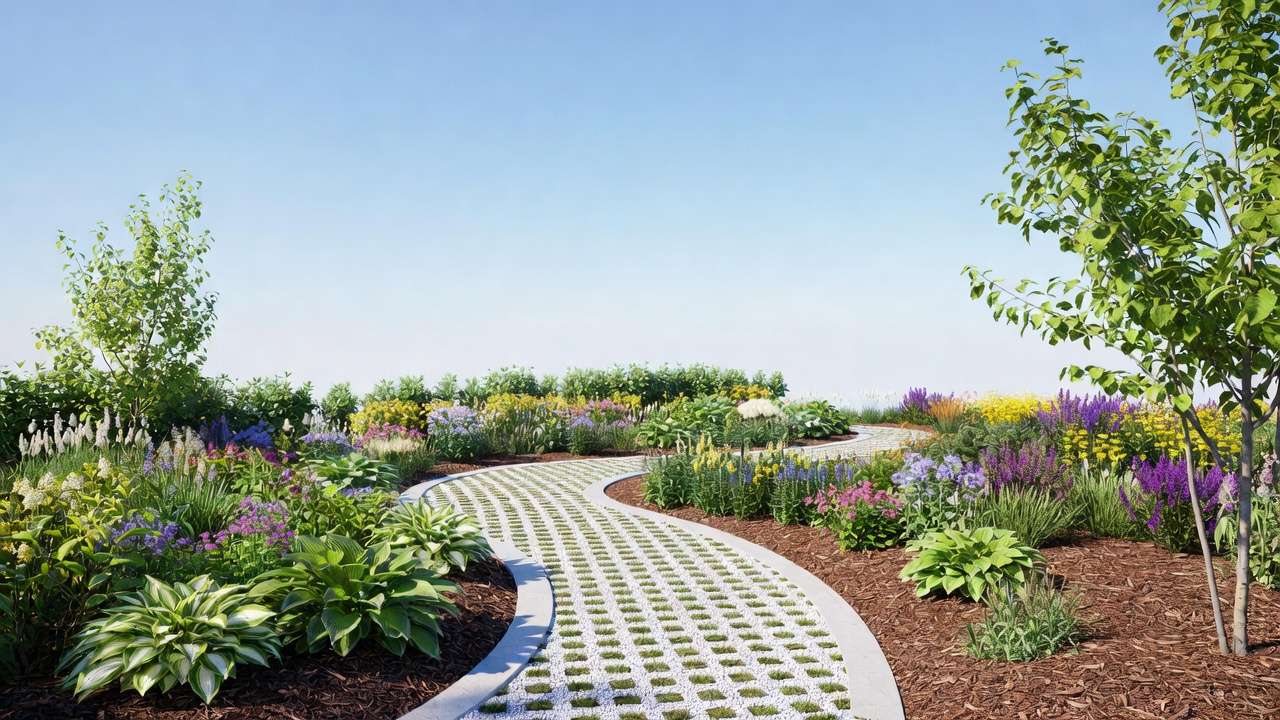
- Permeable surfaces: Replace compacted paths with gravel, permeable pavers, or mulch to boost infiltration.
- Downspout redirects: Extend to beds or gardens instead of hardscapes.
- Dry wells/infiltration trenches: Buried gravel pits for ultra-tight spots.
- Soil boosts: Top-dress with compost yearly to improve absorption yard-wide.
Choosing the Right Solution for Your Yard 📊
Use this quick comparison:
- Rain barrel: Low cost ($), minimal space, easy maintenance, great for direct irrigation.
- Rain garden: Moderate cost ($$), small footprint, filters + beauty, best for infiltration.
- Swale/berm: Low-moderate, suits slopes, erosion control.
Consider your soil, rainfall, budget, and goals (e.g., tree watering vs. pollution reduction). Hybrids—like barrel overflow to rain garden—maximize capture! 🏆
Implementation Tips & Common Mistakes to Avoid ⚠️
Bringing any of these runoff-capturing methods to life in a small yard requires thoughtful planning to ensure success and safety. Here are expert-recommended tips drawn from decades of work by cooperative extension services, Master Gardener programs, and stormwater management professionals.
Preparation & Safety First
- Always call your local utility locate service (e.g., 811 in the US) at least 3 days before any digging deeper than a few inches.
- Maintain at least 10 feet of distance from foundations, septic systems, wells, or property lines to avoid structural or legal issues.
- Work during dry weather when soil is easier to handle and you can observe test drainage without added rain. ☀️
Budget Breakdown (DIY-Friendly Estimates)
- Rain barrel (55-gal + accessories): $50–$150
- Small rain garden (100 sq ft, including plants & mulch): $200–$600 (lower if using existing soil and native plants from divisions)
- Swale or dry creek (20–30 ft length): $100–$400 (mostly labor + rock/gravel)
- Soil amendments & tools: $50–$150
Best Timing Spring or fall are ideal planting seasons for rain gardens and swales—plants establish better with cooler temperatures and natural rainfall. Install rain barrels any time, but test overflow routing during the first good rain.
Common Mistakes & How to Fix Them
- Placing rain gardens too close to the house → Water backs up toward foundation. Fix: Keep 10+ ft away and slope gently away.
- Using poor plant choices → Plants drown or die during dry periods. Solution: Stick to native, rain-garden-approved species (lists available from local extension offices).
- Ignoring overflow → Excess water floods the garden or yard. Always include an overflow path to another planted area or street drain.
- Compacting soil during construction → Reduces infiltration. Walk lightly and avoid heavy machinery; use boards to distribute weight.
- Forgetting mulch → Weeds take over and soil erodes. Apply 2–3 inches of shredded hardwood or pine mulch annually.
Follow these guidelines and your project will be low-risk, high-reward. Many homeowners see noticeable improvements after just one or two seasons. 🌱
Long-Term Benefits for Plants, Trees & Your Wallet 💚
The true magic of capturing runoff reveals itself over time—especially for the plants and trees you love.
Soil & Root Health Consistent, slow infiltration from rain gardens and swales prevents the feast-or-famine cycle common in small yards. Roots grow deeper and stronger, making trees more wind-resistant and drought-tolerant. Compost-enriched rain-garden soil teems with beneficial microbes that improve nutrient availability—no synthetic fertilizers needed.
Tree-Specific Advantages Young and established trees alike thrive with deep, infrequent watering that mimics natural rainfall patterns. Captured runoff delivers exactly that: chlorine-free, oxygen-rich water that encourages mycorrhizal fungi partnerships in the root zone. Research from arborist organizations shows that trees receiving supplemental rainwater during establishment phases grow 20–30% faster in the first few years. 🌳
Financial & Sustainability Wins
- Water bill savings: In regions with high summer rates, reusing 1,000–3,000 gallons per year adds up quickly.
- Reduced maintenance: Less erosion means less mulch replacement and fewer bare patches to reseed.
- Biodiversity boost: Native plants in rain gardens attract bees, butterflies, and birds—turning your yard into a mini wildlife habitat. 🦋🐦
- Property value: Well-designed, functional landscaping (especially eco-friendly features) can increase home appeal and resale value, according to real estate studies.
By addressing runoff proactively, you’re investing in a more resilient, beautiful, and cost-effective landscape for years to come.
FAQs: Answering Common Questions About Capturing Run-Off in Small Yards ❓
Q: How much water can I realistically capture in a truly small yard (e.g., under 1,000 sq ft total)? A: Surprisingly a lot! A modest 400 sq ft roof alone can harvest 250+ gallons from a single 1-inch rain event. Adding a 50–100 sq ft rain garden can infiltrate hundreds more annually. Start small and scale up as you see results.
Q: Is captured rainwater safe for vegetables, fruit trees, and ornamentals? A: Yes—rainwater is generally cleaner than hose water because it lacks chlorine, fluoride, and high salts. Use a first-flush diverter on barrels to discard the dirtiest initial runoff (from roof contaminants). Most experts consider it excellent for all plants.
Q: What if my soil is heavy clay and drains slowly? A: Amend rain-garden soil with 30–50% compost and coarse sand to improve structure. Choose plants proven to tolerate occasional ponding (e.g., iris, sedges). In extreme cases, consider a raised rain garden with imported soil mix.
Q: Do I need permits to install a rain barrel or rain garden? A: Most areas allow rain barrels without permits. Rain gardens usually don’t require permits if they’re small (<200 sq ft) and on your property. Check local ordinances or HOA rules—many municipalities now incentivize these practices with rebates!
Q: How do I keep the system working during long dry spells or winter? A: Rain barrels: Keep them full or empty to prevent cracking; disconnect hoses in freezing weather. Rain gardens: Plants go dormant naturally—no action needed. Mulch helps retain soil moisture year-round.
Conclusion: Take Action Today for a Greener Tomorrow 🌟
Capturing run-off in small yards is one of the most practical, impactful steps any homeowner can take toward sustainable plant and tree care. Whether you start with a single rain barrel this weekend or design a charming rain garden next season, every gallon you harvest means healthier roots, less wasted water, and a smaller environmental footprint.
You don’t need a huge property or big budget—just a little planning and the right techniques. Your trees will thank you with stronger growth, your garden beds will stay lush longer between rains, and you’ll enjoy the satisfaction of turning a common problem into a beautiful solution.
Ready to get started? Grab a tape measure, observe the next rain, and pick one method that fits your space best. Share your progress in the comments—I’d love to hear how your small yard transforms! Happy gardening, and here’s to greener days ahead. 🌳🥰











