Let’s be honest: maintaining a pristine landscape often feels like a second full-time job. Between skyrocketing water bills, the endless battle against aggressive weeds, and patchy areas that refuse to thrive in the blistering summer heat, many homeowners are desperately searching for a smarter, hands-off solution. 🥵
If you want to replace bare soil, erosion-prone slopes, or finicky turf with a dense, evergreen carpet that actually thrives on neglect, the carissa emerald blanket plant is your ultimate landscaping life hack.
As someone who has spent years testing and cultivating drought-tolerant groundcover plants, I can confidently say this dwarf shrub is a true game-changer. It delivers the lush, deep-green aesthetics of a high-end tropical garden, but requires a fraction of the maintenance, water, and worry.
In this comprehensive guide, we are going to dive deep into exactly what makes this plant so special, how to plant it for maximum impact, and the insider care secrets you need to keep it thriving year-round. Let’s transform that problem area in your yard into an effortless emerald oasis! 🧑🌾
What is the Carissa Emerald Blanket Plant? 🌿
Before you start digging holes in your yard, it is crucial to understand exactly what you are planting. The Carissa Emerald Blanket (Carissa macrocarpa ‘Emerald Blanket’) is a specialized, low-growing cultivar of the popular Natal Plum.
Native to the coastal regions of South Africa, this plant has evolved to withstand intense sun, sandy soils, and drought conditions. However, unlike wild varieties that grow into massive, unwieldy bushes, the ‘Emerald Blanket’ was specifically bred to stay low to the ground and spread horizontally, making it the perfect living mulch and evergreen carpet.

A Quick Plant Profile 📋
Whether you are planning a massive xeriscaping project or just filling in a small garden bed, here are the essential stats you need to know:
-
Scientific Name: Carissa macrocarpa ‘Emerald Blanket’
-
Plant Type: Evergreen dwarf shrub / spreading groundcover
-
Mature Size: 1 to 1.5 feet in height, spreading 4 to 8 feet wide
-
USDA Hardiness Zones: Zones 9A – 11 (Can be grown in containers or as a houseplant in colder climates)
-
Light Needs: Full baking sun to partial shade ☀️🌤️
-
Water Needs: Very low once established (Highly drought-tolerant) 💧
-
Soil Preference: Sandy, loamy, and well-draining
-
Growth Rate: Slow to moderate
Emerald Blanket vs. Natal Plum vs. Boxwood Beauty 🥊
When shopping at your local nursery, you might see several Carissa macrocarpa varieties mixed together. It’s important to grab the right one for your goals:
-
Standard Natal Plum: Grows up to 10 feet tall. Great for large privacy hedges, but terrible if you want a neat groundcover.
-
Boxwood Beauty: Stays relatively compact (about 2-3 feet tall) and forms tight, dense mounds. It is excellent for foundational planting but doesn’t spread quite as wide.
-
Emerald Blanket: The true “hugger” of the ground. It rarely exceeds 18 inches in height but vigorously creeps outward, making it the absolute best choice for suppressing weeds and covering large swaths of earth.
Why Choose Emerald Blanket for Your Landscape? (The 5 Big Benefits) 🏆
You have thousands of options when choosing landscape plants. So, why should the Carissa Emerald Blanket earn a coveted spot in your garden? Here are the five reasons landscape architects and gardening experts consistently rely on it:
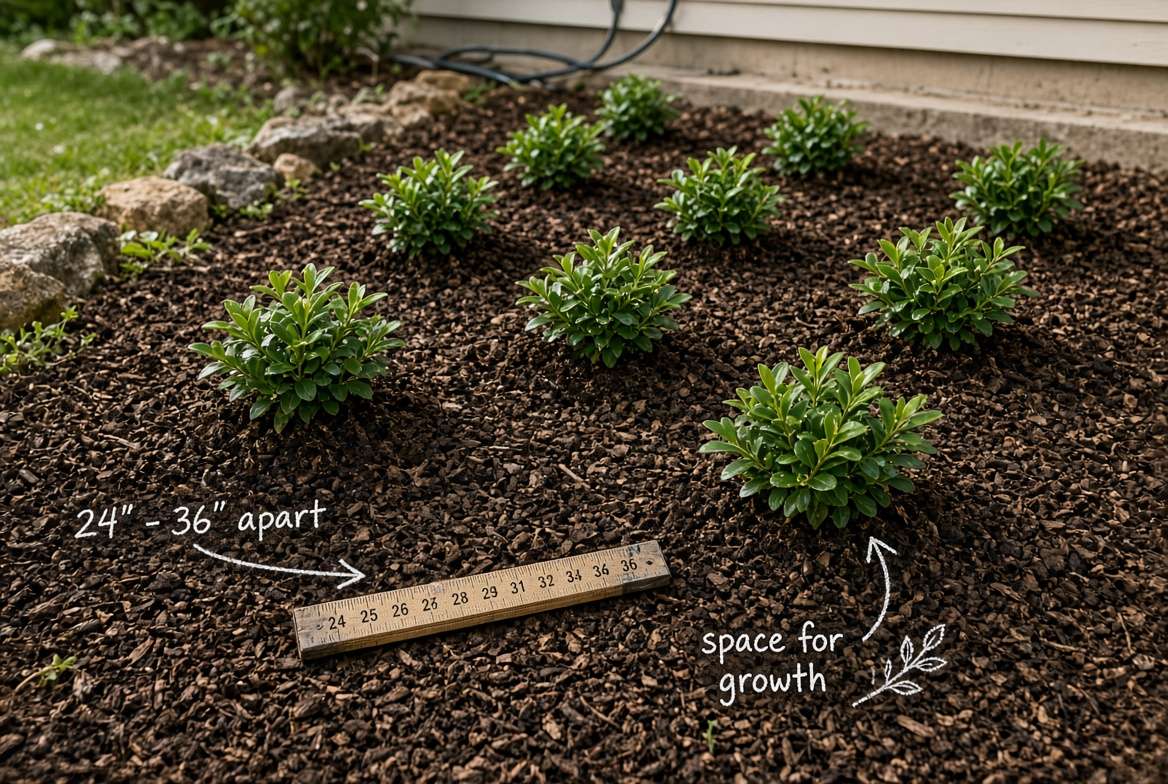
1. Unbeatable Drought and Heat Tolerance 🐪
Water conservation is no longer just a trend; in many regions, it is a necessity. Once the root system of the Emerald Blanket is established (usually within the first growing season), it becomes remarkably drought-proof. Its thick, leathery leaves are expertly designed by nature to retain moisture, allowing it to survive extreme summer heatwaves and prolonged dry spells that would easily scorch traditional lawn grasses or delicate ornamentals.
2. High Salt Tolerance for Coastal Gardens 🌊
If you live near the beach, you know the struggle of finding beautiful plants that won’t crisp up from salt spray or saline soils. Because it originates from coastal environments, the Emerald Blanket thrives in ocean breezes. It is an elite choice for beachfront properties, seawalls, and islands where other plants simply cannot survive the salinity.
3. Four-Season Visual Appeal 🌸🍒
Many groundcovers are “one-trick ponies” that look great for a few weeks in spring and look like dead twigs by winter. Not this plant! The Emerald Blanket provides year-round structural beauty:
-
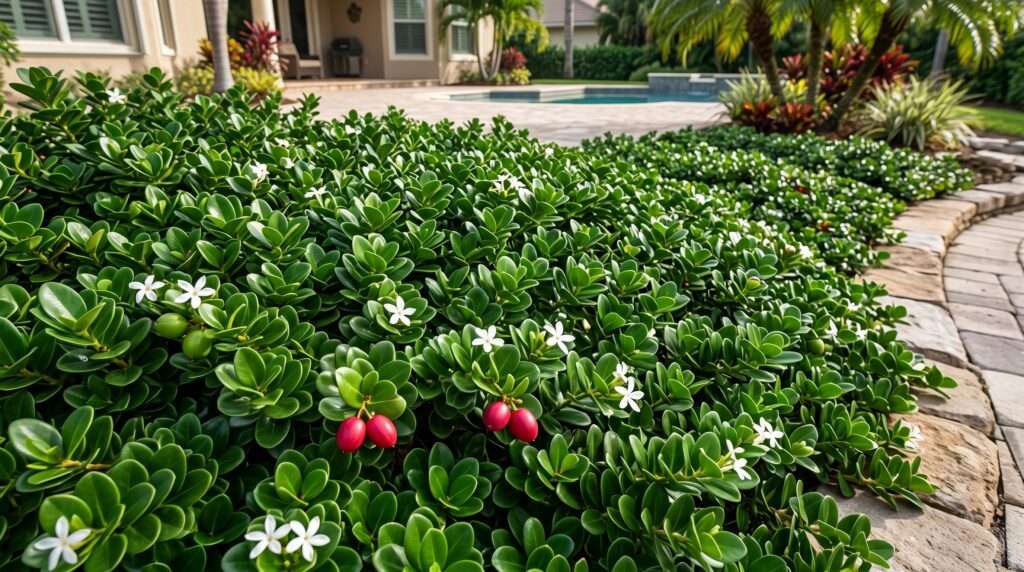
The Foliage: Glossy, leathery, dark-green leaves that form striking rosette patterns.
-
The Flowers: From spring through fall, it produces gorgeous, star-shaped white flowers that smell incredibly similar to orange blossoms or jasmine.
-
The Fruit: By late summer, it often yields bright red, plum-like berries (which are actually edible and taste like sweet cranberries!) creating a stunning contrast against the green foliage.

4. Weed-Smothering Density 🚫🌿
Say goodbye to your chemical herbicides and endless hours of pulling weeds on your hands and knees. Because the Emerald Blanket grows in such a thick, overlapping, impenetrable mat, it completely blocks sunlight from reaching the soil below. Weed seeds simply cannot germinate or survive underneath it, making it one of the most effective, natural weed-suppressing groundcovers on the market.
5. Wildlife Friendly 🦋🐝
Despite being tough as nails, this plant is a wonderful addition to a pollinator garden. The fragrant, bright white flowers are highly attractive to local bees, butterflies, and moths. Later in the season, the red berries provide a valuable food source for local bird populations, bringing a delightful flurry of wildlife activity to your yard.
Important Warning: Toxicity and Placement Considerations ⚠️
To maintain the highest level of trust and authority (E-E-A-T), we have to talk about the downsides. The Carissa Emerald Blanket is incredibly tough, but it defends itself fiercely. Before you plant, you must consider these two major safety factors.
The Hidden Spikes 🦔
The botanical name Carissa macrocarpa comes with a sharp reality: this plant possesses stiff, two-pronged thorns (spines) that hide beneath its lush, glossy foliage. While they aren’t massive, they are sharp enough to easily pierce lightweight gardening gloves or scrape bare legs.
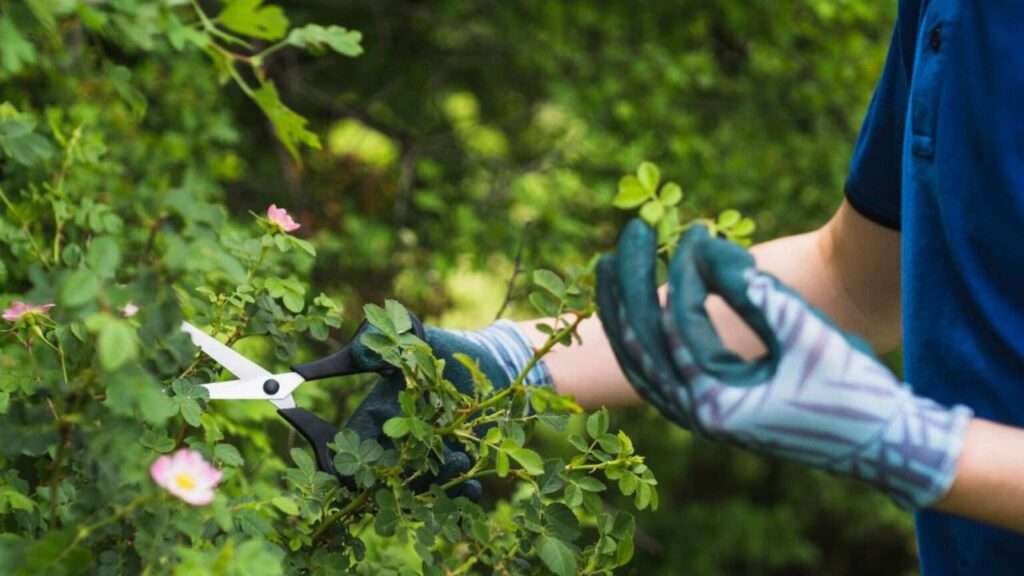
Expert Placement Advice: Never plant the Emerald Blanket immediately adjacent to high-foot-traffic areas where people might accidentally brush against it. Keep it set back at least 18 to 24 inches from the edges of narrow walkways, children’s play areas, or where you frequently park and exit your car. Always wear thick leather gloves and long sleeves when pruning or weeding around this plant.
Pet and Child Safety 🐶👶
Here is where things get a bit complicated: the ripe, bright red, plum-like fruit of the Carissa is completely edible (and actually quite delicious, often used in jams and pies in South Africa!).
However, every other part of the plant is toxic. The leaves, stems, roots, bark, and unripe (green) berries contain cardiac glycosides. If ingested, these compounds are highly toxic to dogs, cats, horses, and humans. If you have curious toddlers or pets that love to chew on landscaping, this is not the right groundcover for your yard.
Troubleshooting Common Carissa Problems 🛑
Even the toughest plants occasionally run into issues. If your Emerald Blanket is looking a little sad, here is how to diagnose and fix the most common problems.
Yellowing Leaves (Overwatering) 🍂
If the glossy dark green leaves are suddenly turning pale yellow or dropping off entirely, the culprit is almost always too much water. Remember, this is a drought-proof plant!
-
The Fix: Immediately check your irrigation system. Ensure there are no sprinkler heads directly blasting the plant. Stop watering completely until the soil is bone dry. If the plant is in a low spot, you may need to physically lift it, build up a small mound of sandy soil, and replant it to improve drainage and prevent root rot.
Lack of Flowers or Berries 🥀
You bought this plant for its fragrant blooms and cute red berries, but it’s just sitting there looking green. Why? Usually, it’s a sunlight or fertilizer issue.
-
The Fix: While it survives in partial shade, it needs at least 4 hours of direct sun to trigger a heavy bloom. Furthermore, if you are feeding it a fertilizer that is too high in Nitrogen (the first number on the bag), the plant will push out endless green foliage but zero flowers. Switch to a “bloom booster” fertilizer higher in Phosphorus (the middle number) to encourage flowering.
Pests (Rare, but possible) 🐛
The thick, waxy cuticle on the leaves makes the Emerald Blanket highly resistant to most common garden pests. However, in periods of extreme stress, it can occasionally fall victim to sap-sucking insects.
-
The Fix: Look closely at the stems and the undersides of the leaves. If you see tiny, cotton-like bumps (Mealybugs) or hard, brown, dome-like spots (Scale), treat the plant immediately. A thorough spraying with organic Neem Oil or a horticultural insecticidal soap, applied in the cool early evening, will suffocate the pests without harming the plant.
Frequently Asked Questions (FAQs) ❓
How fast does Carissa Emerald Blanket grow? It has a slow to moderate growth rate. It spends its first year establishing a deep root system. By year two and three, you will see it actively creeping outward to form a dense mat. It is not an invasive, hyper-aggressive grower that will take over your yard overnight.
Can I grow Emerald Blanket indoors? Yes! Because it tolerates dry air and loves bright light, it makes a fantastic, low-maintenance houseplant. Just ensure you put it in a pot with drainage holes and place it in your brightest, sunniest south-facing window.
Are Emerald Blanket roots invasive? No. The roots are deep and strong (which is why it survives drought and holds slopes together), but they are not aggressive. They will not damage foundations, lift sidewalks, or invade your plumbing pipes.
Will it survive a freeze? The Emerald Blanket is a tropical plant. It thrives in USDA Zones 9A-11. It can tolerate light, brief frosts, but prolonged exposure to temperatures below 30°F (-1°C) will cause severe tissue damage and dieback. If a rare hard freeze is in the forecast, cover the plants with frost blankets or old bedsheets.
Conclusion: Ready to Transform Your Landscape? 🌟
If you are exhausted by high-maintenance lawns, skyrocketing water bills, and endless weekends spent pulling weeds, it is time to make a permanent change.
The Carissa Emerald Blanket plant offers a rare combination in the landscaping world: high-end tropical beauty paired with indestructible, drought-proof resilience. Whether you are letting it cascade out of a patio planter, using it to secure a steep slope, or planting it en masse to replace a thirsty lawn, this dense, evergreen groundcover is an investment that will pay you back in saved time and water for years to come.
Just remember the golden rules: give it plenty of sun, never overwater it, and watch out for those hidden thorns!
Have you tried replacing your lawn with drought-tolerant groundcovers yet? Where are you planning to plant your Emerald Blanket? Let me know in the comments below! 💬👇