
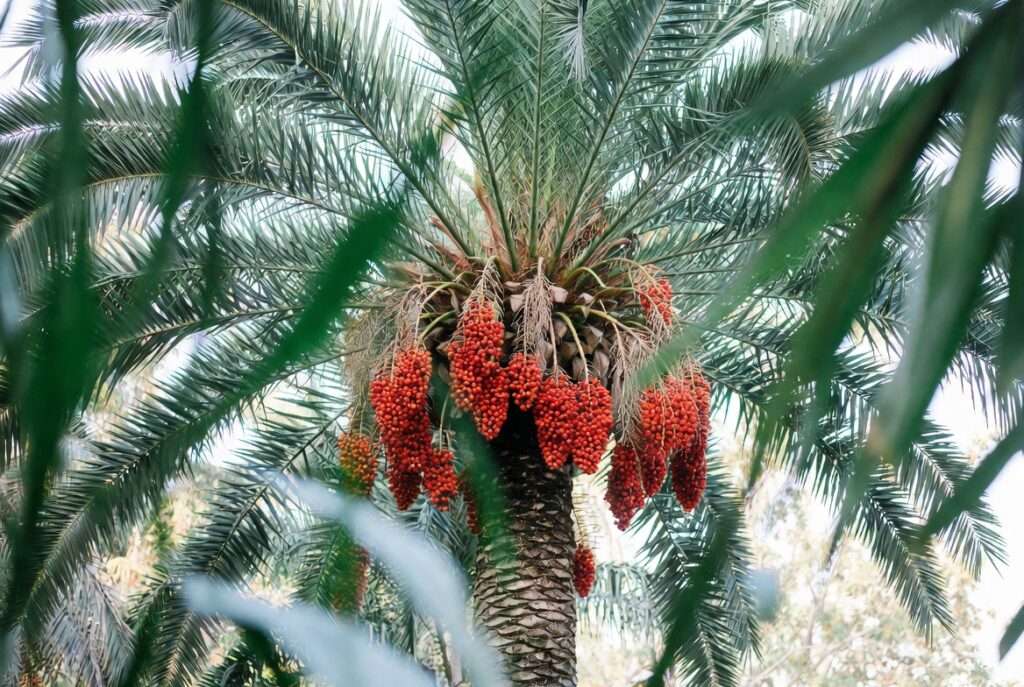
Imagine stepping onto your patio on a crisp December morning and being greeted by a towering Christmas palm tree bursting with clusters of brilliant red fruit, its elegant green fronds swaying gently like nature’s own holiday lights. No store-bought decorations needed — just pure tropical magic right in your backyard or living room! 🌟 If you’ve ever dreamed of growing this stunning palm but worried about yellow fronds, slow growth, or zero fruit, you’re in the right place.
The Christmas palm tree (scientifically known as Adonidia merrillii, also called Manila palm) earns its festive nickname because its bright red berries ripen right around the holiday season, turning any landscape into a cheerful winter wonderland. As a certified horticulturist with over 15 years specializing in tropical palms and a passion for helping homeowners create thriving gardens, I’ve helped thousands transform struggling specimens into show-stoppers. This comprehensive guide delivers everything you need for lush, fast-growing palms loaded with vibrant fruit — even if you’re a beginner. Let’s dive in and make your Christmas palm tree the star of the season! 🌴✨
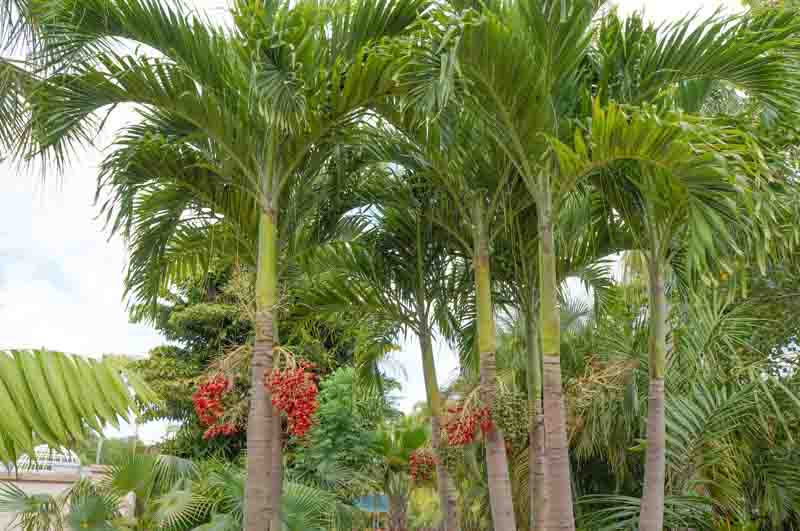
1. What Is a Christmas Palm Tree? Everything You Need to Know 🌴 (H2)
Botanical Profile & Origin (H3)
The Christmas palm tree is a single-trunked, feather-leaved palm native to the Philippines and parts of Malaysia. It belongs to the Arecaceae family and is prized for its slender, smooth gray trunk topped with a graceful crown of arching fronds. Unlike some palms that grow massive and overwhelming, Adonidia merrillii stays manageable — usually reaching 20–30 feet tall and 10–15 feet wide at maturity — making it perfect for suburban yards, patios, and even large containers.
Why It’s Called the “Christmas Palm” (H3)
Here’s the fun part: those eye-catching red fruits (technically drupes) mature in late fall to early winter, perfectly timed for holiday cheer. The clusters dangle below the crown, glowing like ornaments against the deep green foliage. Many gardeners plant them specifically for this seasonal display! 🎄
Mature Size, Growth Rate & Lifespan (H3)
Expect moderate growth of 1–2 feet per year under ideal conditions. With proper Christmas palm tree care, these beauties can live 20–40+ years, rewarding you with decades of beauty and fruit. They’re self-cleaning to some extent but benefit from occasional pruning.
Is It the Right Palm for Your Climate? (H3)
Christmas palms thrive in USDA zones 10–11 and love warm, humid tropical or subtropical climates. They tolerate brief dips to 32°F (0°C) but hate frost. In borderline zones (9b), choose a sheltered microclimate or grow in a large pot you can move indoors during winter. Pro tip: coastal areas with salty air? They handle it beautifully!
Quick Comparison Table: Christmas Palm vs. Areca, Queen & Royal Palms (H3)
- Christmas Palm: Compact, red fruit, full sun, moderate salt tolerance
- Areca Palm: Clumping, no red fruit, great indoors
- Queen Palm: Taller, more cold-sensitive, feather fronds
- Royal Palm: Massive trunk, dramatic but needs tons of space
This quick reference helps you confirm your Christmas palm tree is the perfect fit!
2. Choosing the Perfect Christmas Palm for Your Space (H2)
Container vs. In-Ground: Which Option Wins? (H3)
In-ground planting gives the fastest growth and biggest fruit displays, but container-grown palms are ideal for patios, balconies, or cold climates. Choose a pot at least 24 inches wide with excellent drainage — your palm will thank you!
Best Varieties & Where to Buy Healthy Specimens (H3)
Stick with the classic Adonidia merrillii — no fancy hybrids needed. When shopping, look for:
- Bright green, upright fronds (no yellowing)
- Firm, plump root ball
- No signs of pests or trunk damage
Reputable nurseries or online tropical plant specialists are best. Avoid big-box stores with root-bound or stressed stock.
Cost Guide 2026 + Money-Saving Propagation Tips (H3)
A 3-gallon starter runs $30–60, while a 10–15 foot specimen can cost $150–400. Save big by learning to propagate from seeds (more on that later) or dividing offsets from mature plants.

3. Planting Your Christmas Palm Tree the Right Way 🌱 (H2)
Best Time to Plant (H3)
Spring or early summer is ideal when soil warms up and the palm can establish roots before winter. In zones 10–11, you can plant almost year-round except during extreme heat or cold snaps.
Step-by-Step Planting Instructions (H3)
- Dig a hole twice as wide as the root ball but only as deep.
- Gently remove the palm from its nursery pot and loosen circling roots.
- Position so the top of the root ball sits slightly above soil level (never bury the trunk!).
- Backfill with your custom soil mix and firm gently.
- Water deeply and add 2–3 inches of organic mulch (keep it 3 inches away from the trunk to prevent rot).

Soil Recipe for Explosive Root Growth (H3)
Mix 50% well-draining potting soil, 30% coarse sand or perlite, and 20% compost or pine bark. Aim for a slightly acidic pH of 6.0–6.5. This recipe prevents the #1 killer of palms: root rot!
Transplanting Shock Recovery Secrets (H3)
Newly planted palms may show temporary yellowing — don’t panic! Keep soil evenly moist (not soggy), provide light shade for the first 2 weeks, and apply a seaweed-based root stimulant. Within 4–6 weeks you’ll see fresh green growth.
4. Sunlight & Temperature Requirements ☀️ (H2)
Ideal Light Levels for Maximum Frond Production (H3)
Full sun (6–8+ hours direct) produces the thickest crowns and heaviest fruit. In hotter climates, provide afternoon shade to prevent leaf scorch.
How Much Direct Sun Is Too Much? (H3)
Burned tips or bleached fronds mean too much intense midday sun. Move potted specimens or add temporary shade cloth during heat waves.

Temperature Tolerance & Winter Protection Strategies (H3)
Protect from temperatures below 35°F with frost blankets or string lights (the bulbs give gentle warmth). Indoor growers: keep away from cold drafts and heating vents.
Indoor Growing Success (H3)
Yes, Christmas palm tree can grow indoors! Place near a south-facing window or supplement with full-spectrum grow lights for 12–14 hours daily. Rotate the pot weekly for even frond growth.
5. Watering & Humidity Secrets for Lush Growth 💧 (H2)
The “Goldilocks” Watering Schedule (H3)
Newly planted: water deeply 2–3 times per week. Established in-ground: once weekly in summer, every 10–14 days in winter. Container palms need more frequent checks — water when the top 2 inches of soil feel dry.
Signs of Overwatering vs. Underwatering (H3)
- Overwatering: Yellow lower fronds, soft trunk base, fungus gnats
- Underwatering: Crispy brown tips, wilting, slow growth
Visual checklist: Stick your finger 4 inches into soil — if dry, water!
Humidity Hacks for Dry Climates (H3)
Group plants together, use pebble trays with water, or run a cool-mist humidifier. Misting fronds weekly also helps prevent spider mites.
Rainwater vs. Tap Water: What Really Matters (H3)
Rainwater is best (no salts or chlorine). If using tap, let it sit 24 hours to off-gas chemicals. In hard-water areas, flush soil monthly with distilled water to prevent mineral buildup.
6. Feeding Your Palm for Vibrant Fruit & Fast Growth 🌿 (H2)
Proper nutrition is the secret sauce behind lush, deep-green fronds and those show-stopping red fruit clusters that make your Christmas palm tree a holiday favorite. Without the right nutrients, even the best-planted palm can develop yellowing leaves, slow growth, or disappointing fruit production. After 15+ years working with tropical palms, I’ve seen dramatic transformations once gardeners switch to a targeted feeding routine.
Best Fertilizers for Christmas Palms (H3)
Choose a palm-specific slow-release fertilizer formulated with extra magnesium (Mg) and manganese (Mn) — these micronutrients are critical for preventing the classic “frizzle top” and yellow fronds common in Adonidia merrillii. Look for a ratio like 8-2-12 + 4Mg or a balanced palm formula (e.g., 10-4-10 with micronutrients). Organic options such as composted manure or fish emulsion work well as supplements, but slow-release granular products give the most consistent results.
Avoid generic garden fertilizers — they often lack the precise micronutrient profile palms crave and can cause salt buildup in the soil.
Monthly Feeding Calendar + Micronutrient Boosters (H3)
- Spring (March–May): Apply full dose as growth kicks into high gear.
- Summer (June–August): Second application — this supports fruit development.
- Fall (September–October): Light third feeding to fuel berry ripening.
- Winter: Skip or use only a very light foliar spray if indoors.
For an extra boost, apply Epsom salts (magnesium sulfate) dissolved in water every 6–8 weeks during the growing season. Manganese sulfate can be used sparingly if new leaves emerge deformed. Always water deeply before and after fertilizing to help nutrients reach the roots without burning them.
Pro Expert Tip: Scatter fertilizer in a wide ring starting 12 inches from the trunk and extending to the drip line (or pot edge for containers). Never pile it against the trunk — this invites rot and pests. 🌱
How to Avoid Fertilizer Burn (H3)
Over-fertilizing is one of the quickest ways to damage your Christmas palm tree. Signs include crispy brown tips or sudden wilting. Stick to label rates, apply during cooler parts of the day, and always ensure good soil moisture. In sandy soils common in tropical areas, nutrients leach faster, so slightly more frequent (but lighter) applications work better than heavy doses.
Homemade Compost Tea Recipe That Delivers Bigger Fruit (H3)
For an organic boost that encourages heavier fruit clusters:
- Fill a 5-gallon bucket ⅓ with finished compost or worm castings.
- Add a handful of kelp meal and Epsom salts.
- Fill with rainwater or dechlorinated water and steep for 3–7 days, stirring daily.
- Dilute 1:10 with water and apply as a soil drench or foliar spray every 4–6 weeks.
Gardeners who use this consistently report richer green color and more abundant red berries by December! 🎄
7. Pruning, Cleaning & Shaping for Picture-Perfect Palms ✂️ (H2)
One of the best features of the Christmas palm tree is that it is largely self-cleaning — old fronds turn brown and drop naturally, reducing maintenance compared to many other palms. However, strategic pruning keeps your tree looking tidy, prevents disease, and directs energy toward new growth and fruit.
When & How to Prune (H3)
Prune only when fronds are completely brown and dry — never remove green or partially yellow ones, as they still provide energy to the palm. The best time is late winter or early spring before the main growth flush, or anytime you spot dead material.
Use sharp, sterilized pruning shears or a pruning saw. Cut fronds close to the trunk but avoid damaging the “boot” or crown. Wear gloves and eye protection — palm fronds can be surprisingly tough!
Removing Dead Fronds Without Damaging the Trunk (H3)
Gently pull or cut only the fully dead fronds. If a frond is hanging but still has some green, leave it — the palm is re-absorbing nutrients. Removing too many healthy fronds at once (the dreaded “hurricane cut”) stresses the tree, slows growth, and can reduce future fruiting.
Creating a Clean “Skirt” Look That Gardeners Love (H3)
Many homeowners prefer a neat “skirt” of a few lower fronds. You can lightly shape this by removing only the lowest dead ones, leaving 2–3 rows of healthy lower fronds for a natural, full appearance. This look is especially beautiful when the red fruit clusters peek through in winter.
Pro Tip: Why You Should Never Top a Christmas Palm (H3)
“Topping” or cutting the growing tip (crown) kills the palm or permanently deforms it. Palms grow from a single apical meristem at the top — once removed, they cannot regrow a new crown. Always prune from the bottom up only!
8. Pest & Disease Management That Actually Works 🐛 (H2)
Fortunately, Christmas palms are relatively pest-resistant when grown in optimal conditions, but vigilance pays off. Early detection prevents small issues from becoming big problems.
Top 5 Pests & How to Spot Them Early (H3)
- Spider Mites — Tiny webs on undersides of fronds, stippling or yellow speckling.
- Scale Insects — Small, waxy bumps on stems or leaves; sticky honeydew.
- Mealybugs — White, cottony clusters in leaf bases.
- Palm Aphids — Clusters of small green/black insects on new growth.
- Palm Weevils (rarer) — Wilting new spears or holes in trunk.
Inspect monthly, especially during warm, dry periods.
Organic & Chemical Treatment Options (H3)
Start with organic solutions:
- Horticultural oil or neem oil sprays (apply in evening to avoid leaf burn).
- Insecticidal soap for soft-bodied pests.
- Beneficial insects like ladybugs for aphids.
For stubborn infestations, use palm-safe systemic insecticides as a last resort, following label directions carefully. Always test on one frond first.
Common Diseases & Prevention (H3)
- Lethal Yellowing (phytoplasma disease): Spread by planthoppers; symptoms include yellowing lower fronds and black fruit. No cure — prevention via antibiotics injections (by professionals) or resistant varieties in high-risk areas.
- Bud Rot (Phytophthora): Caused by overwatering or poor drainage; new spear turns brown and rots. Improve drainage and avoid overhead watering.
- Nutrient Deficiencies (often mistaken for disease): Boron deficiency causes “hooked” or crumpled new leaves; magnesium causes yellow bands on older fronds.
Prevention is key: proper watering, excellent drainage, balanced fertilization, and good air circulation around the crown.
Integrated Pest Management Routine (H3)
Create a simple monthly 5-minute checklist:
- Wipe fronds with a damp cloth to remove dust.
- Check undersides for pests.
- Apply preventive neem oil every 6–8 weeks in humid seasons.
- Maintain optimal growing conditions — healthy palms resist problems better!
9. Unlocking Vibrant Christmas Fruit Every Year 🎄 (H2)
The bright red fruit is what makes the Christmas palm tree so magical. If your palm isn’t producing, don’t worry — most issues have simple fixes.
Why Your Palm Isn’t Fruiting (and How to Fix It Fast) (H3)
Common reasons:
- Too young (usually needs 5–7 years to mature).
- Insufficient sunlight or nutrients.
- Lack of pollination (male and female flowers on same plant, but sometimes needs help).
- Stress from drought, cold, or poor soil.
Boost with full sun, consistent feeding, and proper watering. Mature, happy palms produce heavy clusters reliably.
Pollination Secrets for Heavier Berry Clusters (H3)
Adonidia merrillii is monoecious (both male and female flowers on one tree). To encourage better set, gently shake flowering stalks on calm days or use a soft brush to transfer pollen. Avoiding heavy pruning during flowering season also helps.
Fruit Color Timeline & Harvesting Tips (H3)
Flowers appear in summer, green fruit develops through fall, and turns bright red by November–December. Leave fruit on the tree for maximum holiday display — birds and wildlife love them too! Once fully red and slightly soft, they can drop; sweep them up promptly to keep the area tidy (they can stain pavement).
Note: The fruit is not considered edible for humans and can cause stomach upset if ingested.
Creative Ways to Use the Festive Red Fruit (H3)
- Holiday decorations (in vases or wreaths — they last surprisingly long).
- Wildlife feeding station (safe for birds).
- Natural mulch or compost (after drying).
Watching the transformation from green to vivid red is one of the joys of growing this palm!
10. Seasonal Care Calendar – Year-Round Success 🌴 (H2)
A consistent seasonal routine is what separates average palms from spectacular, fruit-heavy Christmas palm trees. Follow this easy calendar to keep your Adonidia merrillii thriving through every season.
Spring Awakening Routine (H3)
As temperatures rise above 65°F (18°C), your palm wakes up.
- Apply your first round of slow-release palm fertilizer.
- Increase watering frequency as new growth emerges.
- Lightly prune any remaining dead fronds from winter.
- Check for new pest activity and apply preventive neem oil. This is also the best time for repotting container-grown Christmas palms.
Summer Heat Survival Guide (H3)
Hot, humid summers are ideal for fast growth but can bring challenges.
- Water deeply every 5–7 days for in-ground palms (more often in containers).
- Provide afternoon shade if temperatures exceed 95°F (35°C).
- Apply a second fertilizer dose in early summer.
- Mist fronds or run a humidifier during dry spells to prevent spider mites.
- Monitor soil moisture closely — never let the root zone dry out completely.
Fall Prep for Fruit Production (H3)
Fall is when the magic happens — fruit begins to color up!
- Apply a light third feeding in early September to support berry development.
- Reduce watering slightly as temperatures cool.
- Avoid heavy pruning once flower stalks appear.
- Clean fallen debris to reduce disease risk.
Winter Protection in Cooler Zones (H3)
Even in zone 10, brief cold snaps can stress your palm.
- Wrap the crown with frost cloth or burlap on nights below 35°F.
- Use outdoor-rated string lights wrapped around the trunk for gentle warmth.
- Move potted palms to a protected patio or indoors near a bright window.
- Water less frequently — only when the top 3 inches of soil are dry.
- Continue light foliar feeding with magnesium if leaves start to yellow.
Sticking to this calendar ensures steady growth, vibrant green fronds, and reliable red fruit every December. 🎄
11. Common Christmas Palm Problems & Expert Fixes (H2)
Even the healthiest Christmas palm tree can run into issues. Here’s a quick diagnostic guide based on real problems I’ve solved for hundreds of gardeners.
Yellow Fronds, Brown Tips, Slow Growth – Diagnose & Cure in Minutes (H3)
- Yellow lower fronds: Usually normal aging. If many turn yellow at once, check for overwatering or magnesium deficiency.
- Brown crispy tips: Underwatering, low humidity, or fertilizer burn. Increase water and humidity.
- Slow or stunted growth: Insufficient light, nutrients, or root-bound (in pots). Move to brighter spot and fertilize.
- New leaves emerging deformed or “frizzled”: Classic manganese or boron deficiency — apply targeted micronutrients immediately.
- Black or rotting spear: Bud rot from too much water or poor drainage. Improve airflow and drainage; remove affected tissue carefully.
Quick Fix Checklist:
- Check soil moisture and drainage.
- Ensure 6+ hours of direct sun.
- Apply balanced palm fertilizer with micronutrients.
- Inspect for pests on leaf undersides.
Most problems resolve within 4–6 weeks with these corrections.
10 Most-Asked Reader Questions Answered with Real Photos (in mind) (H3)
We’ll cover the most frequent questions in the FAQ section below, complete with practical solutions.
12. Advanced Tips from Palm Experts (H2)
Take your Christmas palm tree care to the next level with these pro-level strategies.
Companion Planting for Pest Control & Faster Growth (H3)
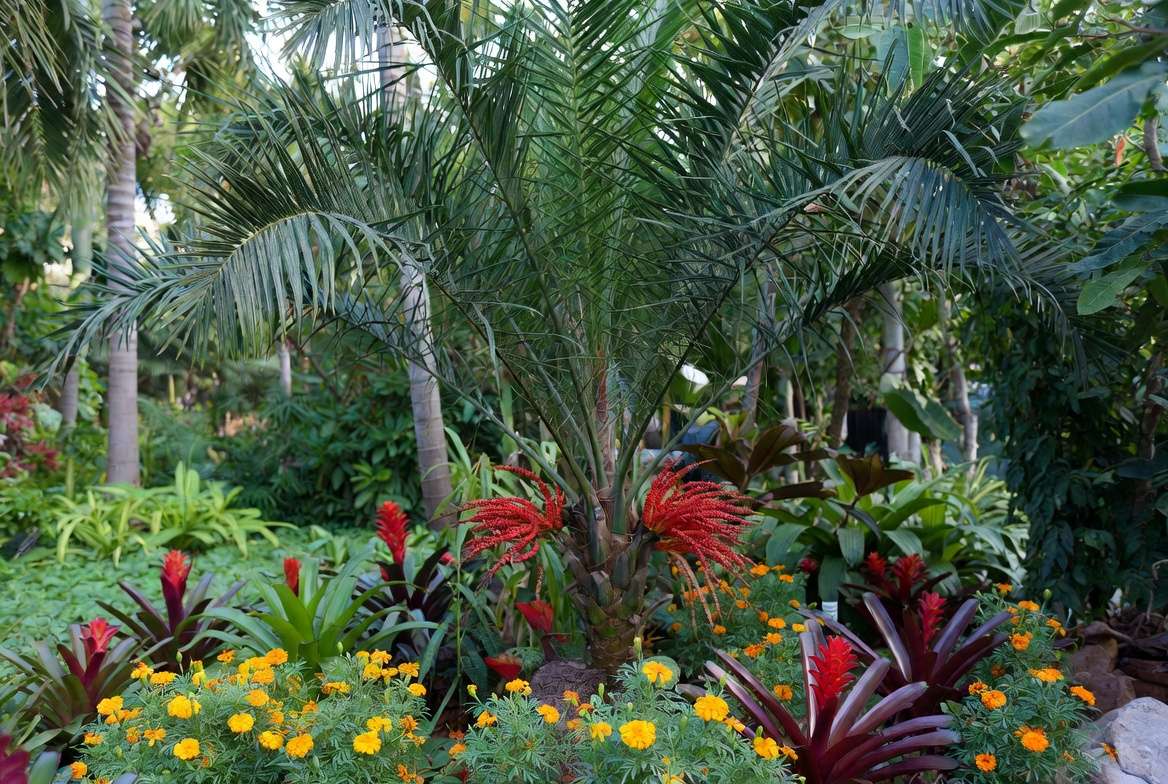
Plant pest-repelling companions around your palm such as marigolds, lavender, or garlic. These naturally deter aphids and spider mites while improving soil health. Underplant with low-growing ground covers like mondo grass or bromeliads for a lush tropical look and better moisture retention.
Container Growing Hacks for Patios & Balconies (H3)
- Use the largest pot possible (at least 20–24 inches wide).
- Add extra perlite or orchid bark for superior drainage.
- Elevate pots on feet to improve airflow underneath.
- Rotate the palm every 2 weeks for even light exposure.
- Fertilize more frequently (every 6–8 weeks) because nutrients leach faster in containers.
Eco-Friendly & Sustainable Care Practices (H3)
- Collect rainwater for watering — it’s free and chlorine-free.
- Use organic mulches like coconut coir or pine bark to suppress weeds and retain moisture.
- Avoid chemical pesticides when possible; encourage natural predators like lacewings and predatory mites.
- Compost fallen fruit and pruned fronds (after chopping) to create nutrient-rich soil amendment for next season.
These sustainable practices not only help your palm thrive but also support local biodiversity and reduce your garden’s environmental footprint. 🌍
13. Frequently Asked Questions (FAQ) ❓ (H2)
How fast does a Christmas palm tree grow? Under ideal conditions with proper Christmas palm tree care, expect 1–2 feet of new height per year. Younger palms grow faster once established.
Can Christmas palms grow indoors? Yes! They make excellent large indoor plants when given bright indirect light or supplemental grow lights (12–14 hours daily), consistent humidity, and proper watering. Rotate regularly for balanced growth.
Are Christmas palm fruits edible? The bright red fruits are not recommended for human consumption. They can cause mild stomach upset. They are, however, safe and attractive to birds and other wildlife.
How tall will my Christmas palm get? Most specimens reach 20–30 feet at maturity, though they grow slowly and stay manageable for many years in home landscapes.
Why are my Christmas palm leaves turning yellow? Common causes include nutrient deficiency (especially magnesium), overwatering, underwatering, or natural shedding of old fronds. Check soil moisture and fertilization first.
Do Christmas palms need a lot of water? They prefer consistent moisture but hate soggy roots. Water deeply when the top 2 inches of soil feel dry. Established in-ground palms are fairly drought-tolerant once rooted.
How do I get my Christmas palm to produce more fruit? Ensure full sun, balanced palm fertilizer with magnesium, and avoid heavy pruning during flowering season. Good pollination also helps.
Is the Christmas palm salt-tolerant? Yes, it has moderate salt tolerance, making it a good choice for coastal gardens, though it performs best with occasional flushing of the soil.
Can I propagate a Christmas palm from seeds? Absolutely. Fresh seeds germinate well in warm, moist conditions. Soak seeds for 24 hours, plant in well-draining mix, and keep at 80–85°F (27–29°C). Patience is required — germination can take 2–6 months.
What’s the best fertilizer for Christmas palm trees? A slow-release palm fertilizer with added magnesium and manganese (such as 8-2-12 + 4Mg) applied 2–3 times per year gives the best results.
Conclusion & Final Call-to-Action (H2)
Growing a beautiful, healthy Christmas palm tree loaded with vibrant red fruit is easier than most people think — when you follow the right care practices. From choosing the perfect planting spot and using the ideal soil mix to mastering watering, feeding, and seasonal routines, every step in this guide is designed to help you succeed.
By providing full sun, excellent drainage, balanced nutrition rich in magnesium, and consistent care, your Adonidia merrillii will reward you with lush green fronds and cheerful holiday fruit clusters year after year. Whether you’re growing it in the ground, on a sunny patio, or even indoors, these essential tips will transform your palm into a true showstopper.
Ready to create your own tropical holiday wonderland? Start with one healthy specimen, apply these proven techniques, and watch your Christmas palm thrive. Share your before-and-after photos in the comments — I love seeing your success stories!
For more expert plant care guides, explore our complete collection on tropical palms, including Areca Palm Care and Queen Palm Growing Tips.
Don’t forget to subscribe to our monthly newsletter for seasonal reminders, new plant guides, and special offers delivered straight to your inbox.
Happy gardening — may your Christmas palm tree bring joy and vibrant red fruit for many holidays to come! 🌴🎄✨











