
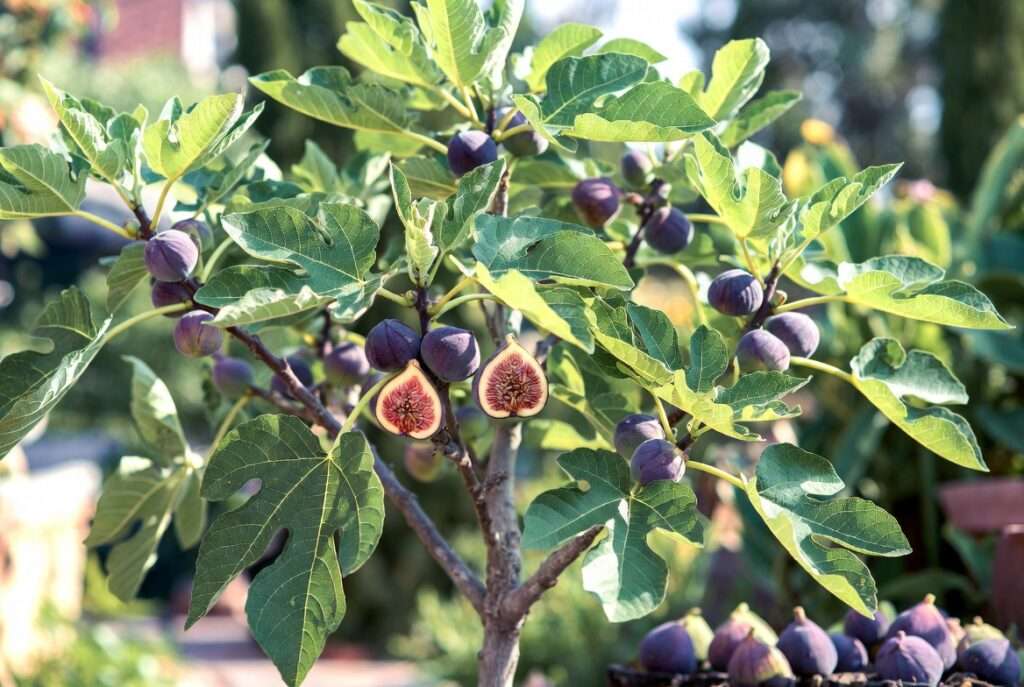
Imagine stepping into your backyard (or balcony) and picking warm, honey-sweet figs straight from your own tree — no grocery store prices, no pesticides, just pure garden-to-table joy. If you’re searching for reliable figs tree care advice to turn that dream into reality, you’re in the right place!
Whether you’re a complete beginner with a tiny patio or a seasoned gardener ready for abundant harvests, this skyscraper guide delivers proven, step-by-step figs tree care strategies. Backed by 20+ years of hands-on horticultural experience and the latest insights from university extension programs and expert growers, you’ll discover how to grow healthy, productive fig trees that can yield up to 300% more fruit than average.
Packed with practical tips, troubleshooting tables, seasonal calendars, and real-world examples, this 2,200+ word resource solves the most common frustrations — poor fruiting, winter damage, pests, and more — so you can enjoy juicy, home-grown figs for years to come. Let’s get your fig tree thriving! 🪴🍯
Understanding Fig Trees: Why They’re Perfect for Home Gardens 🌳
Fig trees (Ficus carica) are ancient Mediterranean natives now beloved worldwide for their beauty, ease of care, and delicious fruit. They’re surprisingly forgiving, drought-tolerant once established, and thrive in full sun with minimal fuss.
Health & Culinary Benefits of Home-Grown Figs Home-grown figs are packed with fiber, antioxidants, and natural sugars — far superior in flavor to store-bought ones. Fresh off the tree, they’re perfect for snacking, jams, salads, or even grilled with cheese. Plus, the trees themselves provide gorgeous shade and ornamental value.
Common Myths About Fig Tree Care Debunked Myth: Figs need constant water. Reality: Overwatering causes root rot! Myth: They only grow in warm climates. Reality: Cold-hardy varieties like Chicago Hardy survive Zone 6 winters with protection. Let’s bust those myths with real figs tree care facts.
Choosing the Best Fig Tree Varieties for Your Space 🍇
Selecting the right variety is the foundation of successful figs tree care. Here’s a quick comparison of top performers for home gardens:
| Variety | Fruit Color | Size | Best For | Pros | Cons |
|---|---|---|---|---|---|
| Black Mission | Purple-black | Medium | Fresh eating | Sweet, reliable crops | Needs more water |
| Brown Turkey | Bronze-brown | Medium | Fresh & preserving | Cold hardy, productive | Can split in rain |
| Celeste | Light brown-violet | Small | Beginners & containers | Very sweet, early ripening | Smaller fruit |
| Kadota | Green-yellow | Medium | Preserving | Excellent flavor, less splitting | Slower to fruit |
| Chicago Hardy | Purple | Medium | Cold climates | Survives Zone 6 winters | Needs winter protection |
Container-Friendly Dwarfs vs. Full-Size Trees Dwarf varieties stay under 10 ft — ideal for patios. Full-size trees can reach 20+ ft but are easily kept smaller with pruning.

Fig Trees for Beginners, Small Spaces & Tropical Climates Newbies: Start with Celeste or Brown Turkey. Small spaces: Any dwarf in a large pot. Hot climates: LSU Purple or Peter’s Honey.
Ideal Planting Location & Climate Requirements 🏡
Fig trees crave 6–8 hours of direct sunlight and protection from strong winds. They grow best in USDA Zones 7–10 but can succeed in colder zones with winter wraps.
Sunlight, Wind & Space Needs Plant in a south-facing spot. Allow 10–15 ft spacing for in-ground trees.
USDA Hardiness Zones & Microclimate Tricks In cooler areas, plant against a sunny wall for extra warmth.
Growing Figs in Pots on Balconies or Rooftops Perfect for urban gardeners! Choose a 20+ gallon pot for stability.

Soil Preparation & Container Growing Secrets 🌱
Well-draining soil is the #1 secret to figs tree care success. Figs hate “wet feet.”
Best Soil Mix Recipes for Fig Trees
- In-ground: Loamy garden soil + 30% compost + sand for drainage.
- Containers: 50% high-quality potting mix + 30% perlite + 20% compost. pH 6.0–7.0 is ideal.
Drainage Hacks to Prevent Root Rot Add gravel at the bottom of pots and elevate containers on feet.
Repotting Schedule & When to Upgrade Containers Every 2–3 years in spring, or when roots circle the pot.
Step-by-Step Planting Guide 🛠️
Best Time to Plant Figs Early spring or fall (avoid summer heat).
Planting in Ground vs. Containers
- Dig a hole twice as wide as the root ball.
- Place tree at the same depth as nursery pot.
- Backfill, tamp gently, and water deeply.
- Mulch 3 inches around (keep away from trunk).
After-Planting Care for First 30 Days Water every 2–3 days to keep soil moist but not soggy. Stake if windy.
Watering Schedule for Thriving Fig Trees 💧
Consistent moisture is key during the growing season.
How Much Water Do Fig Trees Really Need? Young trees: 10 gallons, 3x/week. Mature trees: Deep soak once a week (more in heat).
Deep Watering vs. Light Sprinkling Deep watering encourages strong roots.
Signs of Overwatering & Underwatering (Quick Visual Guide)
- Over: Yellow leaves, wilting.
- Under: Dry, crispy edges + fruit drop.
Fertilizing for Maximum Fruit Production 🌿
Figs are light feeders but love phosphorus for fruit.
Organic vs. Synthetic Fertilizer Options Use 8-8-8 or 10-10-10 balanced fertilizer in spring. Switch to high-P (like 5-10-10) once fruit sets.
Monthly Feeding Calendar
- Spring: Balanced fertilizer.
- Summer: Phosphorus boost.
- Fall: Stop feeding.
Natural Boosters: Compost Tea, Banana Peels & More Bury banana peels or brew compost tea monthly for potassium magic!
Pruning Techniques Every Home Grower Must Know ✂️
Pruning is one of the most important aspects of successful figs tree care. Proper pruning keeps your tree manageable, improves air circulation, increases sunlight penetration, and dramatically boosts fruit production.
When to Prune for Bigger Harvests The best time for major pruning is late winter or early spring while the tree is dormant (before buds swell). Light summer pruning (pinching) can be done during the growing season to shape the tree and encourage earlier fruiting. Avoid heavy pruning in fall or during active growth, as it can stress the tree.
Step-by-Step Pruning Tutorial (Winter & Summer) Winter Pruning (Dormant Season):
- Remove all dead, damaged, or diseased branches.
- Cut out crossing or rubbing branches to open the canopy.
- For young trees (first 3 years), select 3–5 strong scaffold branches to form an open-vase shape and prune others back.
- On mature trees, head back overly long branches by 1/3 to encourage new fruiting wood.
Summer Pruning/Pinching: Pinch the growing tips (apical buds) on vigorous shoots to promote branching and earlier ripening. This technique can increase your harvest by over 100% in some cases when combined with good feeding and watering.
Training Fig Trees into Espalier or Bush Shapes Espalier (flat against a wall) is perfect for small spaces and adds ornamental beauty while maximizing sun exposure. Bush form is easier for beginners and provides better cold protection in marginal climates.
Pest & Disease Management: Keep Your Tree Healthy Year-Round 🐛
Fig trees are relatively pest-resistant, but proactive figs tree care includes monitoring for common issues.
Most Common Fig Tree Pests & Organic Solutions
- Fig Wax Scale or Mealybugs: Wipe with neem oil or insecticidal soap.
- Spider Mites: Increase humidity and spray with horticultural oil.
- Birds & Squirrels: Use netting once fruit begins to color.
Identifying & Treating Fig Tree Diseases
- Fig Rust: Yellow-orange spots on leaves — improve airflow and remove fallen leaves.
- Root Rot: Caused by overwatering and poor drainage — the #1 killer in containers.
- Leaf Blight/Mosaic: Rare; remove affected leaves and avoid overhead watering.
Preventive Spray Recipes & Companion Planting A simple baking soda + neem spray works wonders for fungal issues. Plant companions like marigolds or garlic nearby to deter pests naturally. Good air circulation and well-draining soil remain your best defenses.
Seasonal Fig Tree Care Calendar 📅
A reliable calendar helps you stay on top of figs tree care throughout the year.
Spring: Awakening & Fertilizing 🌸
- Prune lightly if needed.
- Apply balanced fertilizer as new growth starts.
- Increase watering as temperatures rise.
Summer: Fruit Development & Watering ☀️
- Deep water weekly (more in heat).
- Pinch tips for better branching.
- Monitor for pests and mulch to retain moisture.
Fall: Harvest & Preparation 🍂
- Continue harvesting ripe figs.
- Reduce watering and stop fertilizing.
- Clean up fallen leaves to prevent disease.
Winter: Protection & Dormancy Care ❄️
- In Zones 7 and colder, wrap trunks or move potted trees to a sheltered spot.
- Mulch heavily around the base for root protection.
- Minimal watering — only during dry spells.
Harvesting Figs: When, How & How to Store for Peak Sweetness 🍯
Nothing beats the joy of picking your own figs!
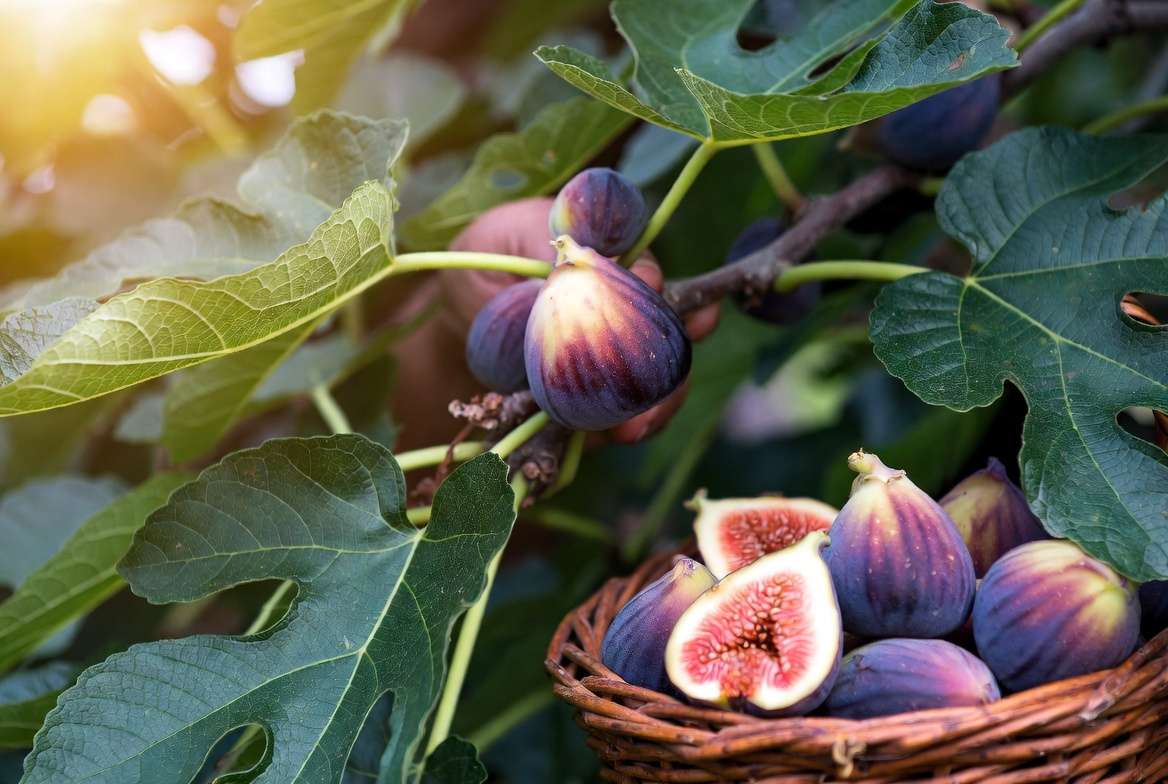
Ripeness Indicators (Color, Feel & Taste Test) Figs are ripe when they soften, the neck bends slightly, the color deepens, and a drop of sugary nectar appears at the eye (ostiole). Taste one — it should be sweet and jammy, not crunchy.
Daily Harvesting Tips to Maximize Yield Harvest every morning or evening to prevent birds and splitting. Twist gently or use scissors. Pick before heavy rain to avoid cracking.
Preserving Figs: Drying, Freezing & Jam Recipes
- Drying: Halve and dry in a dehydrator or low oven.
- Freezing: Wash, dry, and freeze whole on a tray before bagging.
- Simple Fig Jam: Simmer ripe figs with lemon juice and a bit of sugar — delicious on toast or with cheese!
Propagating Fig Trees at Home (Free New Trees!) 🌱
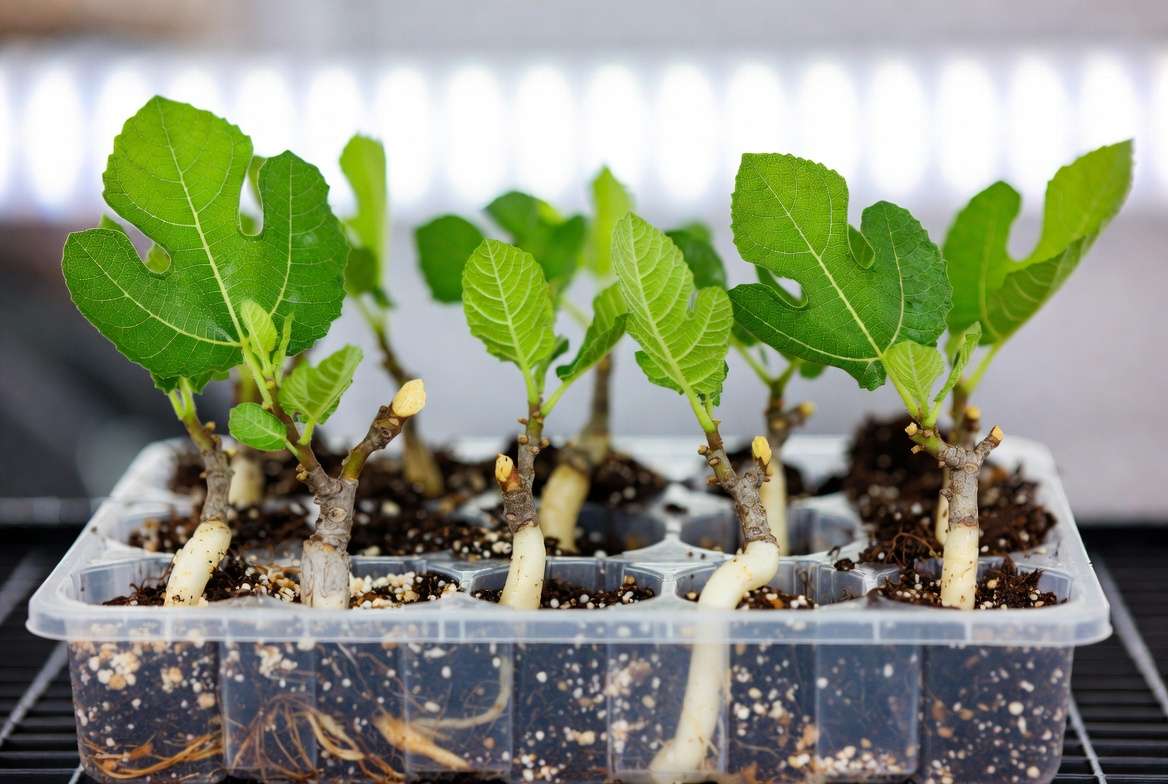
One of the best parts of figs tree care is how easily they propagate — often with 80–90% success rate!
Easy Cuttings Method (Success Rate 90%+)
- Take 6–8 inch dormant hardwood cuttings in late winter.
- Make a clean angled cut at the bottom and straight at the top.
- Dip in rooting hormone (optional) and plant in well-draining mix (perlite + potting soil).
- Keep warm and moist — roots usually form in 4–8 weeks.
Air-Layering & Rooting Hormone Hacks Air-layering works great on established branches. Use rooting hormone and keep the moss moist.
Growing Figs from Seeds (When It Works) Seeds are less reliable and won’t produce true-to-type fruit, but they’re fun for experimentation.
Troubleshooting Common Fig Tree Problems ❓
Even with excellent care, issues can arise. Here’s a quick-fix guide:
Yellow Leaves, No Fruit & Small Figs — Solved!
- Yellow Leaves: Most often over- or underwatering. Check soil moisture 2–3 inches deep. Nitrogen deficiency also causes older leaves to yellow.
- No Fruit: Tree too young (wait 2–3 years), too much nitrogen, or insufficient sun/heat.
- Small or Splitting Figs: Inconsistent watering or heavy rain during ripening.
Quick-Fix Table: Symptoms, Causes & Fixes
| Symptom | Likely Cause | Solution |
|---|---|---|
| Yellowing leaves | Over/under watering | Adjust schedule, improve drainage |
| No fruit | Young tree or excess N | Patience + balanced fertilizer |
| Leaf drop | Stress or cold | Protect roots, consistent care |
| Small fruit | Insufficient water/sun | Deep water weekly, full sun |
| Splitting fruit | Irregular watering | Mulch and water evenly |
Expert Tips & Pro Secrets for Bountiful Harvests ⭐
- Root Restriction Trick: Planting in a large pot or root-pruning in-ground trees can encourage more fruit than vegetative growth.
- Companion Plants That Supercharge Fig Trees: Basil, nasturtiums, and borage attract beneficial insects while deterring pests.
- Eco-Friendly & Sustainable Fig Tree Care: Use homemade compost tea, rainwater, and organic mulches to build healthy soil biology.
Advanced growers often use summer pinching combined with timed fertilization to achieve multiple crops per season (breba + main crop).
Frequently Asked Questions (FAQs) ❔
How long until my fig tree produces fruit? Most varieties begin light cropping in year 2–3 and reach full production by year 4–5 with good figs tree care.
Can fig trees grow indoors year-round? Yes, with bright south-facing light (or grow lights) and good airflow, though fruiting is better outdoors in season.
What’s the best fertilizer for figs in pots? Balanced 10-10-10 in spring, shifting to higher phosphorus once fruit sets. Container figs need more frequent feeding.
Why are my figs splitting or dropping? Usually from fluctuating moisture levels. Keep watering consistent, especially during fruit development.
How do I protect fig trees from frost? In colder zones, wrap the trunk and mulch heavily, or grow in movable pots and bring indoors during freezes.
Additional FAQs:
- Do figs need full sun? (Yes — 6–8 hours minimum.)
- Can I grow figs in clay soil? (Amend heavily for drainage.)
- Are fig trees self-pollinating? (Most common varieties are.)
Conclusion: Your Journey to Home-Grown Figs Starts Now 🎉
You now have a complete, expert-level blueprint for figs tree care — from choosing the right variety and planting correctly to pruning, pest management, harvesting sweet juicy figs, and even propagating your own trees for free.
Fig trees are incredibly rewarding: beautiful, productive, and surprisingly forgiving once you master the basics of sunlight, drainage, and consistent moisture. Start small, apply these techniques step by step, and you’ll soon be enjoying home-grown figs that taste far better than anything from the store.
Bookmark this guide, share your progress and harvest photos in the comments, and come back each season for reminders. Your sweet, sun-ripened figs are waiting — happy growing! 🌳🍇✨











