
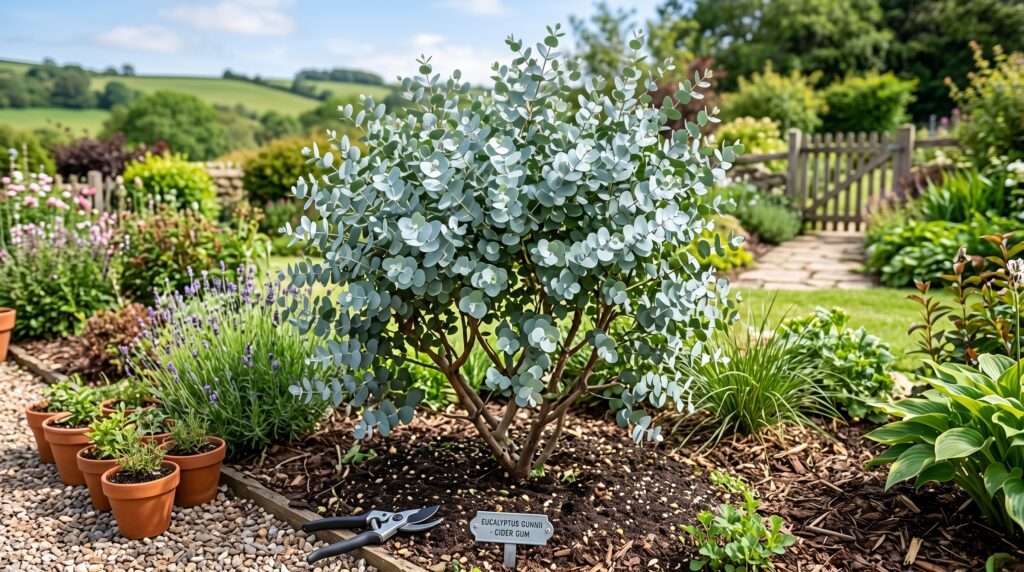
Have you ever brushed past a garden shrub and been instantly refreshed by a crisp, sweet, menthol-like fragrance? That is the sensory magic of the cider gum plant (Eucalyptus gunnii). Known for its striking, coin-shaped silvery-blue leaves, this stunning evergreen is a favorite among florists, landscapers, and indoor plant enthusiasts alike. However, many growers quickly discover a hidden challenge: this plant is a vigorous grower. Without the right care, a compact, aesthetic shrub can rapidly transform into a towering, leggy tree that outgrows its space and loses its signature charm.
If you want to keep your plant bushy, healthy, and producing those highly coveted silver leaves, you are in the right place. In this comprehensive guide, we are diving deep into expert soil preparation, precise watering rhythms, and the professional pruning techniques required to cultivate a truly thriving plant. Let’s get our hands dirty! 🪴
📖 What is a Cider Gum Plant? (Eucalyptus gunnii)
Hailing from the cool, mountainous regions of Tasmania, Eucalyptus gunnii is a robust evergreen tree. In its native habitat, it can soar to impressive heights, drawing up moisture and providing shelter to local wildlife. The common name, “cider gum,” actually stems from the sugary sap the tree produces, which Indigenous populations and early settlers historically fermented into a cider-like beverage.
The Tale of Two Leaves: Juvenile vs. Adult Foliage 🍃
To understand how to care for this plant, you first have to understand its fascinating dual nature. The cider gum plant undergoes a dramatic transformation as it matures:
-
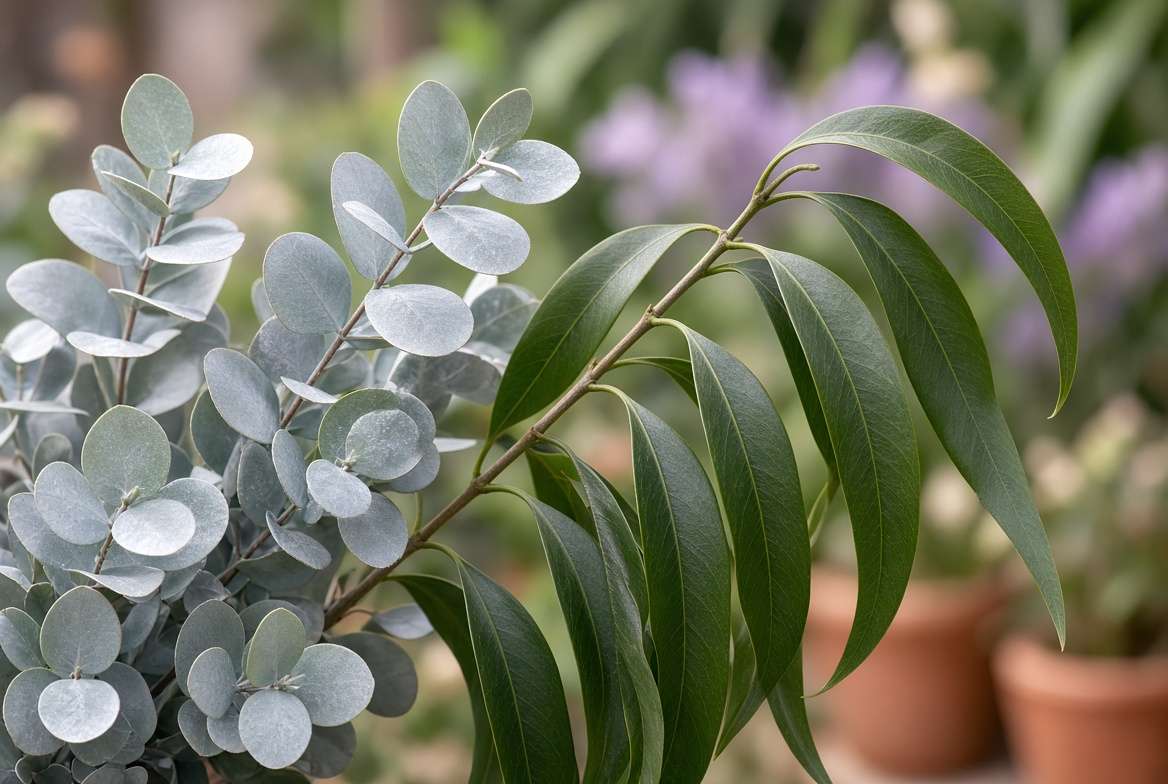
Juvenile Foliage: When the plant is young (or heavily pruned), it produces the iconic foliage most gardeners desire—rounded, perfoliate (clasping the stem), powdery silver-blue leaves. The striking contrast of these silvery leaves makes them incredibly photogenic, perfect for highlighting in a YouTube thumbnail or saving to a garden aesthetic Pinterest board.
-
Adult Foliage: As the tree ages and stretches upward, the leaves completely change shape. They elongate into long, sickle-shaped, leathery green leaves that hang gracefully from the branches.
Why it matters: Most home gardeners and floral arrangers want to preserve the silver juvenile foliage. Because the plant only produces these round leaves on new growth, mastering the art of pruning is absolutely essential.
🪴 The Foundation: Soil Health & Proper Planting
To truly master growing this species, you must start beneath the surface. Soil health dictates everything from the plant’s immune system to its growth rate. Eucalyptus gunnii is remarkably resilient, but it has one fatal weakness: it despises sitting in soggy, poorly aerated soil.

Optimal Soil Composition 🪱
The perfect medium for a cider gum is a well-draining, loamy mix. Heavy clay soils that trap water will rapidly lead to root rot—the number one killer of domestic eucalyptus.
To create a vibrant soil environment:
-
Aerate: Incorporate plenty of coarse sand, perlite, or horticultural grit into your garden beds or potting mix to ensure excess water flushes away instantly.
-
Build the Microbiome: Instead of reaching for harsh synthetic fertilizers, focus on enriching the soil’s natural biology. Blend in high-quality organic compost. A thriving soil microbiome creates a symbiotic relationship with the plant’s roots, aiding in nutrient uptake and naturally defending against soil-borne pathogens.
-
The pH Sweet Spot: Aim for a slightly acidic to neutral pH (around 5.5 to 7.0). If your soil is overly alkaline, amending it with pine needles or ericaceous compost can help gently lower the pH.
Potting vs. Ground Planting 🏡
Whether you are cultivating your plant on a sunny apartment balcony or establishing a focal point in your backyard, planting technique matters.
For Containers: Choose a large, sturdy pot with multiple drainage holes—terracotta is excellent as its porous nature allows the soil to breathe and moisture to evaporate evenly. Because eucalyptus roots grow rapidly and tap downward, opt for deep pots rather than shallow, wide ones. Repot every two to three years to refresh the soil nutrients and prevent root-bounding.
For the Garden: Select a site that offers plenty of vertical space and is shielded from harsh, freezing winter winds. When digging your hole, make it twice as wide as the root ball but exactly the same depth.
💡 Expert Tip: Eucalyptus roots are notoriously sensitive to disturbance. When transplanting, handle the root ball with extreme care. Do not aggressively tease or break apart the roots, as this can send the plant into severe transplant shock.
☀️💧 Core Care Essentials: Light, Water, & Climate
With the soil health optimized, the next step is replicating the plant’s native Tasmanian environment as closely as possible.
🌞 Sunlight Requirements
Cider gums are notorious sun-worshippers. To maintain dense growth and vibrant silvery color, they require full, direct sun for a minimum of 6 to 8 hours a day.
-
Outdoor Plants: Plant in an unobstructed, south-facing or west-facing location.
-
Indoor Plants: Place your pot directly in front of your brightest window. If your home lacks natural light, investing in a high-quality, full-spectrum LED grow light is highly recommended to prevent the stems from becoming weak and leggy as they stretch for the sun.
🚿 Mastering the Watering Schedule
While mature, established trees in the ground are highly drought-tolerant, young plants and those kept in containers need a consistent, tailored watering routine.
The “Soak and Dry” Method: Rather than giving the plant a little sprinkle every day, wait until the top 2 to 3 inches of the soil feel completely dry to the touch. When it’s time to water, soak the soil deeply until water runs freely out of the drainage holes. This encourages the roots to grow deep into the soil in search of moisture, building a stronger, more drought-resilient plant.
-
Summer: You may need to water potted plants 2-3 times a week during heatwaves.
-
Winter: Drastically reduce watering, allowing the soil to dry out further, as the plant enters a state of dormancy.
🌡️ Temperature & Humidity
Eucalyptus gunnii is generally hardy in USDA Zones 8 through 10. It is one of the most cold-hardy eucalyptus species, capable of surviving brief temperature dips down to 5°F (-15°C) once fully established. However, prolonged freezing winds can cause severe foliage burn.
If you live in a colder climate (Zone 7 or below), it is best to grow your cider gum in a container. Enjoy it as a patio plant during the warm months, and bring it into a cool, bright sunroom or greenhouse to overwinter before the first deep frost hits.
✂️ Masterclass: How to Prune Your Cider Gum
If there is one secret to cultivating a picture-perfect cider gum plant, it is fearless pruning. Because Eucalyptus gunnii is a rapid grower—often shooting up 3 to 6 feet in a single season—leaving it to its own devices will result in a massive, sprawling tree with elongated, green adult leaves. To keep the plant compact and flush with those highly sought-after, round silver leaves, you must master two structural pruning techniques: coppicing and pollarding.
Technique 1: Coppicing for Shrub Growth 🌳
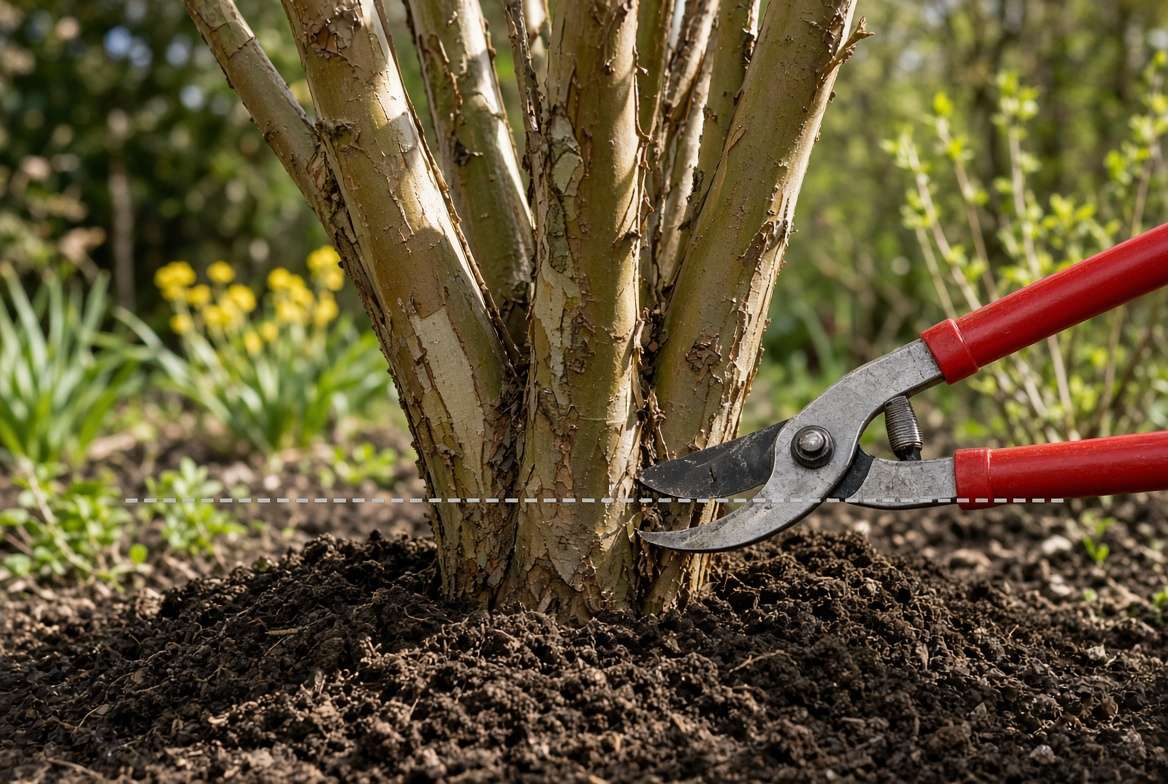
Coppicing is a traditional woodland management technique that involves cutting a tree almost entirely back to ground level. While it sounds drastic, the cider gum plant responds remarkably well to this hard prune.
-
Timing is Everything: Perform your coppicing in late winter or early spring, just before the active growing season begins.
-
The Cut: Using sharpened, sterilized loppers or a pruning saw, cut all the main stems down to about 4 to 6 inches above the soil line. Ensure your cuts are clean and slightly angled so water runs off the exposed wood, preventing rot.
-
The Result: This intense pruning forces the root system to push up a vigorous burst of fresh, multi-stemmed basal shoots. These new shoots will be entirely covered in that gorgeous, aromatic juvenile foliage.
Technique 2: Pollarding for Controlled Height 🪜
If you prefer a small, lollipop-shaped tree rather than a bushy shrub, pollarding is your best approach. This involves creating a permanent trunk and framework of branches at a specific height.
-
Establish the Trunk: Let your young tree grow to your desired height (usually 4 to 6 feet).
-
Create the Framework: Cut the main leader (the central trunk) to halt upward growth. Select three to five strong lateral branches to serve as your permanent framework, and trim the rest away.
-
Annual Maintenance: Every late winter, cut all the new growth back to this permanent framework. Over time, the cut points will form swollen “knuckles” from which the fresh, silvery juvenile branches will delightfully erupt each spring.
Routine Maintenance Snips ✂️
Beyond structural pruning, keep an eye out for crossing branches that rub against each other, which can create wounds and invite disease. Snip away any dead, damaged, or diseased wood throughout the year to maintain excellent airflow through the canopy.
🐛 Troubleshooting Common Cider Gum Problems
Even with expert care, you might encounter a few hurdles. Because the cider gum plant relies heavily on proper soil aeration and watering, most issues can be traced back to environmental stress.
Crispy, Brown Leaves 🍂 If the delicate silver leaves are suddenly turning brown and shattering to the touch, you are likely dealing with underwatering or severe windburn. While established trees are drought-resilient, potted plants dry out incredibly fast in the summer heat. Alternatively, if the plant was recently exposed to harsh, freezing winter winds without protection, the foliage can suffer frost burn.
Yellowing Leaves & Premature Dropping 💧 Yellow leaves that feel soft or mushy are the universal warning sign of overwatering or poor drainage. If the roots are suffocating in waterlogged soil, they cannot transport oxygen or nutrients to the canopy. Immediately check your pot’s drainage holes and assess the soil moisture. If you suspect root rot, you may need to repot the plant into a fresh, gritty, well-draining soil mix.
Pest Watch 🐞 A healthy, vigorous cider gum naturally repels most pests thanks to its strong essential oils (eucalyptol). However, stressed plants can attract unwanted visitors:
-
Eucalyptus Gall Wasps: These tiny insects lay eggs in the foliage, causing raised, blister-like bumps (galls) on the leaves. Prune and destroy heavily infested branches immediately.
-
Aphids & Scale: These sap-sucking pests can cluster on soft, new growth. Treat minor infestations by wiping them away with a damp cloth or applying a gentle, organic insecticidal soap or neem oil spray in the early evening.

💐 Harvesting and Styling
One of the greatest joys of growing a cider gum plant is stepping out your back door to harvest your own premium floral greenery.
When harvesting, always use bypass pruning shears sterilized with rubbing alcohol to ensure a clean cut that won’t crush the stem. Cut branches just above a leaf node to encourage branching.
To enjoy your harvest indoors, strip the lower leaves that would otherwise sit below the water line in your vase—this prevents bacterial growth and keeps the water fresh. The warmth of your home will help the leaves release their signature menthol fragrance, acting as a natural, refreshing room deodorizer. If you want to preserve the branches indefinitely, you can hang them upside down in a cool, dark room to dry, or stand them in a mixture of water and vegetable glycerin to keep the leaves supple and leathery.
❓ Frequently Asked Questions (FAQs)
How fast does a cider gum plant grow? It is incredibly fast-growing. In optimal conditions with plenty of sunshine and well-draining soil, a young Eucalyptus gunnii can easily grow 3 to 6 feet (1 to 2 meters) per year.
Can I grow a cider gum plant indoors permanently? While you can keep it indoors, it requires significant effort. Indoor environments often lack the intense, direct sunlight and necessary airflow this species craves. If you choose to grow it as a permanent houseplant, place it directly in a south-facing window, use a strong full-spectrum grow light, and be prepared to prune it heavily to keep the size manageable.
Is Eucalyptus gunnii toxic to cats and dogs? Yes. The essential oils (specifically eucalyptol) that give the plant its wonderful fragrance are highly toxic to both cats and dogs if ingested. Keep potted plants strictly out of reach of curious pets, and sweep up any dropped leaves promptly.
🏁 Ready to Cultivate Your Own?
Mastering the care of a cider gum plant is an incredibly rewarding journey. By prioritizing excellent soil drainage, providing abundant sunshine, and embracing a bold, annual pruning routine, you will transform this wild Tasmanian tree into a lush, silvery centerpiece for your garden or patio. It requires a bit of hands-on maintenance, but the reward of fresh, aromatic eucalyptus branches at your fingertips is well worth the effort. Grab your pruning shears and get ready to enjoy one of the most stunning foliage plants in the botanical world!











