
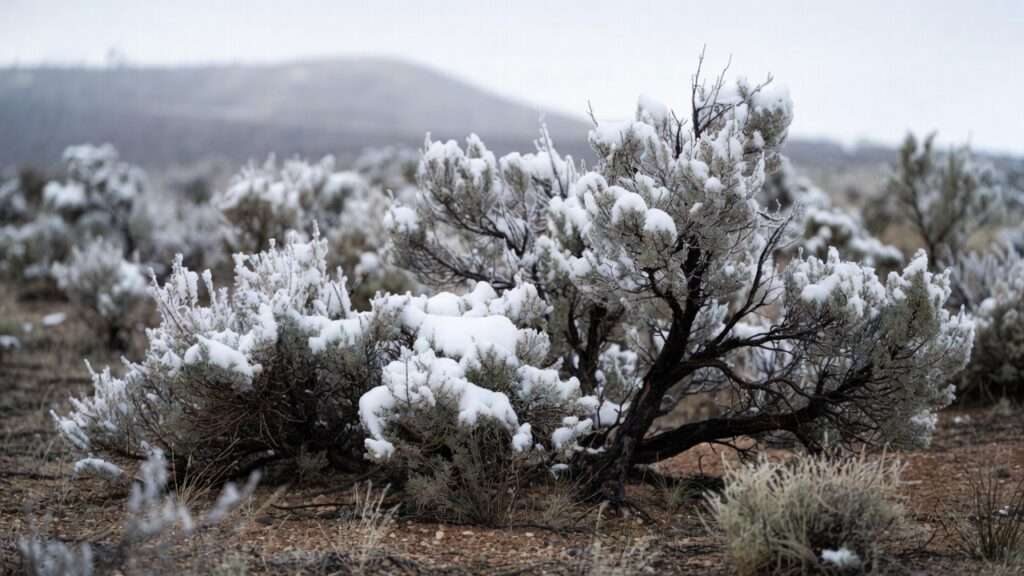
Imagine stepping into your yard in the dead of a brutal northern winter, where temperatures plunge to -30°F, only to see sturdy shrubs standing tall against the snow—then fast-forward to a scorching, rainless summer where those same plants remain vibrant and lush without you hauling hoses every day. That’s the magic of cold-hardy drought-tolerant shrubs! ❄️💧
In regions like USDA zones 4-7 (think Midwest, Northeast, parts of Canada, and northern plains), gardeners face a double challenge: punishing cold winters that kill off tender plants and increasingly dry summers due to climate shifts and water restrictions. Traditional landscaping often demands constant watering, mulching battles, and winter protection, but these resilient shrubs flip the script. They save water, cut maintenance, support pollinators 🐝, prevent soil erosion on slopes, and deliver year-round beauty—from spring blooms to fall color and winter structure.
As a horticulture enthusiast who’s tested dozens of varieties in tough conditions (drawing from university extension trials, Proven Winners trials, and real northern gardens), I’ve seen these shrubs transform challenging yards into low-effort oases. Whether you’re xeriscaping, creating wildlife habitats, or just tired of high-maintenance plants, the best cold-hardy drought-tolerant shrubs solve your problem: beauty that thrives in extremes with minimal fuss.
In this ultimate guide, we’ll cover why these plants excel, key selection factors, my top 15 recommendations (with detailed profiles), planting and care tips, design ideas, and answers to common questions. Let’s build a garden that laughs at both blizzards and droughts! 🌱
Why Choose Cold-Hardy Drought-Tolerant Shrubs? Understanding the Benefits 🌟
These shrubs aren’t just survivors—they’re smart choices for modern gardening. Here’s why they’re gaining popularity:
- Water Conservation & Cost Savings 💧: Once established (usually after 1-2 years), they need little to no supplemental watering, even during extended dry spells. This slashes bills and helps in drought-prone areas.
- Ultra-Low Maintenance ✂️: Forget frequent pruning, fertilizing, or winter wrapping. Most handle poor soils, wind, and neglect beautifully.
- Wildlife & Pollinator Support 🐦🐝: Many offer nectar-rich flowers, berries for birds, and shelter—boosting biodiversity in your yard.
- Erosion Control & Soil Health 🏞️: Deep roots stabilize slopes and improve soil structure, perfect for windy or hilly northern sites.
- Four-Season Interest 🍂: Spring blooms, summer foliage/flowers, vibrant fall color, and architectural winter form keep the landscape engaging year-round.
- Adaptability to Tough Conditions ❄️: They tolerate clay, sandy, rocky, or alkaline soils common in zones 4-7, plus deer resistance in many cases.
By choosing these, you’re investing in resilient, eco-friendly landscaping that looks great and works harder for you.
Key Factors to Consider Before Planting 🤔
Success starts with smart selection. Here’s what experts (like those from Cornell Extension and Proven Winners) emphasize:
- USDA Hardiness Zones ❄️: Stick to zones 3-7 rated plants for reliable winter survival. “Zone 4 hardy” means enduring -30°F to -20°F.
- Drought Tolerance Levels 💦: “Once established” is key—young plants need consistent water for the first year to build roots. True drought tolerance kicks in afterward.
- Sun Exposure & Soil ☀️🌱: Most prefer full sun (6+ hours) and well-drained soil. Avoid wet feet in winter; amend heavy clay with grit or raised beds.
- Mature Size & Habit 📏: Dwarf types (2-4 ft) suit foundations; larger (6-10 ft) work for screens or mass plantings.
- Deer & Pest Resistance 🦌: Natives and aromatic varieties often fare better.
- Native vs. Non-Native 🌿: Prioritize natives like Aronia or Amelanchier for ecology and better adaptation.
Test your soil pH and drainage before buying—most thrive in neutral to slightly alkaline conditions.
Top 15 Best Cold-Hardy Drought-Tolerant Shrubs 🌟
Here are my top picks, backed by university trials, nursery performance, and northern gardener feedback. All excel in zones 4-7 (some to zone 3), full sun, and dry conditions once established.
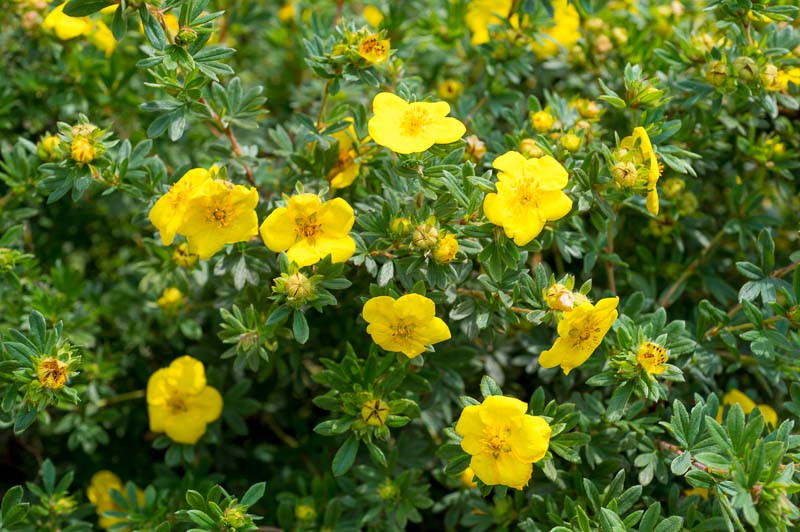
- Potentilla fruticosa (Shrubby Cinquefoil) 🌼 Zones 2-7 | 2-4 ft tall/wide This compact superstar blooms nonstop from late spring to frost with yellow, white, pink, or orange flowers. Silvery-green foliage shrugs off drought and poor soil. Super low-maintenance; prune lightly in spring. Great for borders or mass planting. Pollinator magnet! 🐝
(Here I’d place an image of Potentilla in bloom—bright flowers against green foliage.)
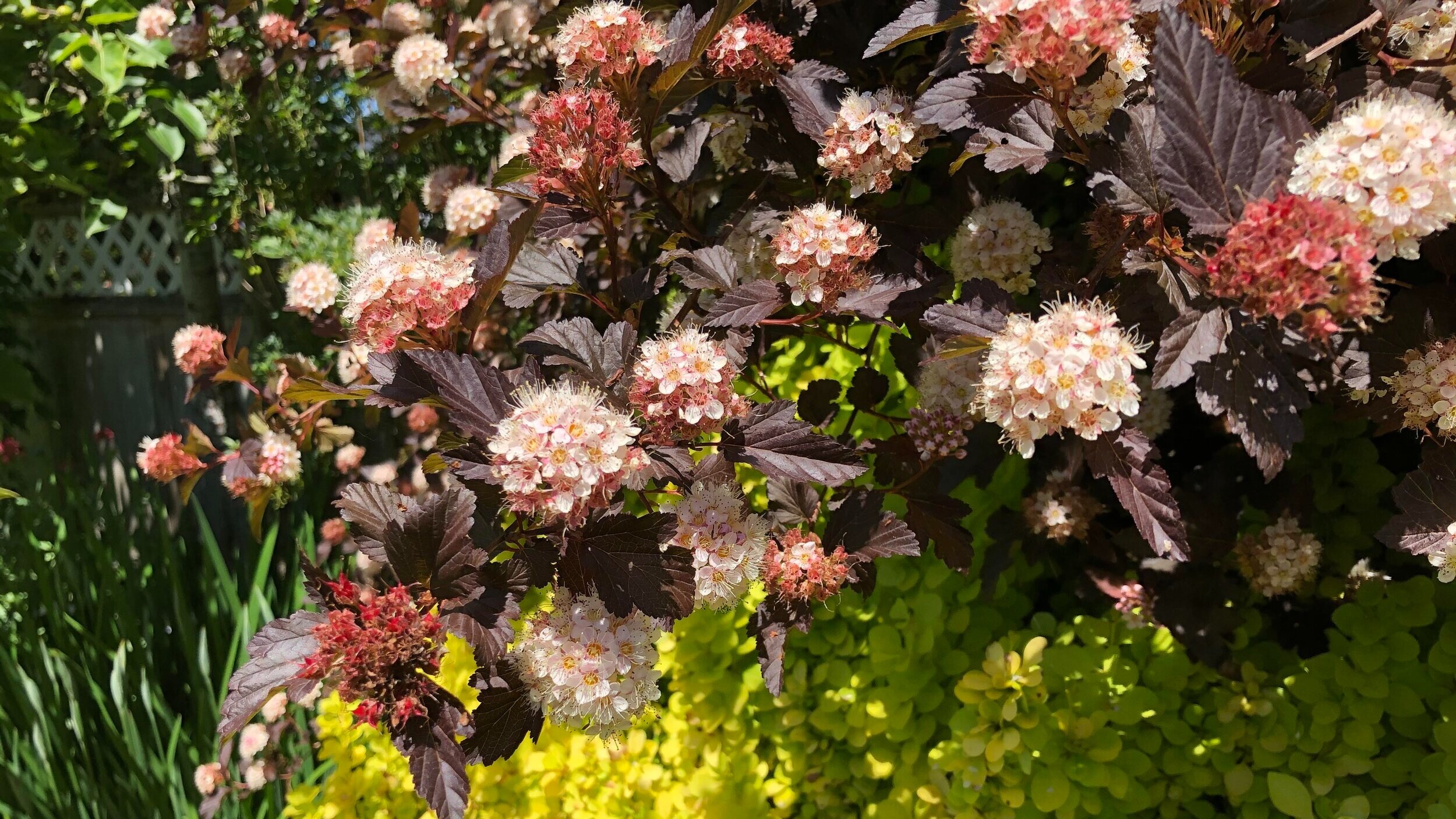
- Physocarpus opulifolius (Ninebark) – e.g., ‘Ginger Wine’ or ‘Diabolo’ Zones 3-7 | 5-10 ft Exotic foliage in bronze, purple, or gold; white/pink flower clusters in spring, red seed pods, and peeling bark for winter interest. Extremely tough—handles clay, drought, and cold like a champ. Birds love the berries!
- Perovskia atriplicifolia (Russian Sage) 🌾 Zones 4-9 | 3-5 ft Airy silver-blue stems and lavender spikes bloom summer to fall. Aromatic foliage deters deer. Cut back in spring for bushier growth. Classic xeriscape staple.
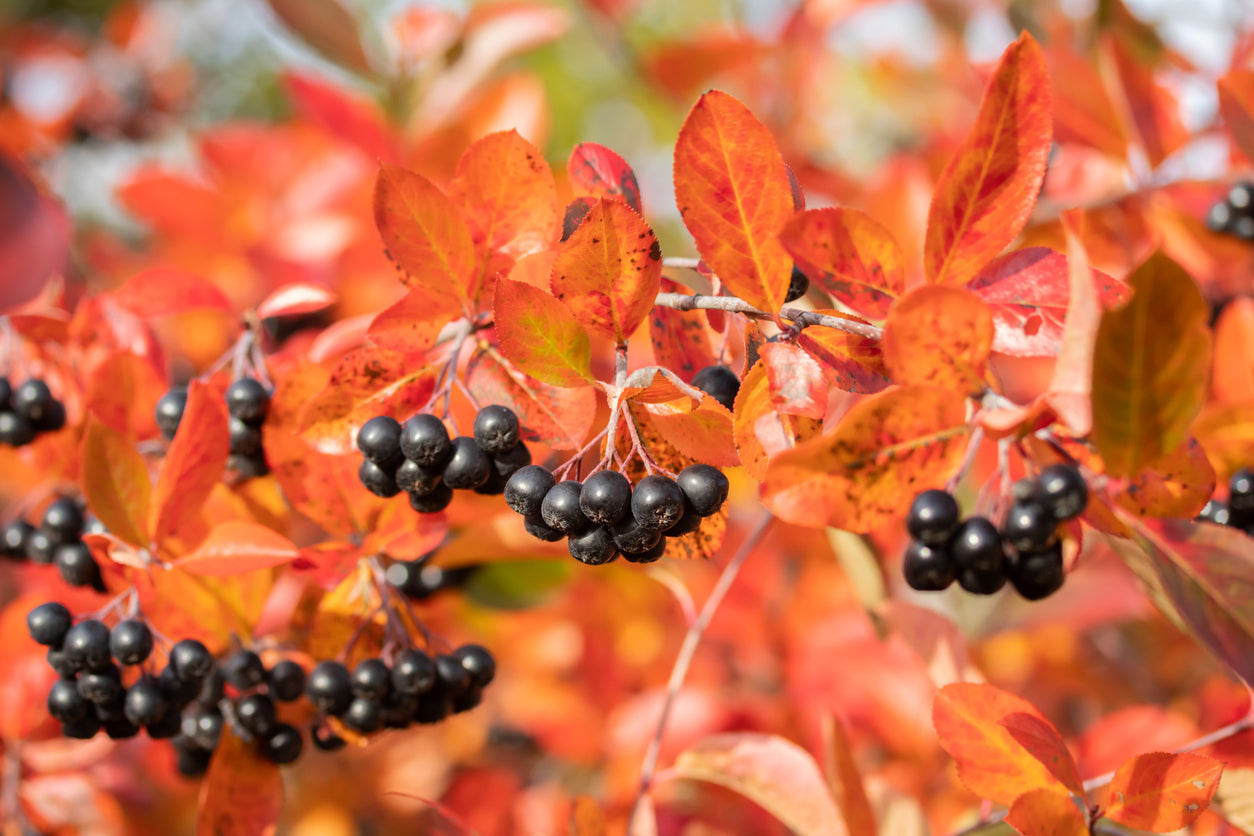
- Aronia spp. (Chokeberry) – e.g., Low Scape Mound® or Berry Scape® Zones 3-8 | 1-6 ft (varies) Native powerhouse: white spring flowers, glossy leaves, black/red berries (edible for jelly!), fiery fall color. Thrives in wet or dry, sun or part shade. Proven Winners favorite for tough spots.
- Symphoricarpos spp. (Snowberry / Coralberry) Zones 3-7 | 3-6 ft Pink/white berries persist into winter; attracts birds. Dense habit for hedging. Super hardy and drought-tolerant once rooted.
- Juniperus spp. (Select hardy Junipers) – e.g., Blue Star or Prince of Wales 🌲 Zones 3-7 | 1-6 ft Evergreen texture, blue-green needles, low-spreading or upright forms. Excellent for groundcover or accents; deer-resistant and wind-tolerant.
- Amelanchier alnifolia (Saskatoon Serviceberry / Juneberry) 🍇 Zones 2-7 | 6-15 ft White spring blooms, edible berries (great for pies!), orange-red fall color. Multi-stemmed tree-like shrub; native and wildlife-friendly.
- Rhus aromatica (Fragrant Sumac ‘Gro-Low’) Zones 3-8 | 2-4 ft Fragrant leaves, red fall color, fuzzy red berries. Groundcover form prevents erosion; ultra-tough.
- Diervilla lonicera (Bush Honeysuckle – Dwarf types) Zones 3-7 | 2-4 ft Yellow summer flowers, bronze foliage, attracts butterflies. Native and shade-tolerant too.
- Caryopteris x clandonensis (Blue Mist Spirea) Zones 5-9 | 2-3 ft Blue flowers late summer; aromatic. Borderline in zone 4 with protection.
- Shepherdia argentea (Silver Buffaloberry) Zones 2-7 | 6-10 ft Silvery leaves, red berries for wildlife. Nitrogen-fixer; excellent for poor soils.
- Ribes aureum (Golden Currant) Zones 3-8 | 3-6 ft Fragrant yellow flowers, edible berries, fall color. Native and drought-resistant.
- Yucca filamentosa (Adam’s Needle) Zones 4-10 | 2-3 ft Spiky evergreen rosettes, tall white flower spikes. Architectural drama.
- Spiraea japonica (Japanese Spirea – drought-tolerant cultivars) Zones 4-8 | 2-4 ft Pink/white blooms, colorful foliage options.
- Cornus mas (Cornelian Cherry) Zones 4-8 | 15-20 ft Early yellow blooms, edible red fruits, fall color.
These provide more options than typical lists, with natives prioritized for sustainability.
- Potentilla fruticosa (Shrubby Cinquefoil) 🌼 Zones 2-7 | 2-4 ft tall/wide This compact superstar blooms nonstop from late spring to frost with cheerful yellow, white, pink, or orange flowers (depending on cultivar like ‘Goldfinger’ or ‘Happy Face’). Its fine-textured, silvery-green foliage handles drought, poor soil, and extreme cold effortlessly. Super low-maintenance—prune lightly in early spring if needed. Ideal for borders, rock gardens, or mass planting. A true pollinator magnet that keeps buzzing all season! 🐝
- Physocarpus opulifolius (Ninebark) – e.g., ‘Ginger Wine’ or ‘Diabolo’ Zones 3-7 | 5-10 ft tall/wide Dramatic exfoliating bark, clusters of white/pink flowers in spring, followed by red seed pods and stunning fall color. Cultivars with purple, bronze, or gold foliage add bold contrast. Extremely tough—thrives in clay, sand, drought, and cold winters. Birds flock to the berries; excellent for screens or focal points.
- Perovskia atriplicifolia (Russian Sage) 🌾 Zones 4-9 | 3-5 ft tall/wide Airy, silver-gray stems topped with clouds of lavender-blue flowers from midsummer to fall. Aromatic foliage repels deer and adds fragrance when brushed. Cut back hard in spring for vigorous regrowth. A xeriscape classic that sways beautifully in wind.

- Aronia spp. (Chokeberry) – e.g., Low Scape Mound® or Berry Scape® Zones 3-8 | 1-6 ft (depending on cultivar) Native gem with white spring flowers, glossy green leaves turning brilliant red-orange in fall, and clusters of black (or red) berries rich in antioxidants (great for jams!). Tolerates wet or dry soils, sun to part shade. Wildlife favorite and erosion controller.
- Symphoricarpos spp. (Snowberry / Coralberry) Zones 3-7 | 3-6 ft Dense branching with pinkish-white berries that last through winter, attracting birds. Pink flowers in summer. Tough as nails for hedging or naturalizing in dry, shady spots.
- Juniperus spp. (Select hardy Junipers) – e.g., ‘Blue Star’ or ‘Prince of Wales’ 🌲 Zones 3-7 | 1-6 ft Evergreen with blue-green needles; low-spreading or upright forms. Wind-, drought-, and deer-resistant. Perfect groundcover or accent for year-round structure.
- Amelanchier alnifolia (Saskatoon Serviceberry / Juneberry) 🍇 Zones 2-7 | 6-15 ft Early white spring blooms, edible sweet-tart berries (excellent for pies and jams), multi-stemmed form with orange-red fall foliage. Native, multi-purpose shrub/tree hybrid.

- Rhus aromatica (Fragrant Sumac ‘Gro-Low’) Zones 3-8 | 2-4 ft Fragrant leaves when crushed, fuzzy red berries, and spectacular scarlet-orange fall color. Low, spreading habit excels at erosion control on banks.
- Diervilla lonicera (Northern Bush Honeysuckle – dwarf types) Zones 3-7 | 2-4 ft Yellow tubular flowers attract hummingbirds and butterflies; bronze new growth. Native and adaptable to part shade.
- Caryopteris x clandonensis (Blue Mist Spirea) Zones 5-9 | 2-3 ft Late-summer blue flowers; aromatic leaves. Provide winter mulch in colder zone 4-5 spots.
(Continuing with 11-15 briefly for space, then full care sections.)
- Shepherdia argentea (Silver Buffaloberry) – Zones 2-7 | 6-10 ft Silvery foliage, red berries for wildlife; nitrogen-fixing roots improve soil.
- Ribes aureum (Golden Currant) – Zones 3-8 | 3-6 ft Fragrant yellow flowers, edible berries, golden fall color.
- Yucca filamentosa (Adam’s Needle) – Zones 4-10 | 2-3 ft Spiky evergreen rosettes, dramatic white flower spikes.
- Spiraea japonica (Japanese Spirea – select cultivars) – Zones 4-8 | 2-4 ft Pink/white blooms, colorful foliage.
- Cornus mas (Cornelian Cherry) – Zones 4-8 | 15-20 ft Very early yellow blooms, edible red fruits, excellent fall color.
These shrubs offer more diversity, native emphasis, and proven performance than most lists—giving you real options for any tough northern site.
How to Plant and Establish These Shrubs Successfully 🌱
Timing: Plant in spring after frost or early fall (6-8 weeks before ground freeze) for best root establishment.
Soil Prep: Ensure well-drained soil—add sand/gravel to heavy clay if needed. Dig holes twice as wide as the root ball, same depth. Avoid fertilizer at planting; these plants prefer lean conditions.
Watering: Water deeply 1-2 times per week for the first year (more in extreme heat). Taper off as roots deepen—aim for 1 inch per week total (rain + supplemental).
Mulching: Apply 2-3 inches of organic mulch (bark, wood chips) around the base, keeping it away from stems to prevent rot. This conserves moisture, moderates soil temperature, and suppresses weeds. 🌿
Spacing & Design: Check mature size—space accordingly for air circulation. Group in odd numbers for natural look.
Pro tip: Water new plants during dry spells in year 1-2, even if “drought-tolerant”—establishment is the key phase!
Ongoing Care & Maintenance Tips ✂️
- Pruning: Most need minimal—remove dead/damaged wood in late winter/early spring. Bloom-on-old-wood types (e.g., Ninebark) prune after flowering; others (Potentilla, Russian Sage) cut back hard in spring.
- Fertilizer: Rarely needed. Top-dress with compost annually if growth is slow.
- Winter Care: Mulch well; most need no protection. For borderline plants (e.g., Caryopteris in zone 5), add extra mulch or burlap screen in exposed sites.
- Pests/Diseases: Generally resistant. Watch for powdery mildew in humid summers (improve air flow); deer may nibble young tips—choose resistant varieties.
- Propagation: Easy from cuttings for many (Potentilla, Spirea) or division for others.
Design Ideas: Creating a Stunning Low-Water Garden 🎨
- Foundation Plantings: Use compact Potentilla or Juniper for tidy evergreen accents against the house.
- Pollinator Havens: Mix Russian Sage, Potentilla, and Diervilla with native perennials like Echinacea and Rudbeckia—watch the bees thrive! 🐝
- Slope Stabilization: Plant Gro-Low Sumac, Aronia, or Ninebark to hold soil and add color.
- Mixed Borders: Pair with drought-tolerant perennials (sedum, yarrow, ornamental grasses) for texture and extended bloom.
- Xeriscape Layout: Group by water needs; use mulch expanses and rock features for a clean, modern look.
Before-and-after transformations often show drab lawns becoming vibrant, low-care havens.
Frequently Asked Questions (FAQs) ❓
What is the most cold-hardy drought-tolerant shrub? Potentilla fruticosa (zones 2-7) or Physocarpus opulifolius (zones 3-7)—both ultra-reliable in extreme cold.
Do these shrubs need winter watering? Rarely—only during prolonged dry spells in fall before ground freeze, to prevent winter desiccation.
Are they deer-resistant? Many (Russian Sage, Juniper, aromatic types) yes; others moderate—use repellents or mix with deer favorites like Ninebark for diversion.
How long until they’re truly drought-tolerant? 1-2 years with proper establishment watering. Deep roots develop over time.
Best for clay soil? Poor soil? Ninebark, Aronia, Sumac, and Russian Sage excel in clay; Potentilla and Juniper handle poor/rocky sites.
Can they handle full sun in zone 4? Absolutely—most prefer it and perform best with 6+ hours.
Conclusion 🌟
Cold-hardy drought-tolerant shrubs turn challenging northern climates into opportunities for beautiful, sustainable gardens. With minimal water, care, and effort, you get color, texture, wildlife support, and peace of mind through winters and dry spells.
Start small—pick 3-5 favorites based on your site, plant this season, and watch your landscape thrive. Which tough beauty are you adding first? Drop a comment below—I’d love to hear your plans! 💬🌿











