
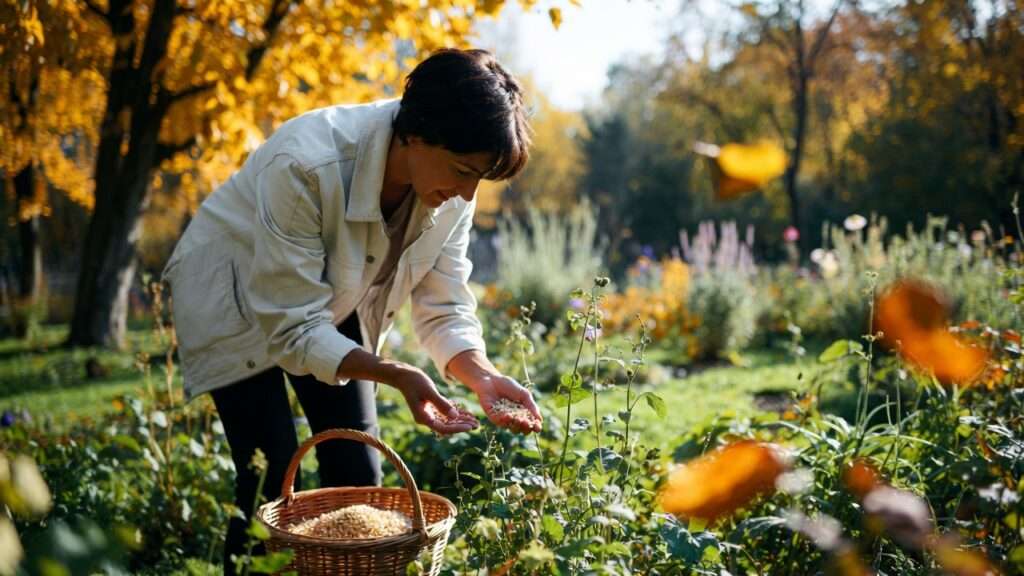
Picture this: The crisp autumn breeze rustles through your garden as golden leaves drift down, and those once-vibrant coneflowers now stand tall with chocolate-brown seed heads ready for harvest. You snip a few, tuck them into a paper bag, and smile knowing you’ll have dozens of free plants blooming next spring — all from seeds you collected yourself! 🌟
Collecting seeds in autumn is one of the most rewarding, cost-saving, and sustainable parts of plant care and tree care. With nursery prices rising and a growing desire for heirloom varieties, biodiversity, and eco-friendly gardening, many home gardeners are turning to seed saving to propagate their favorite flowers, perennials, shrubs, and even trees. This timeless practice lets you preserve genetic diversity, attract more pollinators, reduce garden waste, and create a personalized landscape year after year — without spending a fortune. 💰
In this in-depth guide, I’ll walk you through everything you need to know based on over 15 years of hands-on experience in home gardens and tree nurseries. We’ll cover perfect timing, step-by-step harvesting techniques, plant-specific tips, proper drying and storage methods (including stratification for tricky species), common pitfalls to avoid, and what to do next spring for sky-high germination success. Whether you’re a beginner eager to try seed saving or a seasoned gardener looking to expand your collection of natives and ornamentals, you’ll finish this article ready to turn your autumn garden into next year’s free plant nursery. Let’s dive in! 🚀
Why Autumn Is the Perfect Time for Seed Collecting 🍁
Autumn isn’t just beautiful — it’s biologically ideal for seed harvesting. As daylight shortens and temperatures cool, most plants shift energy from foliage and flowers to ripening seeds. This results in mature, viable seeds with higher germination rates compared to those collected too early in the season.
Key signs that seeds are ready include:
- Seed heads turning fully brown or tan and feeling dry and papery
- Pods rattling when shaken (a classic “ready” sound!)
- Seeds inside hardening to dark colors and detaching easily
- Many species naturally dropping seeds or samaras (like maples) — collect just before full dispersal
Collecting in fall also provides a natural cold stratification period for many perennials and trees if you sow directly outdoors. This mimics winter conditions, breaking dormancy for better spring sprouting. In temperate climates like USDA zones 5–8, mid-to-late autumn (October–November) is prime time. In warmer zones (9+), aim for late fall when cooler nights arrive. Always harvest on dry, sunny days after morning dew evaporates to prevent mold — wet seeds are a recipe for disaster! 🌞

Tools and Supplies You’ll Need 🛠️
You don’t need fancy equipment to start seed collecting — most items are already in your home or garden shed. Here’s a practical, budget-friendly list:
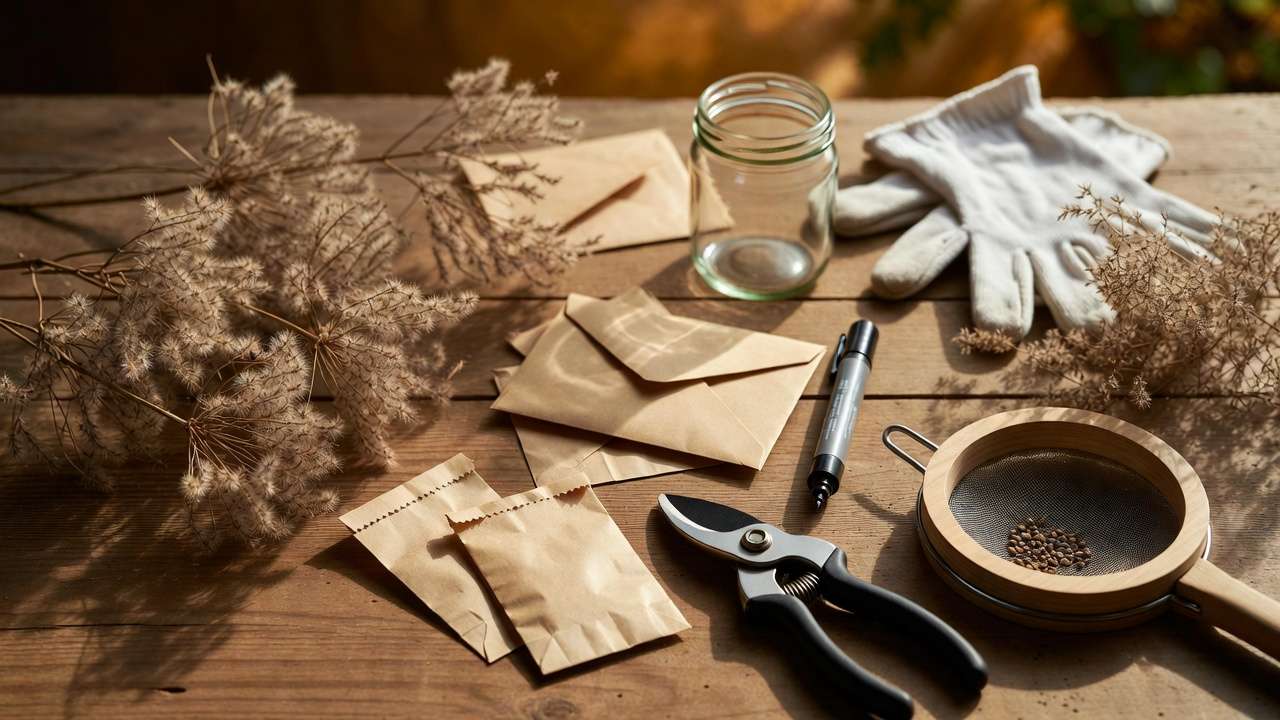
- Paper bags or envelopes — Breathable to allow drying; avoid plastic bags that trap moisture and cause rot
- Sharp bypass pruners or scissors — For clean cuts on stems and seed heads
- Permanent markers and labels — Essential for noting plant name, collection date, and location
- Small sieves, colanders, or screens — Great for separating seeds from chaff
- Airtight glass jars or ziplock bags — For long-term storage after thorough drying
- Gloves and a tarp — Helpful for messy trees/shrubs or gathering fallen acorns/nuts
- Optional extras: magnifying glass for tiny seeds, tarps under trees to catch drops, small baskets for field collecting
Pro tip from experience: Invest in a few reusable kraft seed envelopes — they’re charming, eco-friendly, and perfect for sharing with fellow gardeners! ♻️
How to Know When Seeds Are Ready to Harvest (Timing Tips) ⏰
Timing is everything in seed saving — too early and seeds are immature with low viability; too late and they’ve already scattered or been eaten by birds.
General rule: Harvest when seed heads are completely dry and seeds detach easily. Check daily in peak autumn weeks.
Plant-type cues:
- Flowers/annuals — Heads brown, petals fallen, seeds dark and hard
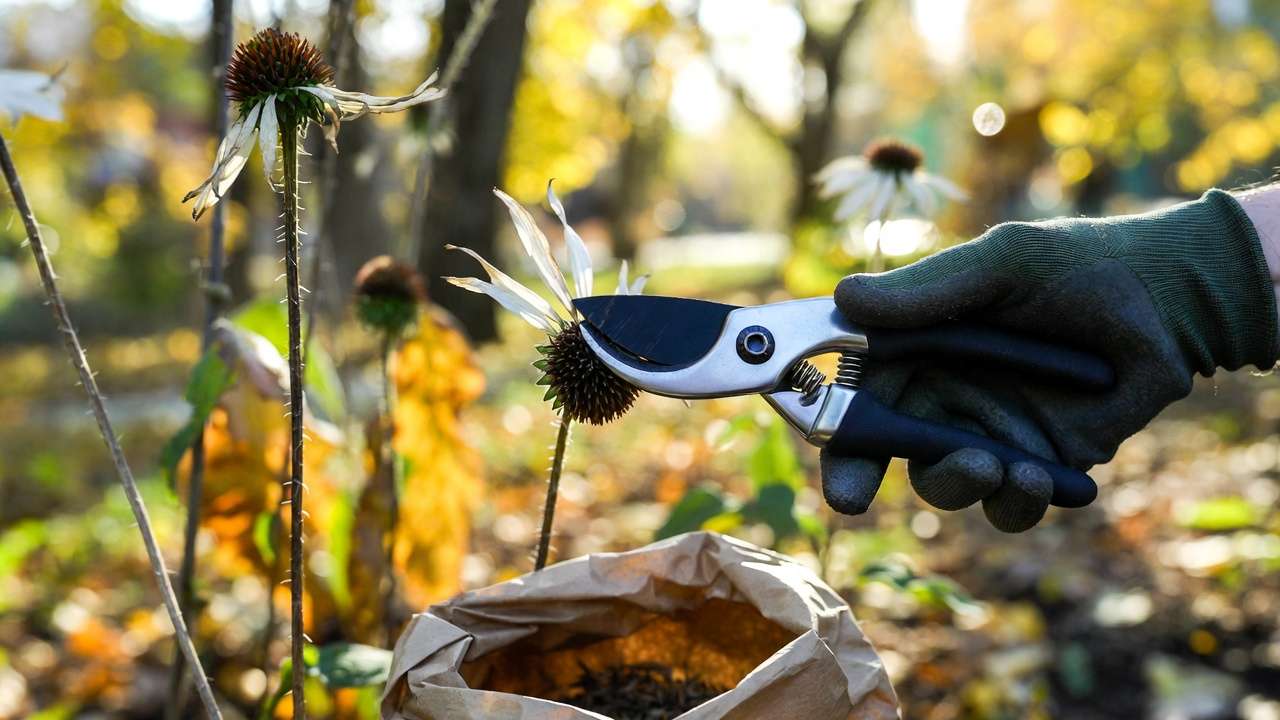
- Perennials — Cone-like centers (Echinacea, Rudbeckia) turn chocolate-brown and spiky
- Trees/shrubs — Samaras (maples) turn brown and papery; acorns fall naturally or loosen easily from caps
Avoid these mistakes:
- Collecting damp seeds after rain/frost → invites fungal issues
- Waiting until everything drops → you lose most of the crop to wind/wildlife
My expert advice: Walk your garden every few days from mid-September onward. Mark promising plants with bright ribbon in summer so you don’t miss them! 🎀
Step-by-Step Guide to Collecting Seeds 🌼
Now that you know when and why autumn is prime time, let’s get hands-on. Follow this reliable, field-tested process I’ve refined over years of saving seeds from cottage gardens, native plant restorations, and backyard orchards.
- Scout and Identify Your Plants Early In late summer, walk your garden and flag promising plants with colorful garden twine or tags. Note the exact variety if known (especially heirlooms). This prevents confusion later when everything looks brown! For trees and shrubs, identify species by leaf shape, bark, and fruit type — many look similar once dry.
- Choose Dry Weather Windows Wait for several consecutive dry days with low humidity. Mid-morning after dew burns off is ideal. Never collect right after rain, heavy dew, or frost — moisture is the #1 enemy of seed viability.
- Harvest Methods by Plant Type
- Seed heads & flower clusters (coneflowers, zinnias, marigolds): Snip the entire head or stem just below the flower with pruners. Place upside-down in a labeled paper bag to catch any natural shedding.
- Pods & capsules (lupine, columbine, baptisia): Clip pods when they turn brown and begin to split. Bag immediately — many pop open explosively!
- Winged samaras (maples, ash): Pick directly from branches when they turn papery brown but before they helicopter away. Or spread a tarp underneath and gently shake branches.
- Acorns, nuts, & berries (oaks, dogwood, viburnum): Gather fallen ones daily from the ground (freshest ones first). For trees, use a long pole pruner if needed.
- Pine cones & catkins (pines, birches): Collect closed or semi-open cones; they often open indoors with warmth and dryness.
- Ethical & Sustainable Harvesting Rule of thumb: Never take more than 10–20% of seeds from any single plant or wild population. Leave plenty for birds, small mammals, and natural reseeding. On public or wild land, check local regulations — some areas require permits for native plant collecting. Always prioritize garden-grown plants over wild ones when possible.
- Immediate Post-Harvest Handling Bring bags indoors to a cool, dry, well-ventilated spot (garage, spare room, or covered porch). Spread heads/pods on screens, newspaper, or shallow trays if they’re still moist. Avoid direct sunlight or heat sources — gentle air circulation is key.
Cleaning and Separating Seeds from Chaff 🧹
Once thoroughly dry (1–2 weeks), it’s time to separate valuable seeds from fluffy chaff, stems, and debris. This step greatly improves storage life and germination rates.
Easy techniques:
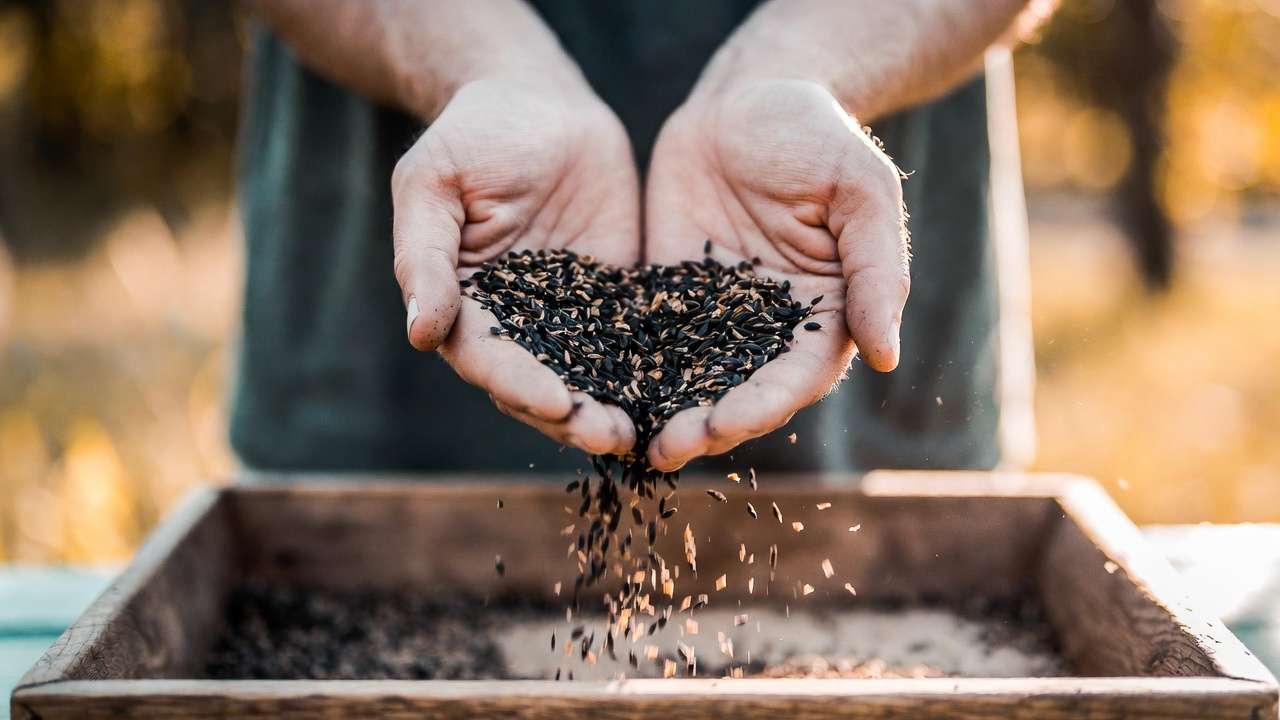
- Gentle shaking & rubbing — For most flowers and perennials, rub seed heads between your hands over a large bowl or tray. Seeds fall out while chaff stays behind.
- Winnowing — Pour seeds and chaff from one container to another in front of a fan on low speed (outdoors on a breezy day works too). Light chaff blows away; heavier seeds drop straight down.
- Sieving — Use kitchen colanders, fine mesh screens, or hardware cloth with different hole sizes to sort seeds by dimension.
- Rolling pin method — For stubborn pods (e.g., baptisia), place in a thick paper bag and gently roll/crush with a rolling pin to break open capsules.
- Fleshy fruits (rose hips, berries, crabapples): Mash pulp in water, let seeds sink, skim off floating debris, then ferment lightly (3–5 days in water) to remove gel coating before rinsing and drying.
Tip from experience: Label every batch during cleaning — mystery seeds are frustrating come spring! Use small bowls or paper plates for each variety.
Popular Plants for Autumn Seed Collecting (With Examples) 🌸🌳
One of the joys of seed saving is how many beloved garden plants offer easy, high-success seeds in autumn. Below are some of the most rewarding categories and specific examples, complete with collection tips, expected germination rates, and notes on what to expect from the offspring. These are all plants commonly grown in home gardens and landscapes across temperate regions.
Flowers & Annuals These are the easiest starters for beginners — generous seed producers with quick, reliable germination.
- Sunflowers (Helianthus annuus) — Let heads droop and backs turn yellow-brown. Cut when seeds are plump and striped (birds love them too, so harvest promptly!). Germination: 80–95% in spring.
- Zinnias — Wait until petals dry and centers feel hard. Snip entire flower heads. Super prolific — one plant can yield hundreds of seeds.
- Cosmos, Marigolds (Tagetes), Calendula — Similar dry-head method. These self-sow readily if left, but collecting gives you control over placement.
- Sweet peas & Nasturtiums — Harvest swollen pods when they brown and rattle.
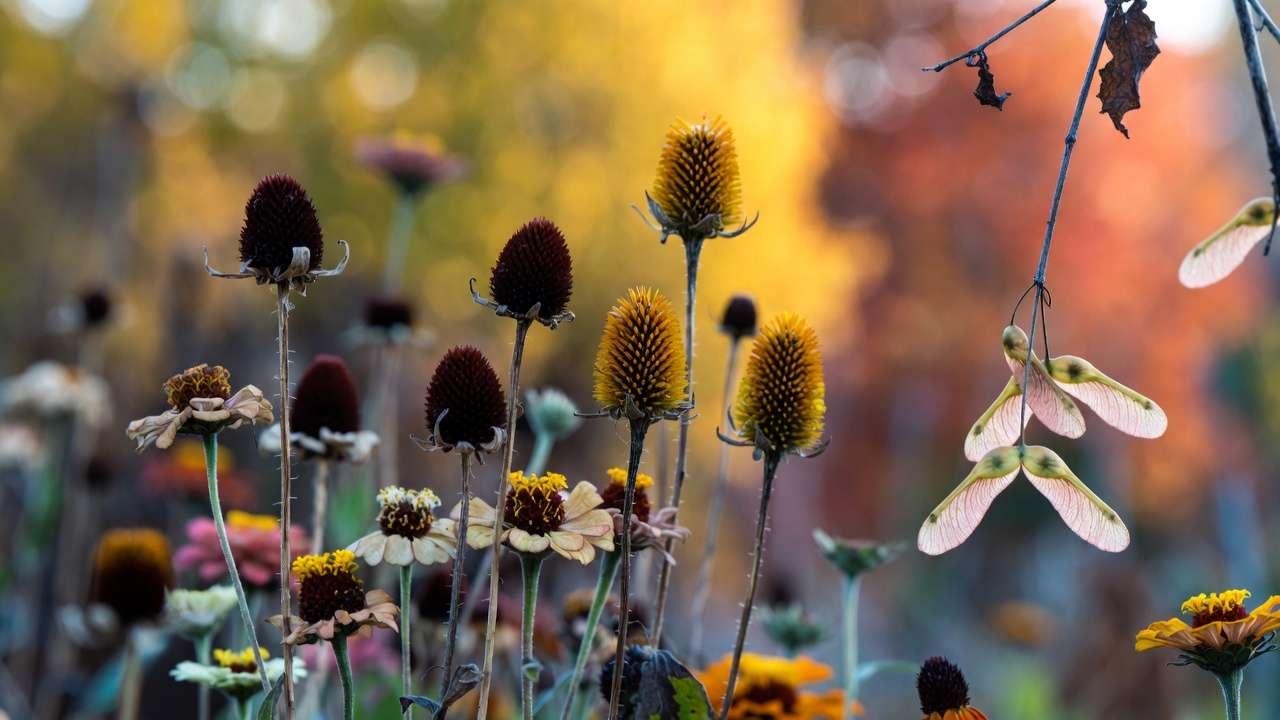
Perennials Many beloved natives and pollinator magnets set seed beautifully in fall and often require cold stratification for best results.
- Coneflowers (Echinacea purpurea & relatives) — Classic chocolate-brown, spiky seed heads. Cut stems when dry; seeds are small black darts. Germination excellent after 4–8 weeks cold/moist treatment.
- Black-eyed Susan (Rudbeckia hirta & fulgida) — Cone centers turn dark and bristly. Very forgiving — even imperfect cleaning yields good sprouts.
- Coreopsis, Asters, Joe-Pye Weed (Eutrochium) — Fluffy heads full of tiny seeds. Winnow carefully. These are fantastic for wildflower meadows.
- Lupine, Columbine (Aquilegia), Salvia — Pod method: collect just as pods begin splitting to catch seeds before they scatter.
Trees & Shrubs Tree and shrub seeds often need patience (some take 1–2 years to germinate), but the payoff is huge — free saplings for hedging, wildlife gardens, or specimen planting.
- Maples (Acer species) — Collect winged samaras when they turn brown and papery but are still attached. Many benefit from fall sowing for natural stratification. Germination can be erratic (30–70%).
- Oaks (Quercus) — Gather acorns as they fall (green-brown to fully brown). Float-test in water: discard floaters (non-viable). Plant fresh in fall or stratify in fridge.
- Dogwood (Cornus), Viburnum, Serviceberry — Pick ripe berries, mash and rinse seeds (ferment 2–3 days for cleaner separation). Cold stratification essential.
- Birch (Betula) — Tiny seeds in catkins — collect when catkins brown and crumbly. Best sown fresh on surface (needs light to germinate).
Bonus: Vegetables & Herbs for Heirloom Lovers
- Heirloom tomatoes, peppers, beans — Let fruit over-ripen on the vine, scoop seeds, ferment 3–5 days, rinse, dry.
- Dill, cilantro, parsley — Allow umbels to dry fully on plant.
Pro tip: Start with just 3–5 easy species your first autumn (sunflowers, zinnias, coneflowers) — success builds confidence fast!
How to Store Seeds Properly for Longevity 📦
Proper storage is what turns a fun autumn harvest into viable seeds years later. The golden rules are: dry, cool, dark, and oxygen-low.
- Final drying — Spread cleaned seeds in a single layer on paper plates or screens in a cool (60–70°F / 15–21°C), dry, dark room for 1–2 weeks. Stir daily. Seeds should feel hard and snap when bent.
- Best containers — Glass mason jars with tight lids or multi-layered paper envelopes inside airtight plastic boxes. Add silica gel packets for extra moisture protection in humid climates.
- Ideal conditions — Refrigerator (35–40°F / 2–4°C) for most seeds; freezer for very long-term (many last 5–10+ years when frozen). Avoid temperature fluctuations.
- Labeling must-haves — Common name + botanical name, collection date/location, any notes (e.g., “needs stratification”).
- Viability guide (approximate shelf life when stored properly):
- Short-lived (1–2 years): delphinium, parsley, onions
- Medium (3–5 years): most flowers, beans, tomatoes
- Long-lived (5–10+ years): many perennials, trees (oaks, maples)
Test viability each spring with a simple germination test: place 10–20 seeds on moist paper towel in a ziplock bag, keep warm, and count sprouts after 7–21 days.
Stratification: What It Is and Which Seeds Need It ❄️
Many seeds — especially from perennials, natives, and woody plants — have built-in dormancy mechanisms that prevent them from sprouting immediately after collection. This is nature’s way of ensuring seeds don’t germinate in the middle of winter when conditions are harsh. The most common requirement is cold stratification: a period of moist, cold conditions that mimics winter and breaks dormancy.
What stratification does It softens hard seed coats, triggers hormonal changes, and prepares embryos for germination when warmth and moisture return in spring. Without it, many seeds sit dormant for years or have very low success rates.
Which seeds typically need cold stratification (and approximate duration):
- Echinacea (coneflower): 4–8 weeks
- Rudbeckia (black-eyed Susan): 4–6 weeks
- Asclepias (milkweed): 4–12 weeks
- Aquilegia (columbine): 3–6 weeks
- Lupinus (lupine): 6–8 weeks
- Most native trees/shrubs: maples (30–90 days), oaks (often just fall sowing suffices), dogwood/viburnum (60–120 days)
- Some flowers like coreopsis, asters, and penstemon: 4–8 weeks
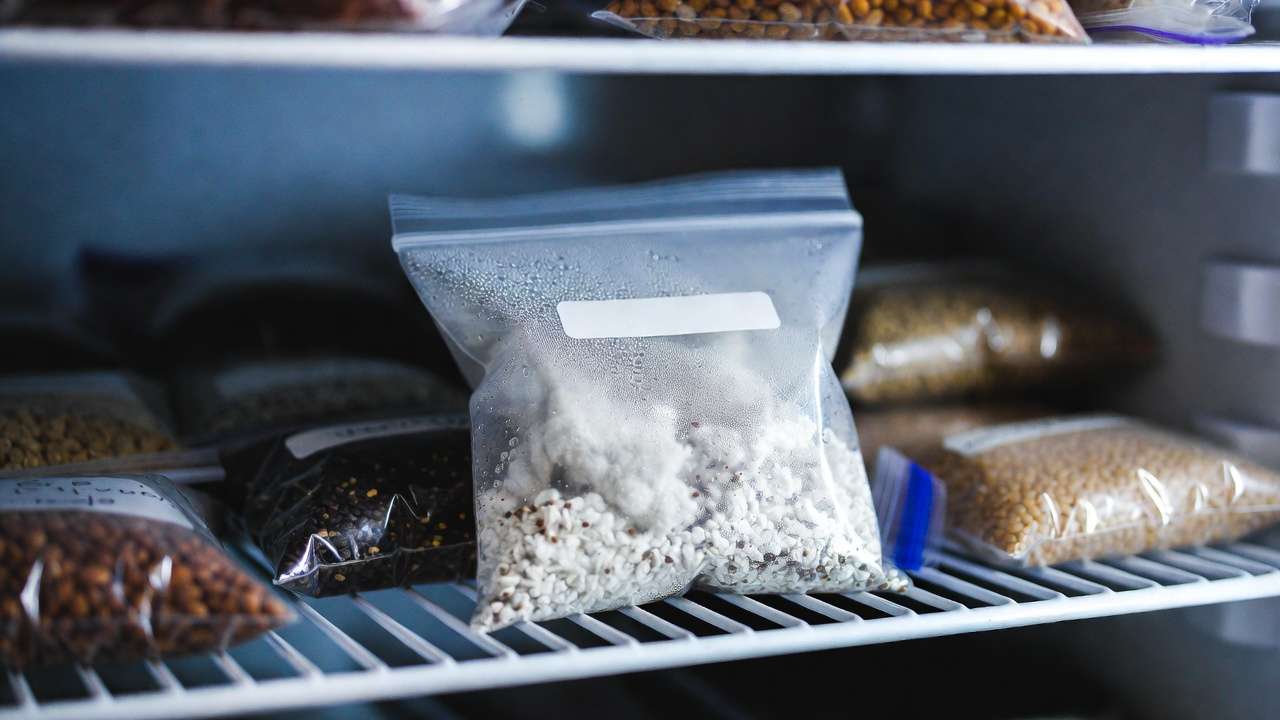
Two easy stratification methods
- Outdoor natural stratification (simplest)
- Sow seeds directly in prepared garden beds or pots in late autumn (after the first light frost but before ground freezes hard).
- Cover lightly with soil or mulch.
- Winter cold and moisture do the work. Many natives and trees germinate beautifully this way in spring.
- Best for: acorns, maple samaras, hardy perennials.
- Refrigerator method (controlled & great for small batches)
- Mix clean seeds with slightly moist (not soggy) medium: sand, vermiculite, peat moss, or damp paper towels.
- Seal in labeled ziplock bags or small containers.
- Store in the fridge (not freezer) at 35–40°F (2–4°C) for the recommended weeks.
- Check weekly for mold; add a pinch of cinnamon if needed as a natural antifungal.
- After stratification, move to warm spot (65–75°F / 18–24°C) for germination.
Quick-reference table (popular plants):
| Plant | Stratification Needed? | Duration | Best Method |
|---|---|---|---|
| Echinacea | Yes | 4–8 weeks | Fridge or fall sow |
| Rudbeckia | Yes | 4–6 weeks | Fridge or fall sow |
| Maple samaras | Often | 30–90 days | Fall sow preferred |
| Acorns | Usually not required | — | Fall sow fresh |
| Zinnia, Marigold | No | — | Direct spring sow |
| Viburnum | Yes | 60–120 days | Fridge (moist) |
From experience: I’ve had excellent results fall-sowing stratified coneflower and milkweed seeds directly into nursery pots buried in the garden — they emerge strong and healthy by May.
Common Mistakes to Avoid (Troubleshooting) ⚠️
Even experienced gardeners slip up sometimes. Here are the pitfalls I see most often — and how to dodge them:
- Collecting wet or immature seeds → Leads to mold or zero germination. Always wait for full dryness and test by squeezing — seeds should be hard.
- Storing in plastic without drying fully → Traps moisture → rot city. Use paper first, then airtight after complete dryness.
- Forgetting to label → Spring brings mystery seedlings! Label at every step.
- Over-harvesting → Leaves nothing for wildlife or natural reseeding. Take only a portion.
- Ignoring cross-pollination → Hybrid plants (many modern cultivars) won’t come true from seed. Stick to species or known heirlooms for predictable results.
- Skipping stratification → Perennials and trees stay dormant. Plan ahead.
- Too much heat/light during storage → Kills viability fast. Keep cool and dark.
What to Do with Your Collected Seeds Next Spring 🌱
Once winter passes, here’s how to turn your autumn harvest into thriving plants:
- Direct sowing outdoors — For hardy species (many perennials, trees, annuals like zinnias/sunflowers): Sow in prepared beds after last frost.
- Indoor starting — For slower or tender types: Start 6–12 weeks before last frost in seed trays under grow lights. Keep soil moist but not soggy; bottom heat helps.
- Germination boosters — Scarify hard seeds (nick coat with sandpaper), soak overnight, or use dilute seaweed extract.
- Success rates — Expect 60–90% for most flowers/annuals, 30–80% for trees/perennials (patience pays off!). Thin seedlings to strongest ones.
- Sharing the love — Package extras in labeled envelopes for seed swaps, community gardens, or friends. Seed libraries are growing in popularity!
Sustainability and Ethical Considerations ♻️
Seed collecting isn’t just practical — it’s a small but meaningful act of conservation. By saving seeds from open-pollinated and native plants, you help preserve genetic diversity that commercial hybrids often lack. This supports pollinators, birds, and healthy ecosystems.
Always:
- Prioritize garden-grown over wild plants
- Obtain permission on private/public land
- Avoid rare or threatened species
- Plant some of your harvest back into the landscape to give back
Frequently Asked Questions (FAQs) ❓
Can I collect seeds after the first frost? Yes — many seeds are still viable and even benefit from light frost exposure. Just ensure heads/pods are dry.
Do seeds from grafted trees (e.g., fruit trees) grow true? Usually no. Grafted varieties are clones; seed-grown offspring revert to rootstock traits. Best for species trees (maples, oaks).
How long do stored seeds last? Depends on species and conditions: 1–3 years for short-lived, 5–10+ for many perennials/trees when refrigerated or frozen.
What’s the best way to store acorns and maple seeds? Acorns: Keep moist (slightly damp peat/sand) in fridge; plant fresh or stratify. Maples: Dry slightly, then cold-moist stratify or fall sow.
Can I collect from store-bought plants or hybrids? Yes, but offspring may not match the parent (especially F1 hybrids). Heirlooms and species plants give consistent results.
Is there a way to speed up stratification? Not really — but gibberellic acid (a plant hormone available at garden stores) can sometimes substitute or shorten cold time for tricky seeds.
Final Thoughts & Expert Insight ✨
Collecting seeds in autumn is more than a practical gardening task — it’s a quiet, joyful ritual that reconnects you with the full cycle of plant life. There’s something deeply satisfying about watching those tiny packets of potential you gathered on a breezy October afternoon transform months later into vibrant blooms, lush foliage, or even young trees shading your yard. 🌳💚
In my 15+ years of working with home gardens, community planting projects, and small-scale native plant propagation in both temperate and subtropical climates, I’ve learned that seed saving rewards patience, observation, and respect for nature’s timing. The biggest payoff isn’t just the money saved (although free plants are wonderful!); it’s the sense of stewardship — preserving varieties that bees, butterflies, birds, and future gardeners will thank you for.











