
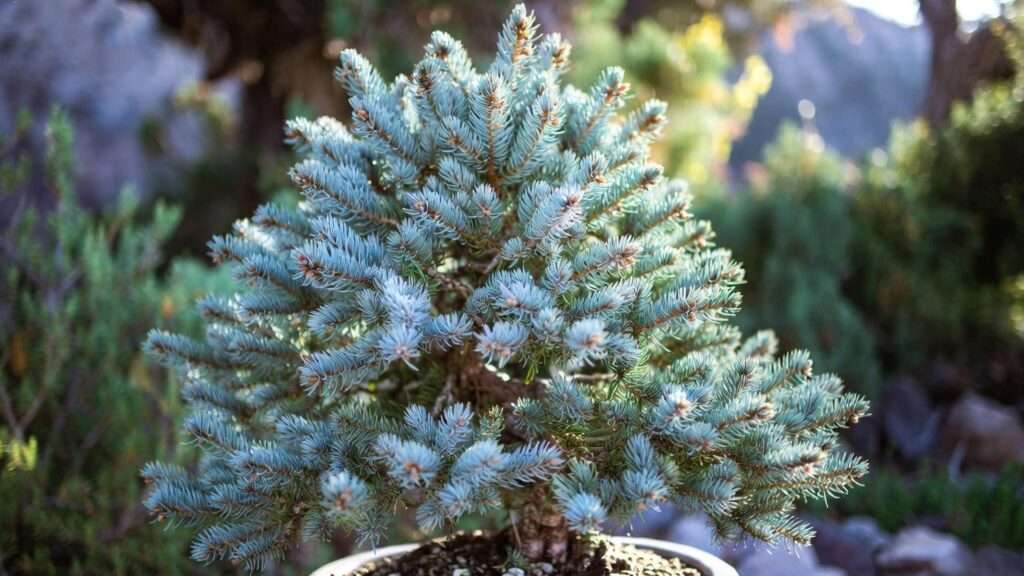
Imagine a miniature Rocky Mountain masterpiece gracing your patio or windowsill—stunning silvery-blue needles catching the light, a perfect conical silhouette evoking ancient alpine forests, all in a shallow bonsai pot. The Colorado blue spruce bonsai tree (Picea pungens) captures that magic like no other conifer, bringing year-round evergreen elegance and a touch of wild majesty to your collection. But here’s the reality many enthusiasts face: without the right care, those iconic blue needles can yellow, brown, or drop entirely, leaving you with a sparse, struggling tree instead of a thriving heirloom.
As a bonsai practitioner with over 15 years of hands-on experience specializing in temperate conifers—including dozens of Colorado blue spruces styled for clients and shows—I’ve seen these challenges firsthand. From nursery stock to yamadori (wild-collected) specimens, I’ve learned what makes this species flourish as bonsai. In this ultimate guide, we’ll dive deep into proven, expert strategies to keep your Colorado blue spruce bonsai tree healthy, vibrant, and beautifully refined for decades. Whether you’re starting with a young plant or refining a mature one, these tips will help you achieve dense foliage, strong structure, and that signature blue glow. 🌟
What Makes the Colorado Blue Spruce a Perfect Bonsai Candidate? 🌲
The Colorado blue spruce, native to the high-altitude Rocky Mountains, is one of North America’s most iconic evergreens. In the wild, Picea pungens can tower over 100 feet, but its natural traits make it exceptionally well-suited for bonsai cultivation.
Native Habitat and Natural Characteristics
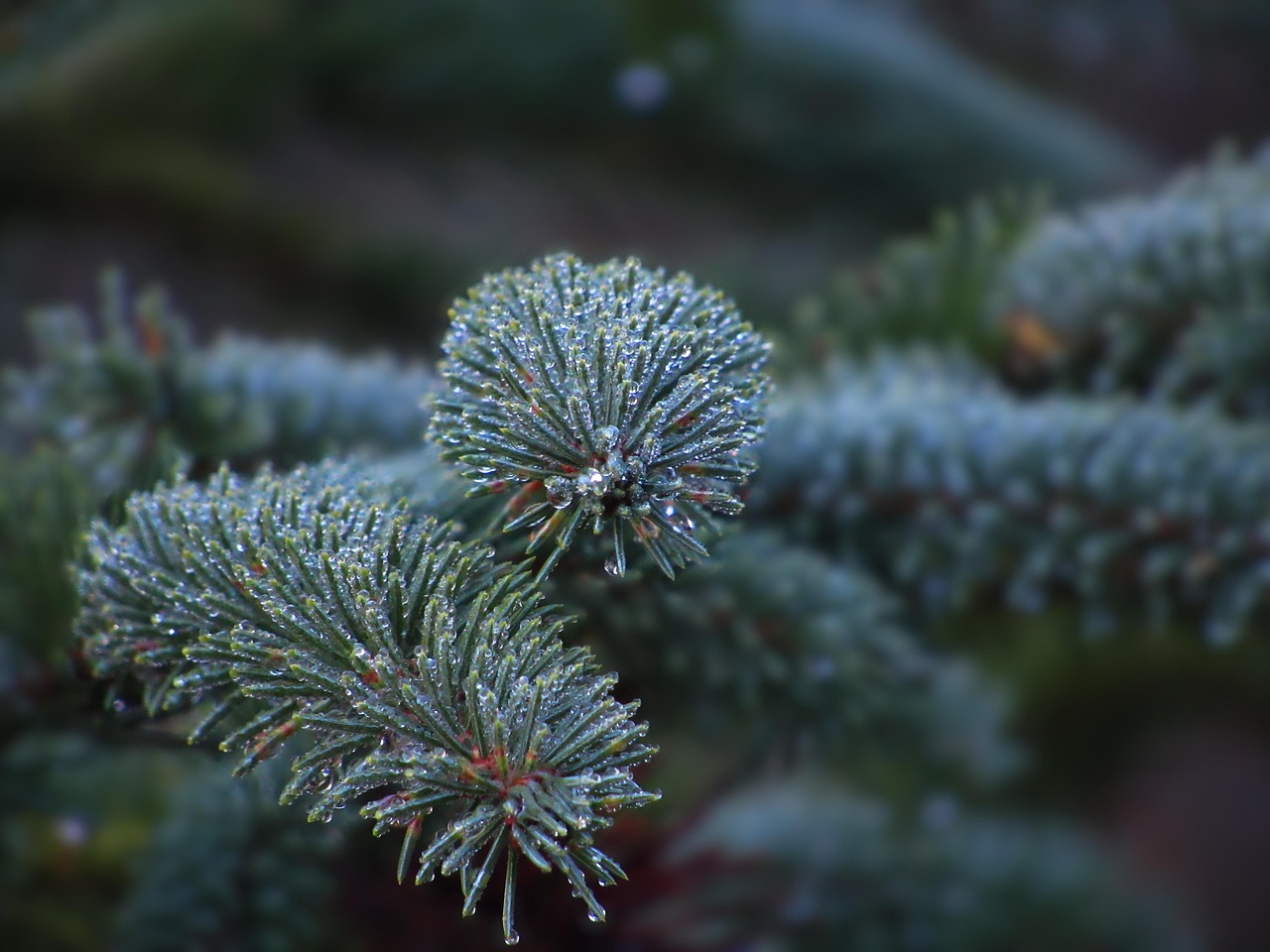
This species thrives in cool, dry climates with well-drained, rocky soils—conditions that translate beautifully to bonsai life. Its stiff, sharply pointed needles (1-1.5 inches long) range from green to powdery blue, thanks to a waxy coating that reflects light and protects against harsh mountain sun and wind. Mature trees develop attractive, furrowed bark and a classic pyramidal form, which bonsai artists can mimic in miniature.
Why It Excels as Bonsai
- Cold hardiness: USDA zones 2-7, making it ideal for outdoor bonsai in most temperate regions.
- Needle texture and color: The silvery-blue foliage provides year-round interest and contrasts beautifully with pots.
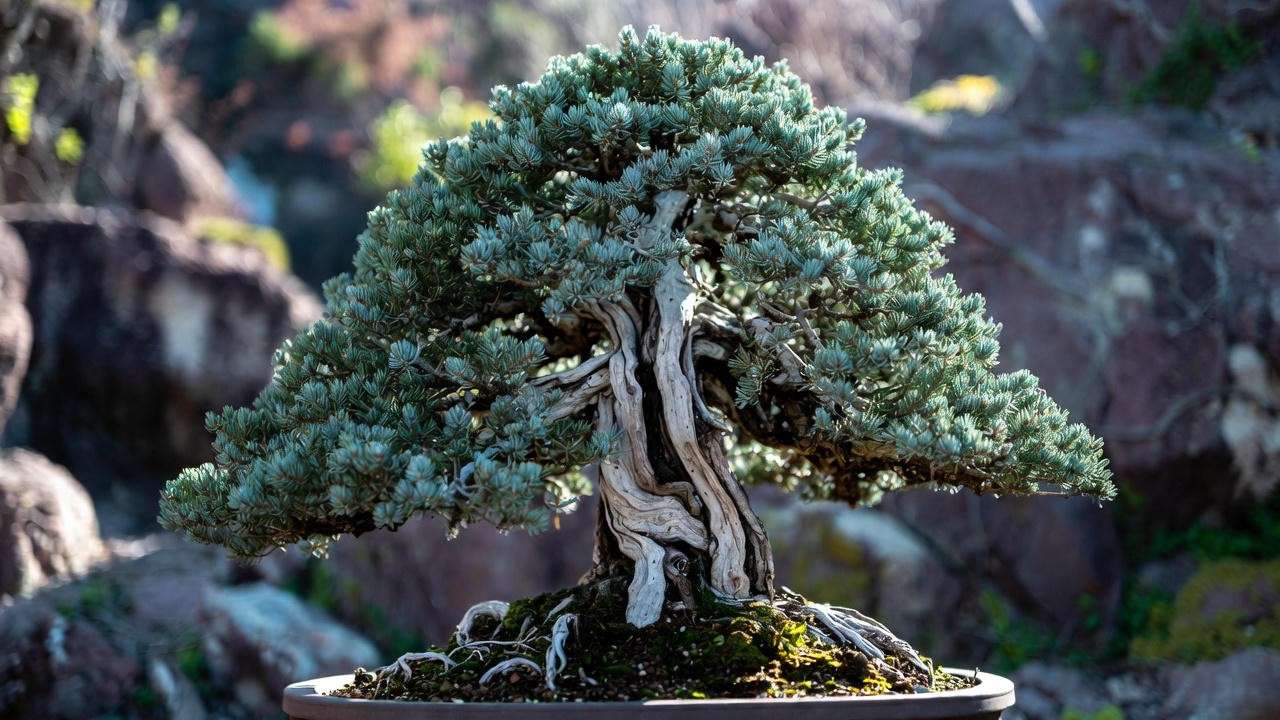
- Bark development: Older specimens show rugged, plated bark that adds age and character.
- Back-budding potential: With proper care, it readily produces new growth on old wood, allowing dense ramification.
Unlike finicky species like Alberta spruce (Picea glauca ‘Conica’), which often struggle long-term as bonsai, the true Colorado blue spruce is vigorous and forgiving when needs are met.
Popular Cultivars for Bonsai
Look for dwarf or compact varieties to accelerate development:
- ‘Glauca Procumbens’ – Prostrate habit, excellent for cascade styles.
- ‘Fat Albert’ – Dense, pyramidal growth with intense blue color.
- ‘Baby Blue’ – Slow-growing, highly blue needles.
| Trait | Full-Size Tree | Bonsai Version |
|---|---|---|
| Height | 50-100+ feet | 12-36 inches |
| Needle Color | Green to blue | Intensified blue (with care) |
| Growth Rate | Moderate | Controlled via pruning |
| Lifespan | 600+ years | Centuries as bonsai |
Selecting the Perfect Colorado Blue Spruce Bonsai Starter 🌱
Starting strong is half the battle. Poor initial stock leads to years of correction—or failure.
Nursery Stock vs. Collected Yamadori
- Nursery stock: Affordable, readily available, but often leggy with poor taper. Choose grafted dwarfs for better blue color.
- Yamadori: Wild-collected trees offer incredible trunk movement and age, but recovery takes 2-5 years. Ethical collection is key—permit-required in many areas.
Key Features to Look For
- Healthy, fibrous roots with no circling.
- Strong trunk taper and low branching.
- Dense, blue foliage without yellowing tips.
- No signs of pests or cankers.
Common Mistakes to Avoid When Buying
- Purchasing “bonsai” labeled Alberta spruce—they’re not true blue spruces and rarely develop well.
- Ignoring root health—always slip the pot to check.
- Opting for overly mature trees without established nebari (surface roots).
Tip Box 🛑: Red flags include browning interior needles, resin oozing from branches (cytospora canker), or webbing (spider mites).
Essential Care Requirements for Long-Term Success 💧☀️
Colorado blue spruce bonsai demand outdoor life—they’re not indoor plants. Mimic their mountain origins for success.
Light Requirements – How Much Sun Does It Really Need?
Full sun (6+ hours direct) during the growing season promotes compact growth and intense blue color. Afternoon shade in hot climates prevents needle scorch. In winter, semi-shade protects from desiccation.
Ideal Temperature Ranges and Winter Protection 🥶
Hardy to -40°F, but potted roots are vulnerable. Overwinter in an unheated garage or buried in mulch if below 0°F regularly. Avoid frozen roots while needles transpire—mulch pots or use foam insulation.
Watering Guidelines – Avoiding Both Under- and Overwatering
Water thoroughly when the topsoil dries—typically daily in summer heat, less in cool weather. Use rainwater or distilled to prevent mineral buildup that dulls blue color.
- Signs of thirst: Slightly drooping needles, dry soil.
- Signs of root rot: Soggy soil, yellowing bases, foul smell.
Soil Composition and Repotting Schedule 🪴
Spruce hate wet feet. Use a free-draining, inorganic-heavy mix:
- Recommended recipe: 1:1:1 akadama, pumice, lava rock (or substitutes like turface/perlite).
- pH 5.5-6.5—slightly acidic.
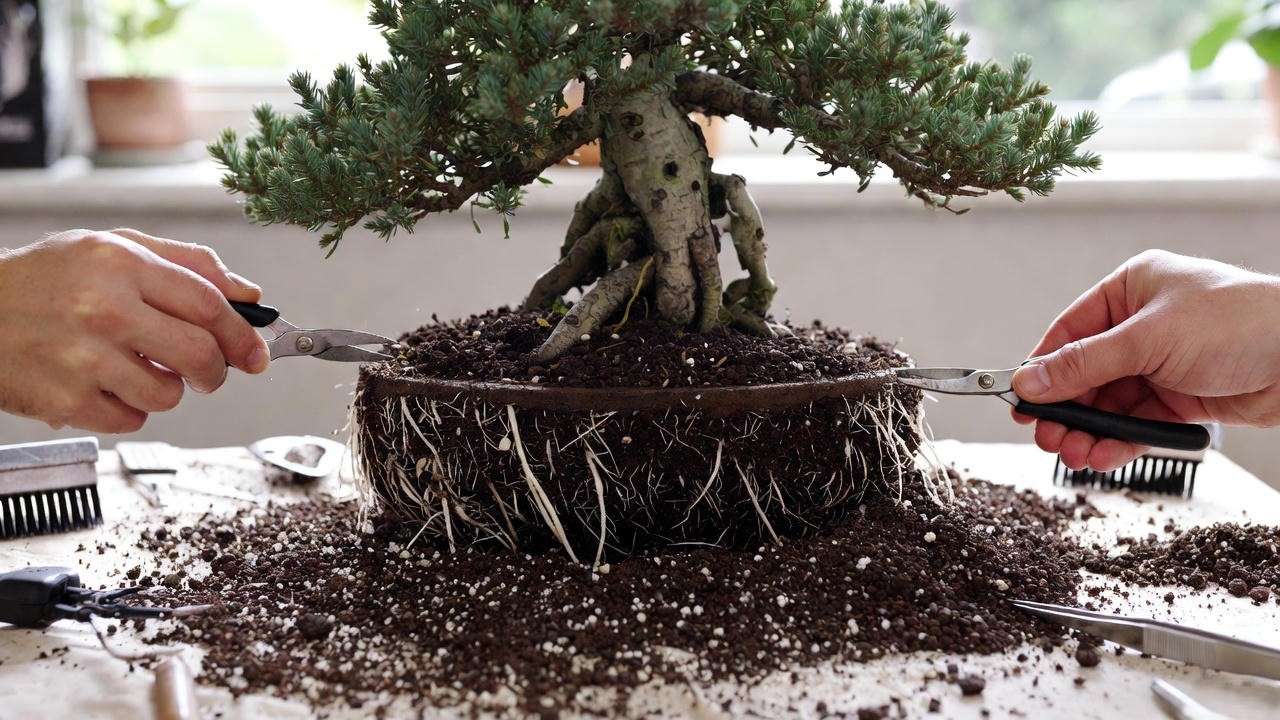
Repot every 3-5 years in early spring (bud swell). Prune roots minimally (1/3 max), leaving a soil ball around the trunk.
Step-by-Step Repotting Guide:
- Soak tree overnight.
- Gently remove old soil from edges.
- Trim long roots, keep fine feeders.
- Anchor in fresh mix, water deeply.
Feeding Your Colorado Blue Spruce Bonsai – Nutrition That Works 🍽️
Conifers like the Colorado blue spruce are naturally adapted to nutrient-poor mountain soils, so over-fertilizing is a common killer. The goal is steady, moderate feeding that supports healthy needle growth without forcing weak, elongated shoots.
Best Fertilizer Types
- Organic options: Rapeseed meal cakes, fish emulsion (diluted), or slow-release conifer-specific pellets. These release nutrients gradually and improve soil biology.
- Synthetic options: Balanced liquid fertilizers (e.g., 10-10-10 or half-strength Miracle-Gro) during active growth, switching to low-nitrogen in late summer.
- Specialized conifer formulas: Products like Miracid or Holly-Tone help maintain acidic pH and provide micronutrients.
My preferred approach after years of testing: organic cakes in spring and early summer, supplemented with bi-weekly weak liquid feeds.
Seasonal Feeding Schedule
- Early spring (bud swell): High-nitrogen to kickstart growth.
- Mid-summer: Balanced formula until July.
- Late summer (August onward): 0-10-10 or low-nitrogen to harden new growth before winter.
- Fall/Winter: No feeding—dormancy is essential.
Micronutrient Deficiencies to Watch For
Blue spruces are prone to:
- Magnesium deficiency: Interveinal yellowing on older needles.
- Iron chlorosis: New growth pale or yellow (often from alkaline soil/water). Fix with chelated micronutrient sprays or Epsom salts (1 tsp/gallon foliar).
Pro Tip 🔥: Never fertilize dry soil or newly repotted trees—risk of root burn is high. Always water thoroughly first.
Pruning and Styling Techniques for Stunning Form ✂️
Styling a Colorado blue spruce bonsai is rewarding but requires patience—spruces don’t back-bud as freely as pines, so structural decisions are permanent.
Timing – When to Prune
- Structural pruning: Late winter/early spring (dormant season) when sap flow is minimal.
- Candle pinching: Mid-spring as new candles elongate but before needles harden (usually May-June).
Candle Pinching Method Specific to Spruce
Unlike pines, spruces produce single terminal buds that elongate into “candles.”
- Wait until candles reach 1–2 inches.
- Pinch or twist off 50–70% of the candle length with fingers (no tools needed).
- Stronger areas: Remove more; weaker areas: Leave more to balance energy.
This encourages denser branching and shorter needles over time.
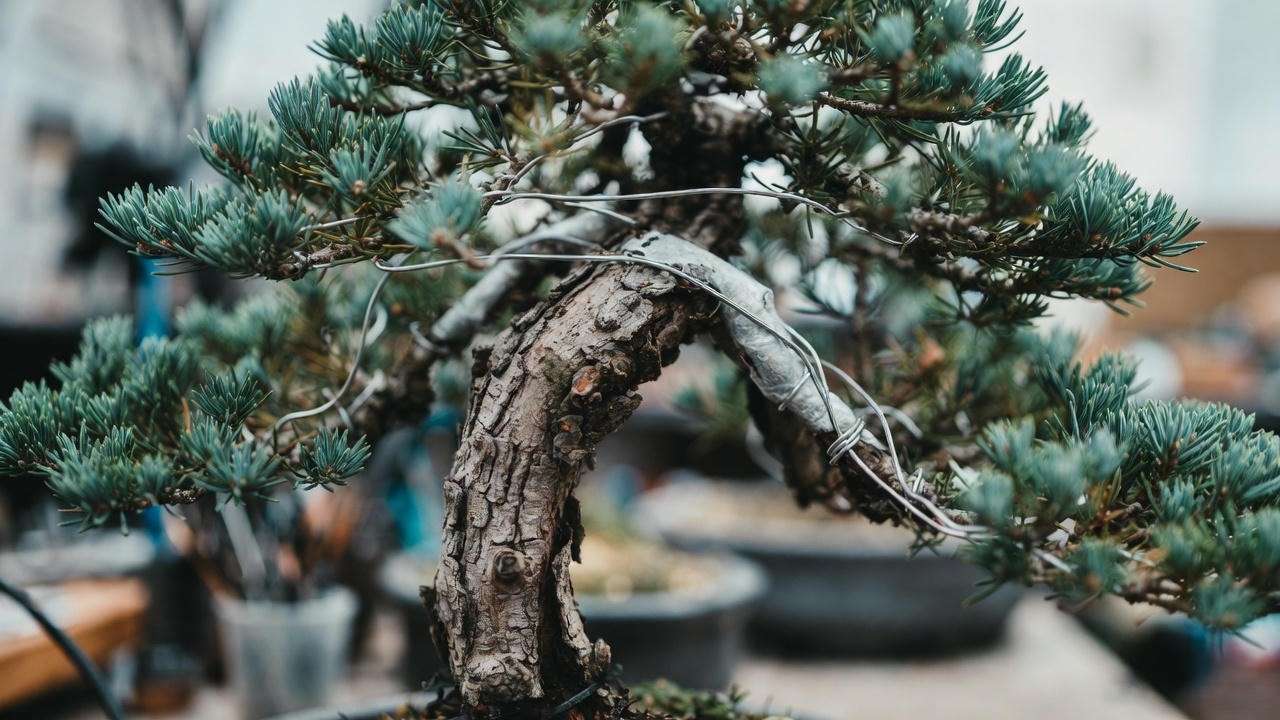
Wiring and Shaping Guidelines
- Best age: 5–15 years when branches are flexible but woody.
- Wire in fall or early winter when sap pressure is low.
- Use aluminum wire (copper can scar bark).
- Protect bark with raffia on thicker branches.
- Check monthly—spruces thicken quickly and wire can bite in.
Developing Deadwood and Jin/Shari Features
Advanced artists create dramatic jin (dead branch stubs) or shari (trunk deadwood) for mountain-tree character. Use sharp tools and lime sulfur to preserve and whiten deadwood.
Before-and-After Example 🌿: A leggy nursery ‘Fat Albert’ transformed over 8 years into a compact informal upright with layered pads and subtle jin.
(Imagine high-quality progression photos here.)
Common Problems and Proven Solutions 🛠️
Even with perfect care, issues arise. Early diagnosis is key.
Needle Yellowing and Drop – Causes & Fixes
- Natural interior shedding: Normal in fall for 3–5-year-old needles.
- Overwatering: Root rot → yellow bases → drop. Improve drainage.
- Underwatering/Winter desiccation: Browning tips. Increase humidity or protect from wind.
- pH imbalance: Tap water minerals → dull color. Switch to rainwater.
Pest Issues 🕷️
- Spruce spider mites: Fine webbing, stippled needles. Hose off + miticide (e.g., Avid) 3x at 7–10 day intervals.
- Spruce adelgids: White cottony masses on new growth. Horticultural oil in early spring.
- Aphids: Sticky honeydew. Ladybugs or insecticidal soap.
Fungal Diseases
- Rhizosphaera needle cast: Purple-brown bands → cast off. Fungicide (copper-based) in spring.
- Cytospora canker: Sunken, resin-oozing areas on branches. Prune affected parts 6 inches below infection.
Winter Burn Prevention
Common in exposed sites: Brown needles on windward side from frozen roots unable to replace transpired water. Mulch pots, shelter from drying winds, or heel into ground.
Quick Diagnostic Flowchart:
- Browning tips only → Winter burn or drought
- Entire needles yellow → Nutrient or pH issue
- Webbing/stippling → Mites
- Resin + dieback → Canker
Advanced Care Tips from a Conifer Bonsai Specialist 🔬
After maintaining dozens of specimens, here are techniques that separate good trees from show-quality.
Overwintering Strategies for Different Climate Zones
- Zones 2–4: Bury pots in garden mulch or cold frame.
- Zones 5–6: Unheated garage (35–45°F ideal) with occasional watering.
- Zones 7–8: Protect from alternating freeze/thaw; shade house or covered porch.
Encouraging Back-Budding and Ramification
Spruces back-bud reluctantly on old wood. Tricks:
- Partial defoliation of strong areas (remove 30–50% old needles in spring).
- Consistent pinching over years.
- Avoid heavy feeding on mature trees.
Long-Term Styling Evolution
Popular styles:
- Formal upright (chokkan): Classic Christmas-tree shape.
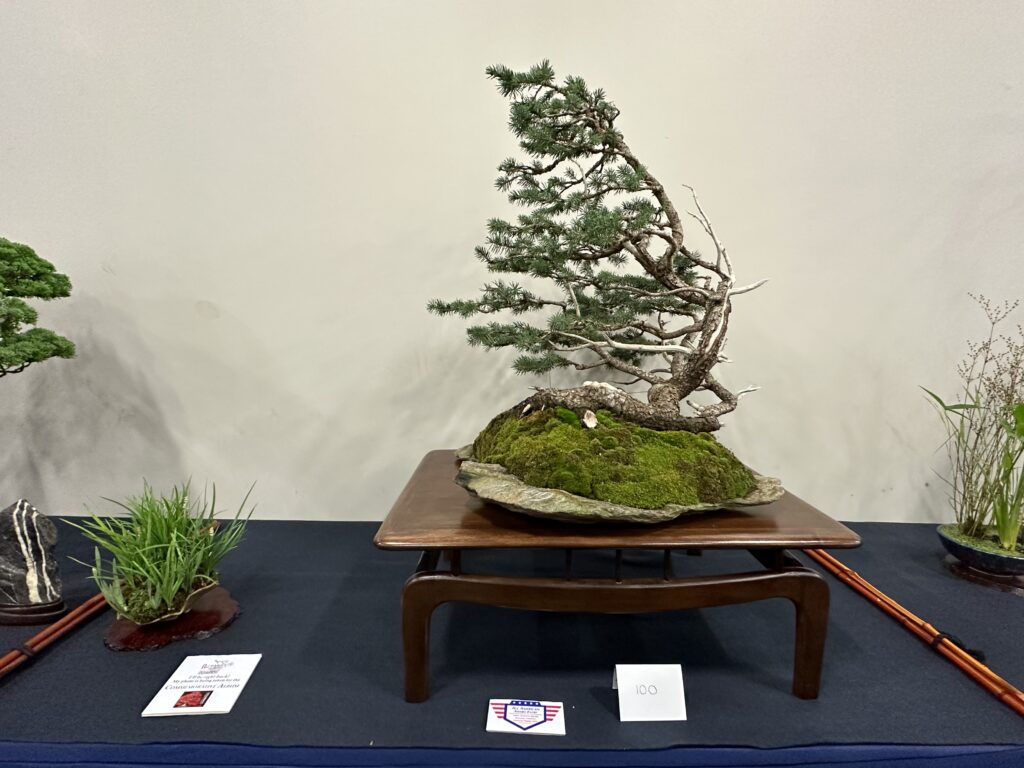
- Informal upright (moyogi): Gentle curves with layered pads.
- Cascade/semi-cascade: Using prostrate cultivars.
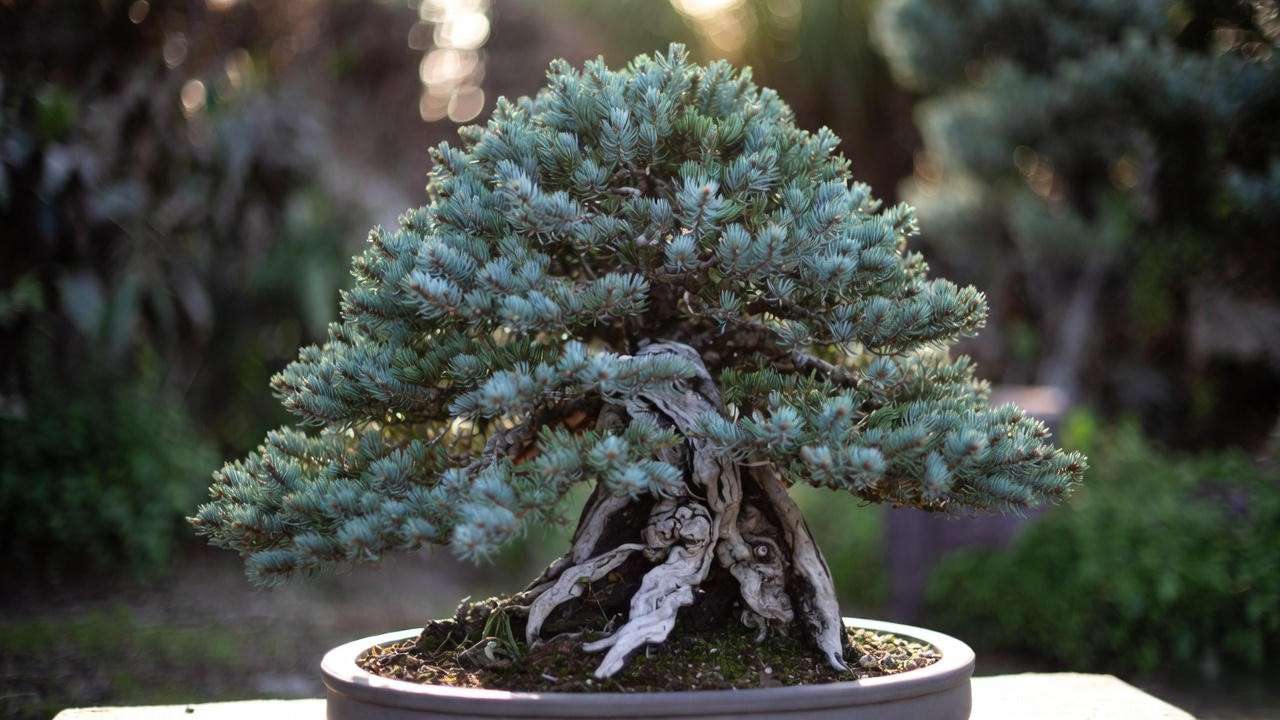
Personal Case Study 🌟: My 25-year-old yamadori Colorado blue spruce—collected at 9,000 ft in Colorado—now features a 4-inch trunk, exposed roots, and dense blue foliage. Key to success: minimal root disturbance, consistent candle pinching, and cold winter dormancy.
Seasonal Care Calendar – Year-Round Checklist 📅
Spring (March–May)
- Repot if needed
- Begin fertilizing at bud swell
- Structural pruning
- Candle pinching
Summer (June–August)
- Full sun, daily watering checks
- Balanced feeding
- Pest vigilance
- Light wiring if needed
Fall (September–November)
- Low-nitrogen fertilizer
- Prepare overwintering site
- Final candle removal if missed
Winter (December–February)
- Minimal watering (when not frozen)
- Wind/desiccation protection
- Enjoy the blue against snow! ❄️
(Feel free to print this as a checklist.)
Frequently Asked Questions (FAQs) ❓
How fast does a Colorado blue spruce bonsai grow? Very slowly once styled—typically 2–6 inches per year, depending on health and pinching. Dwarf cultivars grow even slower.
Can it live indoors year-round? No. It requires cold winter dormancy and full outdoor conditions. Indoor attempts almost always fail within 1–2 years.
Is it safe for pets and children? Yes—needles are sharp but non-toxic. Just prevent ingestion of large amounts.
How old can a Colorado blue spruce bonsai get? With proper care, centuries. Wild specimens exceed 600 years; bonsai can approach 200+.
What’s the difference between blue spruce and Norway spruce for bonsai? Norway (Picea abies) has drooping branches and greener needles; Colorado offers stiffer, bluer foliage and better cold hardiness.
Why are my new needles green instead of blue? Often from excess nitrogen or shade. Reduce fertilizer and increase sun exposure.
Do I need to mist the foliage? Not necessary and can encourage fungal issues. Good air circulation is better.
Can I grow from seed? Yes, but blue color varies widely—only 20–30% seedlings show strong blue. Expect 10–15 years to bonsai size.
How do I make the blue color more intense? Full sun, acidic soil, rainwater, and balanced nutrition.
What pot style suits it best? Glazed oval or rectangle in earth tones; unglazed mica for younger trees.
Conclusion 🌿
Your Colorado blue spruce bonsai tree has the potential to become a breathtaking, living sculpture—its silvery-blue needles sparkling in sunlight, its rugged trunk telling a story of patient care across seasons and years. By understanding its mountain origins and providing outdoor conditions, proper watering, thoughtful feeding, precise pruning, and vigilant protection, you’ll unlock vigorous health and refined beauty that lasts generations.
Remember: bonsai is a journey of observation and subtle adjustments. Watch your tree closely, learn its unique responses, and enjoy every new candle in spring. With the expert strategies in this guide, you’re equipped to overcome common hurdles and cultivate a thriving masterpiece.
Have questions about your specific spruce? Share a photo in the comments—I love helping fellow enthusiasts! And check out our related guides on conifer bonsai tools or winter protection techniques.
Thank you for trusting this guide. May your Colorado blue spruce flourish for decades to come. 🌲💙











