
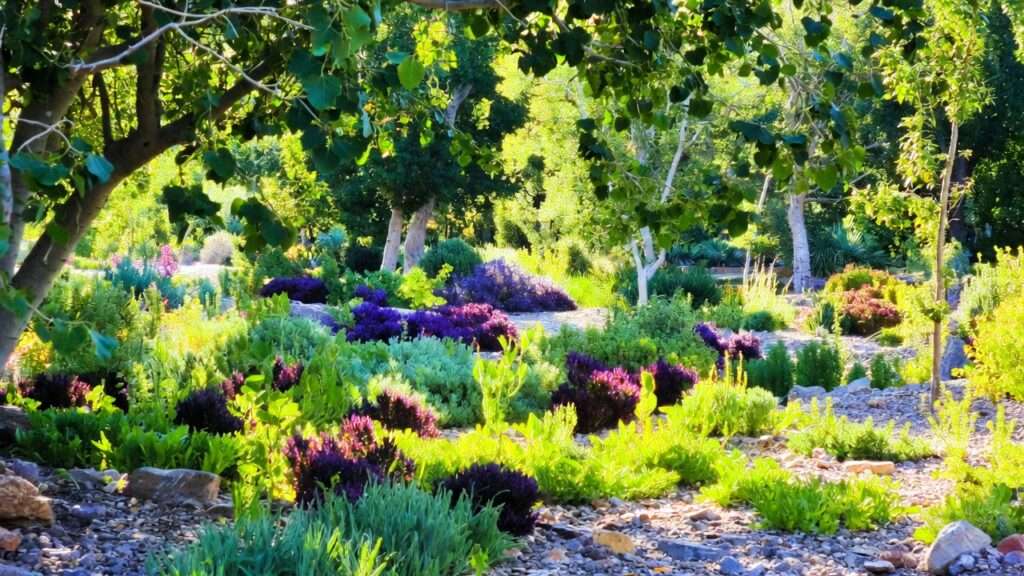
Imagine this: You’re staring at your water bill skyrocketing during a hot summer, your lawn looks patchy despite constant watering, and you’re tired of spending weekends mowing and weeding. 😩 You want a beautiful, low-maintenance yard that saves water and supports local wildlife—but the thought of turning your garden into a lifeless pile of rocks and spiky cacti stops you cold. Sound familiar?
If you’ve ever searched for “common misconceptions about xeriscaping,” you’re not alone. Many homeowners hesitate because of outdated stereotypes that paint xeriscaping as barren, boring, or extreme. The truth? Xeriscaping is a smart, plant-rich approach to gardening that creates lush, colorful, sustainable landscapes using far less water—often 50-75% less than traditional lawns—while boosting beauty, shade from trees, and pollinator support. 🌸🐝
In this comprehensive guide, we’ll debunk the top myths with real facts, expert-backed insights, and practical examples. Whether you’re in a dry region or facing occasional droughts (even in places like Bangladesh with seasonal dry spells), xeriscaping adapts beautifully. Let’s clear the confusion and help you build a thriving, eco-friendly garden that feels like a paradise, not a desert. 💚
What Is Xeriscaping? A Clear Definition to Start Fresh 🌱
Xeriscaping (from the Greek “xeros” meaning dry) was coined in the 1980s by Denver Water to promote water-wise landscaping during shortages. It’s not zero-water gardening or “zeroscaping” (a term for gravel-only yards). Instead, it’s thoughtful design that minimizes irrigation needs while maximizing beauty and function.
The foundation is the 7 core principles of xeriscaping:
- Planning and Design – Map your yard’s sun, shade, slopes, and water zones for smart plant placement.
- Soil Improvements – Amend soil with compost to boost water retention and root health.
- Practical Turf Areas – Limit grass to high-use spots and choose drought-tolerant varieties.
- Efficient Irrigation – Use drip systems or soaker hoses to deliver water directly to roots, reducing waste.
- Mulching – Apply organic mulch (like bark or wood chips) to lock in moisture and suppress weeds.
- Appropriate Plant Selection – Choose drought-tolerant, adapted plants that thrive with minimal supplemental water once established.
- Proper Maintenance – Prune, weed, and monitor—less frequent than traditional yards but still essential.
These principles create balanced landscapes full of trees for shade 🌳, vibrant flowers, grasses, and shrubs. Xeriscaping works anywhere water conservation matters—not just deserts!
The Top 10 Common Misconceptions About Xeriscaping (Debunked One by One) 🔍
Let’s tackle the myths head-on, based on insights from horticulture experts like those at Denver Botanic Gardens and real-world applications.
Myth 1: Xeriscaping = Just Rocks, Gravel, and Cacti 🪨🌵 Truth: This is the #1 misconception! Over-relying on inorganic gravel can actually heat soil and increase water needs. True xeriscapes prioritize organic mulches that retain moisture and support plant health. Cacti and succulents are options, but the best designs feature diverse perennials, flowering shrubs, and trees—not a barren rock pile.
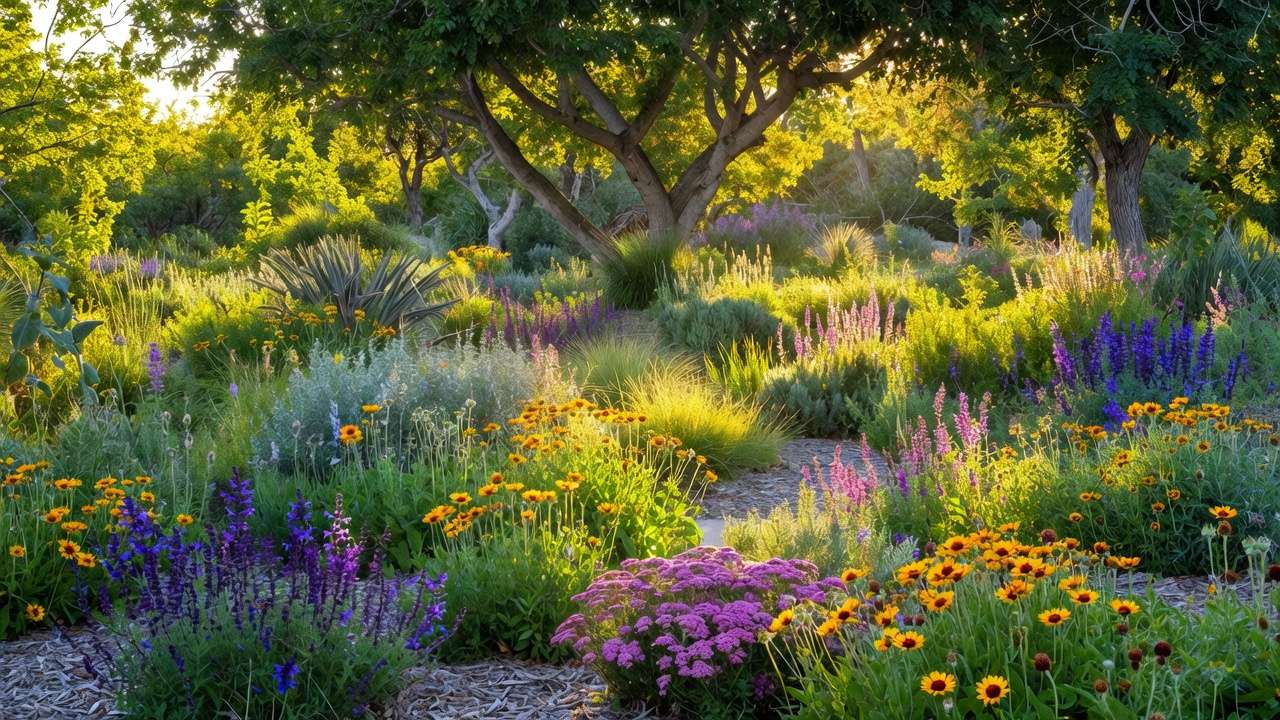
Myth 2: Xeriscaped Gardens Are Boring, Colorless, or Ugly 🎨 Truth: Far from it! Well-planned xeriscapes burst with seasonal color from drought-tolerant blooms like salvia, lavender, blanket flower, and Russian sage. Add ornamental grasses for texture and movement. Many examples show vibrant meadows or cottage-style beds that rival traditional gardens.
Myth 3: No Lawn Allowed — Xeriscaping Means Lawnless ⚽ Truth: It’s “less-lawn,” not “no-lawn.” Keep turf in play areas or high-traffic spots using drought-resistant grasses like buffalo grass or native varieties. Reduce overall turf to save water without sacrificing function.
Myth 4: Xeriscaping Requires Zero Water or No Irrigation 💧 Truth: New plants need regular watering during establishment (1-2 years). After that, many thrive on rainfall alone or minimal supplemental water. Efficient drip irrigation ensures every drop counts—no “set it and forget it” zero-water myth here.
Myth 5: It’s Maintenance-Free (Set It and Forget It) 🛠️ Truth: Xeriscapes require less upkeep—no weekly mowing or constant watering—but still need occasional pruning, weeding, and checks for pests. The payoff? 50-75% less time and effort than conventional lawns.
Myth 6: Only Native Plants or Desert Species Work 🌍 Truth: Natives are ideal for low water and wildlife, but “adapted” plants from similar climates succeed too. Mix them for variety and beauty—focus on what thrives in your soil and zone.
Myth 7: Xeriscapes Lack Lushness, Shade, or Trees 🌳 Truth: Include drought-tolerant trees like bur oak, desert willow, Chinese pistache, or eastern redcedar for cooling shade and structure. Once established, they need little water and add major curb appeal.
Myth 8: It Won’t Attract Pollinators or Wildlife 🐝 Truth: Diverse plantings create pollinator havens! Flowers attract bees, butterflies, and hummingbirds far better than monoculture lawns. Xeriscapes often support more biodiversity.
Myth 9: Xeriscaping Is Too Expensive or Hard to Install 💰 Truth: Initial costs vary, but long-term savings on water bills (up to 80% in some cases), maintenance, and fertilizers make it economical. Start small or phase it in—no need for a full overhaul overnight.
Myth 10: It’s Only for Dry Climates (Not Practical Elsewhere) ☔ Truth: Xeriscaping shines in arid areas but helps anywhere facing water restrictions, droughts, or high bills. In transitional or humid zones, it builds resilience against dry spells while keeping gardens green.
What Xeriscaping Really Looks Like: Inspiring Examples and Styles ✨
Forget the stereotypes—real xeriscapes are stunning!
- Mediterranean Style: Olive trees, lavender, rosemary, and gravel paths for a sunny, aromatic vibe.
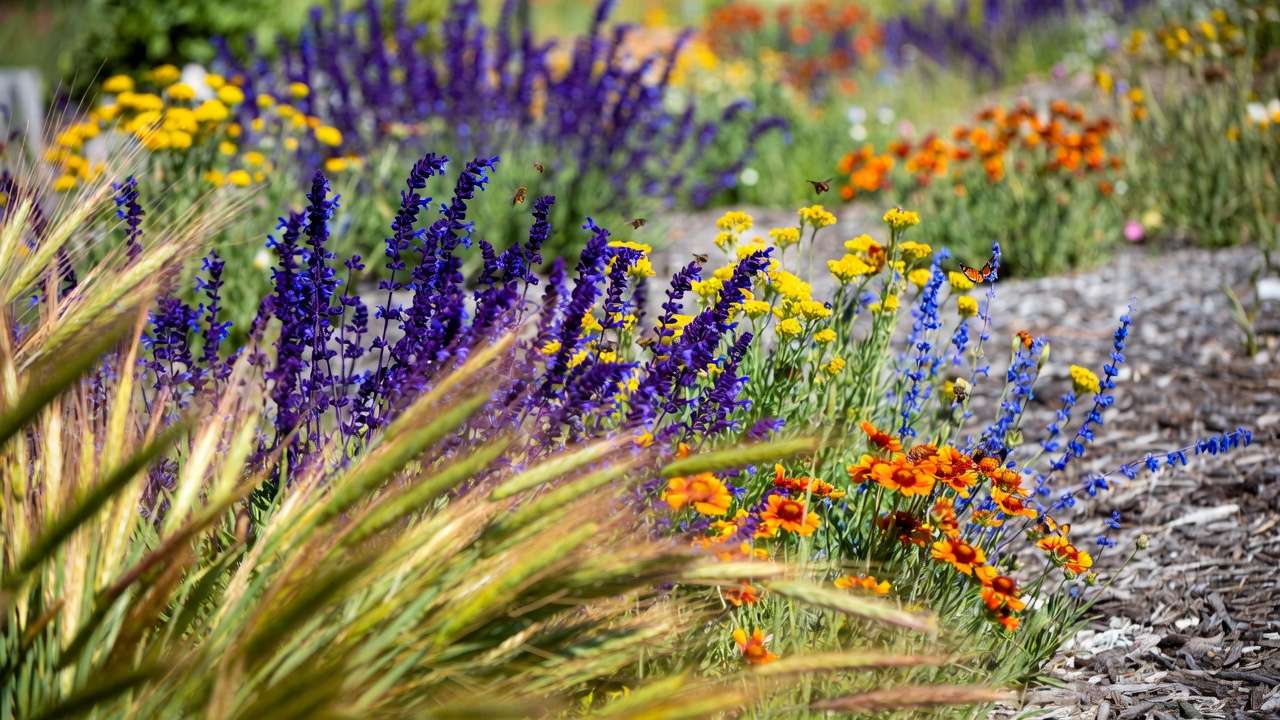
- Pollinator Paradise: Clusters of salvia, coneflowers, and yarrow buzzing with bees.
- Lush Meadow: Ornamental grasses mixed with wildflowers for a natural, flowing look.
- Tree-Focused: Shade trees like hackberry or Kentucky coffeetree anchor the design, with underplantings of perennials.
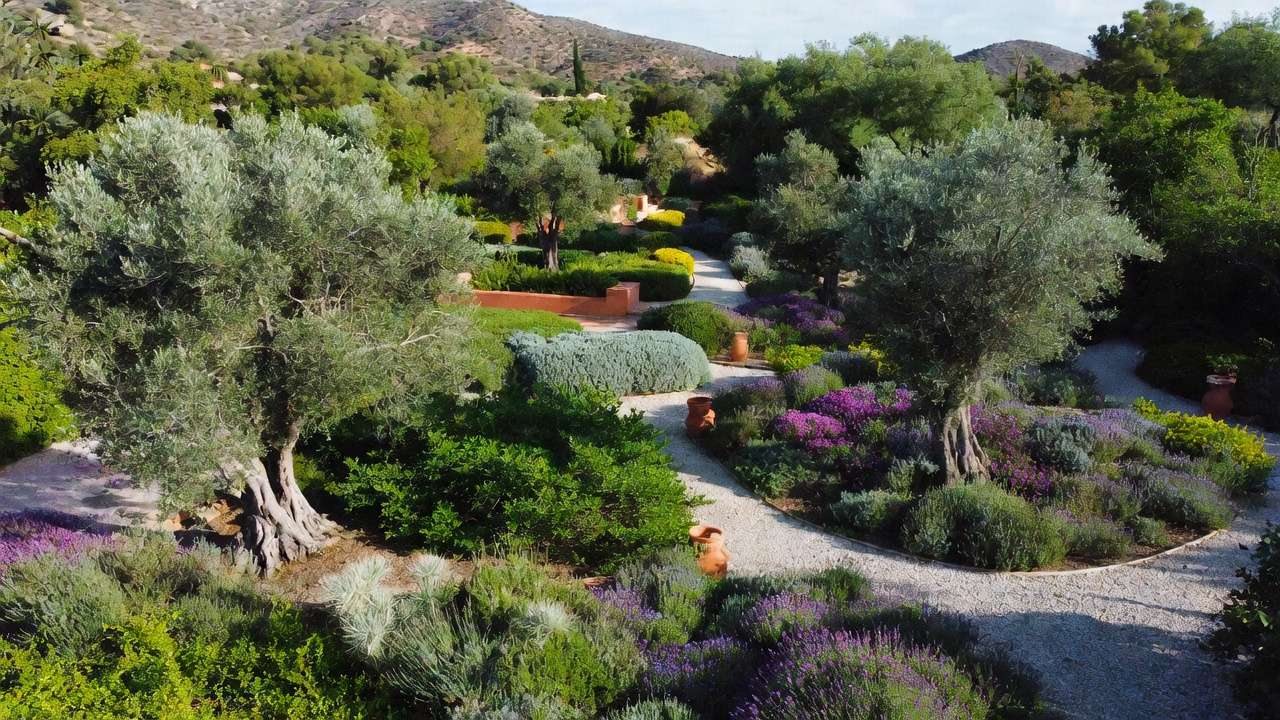
Real-world examples include California transformations from thirsty lawns to vibrant drought-tolerant meadows full of color and texture. In Colorado, front yards feature sculptural trees, boulders, and bright perennials. Even in non-desert areas, these designs adapt beautifully for seasonal beauty.
(Imagine lush photos here: colorful perennial borders, shaded tree canopies, buzzing pollinator gardens—vibrant and inviting!)
How to Get Started with Xeriscaping: Practical Steps for Your Garden 🛠️
Ready to try? Here’s a step-by-step plan:
- Assess Your Site – Note sun exposure, soil type, slopes, and existing trees/plants.
- Plan Hydrozones – Group plants by water needs (high, medium, low).
- Choose Plants – Prioritize drought-tolerant trees (e.g., bur oak for shade 🌳), shrubs (Texas ranger), and perennials (autumn sage). Include natives where possible.
- Install Efficient Irrigation & Mulch – Drip lines + 2-3 inches of organic mulch.
- Maintain Smartly – Water deeply but infrequently; prune in late winter.
Pro tip: Start with one section—like converting a lawn patch—to build confidence!
Benefits of Xeriscaping: Why It’s Worth Overcoming the Myths 🌟
- Huge Water Savings – 50-75% reduction in outdoor use; some save 120+ gallons/day.
- Lower Bills & Maintenance – Less mowing, fertilizing, and watering.
- Eco-Perks – Reduced runoff, healthier soil, more wildlife habitat.
- Beauty & Value – Lush, colorful yards increase property appeal and provide shade/resilience in changing climates.
Expert Insights and Common Pitfalls to Avoid ⚠️
Horticulturists emphasize: Don’t rush—poor plant choices or ignoring soil prep lead to failures. Avoid over-rocking or skipping establishment watering. Focus on balance for long-term success.
Frequently Asked Questions (FAQ) ❓
Is xeriscaping the same as zeroscaping? No—zeroscaping is gravel-only; xeriscaping is plant-focused and water-efficient.
Can I have trees in a xeriscape? Absolutely! Drought-tolerant trees add shade, structure, and beauty.
How much water does a xeriscape really save? Typically 50-75%, with some areas seeing up to 80% reductions.
Does xeriscaping work in non-desert climates? Yes—it’s great for building drought resilience anywhere.
How do I transition my lawn gradually? Start by replacing sections with mulch beds and drought-tolerant plants.
Conclusion: Embrace the Truth and Transform Your Garden Today 🌈
Xeriscaping isn’t about sacrifice—it’s smarter, greener living with vibrant gardens that save resources and time. Ditch the myths, embrace the beauty, and start small today. Your yard (and wallet) will thank you! 💚🌿











