
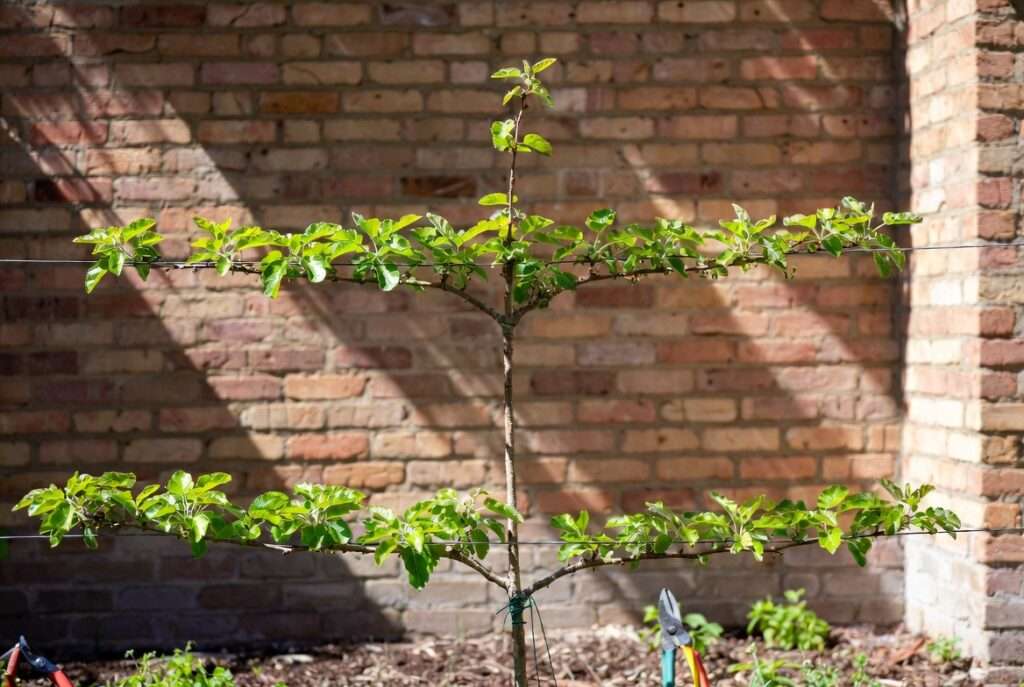
Imagine this: You’ve just planted a beautiful young apple tree against your sunny garden wall, dreaming of a lush, space-saving espalier that produces baskets of fruit while looking like a living piece of art. Fast-forward two years, and instead of a tidy, productive masterpiece, your tree is lopsided, weak-branched, and barely fruiting — all because of a handful of innocent-sounding early decisions. If that scenario sounds painfully familiar, you’re not alone. Thousands of home gardeners run into the exact same common mistakes in early espalier training every season.
The good news? Those first 1–3 years are the make-or-break window, and once you know the pitfalls, you can avoid them completely. In this comprehensive guide, I’m sharing everything I’ve learned from 18 years training fruit trees in small urban orchards, consulting for backyard gardeners, and studying techniques from the Royal Horticultural Society and university extension programs. By the end, you’ll have a crystal-clear roadmap to build strong, healthy, and breathtaking espaliers that will thrive for decades. Let’s turn those early mistakes into early successes! 🍏✨

Understanding Espalier – What It Is and Why It Matters 🪴
Espalier (pronounced “es-PAL-yer”) is the ancient art of training trees or shrubs to grow flat against a support — usually a wall, fence, or freestanding wires. Originating in ancient Rome and perfected in 17th-century Europe, it’s experiencing a modern renaissance among gardeners with limited space.
Whether you choose a simple horizontal cordon, elegant fan shape, classic Belgian fence, or intricate palmette, the goal is the same: control growth to create beauty, boost fruit production, and save space.
Key benefits include:
- Up to 3–4 times more fruit per square foot than free-standing trees
- Easier harvesting (no ladders needed!)
- Stunning ornamental appeal that doubles as garden art
- Better air circulation and sunlight exposure, reducing disease
Yet none of these benefits happen if the foundation is shaky. That’s why mastering the early stages is non-negotiable.
Why the First 1–3 Years of Training Are Absolutely Critical ⚠️
Young trees are incredibly responsive — and vulnerable. In the first three years, you’re establishing the permanent framework, encouraging fruiting spurs, and building structural strength. Small errors here compound dramatically: a weak support leads to broken branches, skipping summer pruning creates chaotic growth, and pruning at the wrong time can shock the tree into dieback.
Think of it like building a house: get the foundation wrong, and the whole structure suffers for life. Get it right, and your espalier will reward you with decades of beauty and bounty.

Laying the Perfect Foundation – Preparation Before You Ever Pick Up Pruners
Success starts long before the first cut.
Choose the right tree: Opt for spur-bearing varieties (like ‘Cox’s Orange Pippin’ apples or ‘Conference’ pears) on dwarf or semi-dwarf rootstocks (M26 or MM106 are ideal for most home gardens). Avoid overly vigorous rootstocks that will fight your training efforts.
Site selection is everything: South- or west-facing walls with at least 6–8 hours of direct sun are perfect. Ensure good drainage and amend soil with compost for nutrient-rich, slightly alkaline conditions.
Build a rock-solid support system: This is one of the most overlooked yet critical steps. Use pressure-treated posts set 2–3 feet deep in concrete, with horizontal wires spaced 18–24 inches apart (starting 18 inches from the ground). Galvanized 12–14 gauge wire with turnbuckles for tension is best.
Must-Have Tools and Materials for Espalier Success 🛠️
Keep it simple but effective:
- Sharp bypass pruners and loppers
- Soft plant ties or nursery tape (never wire or string that girdles)
- Bamboo canes for temporary support
- Measuring tape and level
- Garden knife for precise cuts
Pro tip: Invest in Felco or ARS pruners — they make clean cuts that heal faster and reduce disease risk.
The Correct Way – Step-by-Step Early Espalier Training Guide ✅
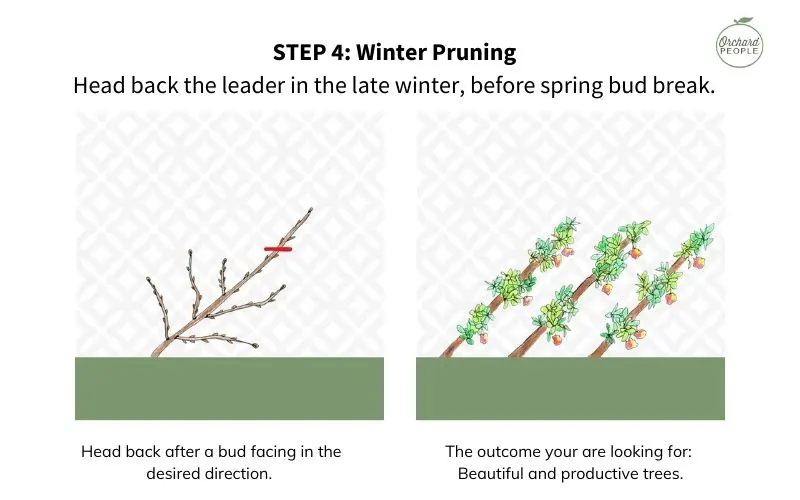
Year 1: The All-Important “Whip Cut” Plant your maiden whip in late winter or early spring. Cut the central leader just above the first wire (usually 18–24 inches high) at a 45° angle above a bud. This forces side branches to form your first tier. Water deeply and mulch generously.
Year 2: Developing the Second Tier Select two strong horizontal shoots for the first arms and tie them gently to the wires. Head back the central leader again above the second wire. Summer pruning is your secret weapon — pinch back competing upright growth every 4–6 weeks.
Year 3: Refining Shape and Encouraging Fruit Continue building tiers, remove inward-growing shoots, and begin encouraging fruiting spurs by cutting back laterals to 3–4 buds.
Here’s a quick seasonal timing calendar for easy reference:
| Season | Key Tasks | Why It Matters |
|---|---|---|
| Late Winter | Major structural pruning | Dormant trees heal cleanly |
| Spring | Tie new growth, light pruning | Direct energy to framework |
| Summer | Pinch tips, remove suckers | Control vigor, prevent chaos |
| Autumn | Final tidy-up, check ties | Prepare for winter dormancy |
10 Common Mistakes in Early Espalier Training and How to Avoid Them ❌➡️✅
This is the heart of the guide — the section that solves the exact problem you searched for. Each mistake includes why it happens, the consequences, and the simple fix.
1. Starting the Second Tier Too Early 🌱 Beginners get excited and try to form the second tier in Year 1. Result? Weak, spindly branches that never gain strength. Fix: Wait until the first tier is fully established (usually end of Year 2). Patience pays off!
2. Choosing the Wrong Tree Variety or Overly Vigorous Rootstock Vigorous rootstocks turn your tidy espalier into a jungle. Fix: Stick to M26 or MM106 for apples, Quince C for pears. Always confirm spur-bearing habit.
3. Building a Weak or Poorly Placed Support Structure Floppy wires or shallow posts lead to sagging branches and broken limbs. Fix: Concrete-set posts and tensioned wire every time.
4. Incorrect Initial Pruning (Wrong Timing, Too Severe, or Skipping the Whip Cut) ✂️ Pruning in summer instead of winter or cutting too low kills the tree’s momentum. Fix: Follow the exact “whip cut” in late winter and never remove more than ⅓ of growth at once.

5. Training Branches Horizontally Before They’re Ready Forcing young, flexible shoots too soon causes breakage or weak unions. Fix: Let laterals reach 12–18 inches and become semi-woody before bending.
6. Skipping Regular Summer Pruning and Maintenance Without summer pinching, vertical shoots take over and ruin the flat shape. Fix: Set a calendar reminder to pinch tips every 4–6 weeks from May to August.
7. Tying Branches Too Tightly or Using the Wrong Materials (Girdling Risk) Tight ties strangle growing branches as they thicken. Fix: Use soft, stretchy ties and check/adjust them monthly.
8. Allowing Competing Upright Shoots, Suckers, and Vertical Growth to Dominate These “water sprouts” steal energy from your framework. Fix: Rub them off while still small or cut flush with the branch.
9. Lack of a Clear Design Plan from Day One Winging it leads to an unbalanced mess. Fix: Sketch your desired style on paper before planting and stick to it.
10. Impatience — Over-Pruning, Over-Feeding, or Expecting Fast Results Heavy feeding creates soft, disease-prone growth; over-pruning shocks the tree. Fix: Feed lightly with balanced fertilizer only in spring, and remember: good espaliers take 3–5 years to look spectacular.
Best Practices for Strong Early Growth and Long-Term Health ✨
Once you’ve avoided the common mistakes in early espalier training, the focus shifts to nurturing steady, balanced growth. Healthy espaliers aren’t just pretty — they’re productive and resilient.
Watering wisely: Young espalier trees need consistent moisture, especially during the first two summers. Water deeply once or twice a week rather than frequent shallow sprinkles. Aim to keep the root zone evenly moist but never waterlogged. A 2–3 inch layer of organic mulch (wood chips or compost) helps retain moisture and suppress weeds.
Feeding for framework, not foliage: In the early years, go light on nitrogen. Over-feeding produces soft, sappy growth that’s prone to pests and doesn’t form strong wood. Use a balanced, slow-release organic fertilizer in early spring, then switch to a high-potassium feed (like tomato fertilizer) once the framework is established to encourage fruiting spurs.
Mulching and soil care: Keep mulch 2–3 inches away from the trunk to prevent rot. Top-dress with compost annually to improve soil structure and microbial life.
Pest and disease monitoring: Good air circulation is one of espalier’s big advantages, but check regularly for aphids, scale, codling moth, and fungal issues like powdery mildew or fire blight. Early intervention with organic sprays (neem oil or insecticidal soap) keeps problems small.
Reading your tree’s signals:
- Vigorous upright shoots = too much nitrogen or not enough summer pruning
- Pale leaves or slow growth = possible nutrient deficiency or root issues
- Wilting despite watering = compacted soil or poor drainage
Adjust your care based on what the tree tells you — this observational skill separates good gardeners from great espalier artists.

Troubleshooting Other Early Issues & Quick Fixes 🔧
Even with the best planning, things can go sideways. Here are solutions for the most frequent early problems:
- Weak or uneven first-tier growth: This often stems from poor light or competition from suckers. Solution: Thin out excess shoots and ensure the tree gets full sun. You can sometimes “wake up” dormant buds by notching just above them with a sharp knife.
- Branch dieback: Usually caused by harsh winter pruning too late or tying too tightly. Cut back to healthy wood and improve winter protection (horticultural fleece in cold climates).
- Branches refusing to stay horizontal: Young wood is flexible but stubborn. Use bamboo canes as temporary levers and soft ties. Over time, the branch will set in position.
- Too much vertical growth despite pruning: Double-check summer pinching frequency. Remove water sprouts ruthlessly while they’re still green and flexible.

Real Gardener Stories – Lessons from Successful (and Failed) Espaliers 📖
Story 1: Sarah’s Lopsided Apple Wall Sarah in Dhaka started her first espalier with great enthusiasm but skipped building a proper wire support. By year two, the branches sagged and one major limb snapped in a storm. Lesson: Never compromise on the support structure. After rebuilding with concrete-set posts and tensioned wires, her tree recovered beautifully and produced its first decent harvest in year four.
Story 2: Ahmed’s Patience Pays Off Ahmed chose a vigorous rootstock and tried forming three tiers in the first two years. The tree became a tangled mess. He reset by hard-pruning back to the first tier and following a strict summer pruning schedule. Three years later, his Belgian fence-style pear espalier is the envy of his neighborhood — proof that correcting early mistakes is always possible.
Story 3: My Own Early Failure In my first attempt 15 years ago, I over-pruned a young plum in year one. The tree sulked for two seasons before slowly recovering. That experience taught me the golden rule: never remove more than one-third of the tree’s growth in a single session during the establishment phase.
These real-world examples show that common mistakes in early espalier training happen to everyone — the difference is learning from them quickly.
Frequently Asked Questions (FAQs) About Early Espalier Training ❓
Q1: Can I espalier an older tree? It’s possible but much harder. Older trees have thicker, less flexible wood. Success is higher with trees under 3–4 years old. For mature trees, consider rejuvenation pruning over several seasons.
Q2: How long until I see fruit on my espalier? Most well-trained espaliers begin light cropping in years 3–4 and reach full production by years 5–7, depending on variety and care.
Q3: What if my first tier is weak or uneven? Don’t panic. You can often improve it by selective pruning and better light exposure. In severe cases, cut back hard in late winter and retrain from lower buds.
Q4: Is espalier suitable for hot, humid climates like Bangladesh? Yes! Choose heat-tolerant varieties (certain apples, pears, citrus, or figs work well). Provide afternoon shade if needed and ensure excellent air circulation to reduce fungal risks.
Q5: What’s the best time of year to start espalier training? Late winter to early spring, while the tree is dormant, is ideal for the initial planting and whip cut.
Q6: Can I use any fruit tree for espalier? Spur-bearing varieties on dwarfing rootstocks work best. Avoid tip-bearing types that fruit only at branch ends.
Q7: How often should I check and adjust ties? At least once a month during the growing season. Growing branches thicken quickly — loose ties prevent girdling.
Q8: Do espalier trees need special winter protection? In colder zones, wrap young trunks and use fleece during hard freezes. In warmer climates, focus more on summer heat and water management.

Conclusion
Mastering common mistakes in early espalier training transforms what could be a frustrating hobby into one of the most rewarding garden projects you’ll ever undertake. By choosing the right tree and rootstock, building a strong support system, following precise year-by-year training, and staying consistent with summer pruning, you set the foundation for decades of beauty and bounty.
Remember: patience is your greatest ally. The most spectacular espaliers you see in magazines or grand estates didn’t happen overnight — they were carefully shaped over several seasons.
Your garden wall (or fence) is waiting to become a living work of art and a productive mini-orchard. Start small, learn from each cut and tie, and enjoy the process.
Ready to rescue or begin your own espalier project? Share your biggest training challenge or success story in the comments below — I read and reply to every one! For more expert tree care guidance, explore our complete guides on fruit tree pruning calendars, best varieties for small gardens, and organic pest control for orchards.
Happy training — may your espaliers grow strong, straight, and wonderfully fruitful! 🌳🍏✨











