
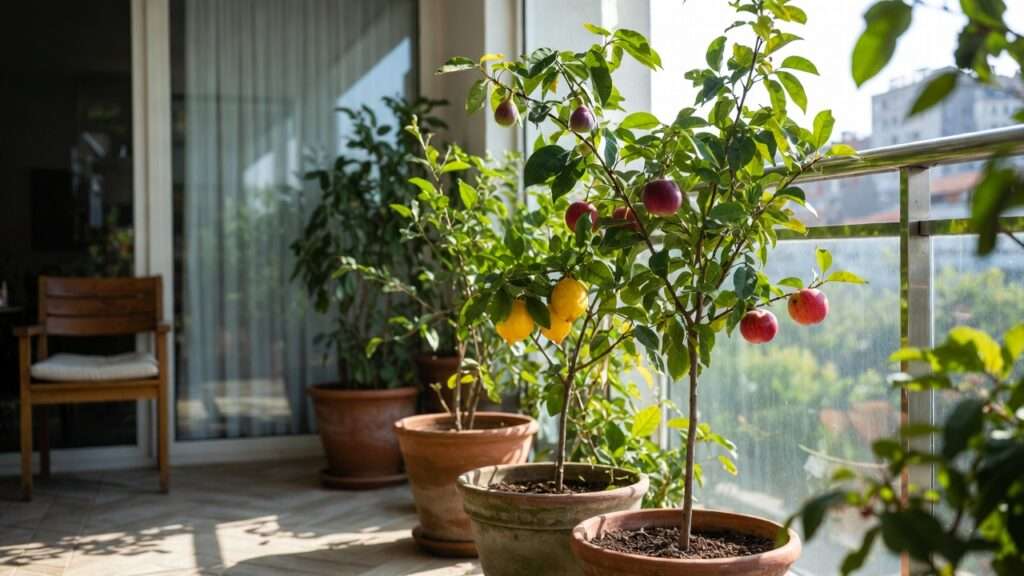
Imagine stepping onto your sunny patio or cozy balcony and plucking a perfectly ripe, juicy lemon 🍋 straight from your own tree—no sprawling orchard required! In today’s world of urban living, apartments, tiny yards, and balcony gardening, more people than ever dream of harvesting fresh, homegrown fruit without sacrificing precious space. The good news? Container-friendly dwarf fruit trees make this dream a delicious reality. These compact varieties, often grafted onto dwarfing rootstocks, stay small (typically 4–10 feet tall in pots), produce abundant full-sized fruit, and thrive in containers where you control soil, drainage, and even mobility for seasonal protection.
Whether you’re dealing with limited square footage, poor native soil, concrete surroundings, or the need to wheel plants indoors during winter ❄️, dwarf fruit trees in pots offer a practical, rewarding solution. As a horticulturist with over 15 years of experience specializing in small-space and container fruit production, I’ve helped countless gardeners transform patios into mini orchards. In this in-depth guide, we’ll explore the absolute best container-friendly dwarf fruit trees that deliver real harvests, share expert tips for success, and solve common challenges so you can enjoy pesticide-free, homegrown goodness right outside your door. Let’s dive in and get you growing! 🌱✨
Why Choose Dwarf Fruit Trees for Containers? 📈
Dwarf fruit trees aren’t just smaller versions of their standard counterparts—they’re engineered for success in confined spaces. Most are grafted onto dwarfing or semi-dwarfing rootstocks (like M27 for apples or Flying Dragon for citrus), which naturally restrict growth while encouraging earlier and heavier fruiting.
Key benefits include:
- Compact size — Mature heights of 4–10 feet in containers make them perfect for patios, balconies, decks, or even indoors near sunny windows.
- High yields in small packages — Many produce as much (or more) fruit per square foot as larger trees because energy focuses on fruit rather than excessive vegetative growth.
- Better control — Containers allow premium soil mixes, precise watering/fertilizing, and easy relocation to chase sun or escape frost.
- Faster fruiting — Most start producing in 1–3 years, compared to 5+ for standard trees.
- Versatility — Ideal for renters, urban dwellers, or anyone with poor soil, slopes, or mobility needs.
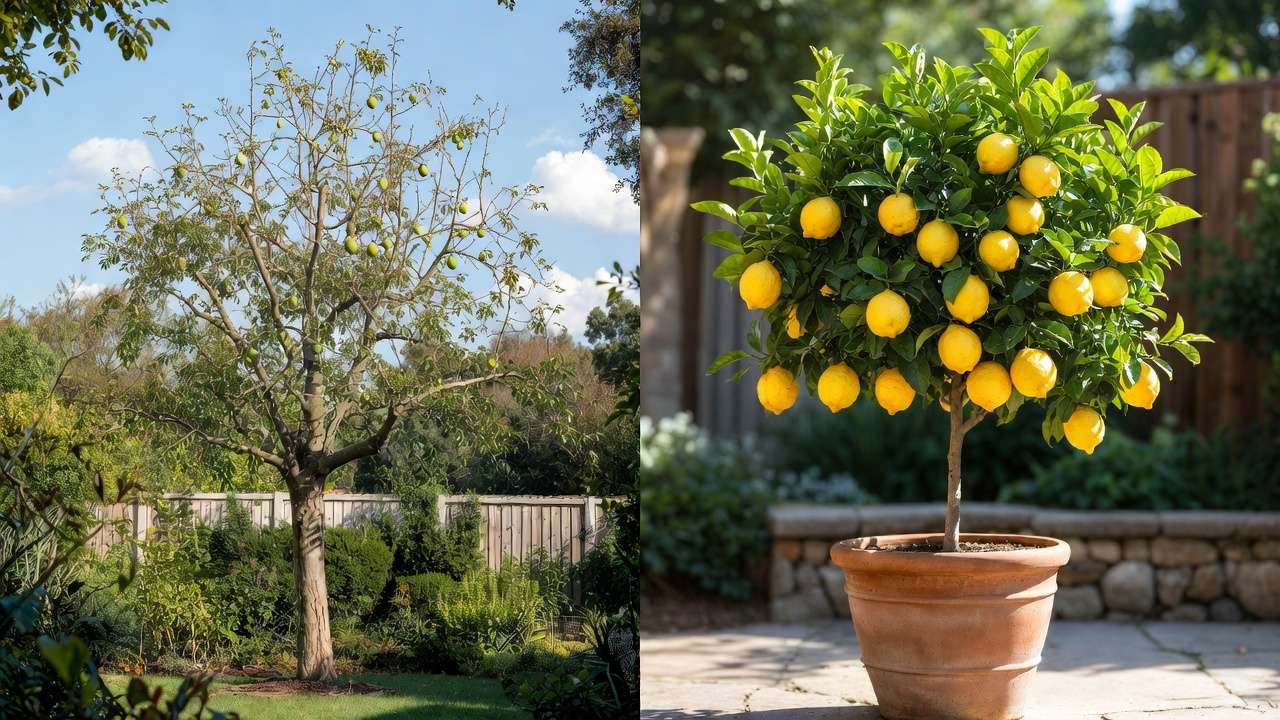
In many cases (especially figs), root restriction in pots actually boosts fruit production by stressing the tree slightly in a positive way. Plus, with climate change bringing unpredictable weather, the ability to move pots indoors or to sheltered spots is a game-changer for extending growing seasons. 🌞🏡
Top 10+ Best Container-Friendly Dwarf Fruit Trees 🌟
Here are my proven top picks for container-friendly dwarf fruit trees that consistently perform well on patios and in small spaces. I’ve prioritized self-fertile varieties where possible, reliable producers, and those suited to a range of climates.
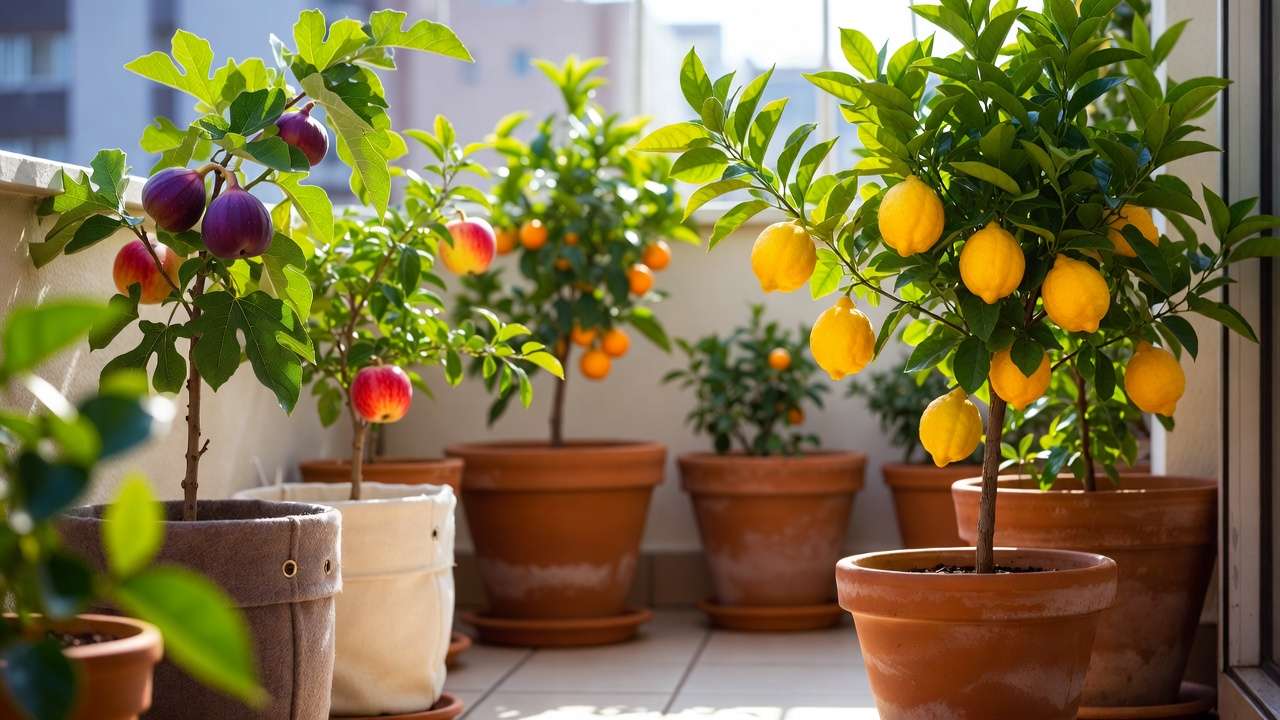
Mature size in pots: 6–10 ft tall
-
- Zones: 9–11 (bring indoors in colder areas)
- Fruit: Year-round potential in warm climates; fragrant white blooms 🌸
- Why patio-perfect: Evergreen foliage, heavy producer, self-fertile. Real gardener tip: Many harvest 20–50 lemons per season from a single mature pot!
Dwarf Meyer Lemon 🍋 The undisputed king of container citrus! This improved hybrid offers sweet-tangy, thin-skinned lemons with less acidity than standard lemons—perfect for fresh squeezing, cooking, or cocktails.
Dwarf Improved Meyer Lemon 🍋 (or standard Dwarf Meyer) Often considered an upgrade on the classic, this variety is incredibly popular for its reliability in pots. The fruits are slightly larger, juicier, and even sweeter—ideal for lemonade, zest in baking, or eating fresh.
- Mature size in pots: 6–8 ft (easily pruned smaller)
- Zones: 9–11 outdoors; overwinter indoors elsewhere
- Fruit: Heavy bearer, often multiple crops per year with fragrant spring/summer blooms 🌸
- Why patio-perfect: Self-fertile, evergreen glossy leaves, pest-resistant when healthy. Expert note: In my experience, these trees reward consistent care with 30–60+ fruits annually on a mature specimen.
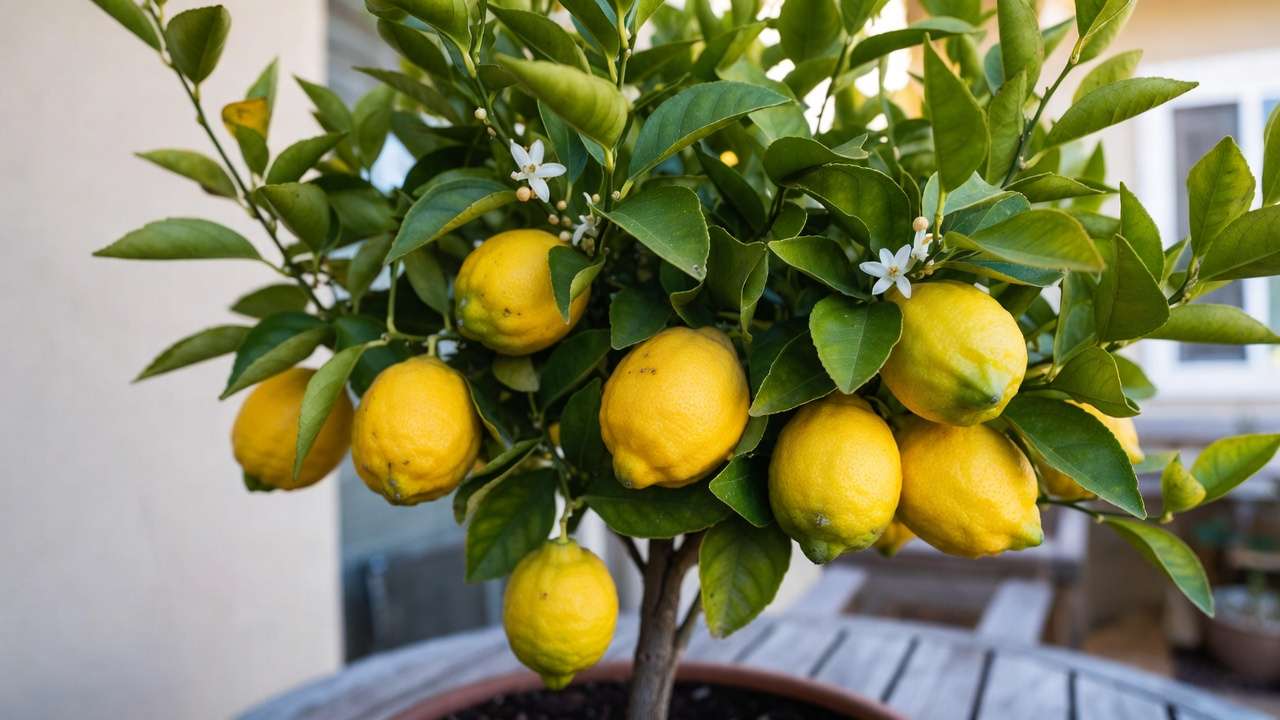
Calamondin Orange (or Dwarf Calamondin) 🍊 A hybrid of kumquat and mandarin, this little powerhouse produces tangy, thin-skinned oranges perfect for marmalade, drinks, or as a lemon substitute.
-
- Mature size in pots: 4–8 ft
- Zones: 9–11
- Fruit: Prolific year-round in ideal conditions; small 1–2 inch fruits
- Why patio-perfect: Extremely compact, beautiful blooms, and highly ornamental with bright green foliage. Fun fact: Many gardeners use the fruits whole in teas or as garnishes!
Kumquat (Fukushu or Nagami Dwarf) 🍊 These bite-sized wonders are eaten skin and all—sweet rind with tart flesh inside.
-
- Mature size in pots: 4–6 ft
- Zones: 9–11
- Fruit: Abundant clusters, winter ripening in many areas
- Why patio-perfect: One of the most cold-tolerant citrus (down to ~20°F briefly), self-fertile, and ultra-low maintenance.
- Dwarf Fig Trees (e.g., Little Miss Figgy, Little Ruby, or Petite Negra) 🍇 Figs love container life—root restriction actually promotes better fruiting!
- Mature size in pots: 4–8 ft (Little Miss Figgy stays ~4–6 ft)
- Zones: 7–10 (many cold-hardy to zone 6 with protection)
- Fruit: Sweet, honey-like figs in summer/fall; some varieties have two crops
- Why patio-perfect: Drought-tolerant once established, beautiful large leaves, self-fertile. Pro tip: Varieties like Violette de Bordeaux or Chicago Hardy excel in pots for northern gardeners.
- Dwarf Apple (Self-Pollinating varieties like Garden Delicious, Golden Sentinel columnar, or Reachables® series) 🍎 Columnar or mini-dwarf types are game-changers for tiny patios.
- Mature size in pots: 6–8 ft (columnar stay narrow ~2 ft wide)
- Zones: 4–9 depending on variety
- Fruit: Full-sized crisp apples in 2–3 years
- Why patio-perfect: Self-fertile options eliminate pollination worries; great for small balconies.
- Patio Peach or Dwarf Peach (e.g., Bonanza, Golden Glory) 🍑 These produce juicy, full-flavored peaches without needing massive space.
- Mature size in pots: 5–8 ft
- Zones: 5–9
- Fruit: Large peaches in summer
- Why patio-perfect: Self-fertile, showy pink blooms in spring 🌸, compact habit.
- Dwarf Pomegranate (e.g., Nana or Wonderful on dwarf rootstock) 🌺 Stunning red-orange flowers followed by antioxidant-rich fruit.
- Mature size in pots: 3–6 ft
- Zones: 7–10
- Fruit: Small but flavorful pomegranates
- Why patio-perfect: Shallow roots love containers, drought-tolerant, ornamental all year.
- Dwarf Cherry (Self-Fertile like Stella, Lapins, or North Star) 🍒 Sweet cherries from a pot—yes, it’s possible!
- Mature size in pots: 6–10 ft
- Zones: 4–8
- Fruit: Dark red sweet cherries
- Why patio-perfect: Self-pollinating varieties ensure fruit even solo.
- Dwarf Olive Tree 🫒 Mediterranean charm with edible olives (after curing).
- Mature size in pots: 6–10 ft
- Zones: 8–11
- Fruit: Olives for oil or eating (patience required)
- Why patio-perfect: Evergreen, drought-resistant, stylish look.
Bonus honorable mentions: Dwarf Banana (tropical zones), Dwarf Blueberry bushes (acid-loving pots), or multi-grafted “fruit cocktail” trees for variety in one container!
Each of these has proven reliable in real container setups—many yielding enough fruit for fresh eating, preserving, or sharing with neighbors. 🌳🍓
How to Choose the Right Dwarf Fruit Tree for Your Space 🧐
Selecting the perfect tree starts with honest assessment:
- Climate & USDA Zone — Citrus thrives in zones 9+, figs/peaches handle 7+, apples/cherries go colder (4+). Check your local zone and plan for winter moves if needed.
- Sunlight — Most need 6–8+ hours of direct sun daily. South-facing patios are gold!
- Pollination — Prioritize self-fertile varieties (listed above) to avoid needing a second tree.
- Space & Weight — Balconies have limits—use lightweight fabric pots or check structural support. Windy spots favor compact, sturdy types like kumquats.
- Beginner-Friendly Picks — Start with Meyer Lemon, Fig, or Kumquat for forgiveness and quick rewards.
Match your lifestyle: Want citrus year-round? Go lemon/orange. Love summer stone fruit? Peach or cherry. Crave Mediterranean vibes? Fig or pomegranate.
Essential Guide to Growing Dwarf Fruit Trees in Containers 🌱
Success boils down to mimicking ideal conditions in a pot.
Choosing the Perfect Container
- Size: Start 15–20 gallons for young trees; upgrade to 25–50+ gallons as they mature (bigger = better stability & moisture retention).
- Material: Fabric grow bags for excellent drainage/aeration; terracotta for breathability (but heavier); plastic for lightweight/mobility.
- Must-have: Multiple drainage holes—add a layer of gravel or screen to prevent clogging.
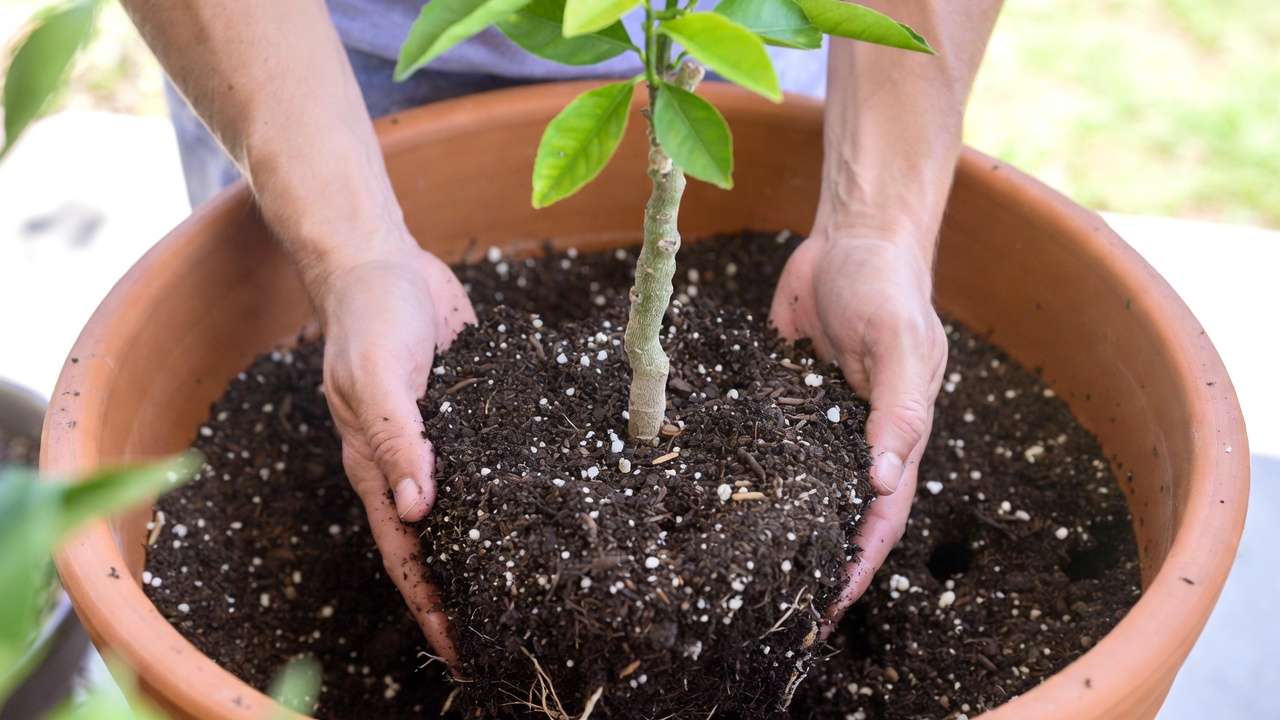
Best Potting Soil Mix
- Well-draining yet moisture-retentive: 50% high-quality potting soil, 30% perlite/pumice, 20% compost or aged bark.
- Citrus/figs prefer slightly acidic (pH 6.0–6.5); add pine bark if needed. Avoid heavy garden soil—it compacts and drowns roots.
Planting Step-by-Step
- Plant in spring/early summer for root establishment.
- Position tree at same depth as nursery pot.
- Gently tease roots if circling.
- Water thoroughly after planting.
- Mulch top with bark to retain moisture.
Watering & Fertilizing Schedule
- Water when top 2 inches feel dry—containers dry faster than ground. Deep, infrequent soaks beat daily sprinkles.
- Fertilize: Balanced slow-release in spring, then citrus/fruit tree formula every 4–6 weeks during growing season. Reduce in winter.
- Common mistake: Overwatering leads to root rot—err on drier side for figs/pomegranates.
Sunlight, Location & Seasonal Care
- Full sun is non-negotiable for fruiting.
- Rotate pots quarterly for even growth.
- Winter: Move tender citrus indoors to bright window or greenhouse; figs/apples can handle cooler temps with protection.
Pruning Techniques
- Prune in late winter/early spring to shape, remove dead wood, and encourage bushy growth.
- For citrus: Light tip pruning after harvest.
- Figs: Cut back hard if overgrown— they rebound vigorously.
Pest & Disease Management
- Organic fixes: Neem oil for aphids/scale, horticultural soap for mites.
- Prevent citrus leaf miner with sticky traps or neem sprays.
- Good airflow and no overhead watering reduce fungal issues.
Troubleshooting Common Problems ⚠️
Even the best container-friendly dwarf fruit trees can run into hiccups—here are the most frequent issues I see in home gardens and how to fix them quickly and organically.
- Yellowing Leaves Causes: Overwatering (most common), nutrient deficiency (especially nitrogen or iron), or pH imbalance. Fixes: Check soil moisture—let it dry out more between waterings. Test pH (aim for 6.0–6.8 for most fruit trees). Apply chelated iron or citrus-specific fertilizer if chlorosis appears (yellow between veins).
- No Fruit (or Very Little) Causes: Insufficient sunlight, improper pruning, too much nitrogen fertilizer (promotes leaves over flowers), or young tree age. Fixes: Ensure 6–8+ hours of direct sun. Switch to a bloom/fruit booster (higher phosphorus/potassium) in spring. Prune lightly to open the canopy for better light penetration. Patience—many trees need 2–3 years to hit full stride.
- Root-Bound / Slow Growth Signs: Roots circling pot, water runs straight through, stunted new growth. Fixes: Repot every 2–3 years in early spring into a container 4–6 inches larger. Gently prune 20–30% of roots if severely bound, then refresh soil mix.
- Pests (Aphids, Scale, Spider Mites, Citrus Leaf Miner) Fixes: Blast aphids off with strong water spray. Use neem oil or insecticidal soap weekly until clear. Introduce beneficial insects (ladybugs) for natural control. For leaf miner, apply neem at new flush stage.
- Winter Damage / Leaf Drop Indoors Fixes: Move tender trees (citrus, pomegranate) to brightest cool spot (50–65°F). Reduce watering. Use grow lights if natural light is low. Avoid hot, dry indoor heat—mist foliage or use a pebble tray for humidity.
With proactive care, most issues are minor and quickly reversible—I’ve rescued many “hopeless” patio trees this way!
Harvesting, Enjoying & Storing Your Homegrown Fruit 🍎
The ultimate reward: picking sun-warmed fruit from your own tree!
- When to Harvest
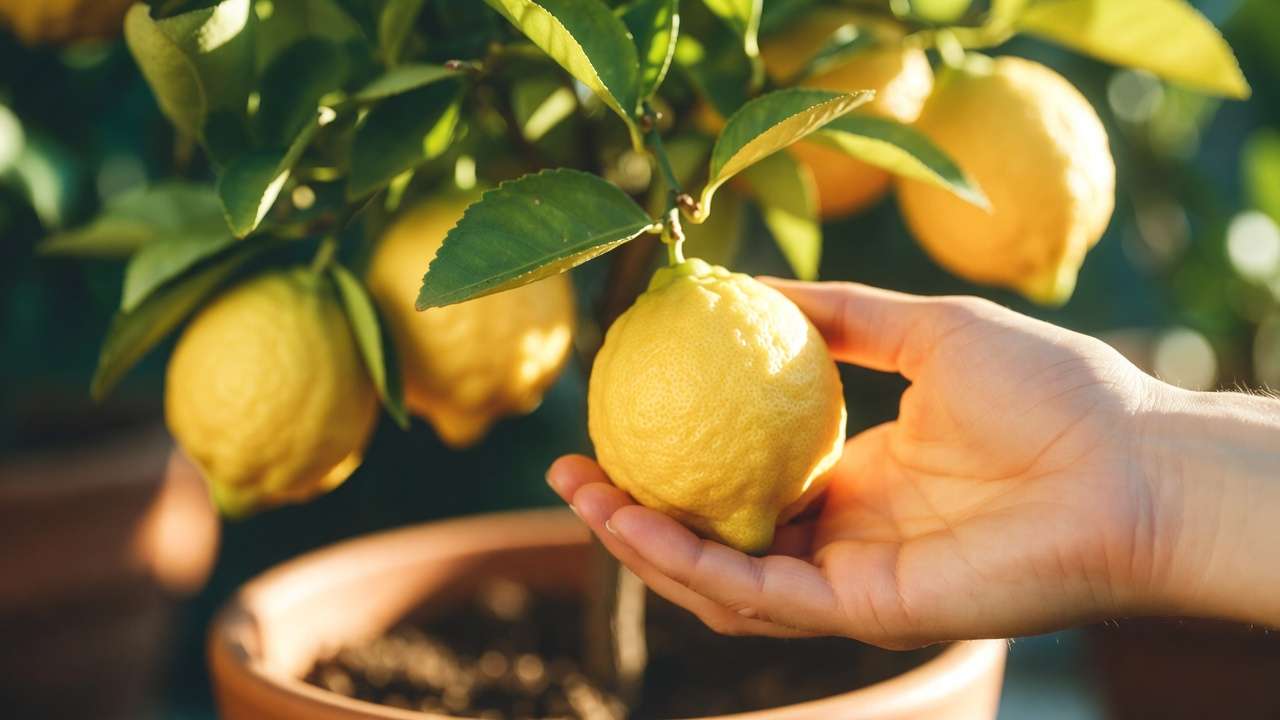
- Citrus: Color change + slight give when squeezed (Meyer lemons can stay on tree for months).
- Figs: Soft, drooping neck, rich color—pick just before full softness to beat birds.
- Peaches/Cherries: Full color + gentle tug releases easily.
- Apples: Fruit separates with a twist; taste-test for sweetness.
- Creative Uses Fresh eating is wonderful, but try:
- Meyer lemon curd or preserved lemons
- Fig jam or roasted figs with honey
- Peach salsa or grilled peach dessert
- Kumquat marmalade
- Pomegranate molasses
- Storage Tips Most ripen best off the tree at room temperature. Refrigerate citrus up to 4–6 weeks; figs/peaches only 3–5 days. Freeze excess (peaches sliced, citrus juice) for year-round enjoyment.
Bonus Expert Tips & Advanced Strategies 💡
Take your container orchard to the next level:
- Multi-Grafted “Fruit Cocktail” Trees — One pot with multiple varieties (e.g., apple + pear or citrus combo). Great for diversity and pollination backup.
- Companion Planting — Add dwarf herbs (basil, chives) or marigolds around the base to deter pests and attract pollinators.
- Overwintering Pro Tips — For marginal zones, wrap pots in bubble wrap + burlap, or use a mini greenhouse. Unheated garage with bright window works wonders for figs and hardy citrus.
- Organic & Sustainable Practices — Compost tea monthly, worm castings for slow nutrients, and rainwater when possible. Avoid synthetic pesticides—healthy trees resist better.
- Succession Planting — Start a new young tree every 2–3 years so you always have peak producers coming online.
These small tweaks have turned average patios into abundant fruit factories in my client gardens.
Frequently Asked Questions (FAQs) ❓
Can dwarf fruit trees produce as much as full-size trees? Yes—per square foot, often more! A mature dwarf in a pot can yield 20–100+ fruits annually depending on variety and care.
How long do they live in containers? 10–30+ years with proper repotting, root pruning, and nutrition. Some figs and citrus I know are thriving past 25 years in pots.
When is the best time to repot? Early spring, just before new growth starts. Avoid mid-summer heat or deep winter.
Are these trees safe for pets? Most fruits are safe in moderation (e.g., apples, figs). Citrus leaves/fruit can upset stomachs if overeaten—keep out of reach of curious cats/dogs.
Do I need to hand-pollinate indoors? Rarely needed. Shake branches gently during bloom or use a small brush to transfer pollen if indoors for winter.
Can I grow these on a windy balcony? Yes—choose sturdy pots, stake young trees, and favor compact varieties like kumquat or dwarf pomegranate.
What if my tree drops fruit prematurely? Normal “June drop” thins the crop naturally. If excessive, check watering consistency or potassium levels.
Conclusion 🌳
Growing container-friendly dwarf fruit trees on your patio or in small spaces isn’t just possible—it’s incredibly rewarding. From the intoxicating fragrance of Meyer lemon blossoms 🌸 to the first sweet bite of a homegrown fig 🍇, these compact wonders bring joy, fresh food, and a touch of nature to even the tiniest urban corners.
Start small: Pick one tree that matches your climate and tastes (Meyer Lemon or a hardy Fig are foolproof starters), give it the basics outlined here, and watch your mini orchard thrive. You’ll be harvesting your own pesticide-free fruit sooner than you think!
Have you tried growing dwarf fruit in containers? Which variety are you most excited to try? Drop a comment below—I’d love to hear your experiences and answer any questions. Happy gardening! 🌱🍊











