
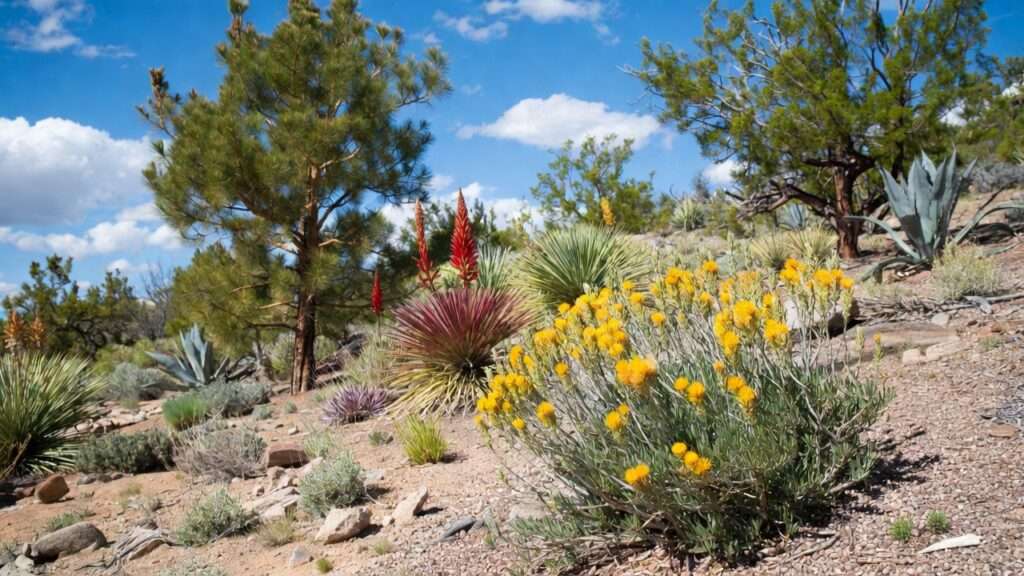
Imagine stepping into your backyard and being greeted by vibrant blooms, textured foliage, and sturdy evergreens — all thriving despite freezing winter nights dipping below 0°F, scorching summer days over 100°F, bone-dry air, and annual rainfall often under 12 inches. ❄️🔥 Yes, this is the reality of a cool desert climate garden, and it’s absolutely achievable!
Many gardeners in high-elevation or cold semi-arid regions (think Great Basin, Colorado Plateau, parts of the Southwest US like northern Arizona, Utah, New Mexico, or similar zones 5b–9a) struggle with standard “desert plant” lists that focus on hot, low-elevation areas like the Sonoran or Mojave. Those plants often succumb to cold snaps, while true hot-desert species wilt in the chill. The real challenge? Finding drought-tolerant plants that are also cold-hardy, low-maintenance, and beautiful year-round.
This comprehensive guide solves that exact problem. As a plant care expert with years of experience in arid and high-desert landscaping, I’ve curated an ultimate cool desert climate plant list featuring resilient natives and adapted species. You’ll get detailed recommendations across trees, shrubs, succulents, perennials, and grasses — plus expert planting, care, and design tips to create a thriving, water-wise xeriscape that supports pollinators, prevents erosion, and slashes your water bill. 🌿💧 Let’s turn your challenging climate into a stunning, sustainable oasis!
Understanding Cool Desert Climates: Why Plant Selection Matters 🌤️❄️
Cool deserts, often called cold semi-arid or high-desert regions, differ dramatically from hot deserts. While both feature low precipitation (typically 8–15 inches annually), cool deserts experience significant temperature swings: hot days followed by cold nights, harsh winters with freezes (down to -10°F or lower in zones 5–7), wind, intense UV, and alkaline/rocky soils.
Key challenges include:
- Winter cold damage to tender “desert” plants
- Drought combined with freeze-thaw cycles stressing roots
- Poor soil drainage leading to root rot if overwatered
- Wind desiccation and erosion
The payoff with the right choices? Plants develop deep roots for drought resistance, waxy or hairy leaves to reduce water loss, and adaptations for cold tolerance. Natives from the Great Basin or Colorado Plateau excel here, offering wildlife habitat (bees, butterflies, birds), low maintenance, and natural beauty. Xeriscaping principles — grouping by water needs, using mulch, and efficient irrigation — make success even easier.
Quick comparison:
| Aspect | Hot Desert (e.g., Sonoran) | Cool Desert (High/Great Basin) |
|---|---|---|
| Winter Lows | Rarely below 20°F | Often 0°F to -20°F |
| Dominant Plants | Saguaro, Ocotillo | Piñon Pine, Sagebrush, Junipers |
| Precipitation Timing | Summer monsoons | Winter/spring snow/rain |
| Key Adaptation | Extreme heat tolerance | Cold hardiness + drought |
Choosing cold-hardy, drought-tolerant species is essential for long-term thriving gardens. 🌱
Top Drought-Tolerant Picks: The Ultimate Cool Desert Climate Plant List 🌟
Here’s a curated selection of 30+ top performers, focusing on proven cold-hardy (zones 5–9), ultra-drought-tolerant options once established. I’ve prioritized natives and well-adapted varieties for ecological benefits and reliability. Each includes hardiness, size, features, and why it excels.
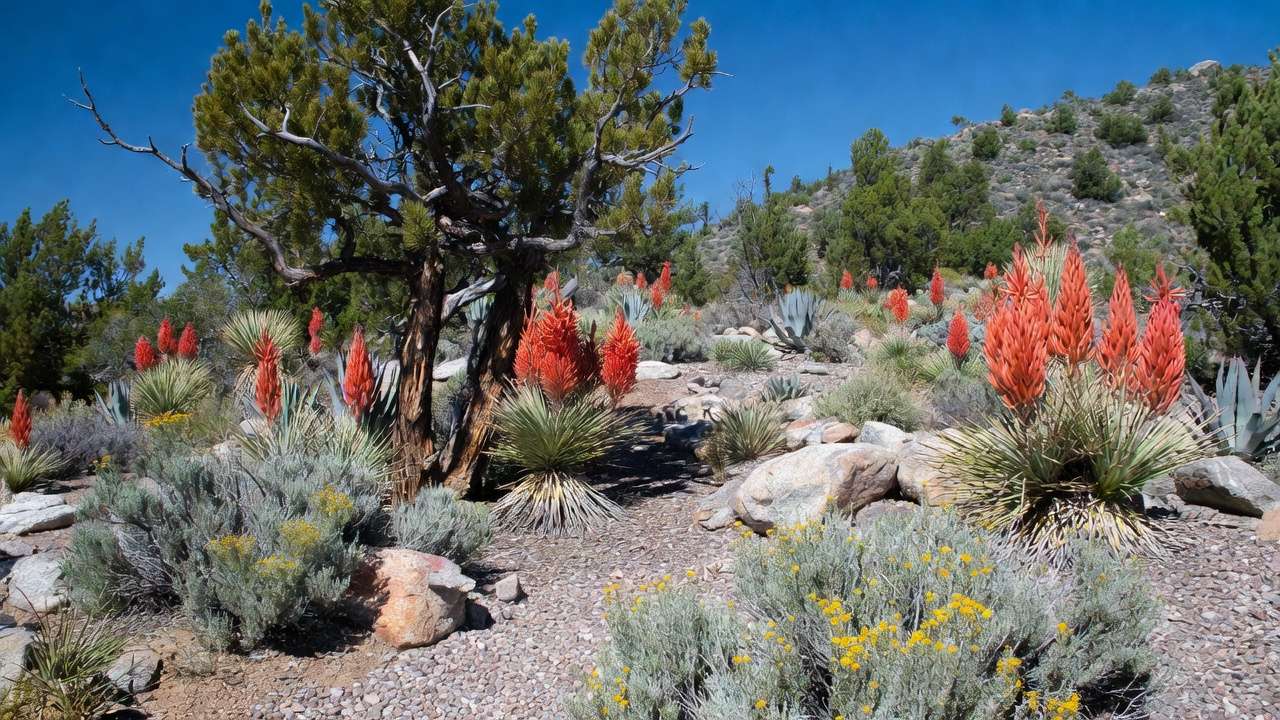
Hardy Trees for Structure and Shade 🌳
Trees provide backbone, shade, and windbreaks in cool deserts.
- Piñon Pine (Pinus edulis) — Zones 5–9. 15–30 ft tall. Slow-growing evergreen with edible nuts; extremely drought-tolerant and cold-hardy. Iconic Great Basin native. 🌰
- Utah Juniper (Juniperus osteosperma) — Zones 4–9. 10–30 ft. Tough, twisted form; wind-resistant; berries for wildlife.
- Honey Locust (Gleditsia triacanthos, thornless cultivars) — Zones 4–9. 30–50 ft. Fast-growing deciduous; feathery leaves; deep roots for drought.
- Desert Willow (Chilopsis linearis, cold-hardy strains) — Zones 7–9. 15–25 ft. Trumpet flowers attract hummingbirds; tolerates freezes better than expected.
- Fruiting Mulberry (Morus spp.) — Zones 5–9. 20–40 ft. Edible fruit; fast shade; very drought-tolerant once rooted.
These anchor landscapes and provide habitat. Plant in fall for best root establishment. 🌳
Resilient Shrubs and Bushes for Year-Round Interest 🌿
Shrubs add color, texture, and pollinator support.
- Four-Wing Saltbush (Atriplex canescens) — Zones 4–10. 3–6 ft. Silvery-gray foliage; nitrogen-fixer; ultra-tough native.
- Rabbitbrush (Ericameria nauseosa) — Zones 4–9. 2–6 ft. Golden fall blooms; supports late-season pollinators.
- Texas Sage (Leucophyllum frutescens) — Zones 8–10 (protect in colder spots). 5–8 ft. Purple blooms after rain; silvery leaves.
- Chaste Tree (Vitex agnus-castus) — Zones 6–9. 10–15 ft. Lavender spikes; aromatic; deer-resistant.
- Apache Plume (Fallugia paradoxa) — Zones 5–9. 4–6 ft. White rose-like flowers; feathery seed heads; native beauty.
These offer seasonal drama with minimal care. 🌸
Tough Succulents and Cacti for Texture and Drama 🪴
Cold-hardy succulents bring architectural flair.
- Red Yucca (Hesperaloe parviflora) — Zones 5–10. 3–4 ft. Coral-red spikes; hummingbird favorite; freezes to 0°F.
- Parry’s Agave (Agave parryi) — Zones 5–10. 2–3 ft rosette. Blue-gray leaves; survives -20°F with protection.
- Banana Yucca (Yucca baccata) — Zones 4–11. 2–4 ft. White flowers; edible fruit; very hardy.
- Beaked Yucca (Yucca rostrata) — Zones 5–10. Tree-like form; dramatic pom-pom head.
- Escobaria (various spinystar cacti) — Zones 4–9. Small globes; fuzzy spines; extreme cold tolerance.
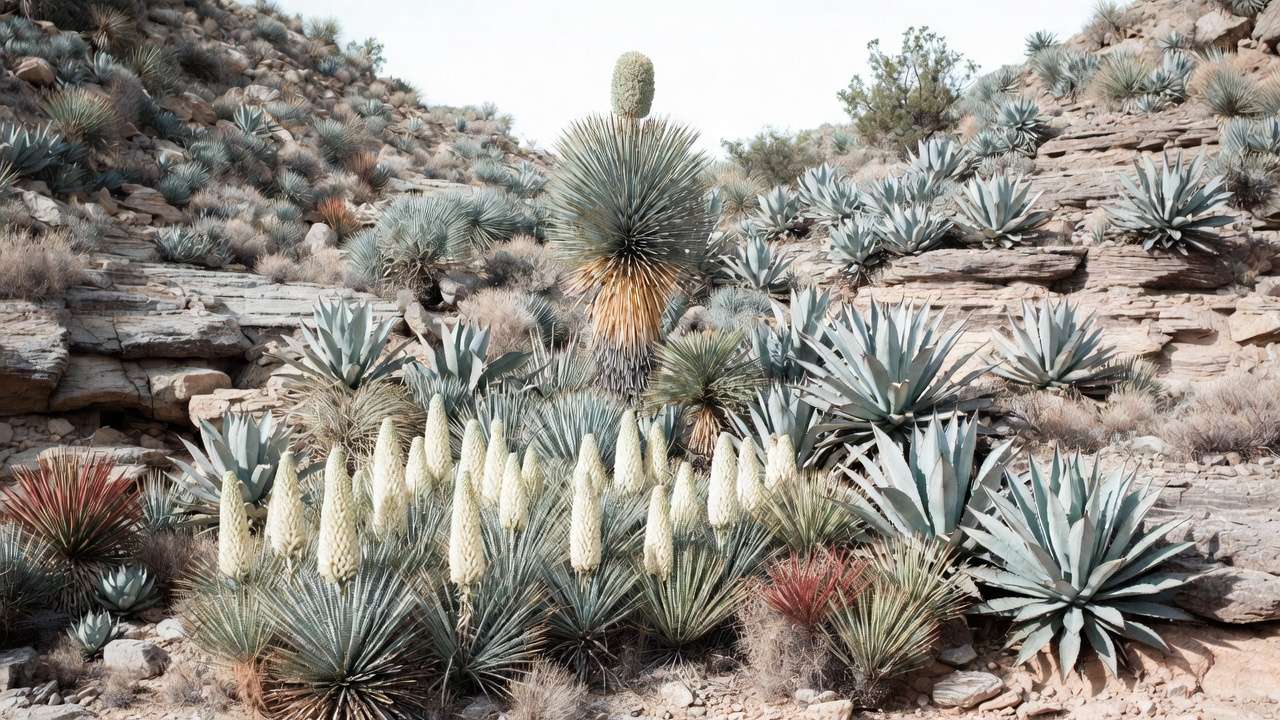
Protect young plants from wet winters with gravel mulch. ❄️🪴
Perennials and Groundcovers for Color and Coverage 🌸
These fill gaps with blooms and erosion control.
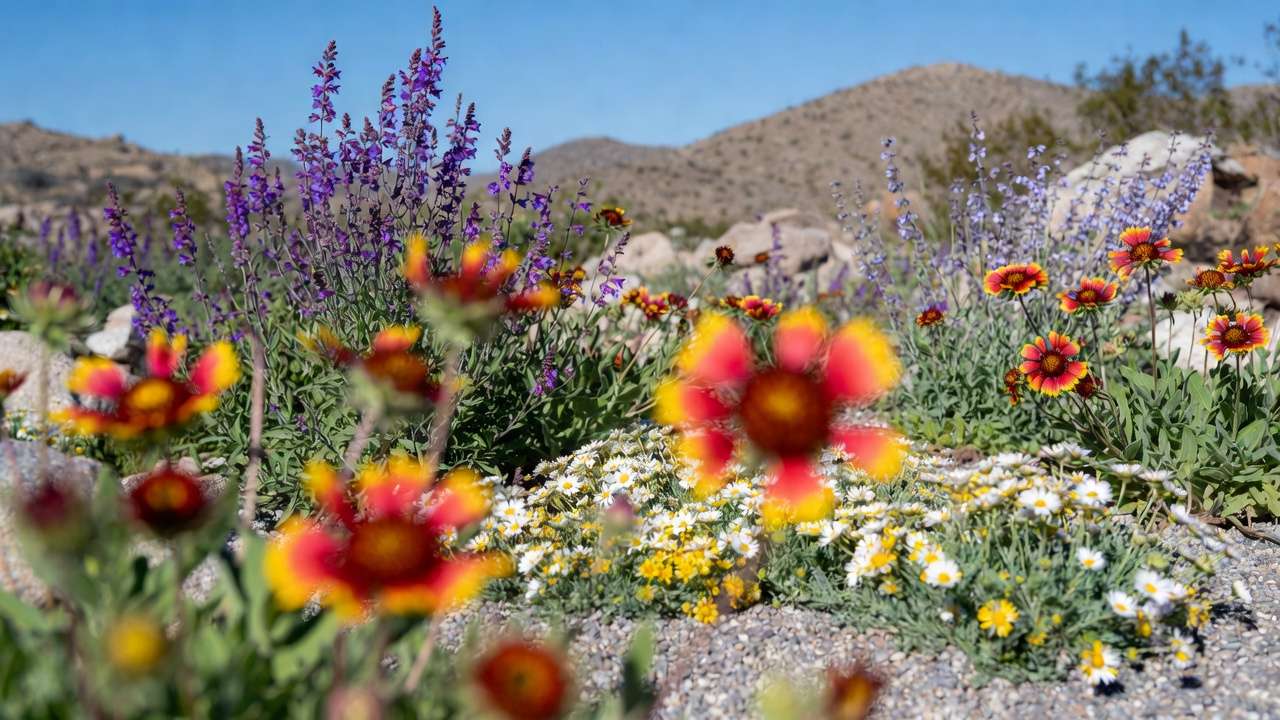
- Penstemon (Beardtongue spp., e.g., Rocky Mountain) — Zones 4–9. 1–3 ft. Tubular flowers in reds/purples; pollinator magnets.
- Blanket Flower (Gaillardia aristata) — Zones 3–10. 1–2 ft. Daisy-like reds/yellows; blooms all summer.
- Russian Sage (Perovskia atriplicifolia) — Zones 4–9. 3–5 ft. Airy blue-purple spikes; aromatic; deer-resistant.
- Angelita Daisy (Tetraneuris acaulis) — Zones 4–9. Low mat; bright yellow daisies; tough native.
- Prairie Clover (Dalea spp.) — Zones 4–9. Purple/white blooms; nitrogen-fixer.
Plant in groups for impact. 🐝
Grasses and Ornamentals for Movement and Low Maintenance 🌾
Add texture and sway.
- Blue Fescue (Festuca glauca) — Zones 4–9. 8–12 in. Blue tufts; evergreen.
- Mexican Feather Grass (Nassella tenuissima) — Zones 7–10. Airy plumes; reseeds gently.
- Deer Grass (Muhlenbergia rigens) — Zones 6–10. 3–4 ft clumps; golden winter color.
These require almost no water once established. 🌬️
How to Choose and Plant in Cool Desert Conditions 🛠️
Success in a cool desert climate starts before you even dig the first hole. Proper selection and planting set the foundation for plants that not only survive but truly thrive with minimal intervention.
Site Assessment Tips
- Sun & Microclimates — Most of these plants crave full sun (6+ hours daily). South-facing slopes warm up faster in spring, while north-facing areas stay cooler and moister—ideal for slightly thirstier perennials. Avoid low spots where cold air pools (frost pockets).
- Soil Preparation — Cool desert soils are often alkaline (pH 7.5–8.5), rocky, and low in organic matter. Test drainage: dig a 12-inch hole, fill with water, and see how long it takes to drain. Aim for 1–2 inches per hour. Amend heavy clay with coarse sand or gravel; add compost sparingly to avoid excess moisture retention.
- Wind Protection — Strong winds dry out foliage fast. Plant windbreaks first (junipers, piñon pines) or use temporary burlap screens for young plants.
Best Planting Seasons Fall (September–November) is ideal in most cool desert zones — cooler air reduces transplant shock, winter moisture helps roots establish, and plants hit the ground running by spring. Early spring (March–April) works too, but avoid summer heat.
Planting Step-by-Step
- Dig a hole 2–3 times wider than the root ball, but no deeper.
- Loosen soil at the bottom and sides for root spread.
- Remove the plant from its pot gently; tease apart circling roots.
- Set at the same depth it grew in the container (or slightly higher in heavy soils to prevent rot).
- Backfill with native soil (minimal amendments); firm gently.
- Create a small berm around the edge to direct water to roots.
- Water deeply (to 12–18 inches) right after planting.
- Apply 2–3 inches of gravel or rock mulch (not organic mulch, which holds too much moisture in winter).
Spacing & Grouping Group plants by water needs (hydrozones): place thirstier new transplants closer to the house or drip lines, ultra-low-water natives farther out. Space according to mature size to avoid crowding later. 🌱
Essential Care Tips for Long-Term Success 💡
Once established (usually after 1–2 years), these plants need very little pampering — that’s the beauty of cool desert natives and adapted species.
Watering Wisely
- Year 1: Deep water every 7–14 days (depending on heat), allowing soil to dry between sessions.
- Year 2+: Reduce to monthly or less in summer; almost none in winter except during prolonged dry spells.
- Use drip irrigation or soaker hoses buried under mulch to deliver water slowly and deeply, minimizing evaporation and fungal issues.
- Rule of thumb: Better underwater than overwater — soggy roots in winter are the #1 killer.
Mulching Magic Gravel, decomposed granite, or river rock mulch (2–4 inches) is perfect: it suppresses weeds, retains soil moisture, moderates temperature swings, and looks natural in desert settings. Avoid wood chips or bark — they retain too much winter moisture and can encourage rot.
Pruning & Maintenance
- Prune lightly in late winter/early spring to shape and remove dead wood.
- Many (Russian sage, blanket flower) benefit from cutting back by ⅓ in early spring for bushier growth and more blooms.
- Pests & Diseases: Rarely an issue with well-chosen natives. Occasional aphids or scale can be blasted off with water; powdery mildew is uncommon in dry air.
Winter Protection For marginal plants (e.g., young agaves or Texas sage in zone 6):
- Pile gravel mulch higher around the base.
- Use breathable frost cloth during extreme cold snaps.
- Avoid fertilizing in fall — it encourages tender growth vulnerable to freezes. ❄️
Fertilizing Almost never needed. If growth seems slow, apply a light, slow-release organic fertilizer (low-nitrogen) once in early spring — but over-fertilizing causes leggy, weak plants that suffer in drought.
Design Ideas: Creating a Beautiful Cool Desert Garden 🌼
A cool desert garden can be lush, colorful, and wildlife-friendly without looking barren.
Pollinator Haven Layout
- Center: Piñon pine or Utah juniper for structure.
- Mid-layer: Apache plume, rabbitbrush, penstemon clusters.
- Foreground: Angelita daisy, blanket flower, red yucca, blue fescue.
- Result: Continuous blooms from spring through fall, buzzing with bees and hummingbirds. 🐝🦋
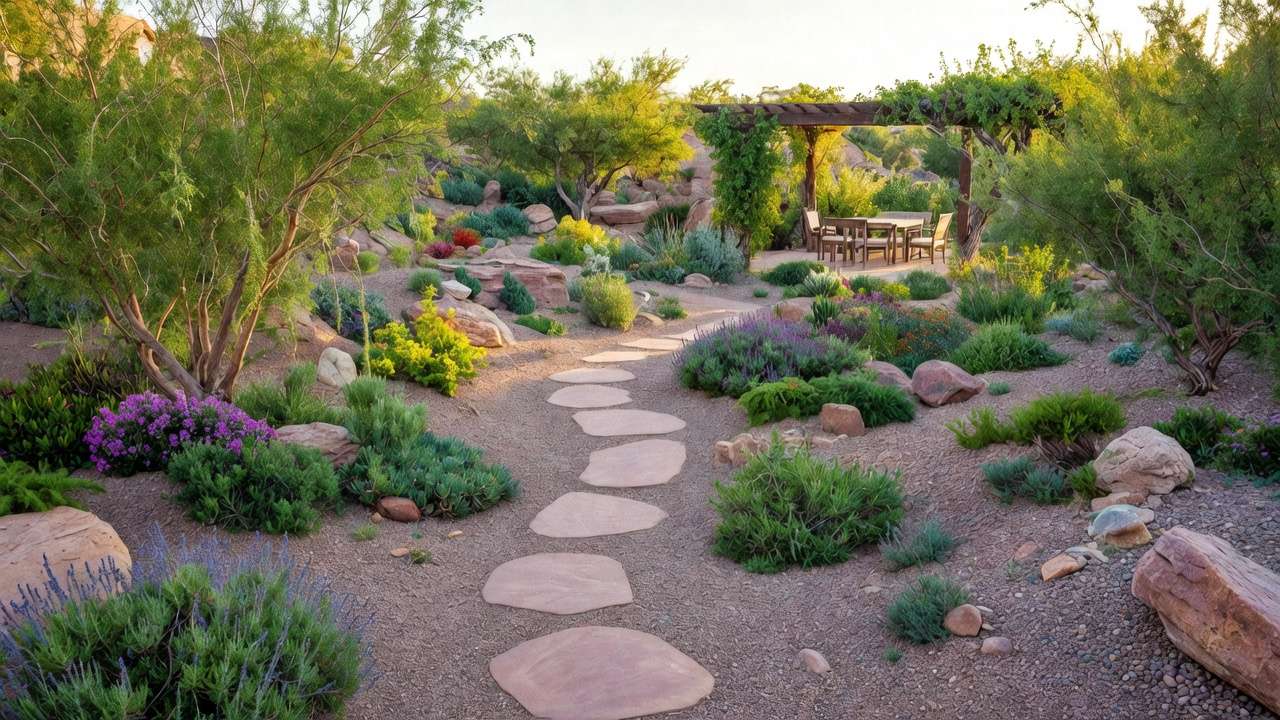
Low-Maintenance Front Yard Xeriscape
- Gravel paths winding between large rock accents.
- Groupings of banana yucca, Parry’s agave, Russian sage.
- Accents of desert willow for height and soft color.
- Zero lawn = massive water savings.
Edible & Ornamental Combo Incorporate fruiting mulberry or piñon pine for harvest, surrounded by ornamental natives. Add cold-hardy herbs like lavender or desert-adapted rosemary near the patio.
Mix textures (spiky yuccas + airy grasses + rounded shrubs) and repeat colors (silvery foliage + purple blooms) for cohesion. 🌿
Common Mistakes to Avoid ❌
Even experienced gardeners slip up in cool deserts. Here are the top pitfalls:
- Overwatering new plants — leads to root rot in cold, wet winters.
- Choosing hot-desert species (saguaro, ocotillo) that freeze out.
- Planting too deep — crown rot is common.
- Ignoring microclimates — a plant that thrives on a sunny slope may fail in a shady frost pocket.
- Skipping mulch — exposes soil to evaporation and temperature extremes.
- Expecting instant maturity — these plants are slow and steady; give them 2–3 seasons to shine.
Avoid these, and your garden will reward you with resilience and beauty. ✅
FAQs: Your Cool Desert Gardening Questions Answered ❓
1. What plants survive -10°F in truly dry conditions? Piñon pine, Utah juniper, rabbitbrush, four-wing saltbush, banana yucca, Parry’s agave, and many penstemon species handle it beautifully.
2. How much water do these plants really need once established? Often just 1–2 deep waterings per month in summer, and very little (or none) in winter. Rainfall + occasional supplemental water is usually enough.
3. Are there beginner-friendly natives for cool deserts? Start with rabbitbrush, blanket flower, angelita daisy, red yucca, and blue fescue — forgiving and fast to establish.
4. Can I grow succulents in cold deserts? Yes! Focus on cold-hardy varieties like Parry’s agave, red yucca, banana yucca, and escobaria cacti. Protect from wet winter soil with excellent drainage.
5. Will these plants attract wildlife? Absolutely — hummingbirds love desert willow and red yucca; bees flock to penstemon, Russian sage, and blanket flower; birds eat piñon nuts and juniper berries.
6. How do I prevent erosion on slopes? Plant groundcovers (angelita daisy, prairie clover) and grasses (deer grass), plus deep-rooted shrubs and trees to stabilize soil.
7. Is drip irrigation necessary? Highly recommended for establishment and efficiency, but many mature natives survive on rainfall alone in average years.
8. What if my winters are wetter than typical deserts? Prioritize excellent drainage and gravel mulch; choose the toughest natives (rabbitbrush, saltbush, junipers) over borderline succulents.
Conclusion: Transform Your Yard Today! 🌟
A cool desert climate garden isn’t just possible — it can be spectacular, sustainable, and surprisingly low-effort. By choosing cold-hardy, drought-tolerant plants like piñon pines, red yuccas, penstemons, and rabbitbrush, you create a landscape that laughs at drought, shrugs off freezes, supports local wildlife, and brings joy year-round.
Start small: pick 3–5 plants from this cool desert climate plant list that excite you, plant them properly this fall or spring, give them a little TLC the first year, then step back and watch them thrive. Your water bill will thank you, the pollinators will celebrate, and you’ll have a garden that feels uniquely yours — tough, beautiful, and perfectly adapted.
Ready to get started? Grab your shovel and let’s make your cool desert dream a reality! 🌵❤️











