
Have you ever excitedly picked ripe mangoes from your tree in Khulna’s humid heat, only to find them turning brown and mushy in the fridge a few days later? 😩 Or watched your homegrown apples lose their crisp snap after just a week? You’re not alone—this is a common headache for gardeners, small orchard owners, and anyone who loves tree care and fresh produce.
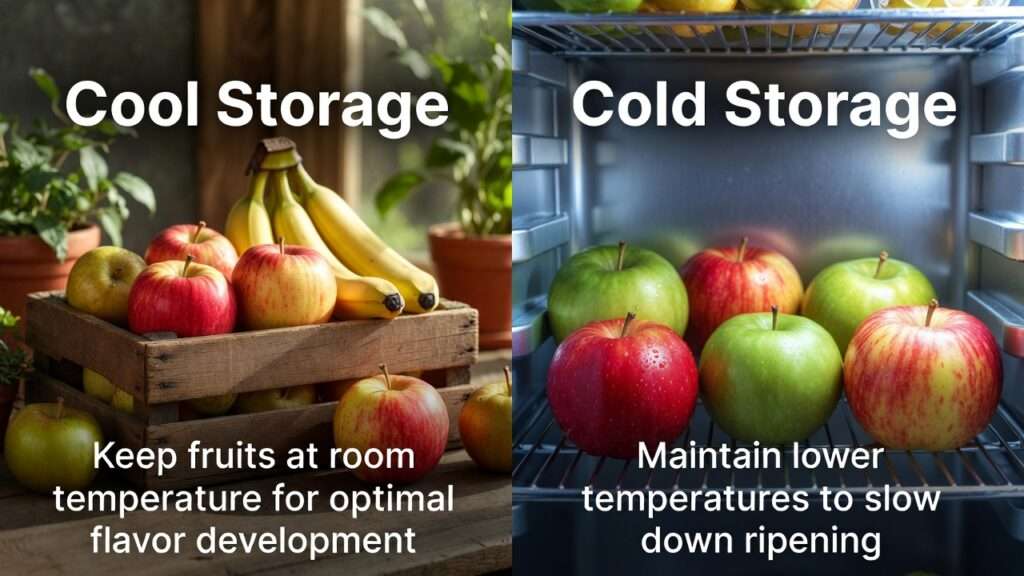
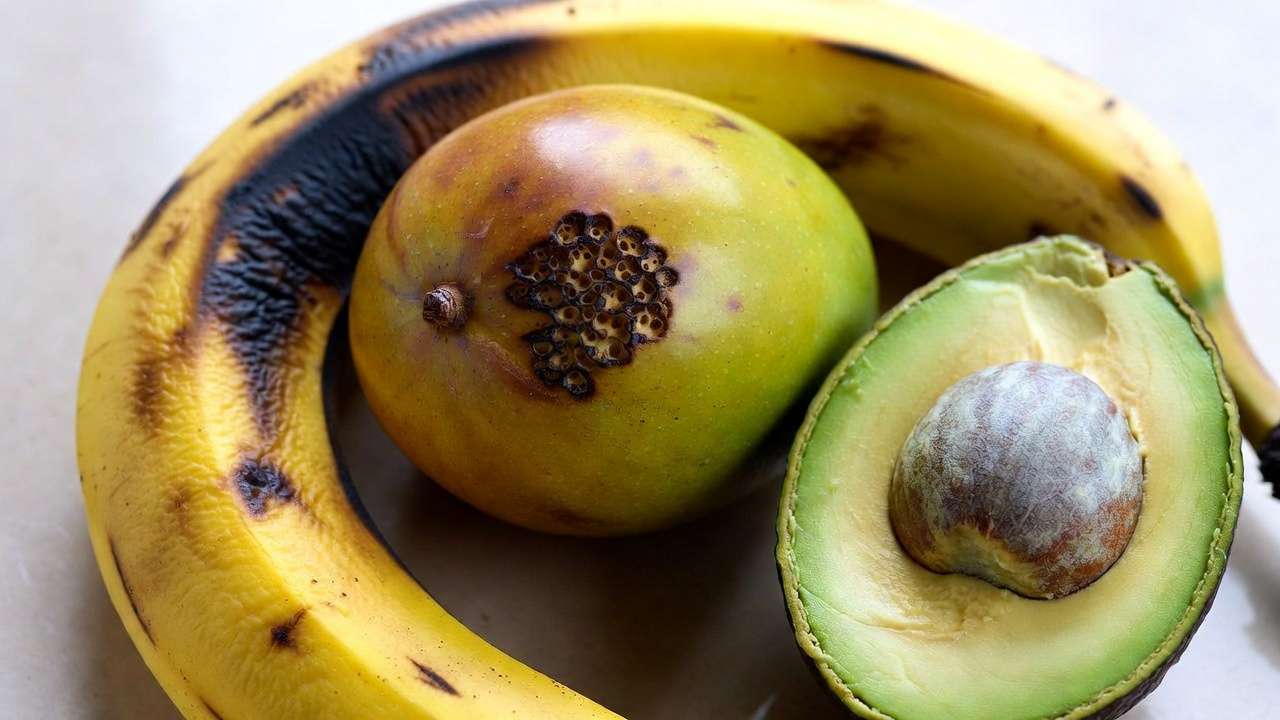
The culprit? Using the wrong storage temperature. Many people assume “fridge = best” for all fruits, but that’s far from true. Cool storage (typically 40–55°F or 4–13°C) and cold storage (near-freezing 32–36°F or 0–2°C) serve different purposes. Choosing incorrectly leads to chilling injury in sensitive fruits—like pitting on citrus, mealy texture in peaches, or black skin on bananas—or rapid spoilage in others.
In this in-depth guide, we’ll break down the differences, backed by post-harvest research from sources like USDA extensions, university guidelines (Cornell, Maine, etc.), and practical experience from tropical climates like Bangladesh. You’ll learn exactly which fruits thrive in cold vs. cool conditions, how to avoid costly mistakes, and simple home hacks to extend your harvest’s life dramatically—often doubling or tripling freshness while preserving flavor, texture, and nutrition. Let’s turn your backyard bounty into long-lasting joy! 🍓📈
What Is Cold Storage vs. Cool Storage? Key Definitions and Temperature Ranges ❄️🔥
Post-harvest experts classify fruit storage based on temperature to slow respiration (the fruit “breathing” process that uses up sugars and causes ripening/spoilage) while preventing damage.
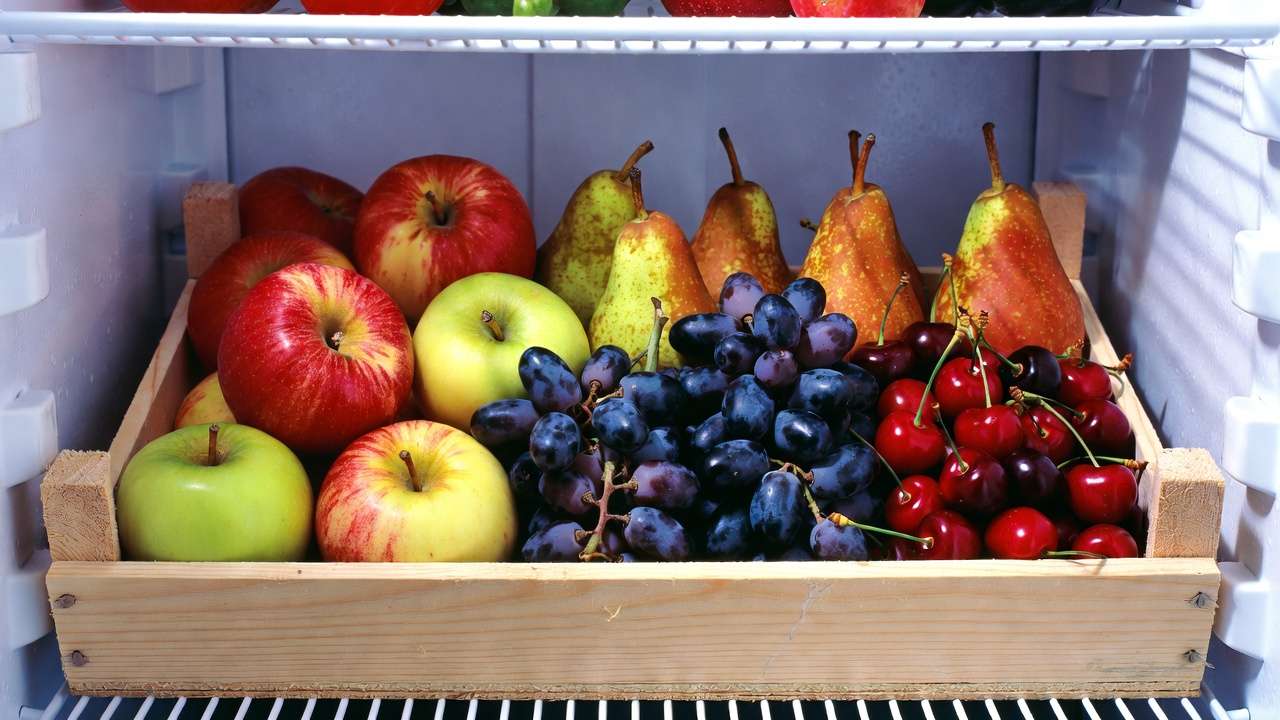
- Cold Storage (32–36°F / 0–2°C): This near-freezing range is ideal for temperate fruits from cooler climates. It drastically reduces respiration and ethylene production (the ripening hormone), allowing storage for weeks to months without freezing the fruit (most fruits freeze below ~28°F). High humidity (85–95%) prevents shriveling.
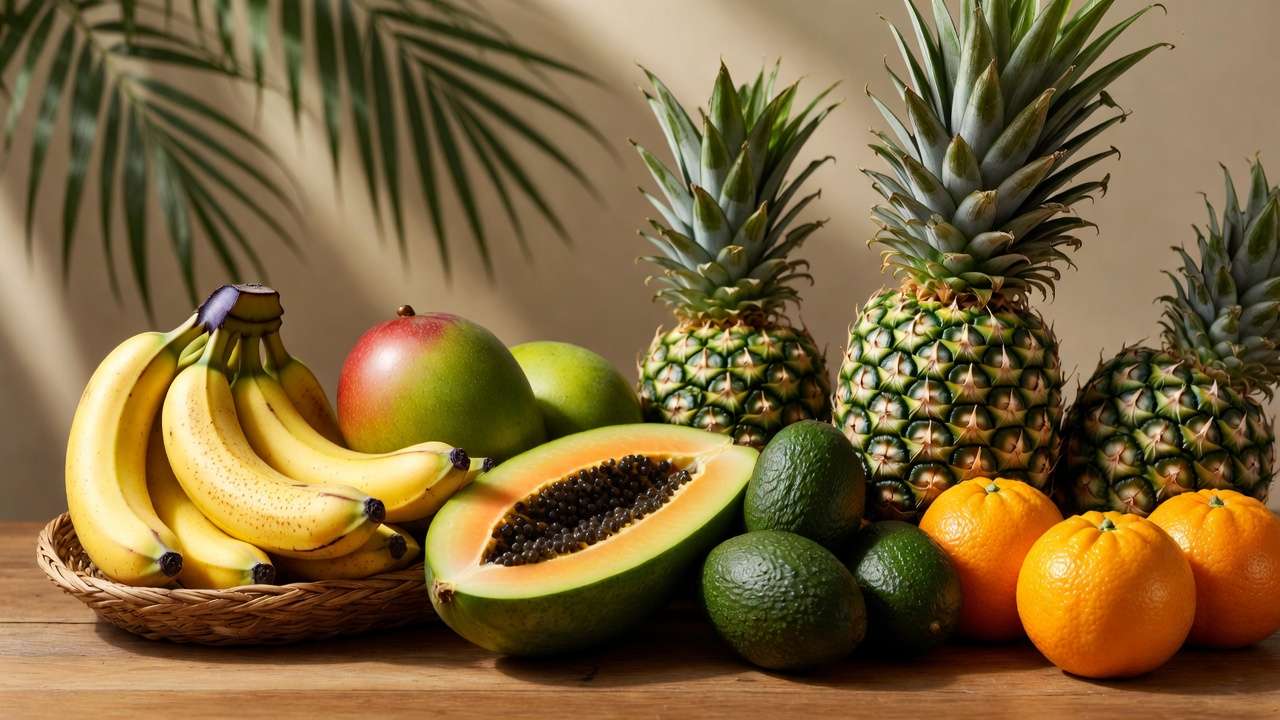
- Cool Storage (40–55°F / 4–13°C): Many tropical and subtropical fruits are chilling-sensitive and suffer physiological damage below their critical threshold (often 10–13°C). Cool storage delays spoilage without triggering chilling injury, which includes surface pitting, internal browning, failure to ripen properly, off-flavors, or mealy/watersoaked flesh.
Why does this matter for home growers in warm regions like Khulna? Local favorites like mangoes, bananas, and papayas hate the typical fridge’s 35–40°F—leading to quick quality loss. Temperate imports (apples, pears) love it. Getting this right reduces food waste, saves money, and lets you enjoy peak-ripe flavors longer 🌿.
(Note: Some sources mention warmer storage ~55–60°F for items like sweet potatoes, but we’ll focus on fruits here.)
The Science Behind Fruit Storage: Respiration, Ethylene, and Chilling Injury Explained 🧬
Fruits are living tissues even after picking! They continue respiring, converting stored sugars into energy, water, and CO₂. Lower temperatures slow this rate exponentially—every 18°F drop roughly halves respiration, extending life (the Q10 rule in plant physiology).
Ethylene, a natural hormone, accelerates ripening in climacteric fruits (apples, bananas, mangoes). Cold/cool storage suppresses ethylene production and sensitivity.
But here’s the catch: Chilling injury hits sensitive fruits when cell membranes disrupt below safe temps, causing irreversible issues. Symptoms appear worse after removal to room temp (e.g., brown spots on avocados or bland tomatoes). Severity depends on:
- Fruit maturity (immature more vulnerable)
- Duration of exposure
- Humidity (low worsens damage)
- Variety
Temperate fruits (apples, pears) tolerate near-freezing; tropical/subtropical ones (bananas, mangoes) do not. In hot, humid areas, improper cold storage ruins harvests fast ⚠️.
Fruits That Love Cold Storage (32–36°F) – Safe & Optimal ❄️🍏
These hardy, temperate-origin fruits excel in refrigerator-like conditions. Store at high humidity to avoid drying.
- Apples 🍏: Most varieties 32–36°F, up to 1–12 months! Chilling-sensitive cultivars (e.g., Honeycrisp) prefer 36–38°F to avoid internal browning.
- Pears 🍐: 29–32°F, 2–7 months.
- Grapes 🍇: 30–32°F, 2–8 weeks.
- Cherries 🍒: 30–32°F, 2–3 weeks.
- Peaches & Nectarines: 31–32°F short-term (2–4 weeks); watch for mealy flesh if too long in “killing zone” 36–40°F.
- Plums: 31–32°F, 2–5 weeks.
- Berries (strawberries, blueberries, raspberries): 31–32°F, 5–14 days—best here but short-lived.
Quick Reference Table (ideal temp, RH 85–95%, approx. shelf life):
| Fruit | Temp (°F) | Shelf Life | Tips |
|---|---|---|---|
| Apples | 32–36 | 1–12 months | Separate from veggies! |
| Pears | 29–32 | 2–7 months | Ripen at room temp later |
| Grapes | 30–32 | 2–8 weeks | Keep stems on |
| Berries | 31–32 | 5–14 days | Don’t wash until use |
These thrive in your fridge’s main compartment.
Fruits That Require Cool Storage (40–55°F) – Avoid the Fridge Danger Zone! 🌡️🍌
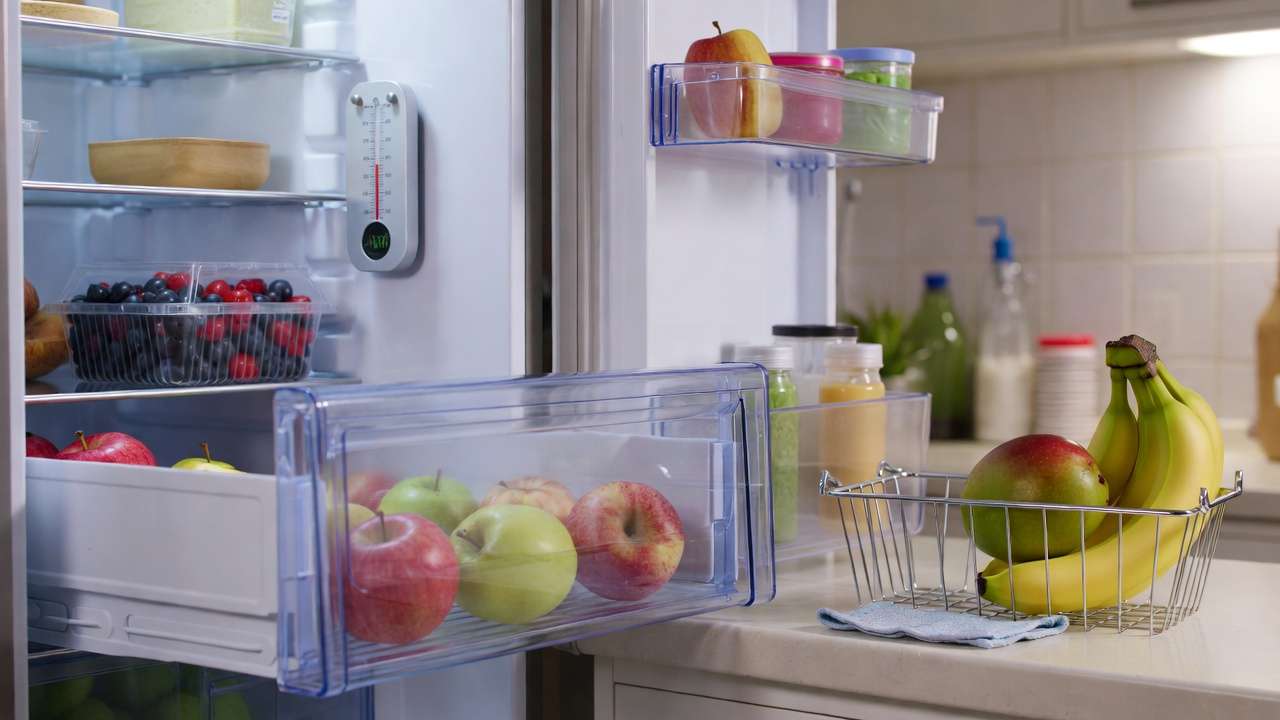
Chilling-sensitive tropical/subtropical fruits suffer below ~50°F. Use a warmer spot like basement, garage (if 45–55°F), or crisper drawer set higher.
- Bananas 🍌: Never below 55°F! Green: 62–70°F; ripe: 56–60°F—fridge blackens skin 😱.
- Mangoes 🥭: 50–55°F, avoid below 50°F (pitting, off-flavor).
- Avocados 🥑: Unripe 45–50°F; ripe 38–45°F—chill below 40°F causes browning.
- Pineapples 🍍: 45–50°F.
- Papayas: 45–50°F.
- Citrus (oranges, lemons): 45–50°F preferred (pitting below 40°F long-term).
- Tomatoes (ripe): 46–50°F—fridge kills flavor!
Quick Reference Table:
| Fruit | Temp (°F) | Chilling Injury Symptoms | Home Alternatives |
|---|---|---|---|
| Bananas | 55–60 | Black skin, failure to ripen | Countertop, away from apples |
| Mangoes | 50–55 | Pitting, uneven ripening | Cool shaded spot |
| Avocados | 45–55 | Flesh graying/browning | Paper bag for ripening |
| Citrus | 45–50 | Pitting, scald | Garage or cool room |
| Tomatoes | 50+ | Bland taste, mealy texture | Countertop |
In Khulna’s warm climate, use evaporative cooling (damp cloth over basket) or a dedicated cool corner for these treasures.
How to Choose the Right Storage Method for Your Fruits – Decision Guide 📊
Choosing between cool storage vs. cold storage comes down to one key question: Is your fruit chilling-sensitive? Here’s a simple step-by-step decision process tailored for home gardeners and small-scale tree care enthusiasts, especially in warm, humid climates like Khulna where tropical fruits dominate.
- Identify the fruit type:
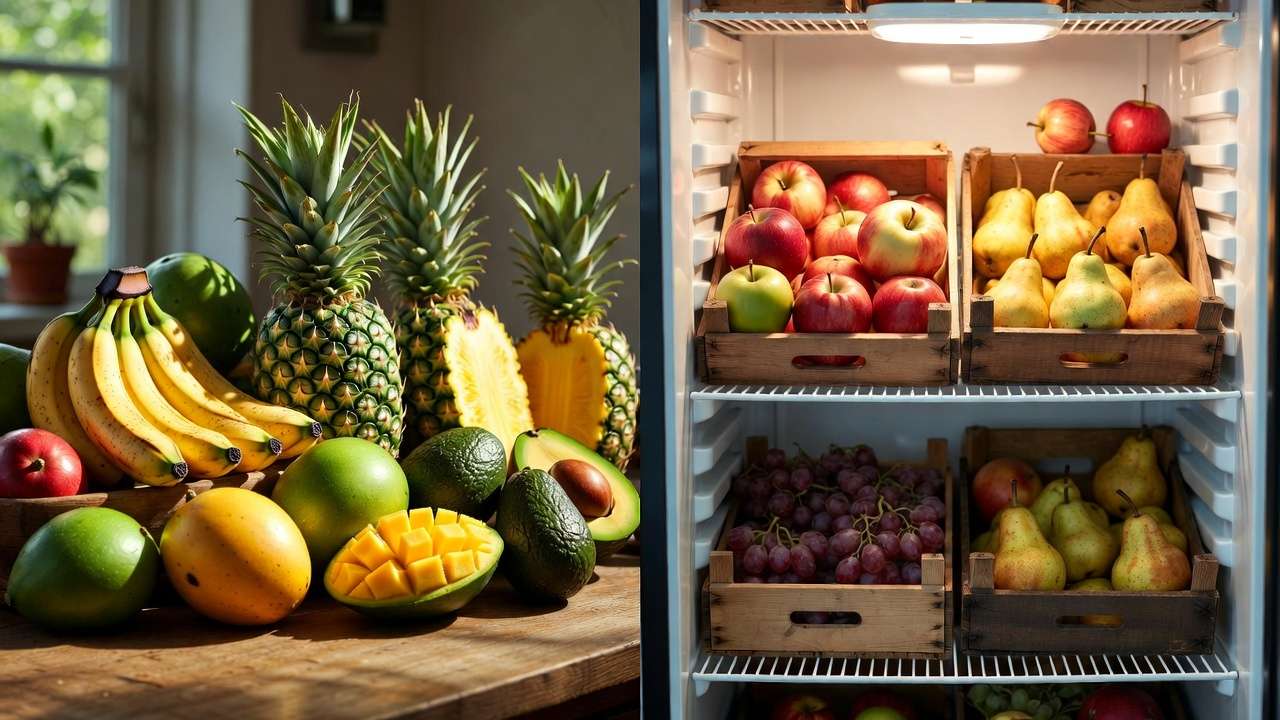
- Temperate/climate fruits (apples, pears, grapes, berries, cherries) → Go for cold storage (32–36°F).
- Tropical/subtropical fruits (bananas, mangoes, avocados, pineapples, papayas, citrus, tomatoes) → Stick to cool storage (40–55°F or higher for some).
- Check maturity stage:
- Unripe climacteric fruits (e.g., green bananas, firm avocados, mangoes) can handle slightly cooler temps during ripening.
- Fully ripe or sensitive items need warmer conditions to maintain flavor and texture.
- Assess your available spaces:
- Standard fridge main compartment: ~35–40°F → Best for cold-loving fruits.
- Crisper drawer (often warmer, 40–45°F): Good compromise for borderline items.
- Garage, basement, or shaded indoor spot: Ideal for cool storage in hot regions (aim for 45–55°F if possible).
- Countertop or pantry: For very warm-sensitive fruits like ripe bananas (55–65°F).
Quick Decision Flowchart (visualize this mentally or sketch it!):
- Chilling-sensitive? (See lists above) → YES → Cool storage → Find spot >40°F.
- NO → Cold storage → Fridge main area.
- Mixed harvest? → Separate groups! Use ethylene producers (apples, bananas) away from sensitive ones (leafy greens, cucumbers).
Pro tip for Khulna gardeners: In our hot, humid weather, a simple evaporative cooler (wet cloth over a basket in a breezy shaded area) can drop temps 5–10°F below ambient without a fridge—perfect for mangoes and papayas during peak season 🌴💧.
Best Practices for Home & Small-Scale Storage Success 🏡
To maximize freshness, follow these expert-recommended steps from post-harvest specialists (USDA, UC Davis, Cornell extensions):
- Pre-cool immediately after harvest: Remove field heat fast—especially crucial in tropical heat. Submerge in cool water (hydrocooling) for hardy fruits or use forced-air fans for delicate ones. This can add days or weeks to shelf life.
- Control humidity: Most fruits need 85–95% RH to prevent shriveling. Use perforated plastic bags, damp paper towels, or crisper drawers. Too dry? Fruits dry out. Too wet? Mold risk rises.
- Manage ethylene gas: High-ethylene producers (apples, pears, ripe bananas, mangoes) speed ripening in others. Store separately! Example: Keep apples out of the berry drawer to avoid premature spoilage.
- Packaging tips:
- Breathable containers (mesh bags, open crates) for most.
- Avoid tight plastic wraps unless specified (traps moisture → decay).
- Line crates with newspaper for cushioning.
- Monitor conditions: Invest in a cheap digital thermometer/hygrometer (~$10–15). Check weekly—small fluctuations matter!
- Common home mistakes to avoid 😱:
- Refrigerating bananas/mangoes → Black skin, off-flavors.
- Storing everything in one fridge zone → Mixed results.
- Washing before storage → Excess moisture promotes mold (wash just before eating).
- Overcrowding → Poor air circulation accelerates decay.
Advanced Tips: Extending Shelf Life Even Further ✨
For enthusiasts wanting pro-level results:
- Intermittent warming: For peaches or nectarines prone to mealy texture in the 36–46°F “killing zone,” store at 32°F but warm to 68°F for 1 day every 10–14 days. This reduces chilling injury (per University of Maryland extension research).
- Mini controlled atmosphere hacks: Enthusiasts can use airtight containers with ethylene absorbers (commercial sachets) or poke small holes for slight gas modification—extends life for apples or pears.
- Evaporative cooling for hot climates: In Khulna, hang fruits in a shaded, breezy spot with wet sand or cloth around the base. This natural method keeps mangoes and bananas fresh 7–14 days longer than room temp alone.
- Shelf Life Comparison Table (approximate, home conditions):
| Fruit | Room Temp (68–77°F) | Cool Storage (45–55°F) | Cold Storage (32–36°F) | Notes |
|---|---|---|---|---|
| Apples | 1–2 weeks | 4–8 weeks | 3–12 months | Best long-term in cold |
| Bananas | 3–7 days | 7–14 days | 2–5 days (damage) | Never cold! |
| Mangoes | 5–10 days | 2–4 weeks | 1 week (pitting) | Cool ideal |
| Avocados | 3–7 days (ripe) | 1–3 weeks | Short (browning) | Ripen at room, then cool |
| Berries | 1–3 days | 5–10 days | 7–14 days | Cold best |
| Citrus | 1–2 weeks | 4–8 weeks | 2–4 weeks (pitting) | Cool preferred long-term |
These ranges vary by variety, maturity, and exact conditions—always prioritize quality over max duration!
Troubleshooting Common Problems & Fixes 🛠️
- Chilling injury symptoms: Pitting, browning, mealy flesh, failure to ripen, off-flavors. Fix: Move to warmer spot immediately; some damage is irreversible, but early action saves partial quality.
- Excessive softening/shriveling: Too warm/low humidity. Solution: Lower temp (if safe) or add moisture source.
- Mold/decay: High humidity + poor air flow. Fix: Improve ventilation, remove affected fruits ASAP.
- Ethylene damage: Yellowing, spotting. Prevention: Separate producers/sensitive items.
If issues persist, note your setup (temp, humidity, fruit type) for better diagnosis.
Expert Insights & Real-World Examples from Research 📚
University extensions (USDA, UC Davis Postharvest Center, Cornell) emphasize: Proper temperature matching prevents 30–50% post-harvest losses—huge for home growers reducing waste!
Example: Commercial apple orchards use controlled cold storage (32°F + high RH) for 10–12 months, maintaining crispness. Home growers often lose quality in 2–4 weeks due to inconsistent temps.
In tropical regions, research shows evaporative cooling + cool storage extends mango shelf life from 1 week to 3–4 weeks—vital during glut seasons.
Sustainability bonus: Smart storage cuts food waste, saving money and reducing environmental impact 🌍❤️.
Frequently Asked Questions (FAQs) ❓
Can I store all fruits in the fridge? No! Tropical fruits suffer chilling injury—stick to cool storage for bananas, mangoes, etc.
What’s the ideal fridge temp for mixed fruits? Set to 35–38°F overall, but use crisper (warmer) for sensitive items and main area for apples/berries.
How long do mangoes last in cool vs. cold storage? Cool (50–55°F): 2–4 weeks. Cold (<40°F): 1 week max, with pitting risk.
Is freezing better for long-term? Yes for puree/smoothies (blanch or syrup pack), but it changes texture—not the same as fresh cold storage.
Why do my refrigerated bananas turn black? Chilling injury damages skin cells—store at room temp or slightly cool instead.
Best way to store homegrown apples from my tree? Wrap individually in paper, store at 32–36°F high humidity—can last months!
How to ripen avocados faster? Paper bag with apple/banana (ethylene boost), then move to cool storage once ripe.
Can I use my garage in Khulna for cool storage? Yes—if it stays 45–55°F (common at night/early morning). Monitor with thermometer.
Do all berries need cold storage? Yes—strawberries, blueberries thrive at 31–32°F for max freshness.
What if I have limited space? Prioritize: Cold for temperate, cool/counter for tropical. Rotate and eat FIFO (first in, first out).
Conclusion: Harvest Smarter, Waste Less, Enjoy More! 🎉
Mastering cool storage vs. cold storage for fruits transforms your gardening efforts. By matching temperature to each fruit’s needs, you’ll enjoy fresher, tastier harvests for weeks or months instead of days—saving money, reducing waste, and savoring that homegrown flavor at its peak 🍏🍌.
Start small: Audit your current fridge/garage setup today, separate one batch of fruits properly this week, and track the difference. Your trees (and taste buds) will thank you!











