
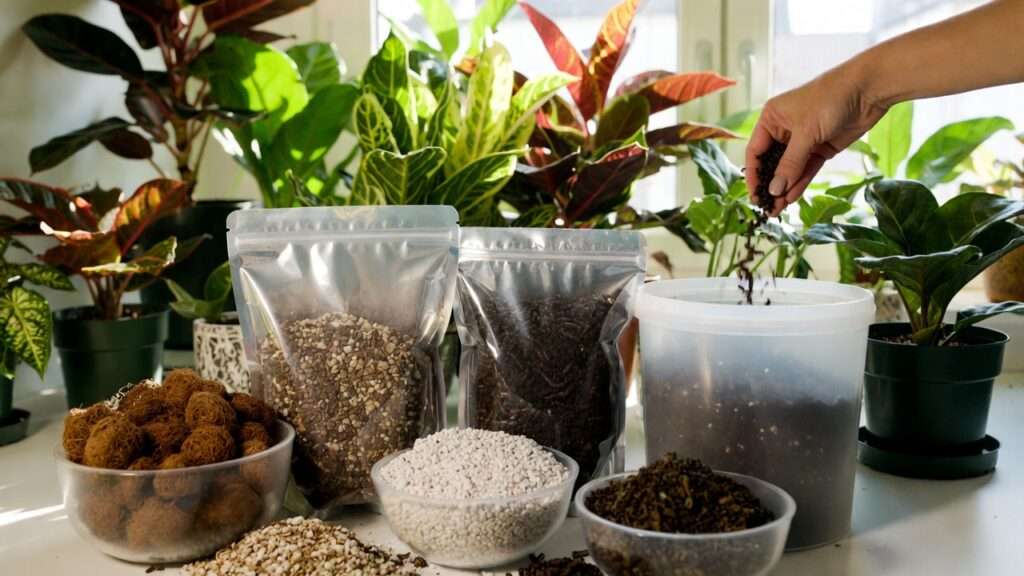
Have you ever lovingly watered your favorite houseplant, only to watch its leaves turn yellow, roots turn mushy, or tiny fungus gnats swarm around the pot? 😩 You’re not alone — this heartbreaking scene plays out in homes worldwide, and the culprit is often the same: generic store-bought potting soil that holds too much water, compacts over time, or lacks the right balance of drainage and nutrients.
Creating a customized houseplant soil mix changes everything. By blending your own potting medium, you tailor drainage, moisture retention, aeration, and organic matter to match each plant’s unique needs — whether it’s a thirsty Monstera climbing toward the light or a low-maintenance Snake Plant forgiving occasional neglect. This DIY approach prevents common killers like root rot (the #1 houseplant demise), boosts root health for vibrant foliage, saves money on premium bagged soils, and gives you that satisfying “plant parent” glow when your greens thrive like never before. 🌱
As a horticulture enthusiast with years of experimenting (and rescuing) indoor collections, I’ve drawn from university extension resources (like UF/IFAS and Penn State), sustainable practices, and real-world houseplant community insights to craft this comprehensive guide. Let’s dive in and level up your houseplant game!
Why Customize Your Houseplant Soil? The Real Benefits 🏆
Store-bought potting mixes are convenient, but they’re one-size-fits-most — and most houseplants aren’t “most.” Here’s why going custom delivers superior results:
- Prevents Overwatering and Root Rot — Dense commercial soils retain excess moisture, leading to fungal issues. Custom mixes with high aeration (think perlite, pumice, orchid bark) let roots breathe and dry out appropriately between waterings.
- Promotes Stronger Roots and Faster Growth — Balanced ingredients ensure oxygen reaches roots while providing steady nutrients, resulting in lush leaves and resilience against stress.
- Saves Money Long-Term — Bulk coco coir, perlite, and worm castings cost far less than fancy “indoor plant” bags over time, especially for larger collections.
- Eco-Friendly Choices — Ditch peat moss (harvested from fragile wetlands) for sustainable alternatives like coco coir — a renewable byproduct of the coconut industry that’s pH-neutral, holds water well without compacting, and supports better root development. ♻️
- Reduces Pests — Better drainage discourages fungus gnats, whose larvae love soggy soil. Add horticultural charcoal for natural antifungal properties.
In short: Customized mixes turn struggling plants into showstoppers while aligning with sustainable indoor gardening.
Understanding Houseplant Soil Basics: Key Components Explained 🔍
A great custom mix mimics a plant’s native habitat — epiphytic aroids need chunky, airy substrates; desert succulents crave fast drainage; tropical foliage loves consistent moisture without sogginess. Break it down by function:
- Base Materials (Moisture + Structure):
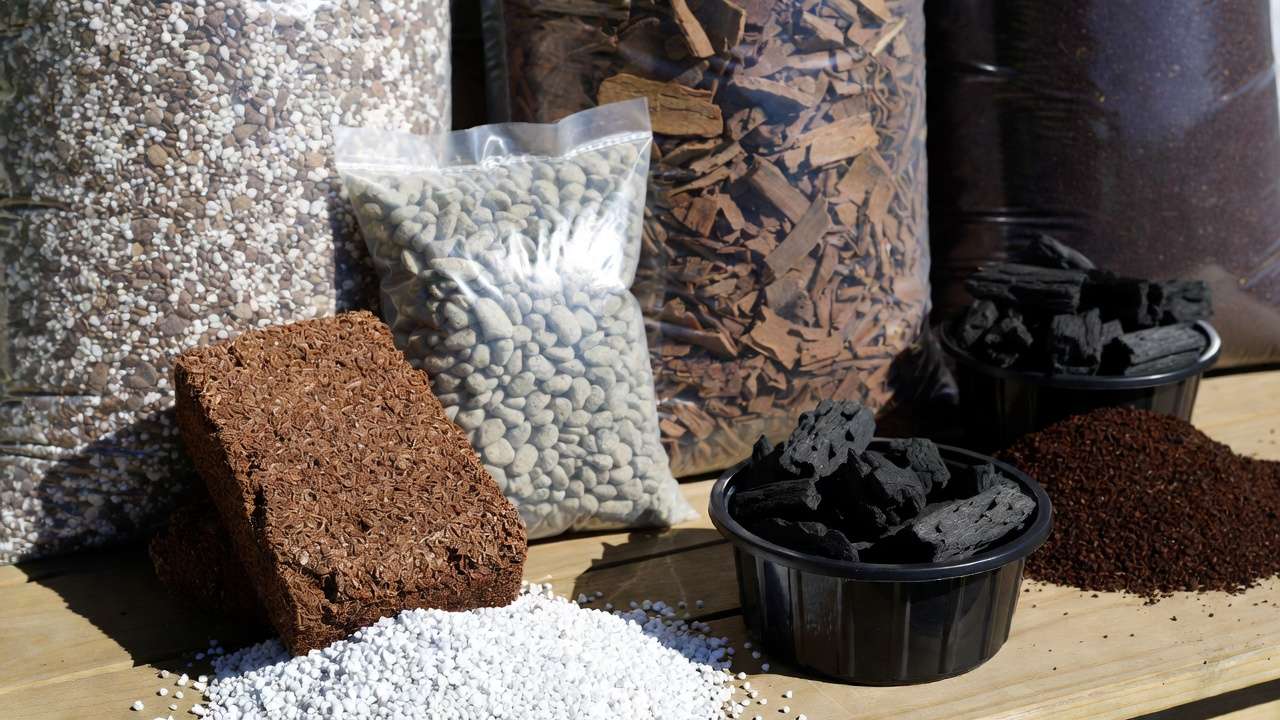
- Coco coir (preferred over peat moss): Sustainable, excellent water retention, pH-neutral (5.5–6.8), resists compaction, and promotes microbial activity. Soak bricks before use!
- Peat moss (if you must): Holds 20x its weight in water but is acidic and environmentally costly — use sparingly or avoid for peat-free mixes.
- Compost or worm castings: Adds organic matter, slow-release nutrients, and beneficial microbes for healthier roots.
- Aeration & Drainage Boosters:
- Perlite: Lightweight, volcanic glass expands for superb drainage and aeration; dusty, so wear a mask.
- Pumice: Chunkier than perlite, doesn’t float, excellent long-term drainage — ideal for succulents and aroids.
- Orchid bark / pine bark: Chunky texture prevents compaction; great for epiphytes like Monsteras.
- Horticultural charcoal: Filters toxins, prevents odors, adds antifungal benefits.
- Nutrient Enhancers:
- Worm castings (rich in microbes and gentle NPK).
- Slow-release organics like blood meal or rock phosphate for flowering plants.
- pH Adjusters: Dolomite lime to neutralize overly acidic mixes (especially peat-based).
- Other Amendments: Mycorrhizae fungi for root symbiosis; rice hulls for extra aeration in humid climates.
Mix ratios by volume (e.g., “parts” with a measuring cup) for easy scaling.
Step-by-Step Guide to Creating Your Customized Mix 🛠️
- Assess Your Plant’s Needs — Research native habitat: Epiphytes (aroids) = chunky & well-draining; succulents = gritty & arid; foliage = balanced moisture. Consider your home’s humidity, light, and watering habits.
- Gather Tools & Ingredients — Bucket or wheelbarrow, gloves, dust mask (for perlite/pumice), measuring container. Source bulk from garden centers, online (e.g., coco coir bricks), or hydroponic shops.
- Measure Accurately — Use “parts” for consistency; start small to test.
- Mix Thoroughly — Combine dry first, then moisten gradually to avoid clumps. Aim for a fluffy, crumbly texture that holds shape when squeezed but breaks apart easily.
- Test & Adjust — Squeeze a handful: It should feel moist but not drip. Check pH if possible (target 5.5–7.0 for most houseplants).
- Store Properly — Airtight bins in a cool, dry spot for months of use.
Pro tip: Wear old clothes — this gets messy (but fun)! 😄
Universal Base Mix Recipe (Your Starting Point) 🌱
This peat-free all-purpose base works for 70–80% of tropical houseplants:
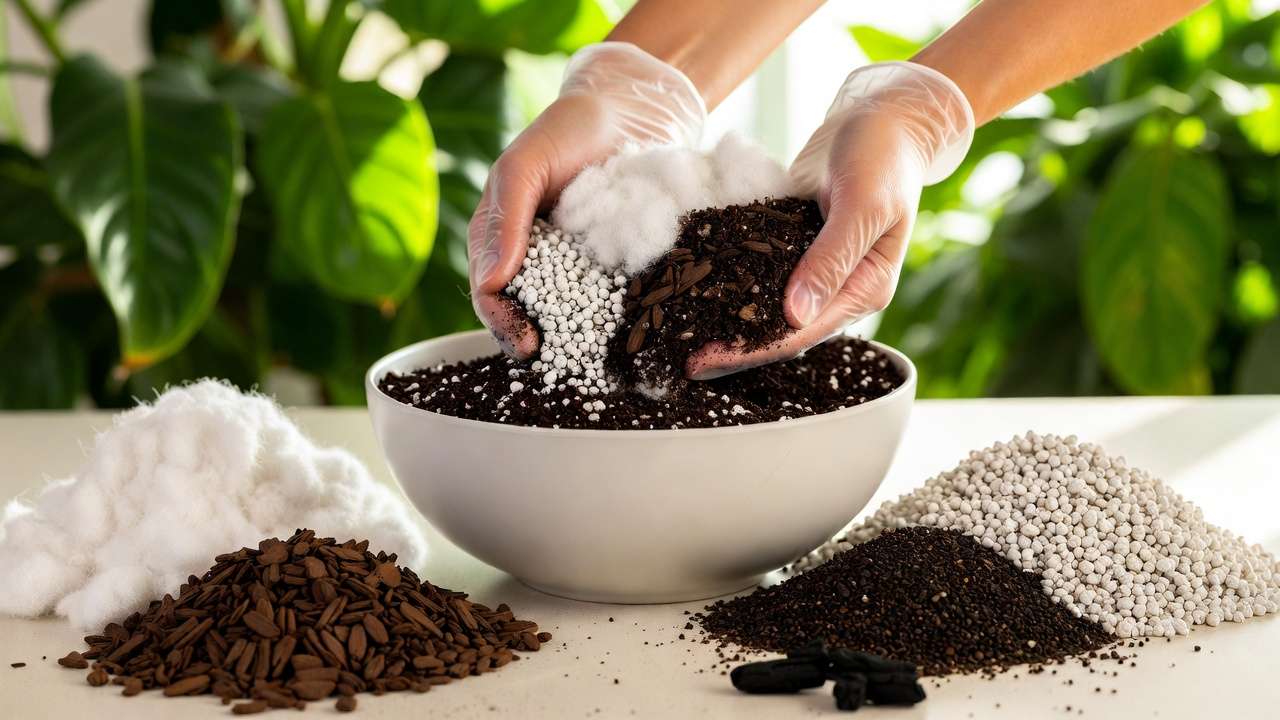
- 2 parts coco coir (hydrated)
- 1 part perlite or pumice
- 1 part worm castings or high-quality compost
Why it works: Coco coir retains moisture without sogginess, perlite ensures oxygen flow, and castings feed roots gently. Add a handful of dolomite lime if your water is soft/acidic. Scale up for big batches — it’s forgiving and effective!
Plant-Specific DIY Recipes: Tailored for Success 🌸
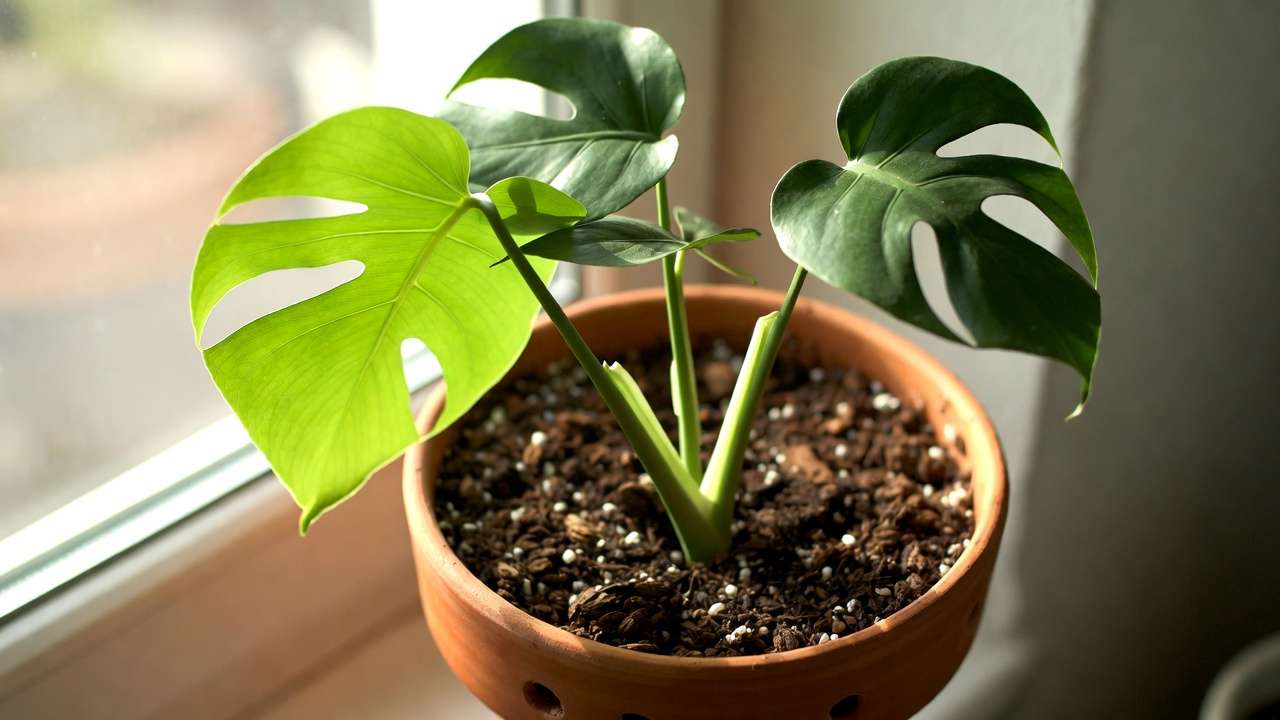
1. Aroids (Monsteras, Philodendrons, Pothos, Alocasias) – Chunky & Airy Mix
- 4–5 parts orchid bark
- 3–4 parts perlite or pumice
- 3–4 parts coco coir
- 1–2 parts horticultural charcoal
- 1–2 parts worm castings
Why: Mimics tree-branch epiphyte life — excellent drainage prevents rot in humidity-loving climbers. Add more bark for moss poles!
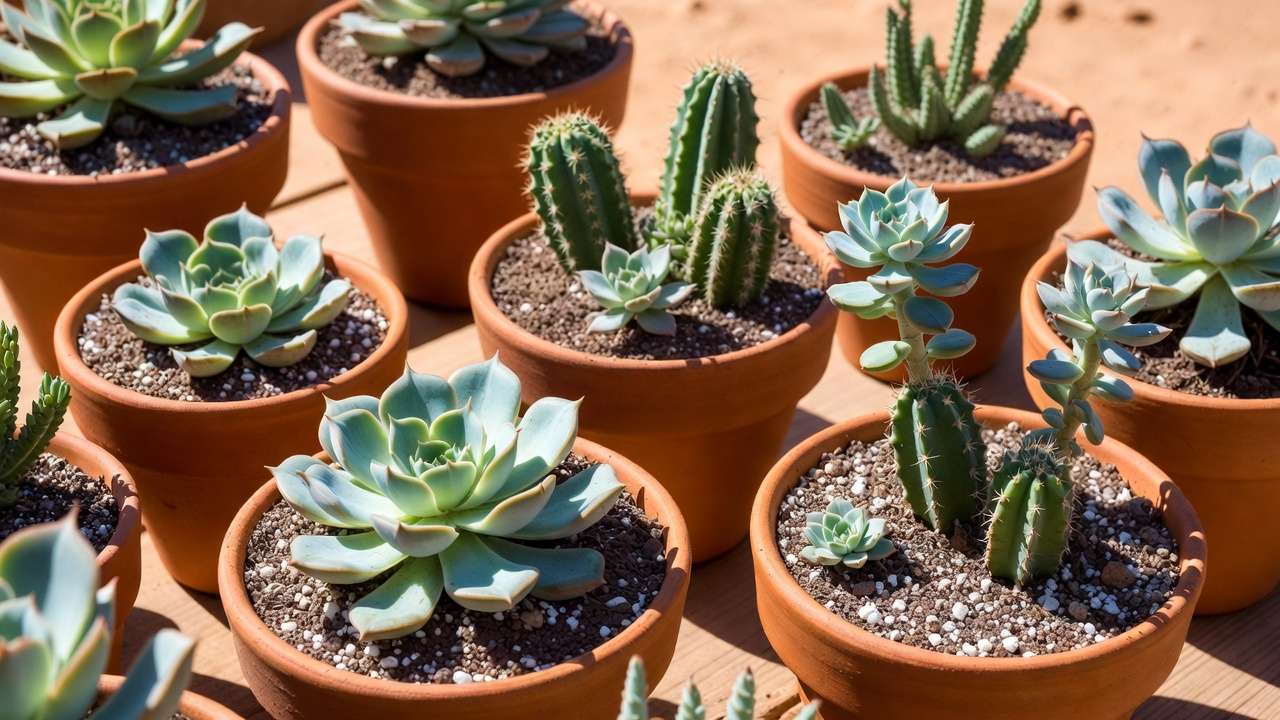
2. Succulents & Cacti – Fast-Draining Arid Mix
- 2 parts coco coir or base potting soil
- 1 part perlite
- 1 part coarse sand or grit
- 1 part pumice
Bonus: Extra pumice/grit for ultra-desert vibes. This dries quickly, preventing rot in low-water lovers.
3. Foliage Plants (Peace Lilies, Snake Plants, ZZ Plants) – Balanced Moisture Mix
- 2 parts coco coir
- 1 part perlite
- 1 part pine bark or coarse sand
- Handful worm castings
Ideal: Forgiving for low-light, low-maintenance greens; holds moisture without waterlogging.
4. Seedlings & Propagation – Light & Sterile Mix
- 2 parts coco coir
- 2 parts perlite or vermiculite
- 1 part worm castings (pre-moisten everything)
Gentle and sterile for delicate starts.
5. Flowering/Fruiting Houseplants – Nutrient-Rich Blend
Start with universal base + extras: rock phosphate for roots, alfalfa meal for blooms, or slow-release organic fertilizer.
Experiment — observe your plants and tweak ratios!
Troubleshooting Common Soil-Related Problems & Fixes ⚠️
Even the best custom mixes can run into issues over time — especially if environmental factors (like low humidity or inconsistent watering) come into play. Here are the most frequent houseplant soil problems and how to fix them:
- Root Rot (The Silent Killer): Symptoms include wilting despite moist soil, yellowing or browning lower leaves, mushy black/brown roots when inspected, and a foul smell from the pot. 😷 Prevention is key with custom mixes: High drainage ingredients (perlite, pumice, bark) + proper pots with drainage holes. Fix: Gently remove the plant, trim away rotten roots with sterilized scissors, rinse healthy roots, let dry slightly, repot in fresh airy mix (like the aroid or succulent recipe), and reduce watering. Improve airflow and avoid saucers holding water.
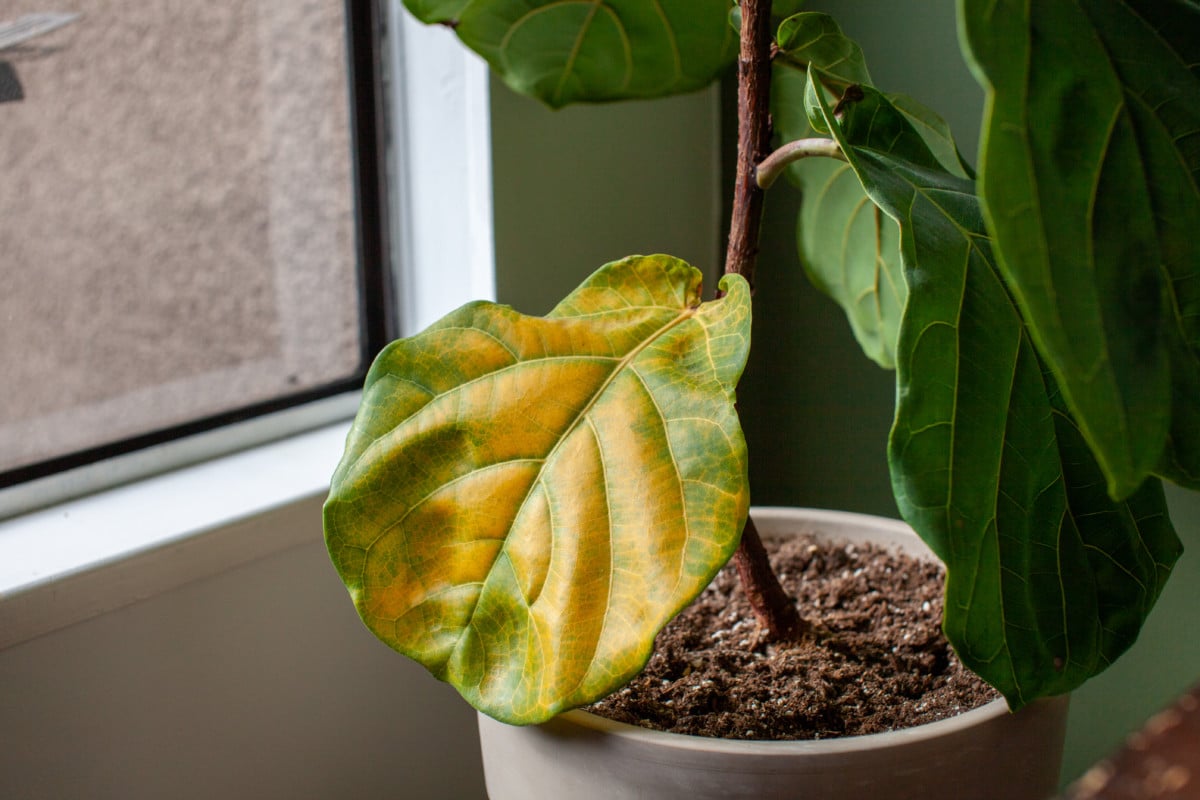
- Yellow Leaves: Often from poor aeration, nutrient lockout (pH too high/low), or over/underwatering. Custom mixes with worm castings help, but test soil pH and adjust with dolomite lime if needed.
- Soil Compaction Over Time: Even chunky mixes settle. Refresh annually or top-dress with fresh perlite/bark.
- Fungus Gnats: Larvae thrive in constantly wet organic soil. Solution: Let top inch dry out, add a layer of horticultural charcoal or sand, use yellow sticky traps, and introduce beneficial nematodes if severe.
- Nutrient Deficiencies: Pale leaves or slow growth? Supplement with diluted liquid fertilizer or add more worm castings next batch.
Regular observation + custom tailoring = fewer headaches!
Expert Tips & Pro Insights from Years of Plant Care 📌
- Batch Size Calculator: For 5–10 small pots, make 5–10 quarts total. Use a 5-gallon bucket for larger collections — scale recipes by multiplying parts.
- Peat-Free Movement: Coco coir is my go-to: It rehydrates easily, holds structure longer than peat, and supports beneficial microbes better in humid homes. Sustainable win! ♻️
- Sterilizing Homemade Compost: If using garden compost, bake at 180°F (82°C) for 30 minutes to kill pathogens — or stick to store-bought worm castings for safety.
- When to Fertilize: Custom organic mixes feed slowly, so start liquid feeds (half-strength) after 4–6 weeks. Avoid over-fertilizing fresh mixes.
- Humidity Hack: In dry climates, add extra coco coir/vermiculite for moisture-loving plants; in humid areas, lean heavier on perlite/pumice.
- Repotting Timing: Every 12–24 months, or when roots circle the pot. Spring is ideal for most houseplants.
These small tweaks, born from trial-and-error with hundreds of plants, make all the difference.

FAQs: Answering Your Top Questions ❓
Can I reuse old soil? Sometimes — if no pests/disease, refresh by mixing 50% old with 50% fresh custom blend + extra perlite. Sterilize in oven if suspicious. Best for non-sensitive plants.
What’s the difference between perlite and pumice? Perlite is lighter/cheaper, floats in water; pumice is heavier, doesn’t float, lasts longer without breaking down — great for succulents and large pots.
How often should I repot with a custom mix? Every 1–2 years, or when growth slows/roots emerge from drainage holes. Custom mixes often last longer than commercial due to better structure.
Is homemade mix safe for pets/kids? Yes, if using food-grade/natural ingredients (coco coir, perlite, worm castings). Avoid chemical fertilizers in the mix itself. Keep bags away from curious paws! 🐶
Best places to buy bulk ingredients affordably? Online: Amazon, Etsy, or hydroponic sites for coco coir bricks, perlite/pumice bags. Local: Garden centers, nursery bulk sections, or even aquarium shops for charcoal/pumice. Buy in 5–10 gallon sizes for savings.
Conclusion: Level Up Your Houseplant Game Today! 🚀
Creating a customized houseplant soil mix isn’t just about dirt — it’s about giving your plants the exact environment they crave for explosive growth, resilience, and beauty. By ditching generic bags and embracing DIY blends with coco coir, perlite, bark, and worm castings, you’ll say goodbye to root rot woes, hello to thriving roots, and enjoy healthier, happier houseplants that reward you every day. 🌿💚
Pick one recipe from above — maybe the universal base or chunky aroid mix — and try it this weekend. Watch the transformation! Share your before-and-afters or custom tweaks in the comments below; I’d love to hear how your green family responds.
Happy mixing, and may your plants always thrive! 🌱✨











