
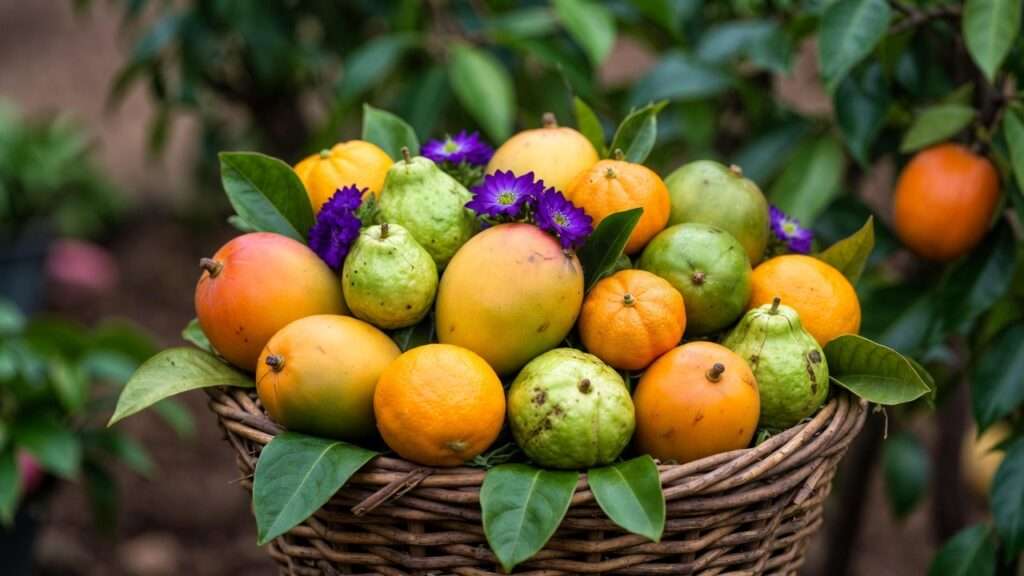
Imagine stepping into your backyard orchard in the golden light of a Khulna morning, surrounded by trees heavy with ripe mangoes, fragrant guavas, juicy citrus, and perhaps some papayas or jackfruit — all nurtured by your own hands through careful pruning, watering, and pest management. Now picture transforming that fresh, sun-kissed bounty into beautiful, heartfelt gift baskets that delight friends, family, or neighbors far more than any store-bought version ever could. 🌟
Creating fruit gift baskets from your orchard isn’t just a fun project; it’s a practical solution to one of the most common challenges home orchard owners face: what to do with an abundant harvest before it goes to waste. These homemade harvest gifts are sustainable (zero food miles!), nutrient-packed, deeply personal, and perfect for occasions like Eid, Pohela Boishakh, housewarmings, teacher appreciation, or simple thank-yous. As someone who’s managed orchards in tropical and subtropical climates like ours in Khulna Division for years, I’ve turned bumper crops into dozens of these baskets — sharing stories of “these mangoes grew right on my tree!” that create lasting memories. ❤️
In this comprehensive guide, I’ll walk you through every detail: from harvesting at peak ripeness to stunning assembly and delivery. You’ll learn expert tree care tips that ensure your fruit shines, eco-friendly presentation ideas, and ways to add value with garden extras. Whether your orchard focuses on mango varieties like Langra or Fazli, guava, citrus like sweet oranges (malta/lebu), or mixed tropical fruits, this step-by-step approach will help you create professional-looking, delicious gifts that showcase your gardening passion.
Why Create Gift Baskets from Your Own Orchard? 🌱
Homegrown fruit stands head and shoulders above commercial options. When you pick directly from your trees, the fruit is at its absolute freshest — bursting with natural sugars, vitamins, and antioxidants without the long transport times that diminish flavor and nutrition. In our humid Khulna climate, fruits like mangoes and guavas reach incredible sweetness when ripened on the tree, something imported produce rarely matches.
Beyond taste, these baskets promote sustainability by reducing food waste from your excess harvest. They build community connections — imagine gifting a neighbor a basket of your prized Amrapali mangoes during mango season! They’re cost-effective too: no fancy packaging fees, just your time and love. And emotionally? Recipients adore the story behind each piece — it turns a simple gift into something meaningful and memorable.
Perfect occasions include:
- Festive seasons (Eid-ul-Fitr baskets with citrus and guava 🍊)
- Birthdays or weddings
- New baby welcomes or condolences
- Thank-yous to teachers, helpers, or friends
These gifts align beautifully with growing interest in home gardening, zero-waste living, and personalized presents — making them ideal for sharing on social media or even Google Discover features during harvest peaks.
Step 1: Harvesting & Selecting the Best Fruit from Your Trees 🍑🍐
Harvesting at peak perfection is the foundation of any great fruit gift basket. Pick too early, and the flavor falls flat; too late, and bruising or spoilage sets in quickly in our warm weather.
Harvesting at Peak Perfection for Gift-Worthy Quality Timing varies by fruit, but here are reliable signs tailored to common Khulna orchard staples:
- Mangoes: Wait for full color change (e.g., green to yellow/red for varieties like Gopalbhog), a sweet fragrance at the stem end, and slight give when gently squeezed. Harvest with 1-2 inches of stem using sharp pruners to avoid tearing.
- Guavas: Pick when skin turns from green to yellowish and feels slightly soft. They ripen quickly off the tree, so stage some greener ones for longer freshness in baskets.
- Citrus (oranges, lemons, pomelos): Fully colored and heavy for size. Tug gently — if it releases easily with a twist, it’s ready. Citrus holds well post-harvest.
- Papayas & jackfruit: Harvest papayas when skin shows yellow streaks; jackfruit when the fruit is mature but not overripe (check for milky sap reduction).
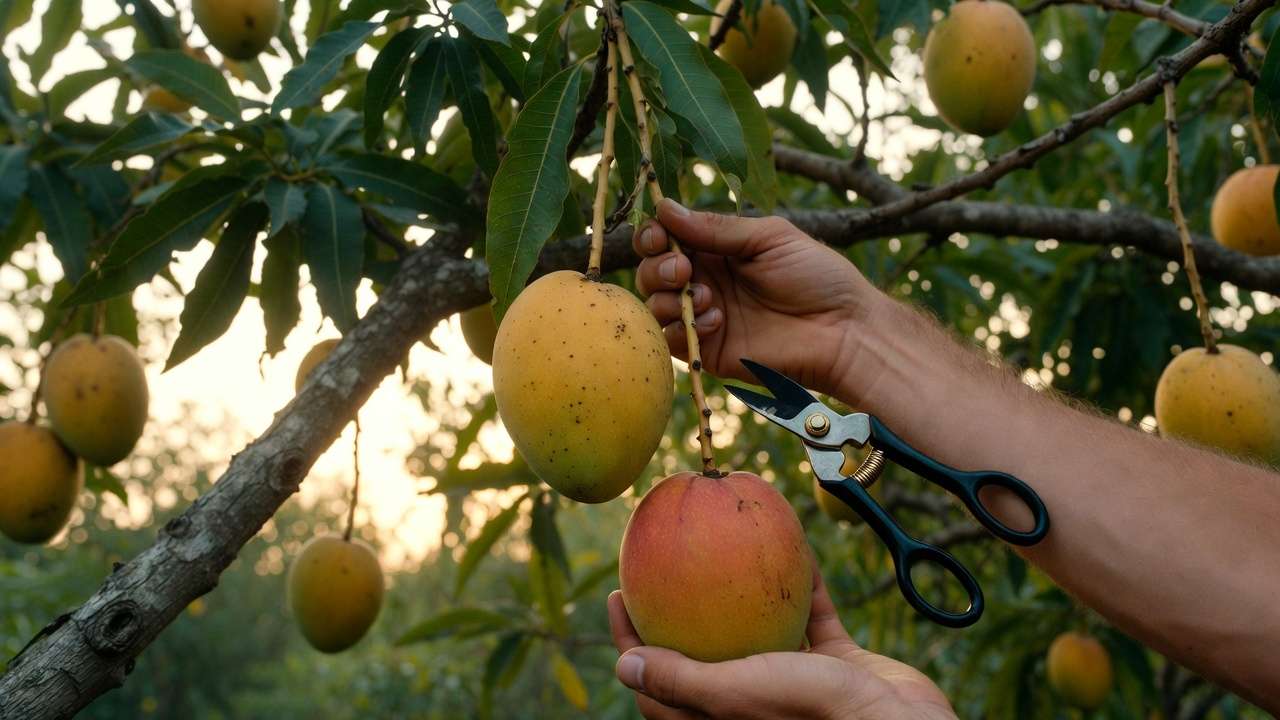
Use gentle techniques: Support heavy branches with one hand, cut stems cleanly, and avoid dropping fruit. Immediately move to shade or a cool spot to prevent sunscald or rapid softening.
Choosing the Right Varieties for Baskets Prioritize sturdy, long-lasting fruits for structure:
- Sturdy stars: Mangoes (for focal points), citrus, pomegranates (if grown), apples/pears (if your microclimate allows).
- Delicate beauties: Peaches, plums, figs — place these on top or protected spots.
- Balance colors and shapes: Vibrant orange mangoes contrast beautifully with green guavas and yellow citrus for eye-catching appeal.
Expert Insight: How Tree Care Affects Gift Quality Great baskets start with great trees! Regular pruning opens the canopy for even ripening and better air circulation (reducing fungal issues common in humid Khulna). Balanced organic fertilization (compost + neem cake) boosts flavor without excess nitrogen that makes fruit watery. Integrated pest management — like neem oil sprays or companion planting marigolds — ensures spotless, chemical-free fruit that’s safe and appealing for gifting. Avoid overwatering near harvest; it dilutes taste. I’ve seen the difference: well-cared trees yield firmer, sweeter fruit that lasts longer in baskets.
Step 2: Preparing Your Orchard Fruit for Gifting 🧼
Once harvested, proper prep keeps everything fresh and presentation-ready.
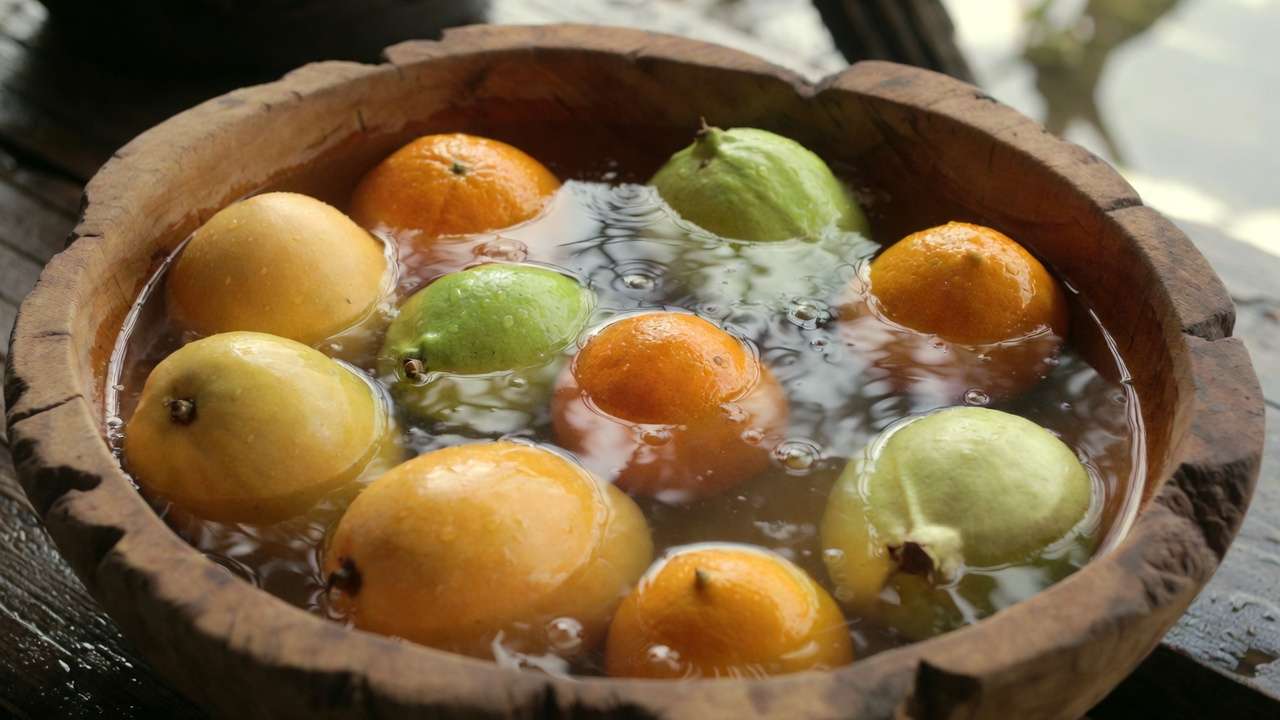
Cleaning, Sorting, and Prepping Like a Pro Gently wash fruits in cool water with a splash of vinegar (1:10 ratio) to remove dirt and potential microbes — ideal for organic homegrown produce. Pat dry immediately to prevent mold. Sort rigorously:
- Premium: Perfect shape/color for center display.
- Good: Minor blemishes for sides/back.
- Imperfect: Save for personal eating or homemade jams.
Stage ripeness: Mix ready-to-eat fruits with ones that ripen over 3–5 days so the basket stays enjoyable longer.
Optional Value-Adds from Your Garden Elevate baskets with garden extras:
- Fresh herbs like mint or curry leaves for aroma.
- Edible flowers (if you grow nasturtiums or hibiscus).
- Simple homemade touches: Small jars of guava jam, dried mango slices, or citrus-infused honey (easy recipes: simmer fruit with sugar/honey, jar sterilize).
These additions make your basket unique and showcase more of your gardening skills! 🍯
Step 3: Designing & Assembling Stunning Baskets 🌸🧺
This is where the magic happens — turning your carefully selected orchard fruits into a visually irresistible gift that stops people in their tracks. A well-designed basket feels thoughtful and artisanal, not haphazard. With a few simple techniques, even beginners can achieve professional results.
Basket Basics – Choosing Containers That Wow The container sets the tone, so choose one that complements your homegrown, natural aesthetic while being practical for transport.
- Eco-friendly winners: Traditional wicker baskets (breathable for fruit), wooden crates or trays (rustic charm), reusable jute or cotton fabric bins, or even upcycled items like vintage tin trays or bamboo platters.
- Size guide for different occasions: – Small (4–8 pieces): Perfect for a single person or thank-you gift (fits 4–6 mangoes + citrus). – Medium (family-sized): 10–15 fruits — great for households or small gatherings. – Large (impressive statement): 20+ pieces — ideal for festivals or big thank-yous.
Pro tip: Line the bottom with food-safe tissue paper, kraft paper shreds, or dried banana leaves from your garden for an extra tropical touch that’s fully biodegradable. This also helps absorb any minor moisture and cushions delicate fruits.
Step-by-Step Assembly Tutorial Follow this order for stability and beauty:
- Create a stable base: Place the heaviest, largest fruits first (e.g., whole pomelos, large papayas, or big mangoes) in the center or back. These act as anchors.
- Build layers with height variation: Add medium-sized fruits around them (guavas, oranges, smaller mangoes). Angle some upward for dimension — use small skewers or toothpicks (hidden) if needed to prop.
- Add color and texture contrast: Alternate vibrant hues — yellow mangoes next to green guavas, red pomegranates beside orange citrus. Tuck smaller items (lemons, key limes) into gaps.
- Incorporate fillers & greenery: Use fresh mint sprigs, curry leaves, or lemongrass stalks from your garden to fill spaces and add fragrance. Edible flowers (if you grow them) or non-toxic foliage like mango leaves create a lush, just-picked look.
- Secure everything: Gently shake the basket to test stability. Add more shredded paper or crumpled tissue if fruits shift. For transport, consider wrapping the entire basket in clear cellophane (biodegradable versions available) and securing with a wide ribbon or twine.
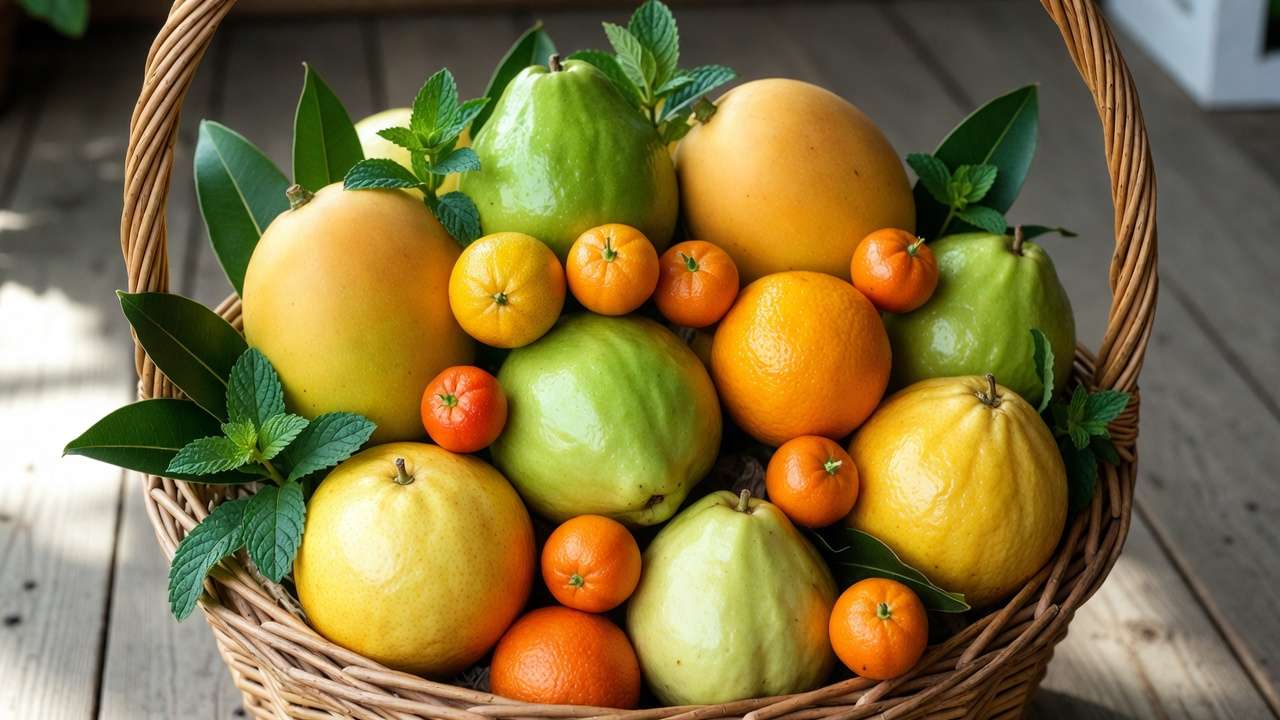
Theme Ideas Tailored to Your Orchard Personalize based on what your trees are producing:
- Classic Mango Harvest 🍋🍈: Center with golden Fazli or Himsagar mangoes, surround with guavas and citrus, finish with mint and dried mango ribbons.
- Citrus Sunshine 🍊🌞: Bright yellows and oranges — malta oranges, lemons, pomelos, with green guava accents and lemon leaves.
- Tropical Paradise 🌴: Mix of mango, papaya, guava, jackfruit pieces (if small), plus passionfruit or starfruit for exotic flair.
- Mixed Monsoon Bounty (late summer): Guavas, early mango varieties, pomegranates, and any surviving citrus — emphasize jewel tones.
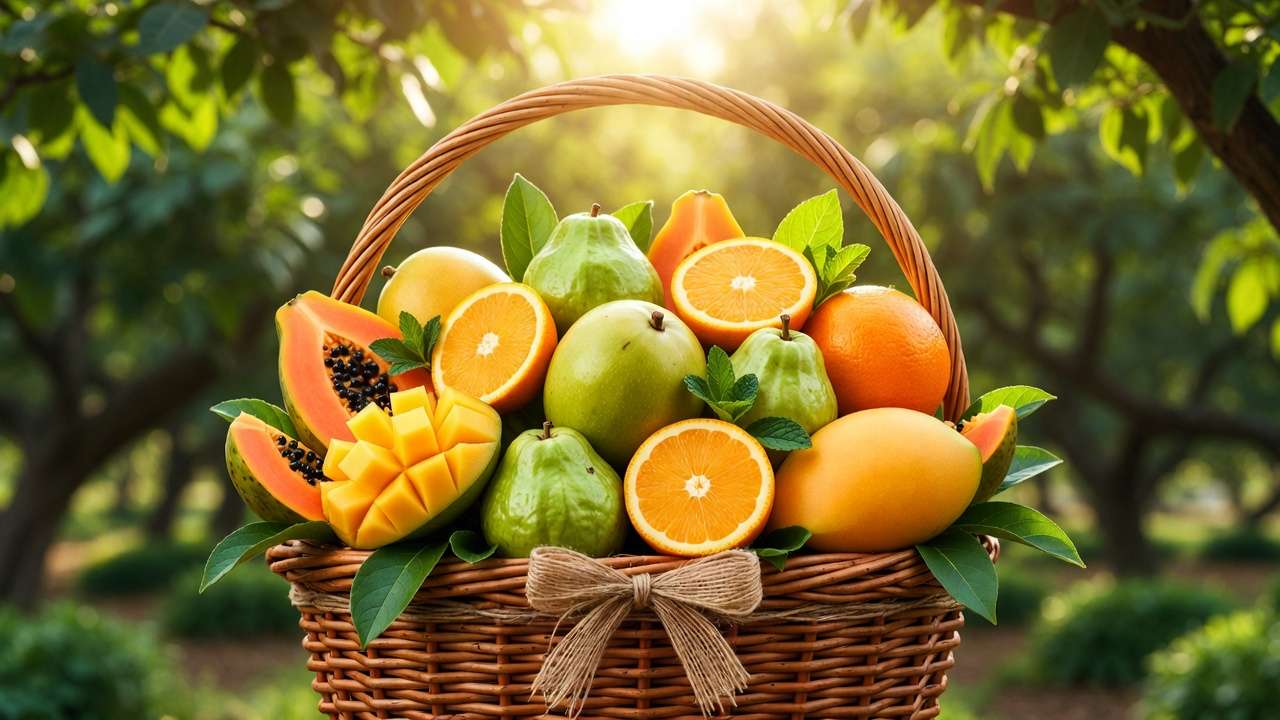
Pro Tips for Picture-Perfect Presentation
- Use the rule of thirds: Place your most eye-catching fruit (a perfectly blushed mango or large pomelo) off-center for visual interest.
- Play with height: Tall items in back, shorter in front — creates depth in photos.
- Rustic elegance: Tie with natural jute twine, add a handwritten tag saying “Hand-picked from my Khulna orchard – enjoy fresh!”
- Avoid overpacking: Leave breathing room so fruits don’t bruise during transport.
With these techniques, your baskets will look like they came from a high-end boutique — but with the unbeatable story of being grown by you.
Step 4: Packaging, Storage, and Delivery Tips 🚚❄️
The final stretch: ensuring your masterpiece arrives fresh and beautiful.
Keeping Your Gift Fresh from Orchard to Doorstep
- Short-distance (same day/local): Keep in a cool, shaded spot. No refrigeration needed if delivering within 4–6 hours — most tropical fruits prefer room temperature.
- Longer transport (1–2 days): Use insulated cooler bags with ice packs wrapped in cloth (never direct ice on fruit). Choose well-ventilated baskets and avoid sealing too tightly to prevent condensation and mold.
- Storage before gifting: Store assembled baskets in the coolest part of your home (15–20°C if possible). Most combinations last 3–7 days beautifully if staged with varying ripeness.
Labeling for Thoughtfulness & Safety Include a small card with:
- Fruit varieties and harvest date
- Simple care tips (“Best enjoyed within 5 days; store at room temp”)
- A personal note: “Grown with care in my backyard orchard in Khulna 🌳”
- Optional: Basic allergy note if relevant (though homegrown usually means transparent ingredients)
Creative Packaging Variations
- Rustic kraft paper wrap: Tie with twine and a sprig of mango leaf.
- Clear cellophane: Shows off the colors — add a big bow for festive occasions.
- Gift tag ideas: Include a photo of your tree or a fun fact (“This guava tree is 8 years old!”).
- Seed bonus: For plant-loving recipients, tuck in a few cleaned seeds with planting instructions.
Bonus: Seasonal Variations & Advanced Ideas 🍂🌴
Your orchard’s gifts can evolve beautifully with the seasons, keeping your baskets fresh, relevant, and exciting year-round. In Khulna’s tropical/subtropical climate, we have distinct harvest windows that let you create themed baskets almost every few months.
- Spring/Early Summer (March–May): Focus on early mango varieties (Gopalbhog, Langra), citrus leftovers (if any winter oranges remain), and the first guavas. Theme idea: “Spring Awakening” with bright yellows, greens, and light mint accents.
- Peak Summer/Monsoon (June–August): Prime mango season! Combine different cultivars (Fazli for late sweetness, Amrapali for color) with guavas and any surviving jackfruit or papaya. Add passionfruit vines or starfruit if you grow them. Theme: “Mango Monsoon Madness” 🍋🍈 — pure tropical indulgence.
- Late Monsoon/Autumn (September–November): Guavas hit their stride, along with pomegranates (if your tree fruits), custard apples (sitaphal), and any late citrus. Theme: “Jewel-Toned Harvest” with deep reds, pinks, and greens.
- Winter (December–February): Sweet oranges (malta), pomelos, lemons, and early guavas. These hold up exceptionally well in baskets. Theme: “Citrus Winter Glow” 🍊❄️ — perfect for festive gifting during Pohela Boishakh prep or winter weddings.
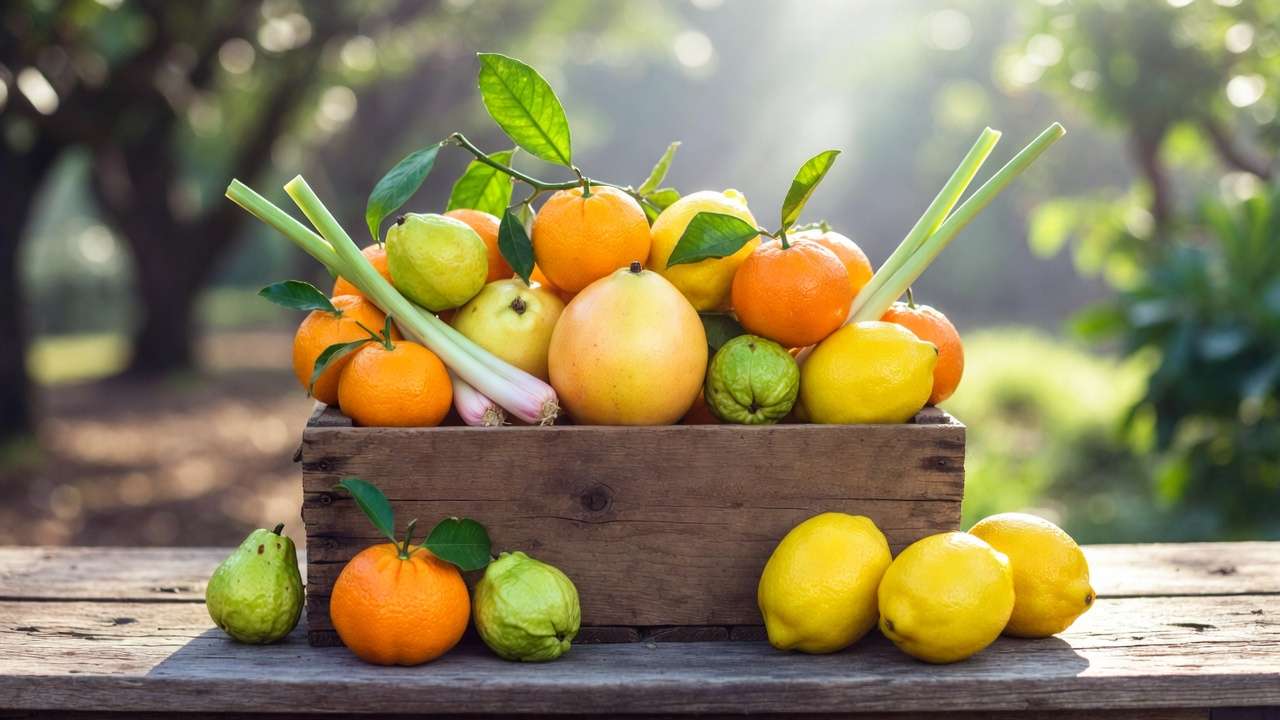
Advanced Ideas to Level Up Your Baskets
- Homemade orchard extras: Small jars of mango chutney, guava jelly, or citrus marmalade (use low-sugar recipes to keep them healthy). Dried fruit slices (oven or sun-dried mango/guava chips) add crunch and longevity.
- Seed-starting surprise: Include a few cleaned mango or guava seeds in small labeled packets with simple planting instructions (“Soak overnight, plant in well-draining soil, keep moist”). Recipients who love gardening will treasure this!
- Infused delights: Herb-infused honey (lemongrass or mint from your garden steeped in local honey) or spiced fruit vinegar for salad dressings.
- Layered gift boxes: For very special occasions, use stackable wooden crates — bottom layer fruits, middle layer preserves, top layer fresh herbs and a personal note.
These variations ensure you never run out of ideas and make each basket feel custom-created for the season and recipient.
Expert Insights & Common Mistakes to Avoid 🌟
After years of managing home orchards and gifting hundreds of baskets, here are my top insider lessons:
- Mistake #1: Overpacking the basket. Fruits need airflow — overcrowding causes bruising and faster spoilage, especially in our humid climate.
- Mistake #2: Ignoring ripeness staging. If everything is fully ripe on delivery day, the basket peaks too quickly. Always include 30–40% fruits that are 2–4 days from peak.
- Mistake #3: Skipping support for delicate fruits. Peaches, ripe mangoes, and figs bruise easily — nestle them in tissue or on top.
- Mistake #4: Using non-food-safe materials. Avoid colored tissue paper with inks or plastic wraps that trap moisture. Stick to natural, breathable options.
Pro expert tip: Photograph your tree(s) in full fruit and print a small 2×3 photo to include in special baskets. Nothing says “homegrown” like showing the actual tree! It turns a gift into a mini story.
Conclusion ❤️🌳
Creating fruit gift baskets from your orchard is one of the most rewarding ways to celebrate your hard work as a home gardener. You’re not just giving fruit — you’re sharing a piece of your land, your care, your patience through every pruning season and monsoon. The smiles, the surprised “You grew these?!” messages, the repeat requests — they make every early-morning harvest worth it.
Start small if you’re new: Pick 6–8 pieces from your best tree, arrange simply, add a ribbon and a note. Before long, you’ll be creating baskets that look (and taste) like works of art. Experiment with themes, add your own garden twists, and most importantly — enjoy the process.
This season, turn some of that beautiful bounty into gifts. Your trees have given you abundance — now share it. I’d love to hear how your baskets turn out — feel free to tag or message photos of your creations!
Happy harvesting and gifting! 🍎🍊🌿
Frequently Asked Questions ❓
How long will the fruit stay fresh in a gift basket? Most tropical/subtropical combinations last 4–7 days at room temperature if ripeness is staged properly. Sturdy fruits like citrus and guavas can go 10+ days. Keep in a cool spot away from direct sun.
What if my fruit isn’t perfectly uniform or has minor blemishes? Perfectly imperfect is part of the charm of homegrown! Use the best pieces in the center and visible spots. Minor spots can be charming — they prove it’s real orchard fruit, not mass-produced.
Can I include non-fruit items from my garden? Absolutely! Fresh herbs (mint, curry leaf, lemongrass), edible flowers, or small potted herb cuttings make wonderful additions. Just ensure everything is clean and non-toxic.
Best ways to transport without bruising? Use a sturdy basket or crate, line with soft material, place heaviest fruits at bottom, secure with tissue or skewers if needed. For longer trips, add wrapped ice packs in the corners (never touching fruit directly) and transport in an air-conditioned vehicle if possible.
Ideas for allergy-friendly baskets? Focus on single-fruit-type baskets (e.g., all citrus or all guava) and clearly label varieties. Avoid adding nuts, honey, or preserves unless you know the recipient’s preferences. Stick to plain fresh fruit for maximum safety.
How do I make the basket more personal? Handwritten notes, a photo of your tree, variety names, harvest date, or a short story (“This mango tree was planted when my daughter was born!”) turn a nice gift into an unforgettable one.
Can I make baskets ahead for busy seasons like Eid? Yes — assemble 1–2 days in advance and store in the coolest room. Choose fruits with staggered ripeness so they peak around delivery day. Wrap loosely in cellophane to protect from dust.
What if I don’t have many fruits yet — can I still make a basket? Start small! Even 4–6 beautiful pieces with some greenery and a thoughtful note make a lovely gift. Quality over quantity every time.











