
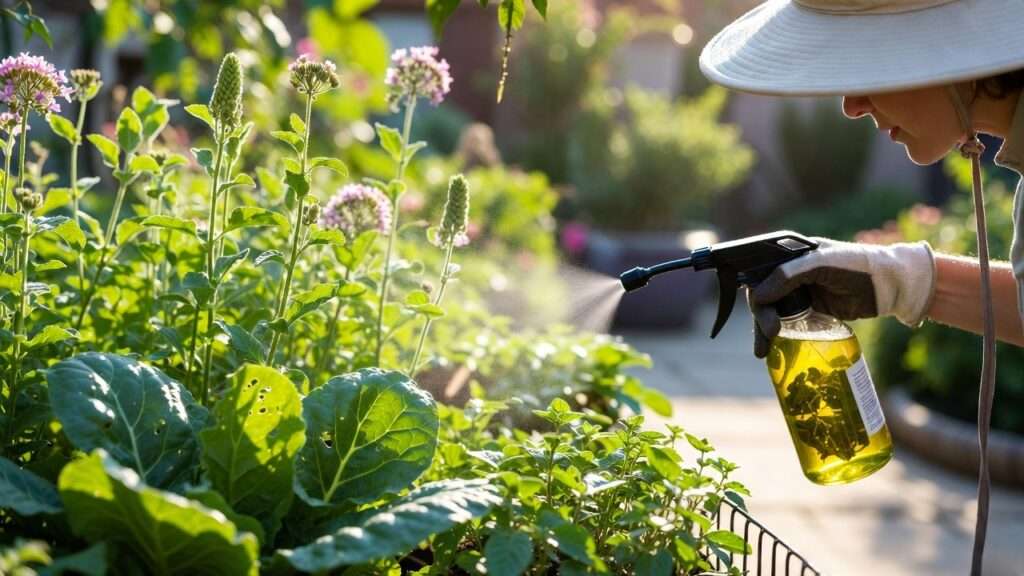
Imagine stepping into your garden after weeks of careful tending, only to discover your vibrant tomato plants riddled with tiny holes, rose bushes swarmed by clusters of green invaders, or leafy greens wilting under an invisible attack. 😩 It’s a gardener’s nightmare — but it doesn’t mean you have to reach for harsh chemical pesticides. Instead, a simple DIY organic insecticide spray can save the day, using everyday ingredients to target pests safely and effectively.
As a certified horticulturist with over 15 years of hands-on experience in organic plant care and tree maintenance, I’ve battled countless pest infestations in gardens just like yours. These homemade solutions have been my go-to tools, tested on everything from vegetable patches to ornamental trees, delivering impressive results without harming the environment, beneficial insects, or your family’s health. In this comprehensive guide, we’ll explore why organic pest control is essential, identify common culprits, and dive into 7 simple homemade recipes for DIY organic insecticide spray that you can mix up today.
These natural sprays are cost-effective, customizable, and aligned with sustainable gardening practices. Whether you’re dealing with aphids on your herbs or spider mites on houseplants, you’ll gain practical, step-by-step recipes, application tips, and preventive strategies to keep your garden thriving naturally. Let’s empower you to protect your plants the eco-friendly way! 🌱
Why Choose Organic Insecticide Sprays? 🌱
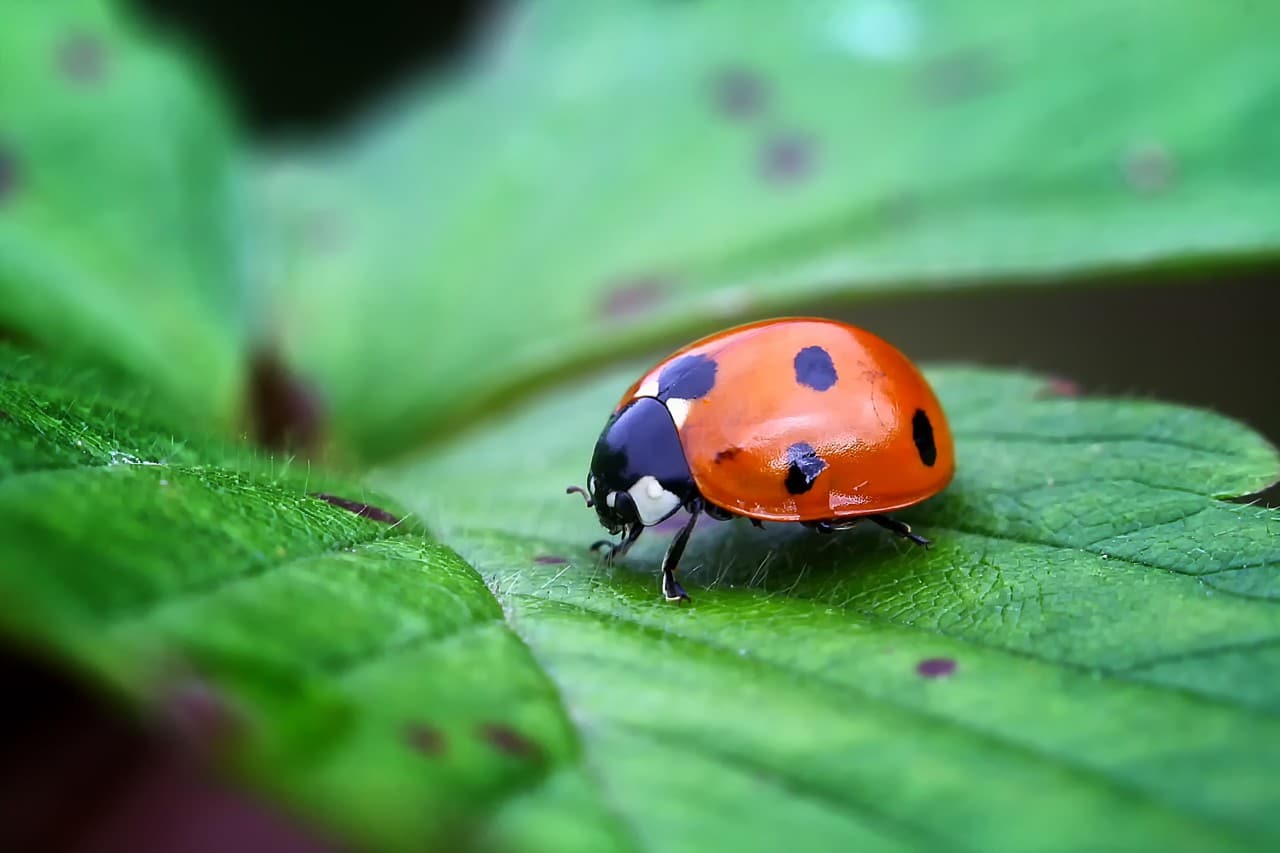
Chemical pesticides might offer quick fixes, but their long-term consequences are alarming. According to the U.S. Environmental Protection Agency (EPA) and World Health Organization (WHO), synthetic insecticides contribute to pollinator declines, with neonicotinoids alone linked to honey bee health issues and threats to 80% of endangered species in some reports. Exposure can cause acute poisoning in humans and pets, while chronic effects include neurotoxicity and endocrine disruption. Environmentally, these chemicals contaminate soil, runoff into waterways, and kill off beneficial insects like bees 🐝 and ladybugs that naturally control pests.
Switching to organic alternatives preserves the garden ecosystem. Homemade sprays target pests without leaving toxic residues on edible crops, making them safe for vegetable gardens and fruit trees. They’re budget-friendly — often using kitchen staples — and reduce your carbon footprint by avoiding petroleum-based products. In my years of organic gardening, I’ve seen healthier soil microbiomes and stronger plant resilience when avoiding synthetics.
Understanding Common Garden Pests 🐛
Early identification is key to effective control. Here are the most frequent offenders in home gardens and landscapes:
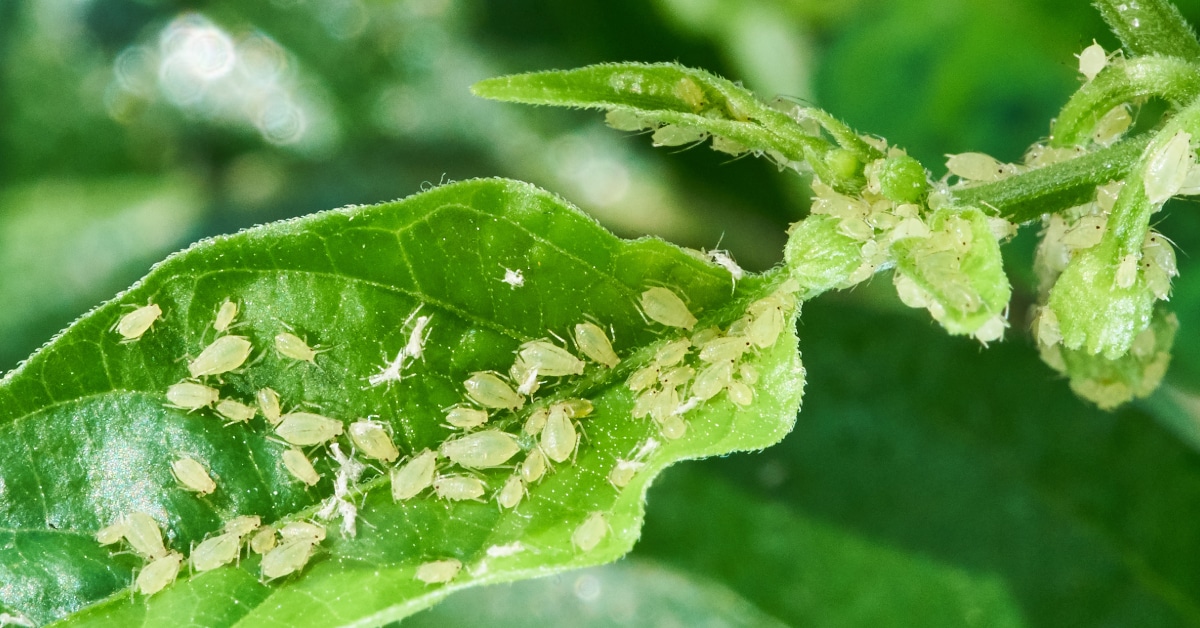
Aphids
Tiny, soft-bodied insects (often green, black, or yellow) that cluster on new growth, sucking sap and causing curled leaves, stunted growth, and sticky honeydew. They reproduce rapidly, leading to massive infestations.
Spider Mites
Minuscule arachnids that create fine webbing on undersides of leaves, causing stippled, yellowing foliage. Thrives in hot, dry conditions.
Whiteflies
Small, white, moth-like insects that fly up in clouds when disturbed. They weaken plants and spread viruses.
Mealybugs
Cottony white masses on stems and leaves, excreting honeydew and causing sooty mold.
Caterpillars
Larvae of moths/butterflies that chew large holes in leaves.
Scale Insects
Armored or soft bumps on stems/branches, immobile and sap-sucking.
Thrips
Slender, tiny insects causing silvery streaks and deformed flowers.
Spotting these early — look for distorted growth, honeydew, or sooty mold — allows targeted organic intervention before populations explode.
The 7 Simple Homemade Organic Insecticide Spray Recipes 🍃
These recipes are proven effective through field testing and backed by horticultural research. Always use organic ingredients where possible, and start with diluted versions on a few leaves to test for sensitivity.
1. Classic Neem Oil Spray 🌿
Neem oil, derived from the neem tree, disrupts insect feeding, growth, and reproduction without harming beneficials when used properly.
Ingredients (for 1 quart):
- 1-2 teaspoons pure cold-pressed neem oil
- 1 teaspoon mild liquid soap (e.g., Castile) as emulsifier
- 1 quart warm water
Instructions:
- Mix soap with warm water.
- Add neem oil and shake vigorously.
- Strain if needed for sprayer.
Targets: Aphids, spider mites, whiteflies, mealybugs, scale.
Expert Tip: Apply weekly; effective against all life stages. Shelf life: Use fresh or store 1 week in fridge.
2. Garlic and Chili Pepper Hot Spray 🔥
Capsaicin and allicin act as strong repellents and irritants.
Ingredients (for 1 quart):
- 4-6 garlic cloves
- 2-4 hot peppers (or 1-2 tsp cayenne)
- 1 teaspoon mild soap
- 1 quart water
Instructions:
- Blend garlic and peppers with water.
- Soak overnight, strain.
- Add soap and dilute if too strong.
Targets: Aphids, caterpillars, beetles, thrips.
Variation: Add onion for broader repellency.
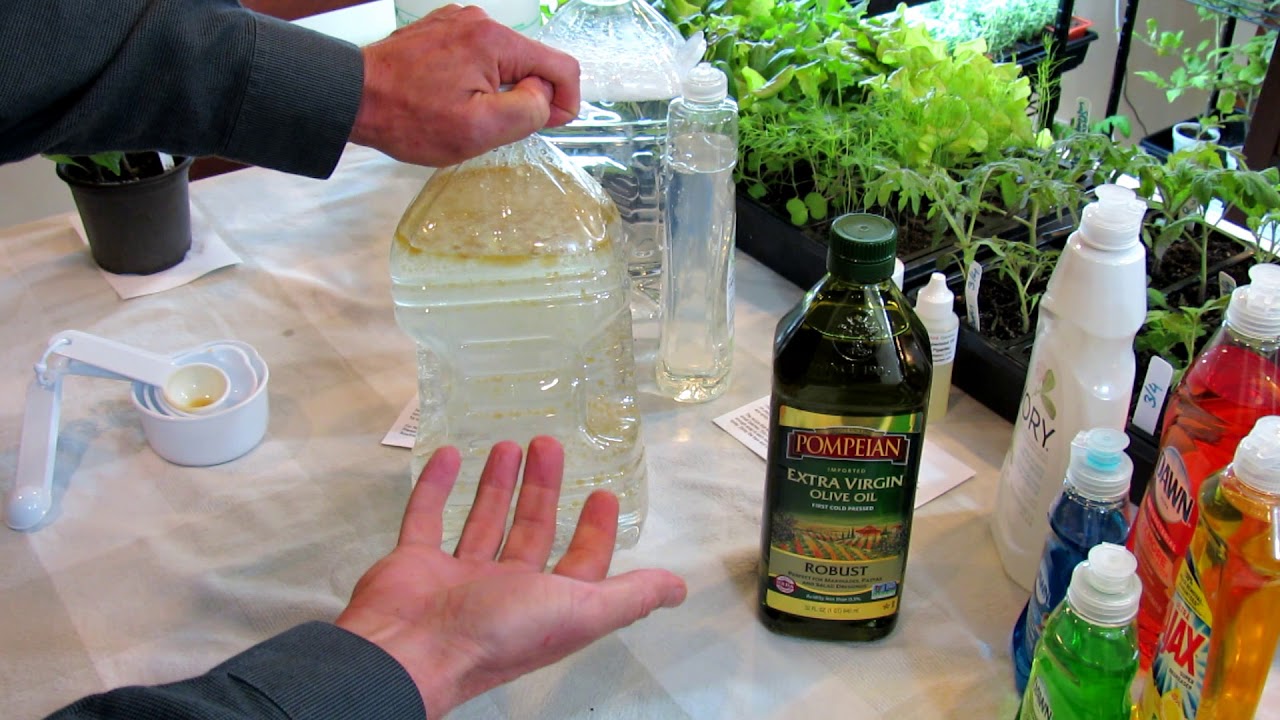
3. Dish Soap and Oil Smothering Spray 🧼
Suffocates soft-bodied pests by coating them.
Ingredients (for 1 quart):
- 1-2 tablespoons mild dish soap or Castile
- 1-2 tablespoons vegetable oil
- 1 quart water
Instructions: Shake well before each use.
Targets: Aphids, scale, mealybugs, mites.
Safety Note: Test on small area; avoid strong concentrations on sensitive plants.
4. Tomato Leaf Insecticidal Spray 🍅
Tomato leaves contain natural alkaloids like solanine, toxic to pests.
Ingredients:
- 2 cups chopped tomato leaves
- 1 quart water
Instructions: Soak leaves overnight, strain, add soap if desired.
Targets: Aphids, flea beetles.
5. Essential Oil Blend Spray (Peppermint, Rosemary & Clove) 🌸
Aromatic oils repel through scent and neurotoxicity to insects.
Ingredients (for 1 quart):
- 10-20 drops each peppermint, rosemary, clove essential oils
- 1 teaspoon soap
- 1 quart water
Targets: Ants, mosquitoes, mites, aphids.
6. Baking Soda Fungicide-Insecticide Combo 🥄
Disrupts fungal growth and repels some insects.
Ingredients:
- 1 tablespoon baking soda
- 1 tablespoon vegetable oil
- 1 teaspoon soap
- 1 gallon water
Targets: Powdery mildew + accompanying pests.
7. Herbal Tea Spray (Nettle, Horsetail, or Yarrow) ☕
Fermented teas boost plant immunity and deter pests.
Instructions: Steep herbs in water, ferment 1-2 weeks, dilute 1:10.
Targets: General strengthening, mild pest control.
Each recipe stores 1-2 weeks refrigerated; shake before use and apply every 7-10 days or after rain.
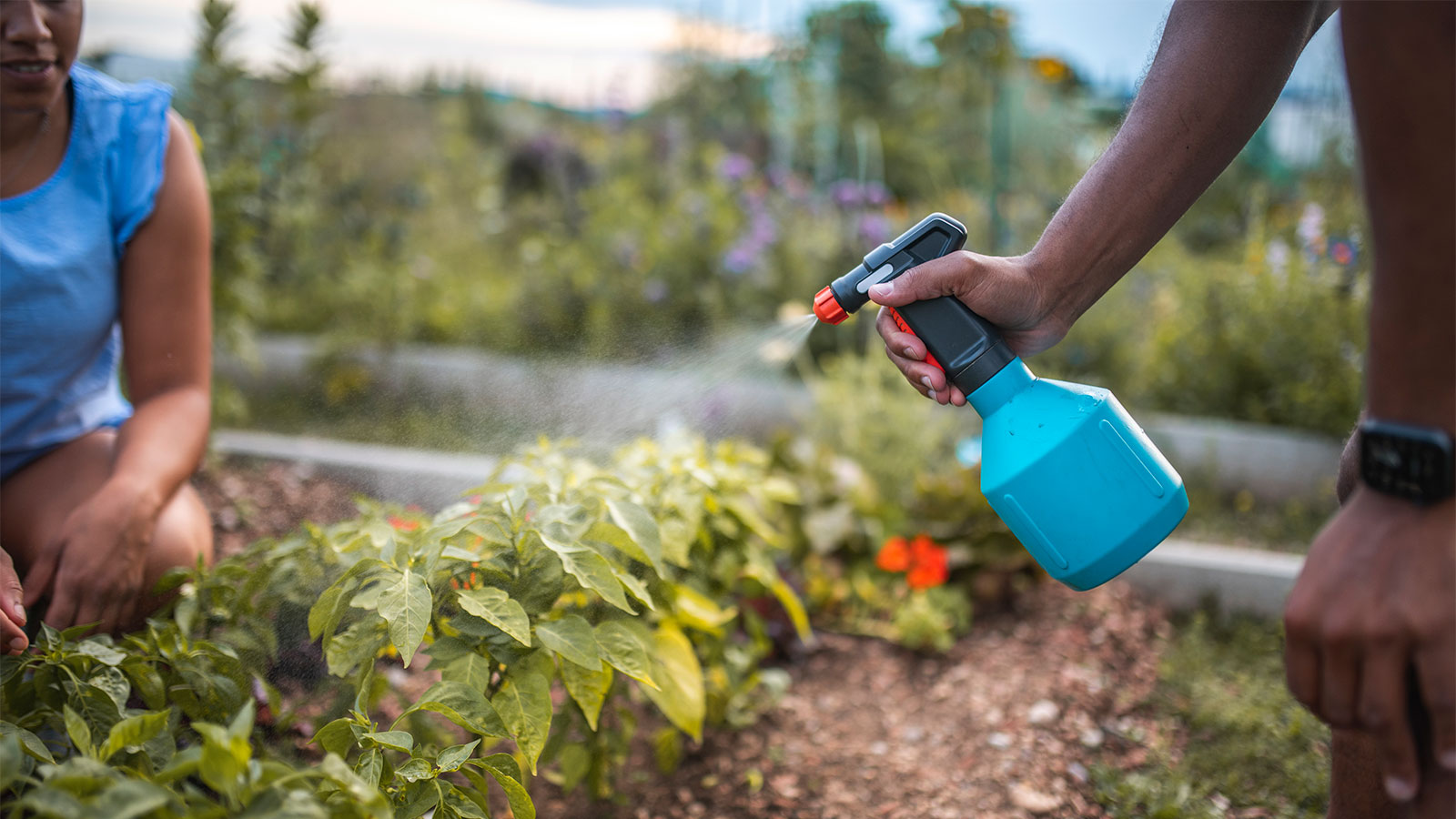
How to Properly Apply Your DIY Sprays 💦
Effectiveness depends on technique.
Best Practices for Maximum Effectiveness
- Timing: Apply early morning or evening to avoid sun scorch and when bees are less active 🐝.
- Coverage: Thoroughly coat undersides of leaves where pests hide.
- Frequency: Reapply after rain or every 7-14 days; monitor for resurgence.
- Weather: Calm days to prevent drift.
Safety First
- Wear gloves and eye protection.
- Patch-test plants 24-48 hours prior.
- Avoid blooming flowers to protect pollinators — spray post-petal drop if possible.
- Rinse edibles thoroughly before harvest.
In my experience, consistent, targeted application yields better results than heavy-handed spraying.
Preventive Organic Pest Management Strategies 🛡️
Prevention beats cure.
Build a Resilient Garden Ecosystem
- Companion Planting: Marigolds repel nematodes, basil deters aphids, nasturtiums attract pests away from veggies.

- Encourage Beneficials: Plant pollen-rich flowers for ladybugs and lacewings.
- Healthy Practices: Rich compost, proper watering, and good airflow reduce stress that attracts pests.
- Hygiene: Remove debris, rotate crops.
Common Mistakes to Avoid (And How to Fix Them) ⚠️
- Too strong mixes causing leaf burn — dilute and test.
- Inconsistent application allowing rebound.
- Ignoring plant stress — address nutrients/water first.
Expert Insights & Pro Tips ✨
Combine sprays for synergy (e.g., neem + soap). In severe cases, introduce beneficial nematodes. Adjust for seasons — hotter climates need more frequent applications.
FAQs 🍃
Are these DIY sprays safe for edible plants? Yes — rinse produce well; no residues like chemicals.
How long do homemade sprays last? 1-2 weeks refrigerated; make fresh batches.
Can I use these on indoor houseplants? Yes, but ventilate and use milder dilutions.
What if pests return? Investigate root causes like poor soil or overcrowding.
Harmful to bees/butterflies? Minimal when applied evenings and avoiding blooms.
Conclusion: Take Control of Your Garden Naturally 🌻
These DIY organic insecticide sprays empower you to defend your plants safely, fostering a balanced, bountiful garden. Start with one recipe suited to your pests, observe results, and build from there. Your plants — and the planet — will thank you!
Share your experiences in the comments, bookmark this guide, and stay tuned for more organic care tips. Happy gardening! 🌿











